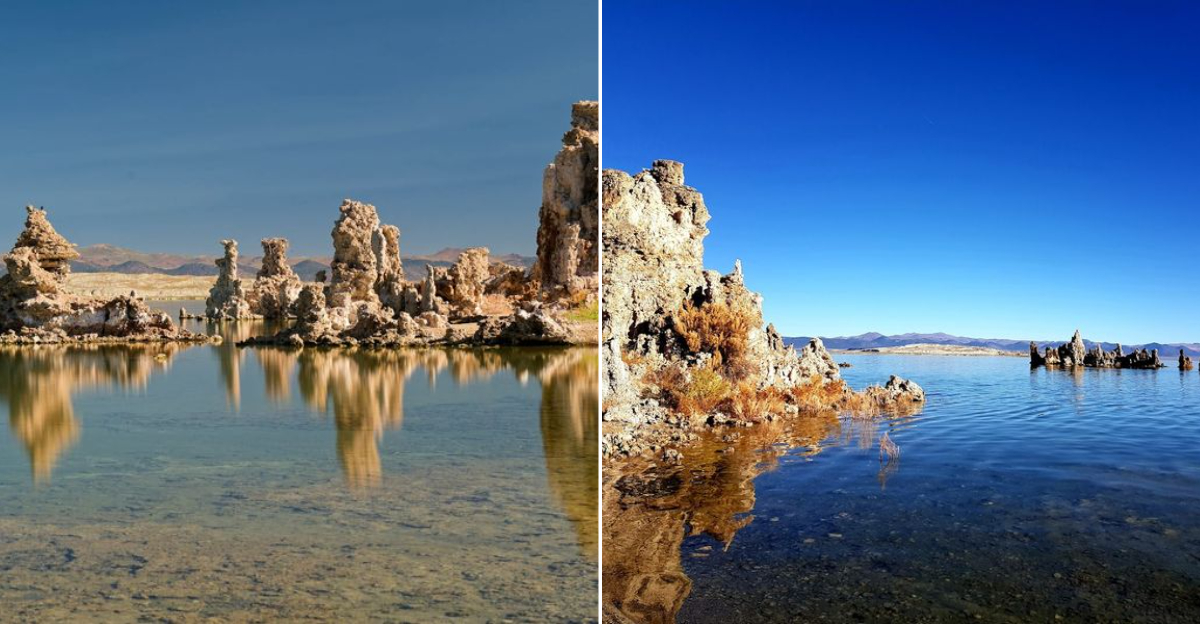
It is one thing to hear that a lake is shrinking, and another to see the shoreline pull back so far that the whole place starts to feel changed. That is what makes this California lake so hard to ignore right now.
What was once a fuller, more familiar landscape has become a visible reminder of how quickly a beloved natural spot can shift when water levels keep falling. The views are still striking, but they come with a very different mood now. That is why concern around this lake keeps growing.
This is not just about scenery looking a little different than it used to. It is about a major California lake reaching alarming lows and raising bigger questions about drought, water pressure, and what the future could look like if those changes continue.
That tension is exactly what gives this place such a powerful story, because the beauty is still there, but so is the warning built into every receding edge.
Water Levels Changed The Story Of This Lake
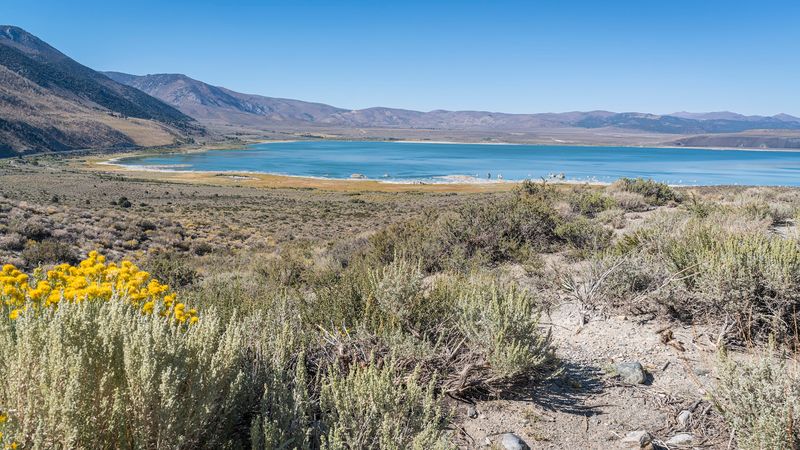
You notice it the second you step out at Mono Lake County Park, because the water sits farther out than your mind expects, and the quiet gap between shore and blue tells a different story than the postcards. California has been riding big swings, and this lake wears the marks along its edges like rings on an old stump.
It is not a collapse so much as a long conversation carved into salty mud, with pauses where the water held and sharp breaks where it did not. You feel the scale in your legs as you walk, because the distance to the lapping edge steals time you thought you had.
But that space teaches, and you start piecing together why diversions upstream and hard seasons across California left the basin lowered, then nudged back a bit, then worried over again when heat and wind return. Standing near the boardwalk, with tufa knobs poking up like baked meringue, you realize the lake is not simply scenery, because it is a living gauge with real stakes for birds, brine shrimp, and the people who count on it.
So when we talk about levels, we are really talking about how this corner of California breathes, and whether the next season lets it inhale or pushes it to hold its breath again. You cannot rush it, but you can stand here and listen.
That is why the story feels bigger than the shoreline, because water choices stack up like small pebbles that eventually build a wall you can see. And you feel it here.
Tufa Towers Reveal Just How Much Shifted
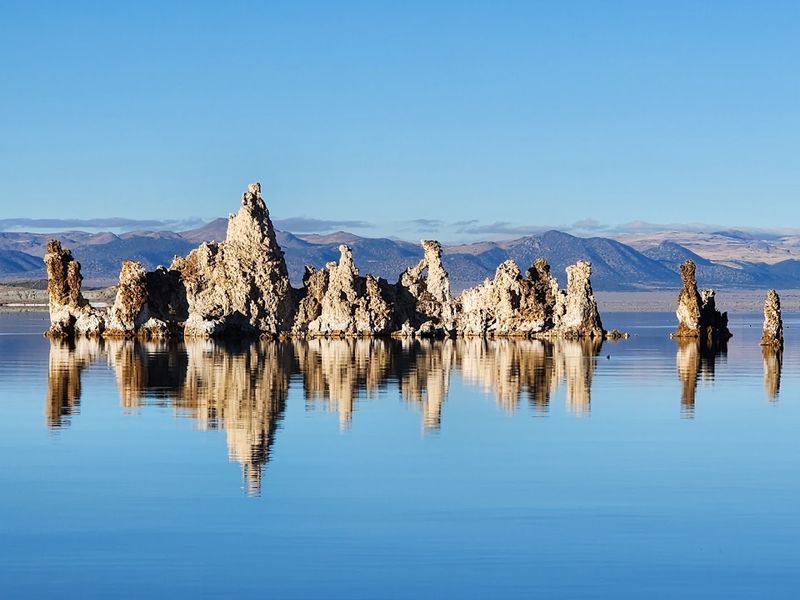
See those weird, chalky spires leaning out of the water like half-melted castles? The tufa towers are basically the lake’s memory sticks, and they show you exactly how far things have moved because more of them sit high and dry than you might expect.
Stand next to a tower, trace the tide line, and you can almost hear past waves slapping at your shins. It sounds dramatic, but the limestone tells it straight, with pockmarks, salt sheen, and perched nests edged into safe corners.
California’s water story is written in features like this, and Mono Lake reads like a chapter that was dog-eared too often. When the level falls, towers stretch, then gulls and flies shuffle their routines, and everything that depends on timing has to renegotiate.
You feel it in the light too, because lower water throws longer shadows and gives mornings that raw clarity you only get over bright alkaline flats. Is it pretty?
Absolutely, but it is also a yardstick, and walking among these towers feels like paging through a diary that did not skip a day. Every curve hints at chemistry and time stitched together by patience, and every dry pedestal is a reminder that choices upstream redraw the map right here.
That is the kind of truth you cannot unknow once you have stood beside it.
The Shoreline Looks Different Than It Once Did
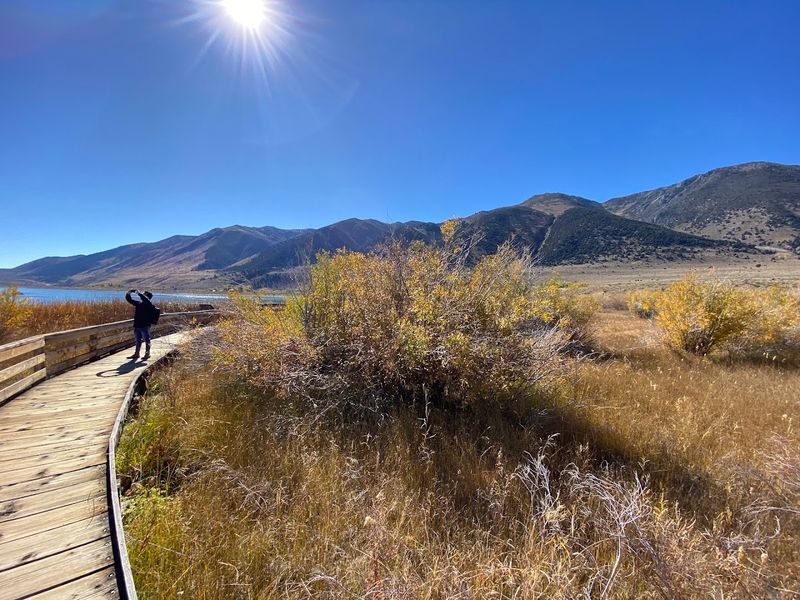
You know that feeling when a place looks familiar, but the edges do not line up with your memory? The shoreline here plays that trick, because the lake has stepped back and left a new ribbon of pale ground that crunches underfoot and smells faintly mineral.
Old photos will show water touching the bases of shrubs that now stand like surprised spectators. The boardwalk helps you make sense of it, because you can trace a gentle curve and see how far the lapping has retreated.
It is not only distance you notice, but texture. Wet mud becomes armored plates, then light sand, then a collar of brine foam where the wind rakes the surface.
California does this to you sometimes, pairing beauty with a quiet warning that sneaks into the way you breathe. You catch yourself measuring steps, comparing footprints with damp patches, and asking where the line might be next season.
The lake is not scolding you, but it is practical, and it teaches in the language of edges. Stand long enough, and you will hear the soft clicks of flies and the small pop of bubbles breaking in the shallows, and those tiny sounds make the new margin feel alive.
That is when the different shoreline stops feeling abstract and starts feeling personal.
Fresh Concern Keeps Mono Lake In Focus
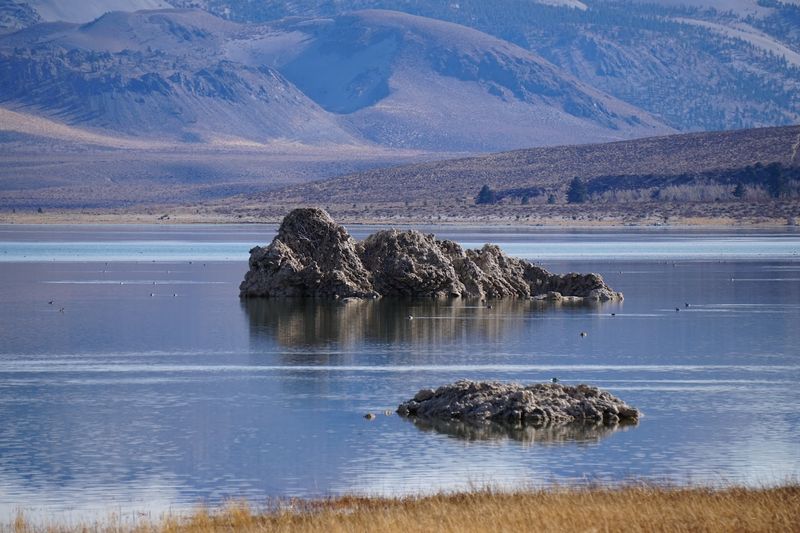
People keep asking if Mono Lake is okay, and the honest answer is that it depends on what time slice you choose. Some seasons bring a sigh of relief, then the needle starts sliding down again, and that wobble is why the concern stays fresh.
California’s bigger water picture keeps tugging at this basin, and you can see the tug in the fly clouds, in shorebird maps, and in how the county park’s signs get updated with careful language. It is the kind of place where a ranger’s sentence can make you stand a little straighter.
What does concern feel like on the ground? It feels like reading an interpretive panel and then looking up and seeing the exact problem written across the flats in pale stripes.
It feels like understanding that a shallow lake reacts quickly, and that speed can help or hurt depending on the year. You are not supposed to carry the weight alone, but you are not supposed to shrug either, and that balance is the adult part of loving a landscape.
When the breeze lifts and the lake turns a stronger blue, it is easy to believe the chapter has closed. Then a new report lands, and the questions return, because the story lives in cycles, not snapshots.
That is why the focus remains steady here, even when the view is gorgeous.
A Strange Beauty Still Defines The Setting
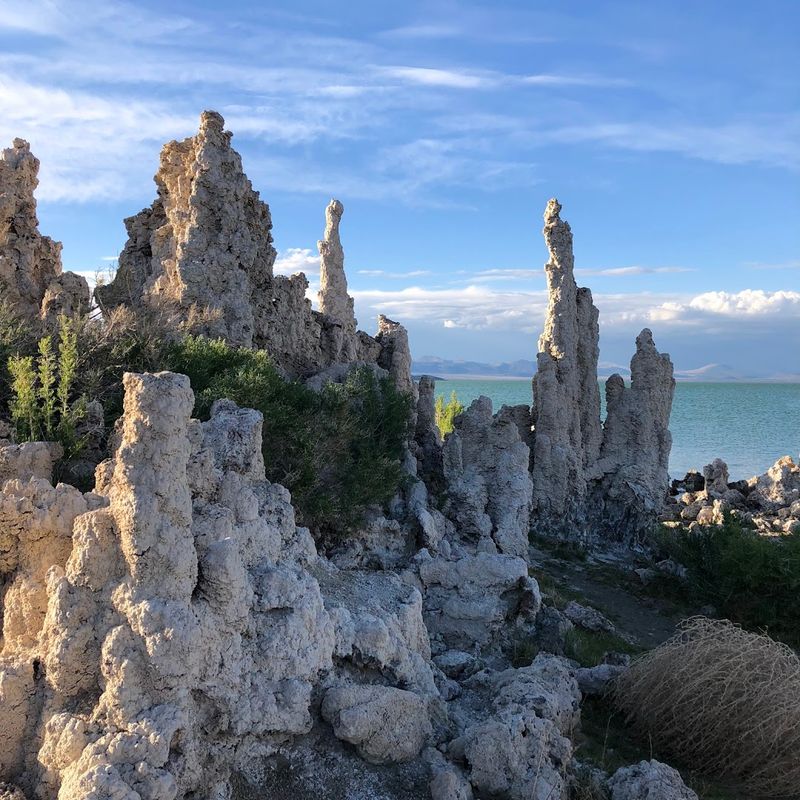
Even with the worries, the place is disarmingly beautiful in a way that sticks under your skin. The colors lean pastel, the forms look sculpted by a patient hand, and the whole scene feels like California dreamed up a saltwater theater and forgot to pack the curtain.
You stand on the edge and your voice naturally drops, because big quiet does that, and because the landscape absorbs sharp tones like a soft room. Beauty here is not a distraction from reality, it is the reason you take the reality seriously.
Strange how the tufa textures invite you to look closer, then the wildlife pulls your eyes wider again. Gulls wheel, flies lift like smoke when you step, and the lake surface flashes silver if a gust rolls through.
If the camera stays in your pocket for a minute, your shoulders drop, and you notice the little ridges under your boots and the light salt taste on your lips. Do you feel how that calm is earned, not given?
That feeling is its own kind of instruction. It says that loving a place means staying for the long conversation, including the parts where you repeat yourself and wait for something to shift.
The beauty keeps you patient, and patience is exactly what a fragile lake asks for.
Exposed Lakebed Adds A Stark New Layer
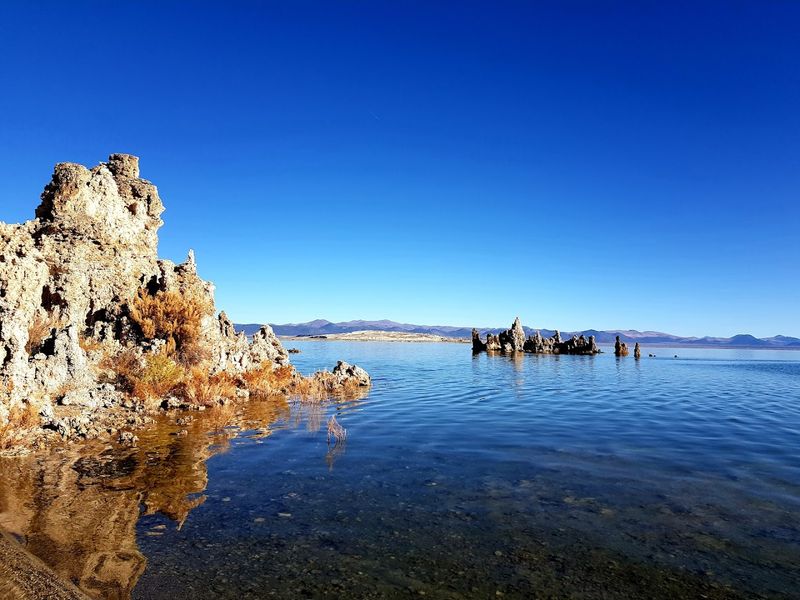
Walk out on the pale flats and you will hear that thin crunch that means the lake has been letting go. The exposed lakebed is not pretty in a postcard way, but it has a blunt honesty that makes you stop and stare.
You see mud that has learned to hold its shape, curving into plates and joining again at seams like a slow puzzle. Those seams mark pauses in water, which means they mark choices upstream and seasons that arrived louder than anyone hoped.
California keeps stacking lessons, and this is one of the clearest. The lakebed is a ledger, and the entries are clean enough to read with your boots on.
Shorebirds hunt the new margins, brine flies shift their hatches, and everything recalibrates around the shape of the season. You can measure it with your stride, counting breaths instead of numbers, and feeling how far the horizon makes you walk.
The view is stark, but it is not empty, because even the crust carries tiny stories in sparkling grains. If you kneel and touch the surface, the salt dusts your fingertips and leaves a reminder that the water was just here, and could be again.
That maybe is what keeps you hopeful without letting you off the hook.
The Ecological Stakes Feel Bigger Than A View
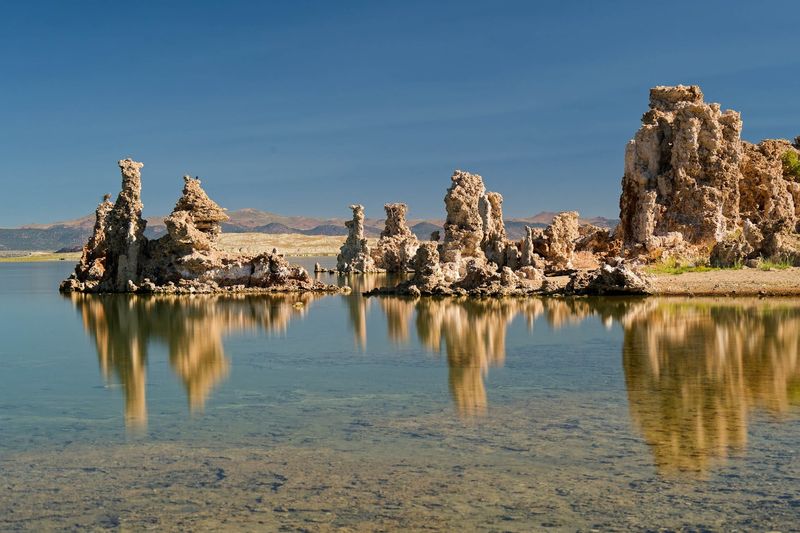
Standing by the shallows, you watch a cloud of brine flies lift and settle like breath, and suddenly the view turns into a food web you can trace with your finger. Gulls bank and call, shorebirds stitch the edge, and the lake’s chemistry quietly powers the whole scene.
When levels slip, timing shifts, and you can feel the nervous energy ripple through the routine like a skipped beat. It is no longer just what you see, it is what depends on what you see.
That is why people keep returning to check on this place, because the stakes sit inside every wingbeat and skitter. California gulls that nest on islands need the right water around them, not too low, not too high, and that sweet middle has to be defended.
You can stand at the county park and watch it play out in front of you, with the tufa as both backdrop and history lesson. Does it turn you into a scientist for a minute?
Maybe, because counting flights and noticing patterns becomes strangely fun when the breeze is steady and the light is kind. The view is still gorgeous, but it doubles as a promise to pay attention.
Once you see that, it is hard to unsee, and you would not want to anyway.
Scenic Pull And Environmental Risk Meet Here
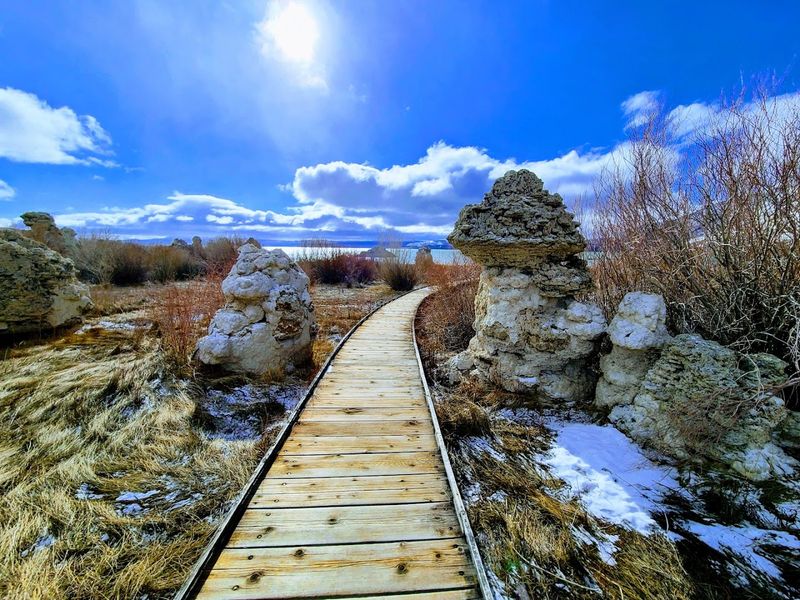
You feel the tug from both sides here, because the place begs for photos while the signs ask for patience. That tension is not a buzzkill, it is actually part of the reason the park matters, since love plus information tends to nudge people the right way.
The boardwalk keeps footsteps where they should be, and the viewpoints frame the scene without pushing you into delicate ground. It is a small choreography that lets the lake breathe while you look.
California tourism knows this dance, threading scenic pull with environmental sense in places that need both attention and restraint. Watch how a family pauses at a panel, then turns to the water and points out the distant line, and you can feel the message landing.
Risk does not have to mean panic, but it does mean adjusting habits and talking about tradeoffs in regular words. You and I can do that, right?
We can say the lake is beautiful and also say it is fragile, then act like both things are true. If that sounds simple, it is, and the park makes it easier by laying out paths, views, and facts like a friendly guide who does not talk down to you.
Lee Vining Visitors See More Than A Photo Stop
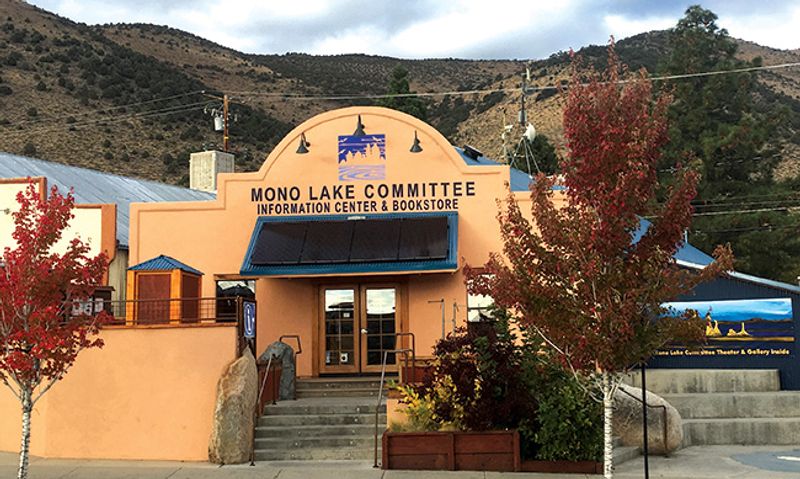
Roll into Lee Vining and you can tell the lake is the headline, but the conversation runs deeper than a quick panorama. People filter through the visitor spots with questions about trails, birds, and how the water has been acting, and the staff speaks about the basin like a neighbor they have known forever.
That tone helps, because it makes the science feel local, the maps feel personal, and the caution feel like care. You leave with directions, sure, but also with context you can hold while you walk.
This little Eastern Sierra town has learned how to welcome while keeping the story honest, which is a trick more places in California should borrow. Ask around and you will hear about winter light, summer storms, and the hush that falls over the lake on certain evenings.
You get tips on where the boardwalk starts and how to move gently when the shorebirds are thick. Does that make it less spontaneous?
Not really, it makes it more satisfying, because your choices start to match the place instead of the other way around. The best souvenir might be the way you look at the horizon afterward, measuring not just distance but responsibility.
That awareness follows you out of town like a friendly tailwind.
Mono Lake Still Feels Both Beautiful And Fragile
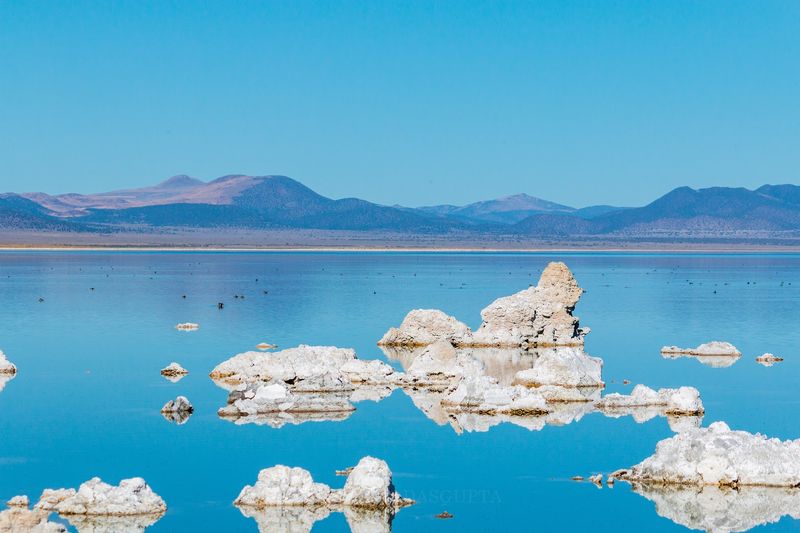
Even after you have walked the flats and read the panels, the lake sneaks up on you with a soft kind of awe. Evening glosses the surface, the tufas turn to silhouettes, and the horizon blurs into lavender that looks painted by a careful hand.
That is when the beautiful and the fragile sit side by side without arguing, and you can feel both truths tugging at your sleeve. The quiet is not empty, it is full of choices that arrived before you and will keep arriving after.
California has plenty of bold scenery, but this place teaches by whispering. It asks for a slower step, a kinder footprint, and a willingness to let the landscape set the pace.
Are you okay with that? You probably are, because slowing down helps you hear the tiny notes of the place, from fly buzz to gull chatter to the hush of the far edge.
You end up leaving with more than a photo, which is funny, because the photos look great. What you really carry is a promise to look again, to notice edges, and to treat the next lake like it matters just as much.
Dear Reader: This page may contain affiliate links which may earn a commission if you click through and make a purchase. Our independent journalism is not influenced by any advertiser or commercial initiative unless it is clearly marked as sponsored content. As travel products change, please be sure to reconfirm all details and stay up to date with current events to ensure a safe and successful trip.
