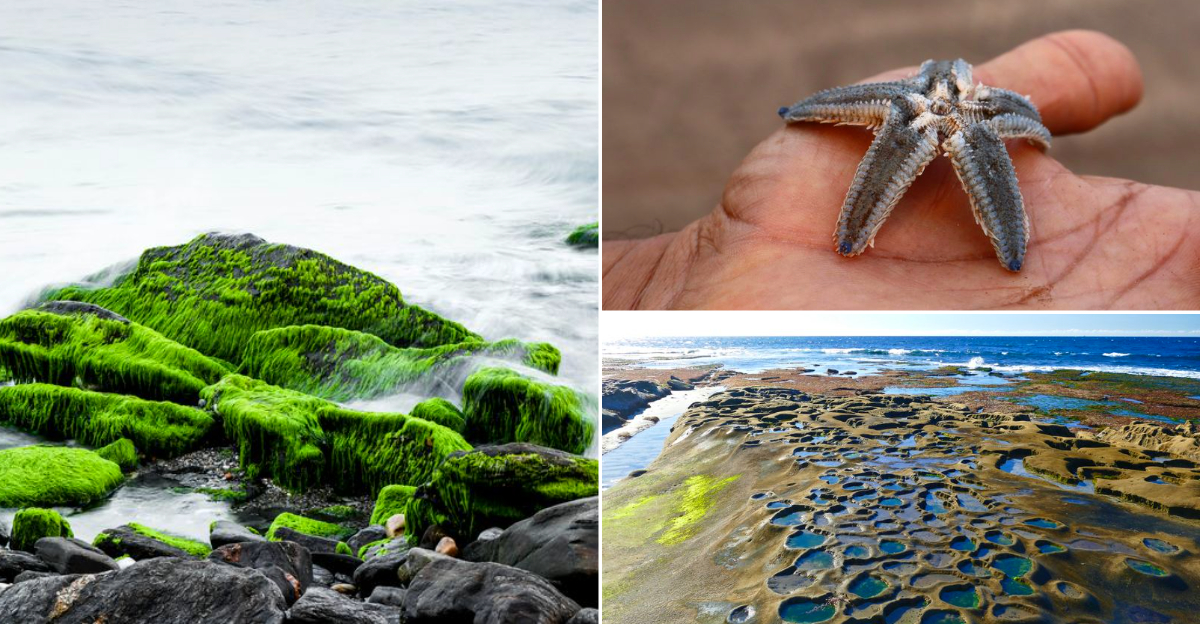
I once heard someone say: “It’s fine, watch this,” right before they stepped onto a slick rock and nearly joined the tide pool.
That phrase should probably come with a warning label along California’s coast, because these tiny, colorful pockets of ocean life have a way of lulling people into bold, very wrong decisions.
They look calm, shallow, and harmless, like nature built a little aquarium just for curious hands and cameras. But the mix of shifting waves, sharp rocks, and fragile creatures can turn a casual moment into a mess fast.
Visitors lean too far, climb where they should not, and forget the tide never stops moving just because they want a photo. The result is wet shoes, broken shells, stressed wildlife, and sometimes a real scare.
Tide pools are magical, but they are not playgrounds, and the mistakes often start with a confident grin and that exact sentence.
1. The “Step Right There” Move That Crushes Tide Pool Life
You know that confident step someone takes right into the shiniest patch because it looks harmless?
That’s the move that flattens whole little cities living in the gloss.
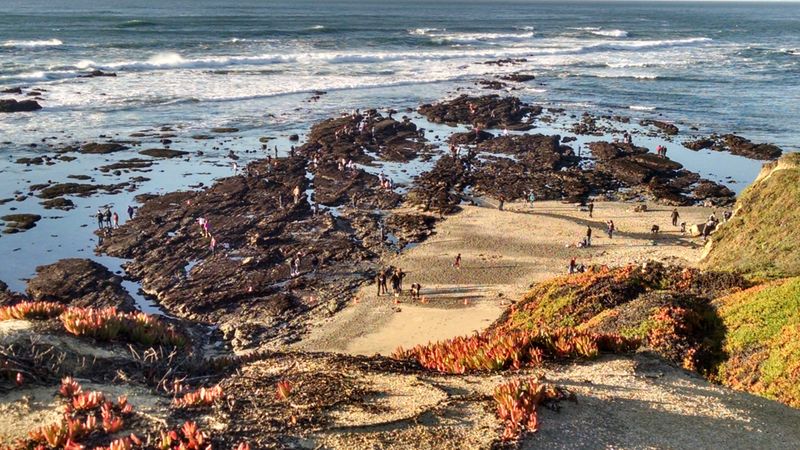
In California, the slick green and purple sheen is not just algae but a zip code for snails, limpets, and baby anemones. They do not bounce back from a heel print.
I try to land on bare, dry rock or sand, and if I have to cross a living patch, I stop and reroute. It feels slow, but it keeps things alive.
At Fitzgerald Marine Reserve in San Mateo County, the volunteers will literally show you the safer path. They are chill, but they are correct.
Some days the light turns everything into a mirror and you cannot tell where life begins. That is your cue to pause and crouch for a better angle.
The tough part is that groups stack up behind you, and it feels like pressure to move.
Let them breathe and pass if they want to hustle.
Point Reyes and Laguna Beach have the same story, just different rock maps. Bare rock is your friend, wet carpets are not.
If someone says, it’s fine, watch this, say, cool, after you show me a dry spot. You will sound annoying for two seconds and wise for the rest of the day.
2. Flipping Rocks To Peek Under Them And Forgetting To Put Them Back
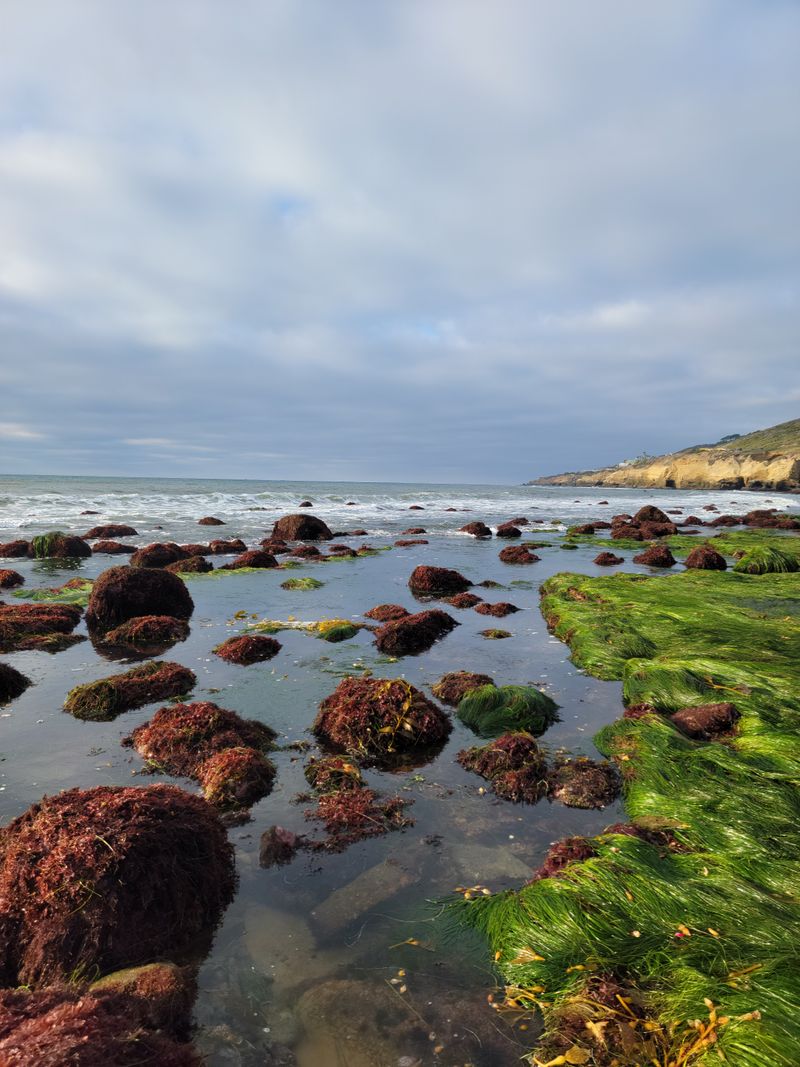
I used to lift a little rock to see what skittered underneath, like opening a tiny door. The mistake is leaving it crooked or not returning it at all.
Under those stones are nurseries for crabs, worms, and fish fry.
When the roof stays off, the sun and gulls do the rest.
If I lift, I place it exactly as I found it, same side down and same angle. Slow hands help, and so does a mental snapshot before you move it.
At Corona del Mar, a ranger once showed me how even a small tilt changes flow. The water stops breathing under there and the tenants bail out.
Better plan is to peer along the edges and watch the seams of shadow. Life loves the margin more than the spotlight.
If kids are with you, give them the mission of finding tiny tracks in the film.
They will forget the flipping and still get the thrill.
Places like La Jolla and Malibu post gentle reminders right at the trail. The signs are not for decoration, they are field notes for everyone.
If a friend says, it’s fine, watch this, hand them the rock and say, cool, now put it back perfectly. The performance suddenly gets less interesting.
3. Pocketing Shells And Creatures Without Realizing It’s Not Allowed
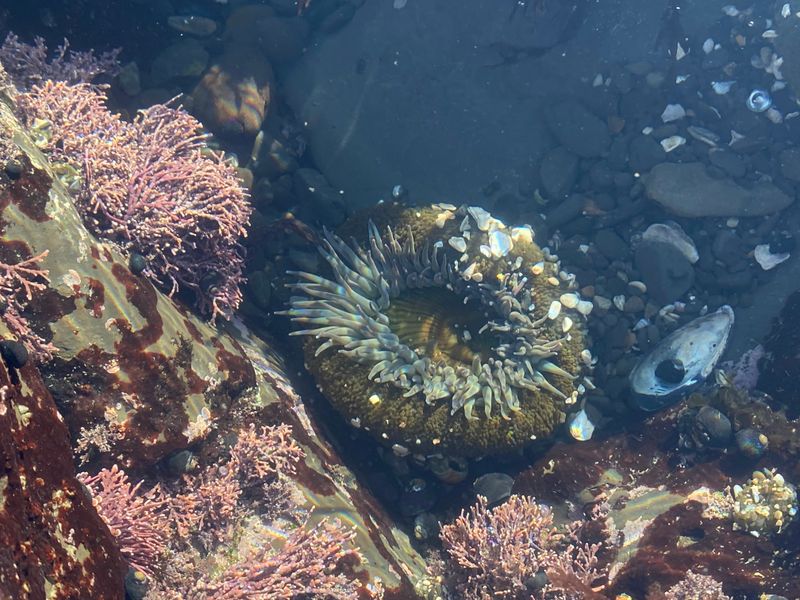
The shiny shell in your palm feels harmless, like beach confetti. In many California marine protected areas, removing shells and creatures is not allowed.
Empty shells become homes and armor for hermit crabs.
Taking them is like yanking apartments off a street.
I keep a photo list instead of a pocket haul. It scratches the collector itch and does not mess with the neighborhood economy.
Down by Crystal Cove, the signs make it pretty clear once you actually read them. Still, I watch folks scoop without looking up once.
Even dry kelp and drift bits can be part of a cycle that feeds the zone.
If it grew here or lived here, it should probably stay here.
Rangers are patient, but fines are not the souvenir you want. The conversation on the walk back is worse.
If you want something to bring home, grab a photo of your shoes next to a rock pattern. It tells the story without stealing the set.
And when someone says, it’s fine, watch this, just ask, where would the hermit crab live after your pocket? The answer lands fast, and the shell goes back.
4. Bare Hands On Sea Stars And Why It Backfires Fast
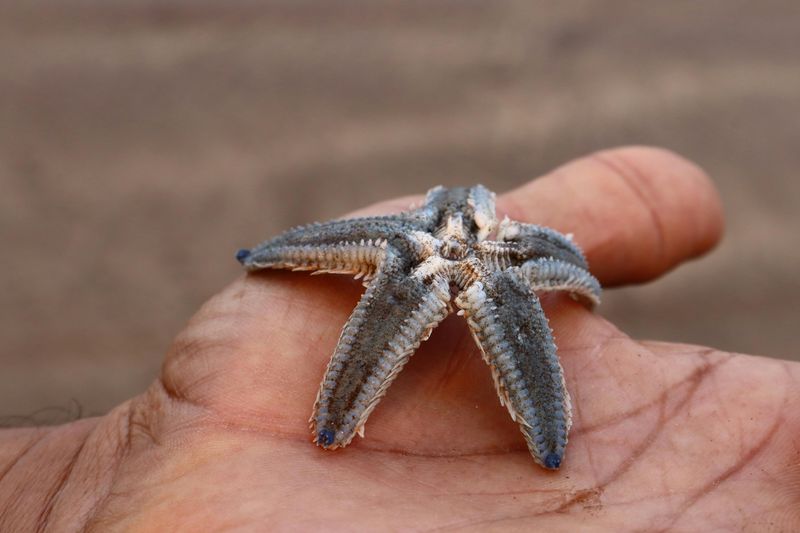
I get the urge to pick up a sea star because they look like toys. They are not toys, and our dry hands stress them out fast.
In California, ochre stars are still rebuilding in some places after wasting disease.
Touching them can add another little stress they do not need.
I keep my hands to myself and use my eyes and phone zoom. It scratches the curiosity itch without the guilt.
If one is stranded high on dry rock, a volunteer might handle it with wet hands and care. That is a trained call, not a freestyle moment.
Down at Pillar Point, I watched a kid gently poke, and the tube feet retracted like a slow shiver. That was my reminder that everything here feels more than we think.
The salt, sunscreen, and heat from skin are a rough combo on delicate tissue.
Even a second seems small until you spread that second across a busy day.
If you must point something out, point with a shadow from your hand, not the finger itself. It keeps your balance and their surface intact.
And if someone chirps, it’s fine, watch this, just say, the best flex is leaving no trace. Then step back and let the star be a star.
5. Chasing The Perfect Video And Blocking Everyone Else’s View
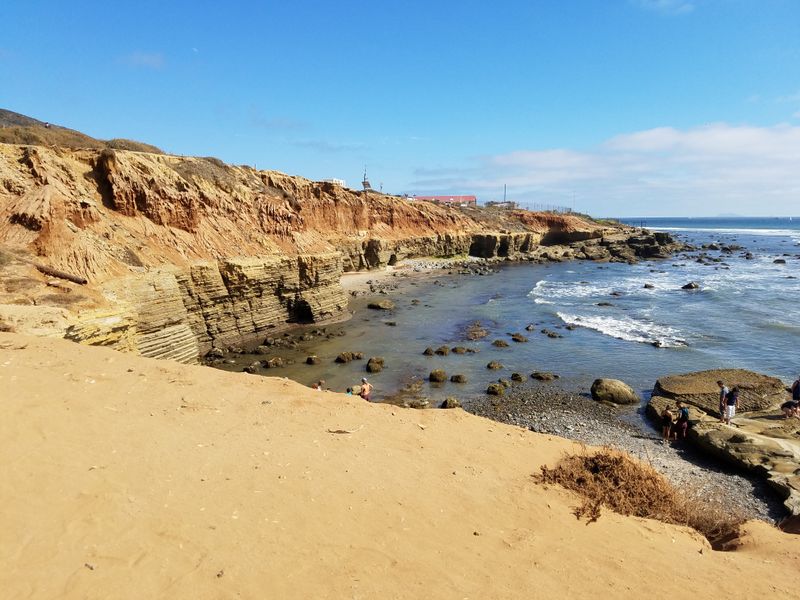
I know the angle hunt, because I do it too. The problem is when the tripod legs sprawl over the only dry path while ten people wait.
California tide pools run on thin corridors between splash zones.
If you hog one, you bottleneck the whole flow.
I try a take, step out, and wave the next person in. It turns filming into a relay instead of a roadblock.
At Dana Point, I once watched a kid kneel to show her grandma a crab. A camera wall closed in and the moment vanished.
If you have to track a creature, keep your feet planted and let the zoom do the walk. The animal does not need a chase scene.
Wind and surf bring enough drama, your clip will still have soul.
The ocean supplies the soundtrack on its own.
When the line forms, ask, you good for me to grab ten seconds? People say yes when you keep it honest.
If someone throws out, it’s fine, watch this, and plants in the middle, call a quick rotate and smile. You will get more gratitude than views, and it feels better anyway.
6. Shoes With Bad Grip That Turn Slick Algae Into A Spill
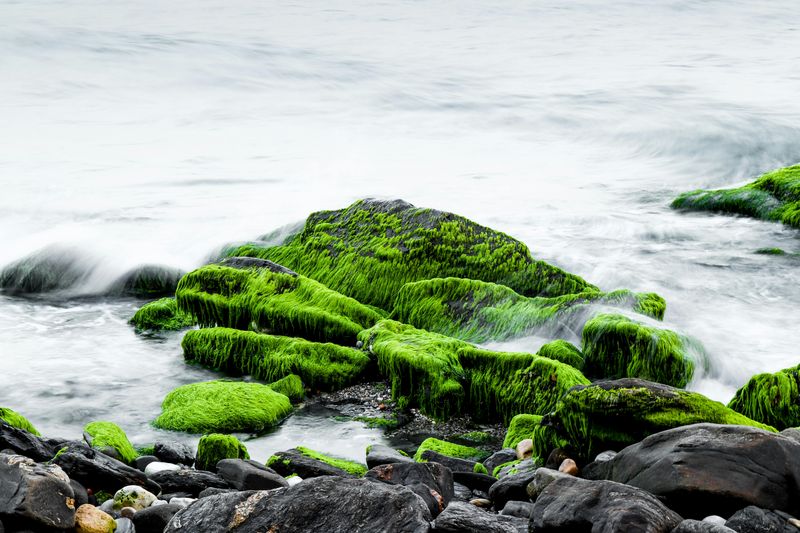
I have eaten it on algae that looked like friendly moss. Regular sneakers on wet rock are comedy until they are not.
In California, the mix of spray and fine sand turns everything into ball bearings.
Grip is not a luxury, it is a plan.
I bring shoes with siped soles or real tread. They make each step feel like a decision instead of a dare.
Down at Davenport Landing, one slick tilt reminded me to test each patch with a slow load. If my heel skates, I pivot or backtrack.
Dry rock tells the truth, wet rock tells jokes. Believe the dry stuff and you keep your elbows intact.
It is also about laces and fit so your foot does not swim inside the shoe. Slop in there means slop out here.
If kids are along, make a game of finding the driest path. You will move slower and come home happier.
When a friend says, it’s fine, watch this, point to the seaweed slick and say, do it on the dry part then. The show usually gets canceled in a hurry.
7. Sneaker Waves That Turn A Cute Moment Into A Close Call
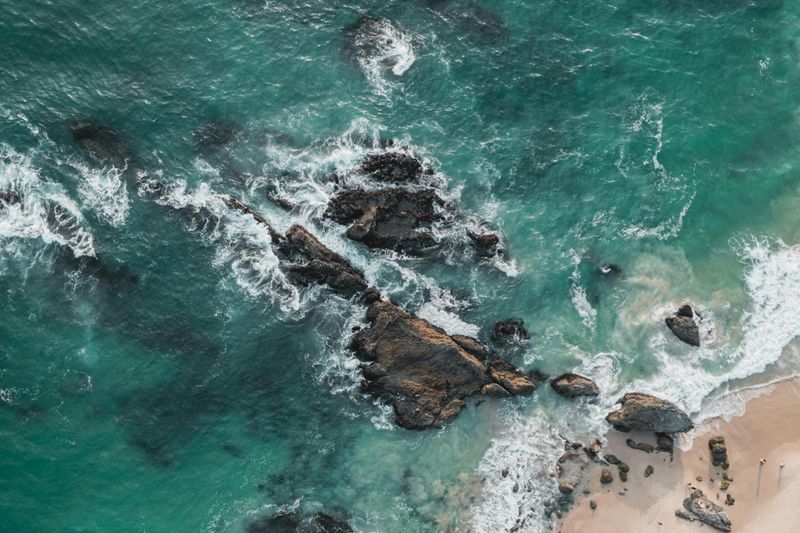
The quiet sets you up, then the ocean reaches higher than any of the last sets. Sneaker waves do not RSVP, they just arrive.
California’s open coast, especially up north, throws those surprise surges across flat rock.
It looks calm until it jumps a step.
I keep an eye on the horizon and count a handful of sets before inching forward. If one grabs the lip, I shift back and wait it out.
Places like Trinidad or Point Lobos put signs up for a reason. Locals still get caught because the timing tricks you.
Backpacks off shoulders, zippers closed, and phones tethered are small insurance. Wet panic makes bad choices come fast.
If you are set on a shot, plant your feet and plan an exit two steps behind you.
No clip is worth a sudden slide into a channel.
Watch the drift lines of kelp and foam to see where water recently went. If it collected there, it can collect you.
And when someone tosses, it’s fine, watch this, ask, how about we watch the sets first? The ocean always answers, and you will be glad you listened.
8. Standing On Wet Edges Instead Of On Bare Rock
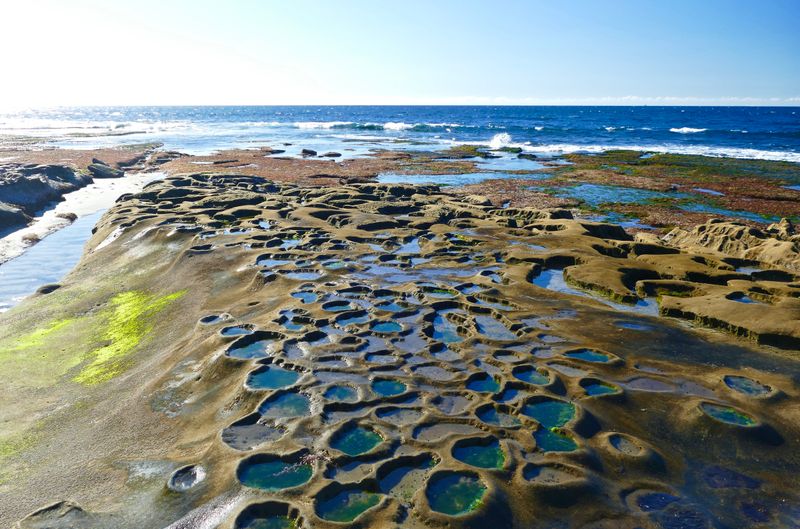
Edges sparkle and call you closer like a stage light. They are also where the wipeouts and broken shells stack up.
In California tide pools, the wet fringe marks the reach of the last surge.
If you live on that line, you borrow trouble.
I like a stance that leaves me one dry step behind. It gives a margin that pays off when the ocean clears its throat.
At Montaña de Oro, I watched someone lean for a reflection shot and skid.
The tripod saved the camera and almost took an urchin.
Edges shift with tide and angle, so recalibrate every few minutes. Nothing stays true out here for long.
If you want the mirror look, crouch and brace your elbow on a knee. It lowers your center and keeps you out of the splash math.
Put your backpack inland and work light. The less you carry near the rim, the better you move.
If a pal says, it’s fine, watch this, say, cool, from one step back. That one step is the difference you will brag about later.
9. The “Quick Rinse” Habit That Leaves Trash And Food Behind
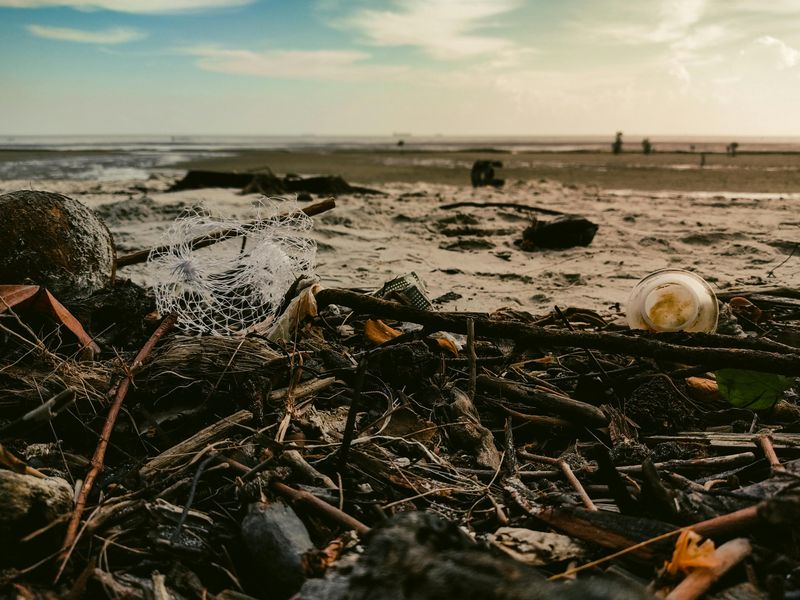
That fast rinse at the car turns into wrappers and random bits drifting under the seats. Then the wind handles distribution across the bluff.
California parks give us bins and signs and still the seagulls end up with the evidence.
It is not a great look for our crew.
I keep a small bag in the trunk for sandy gear and mystery crumbs. It catches the fallout before it hits the lot.
Down at Point Dume, a ranger thanked us for picking up stuff that was not ours. That pat on the back felt better than any view.
Wipes, bands, and broken plastic turn into little traps around the pools. One gust and they are part of the habitat.
Before we drive, I do a sixty second sweep around the bumper and doors.
It is amazing what hides in the shadow line.
Pack out rules sound preachy until you picture a crab wearing a straw ring. Then it gets very specific, very fast.
If someone shrugs, it’s fine, watch this, while flicking something, hand them the bag like a relay baton. They usually laugh and drop it in, and that’s a win.
Dear Reader: This page may contain affiliate links which may earn a commission if you click through and make a purchase. Our independent journalism is not influenced by any advertiser or commercial initiative unless it is clearly marked as sponsored content. As travel products change, please be sure to reconfirm all details and stay up to date with current events to ensure a safe and successful trip.
