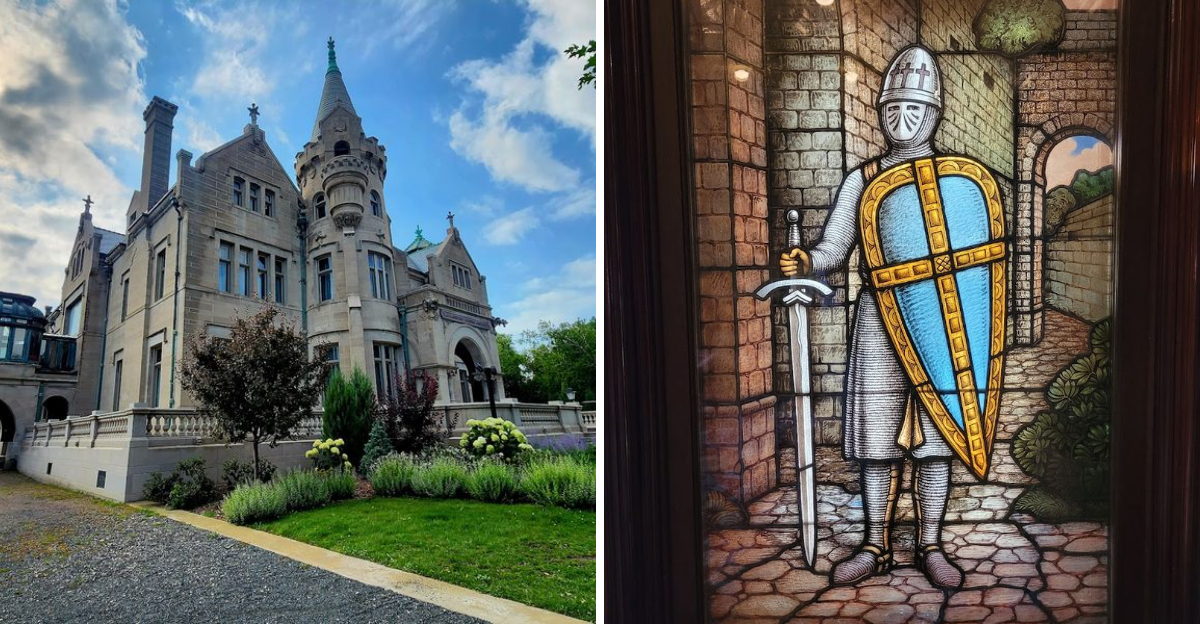
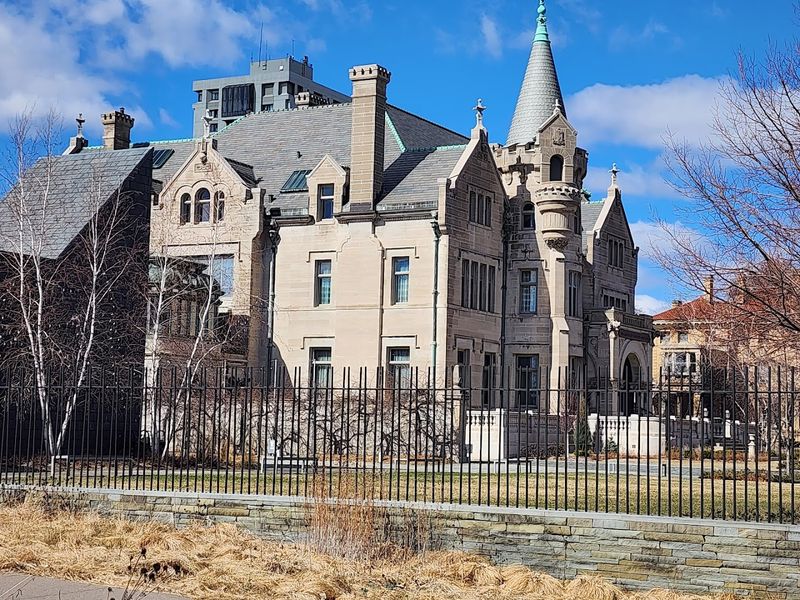
A “castle on the hill” rises above Minnesota like something lifted straight out of a Nordic legend. Stone walls, steep angles, and old-world design give it a presence that feels almost theatrical against the landscape.
Inside, the atmosphere leans into Swedish heritage in a way that’s both detailed and deliberate – craft, stories, and traditions layered through every space.
The deeper you move through it, the more the place shifts from architecture into storytelling. Exhibits and artifacts don’t just sit behind glass.
They build a narrative of migration, identity, and memory that still feels alive today.
There’s a quiet intensity in how it all comes together. History here doesn’t feel distant or sealed off.
It feels built into the structure itself, like the walls are still holding onto what they’ve seen.
The Turnblad Mansion: A Castle Built From a Dream
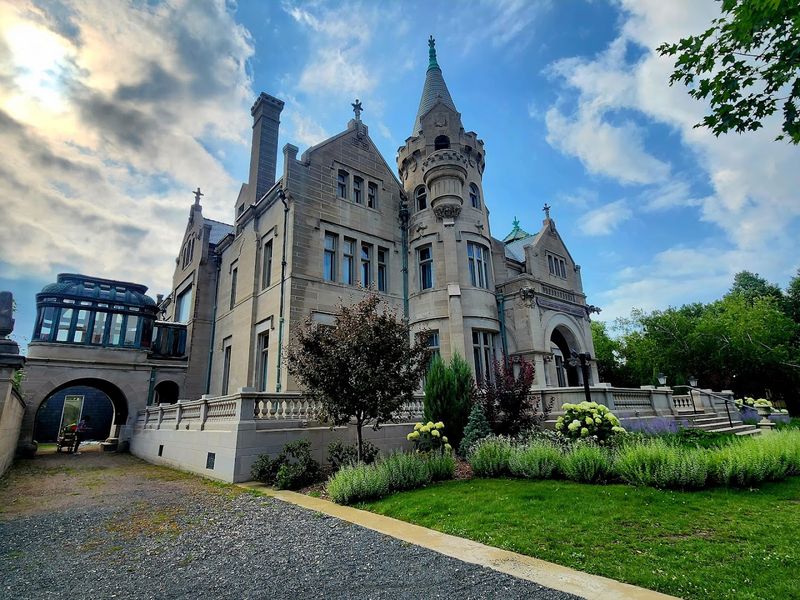
Swan Turnblad built this mansion in the early 1900s, and the ambition behind every stone is impossible to miss. He was a Swedish immigrant who became a newspaper publisher, and he poured that success into something permanent.
The result is a 33-room castle that still leaves first-time visitors speechless.
Walking up to the front entrance, you notice the towers, the carved stone details, and the sheer scale of it all. It does not look like a home.
It looks like something transplanted from a Swedish hillside. Yet here it stands, right in Minneapolis, perfectly preserved.
The mansion was donated to serve the Swedish community, which makes it even more meaningful. It was never just a status symbol.
It was always meant to be shared. Today, that generous spirit lives on in every guided tour and every open room visitors are welcome to explore freely.
Wood Carvings That Will Stop You Mid-Step
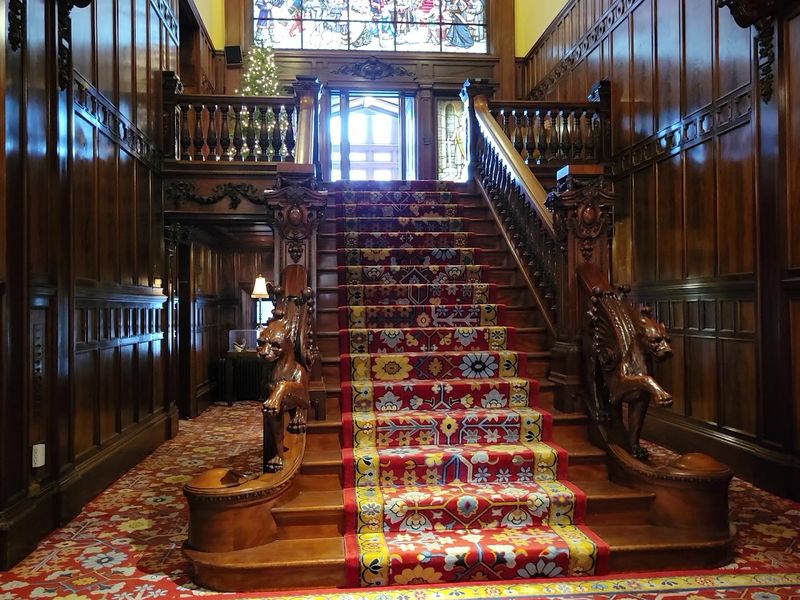
Nothing quite prepares you for the woodwork inside this mansion. I walked through the front hall and immediately looked up, then sideways, then everywhere at once.
The carved panels, banisters, and doorframes are so detailed they look like lace made from mahogany.
Some of that mahogany actually came from Africa, which adds a surprising global layer to this very Swedish story. Craftsmen worked with extraordinary precision, and you can still see every groove and curve exactly as they intended.
No shortcuts, no shortcuts anywhere.
The staircase alone could anchor a museum exhibit. It spirals upward with carved figures and decorative flourishes that reward slow, careful looking.
Volunteers stationed throughout the mansion are happy to point out specific details you might walk right past. They genuinely love sharing these stories, and their enthusiasm makes the woodwork feel even more alive than it already does.
Ceramic Fireplaces and Tile Stoves That Steal the Show
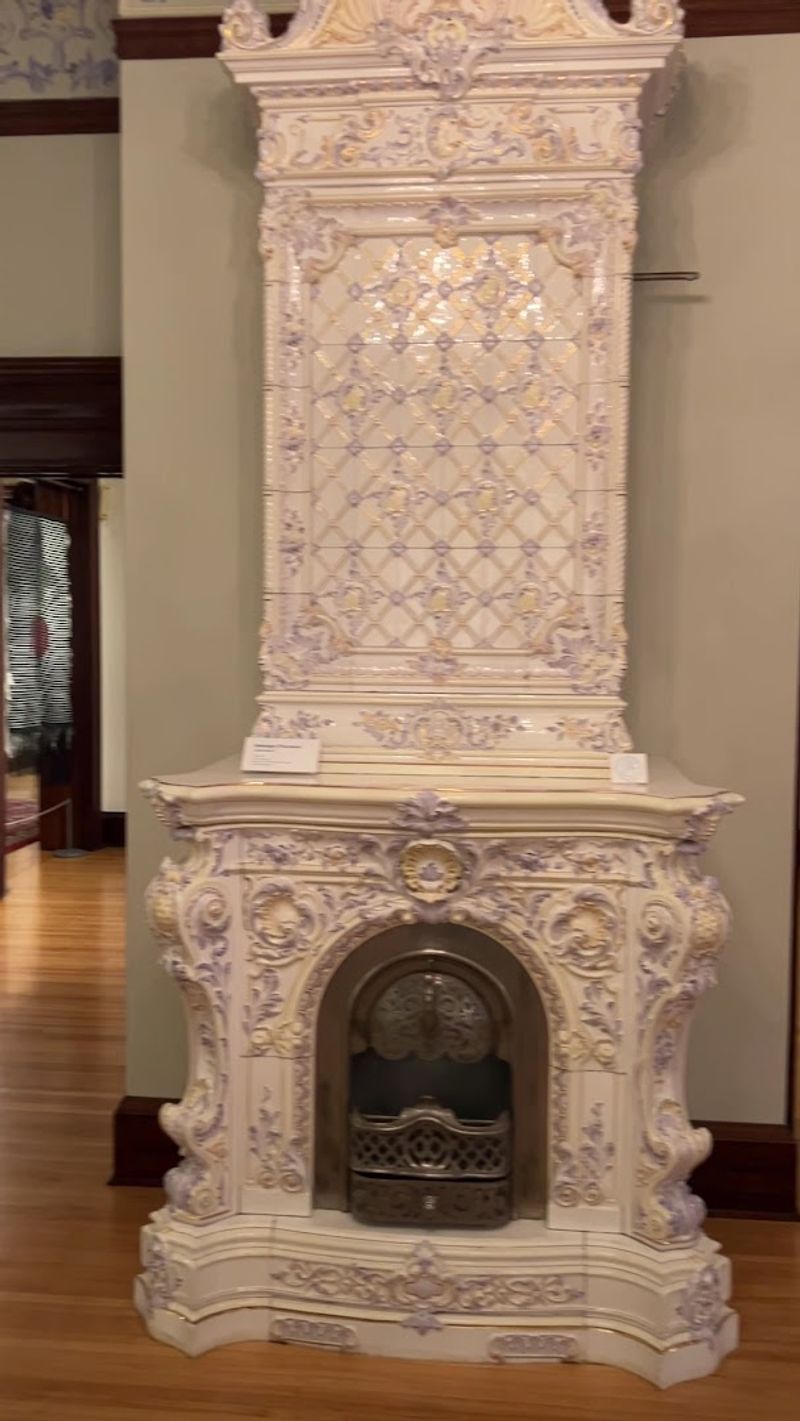
Swedish kakelugnar, the tall ceramic tile stoves traditional in Scandinavian homes, appear throughout the mansion in ways that genuinely take your breath away. Each one is a different color, a different pattern, a different personality.
They line the rooms like elegant sentinels from another era.
These stoves were not just decorative. They heated rooms efficiently in cold Nordic climates, and bringing them to Minnesota made perfect practical sense.
Still, the artistry involved goes far beyond function. The tiles are hand-painted and glazed with such care that each stove feels like a standalone artwork.
Standing in a room surrounded by carved wood walls and a glowing ceramic stove, you get a real sense of how luxurious and culturally grounded this space once was. Visitors consistently call these stoves a highlight.
Even people who visit multiple times say they notice something new each time they look closely at the patterns and colors.
The Norse Saga Room: Where Mythology Comes Alive
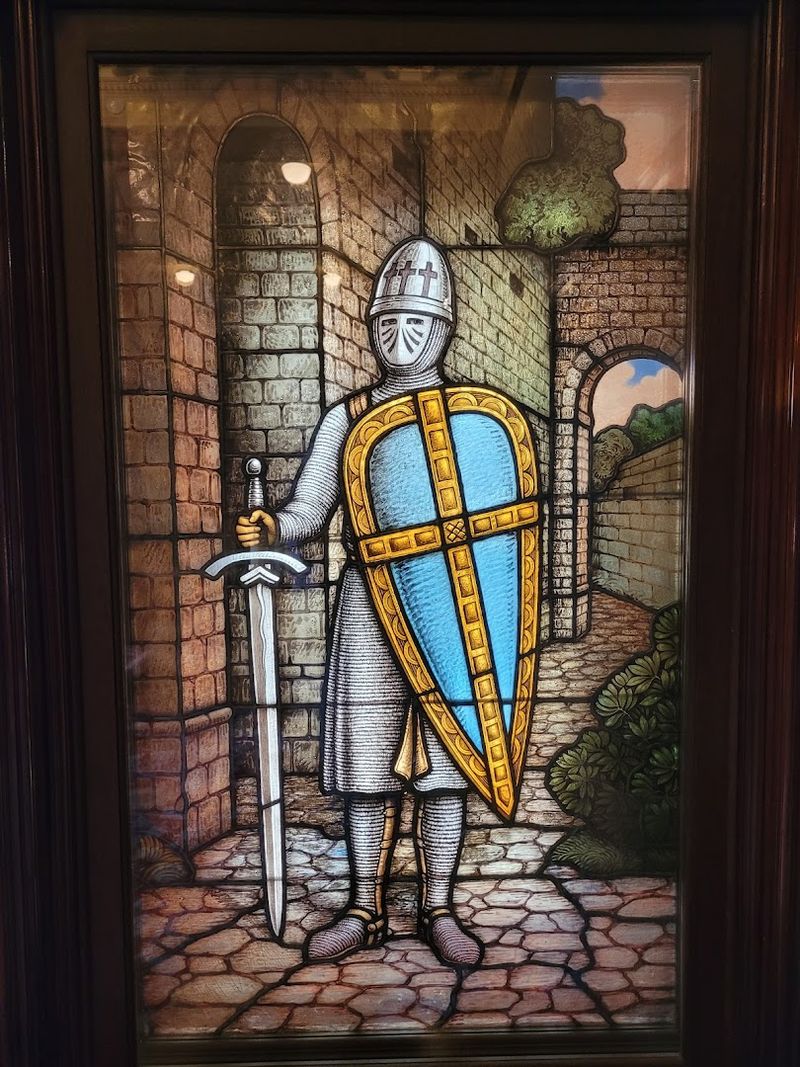
Tucked inside the mansion is a room that feels completely unlike anything else in the building. The Norse Saga Room is covered in painted scenes drawn from Scandinavian mythology, and walking into it feels like stepping inside an illustrated storybook.
It is dramatic, vivid, and genuinely surprising.
The imagery references stories of gods, heroes, and legendary creatures from Norse tradition. For anyone even casually familiar with Viking mythology, there are recognizable characters and moments painted across the walls.
For newcomers, it sparks instant curiosity.
Kids especially light up in this room. The visual storytelling is bold enough to hold a child’s attention without any explanation needed.
Adults tend to slow down here too, reading the details and asking questions. It is one of those spaces that reminds you how powerful visual art can be when it carries the weight of an entire cultural tradition behind every brushstroke.
Swedish Immigration History Told Without Pretense
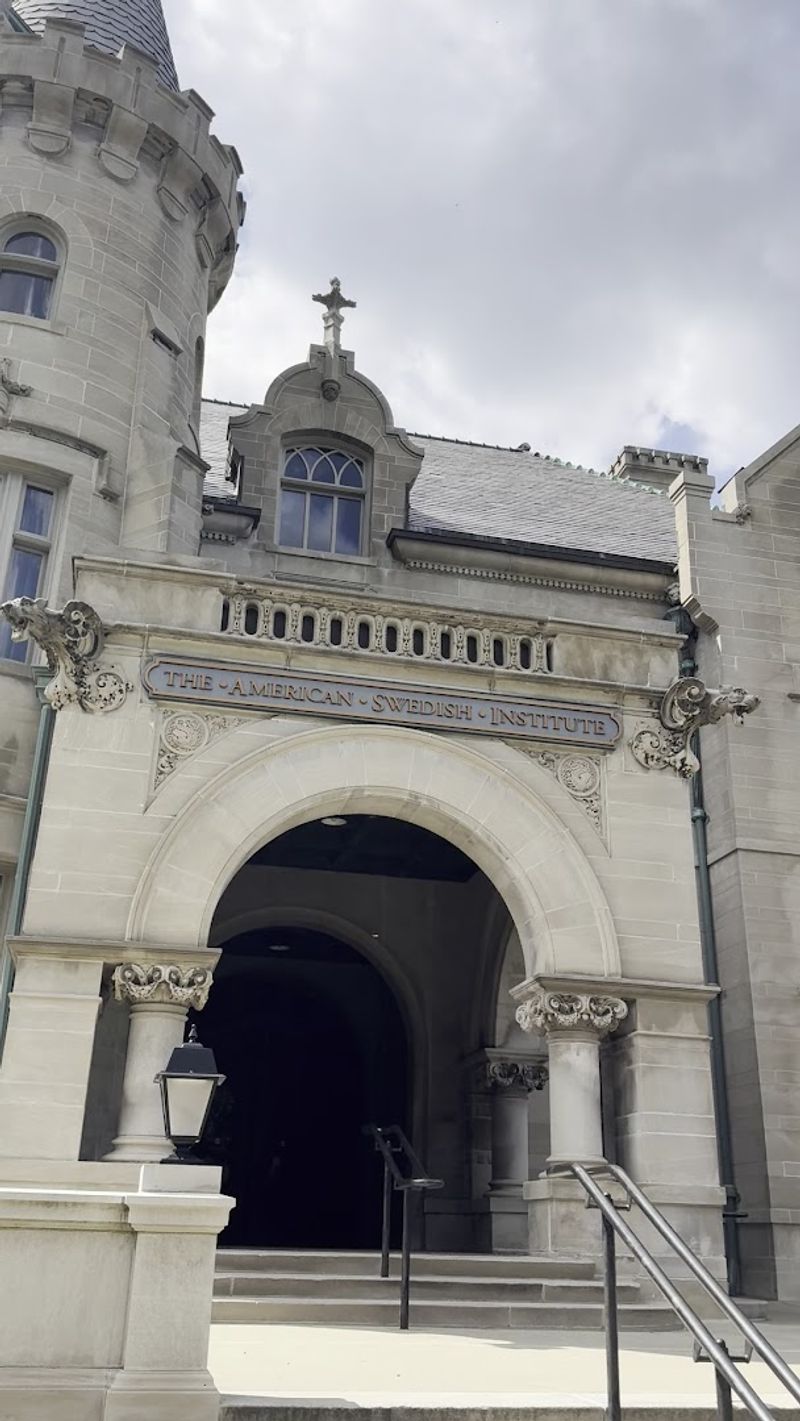
The exhibits inside the Nelson Cultural Center, the modern addition connected to the mansion, bring Swedish-American history into clear, human focus. These are not dry timelines.
They follow real people who crossed an ocean looking for something better and built communities that still shape Minnesota today.
One exhibit traces the story of Swedish nurses who trained in Minneapolis during the late 1800s. That detail alone surprised me.
It is the kind of specific, grounded history that makes immigration stories feel personal rather than abstract.
The museum does not romanticize the journey. It acknowledges hardship alongside accomplishment, which gives the whole narrative more weight and credibility.
Visitors who have Swedish ancestry often find unexpected connections to their own family stories here. Even those without Scandinavian roots come away with a deeper appreciation for how immigrant communities shaped the cultural fabric of the American Midwest in lasting and underappreciated ways.
Fika Cafe: The Coziest Pit Stop in Minneapolis
Fika is a Swedish concept that loosely translates to a coffee break shared with others, and the cafe here takes that tradition seriously. The name alone tells you this is not just a museum snack bar.
It is a warm, welcoming spot that invites you to slow down and actually enjoy yourself.
The food draws consistent praise from visitors. Pastries, bread pudding, and fresh coffee seem to be the recurring favorites based on what people keep mentioning.
The space fills up quickly, especially on weekends, so arriving early is a smart move.
Sitting inside Fika after a long wander through the mansion feels exactly right. Your feet rest, your coffee warms your hands, and the conversation around you buzzes with the kind of energy that comes from people who just saw something genuinely beautiful.
It rounds out the visit in a way that feels intentional, not accidental. The cafe is located inside the Nelson Cultural Center building.
Holiday Decorations That Transform the Entire Mansion
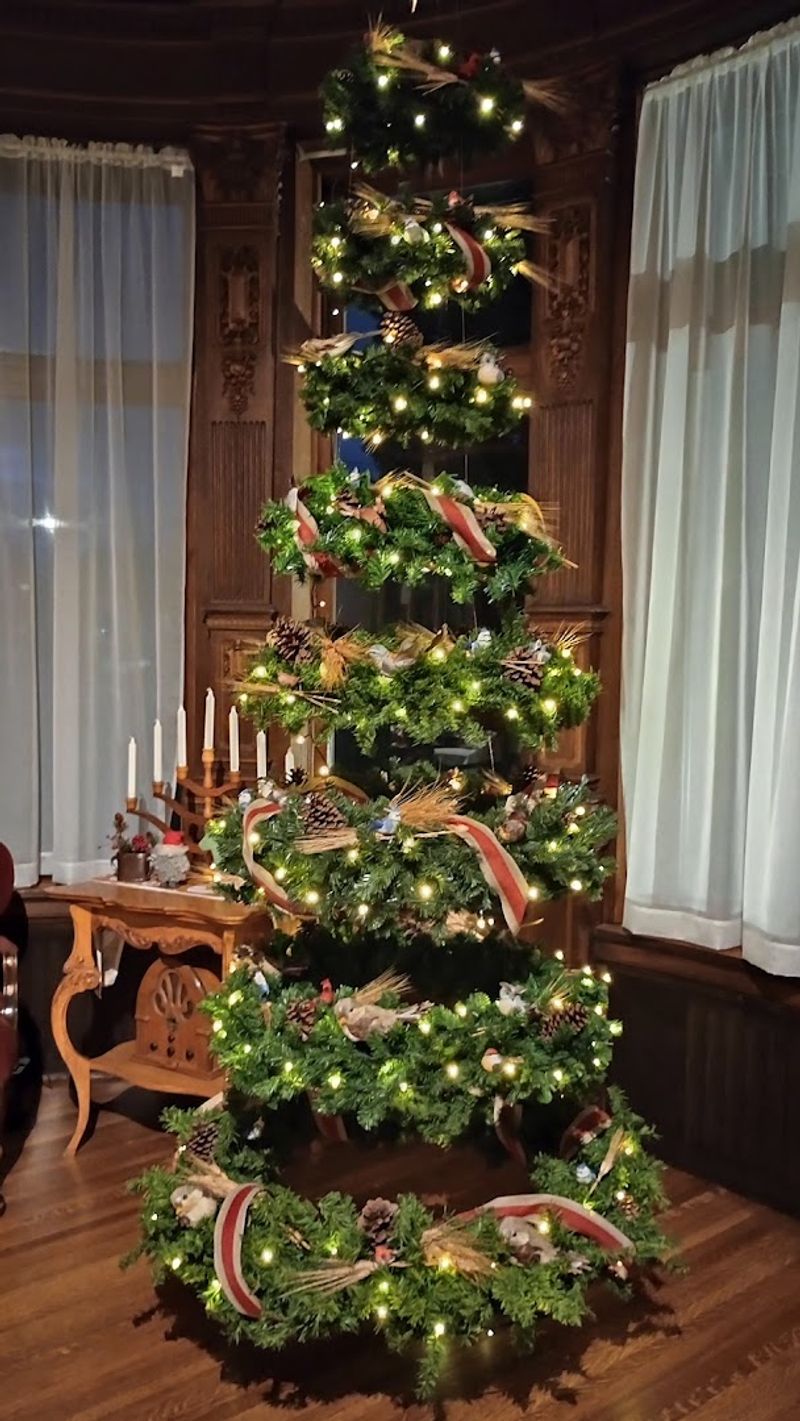
Visiting during the holiday season is a completely different experience from any other time of year. The mansion gets dressed in Scandinavian Yuletide traditions, and the transformation is remarkable.
Tomte figures appear throughout the rooms, candles glow in the windows, and every surface seems to carry a piece of Nordic winter magic.
Each year brings a different holiday theme, which gives repeat visitors a reason to come back. The gift shop stocks seasonal items that fit right into the decorative spirit, and the whole atmosphere feels festive without being overwhelming.
It is cozy in the truest sense of the word.
The outdoor craft fair that happens during the holiday season adds another layer of charm. Wood fires burn outside.
Blankets sit on benches. Live performers fill the air with seasonal music.
It is the kind of event that makes you grateful for cold weather because it makes the warmth inside feel even more precious and earned.
The Gift Shop: Swedish Treasures You Can Actually Take Home
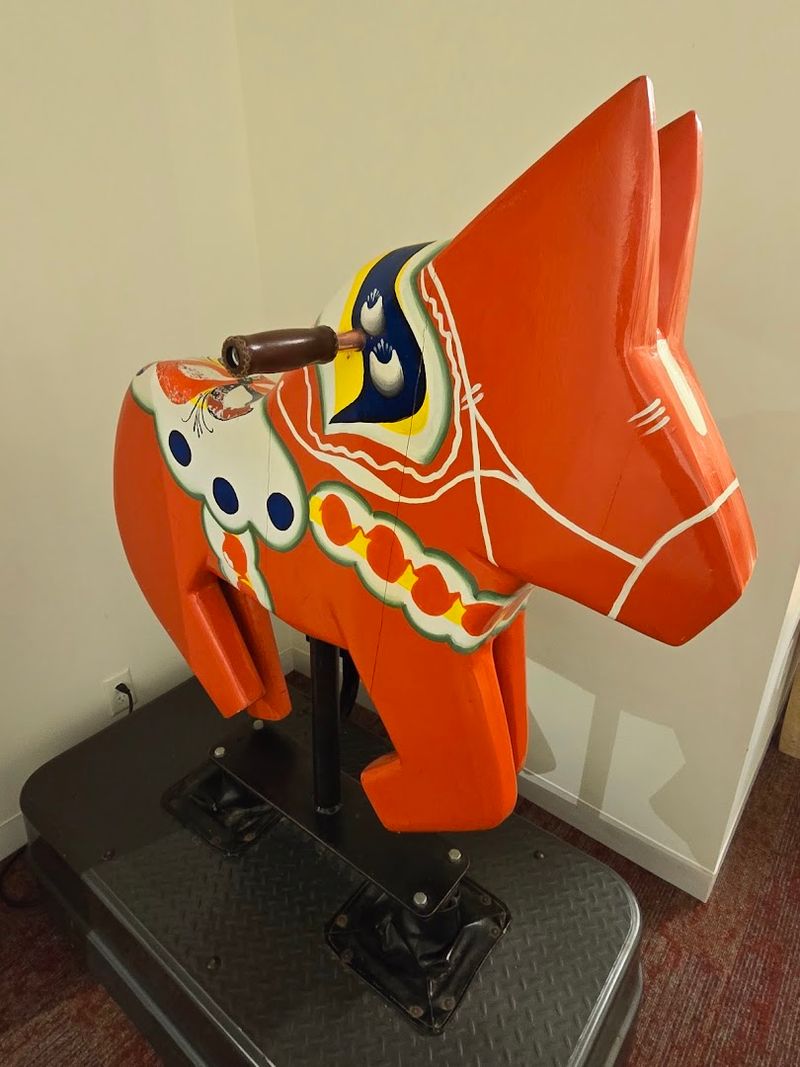
The gift shop here is genuinely worth extra time. It is not the typical museum souvenir corner stocked with magnets and keychains.
This one carries Swedish foods, hand-selected books on Scandinavian culture and history, linens, and beautifully crafted decorative items that reflect real cultural tradition.
I spent more time in there than I planned to. The book selection alone is impressive, covering Swedish history, language, design, and folklore in ways that appeal to both casual browsers and serious learners.
The food items, including Swedish pantry staples, make for thoughtful gifts that go beyond the generic.
Everything feels curated rather than thrown together. The staff tend to know what they carry and why, which makes asking questions worthwhile.
If you are looking for something meaningful to bring home, something that actually connects to the experience you just had inside the mansion, this shop delivers on that in a way most museum stores simply do not manage.
Children’s Play Area: History Made Fun for Little Ones
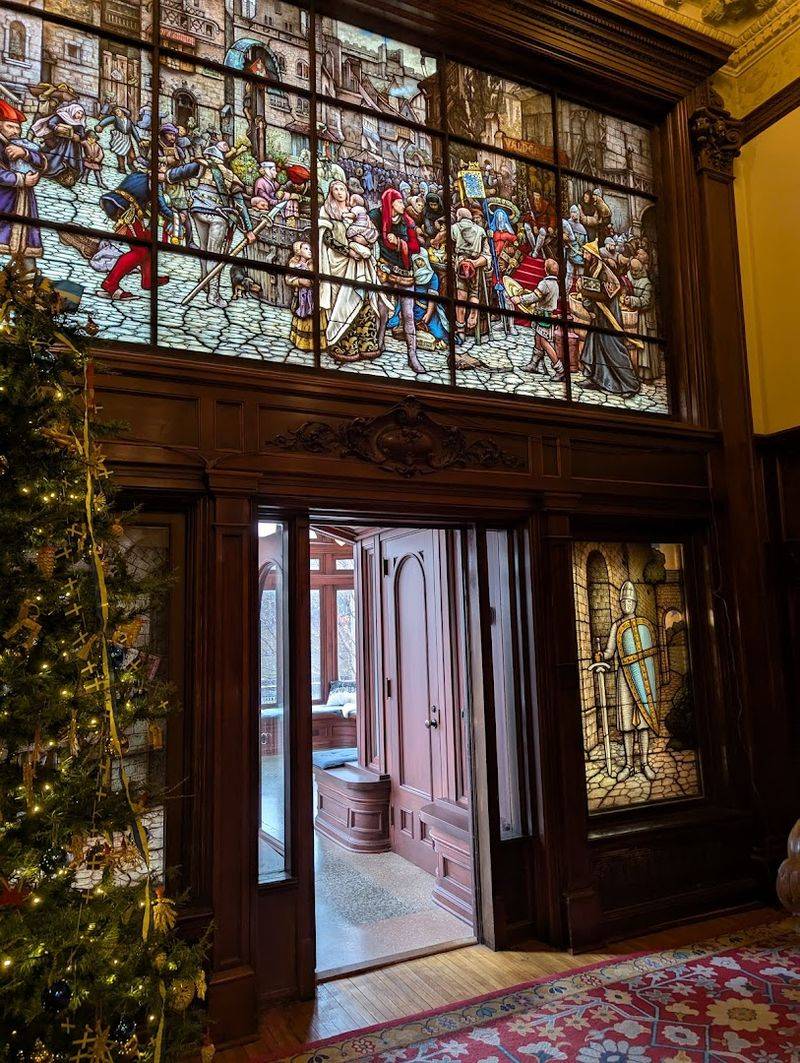
Bringing kids to a history museum can feel like a gamble. The American Swedish Institute seems to understand that completely.
The lower level features a dedicated children’s play area that takes Scandinavian themes and turns them into hands-on fun that actually holds a child’s attention.
Parents report that kids genuinely enjoy the space, not just tolerate it. The design is thoughtful enough to keep young visitors engaged while still connecting them to the cultural context of the wider museum.
It is a smart balance that not every museum pulls off successfully.
The play area also gives adults a moment to breathe. One parent can explore with a curious child while another catches up on an exhibit they wanted more time with.
Families with mixed ages and attention spans tend to navigate the institute well because of this flexibility. It is a small but meaningful detail that shows the museum truly thinks about who walks through its doors.
Art Classes and Cultural Events That Keep the Community Alive
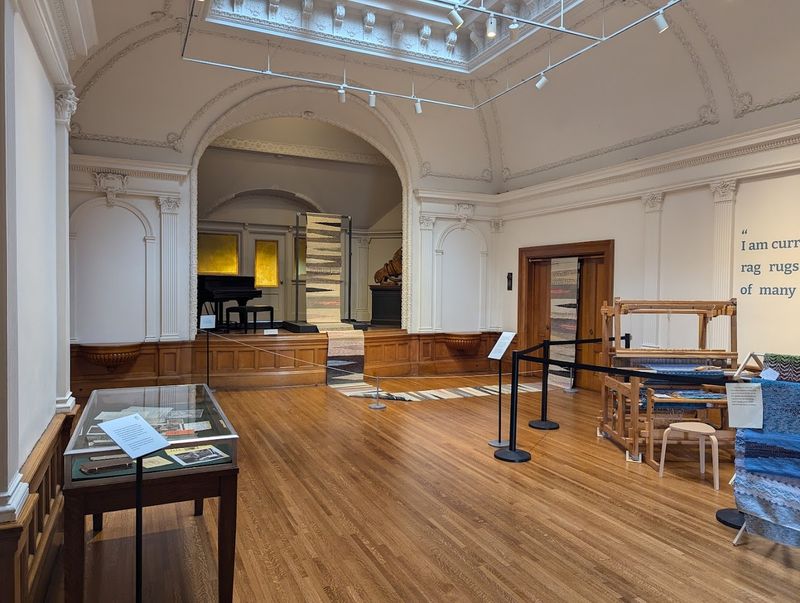
The American Swedish Institute is not just a place you visit once and file away as a nice memory. It runs ongoing art classes, rotating exhibits, and cultural events that draw a regular community of participants.
That living, active energy is part of what makes it feel different from a static museum.
Events sell out regularly, which says something real about how much the local community values this space. The programming spans weaving, Nordic crafts, lectures, and seasonal celebrations that connect Swedish tradition to contemporary creative practice.
There is always something new happening.
Checking the calendar before you visit is genuinely worthwhile. You might arrive during a weaving exhibit or a special cultural program that adds a completely unexpected dimension to your experience.
The institute also offers research materials for those tracing Swedish ancestry, making it a resource as much as a destination. It earns its place as one of Minneapolis’s most quietly essential cultural institutions.
Address: 2600 Park Ave, Minneapolis, MN 55407
