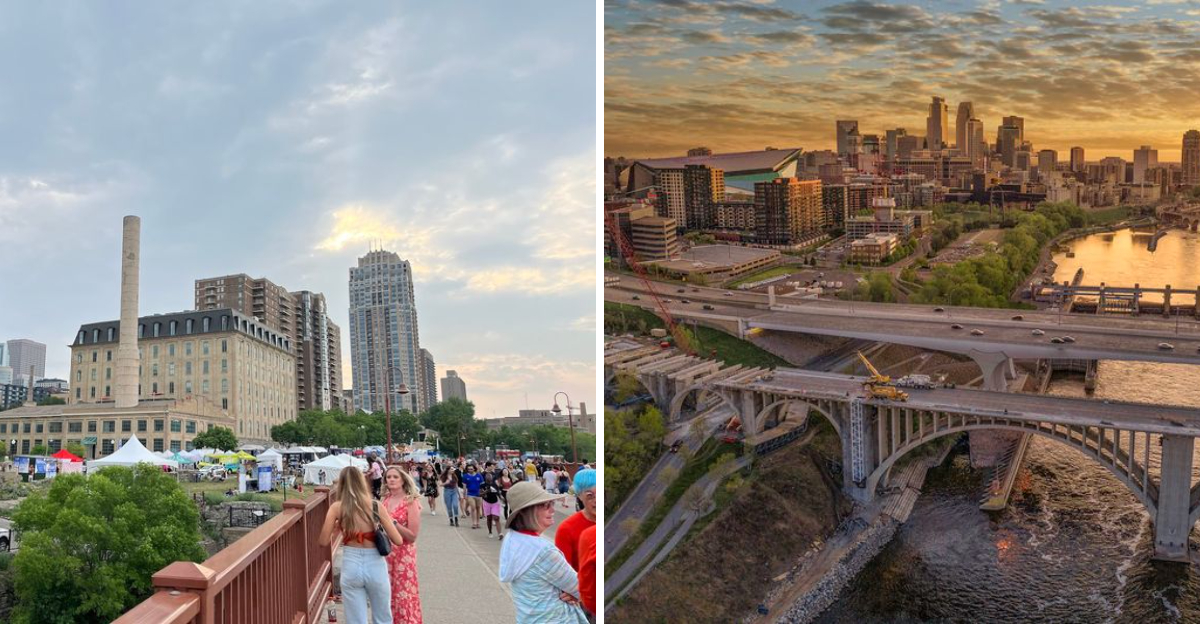
You can feel it in the way lifelong residents talk about their city, a sense of loss beyond rising rents and new coffee shops. They speak of a place they no longer recognize, a community that feels less like home than it used to.
The changes are cultural and political, making people feel like strangers in their own neighborhoods. The population has become increasingly diverse, yet many communities feel squeezed out.
Gentrification is pushing out the most vulnerable residents, creating a deep lack of trust in city officials. New development and trendy businesses are seen as signs of a future that does not include them.
Even city policies aimed at preventing displacement are a stark admission of the problem. Long time residents are at risk of being pushed out of the city they helped build.
Minnesota has always been a place of change, but for many, that change now feels like a loss. It is a complicated story with no easy answers, and it is playing out in real time.
The Rapid Rise of New Development
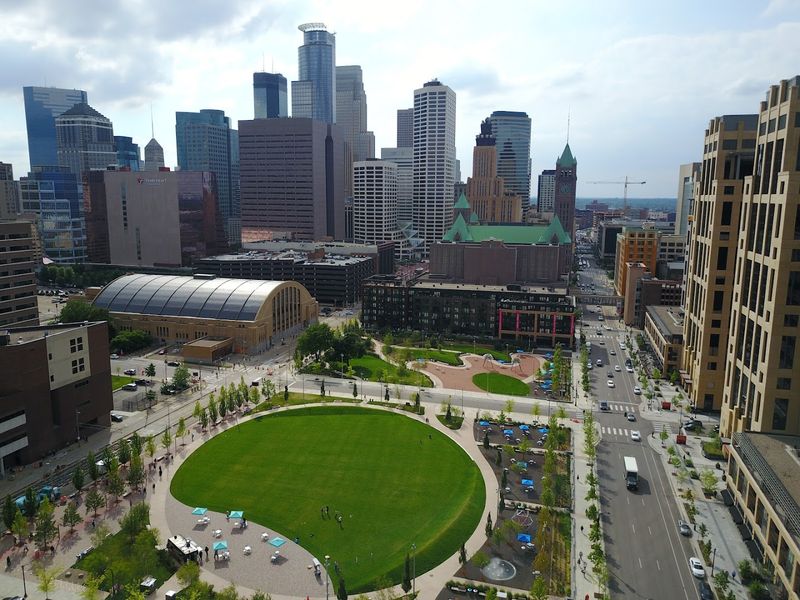
Cranes dot the Minneapolis skyline like a second skyline of their own. New apartment towers are rising faster than most residents can keep track of. The city is building at a pace that feels almost breathless.
Long-time homeowners in neighborhoods like Uptown and North Loop have watched familiar blocks transform almost overnight. A corner store disappears, and a glass-and-steel condo takes its place.
Small business owners who shaped these streets for decades find themselves priced out before the new buildings even open.
City planners call it progress, and in many ways, the numbers support that framing. Minneapolis has added thousands of new housing units in just a few years, but growth and belonging are not always the same thing.
For residents who remember quieter, more community-driven blocks, the changes feel less like improvement and more like erasure. The soul of a neighborhood is hard to quantify on a zoning map.
Skyrocketing Cost of Living
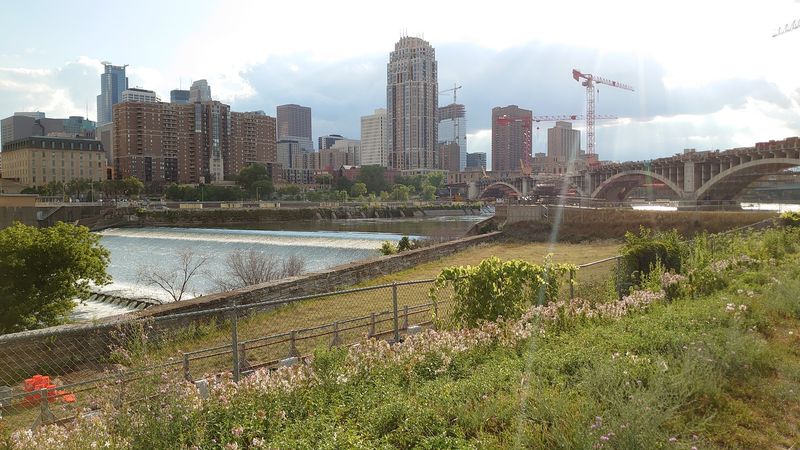
Walking through South Minneapolis, I noticed more “For Sale” signs than I expected to see. Conversations with locals quickly explained why so many families are leaving.
Housing costs in Minneapolis have climbed sharply over the past decade.
Rent increases have hit renters especially hard in neighborhoods that were once considered affordable. Areas like Phillips and Powderhorn, which were historically working-class communities, are seeing median rents climb well beyond what longtime residents can manage.
Homeownership, once a realistic goal for middle-income families in this city, now feels like a distant dream for many. Property taxes have also risen alongside home values, pushing out older residents on fixed incomes.
Staying in the city you grew up in should not feel like a luxury.
Community advocates have raised these concerns at city council meetings for years. The response has been slow, and the displacement continues at a quiet but steady pace.
The Transformation of Beloved Neighborhoods
Uptown used to feel like the kind of place where everyone knew the barista by name. Independent shops lined the avenues, and the energy was creative, a little scrappy, and genuinely welcoming. That version of Uptown is harder to find now.
After years of construction, closures, and shifting foot traffic, many longtime businesses have shuttered. New restaurants and boutiques have moved in, but the neighborhood’s original personality feels diluted.
Residents who once called it their creative backyard now describe it as unrecognizable.
The same story plays out in Northeast Minneapolis, a neighborhood known for its Eastern European immigrant roots and vibrant arts community. Galleries and studios still exist, but rising rents have pushed many artists further from the city center.
The community that built Northeast’s identity is slowly being relocated.
These transformations are not unique to Minneapolis, but they hit differently when you have personal memories tied to specific corners and coffee shops. Change is inevitable, but losing what made a place feel like home is a different kind of loss entirely.
Cultural Shifts After 2020
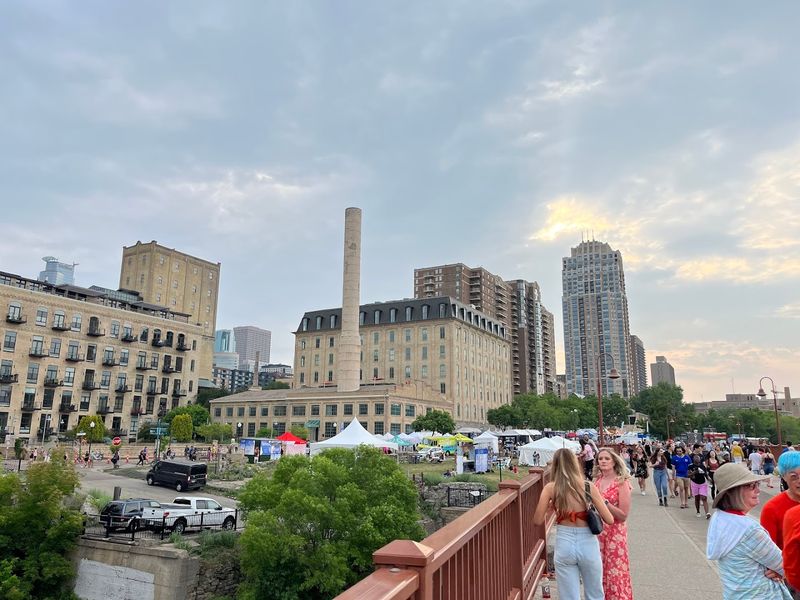
No conversation about modern Minneapolis is complete without acknowledging 2020. The death of George Floyd and the uprising that followed changed this city in ways that are still unfolding.
Minneapolis became a focal point for national conversations about race, policing, and justice.
For many Black residents, the events of 2020 brought both grief and a renewed sense of community solidarity. But the aftermath also brought uncertainty, particularly around public safety.
Businesses closed, some permanently, and foot traffic in certain areas dropped significantly in the months that followed.
George Floyd Square, located at 38th Street and Chicago Avenue South, became a powerful community memorial. It remains a place of reflection, activism, and remembrance.
The square draws visitors from across the country who come to bear witness and pay respects.
The cultural weight of what happened here is impossible to separate from how Minneapolis feels today. Long-time residents carry that history with them every day.
The Debate Over Public Safety
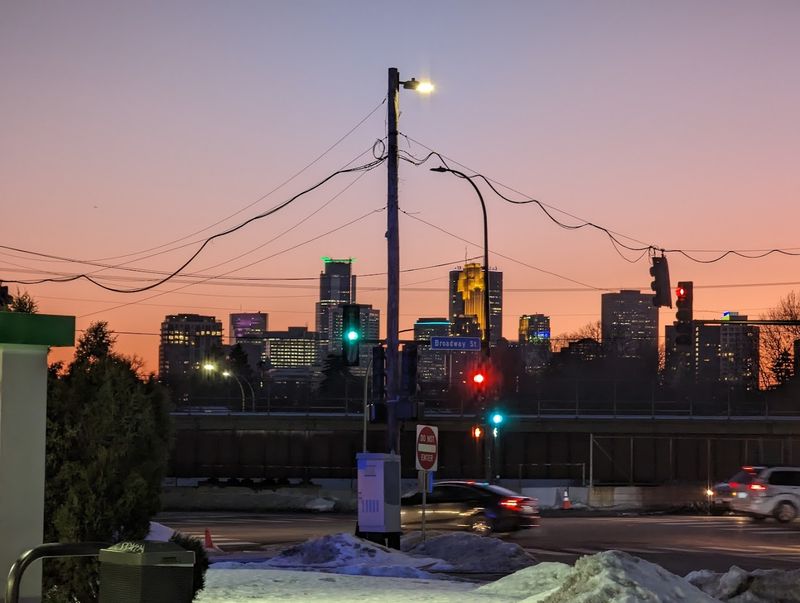
Public safety has become one of the most debated topics in Minneapolis in recent memory. After a 2021 ballot measure to restructure the police department failed, the city has been navigating a complicated path forward.
Residents across different neighborhoods have very different experiences of safety.
Some longtime residents say they feel less safe than they did ten or fifteen years ago. Crime statistics have fluctuated, and the public conversation around them has become intensely political.
What everyone seems to agree on is that something needs to change.
Community-based safety programs have grown in response to these concerns. Organizations like violence interrupters and neighborhood watch groups have stepped into roles that feel more immediate and personal.
These grassroots efforts carry real weight in communities that feel underserved.
The tension between wanting more support and questioning how that support should look is ongoing. Lifelong residents often feel caught between competing narratives that do not fully capture their daily reality.
Safety is personal, and in Minneapolis right now, it means something different depending on which block you call home.
The Loss of Small Businesses and Local Character
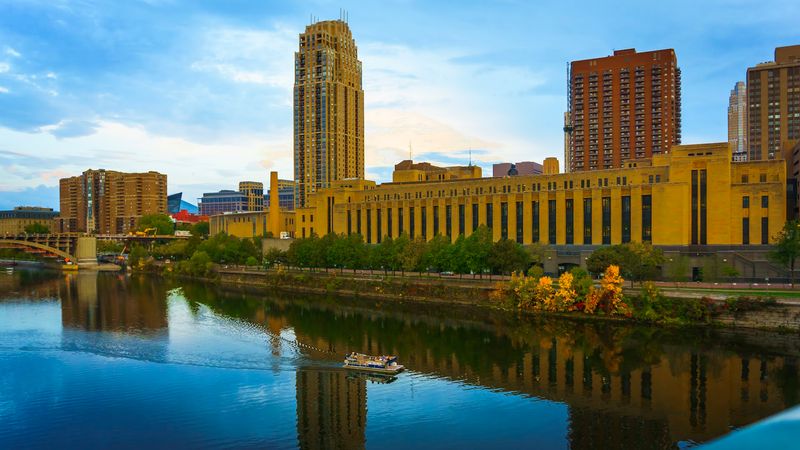
There is a particular sadness that comes with walking past a shuttered storefront you used to love. Minneapolis has seen a wave of small business closures that longtime residents feel deeply.
These were not just places to shop or eat; they were community anchors.
Family-owned restaurants, independent bookstores, and neighborhood hardware stores have given way to chain outlets and pop-up concepts. The shift is visible in commercial corridors across the city.
Lake Street, once a vibrant hub of diverse small businesses, has been especially hard hit.
Lake Street runs through several Minneapolis neighborhoods and has historically served immigrant and working-class communities. Businesses there were rebuilding after 2020 damage when new economic pressures added another layer of difficulty.
Recovery has been slow, and some storefronts remain empty years later.
Local character is not just an aesthetic preference; it is the texture of daily life for residents who built routines around these places. When the coffee shop you visited every morning closes, you lose more than a latte.
Parks and Green Spaces: A Bright Spot Amid Change
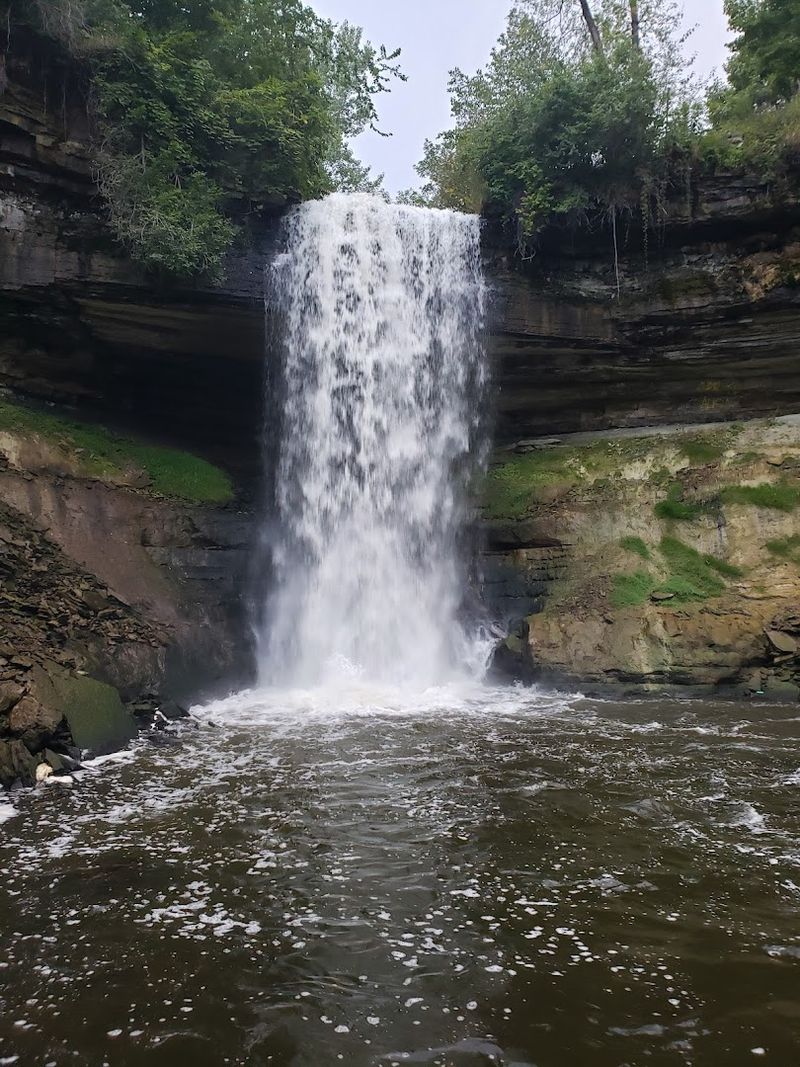
Not everything about Minneapolis today feels like loss. The city’s park system remains one of the most celebrated in the entire country.
Minneapolis Parks and Recreation has won national recognition, and spending time near the Chain of Lakes makes it easy to understand why.
Bde Maka Ska, the lake formerly known as Lake Calhoun, is a gathering place that still feels genuinely communal. Families picnic on the grass while cyclists loop the path and kayakers glide across the water.
On a warm summer afternoon, it is easy to feel the city’s original warmth returning.
Minnehaha Falls, located at Minnehaha Regional Park near Hiawatha Avenue, is another space where the city’s natural beauty holds steady. The waterfall draws visitors year-round, and the surrounding trails offer a peaceful escape from urban noise.
Nature has a way of reminding you why people chose to build a life here.
These green spaces are more than recreational amenities; they are shared territory where different communities still meet. Parks in Minneapolis remain places where belonging feels possible.
The Arts Scene: Evolving but Still Alive
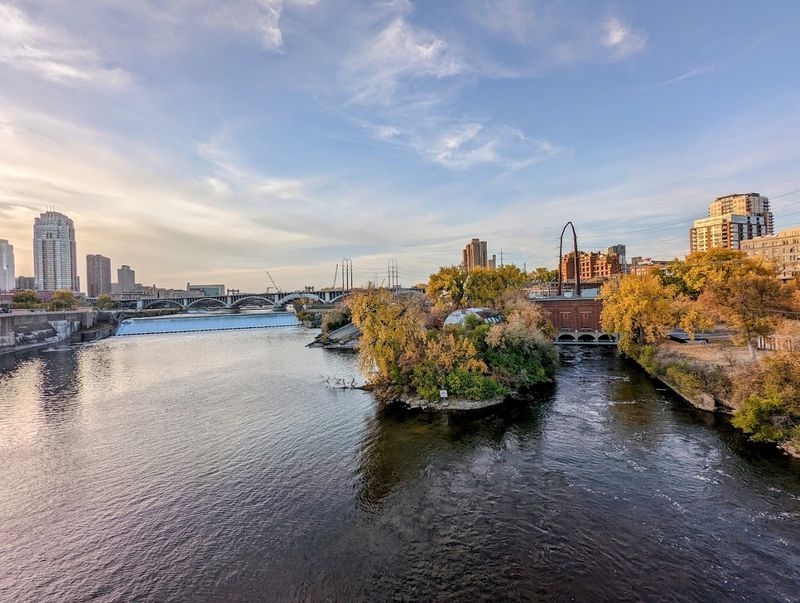
Minneapolis has always punched above its weight when it comes to arts and culture. The Walker Art Center, located at 725 Vineland Place, remains one of the most respected contemporary art museums in the country.
Standing in front of Claes Oldenburg’s Spoonbridge and Cherry sculpture feels like meeting an old friend.
The Minneapolis Sculpture Garden, adjacent to the Walker, is free and open to the public year-round. It is the kind of place where you can spend an hour without planning to and leave feeling genuinely refreshed.
The art here does not feel intimidating; it feels like part of the city’s personality.
Beyond the Walker, Minneapolis has a thriving theater scene anchored by the Guthrie Theater at 818 South 2nd Street. The building itself, with its cantilevered “Endless Bridge” extending over the Mississippi River, is worth visiting even if you do not catch a show.
The view from that structure is quietly spectacular.
Artists and performers still choose Minneapolis, even as rising costs make creative life harder. The city’s cultural energy is resilient, even when the institutions that support it are under financial pressure.
Demographic Change and Community Identity
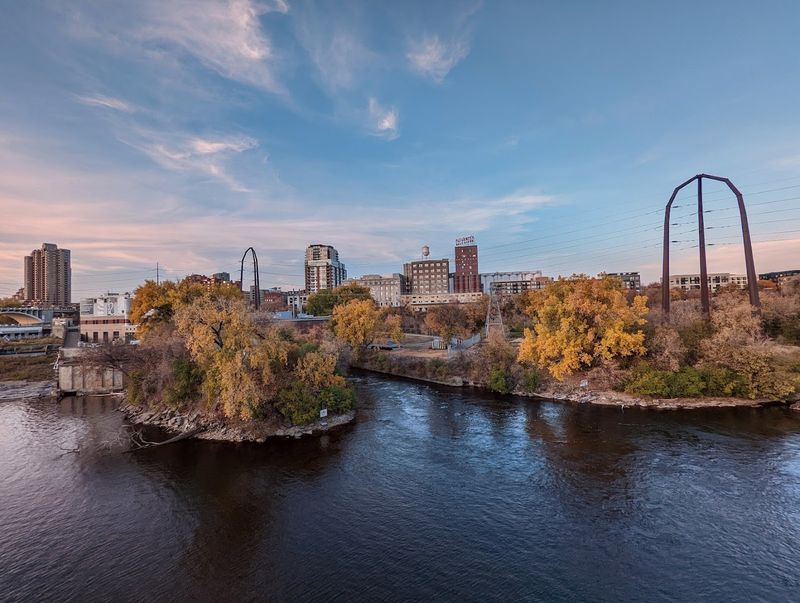
Minneapolis has always been a city of immigrants and transplants, and that history runs deep. Scandinavian settlers shaped its early identity, followed by waves of African American, Hmong, Somali, and Latino communities.
Each group has added something irreplaceable to the city’s character.
The Somali community centered around the Cedar-Riverside neighborhood has built one of the most vibrant cultural districts in the Upper Midwest. Brian Coyle Community Center at 420 15th Avenue South serves as a neighborhood hub for services, gatherings, and youth programs.
Walking through Cedar-Riverside feels like encountering a city within a city.
But demographic change also brings tension, particularly when newer, wealthier residents move into historically diverse neighborhoods. The concern is not about who is arriving; it is about who is being pushed out in the process.
Community identity is fragile when economic pressure reshapes who can afford to stay.
Longtime residents of color often describe feeling like guests in neighborhoods their families helped build. That feeling is not just emotional; it has real consequences for community cohesion and political representation.
What Lifelong Residents Still Love About Minneapolis
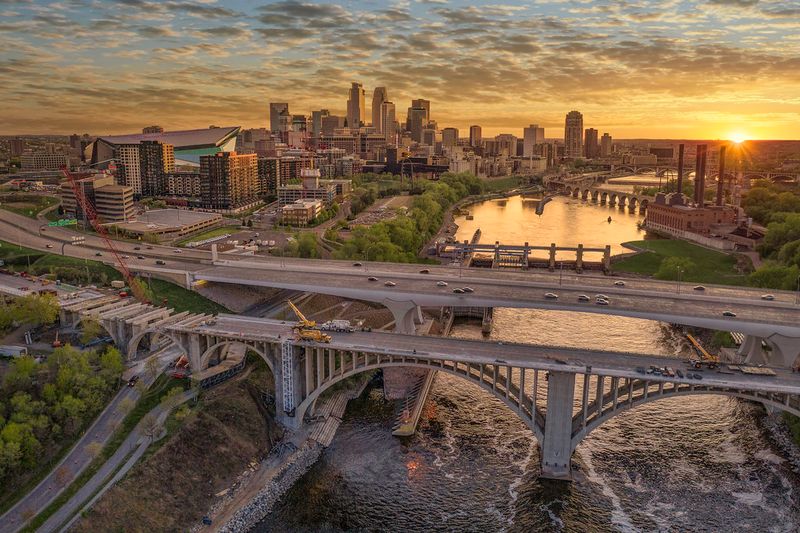
Ask a lifelong Minneapolis resident what keeps them here, and the answer often comes quickly. The seasons, even the brutal winters, create a rhythm that feels uniquely theirs.
There is a shared toughness that comes from surviving a Minneapolis January together.
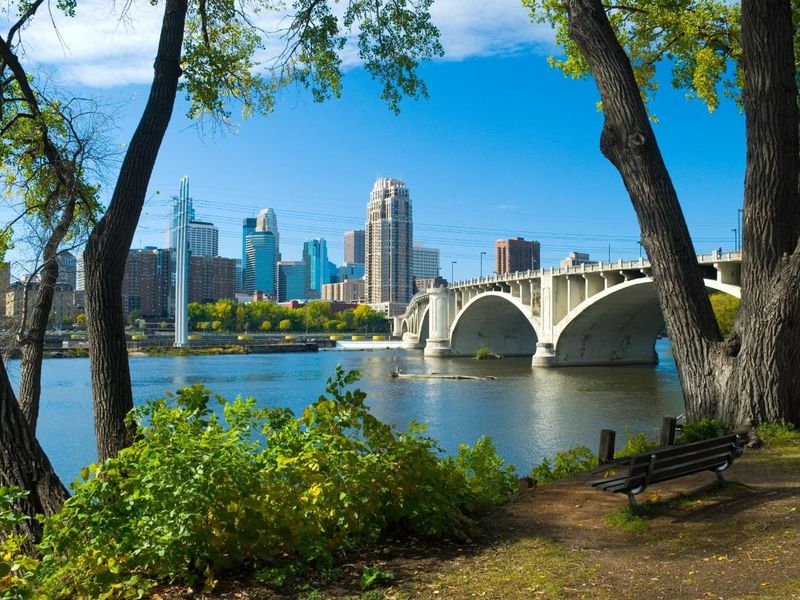
The Stone Arch Bridge, stretching across the Mississippi near St. Anthony Falls, is a place that holds a particular kind of emotional weight. Walking it at dusk, with the skyline glowing behind you, reminds you of everything this city has built and endured.
It is hard not to feel something standing there.
The food scene, rooted in the city’s multicultural communities, continues to offer experiences that feel genuinely local. Neighborhoods like Eat Street along Nicollet Avenue offer flavors from dozens of countries within just a few blocks.
That kind of culinary diversity is not manufactured; it grew organically over generations.
Minneapolis is changing, and not all of that change feels welcome to everyone who calls it home. But the love residents carry for this city is stubborn and specific.
