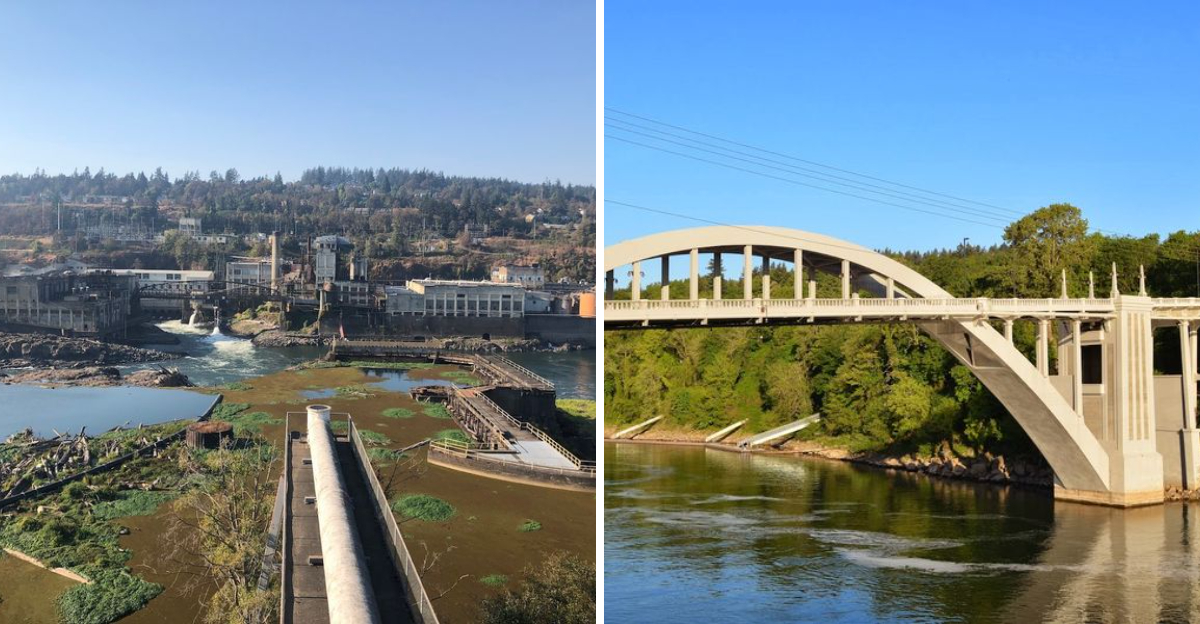
The weight of history here is almost a physical thing, layered in the old buildings and the roar of the falls. For lifelong residents, that historic charm is starting to feel like a backdrop for a place that no longer feels quite like home.
The town is changing, and a growing number of people with deep roots say they feel like strangers in their own streets. The shift is driven by a powerful economic tide, with a cost of living now 21% above the national average.
Housing costs have soared, with the median home price hovering around $605,000 and rents spiking over 17% in just one year. For families and seniors who have been here for decades, these numbers represent a very real struggle to stay.
This economic pressure has created a new dynamic in Oregon, where even historic towns are becoming financially out of reach. The sense of a lost community is tangible, a feeling that the city’s identity is shifting away from those who built it.
A Historic Downtown That Barely Recognizes Itself Anymore
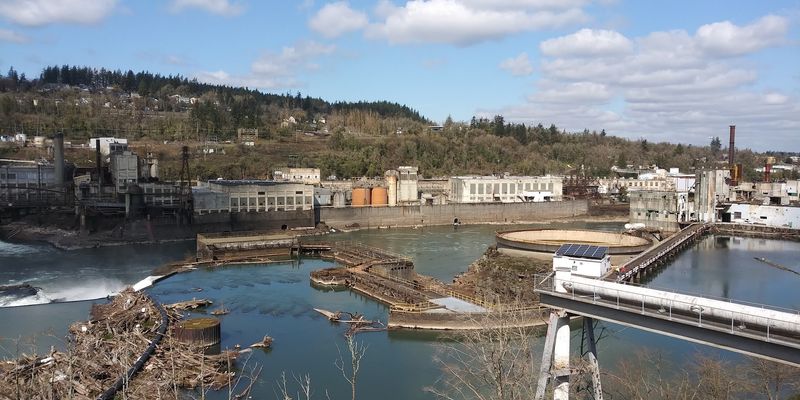
Walking through downtown Oregon City feels like flipping through two different photo albums at once. Old brick buildings from the late 1800s now share walls with sleek modern facades.
The contrast is striking in a way that feels both exciting and deeply unsettling.
I noticed a barbershop that had been open for decades, now sandwiched between a boutique fitness studio and an artisan candle store. Long-time shop owners talk about rent increases that crept up faster than their sales ever did.
Some have quietly packed up and moved on without much fanfare.
Oregon City was the first incorporated city west of the Rocky Mountains. That kind of history deserves more than a footnote on a tourist sign.
The bones of the old city are still there, but the soul feels harder to find with each passing season.
Rising Housing Costs Pushing Families to the Edges
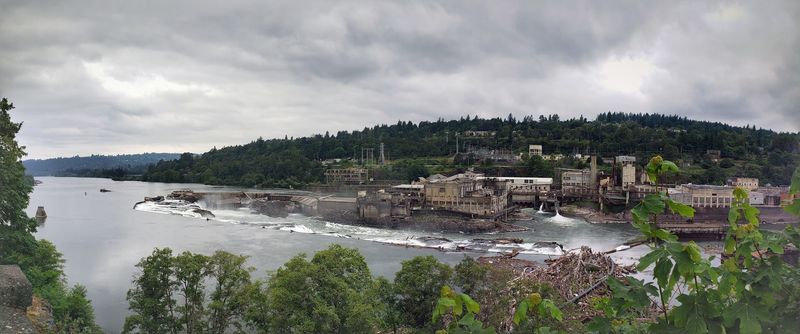
Housing in Oregon City used to mean something attainable for regular working families. People could buy a modest home near the river and actually build a life there.
That reality feels like a distant memory for many residents today.
Prices have climbed steadily alongside Portland’s overflow growth, and Oregon City absorbed a lot of that pressure. Families who grew up here now find themselves priced out of the very neighborhoods they were raised in.
The emotional weight of that kind of displacement is hard to overstate.
New developments keep appearing on hillsides and vacant lots across the city. The homes look polished and modern, but they are clearly not built for the people who already live here.
Longtime neighbors watch new faces move in and feel like strangers in their own community. That quiet frustration is something I heard echoed in nearly every corner of town.
The Municipal Elevator and What It Symbolizes Now
The Oregon City Municipal Elevator is one of only a few outdoor elevators in the United States. It connects the lower town along the river to the upper residential bluffs above.
For generations, it was a practical lifeline for working-class residents living on the hill.
Riding it now feels like stepping into a time capsule that the rest of the city has left behind. The elevator still runs, but the community it once served has been slowly scattered by economic pressure.
New residents use it as a quirky attraction rather than a daily necessity.
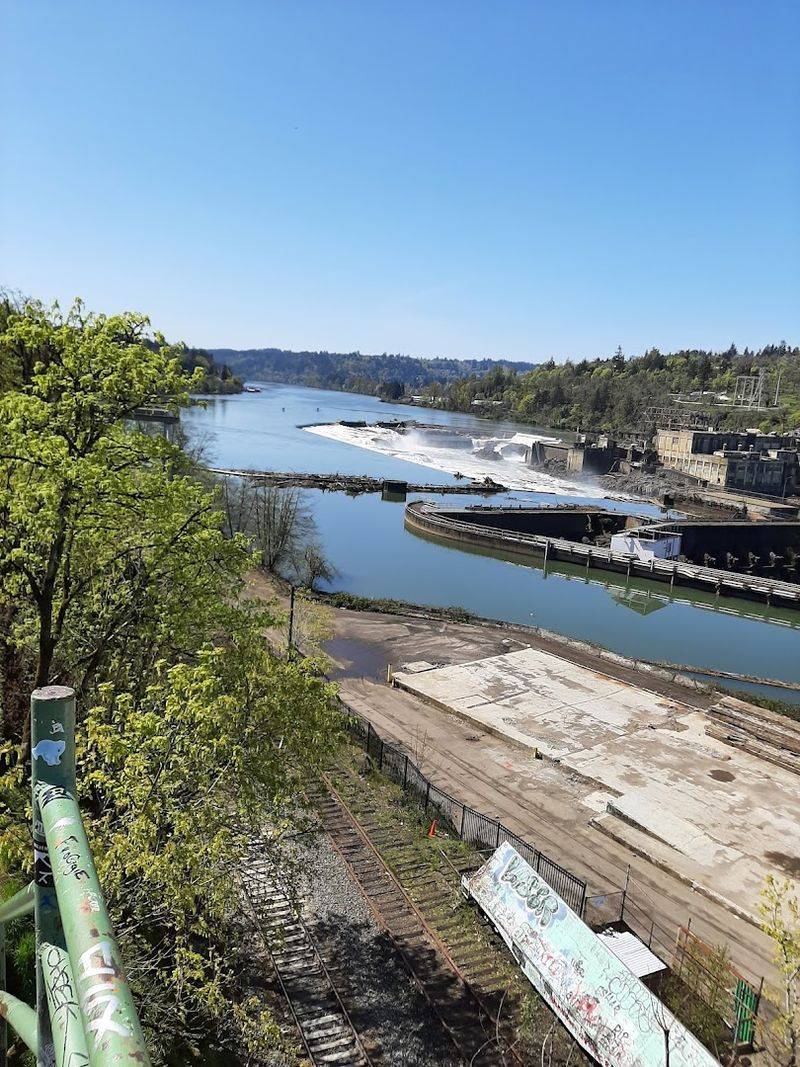
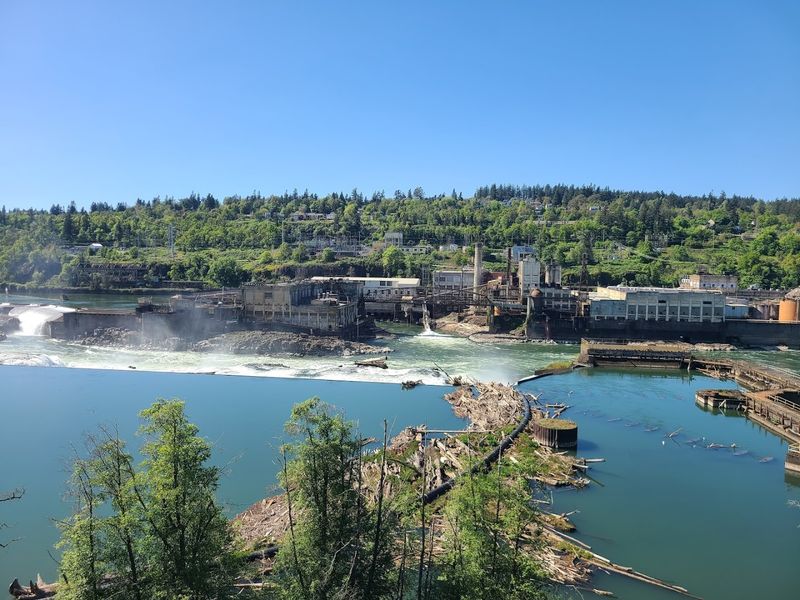
There is something quietly powerful about standing in that small elevator car and looking out over the river. You can see the old paper mill site, now being redeveloped into something entirely different.
The elevator remains, but its original purpose has shifted in meaning just like so much else here. It is a small machine carrying the weight of a much larger story.
Gentrification Creeping In From Portland’s Shadow
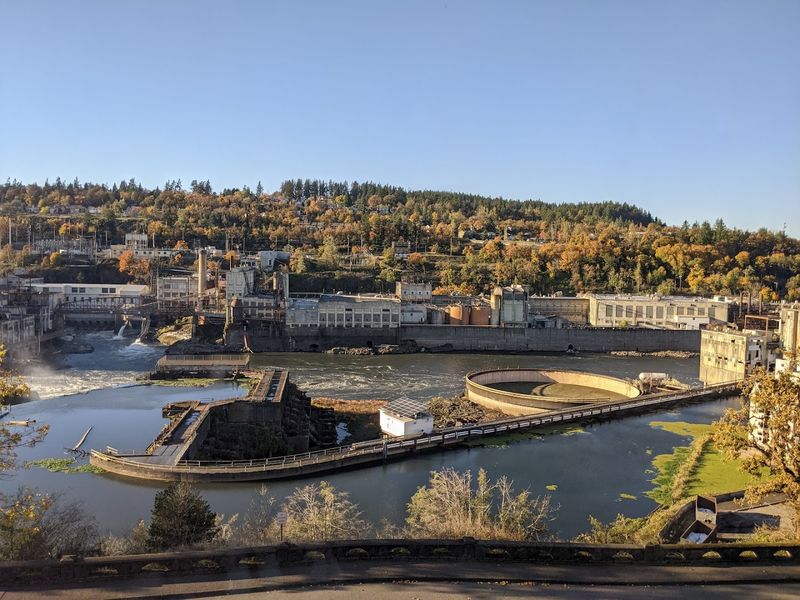
Portland’s growth did not stay inside Portland’s borders. It spilled south along the Willamette, and Oregon City caught the wave whether it was ready or not.
New residents arrived looking for more space and lower prices than Portland could offer.
With them came a different kind of energy, new restaurants, redesigned storefronts, and a cultural shift that not everyone welcomed. Long-time residents began noticing that the places they relied on were being replaced by businesses catering to a newer, wealthier crowd.
The change happened fast enough to feel disorienting.
Gentrification rarely announces itself with a warning sign. It moves quietly through rent increases, new paint colors, and rebranded menus.
Some residents appreciate the investment and cleaner streets. Others feel like they are watching their hometown get repackaged for someone else’s enjoyment.
Both feelings are valid, and both exist loudly in Oregon City right now.
The End of the Oregon Trail and What That Legacy Means Today
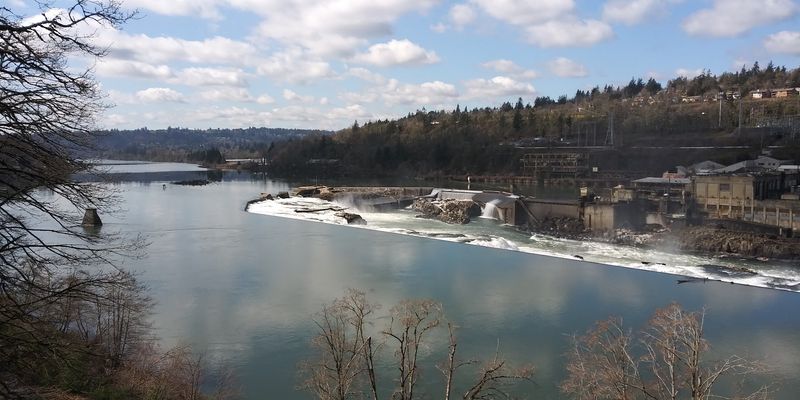
Oregon City holds one of the most significant titles in American westward history. It was the official end of the Oregon Trail, where thousands of settlers completed their grueling 2,000-mile journey.
That legacy is woven into the city’s identity in ways both celebrated and complicated.
The End of the Oregon Trail Interpretive Center sits at 1726 Washington Street, offering a thoughtful look at what that journey meant. Inside, the exhibits connect the past to the present with surprising depth.
It is one of those places where history does not feel dusty or distant.
But there is an irony that residents sometimes point out quietly. The original settlers arrived and displaced the people already living here.
Today, long-time residents feel a version of that same displacement happening to them. History has a way of repeating its most uncomfortable patterns.
Acknowledging that does not erase the city’s pride, but it does add a layer of honest complexity worth sitting with.
Small Businesses Struggling to Survive the Transition
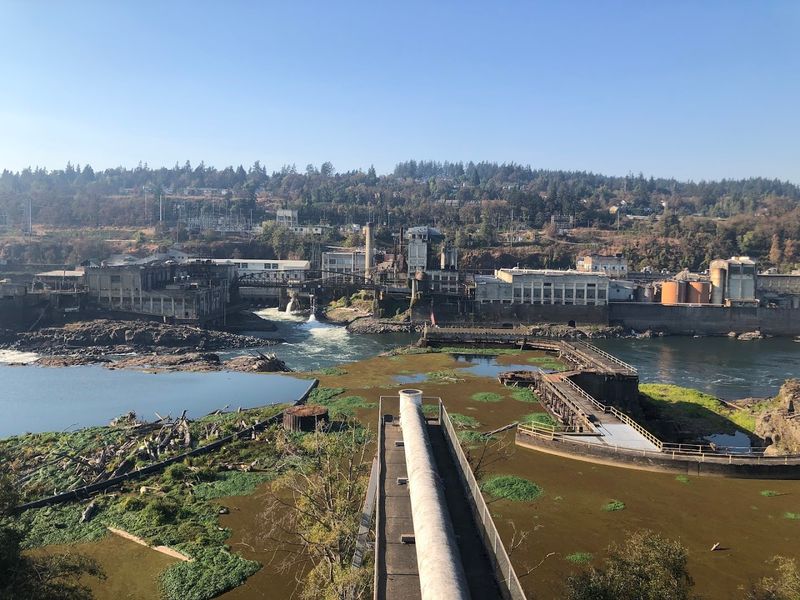
Some of the most telling signs of change in Oregon City are the empty storefronts and handwritten closing signs. Small businesses that operated for twenty or thirty years have been quietly disappearing.
Their absence leaves gaps that feel personal, not just economic.
A family-run hardware store that helped neighbors fix their homes for generations is now a yoga studio. The diner where locals gathered every Sunday morning became a specialty coffee bar with a minimalist interior.
Each change makes sense on paper but stings in practice.
Small business owners in Oregon City face a tough combination of rising rents and shifting customer demographics. The newer residents who move in often have different spending habits and different loyalties.
Building a new customer base takes time that many established owners simply do not have. The businesses that survive tend to be the ones that can adapt quickly or already appeal to a younger, wealthier crowd.
That is a hard truth for a community built on loyalty and familiarity.
The Willamette Falls and the Redevelopment Question
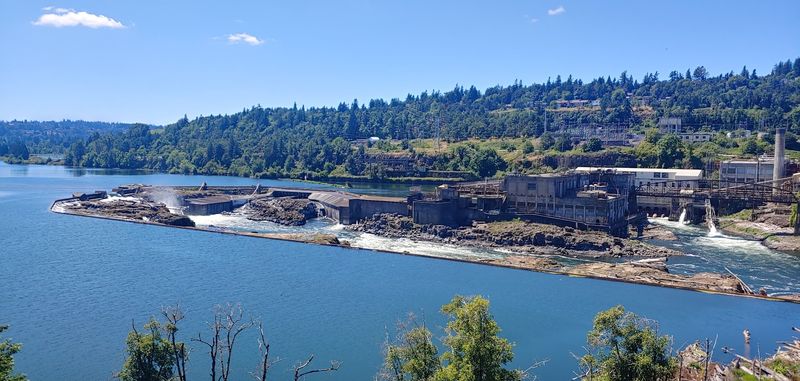
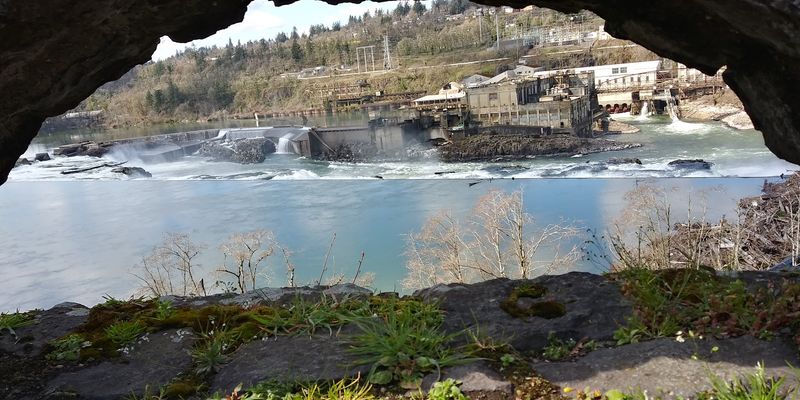
Willamette Falls is the second largest waterfall by volume in the United States, and it sits right in the heart of Oregon City. For most of the city’s history, the falls were hidden behind industrial facilities that used their power for paper production.
Most people never got to see them up close.
A major redevelopment project is now working to open the falls to the public for the first time in over a century. The plans are ambitious and genuinely exciting for many residents.
A new riverwalk and public access area could transform how people connect with this natural landmark.
But the redevelopment also raises real questions about who benefits most from the change. Will the new waterfront attract the kind of investment that further prices out existing residents?
Those concerns are not paranoid, they are practical. Oregon City has seen enough rapid change to know that big projects bring both opportunity and risk.
Watching how this unfolds will say a lot about the city’s priorities going forward.
Long-Time Residents Feeling Invisible in Their Own City
There is a particular kind of loneliness that comes from watching your hometown change around you. It is not dramatic or loud, it just settles in slowly.
Long-time Oregon City residents describe a feeling of becoming invisible in a place they helped build.
Community meetings that once felt familiar now feature new voices with different priorities. Neighborhood concerns that mattered for years seem to get less attention than the needs of incoming residents.
That shift in who gets heard is something people notice and feel deeply.
I spoke with no one specifically, but the general sentiment is easy to pick up just by walking around. Older residents linger near the same spots they always have, watching new businesses open across the street with a mixture of curiosity and quiet grief.
They are not against progress, they just want to be part of the conversation. Feeling left behind in a city you love is one of the harder things a person can experience.
Schools and Community Spaces Under Pressure
Public schools are often the truest mirror of a community’s changing face. Oregon City’s schools have seen shifting enrollment patterns as demographics across the city evolve.
Teachers and staff navigate those changes with limited resources and a lot of heart.
Community centers and parks that once served tight-knit neighborhoods now feel caught between two different populations. Programming that worked well for established families does not always match the needs of newer arrivals.
Finding common ground takes effort that is not always funded or prioritized.
McLoughlin Park and Clackamette Park remain popular gathering spots, but even these spaces carry the tension of transition. New playground equipment sits beside older benches where familiar faces used to gather every evening.
The physical space stays the same while the community using it quietly shifts. Schools and shared spaces matter because they are where belonging gets built or broken.
Oregon City is working through that process in real time, and the outcome is far from certain.
What Oregon City Could Still Become If It Listens
Oregon City is not a city without hope, not even close. The same energy that is causing friction also carries real potential for something better.
The question is whether the city will make space for the people who built it before welcoming those who are just arriving.
There are community leaders, planners, and everyday residents who genuinely want Oregon City to grow without losing its character. Affordable housing initiatives, small business support programs, and inclusive public planning meetings are all part of the conversation.
Progress is slow but it is happening.
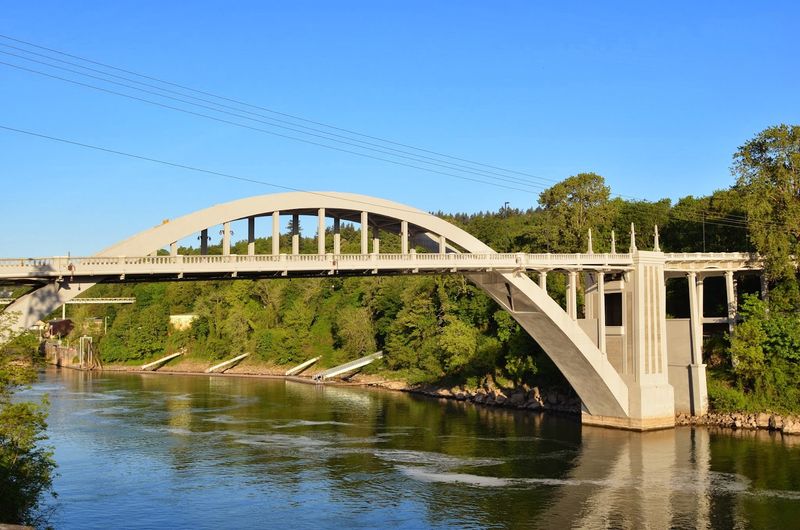
The Willamette River still runs through the heart of this city with quiet, steady power. The historic elevator still carries people up the bluff every single day.
The end of the Oregon Trail still marks this place as somewhere worth arriving at. Oregon City has survived enormous change before, and it carries that resilience in its bones.
The real work now is making sure everyone who already calls this home gets to stay and shape what comes next.
