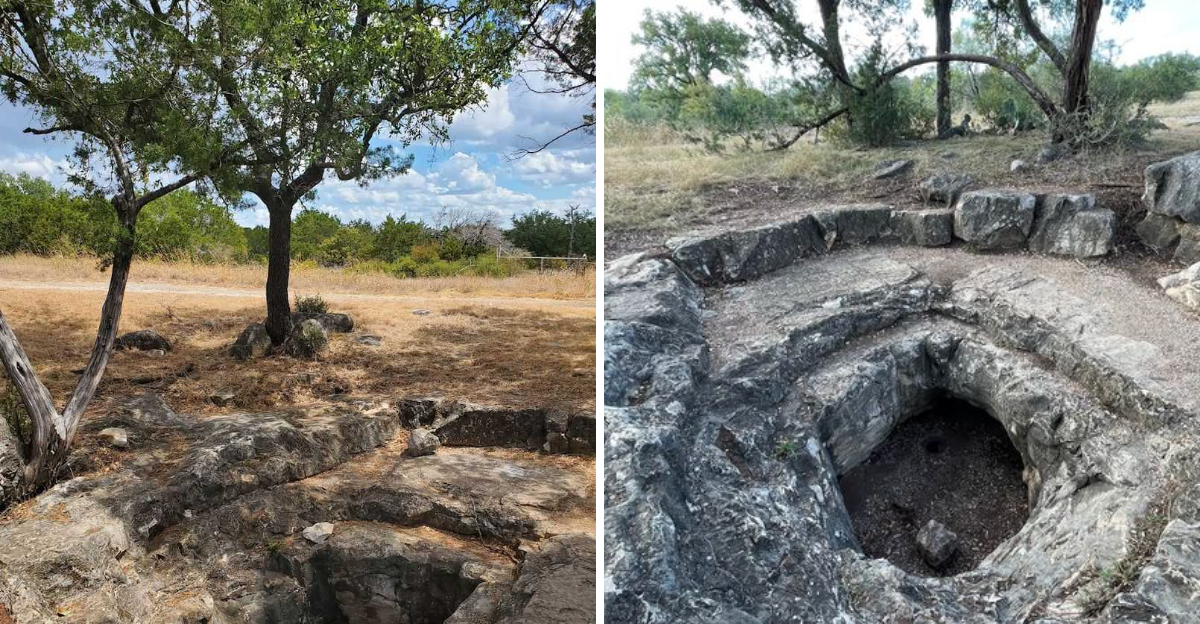
At first glance, it does not look like much, just a rugged patch of land with a story most people would never guess.
Then you hear what actually happened here, and everything changes. This site holds a past tied to outlaws, betrayal, and a series of events that sound more like something written for a film than real life.
The setting stays quiet, almost too quiet once you know the history behind it. Texas has its share of wild stories, but this one lingers a little longer than most.
The Dark Origins of Dead Man’s Hole
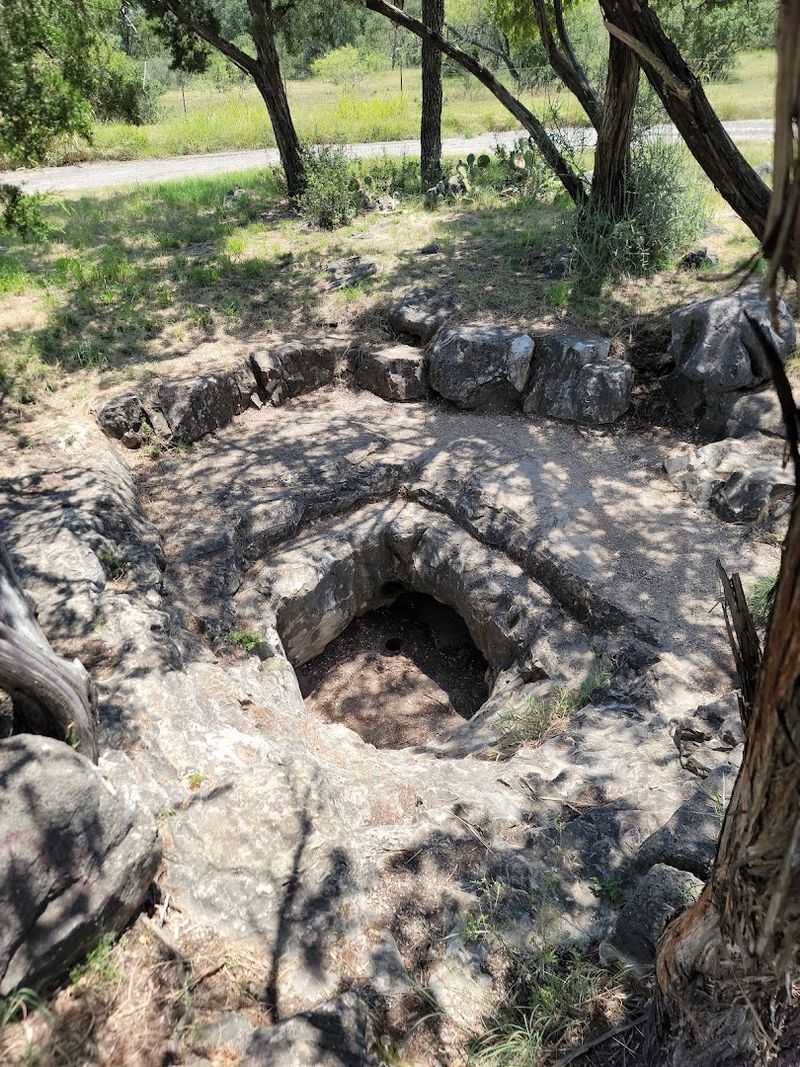
Some places earn their names honestly, and Dead Man’s Hole did so in the most brutal way possible. This limestone sinkhole sits quietly in the Texas Hill Country near Marble Falls, but its story begins during one of the most violent chapters in American history.
The Civil War tore through communities across the South, and Burnet County was no exception.
The area had a large population of German immigrants who were fiercely loyal to the Union. That loyalty made them targets.
Confederate sympathizers, locally known as “fire eaters,” hunted down Union loyalists and used this deep, dark hole as a place to dispose of their victims.
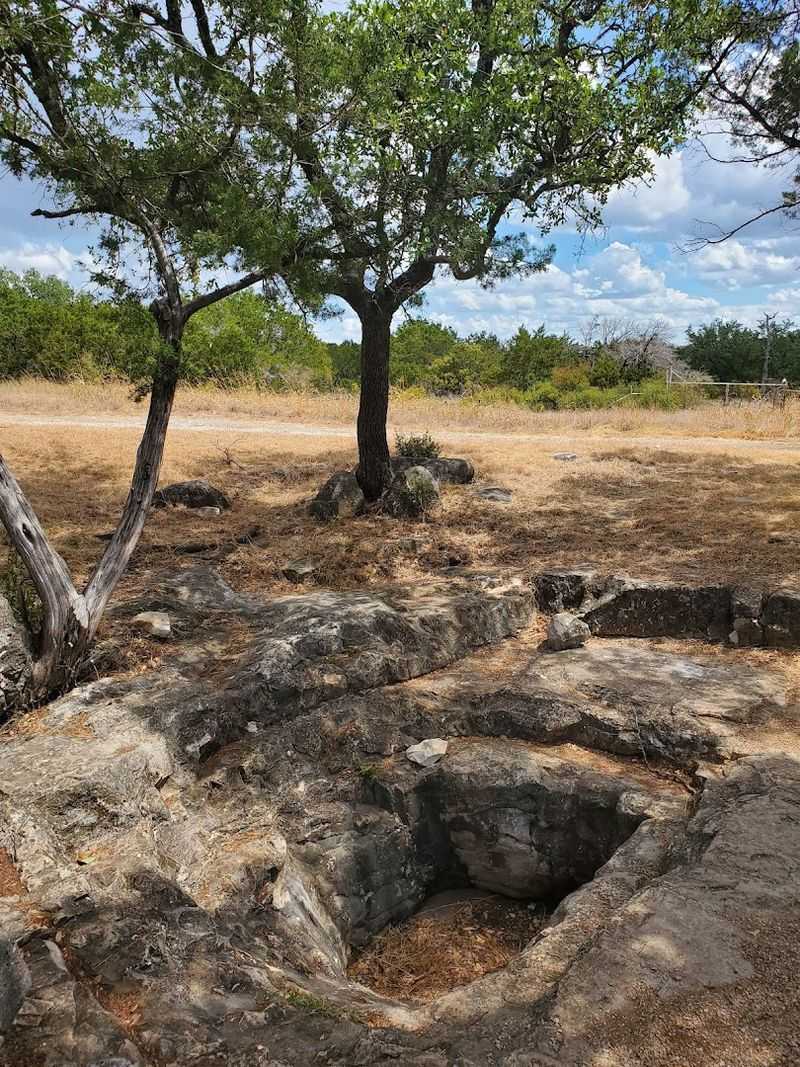
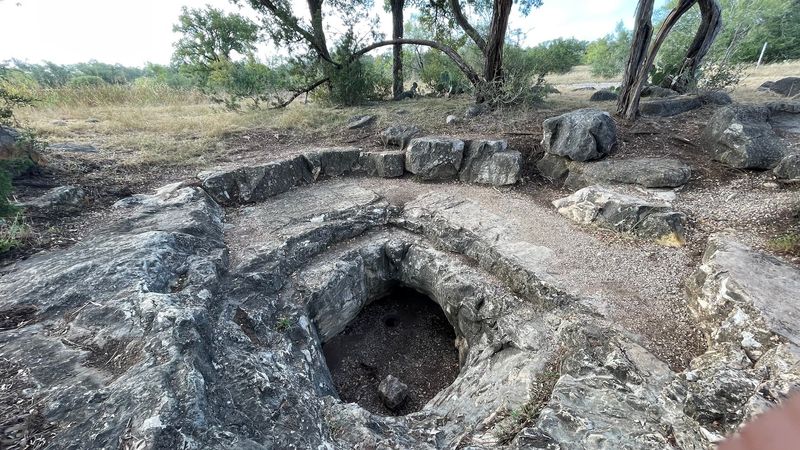
At least 17 people were reportedly unalived and thrown into the sinkhole, which stretches roughly 155 feet deep with a narrow entrance only about 7 feet wide. The geography itself made it a perfect and terrible hiding place.
For years, no one could even explore it safely because of dangerous gases trapped inside.
The site was essentially forgotten by the wider public for decades. It was not until a Texas Historical Marker was erected in 1998 that the full weight of what happened here began to get the attention it deserved.
Who Were the Victims Thrown Into the Hole
The victims of Dead Man’s Hole were not outlaws or criminals. Most of them were ordinary people who had the wrong political beliefs at the wrong time in history.
German settlers had come to the Texas Hill Country in large numbers during the mid-1800s, and many of them opposed slavery and secession on both moral and practical grounds.
Among the confirmed victims was Judge John R. Scott, a local official whose Union sympathies made him a marked man.
Settler Adolph Hoppe was another name tied to the tragedy. These were community members, fathers, and neighbors whose only crime was refusing to abandon their convictions.
The fatalities occurred outside of active combat scenarios. They were targeted executions carried out in secret, often at night, by groups who wanted to silence dissent in the region.
The bodies were dumped into the sinkhole specifically because its depth and gas content made retrieval nearly impossible.
Knowing who these people were changes how you experience the site. It stops being just a geological curiosity and becomes something far more personal.
Their stories deserve to be told, and visiting this landmark is one small way of honoring that.
The “Fire Eaters” and Confederate Vigilante Violence
The term “fire eaters” sounds almost theatrical, but the people it described were genuinely dangerous. These were hardcore Confederate sympathizers who viewed anyone with Union leanings as a traitor deserving of death, not debate.
In Burnet County, they operated more like a vigilante mob than any official military unit.
Their violence was personal and targeted. They did not just intimidate people.
They unalived them, quietly and without any legal process, then used the natural landscape to hide the evidence. Dead Man’s Hole became their preferred method of disposal because its depth and toxic gases made recovery of bodies almost impossible for years.
This kind of extrajudicial violence was not unique to Texas, but the geographic isolation of the Hill Country made it especially hard to stop or document. Neighbors were afraid to speak out.
Local law enforcement was either sympathetic to the cause or simply powerless against organized groups of armed men.
Understanding this context matters because it reframes the sinkhole from a spooky curiosity into a crime scene. The “fire eaters” were never formally prosecuted for what happened here, which adds another layer of injustice to an already heavy history.
The silence around their actions lasted for generations.
The Geology of Dead Man’s Hole Itself
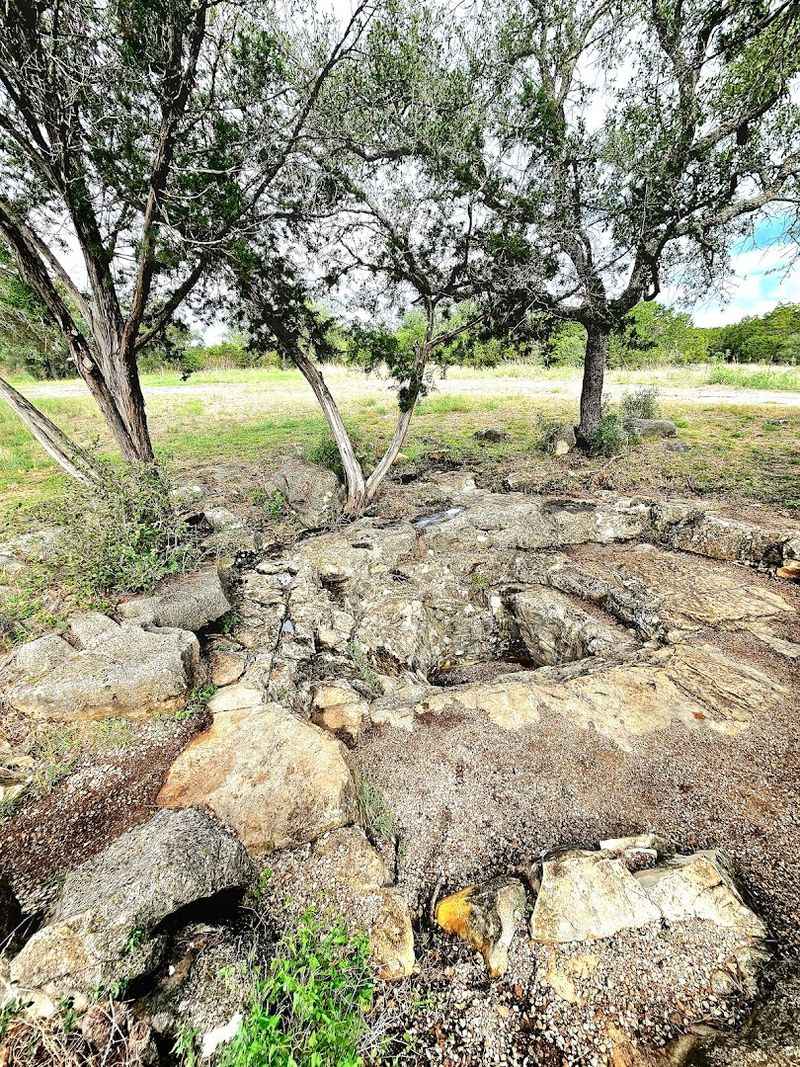
Before it became a site of historical horror, Dead Man’s Hole was simply a remarkable geological feature. The Texas Hill Country sits on top of the Edwards Plateau, a massive limestone formation that is riddled with caves, sinkholes, and underground water systems.
Dead Man’s Hole is a product of that same ancient geology.
The sinkhole is approximately 155 feet deep and about 50 feet long, with an entrance that narrows to just 7 feet wide at the top. That tight opening is part of what made it so dangerous for so long.
Gases, likely including carbon dioxide, accumulated inside the cavity and made descent without proper equipment life-threatening.
For decades after the Civil War, no one could safely explore the interior. It was not until 1951 that a team of spelunkers from the University of Texas finally descended into the hole with proper gear, confirming its depth and mapping its structure for the first time.
What they found was a long, narrow passage that opens slightly as it descends. No significant cave formations were documented, but the sheer depth was striking.
The geology alone makes it worth studying, even without the history layered on top of it.
The 1951 University of Texas Spelunking Expedition
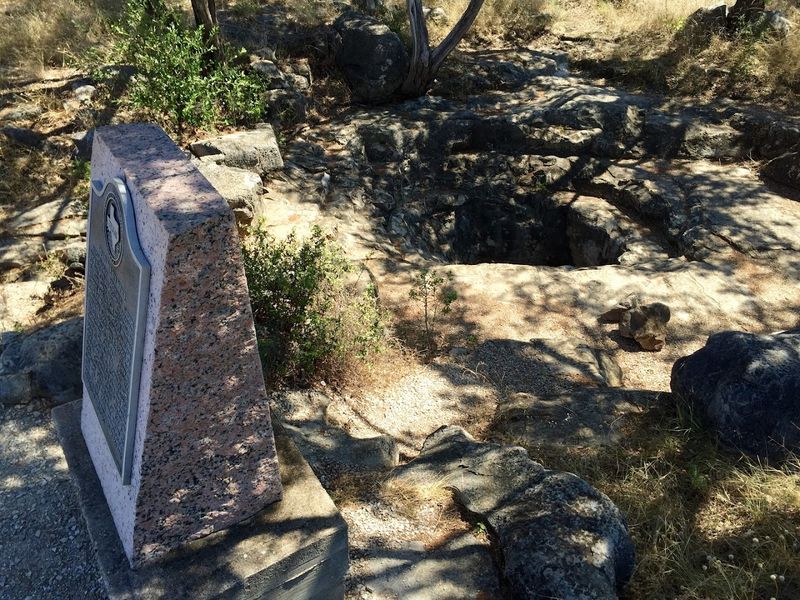
Nearly a century passed before anyone got a real look at what was inside Dead Man’s Hole. The gas problem had kept explorers away for decades, and the site’s grim reputation probably did not help either.
Then in 1951, a group of spelunkers from the University of Texas decided to tackle it properly.
They came equipped with ropes, gas masks, and the kind of methodical approach that serious cave exploration requires. Their descent confirmed what locals had long suspected: the hole was genuinely deep, reaching approximately 155 feet at its lowest point.
They also mapped the general shape of the passage for the first time.
No human remains were recovered during that expedition, which is not entirely surprising given the passage of nearly 90 years and the corrosive environment inside the sinkhole. But the expedition gave the site a new kind of credibility.
It was no longer just local legend. It was a documented, measurable place with a real and verifiable history.
That 1951 trip is a fascinating chapter on its own. It took a group of curious students with ropes and determination to finally shine light, literally, on one of Texas’s darkest secrets.
Their work helped bring this story into the historical record where it belongs.
The Texas Historical Marker and Public Recognition
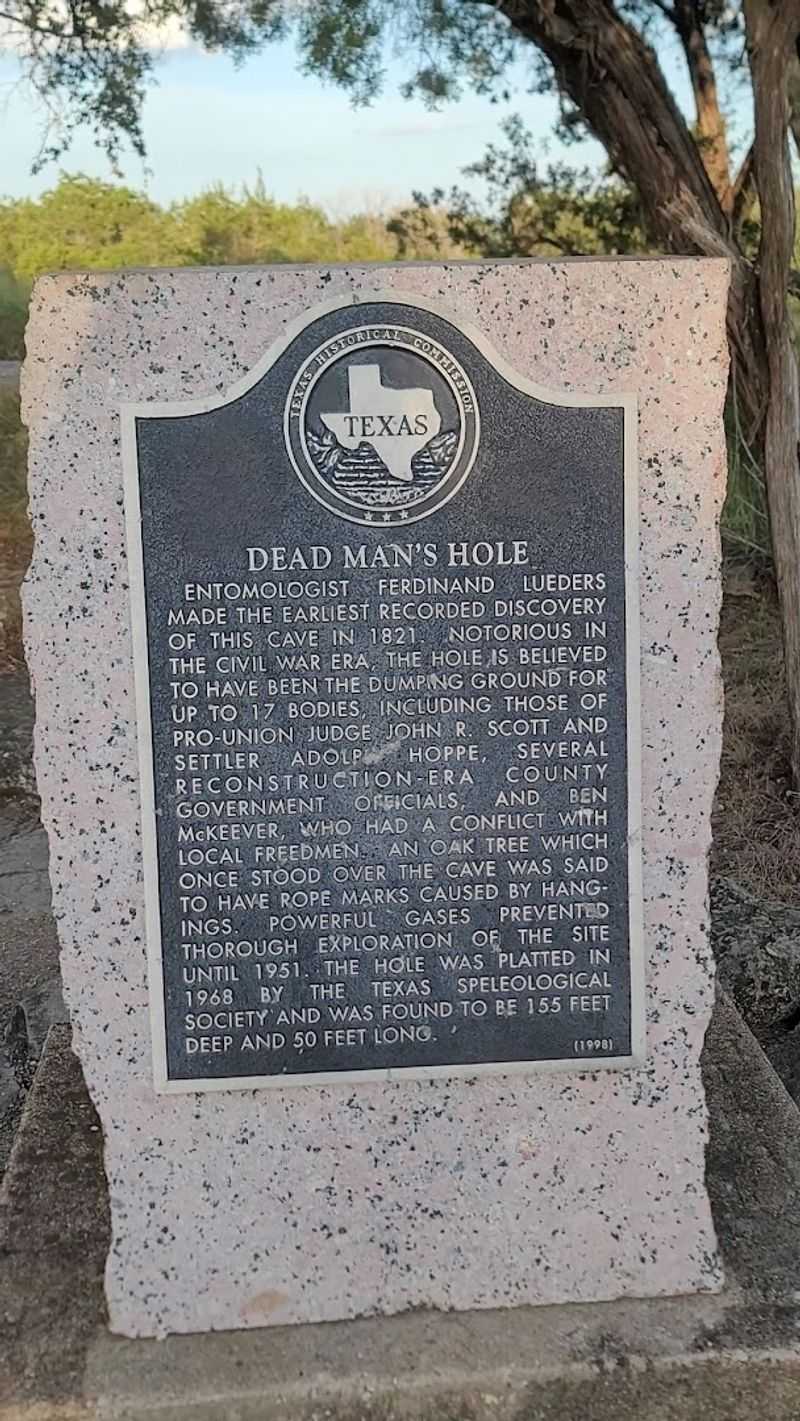
For most of the 20th century, Dead Man’s Hole existed in a strange kind of public limbo. Local people knew about it.
The stories circulated through Burnet County for generations. But there was no official recognition, no formal acknowledgment of what had happened there or who had suffered.
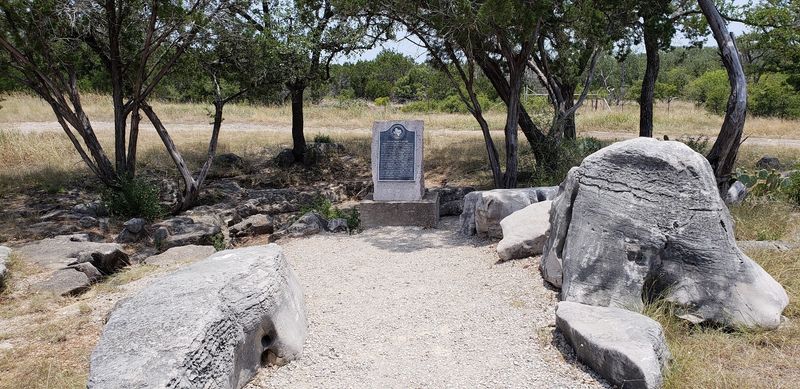
That changed in 1998 when the Texas Historical Commission erected a historical marker at the site. That marker was a turning point.
It transformed a piece of private land with a dark reputation into a recognized piece of Texas heritage, one that the state was willing to acknowledge publicly.
The marker does not soften the story. It names the victims, describes the violence, and situates the events within the broader context of Civil War-era political persecution.
Reading it for the first time is genuinely arresting. The plain, factual language somehow makes the history feel even more real than a dramatic retelling would.
A year later, in 1999, the landowner deeded Dead Man’s Hole and the surrounding 6.5 acres to Burnet County, officially establishing it as a public park. That act of preservation means future generations will always have access to this site and the story it carries.
Public memory is a form of respect, and this place finally has both.
Visiting Dead Man’s Hole Today
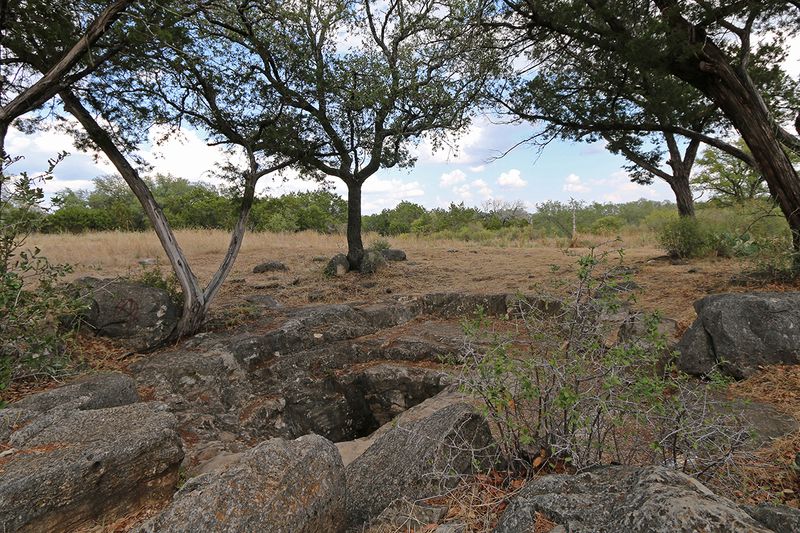
The experience of visiting Dead Man’s Hole today is quieter than you might expect. There are no crowds, no gift shops, and no dramatic lighting effects.
Just a covered sinkhole entrance, a historical marker, and a lot of open Hill Country sky above you.
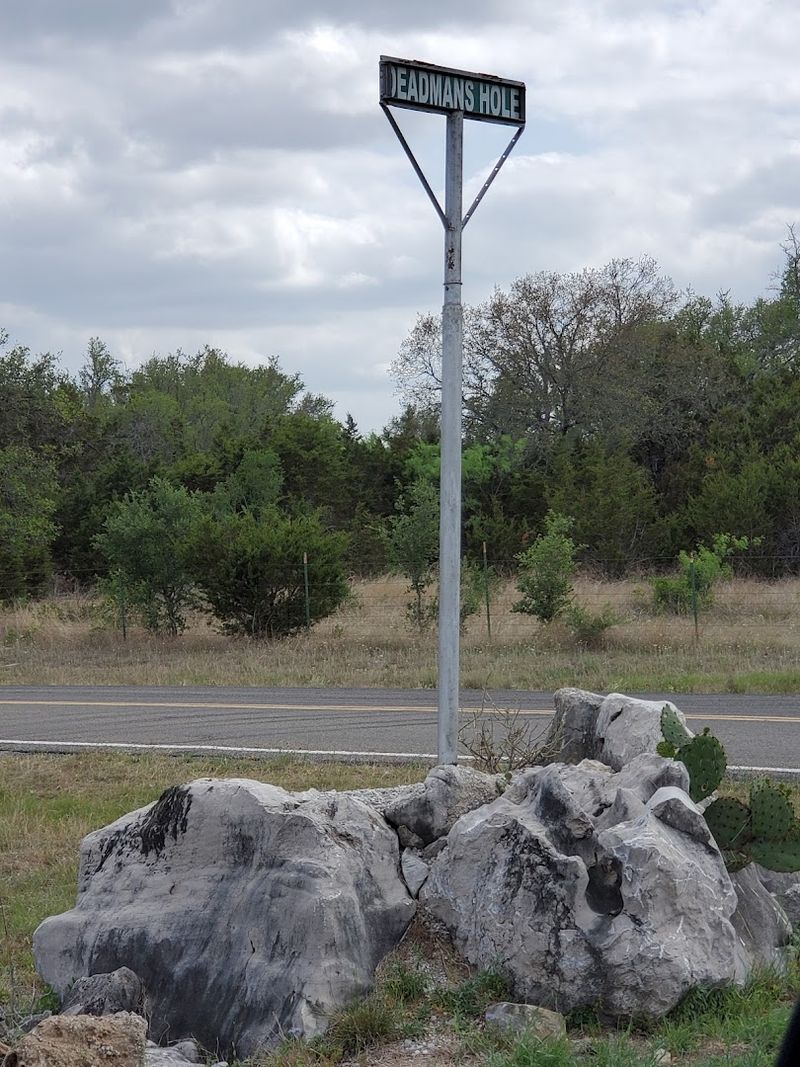
The site sits along Co Rd 401 near Marble Falls, and the drive out there is part of the experience. The road winds through cedar and oak-covered terrain that looks remarkably similar to how it must have appeared 160 years ago.
That continuity between past and present feels oddly powerful once you know the history.
The covered entrance to the hole is visible from the marker area, though visitors cannot descend inside for safety reasons. Honestly, just standing near it and reading the marker is enough to make the history feel tangible.
The 6.5-acre park is peaceful and well-maintained by Burnet County.
I would recommend visiting in the morning when the light is soft and the air is still cool. Bring water, wear sturdy shoes for the uneven terrain, and give yourself more time than you think you need.
This is not a place to rush through. The history deserves a slow, thoughtful visit.
Why This Story Matters Beyond Texas
Stories like Dead Man’s Hole have a way of cutting through the mythology that often surrounds American history. The Civil War is frequently discussed in terms of battles, generals, and political movements, but the violence it unleashed on civilian communities is a chapter that gets far less attention.
What happened in Burnet County was not an isolated incident. Across the South, and especially in border regions and areas with divided loyalties, ordinary people were targeted, threatened, and unalived for their beliefs.
The German communities of the Texas Hill Country were particularly vulnerable because their opposition to secession was both vocal and well-organized.
Dead Man’s Hole is a physical, permanent record of that violence. You cannot argue with a 155-foot sinkhole.
You cannot dismiss the historical marker or the names carved into the memory of this place. That kind of tangible evidence is rare and valuable.
History taught through real places hits differently than history taught through textbooks. Visiting this site and understanding its context makes the human cost of political extremism feel immediate and undeniable.
That lesson is relevant far beyond the borders of Texas, and it is one worth making the trip to absorb firsthand.
The Lasting Legacy of Dead Man’s Hole in Burnet County
Places like Dead Man’s Hole tend to become part of a community’s identity whether people want them to or not. Burnet County has spent generations living with this story, and the decision to preserve the site as a public park rather than let it fade into private obscurity says something meaningful about local values.
The landmark draws a steady stream of history enthusiasts, curious travelers, and people with personal connections to the events of the 1860s. It is not a tourist trap or a commercialized attraction.
It is just a real place with a real story, maintained with care and offered freely to the public.
Local historians and educators use the site as a teaching tool, bringing the Civil War era to life in a way that classroom maps and dates simply cannot match. The names on that historical marker are not abstractions.
They were people who lived, worked, and died in this very landscape.
The legacy of Dead Man’s Hole is ultimately about memory and accountability. Preserving this site is an act of honoring the people who were silenced here and refusing to let their stories disappear.
That is a powerful thing for any community to commit to, and Burnet County has done it well.
Address: Co Rd 401, Marble Falls, TX 78654
Dear Reader: This page may contain affiliate links which may earn a commission if you click through and make a purchase. Our independent journalism is not influenced by any advertiser or commercial initiative unless it is clearly marked as sponsored content. As travel products change, please be sure to reconfirm all details and stay up to date with current events to ensure a safe and successful trip.
