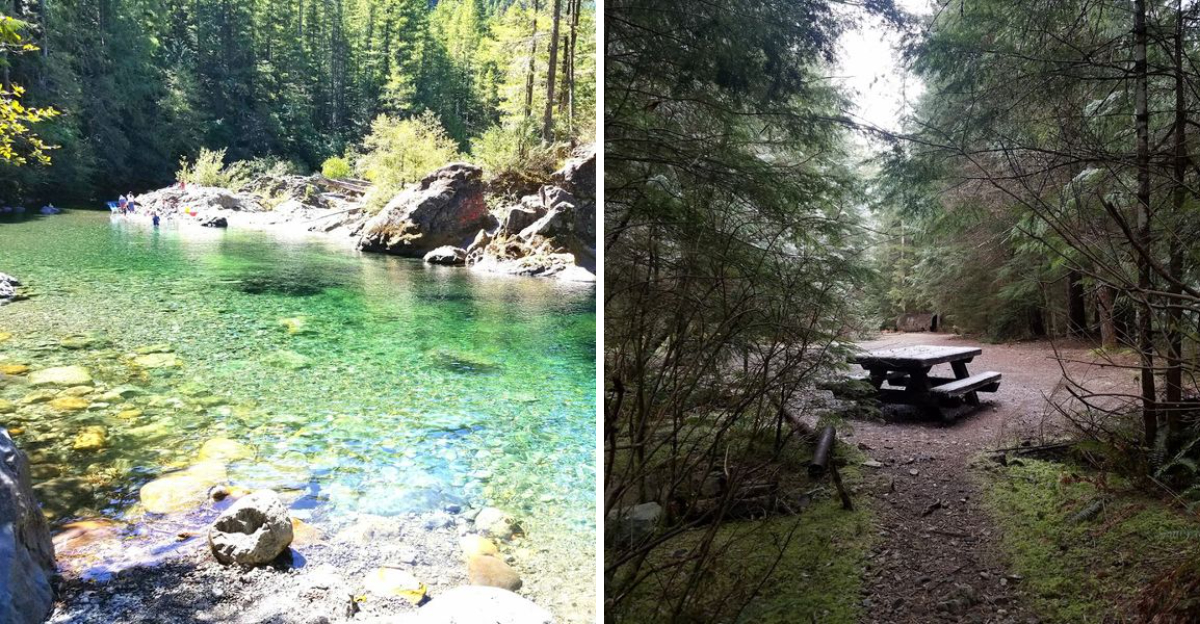
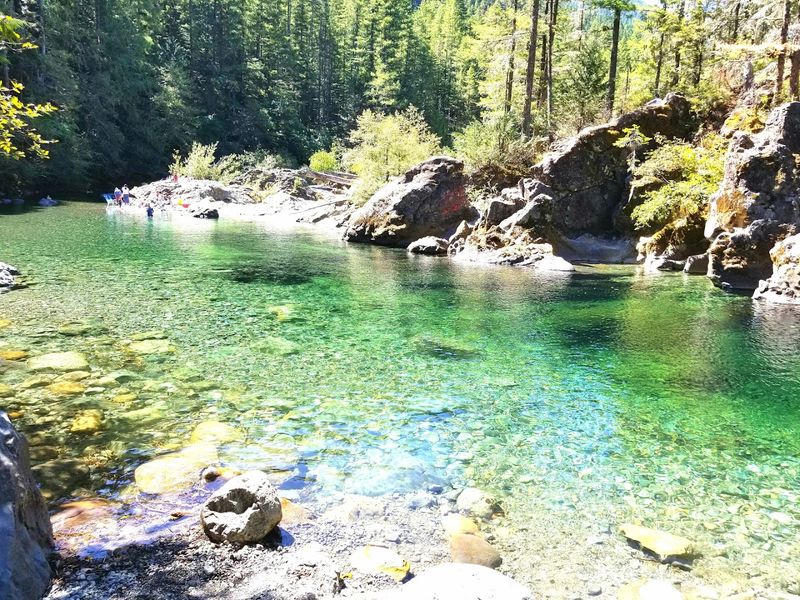
Your eyes will try to convince you that what you are seeing is a trick of the light. A pool of water so clear and so vividly green that it looks more like polished gemstone than a mountain creek.
But it is real, and it belongs to a place in Oregon where ancient forests stand guard over one of the state’s most surreal natural wonders.
The water is so transparent you can count the pebbles on the bottom from twenty feet up, a vision of emerald and sapphire that shifts with the light. It is a pristine paradise fed by snowmelt, naturally filtered through layers of rock and grave.
A secret that locals have cherished for generations. Oregon holds many treasures, but this hidden sanctuary of crystal-clear water is something you have to see to believe.
The Surreal Color of Opal Creek Itself
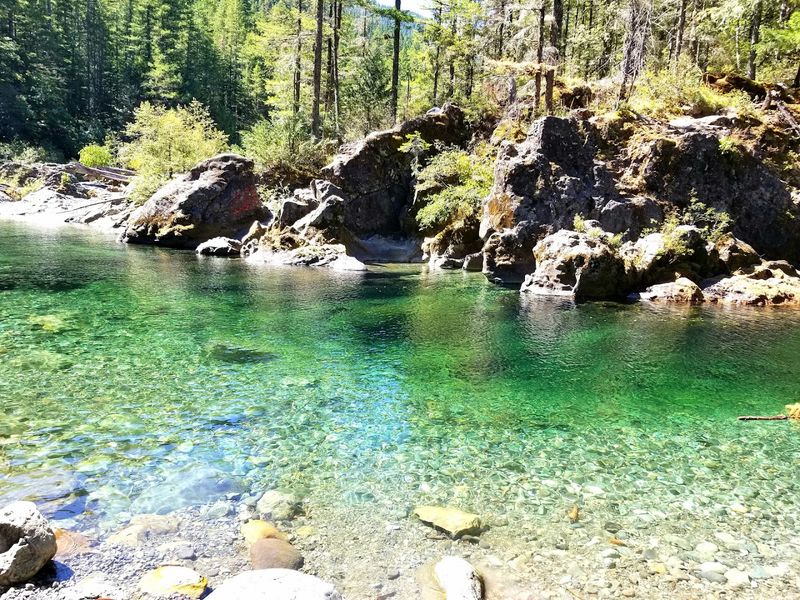
Nothing really prepares you for the color of the water here. Opal Creek earns its name in the most literal, jaw-dropping way possible.
The creek runs a shade of blue-green that shifts depending on the light, sometimes looking like polished turquoise and sometimes glowing almost emerald.
The clarity is what gets you first. You can see every pebble resting on the creek bed below, even in sections that look several feet deep.
The water moves with this quiet, confident energy, slipping over smooth stones without any rush.
Scientists point to the pristine old-growth watershed as the reason for the water quality here. No major development sits upstream to muddy things up, and that makes a real difference.
Hikers who step in during summer describe the cold as sharp and immediate, like pressing ice against your skin. It wakes you up completely.
The temperature actually makes it more refreshing on a warm July afternoon. Standing ankle-deep and staring down at your own feet through the water feels almost meditative.
Opal Pool: The Crown Jewel of the Wilderness
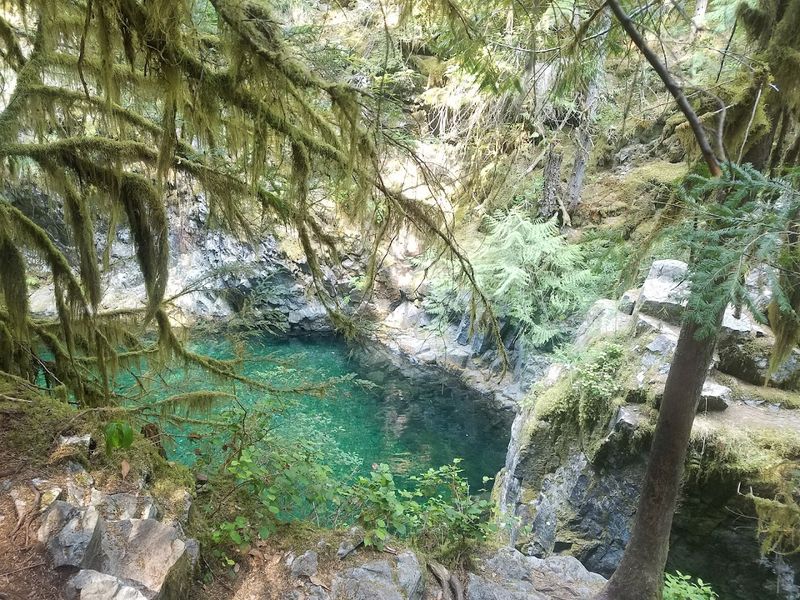
Opal Pool sits at the end of the main trail like a reward you have to earn, and every step to get there is absolutely worth it. The pool collects the creek’s flow into a wider, deeper basin ringed by mossy boulders and ancient trees.
The color here is even more saturated than the creek itself.
Swimming in Opal Pool is one of those experiences that stays with you for years. The water is bracingly cold even in the height of summer, but the surrounding forest keeps things shaded and cool enough that jumping in feels like the obvious choice.
People spread out on flat rocks nearby to dry off and watch the light shift through the canopy.
Visiting on a weekday gives you a much quieter experience at the pool. Summer weekends can draw bigger crowds, and the narrow trail access means things get cozy fast.
Arriving early in the morning also helps you catch the best light hitting the water before the shadows shift and the color changes.
Old-Growth Forest That Feels Prehistoric
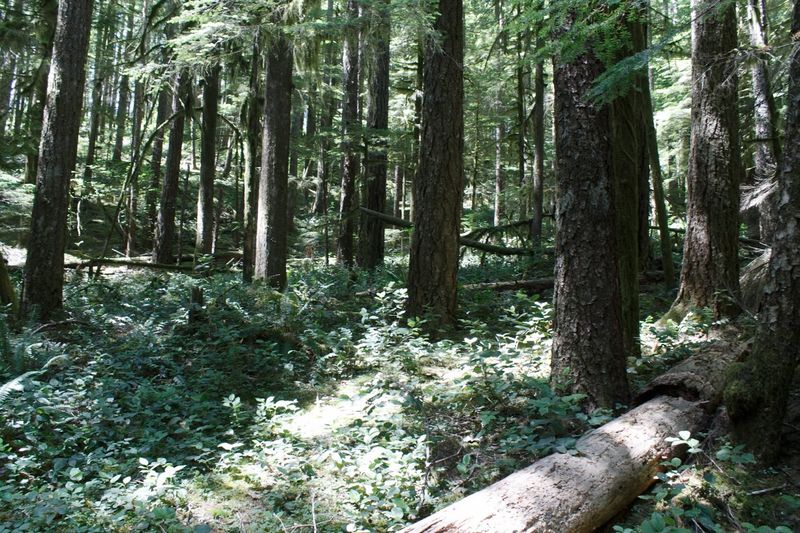
Walking through the old-growth section of Opal Creek Wilderness feels like stepping into a different era entirely. Douglas firs here reach heights that make your neck ache from looking up.
Some of these trees are hundreds of years old, and their trunks have grown so wide that several people holding hands could not wrap around them.
Bigleaf maples drape themselves with hanging moss, creating this lush, green curtain effect along the trail. The forest floor stays damp and soft, covered in ferns and wood sorrel that glow almost neon in filtered sunlight.
Every few steps, something new catches your attention.
What makes this forest feel truly special is how undisturbed it all seems. This area was protected from logging after years of community effort in the 1990s, and that history adds weight to every massive tree you pass.
You are walking through living proof that conservation efforts actually work. The silence here is thick and full, broken only by birdsong and the distant sound of rushing water below the trail.
The Jawbone Flats Historic Mining Camp
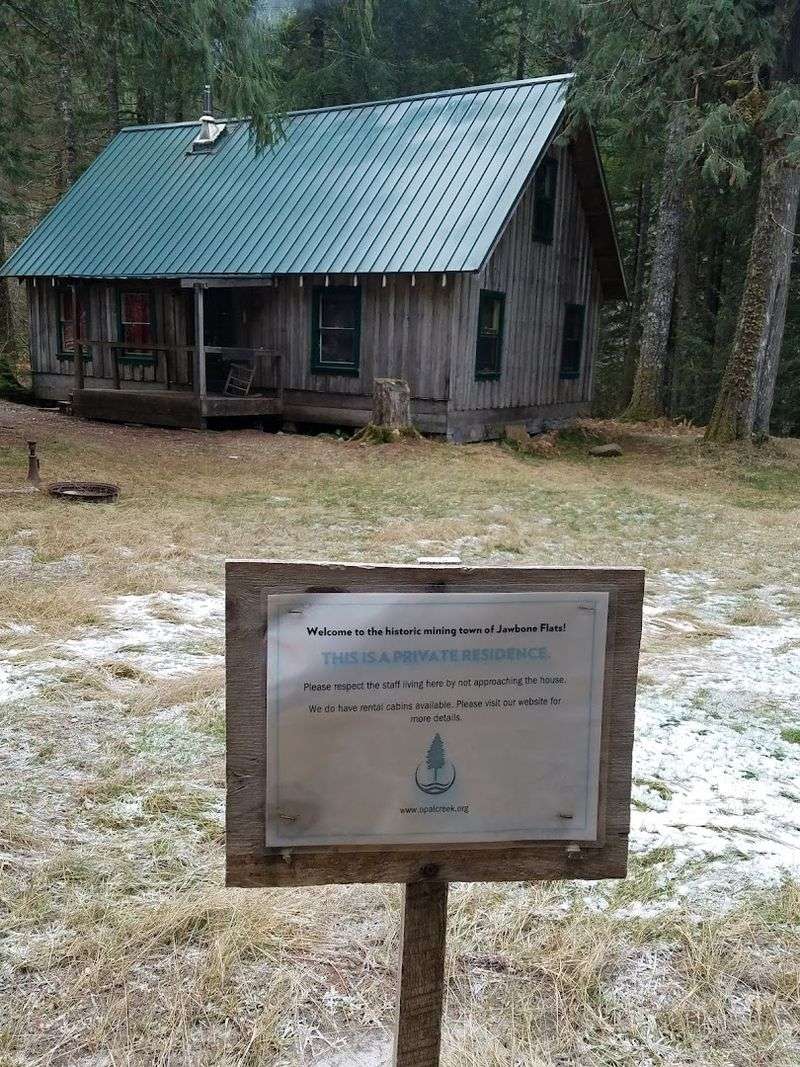
Jawbone Flats is one of those unexpected discoveries that adds a whole different layer to a wilderness hike. Sitting roughly three miles from the trailhead, this former silver and gold mining camp from the early 1900s still has original wooden structures standing in surprisingly good shape.
The buildings have been preserved and are now used as an educational base camp.
Walking through Jawbone Flats feels a bit like stumbling into a ghost town, except this one is surrounded by some of the most stunning forest in Oregon. Old cabins, a cookhouse, and various outbuildings sit quietly beneath towering firs.
The contrast between the rough-hewn human history and the wild natural beauty around it is genuinely striking.
The site is managed by the Friends of Opal Creek, a nonprofit that runs educational programs for students and visitors. Overnight stays at Jawbone Flats have historically been available through the organization for those wanting a deeper wilderness experience.
Hiking the Opal Creek Trail: What to Actually Expect
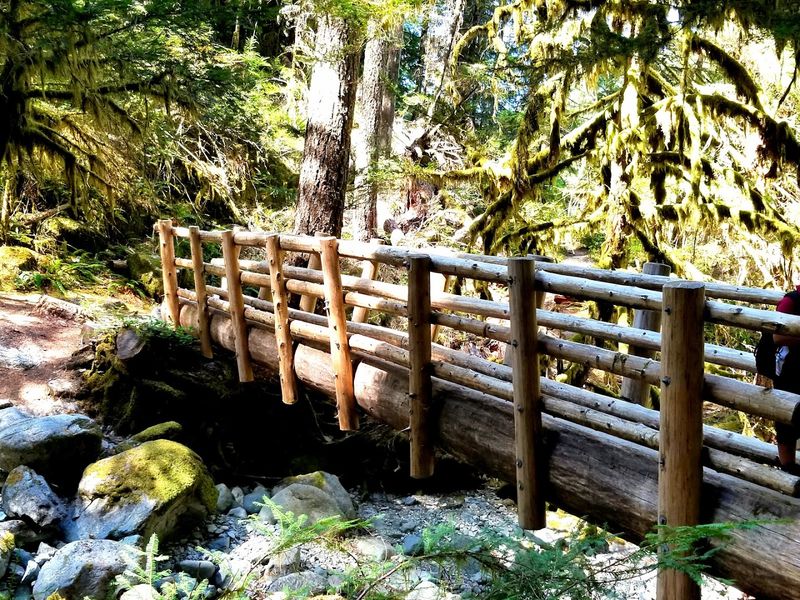
The main trail into Opal Creek Wilderness covers roughly six miles round trip, which sounds manageable until you factor in the elevation changes and rocky terrain along the way. Most of the hike follows an old mining road that is wide enough to feel comfortable, but sections narrow down considerably near the creek banks.
The trail is mostly uphill on the way in, which some hikers underestimate when they see how gentle the first mile feels. Sturdy footwear with ankle support makes a noticeable difference, especially on sections where roots and rocks break up the path.
Trekking poles are a solid choice for anyone who wants extra stability on the return descent.
What the trail lacks in technical difficulty it more than makes up for in visual payoff. Every bend in the path reveals something worth stopping for, whether it is a cascade tumbling down a mossy cliff face or a particularly massive old fir catching afternoon light.
Carrying enough water and snacks matters here since there are no services once you pass the trailhead.
Waterfalls Hidden Along the Route
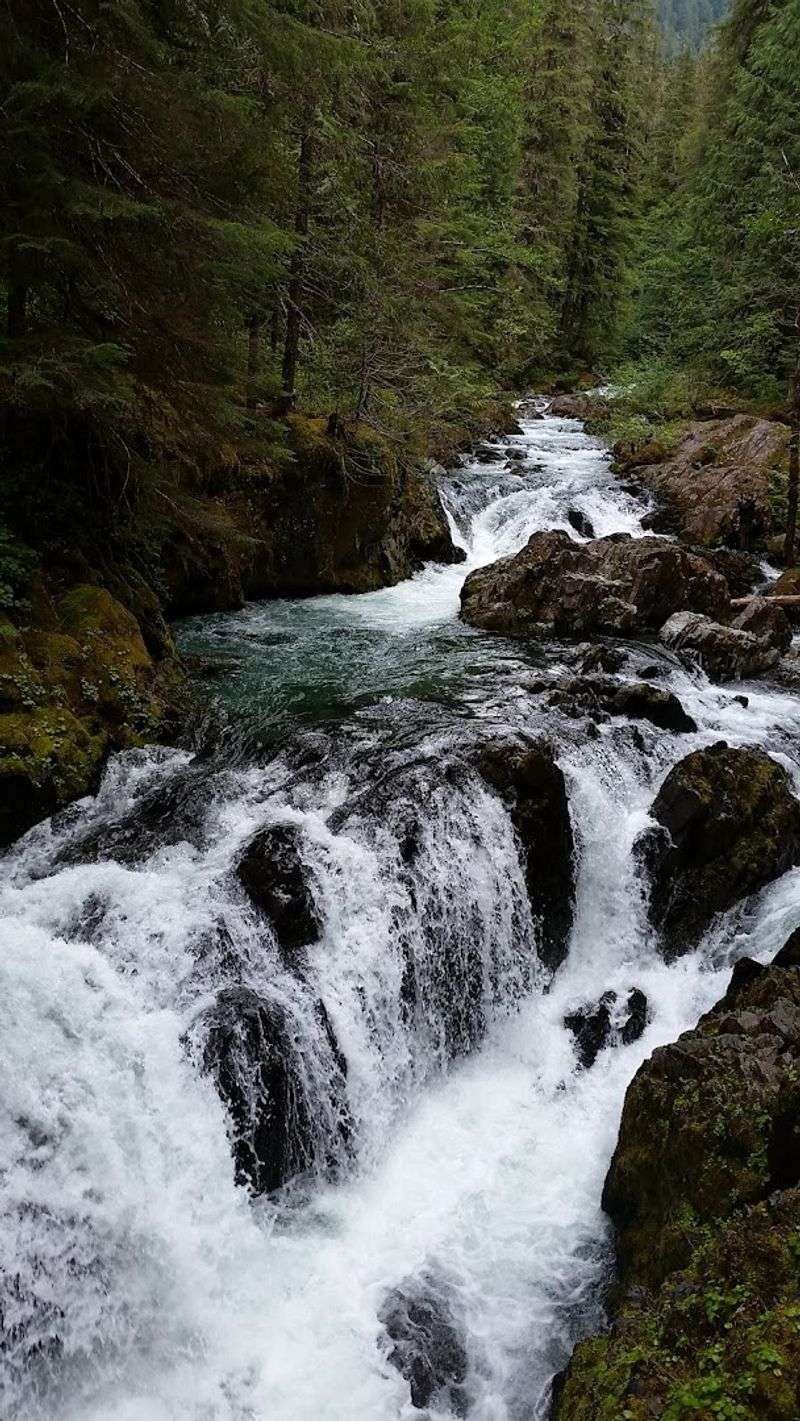
Opal Creek Wilderness hides its waterfalls like little surprises tucked between the bigger landmarks. Several cascades appear along the trail, some thundering down exposed rock faces and others trickling gently through curtains of hanging moss.
Each one has its own personality and its own particular sound.
Kopetski Falls is one of the more dramatic drops you encounter on the route. The water funnels down a narrow chute and fans out at the base into a frothy pool that catches spray in a wide arc.
Standing close enough to feel the mist on your face is one of those simple, perfect moments that costs nothing and stays with you.
Photographing the waterfalls here works best in the soft morning light before the sun climbs too high and creates harsh shadows. A wide-angle lens captures the full scale of the falls alongside the surrounding forest.
Even on a phone camera, the green and white contrast photographs beautifully.
Wildlife and Birds You Might Spot Along the Way
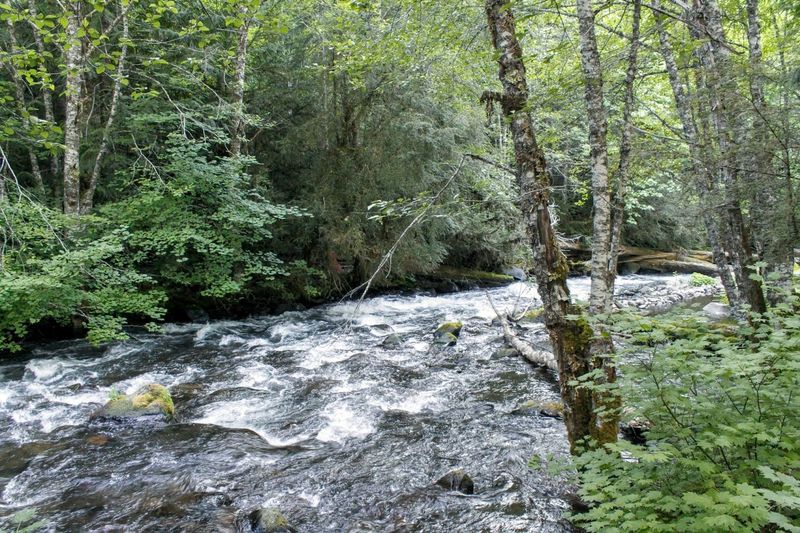
The wildlife at Opal Creek Wilderness is not the loud, obvious kind you see at a national park visitor center. It is quieter and more rewarding, the kind that shows up when you slow down and pay attention.
Black-tailed deer graze near the creek banks in the early morning, barely reacting to hikers who move calmly and quietly.
The American dipper is the bird most closely tied to Opal Creek itself. These small, round, gray birds bob up and down on rocks mid-stream before plunging underwater to hunt for insects.
Watching a dipper disappear into a fast-moving current and pop back up a few feet away never gets old, no matter how many times you see it.
River otters occasionally appear in the calmer pools, though sightings are unpredictable and never guaranteed. Bringing a small pair of binoculars makes the whole wildlife experience richer without adding much weight to your pack.
Moving slowly along the creek edges and listening more than talking dramatically increases what you notice.
The Road to the Trailhead: Brace Yourself
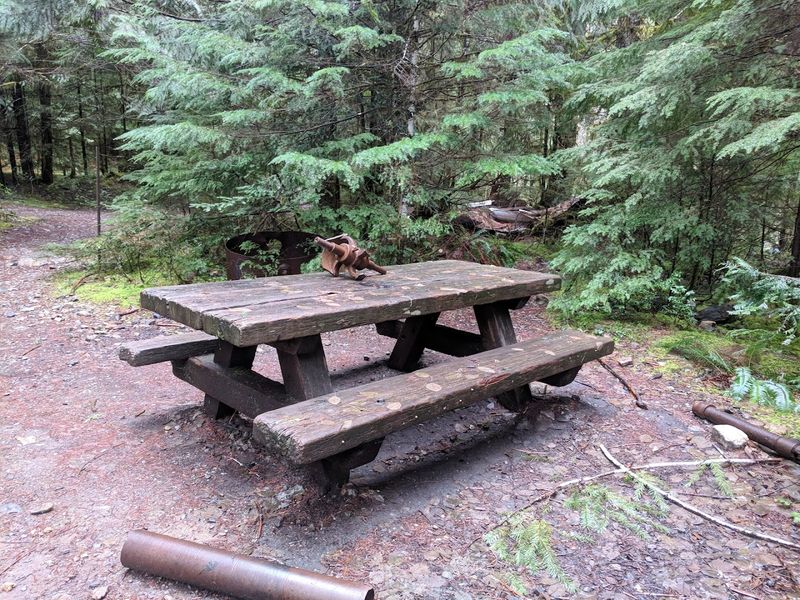
Getting to Opal Creek Wilderness is half the adventure and not entirely in a fun way. North Fork Road stretches roughly nine miles from the paved highway to the trailhead, and the surface condition has earned a reputation among visitors.
Deep potholes, loose gravel, and narrow sections make the drive feel longer than it actually is.
A high-clearance vehicle handles the road considerably better than a standard sedan, though determined drivers in regular cars do make it through by moving slowly and carefully. Scraping your undercarriage on a hidden rock is a real possibility if you rush or try to straddle the wrong line.
Giving yourself extra time for the drive-in reduces stress significantly.
The road condition also varies by season, with spring snowmelt sometimes leaving sections particularly rough or muddy. Checking current road conditions before heading out through the Willamette National Forest or the Friends of Opal Creek website saves potential headaches.
Despite the bumpy approach, the payoff at the end makes it easy to forget the drive almost entirely.
Camping Options and Overnight Experiences
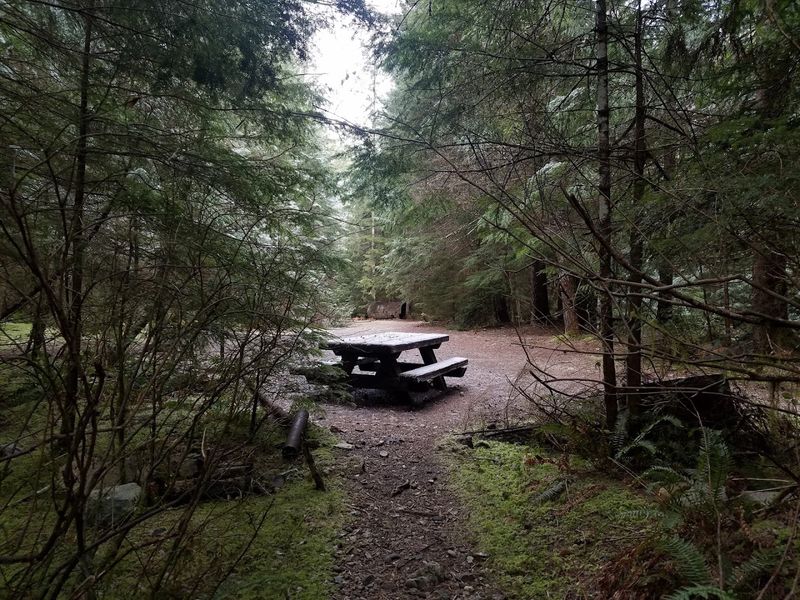
Spending a night inside Opal Creek Wilderness transforms the experience into something much more immersive and personal. The sounds of the creek carry through the trees after dark in this low, constant hum that makes falling asleep surprisingly easy.
Waking up to birdsong and cold air with no cell signal is its own kind of reset.
Dispersed camping is available within the wilderness area, though regulations and permit requirements can change seasonally. Checking with the Willamette National Forest before your trip ensures you have the most accurate and current camping rules.
Leave No Trace principles are strongly expected here, and the community of visitors generally takes that responsibility seriously.
Jawbone Flats has historically offered overnight lodging options through the Friends of Opal Creek organization, making it a unique base camp for multi-day exploration. Staying there puts you deeper into the wilderness than a standard campsite allows.
Mornings at that elevation carry a chill even in July, so packing layers for the night matters more than most people expect.
Best Time to Visit and How to Plan Your Trip
Early summer hits a sweet spot at Opal Creek Wilderness that is genuinely hard to beat. The snowmelt has cleared the trails, the creek runs full and vivid, and the forest is at its most intensely green.
Late June through early July gives you the best combination of trail access and water color in most years.
Midsummer weekends bring the biggest crowds to the trailhead, which can make parking tight and the pool area feel busy by midday. Targeting a Tuesday or Wednesday visit changes the whole atmosphere.
The trail feels more personal, quieter, and easier to enjoy at your own pace without navigating around other groups constantly.
Fall brings a completely different visual palette to the wilderness, with bigleaf maples turning gold and orange against the dark green firs. The creek color shifts slightly in lower autumn light but remains striking.
Winter and early spring close off access due to road conditions and snow.
