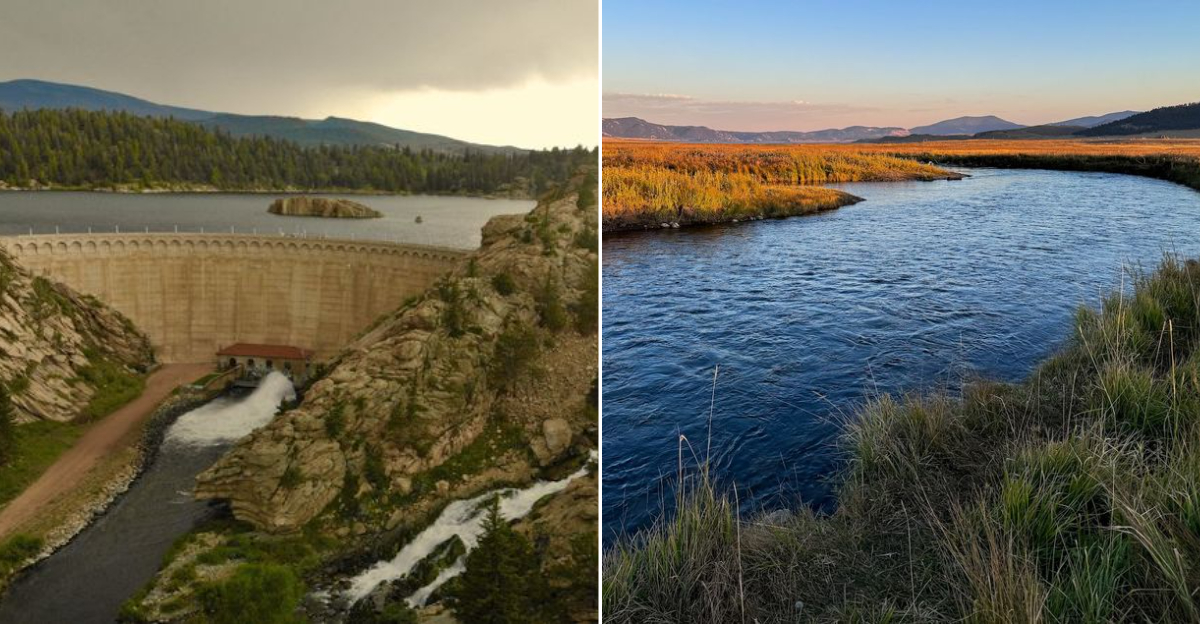
A main street, a hotel, two saloons, a school, and a railroad depot all lie beneath the cold waters of this Colorado recreation area. The reservoir was created in 1932 when a dam turned a mountain canyon into what was then the state’s largest man?made lake.
But progress came at a price. The rising waters swallowed the former towns of Howbert and Idlewild, along with a third community lost to history.
Today, visitors come for entirely different reasons. Anglers flock to a famous stretch called “The Dream Stream” for the annual Kokanee salmon run.
In winter, the frozen surface becomes a playground for ice boaters, gliding across the ice at thrilling speeds under wide?open skies. The park sits at over 8,600 feet, named for its distance to a nearby railroad town.
So which Colorado gem hides ghost towns beneath its waves while offering world-class fishing above? Pack a rod and a sense of wonder.
The past is down there, but the adventure is right at the surface.
The Former Communities Beneath Eleven Mile Reservoir
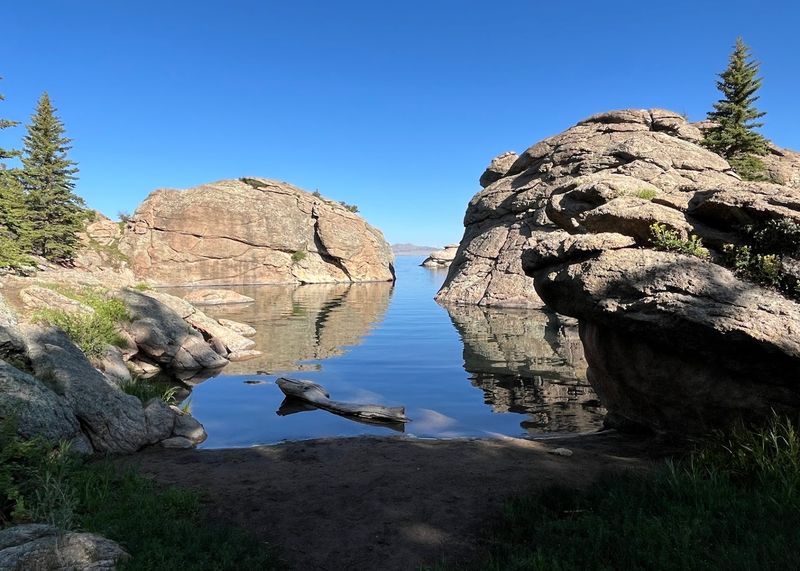
You know that moment when a view looks simple until someone tells you the backstory? That is this shoreline.
We stand above clear water and open sky, and then a local drops the names Howbert, Idlewild, and Freshwater Station, and suddenly your brain is mapping streets you cannot see. You start noticing how some coves bend like old blocks, how a stretch of beach feels squared off, and how the wind seems to pause before it moves along.
It helps to picture ranch houses and small depots, not as ruins, but as regular places where folks woke up, argued, laughed, and waited for the day to get going. Imagine mail routes and kids walking to class, and a main street that held together a lot of tiny routines.
That rhythm is not gone. It is folded into this big body of water.
Colorado does this kind of layering better than most places, right? One story sits on top of another, and the landscape carries both without blinking.
Boats slide over it now, and anglers trade stories about wind and light, but the older conversation is still running underneath.
Stand quietly near the rocks and let your eyes slow down. You will pick out posts and lines that do not seem natural, and you will feel that tug to know more.
That is the invitation that keeps you here a little longer, even when the weather starts nudging you back toward the trailhead.
Howbert, Idlewild, And Freshwater Station Before 1933
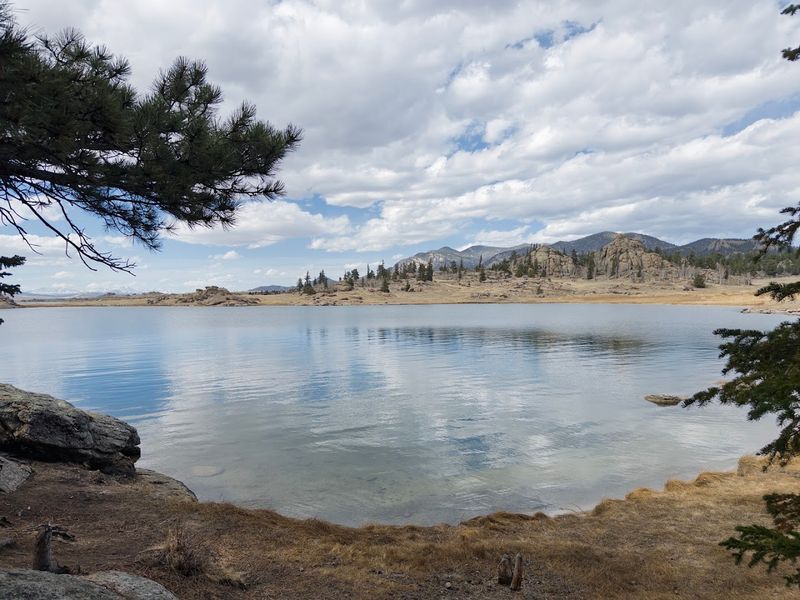
Before the reservoir took shape, these places were not legends. They were small, steady communities that stitched together ranch life, rail travel, and those ordinary errands that make a week feel complete.
Picture a depot with a bench, a store with a dusty counter, and a side lane where wagons turned around because that was the sensible route.
Howbert sat close to the lines of travel, anchoring the human pace to a wide prairie sky. Idlewild rested easy among fields and unhurried fences, where neighbors waved across distance because time moved generously.
Freshwater Station sounded like a promise in its very name, a practical pause along a larger journey, and a landmark you could lean on when weather rolled over the ridge.
Colorado history gets told with big peaks and booms, but the small places did a lot of the carrying. These communities kept people fed, connected, and grounded, even when storms and chores wore everyone out.
When you stand at the shoreline now, try to imagine a regular morning with chores humming and the day beginning without drama.
If that feels hard, let the edges of the reservoir guide you. Notice fences that stop at water, or faint lines of raised ground where a lane might have run.
Those are breadcrumbs worth following. They remind you that life here was not about spectacle.
It was about showing up, getting along, and trusting that neighbors would be there tomorrow, because they usually were.
A Canyon Submerged By Denver’s Growing Thirst
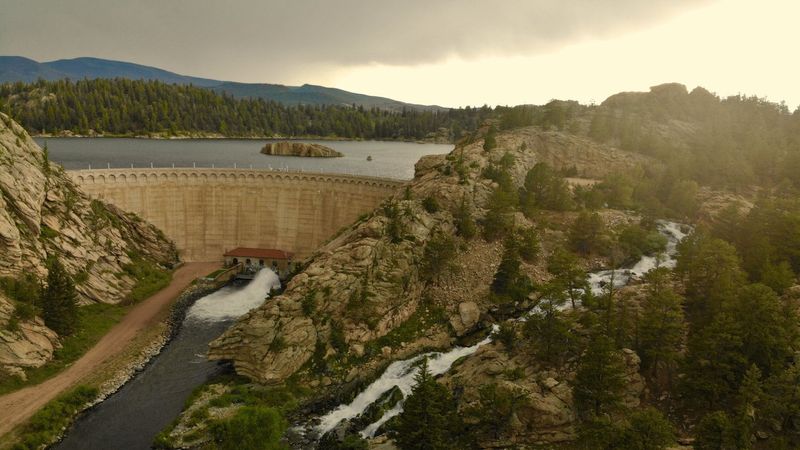
You can feel the shape of the old canyon even from a pullout above the water. The reservoir stretches long and narrow, like a river decided to rest in a broader bed, leaving the ridges to hold the story around the edges.
If you trace the shoreline with your eyes, you sense where the channel once pressed harder against a bend, and where floodplains spread out like a sigh.
This whole basin was gathered to satisfy a growing city down the Front Range, which is a familiar Colorado trade. More people needed water, the engineers did their quiet math, and the canyon took on a new job.
It is strange and practical at once, and the wind makes it easier to accept by keeping your attention on the surface.
When the breeze kicks up, waves stack in disciplined lines, marching along the old corridor. On calm days, the surface turns reflective and forgiving, and you can almost picture wagon tracks and grazing pasture below the silver.
Both visions are true here, and both help you understand where you are.
Take a slow walk along one of the rocky points and notice how the land tells the story without a plaque. The angles are gentle but purposeful, and the water sits like a chapter break between eras.
You come away respecting the canyon for adapting, and you respect yourself for listening long enough to hear it.
The Colorado Midland Railroad’s Lost Depot
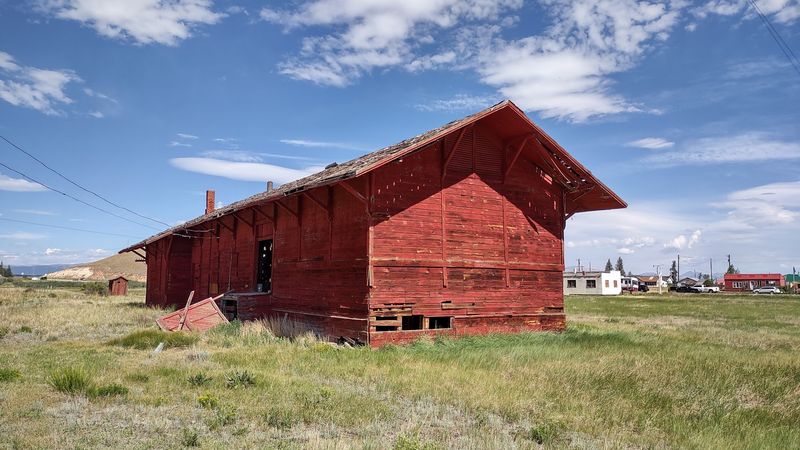
If you have ever waited at a tiny depot, you know that particular mix of boredom and hope. Out here, one of those platforms once gathered boots, parcels, and the low rumble of plans, and now the timetable is just water and wind.
I like to picture the schedule chalked on a board, and someone tapping a toe while scanning the horizon for smoke.
The Colorado Midland line tied these communities into a bigger web, which mattered more than it sounds when roads were rough and winter pushed hard. A depot meant connection.
It meant the latest gossip, a crate of something essential, and a reason to look both ways at a crossing that is no longer visible.
Walk the flats near the shore and look for a shallow, straight grade that seems to insist on order. Your feet will find it before your eyes do, because packed ground remembers.
Then take a breath and listen for that low clatter your imagination keeps supplying.
You will not find timbers or signs, and that is fine. The memory is bright enough without props.
What remains is the feeling that travel once paused right here, then continued with a wave and a promise to write, which is basically how journeys still work in Colorado when the sky is big and the road ahead looks good.
A Former Ranch That Became A State Park In 1970
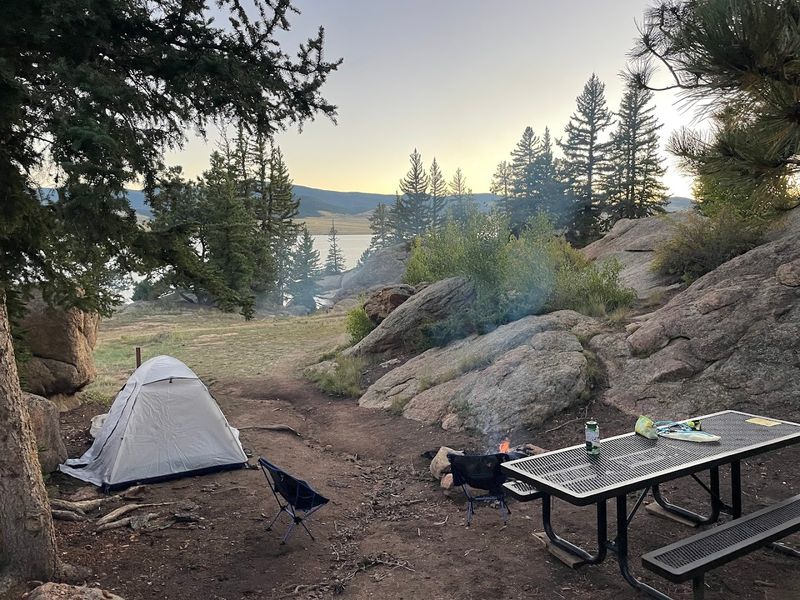
You can still feel the ranch bones under the park layout. The meadows spread in calm rectangles, the windbreaks line up with the kind of practicality that comes from long workdays, and the tracks to water feel well earned.
I like how the park does not pretend to be something fancier than it is. It keeps the ranch rhythm and lets you settle into it.
When Colorado turned this landscape into a public place, it did not erase that history. Trails follow sensible lines.
Camp areas sit where a ranch family might have kept a cluster of chores close together, and the views take in the whole operation instead of one pretty angle. It feels generous without being dressed up.
As you wander, notice the gates that open onto gravel spurs and the way fences guide your eye in long, unhurried runs. Those choices come from experience.
They make navigation feel intuitive, which is a relief when the wind picks up and you are juggling layers.
Stop for a moment at a rise above the reservoir and imagine checking stock before dinner. The same sky, the same open horizon, and the same sense that work here always included weather, neighbors, and patience.
That is the park mood in a nutshell. It gives you room to breathe and space to remember that Colorado keeps its promises best through places exactly like this.
The Dream Stream Running Above A Sunken Past
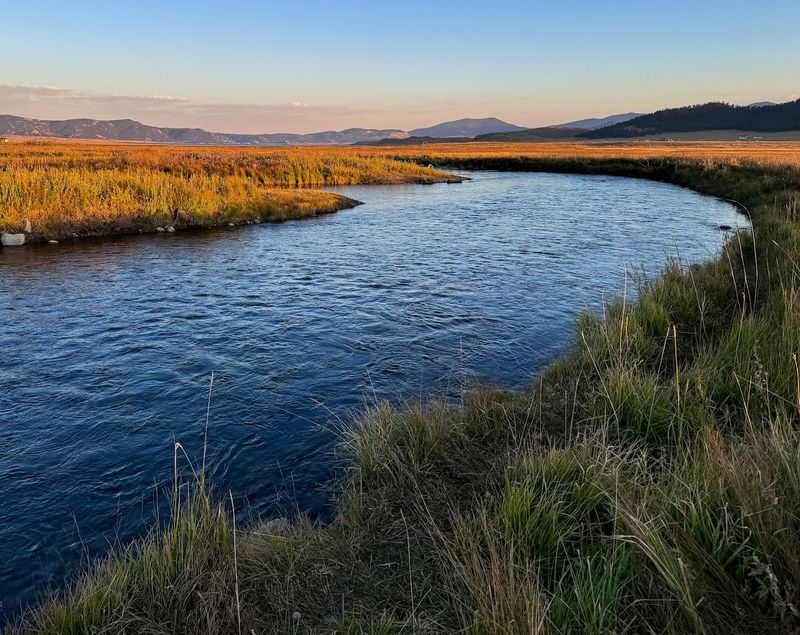
You hear people whisper about the Dream Stream like it is a rumor that keeps coming true. The river slides through open grass with that silky confidence only a well fed current can manage, and it feels almost theatrical against the quiet prairie stage.
Meanwhile, the reservoir is holding its own stories a short drive away, and somehow the two conversations braid together.
Cast a line or just walk the bends and watch the water talk with itself. Riffles murmur, pools gather their thoughts, and the banks hold prints from birds that woke earlier than you did.
It is hard not to feel lucky out here, even when your knots deserve auditing and the breeze steals a hat.
Colorado loves a good river tale, and this one stacks memories from anglers with the older, quieter stories that settled beneath the lake. You can stand on a bend and imagine families cooking, kids running, and a depot clock ticking somewhere out of sight.
The river carries that weight lightly.
When the sun tilts, the whole valley warms into a copper glow, and you realize why folks keep returning to this exact stretch. It is not only about fish.
It is about walking through time with your hands busy, your mind calm, and your ears tuned to a running thread that refuses to quit.
Windy Afternoons Across The Wide Open Reservoir
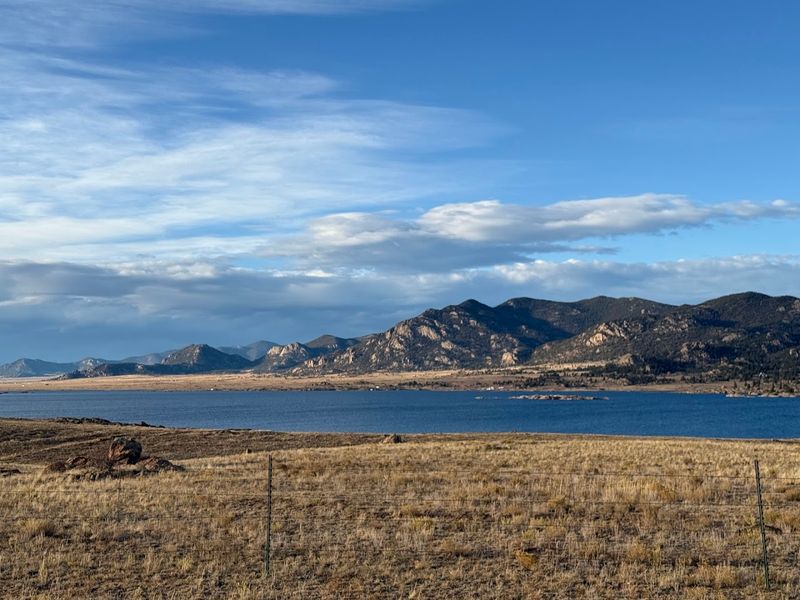
Have you noticed how the wind out here has a schedule? Mornings start polite, then by afternoon the air decides to show everyone who is in charge, and the reservoir turns into a long, shining conveyor of white peaks.
It is dramatic, but it is also part of the character you came for.
Set your hat low and read the water the way sailors read faces. Lines of waves form lanes, points create eddies, and coves offer a small amnesty where you can take stock.
Conversations get shouted, then laughed at, then resumed with that raised eyebrow that says, here we go again. The shoreline grasses lean as if taking a bow.
Colorado wind gets a bad rap, but out here it keeps the day honest. It clears haze, moves weather, and reminds you that balance is not a still thing.
It is constant adjustment. You will find your rhythm by matching your pace to the gusts instead of fighting them.
When evening finally softens the push, everything feels earned. The light turns warmer, camps settle, and the whitecaps quiet into a gently breathing sheet.
You end up grateful for the show, and you tuck away the lesson for later drives, because the state will hand you this performance again when you least expect it.
Kokanee Salmon Swimming Above Old Foundations
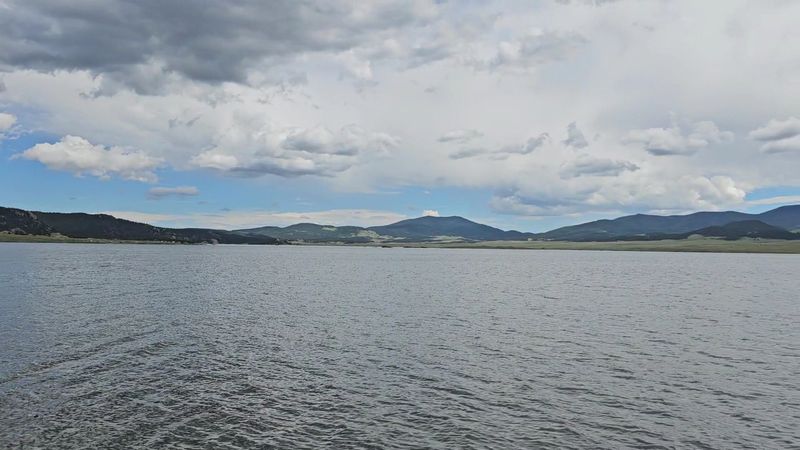
Think about fish moving through a ghost neighborhood. Kokanee salmon pulse in loose schools, turning the water into shifting metal, and beneath them the old layout of human life rests like a pencil sketch.
You do not see it from shore, but your mind fills in the sight, and the story feels complete.
I love how Colorado mixes practicality with wonder here. The fish are focused on their seasons, and the reservoir keeps the lights low for their routines, while the past waits without complaint.
On certain clear days, when the angle is right, you swear the water itself wants you to connect those layers.
Stand near a point and watch for a flash that looks too organized to be chance. That is a school moving as one, rolling like a coin across the bottom of a drinking glass.
You will catch yourself leaning forward, counting shadows you cannot quite confirm, and smiling at your own curiosity.
The old foundations do not mind the audience. They are part of the habitat now, ordinary and useful in a brand new way.
That is the quiet victory of this place. Life keeps finding structure, whether it is poured concrete or bedrock ledge, and the lake makes room for both without asking for applause.
One Last Look At The Water Hiding Three Towns
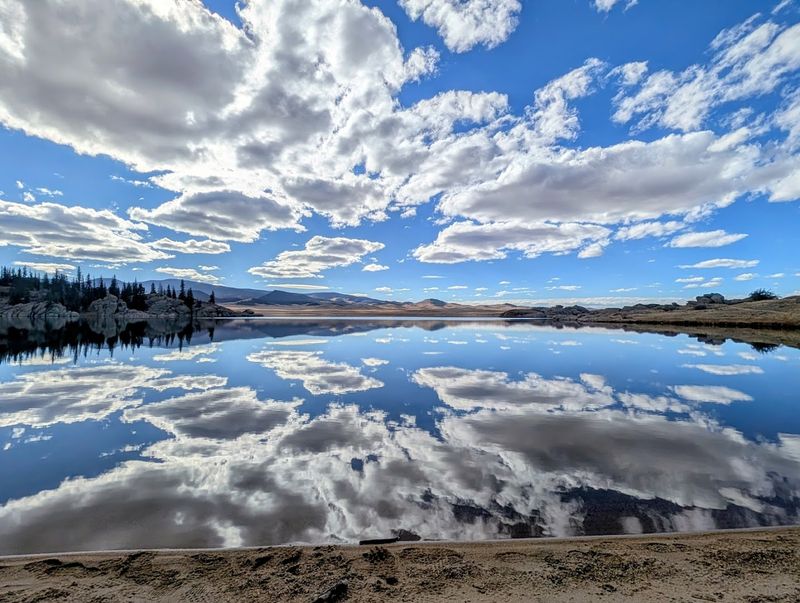
Before you drive off, give the water one last long look. Let your eyes rest on the middle distance, where the color deepens and the wind finally decides to behave.
If you are quiet, you will feel a soft chorus of routine lives still humming under there, not as tragedy, but as continuity.
Colorado asks you to hold both truths at once. The reservoir is modern and useful, and the towns were small and precious.
Neither cancels the other. You stand on a bluff and accept that places change shape, and memory changes shape with them, and that is what lets us keep moving without losing ourselves.
As the light folds, you remember the names: Howbert, Idlewild, Freshwater Station. Say them out loud if you want.
They sound good in the open air. The water keeps them in safe custody, and the shore repeats them like a promise you plan to keep.
Then turn toward the road with that settled feeling in your chest. The evening is doing its best work now, and the sky is telling you that you saw what you needed.
You will carry this with you, because Colorado loves a traveler who listens, and this place rewards patience with a story that stays.
