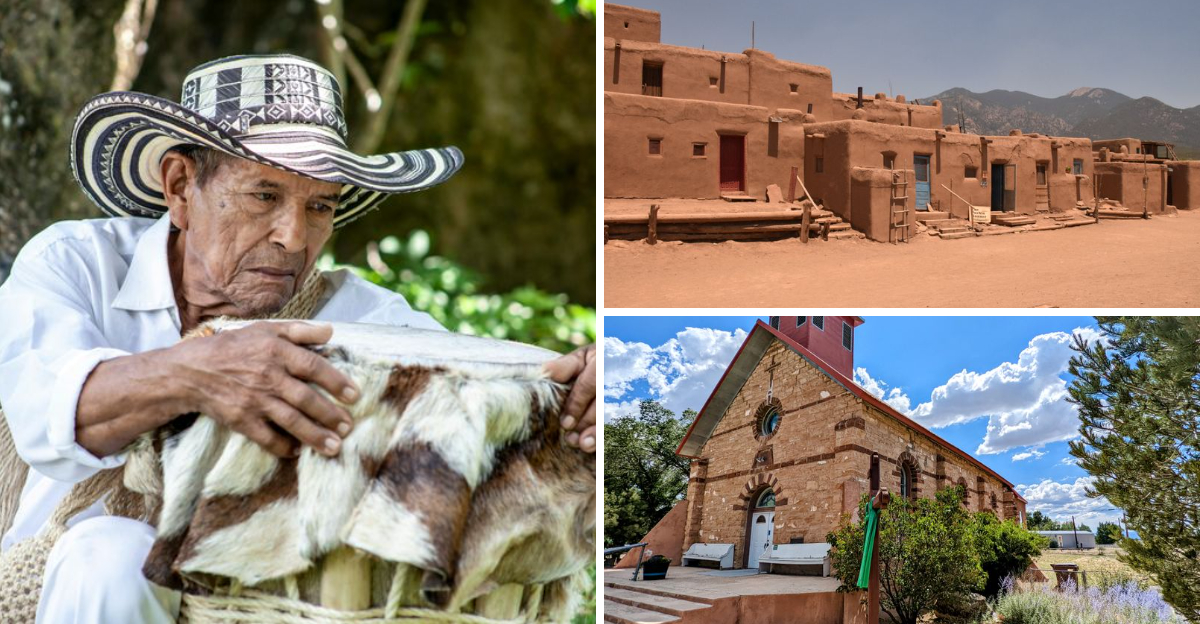
New Mexico sits in the heart of the American Southwest, where the Rocky Mountains meet vast desert landscapes and ancient cultures blend with modern life in ways found nowhere else in the United States.
Travelers arrive expecting typical American experiences but quickly discover a place where Spanish is spoken as commonly as English, where adobe architecture dominates entire cities, and where three distinct cultures have woven together over centuries to create something entirely unique.
The state draws visitors with its dramatic scenery of red rock canyons, snow-capped peaks, and endless turquoise skies, but what truly captivates them are the cultural layers that reveal themselves slowly, creating moments of delightful confusion and deep fascination.
Understanding these cultural differences transforms a simple vacation into an immersive journey through time, tradition, and the beautiful complexity of a place where Native American, Hispanic, and Anglo cultures coexist in surprising harmony.
1. The Question That Defines Statehood
Visitors often experience a moment of genuine confusion when New Mexicans mention the frequency with which they must explain their home is actually part of the United States.
Despite achieving statehood in 1912, residents still encounter Americans from other states who ask if they need a passport to visit or whether US currency is accepted here.
This ongoing identity crisis reveals something fascinating about how the state’s cultural richness sometimes overshadows its American identity in the minds of those unfamiliar with the Southwest.
The bilingual nature of many communities, the prevalence of Spanish colonial architecture, and the strong presence of indigenous cultures create an atmosphere that feels distinctly different from most American destinations.
New Mexico’s official state question, “Red or green?” referring to chile preferences, matters more to locals than constantly defending their American citizenship.
Travelers find themselves charmed by this quirk once they understand it, realizing they’ve discovered a place so culturally distinct that even fellow Americans sometimes forget it shares the same flag.
The experience teaches visitors that American culture contains far more diversity than many realize, and that some regions maintain identities shaped by histories predating US statehood by centuries.
This confusion ultimately becomes a point of pride for New Mexicans and a source of fascination for travelers who appreciate discovering an American state that refuses to fit the expected mold.
2. Three Cultures Living in Layered Time
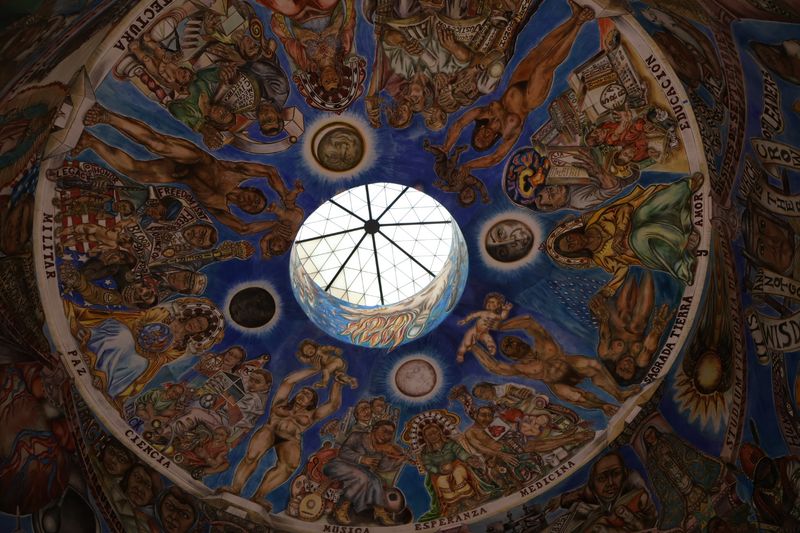
Walking through New Mexico feels like moving through different centuries simultaneously, as Native American, Hispanic, and Anglo cultures exist not as a melting pot but as distinct layers that have learned to coexist while maintaining their separate identities.
The state contains 23 Native American tribes and pueblos, some with continuously inhabited communities dating back over a thousand years, practicing traditions and speaking languages that predate European contact.
Spanish colonizers arrived in 1598, establishing settlements and bringing Catholicism, the Spanish language, and architectural traditions that still dominate the visual landscape of cities like Santa Fe and Taos.
Anglo-American influence came later, particularly after the Mexican-American War in 1848, adding another cultural dimension without erasing what came before.
Travelers discover this layering most vividly in places like the Plaza in Santa Fe, where Native American vendors sell jewelry under a Spanish colonial portal while tourists speaking English browse the offerings.
Each culture maintains its own calendar of celebrations, religious practices, and social structures, creating a complex social fabric that newcomers find both bewildering and beautiful.
The concept of “tricultural” identity appears frequently in New Mexico conversations, acknowledging that these three distinct worldviews shape everything from politics to cuisine to artistic expression.
Understanding this layered existence helps travelers appreciate why simple questions often receive complex answers in New Mexico, where history never quite becomes past tense.
3. Chile Obsession Reaching Religious Fervor
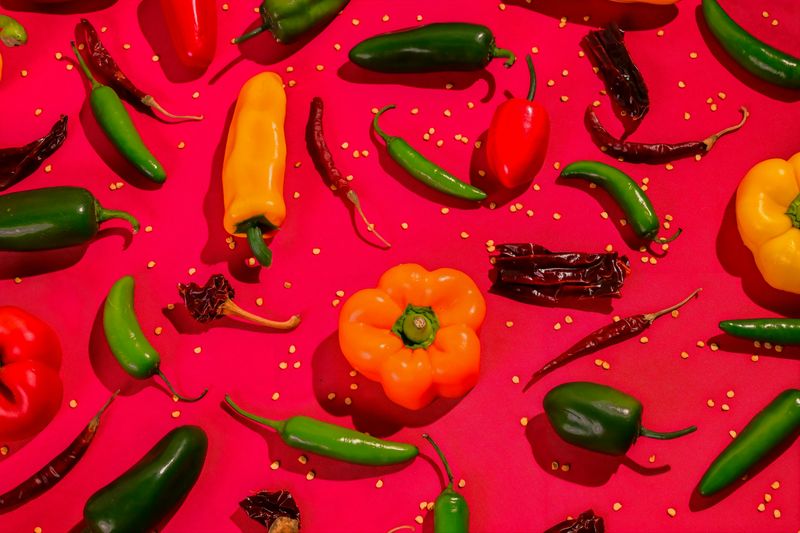
Nothing prepares first-time visitors for the intensity of New Mexico’s relationship with chile peppers, which transcends mere culinary preference and enters the realm of cultural identity.
The state question “Red or green?” greets diners at virtually every restaurant, referring to which chile sauce they prefer on their meal, with “Christmas” meaning both.
Locals engage in passionate debates about which region grows the best chile, with Hatch Valley commanding particular reverence and its annual chile festival drawing crowds that rival major sporting events.
Chile appears on everything from traditional enchiladas to unexpected items like pizza, burgers, and even chocolate, with many establishments offering green chile cheeseburgers as their signature dish.
The aroma of roasting chile fills the air each autumn when massive rotating drums appear in grocery store parking lots, processing freshly harvested peppers while customers line up to purchase bushels.
Families freeze chile by the pound, ensuring a year-round supply, and many New Mexicans living elsewhere arrange to have chile shipped to their new homes because nothing from other regions satisfies their standards.
Travelers initially confused by the ubiquity of chile soon find themselves converted, understanding that the flavor profile differs significantly from Mexican or Tex-Mex versions, offering a unique earthy heat.
This obsession reflects deeper truths about New Mexican identity, where food traditions connect people to place, history, and community in ways that outsiders only grasp after experiencing their first perfect plate of enchiladas smothered in red chile sauce.
4. Adobe Architecture as Living Tradition
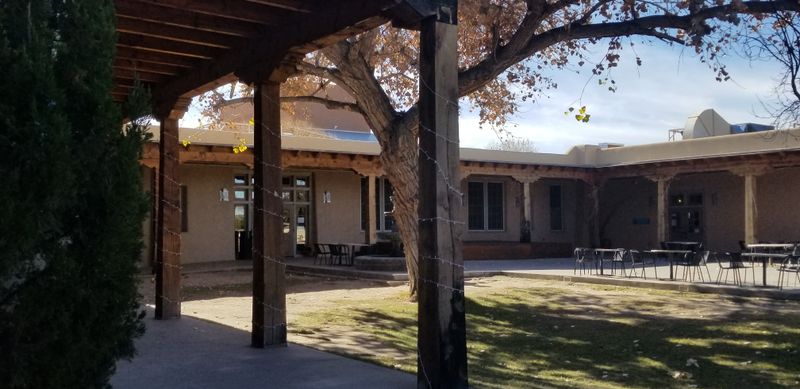
Entire cities in New Mexico appear constructed from earth itself, with adobe buildings in shades of tan, brown, and terracotta creating a visual harmony with the surrounding desert landscape that travelers find both striking and slightly disorienting.
Santa Fe enforces strict building codes requiring new construction to maintain traditional pueblo-style adobe appearance, resulting in a city where even modern structures and chain stores adopt the rounded edges and earth-tone palette of centuries-old architecture.
The building method itself connects directly to the land, using sun-dried bricks made from local soil, straw, and water, creating structures that naturally regulate temperature and age beautifully.
Visitors accustomed to glass and steel cityscapes initially struggle to identify building ages, as a structure from the 1600s might sit next to one from the 1960s with little visual distinction.
The flat roofs, wooden vigas protruding from walls, and small windows that characterize traditional adobe design developed from practical necessity in the harsh desert climate but have become aesthetic choices that define regional identity.
Churches built in this style, particularly the San Francisco de Asis Church in Ranchos de Taos, have inspired countless artists and photographers with their sculptural qualities and the way afternoon light transforms their curved walls.
Travelers fascinated by this architecture soon learn that maintaining adobe requires ongoing attention, with properties needing regular replastering to protect against weather damage.
The commitment to preserving this building tradition despite modern alternatives available reveals how deeply New Mexicans value visual connections to their multicultural past and the land itself.
5. Bilingualism as Daily Reality
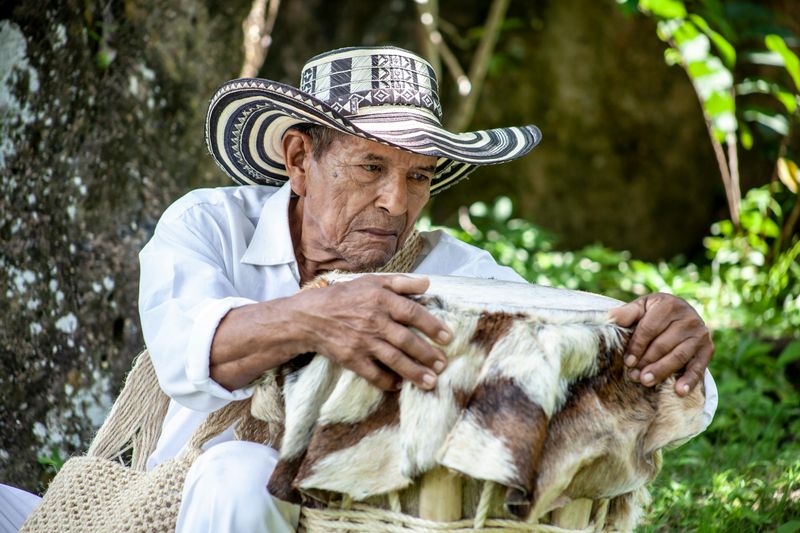
Conversations in New Mexico frequently switch between English and Spanish mid-sentence, creating a linguistic landscape that reflects the state’s deep Hispanic roots and leaves monolingual English speakers occasionally feeling like they’ve crossed an international border.
Spanish arrived in this region decades before the Pilgrims landed at Plymouth Rock, and many families trace their ancestry to Spanish colonists who settled here in the late 1500s and early 1600s.
The Spanish spoken in New Mexico contains archaic words and phrases no longer common in modern Spain or Mexico, preserving linguistic traditions that evolved in isolation over centuries.
Government documents, school communications, and public signage regularly appear in both languages, and many radio stations broadcast entirely in Spanish, serving communities where it remains the primary language.
Travelers notice that code-switching between languages happens naturally and unconsciously, with speakers selecting whichever language best expresses a particular thought or emotion without pausing to translate.
Place names throughout the state reflect this bilingual heritage, from Albuquerque and Socorro to Sangre de Cristo Mountains, with pronunciations that sometimes differ from standard Spanish due to local dialect evolution.
The prevalence of Spanish creates occasional practical challenges for English-only visitors but more often opens doors to cultural understanding and demonstrates how language carries history and identity across generations.
Experiencing this bilingual reality helps travelers understand that New Mexico’s cultural distinctiveness isn’t performative or tourist-oriented but represents genuine daily life for communities maintaining connections to their ancestral heritage.
6. Pueblo Etiquette and Sacred Boundaries
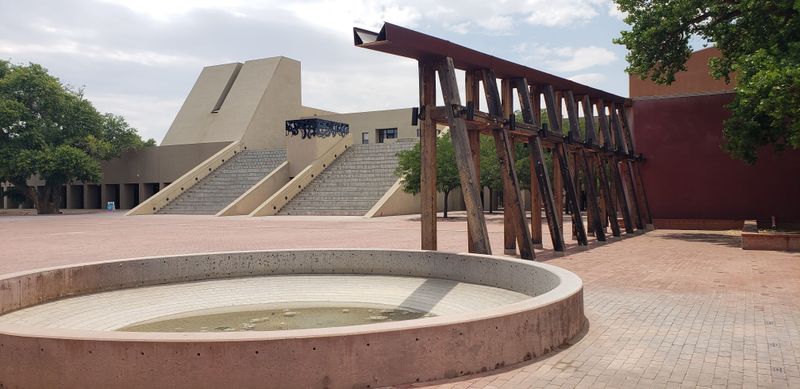
Many pueblos welcome visitors but operate under strict rules that initially confuse tourists accustomed to photographing everything they encounter, as cameras may be prohibited during certain ceremonies or in specific areas.
These communities function as sovereign nations with their own governments, laws, and cultural protocols, not as museums or theme parks, though travelers sometimes struggle to grasp this distinction.
Feast days and ceremonial dances open to the public offer incredible cultural experiences, but attendees must follow guidelines about appropriate behavior, including restrictions on photography, sketching, recording, and asking questions during sacred moments.
The pueblos close entirely to outsiders during certain religious observances, and some areas within pueblos remain off-limits to non-tribal members at all times, boundaries that must be respected without question.
Visitors learn quickly that pointing, entering homes without invitation, and treating residents as photo subjects rather than people living their daily lives all violate basic courtesy.
Purchasing directly from artisans at pueblos supports families and communities while offering authentic handmade pottery, jewelry, and textiles that carry generations of artistic tradition.
The experience of visiting pueblos teaches travelers important lessons about cultural respect, the difference between appreciation and appropriation, and how tourism can coexist with the preservation of living traditions.
Understanding these boundaries transforms confusion into fascination as visitors recognize they’re being granted access to communities that have maintained their cultural identity despite centuries of pressure to assimilate.
7. Time Moving at a Different Pace
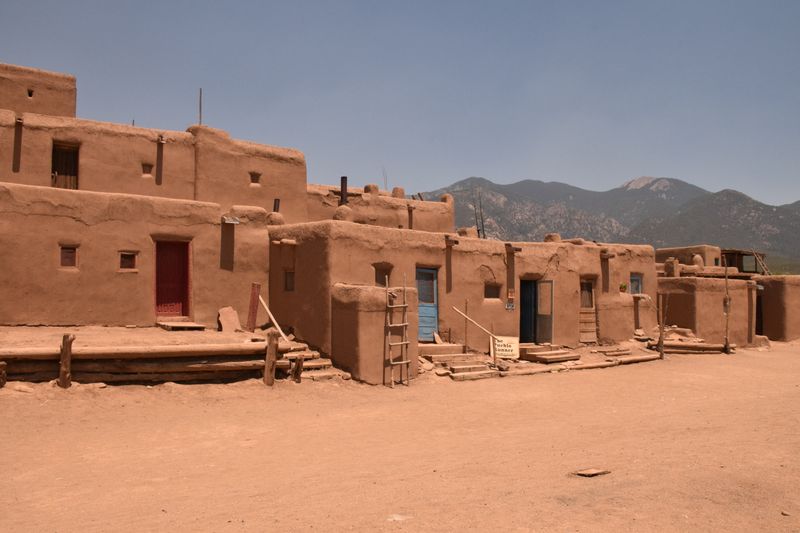
Visitors from fast-paced urban environments often experience frustration before eventual appreciation when they encounter what locals call “mañana time,” a more relaxed approach to schedules and deadlines.
Businesses might open late or close early without explanation, appointments may start when participants arrive rather than at the designated time, and the concept of rushing rarely seems to apply.
This temporal flexibility doesn’t indicate laziness or disorganization but reflects cultural values that prioritize human relationships and present-moment awareness over rigid adherence to clock time.
Having a conversation with someone you encounter takes precedence over arriving somewhere at a predetermined minute, and meals extend for hours as people savor food and company rather than eating efficiently.
The pace reflects both the influence of traditional pueblo time sense, where activities align with natural cycles rather than arbitrary schedules, and Spanish cultural attitudes toward work-life balance.
Travelers who fight against this rhythm miss opportunities to experience one of New Mexico’s greatest gifts, while those who surrender to it often report feeling more relaxed than they have in years.
The slower pace becomes particularly apparent in smaller towns and rural areas, where stopping to chat with neighbors or watching a spectacular sunset holds greater value than maintaining a packed itinerary.
Adjusting to this temporal difference teaches visitors that efficiency isn’t the only measure of a well-spent day and that some of life’s richest experiences require the willingness to let go of controlling every minute.
8. Artistic Expression as Economic Engine
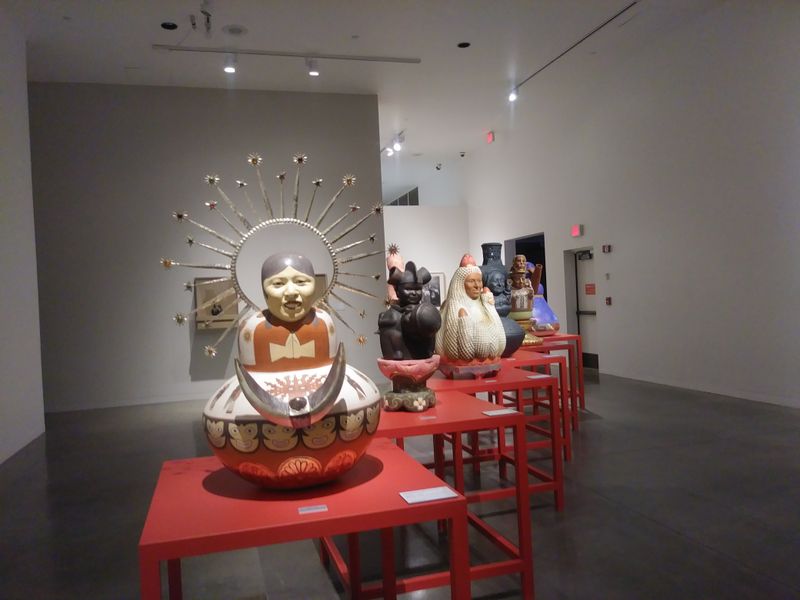
Few places in America support such a high concentration of working artists as New Mexico, where creative expression isn’t just tolerated but forms a central component of the economy and cultural identity.
Santa Fe ranks as the third-largest art market in the United States, behind only New York and Los Angeles, with hundreds of galleries concentrated along streets like Canyon Road where art openings happen weekly.
The tradition of artistic excellence spans cultures, from Native American pottery and jewelry-making techniques perfected over centuries to Hispanic santos carving and tinwork to contemporary painters and sculptors drawn by the legendary quality of light.
Artists who moved to New Mexico in the early 20th century, including Georgia O’Keeffe and members of the Taos Society of Artists, established the state’s reputation as a place where creativity flourishes and artistic vision finds support.
Travelers discover that nearly everyone they meet either creates art themselves or knows multiple working artists, and conversations about exhibitions, techniques, and inspiration flow as naturally as discussions about weather elsewhere.
The acceptance of artists as essential community members rather than eccentric outsiders creates an environment where creative risk-taking and unconventional lifestyles encounter less judgment than in many American communities.
This artistic saturation extends beyond fine art to include thriving music scenes, literary communities, and craft traditions, all supported by residents who value cultural production as highly as commercial success.
Experiencing this creative abundance fascinates visitors who realize they’ve found a place where making beautiful things isn’t considered impractical but essential to a life well-lived.
9. Religious Syncretism Creating Unique Practices
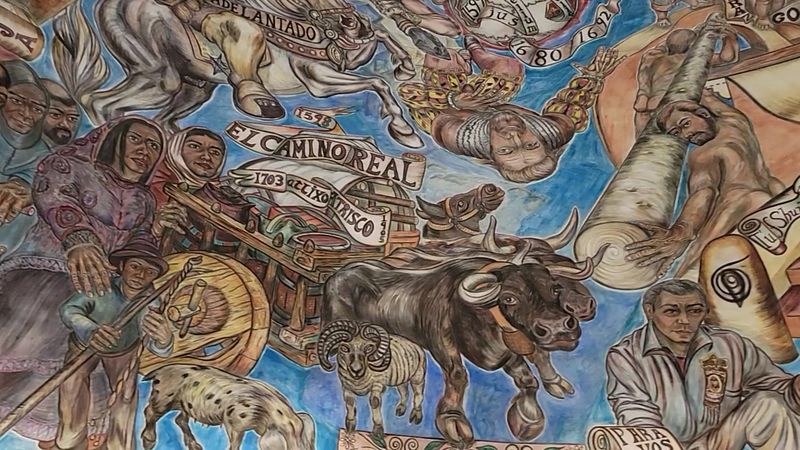
Catholic churches in New Mexico contain unexpected elements that reflect centuries of cultural blending, where Native American spiritual practices and Spanish Catholicism merged into distinctive expressions of faith found nowhere else.
The Santuario de Chimayo, often called the “Lourdes of America,” attracts thousands of pilgrims annually who come seeking healing from the sacred dirt found in a small room within the church, a practice blending Catholic pilgrimage tradition with indigenous beliefs about earth’s spiritual power.
Feast days honoring Catholic saints incorporate elements of pueblo ceremonial practice, including traditional dances and the offering of foods that predate European contact, creating celebrations that honor both religious traditions simultaneously.
Santos, carved and painted representations of saints, display artistic styles and iconography unique to New Mexico, where Spanish colonial religious art absorbed indigenous aesthetic sensibilities over generations.
Travelers witness processions where participants carry centuries-old santos through the streets, sing hymns in Spanish, and maintain traditions that connect contemporary believers to their ancestors’ faith practices.
The acceptance of this religious blending, rather than insisting on orthodox purity, demonstrates a cultural flexibility and respect for multiple spiritual traditions that contrasts with the religious conflicts characterizing much of human history.
Even visitors without strong religious backgrounds find themselves moved by the evident sincerity and the beautiful visual expressions of faith displayed in churches, chapels, and home altars throughout the state.
This syncretism reveals how cultures adapt and create new forms when they encounter each other with openness rather than rigid resistance to change.
10. Land Grant Villages and Communal Heritage
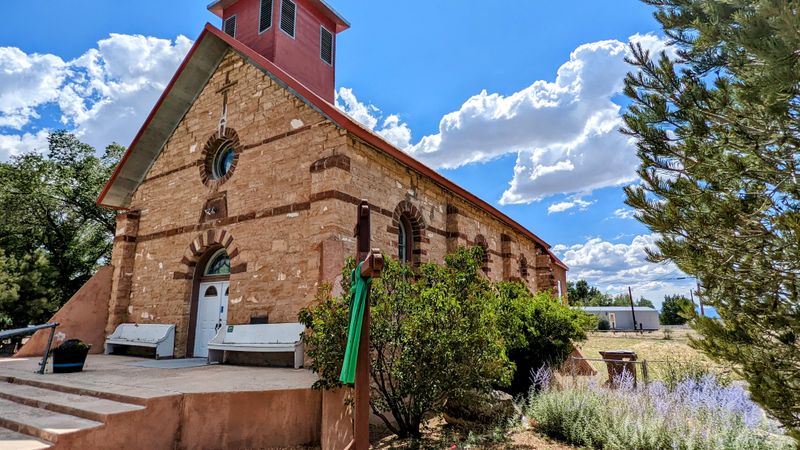
Scattered throughout northern New Mexico, land grant villages operate under communal land ownership systems established by Spanish colonial law centuries ago, maintaining agricultural and social structures that confuse visitors accustomed to purely individual property rights.
These communities received grants from Spanish and later Mexican governments, creating shared lands where families held individual house plots but collectively owned grazing lands, forests, and water rights.
The acequia system, a network of communal irrigation ditches maintained through collective labor, still functions in many villages, with water distribution governed by traditions and agreements predating American legal frameworks.
Mayordomo positions, elected officials who oversee acequia maintenance and water allocation, carry significant responsibility and respect within these communities, managing resources according to customs that balance individual needs with collective welfare.
Travelers passing through these villages might notice their distinct character, where homes cluster together rather than spreading across the landscape, and where agricultural practices follow patterns established generations ago.
The persistence of these communal systems despite pressure to adopt mainstream American property models demonstrates remarkable cultural resilience and commitment to traditional ways of organizing community life.
Understanding land grant villages requires recognizing that they represent functioning alternatives to dominant American individualism, showing how collective responsibility and shared resources can sustain communities across centuries.
For visitors willing to learn about these systems, the experience offers profound insights into different ways humans can organize relationships with land, water, and each other.
Dear Reader: This page may contain affiliate links which may earn a commission if you click through and make a purchase. Our independent journalism is not influenced by any advertiser or commercial initiative unless it is clearly marked as sponsored content. As travel products change, please be sure to reconfirm all details and stay up to date with current events to ensure a safe and successful trip.
