Rural Oklahoma stretches across the South Central United States, a land where rolling prairies meet endless skies and small towns dot highways that seem to go on forever.
Travelers venture here seeking authentic American heartland experiences, from the red dirt landscapes that give the state its nickname to wide open spaces where cattle outnumber people.
But stepping into rural Oklahoma means entering a world with its own rhythm, unwritten rules, and social customs that can catch outsiders completely off guard.
Whether you’re passing through on Route 66 or exploring the Wichita Mountains, understanding these cultural differences will help you navigate this unique corner of America with confidence and respect.
We’ve based this piece on firsthand experiences, common surprises travelers mention, and observations gathered while spending time in smaller Oklahoma communities.
What feels like a culture shock depends heavily on background, expectations, and perspective.
This take is unavoidably subjective.
1. Everyone Waves at Everyone on Back Roads
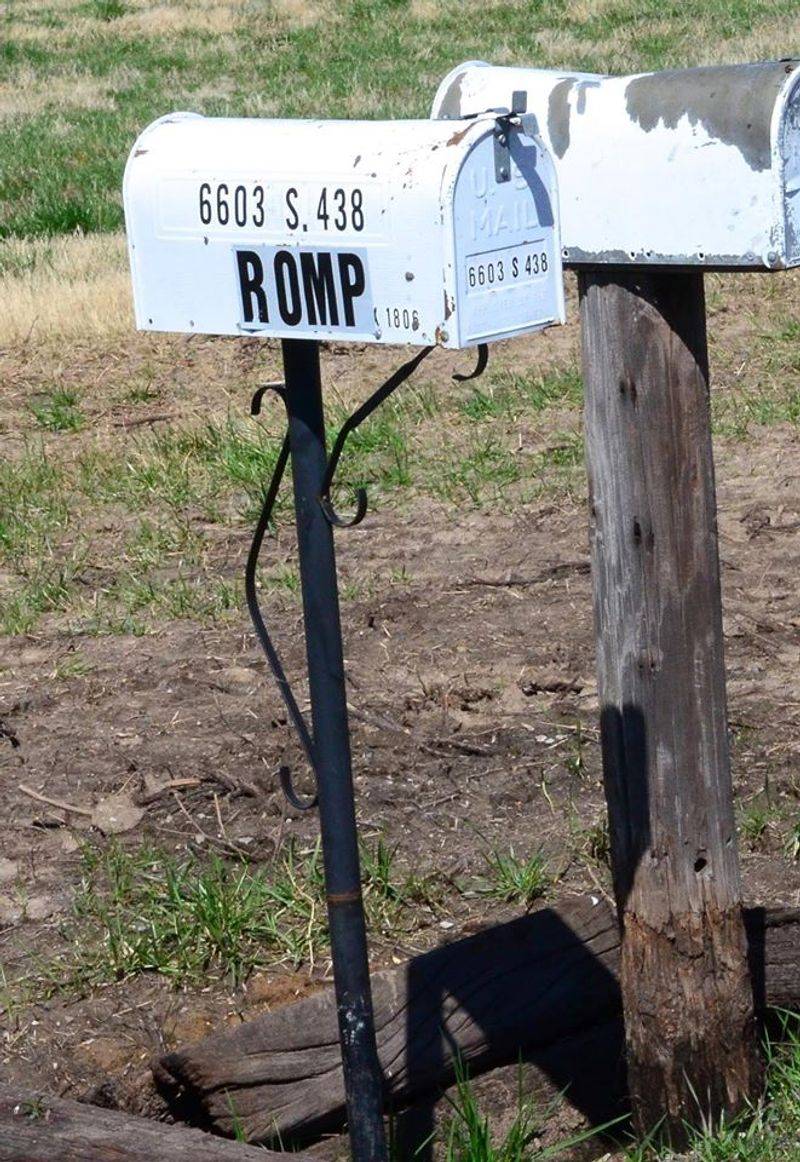
Your first drive down a rural Oklahoma county road will likely involve a moment of confusion when an approaching driver lifts their fingers off the steering wheel in greeting.
This isn’t someone you know.
This is a complete stranger acknowledging your existence with what locals call “the farmer wave.”
In rural communities across Oklahoma, this gesture represents basic courtesy and neighborly acknowledgment that dates back generations.
Failing to return the wave might mark you as either a clueless city person or downright rude.
The wave itself varies from a full hand raised off the wheel to just one or two fingers lifted in a subtle salute.
Some folks even nod their head if both hands are occupied.
On gravel roads and less traveled highways, expect this interaction with nearly every vehicle you pass.
The custom creates an atmosphere of community even among strangers sharing the same rural routes.
Longtime residents explain that in areas where you might drive twenty minutes between houses, acknowledging another human being just feels right.
It also serves a practical purpose since rural neighbors often keep mental notes of unfamiliar vehicles in case something goes wrong.
If your car breaks down miles from town, that person who waved earlier might be the one who stops to help or calls for assistance.
After a few days in rural Oklahoma, you’ll find yourself automatically lifting your hand to wave at oncoming traffic.
The gesture becomes second nature, and you might even catch yourself doing it back home in the city where people will definitely think you’re strange.
2. Dinner is at Noon and Supper is in the Evening

Ask a rural Oklahoman about dinner plans and you might show up at the wrong time if you’re thinking of an evening meal.
In farming communities throughout the state, “dinner” refers to the midday meal, while “supper” describes what most Americans call dinner.
This terminology reflects agricultural traditions where the largest, heartiest meal occurred at noon when field workers needed substantial fuel to continue their labor.
Breakfast happened before dawn, dinner at noon featured meat and multiple sides, and supper remained lighter since the workday was ending.
Even residents who no longer farm often maintain this linguistic tradition passed down through generations.
Church potlucks scheduled for “dinner on the grounds” will happen around noon, not evening.
If someone invites you for Sunday dinner after services, expect to eat around 12:30 rather than 6:00 PM.
The confusion extends to restaurants where local diners might advertise “dinner specials” available only during lunch hours by city standards.
Small town cafes often close by 2:00 PM after the dinner rush, leaving newcomers baffled about where to eat later.
Some establishments reopen for a limited supper menu, but many rural eateries simply shut down until breakfast the next morning.
This meal timing reflects a lifestyle built around daylight hours and agricultural rhythms rather than nine-to-five office schedules.
Adapting to this schedule means planning your day differently and accepting that food options after 7:00 PM might be limited to gas station snacks.
The terminology might seem old-fashioned, but it represents living history of Oklahoma’s farming heritage still practiced in daily language.
3. Tornado Warnings Don’t Send Everyone Running for Cover
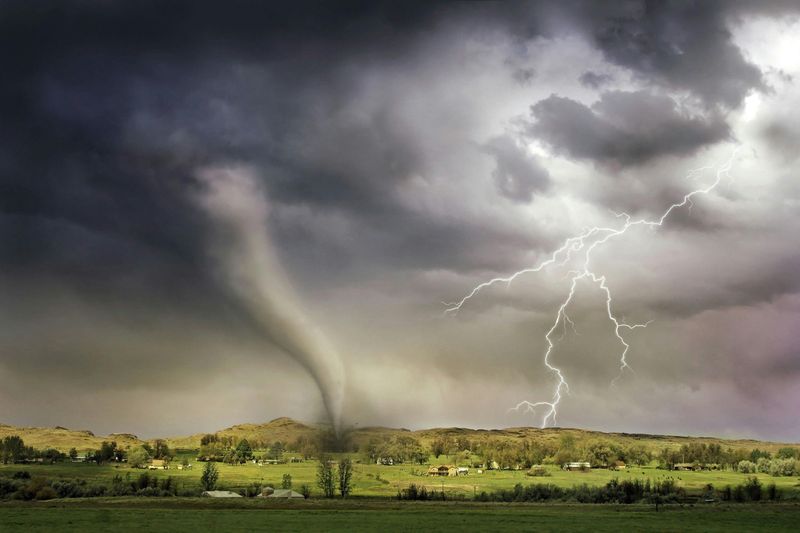
Sirens wail across town signaling a tornado warning, and your instinct screams to seek shelter immediately.
But look around and you’ll see locals calmly standing on their porches, scanning the horizon with practiced eyes.
Some even grab lawn chairs.
Rural Oklahomans grow up with severe weather as a regular spring and early summer occurrence, developing what outsiders perceive as alarming nonchalance toward dangerous storms.
Living in Tornado Alley means experiencing dozens of warnings throughout a lifetime, with most producing no actual tornado near your location.
Residents learn to read the sky themselves, watching for specific cloud formations, rotation, and color changes that indicate real danger versus a routine severe thunderstorm.
This doesn’t mean they’re careless or stupid about tornado safety.
Every home has a shelter plan, whether that’s an underground cellar, interior bathroom, or community storm shelter.
But locals have developed a calculated approach to warnings that balances genuine threat assessment with not panicking every time sirens sound.
They know which weather conditions produce the most dangerous tornadoes and when a storm is likely moving away from their area.
Many own weather radios and follow trusted local meteorologists who provide more specific information than broad county-wide warnings.
For visitors unaccustomed to this environment, the casual attitude can feel terrifying.
Don’t let local calm convince you to ignore warnings entirely if you’re uncomfortable.
Nobody will judge you for taking shelter, and residents will happily show you their safe spaces if you ask.
4. Church Attendance is Assumed and Often Asked About
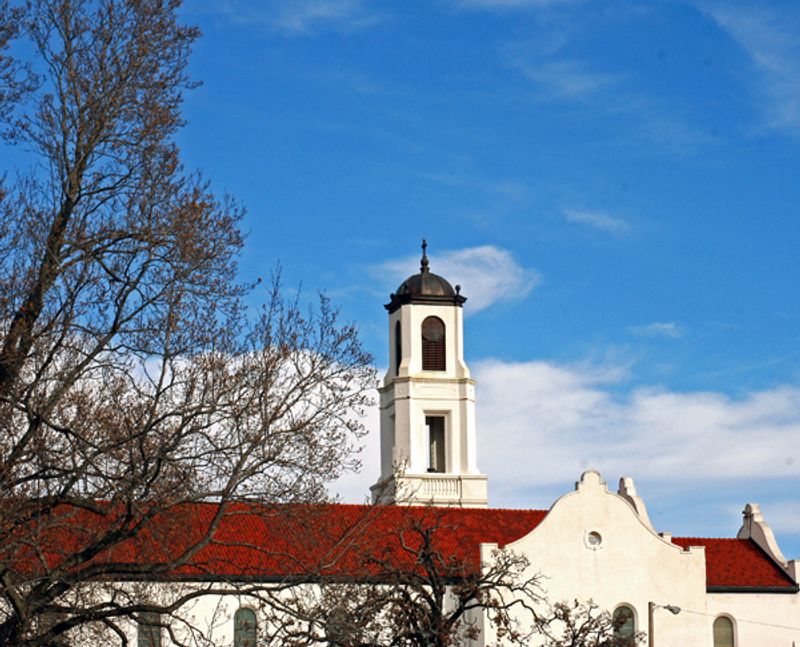
Within your first conversation with a rural Oklahoma resident, someone will likely ask “What church do you go to?”
Not whether you attend church, but which one.
Religious participation forms such a fundamental part of rural Oklahoma culture that church affiliation serves as a basic social identifier like your job or hometown.
Small towns might have only a few hundred residents but support multiple churches representing different denominations, each with dedicated congregations.
Sunday morning sees packed parking lots at Baptist, Methodist, Church of Christ, Assembly of God, and other congregations throughout rural communities.
Wednesday evening services are equally well-attended, and many activities revolve around church functions.
Local businesses often close on Sundays or operate limited hours out of respect for church time.
If you’re not religious or prefer to keep faith private, the assumption of church attendance can feel intrusive or uncomfortable.
Responding that you don’t attend might prompt well-meaning invitations to visit someone’s congregation.
These invitations come from genuine hospitality rather than judgment, though the persistent assumption can wear on non-religious visitors.
Church membership provides social connection, community support, and networking in rural areas where these institutions fill roles that cities spread across various organizations.
People meet potential employers, find housing, get help during emergencies, and build friendships through church connections.
Religious values openly influence local politics, school board decisions, and community standards in ways that might surprise visitors from more secular areas.
You don’t need to pretend religious conviction you don’t feel, but understanding church’s central role helps explain many aspects of rural Oklahoma culture.
5. Pickup Trucks Outnumber Cars by a Large Margin
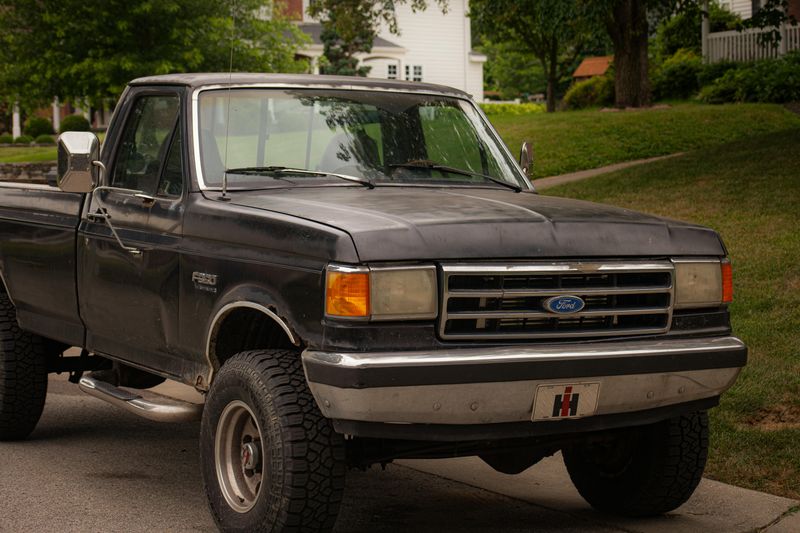
Pull into any rural Oklahoma parking lot and count the vehicles.
Pickup trucks will outnumber sedans by at least three to one, often more.
This isn’t about fashion or following trends but practical necessity for rural living where trucks serve as essential work vehicles.
Ranchers haul feed, farmers transport equipment, and even non-agricultural residents need trucks for hauling trash to the dump since many rural areas lack curbside pickup.
Unpaved roads, muddy conditions during rainy seasons, and the need to navigate rough terrain make four-wheel drive valuable beyond winter snow concerns.
Truck beds carry everything from livestock feed to building materials to furniture, eliminating the need for separate work vehicles.
Many rural Oklahomans view sedans as impractical for their lifestyle, questioning how you’d manage without a truck bed.
Arriving in a small hybrid or electric vehicle might prompt friendly teasing about whether you can make it down certain roads.
The trucks themselves often show signs of actual use with mud-splattered sides, dents, and scratched paint rather than pristine showroom condition.
These are working vehicles, not status symbols, though brand loyalty runs deep with strong Ford versus Chevy debates.
Truck modifications serve practical purposes like lift kits for ground clearance, heavy-duty bumpers for ranch work, and toolboxes for equipment storage.
Even teenagers driving to school often operate pickup trucks, sometimes older models passed down through family members.
The prevalence of trucks reflects rural Oklahoma’s connection to land-based work and self-sufficient lifestyle where you handle your own hauling and heavy tasks.
Visitors in compact cars will manage just fine on main roads but might struggle with some rural driveways and unpaved paths.
6. People Know Your Business Before You Tell Them

Privacy operates differently in rural Oklahoma communities where everyone knows everyone, and information travels faster than internet speeds.
Stop for gas in a small town, and by evening, multiple residents will know an outsider came through.
Rent a house for a month, and neighbors will know your vehicle, approximate age, and whether you live alone before you’ve unpacked.
This isn’t malicious surveillance but the natural result of tight-knit communities where people notice changes and share information.
In areas where serious crime remains rare, an unfamiliar car or new face becomes noteworthy enough to mention.
The local rumor mill operates with impressive efficiency, spreading news about everything from who’s dating whom to who lost their job to who’s sick.
Information shared with one person often becomes community knowledge within hours through casual conversations at the post office, feed store, or diner.
For people accustomed to urban anonymity, this visibility feels intrusive and uncomfortable.
You can’t make a mistake without people knowing, and personal struggles become community talking points.
However, the same network that spreads gossip also mobilizes support when someone faces hardship.
Communities rally to help families experiencing medical crises, house fires, or financial struggles because everyone knows about the situation.
The lack of privacy cuts both ways, creating accountability but also providing safety nets.
Accepting that you can’t remain anonymous in rural Oklahoma helps adjust expectations about personal space and information control.
Locals don’t consider their awareness of your activities as nosiness but rather normal neighborly attention to community happenings.
Building trust takes time, but once accepted, you’ll benefit from the same community knowledge network that initially felt overwhelming.
7. Distances Are Measured in Time, Not Miles

Ask a rural Oklahoman how far something is, and they’ll answer in minutes rather than miles.
The grocery store is “about twenty minutes,” the next town over is “forty-five minutes,” and the nearest city might be “an hour and a half.”
This time-based measurement reflects the reality of rural distances where mile counts mean less than actual travel time.
A location fifteen miles away on winding county roads takes much longer than fifteen miles on straight highway.
Gravel roads reduce speed, and you’ll slow down for cattle crossings, farm equipment, and rough patches.
Rural residents automatically calculate travel time based on road conditions, traffic patterns, and typical driving speeds for different route types.
What seems like a short distance on a map might require significant travel time in reality.
People routinely drive thirty minutes or more for basic errands like grocery shopping or medical appointments.
An hour’s drive for dinner at a restaurant or to attend an event doesn’t seem excessive when you’re accustomed to rural spacing.
This adjustment challenges visitors used to urban convenience where everything sits within a few miles.
Running out for milk becomes a forty-minute round trip minimum, and forgetting something at the store means deciding whether it’s worth the drive back.
Gas station stops require planning since you might travel fifty miles between fuel options on some routes.
The time-distance mindset also affects social expectations around punctuality and planning.
Arriving fifteen minutes late is often acceptable because everyone understands the challenges of rural travel.
People also think nothing of asking you to pick something up “since you’re going to town anyway,” assuming everyone makes consolidated trips to maximize travel efficiency.
8. Talking to Strangers is Expected, Not Weird
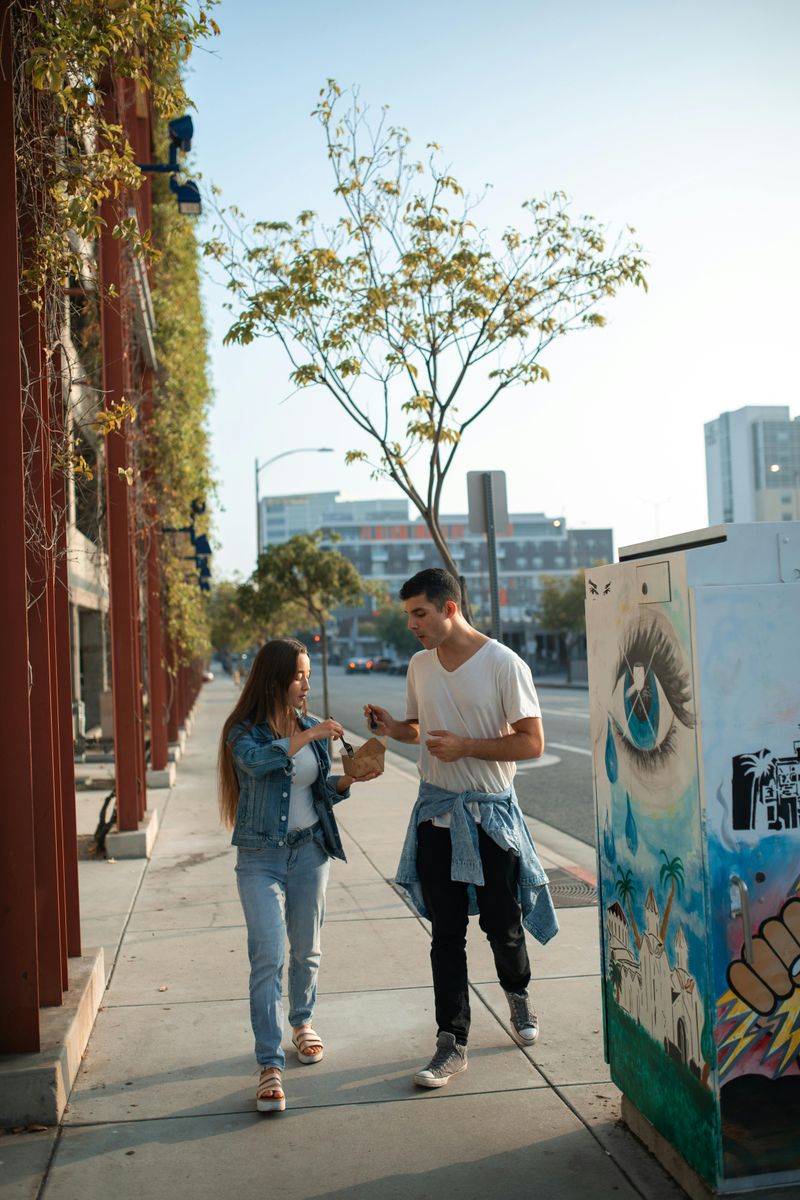
Stand in line at a rural Oklahoma convenience store, and the person behind you will likely strike up a conversation about the weather, local events, or your out-of-state license plates.
This friendliness isn’t flirtation, sales pitch, or prelude to asking for money but simply normal social behavior.
Rural Oklahomans chat with strangers as naturally as city dwellers ignore them, creating culture shock for visitors accustomed to urban anonymity.
Pumping gas, waiting for food orders, or browsing store aisles all present opportunities for casual conversation with people you’ve never met.
These interactions remain surface-level and brief but reflect a cultural expectation that people acknowledge and engage with others rather than pretending they don’t exist.
Keeping your head down and avoiding eye contact reads as unfriendly or suspicious rather than respecting personal space.
The openness extends beyond simple greetings to actual conversations where strangers might discuss their day, share local information, or offer unsolicited advice.
Someone might warn you about construction on the highway ahead or recommend the best menu item at a restaurant you mentioned visiting.
Elderly residents especially will talk to anyone, asking questions about where you’re from and what brings you to the area.
These conversations come from genuine interest rather than nosiness, though they do feed the information network that keeps everyone updated on community happenings.
For introverts or people from less socially open cultures, the constant interaction can feel exhausting.
You can’t run quick errands without multiple conversations, and simple tasks take longer due to social obligations.
However, this openness also means easy access to help, directions, or recommendations when you need them since people readily share information with strangers.
Dear Reader: This page may contain affiliate links which may earn a commission if you click through and make a purchase. Our independent journalism is not influenced by any advertiser or commercial initiative unless it is clearly marked as sponsored content. As travel products change, please be sure to reconfirm all details and stay up to date with current events to ensure a safe and successful trip.
