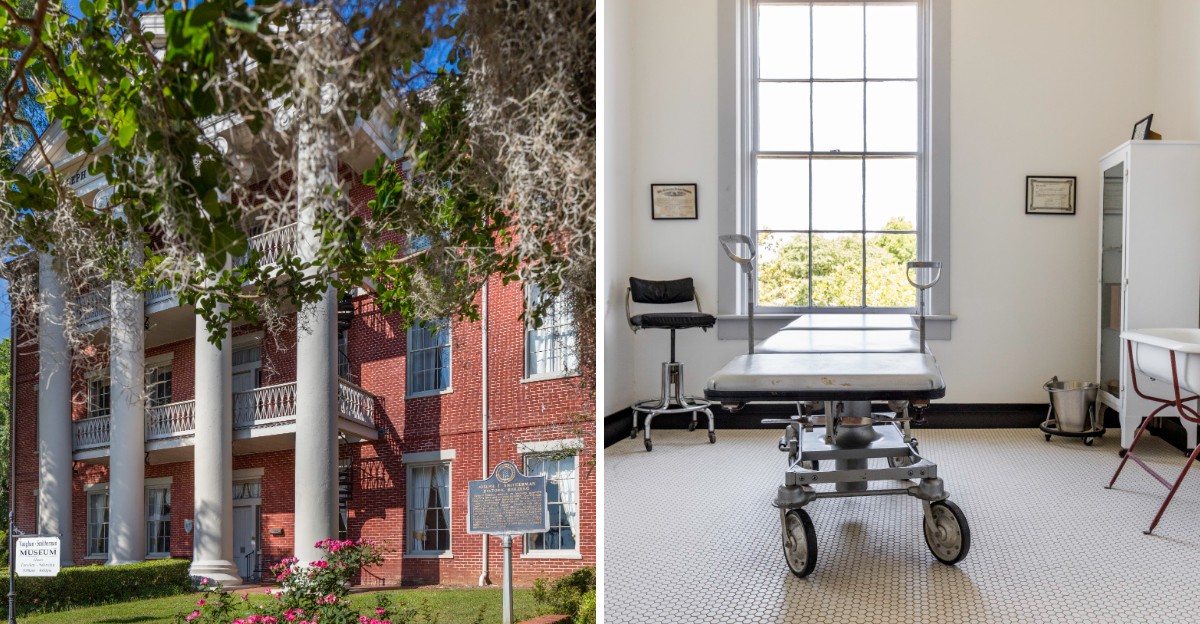
The creepiest part is not the empty hallway. It is the nursery.
Tiny beds. Old medical equipment.
A room that once held crying babies, nurses, and all the ordinary chaos of a working hospital. This Alabama building has been a surprising number of things over the years, including an orphan school, Confederate hospital, courthouse, boys’ high school, and the city’s first hospital for Black residents.
The third floor still preserves a mid-century hospital ward, complete with an operating room. Nothing about that feels like a normal museum visit.
You keep looking at the rooms. Then you start wondering who stood there before you.
Columns That Have Watched Selma Change For Nearly Two Centuries
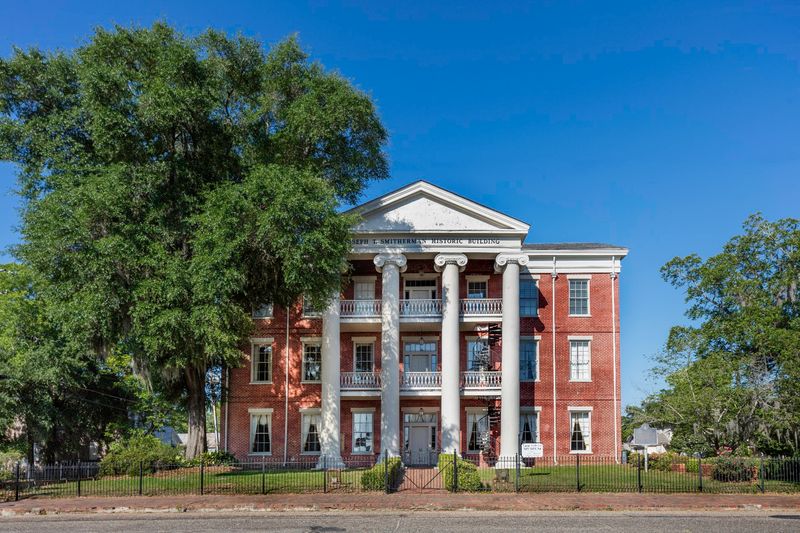
First impressions here come from the street. The building rises three stories in warm red brick, crowned by a four-column portico with monumental Ionic capitals that would look right at home on a courthouse square in ancient Greece.
Completed in 1847, it counts as one of the finest Greek Revival structures still standing in the Alabama Black Belt. Look closely at the seven-bay facade and the thin belt course separating each floor, a small detail that keeps the tall walls from feeling heavy.
Balconies stretch across the full width and depth of the covered portico on both upper levels. Their wrought iron railings carry an open diamond pattern sometimes called a crowfoot baluster, and the shadows they throw across the brick shift all afternoon.
Photographers tend to linger on the south side in late light, when the columns glow almost orange. The building sits at 109 Union Street in Selma, close enough to downtown that a walking visit makes sense.
Recognition came officially on June 20, 1975, when the structure joined the National Register of Historic Places. That listing protects a facade that has watched cannon smoke, courtroom crowds, schoolboys, ambulances, and civil rights marchers pass by.
Give the exterior five minutes before heading inside. The interior makes far more sense once the sheer age and ambition of the architecture sinks in.
A School Built For Children Who Had Lost Everything
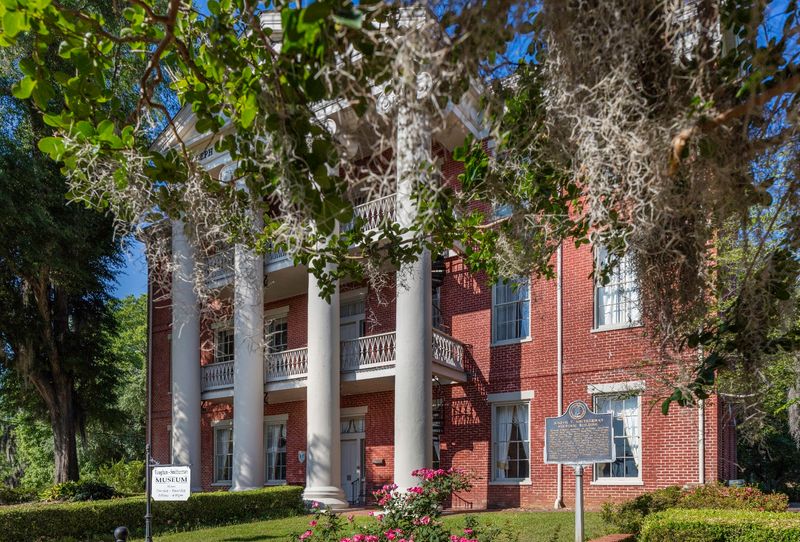
Few people guess the original purpose. Before the hospital beds, before the courtroom, this grand building opened as the Central Masonic Institute, a school created by Selma Fraternal Lodge No. 27 of the Free and Accepted Masons.
Its students were orphaned or abandoned children of lodge members. That single fact reshapes how the architecture reads, because such an expensive, formal structure was built to care for kids who had nobody else.
Mid-1800s Selma was growing fast, and education was uneven at best. A residential school of this scale signaled real civic ambition, and the lodge poured serious money into columns, brickwork, and classroom space.
Guides often mention this chapter early in a tour, and it sets the tone for everything that follows. The building kept returning to the idea of service, whether through teaching, healing, or governing.
Picture lessons echoing down those high-ceilinged halls, footsteps on wooden stairs, meals shared by children who had lost their families. Not a ghost story, just an ordinary routine that happened here long before the Civil War arrived.
Later the structure would house a military school and, in the early 1900s, a Presbyterian High School for Boys. Education kept circling back, generation after generation.
Knowing the origin makes the rest of the museum land harder. Kindness came first, and then history got complicated.
Wartime Wards And The Hospital That Served Freed Families
The chill factor starts on this floor. When the Civil War reached Alabama, the school became a Confederate hospital, and the same rooms that once held lessons filled with wounded and sick soldiers.
The Battle of Selma raged nearby in April 1865, and the building endured it. Nothing dramatizes that period quite like standing in a room and realizing surgery happened there without modern anesthesia or antibiotics.
Then comes the turn that surprises most visitors. After the war, the structure briefly operated as a Freedman’s Bureau Hospital, becoming Selma’s first African American hospital and treating people who had just been emancipated.
One building, two radically different populations, barely any time between them. That whiplash sits at the heart of what makes this place worth the trip.
Exhibits on the first floor dig into the Civil War era with memorabilia and documents covering slavery and the conflict itself. The Art Lewis collection includes Confederate currency, pardons, and material tied to the Independent Blues, a local military unit.
Another case holds artifacts pulled from the Alabama River, believed to have been made at the Confederate Naval Foundry and dumped when General Wilson captured Fort Selma as the war ended.
Rusted metal recovered from river mud tells a blunt story. History here is physical, not theoretical.
When Justice Moved In And Cahaba Lost The County Seat
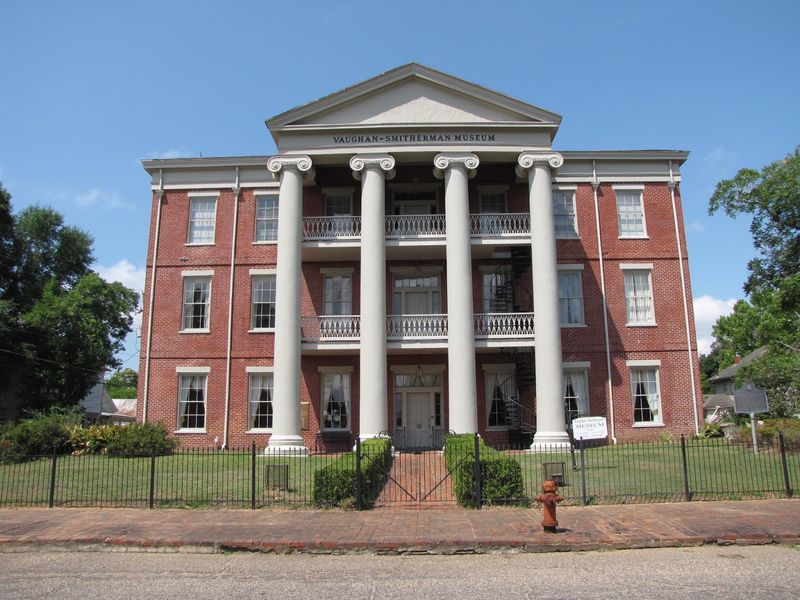
Politics changed this building’s job description in 1866. Local leaders pushed to move the Dallas County seat from Cahaba to Selma, and the former hospital became the Dallas County Courthouse.
It held that role until 1902, a solid thirty-six years of trials, deeds, marriage licenses, and arguments. Cahaba, meanwhile, faded into the river bottom and is a ghost town today.
Consider the sheer variety of human business that passed through these doors. Property disputes, criminal cases, tax records, county commission meetings, all under the same roof that had recently held hospital cots.
Courthouse decades tend to get overshadowed by the hospital exhibits upstairs, which is a shame. Governance shaped Selma just as much as medicine did, and the decisions made here rippled through the whole Black Belt region.
Once the county built a newer courthouse, the structure shifted again. A military school used the space, and by the early 1900s it served as a Presbyterian High School for Boys.
Adaptability kept it standing while other antebellum buildings in the region collapsed or burned. Usefulness turned out to be the best preservation strategy of all.
Ask a guide about this stretch of the timeline. The stories about how the county seat actually moved involve plenty of maneuvering, and they are genuinely entertaining.
The Third Floor Nursery That Still Feels Occupied
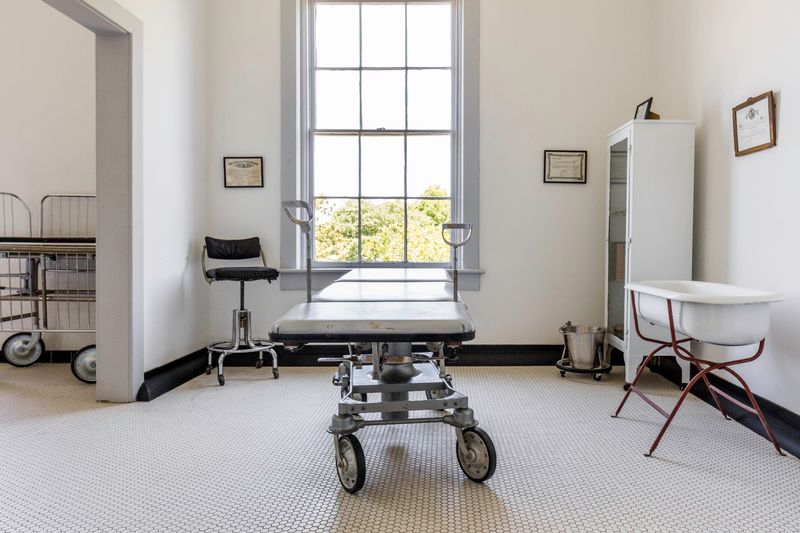
Here is the part that raises arm hair. In 1911 the building became Vaughan Memorial Hospital, named for Samuel Watkins Vaughan, a respected Selma physician, and it treated patients until 1960.
Nearly fifty years of births, surgeries, recoveries, and losses happened inside these walls. Plenty of Selma residents alive today were born right here, and some have said so during visits.
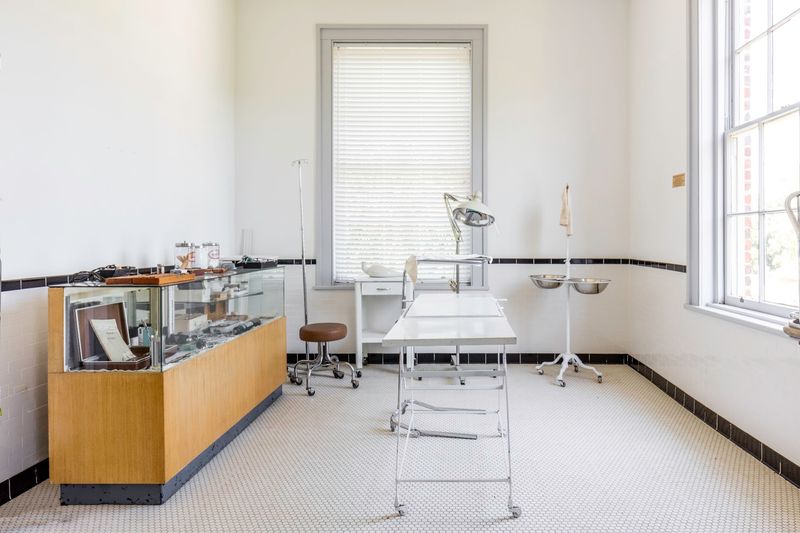
The museum recreated that era on the third floor with startling detail. Walk through a delivery room, a nursery lined with bassinets, and an operating room outfitted with the instruments doctors actually used in the early twentieth century.
Metal beds, glass syringes, heavy surgical tools, uniforms hanging exactly where a nurse might have left them. The quiet up there does something to people.
Medical equipment from that period looks frankly alarming to modern eyes, which is part of the appeal. Comparing it to a hospital today makes a century of progress feel immediate rather than abstract.
Allow extra time on this floor. Most visitors move quickly through the lower exhibits and then slow way down once they reach the recreated wards.
Nothing here is staged for scares, and that restraint makes it more effective. Real rooms, real equipment, real memories attached to both.
Politics, Paintings, And A Photograph From Bloody Sunday
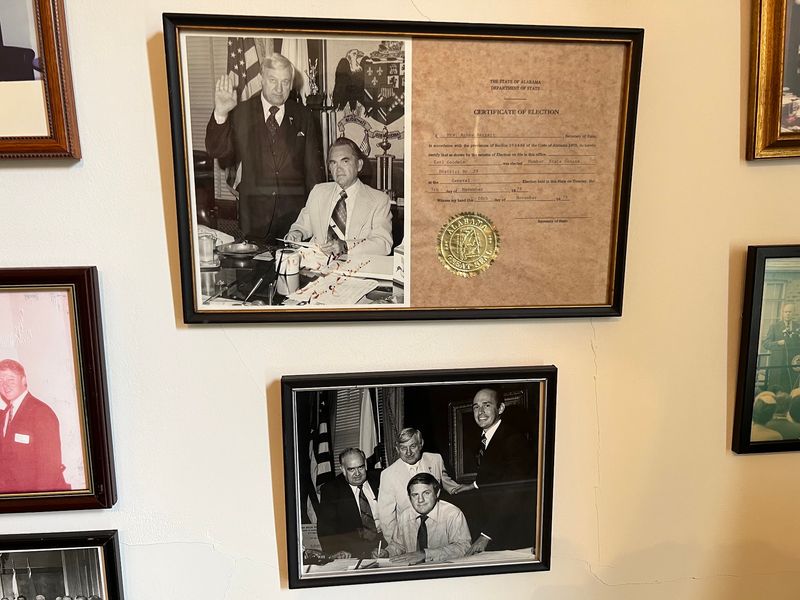
Second floor, different mood entirely. Political artifacts fill this level, tracing the figures and movements that steered Selma’s public life through the twentieth century.
A room honors the late Joseph T. Smitherman, mayor for more than thirty-five years, whose push to preserve and convert the building gave the museum its name.
Guides discuss both his accomplishments and his shortcomings, which keeps the presentation honest.
Artwork shares the space too, with nationally recognized pieces by artists from the region. Creative life in Selma rarely gets the spotlight, so the paintings feel like a bonus.
March 2024 brought a new history exhibit funded by a major donation. Photographs cover the Cigar Factory, Bush Hog, historic churches, and the former Craig Air Force Base, everyday Selma rather than only its famous moments.
One image carries enormous weight. A famous photograph taken by James Spider Martin during the 1965 Bloody Sunday march holds a place of honor, and visitors tend to stop cold in front of it.
Elsewhere in the museum, Native American artifacts speak to the region’s earliest residents, and Victorian antiques show how Selma families furnished their parlors.
Layer after layer, the collections refuse to tell one simple story. That complexity is exactly the point.
Planning The Visit Without Missing The Doors
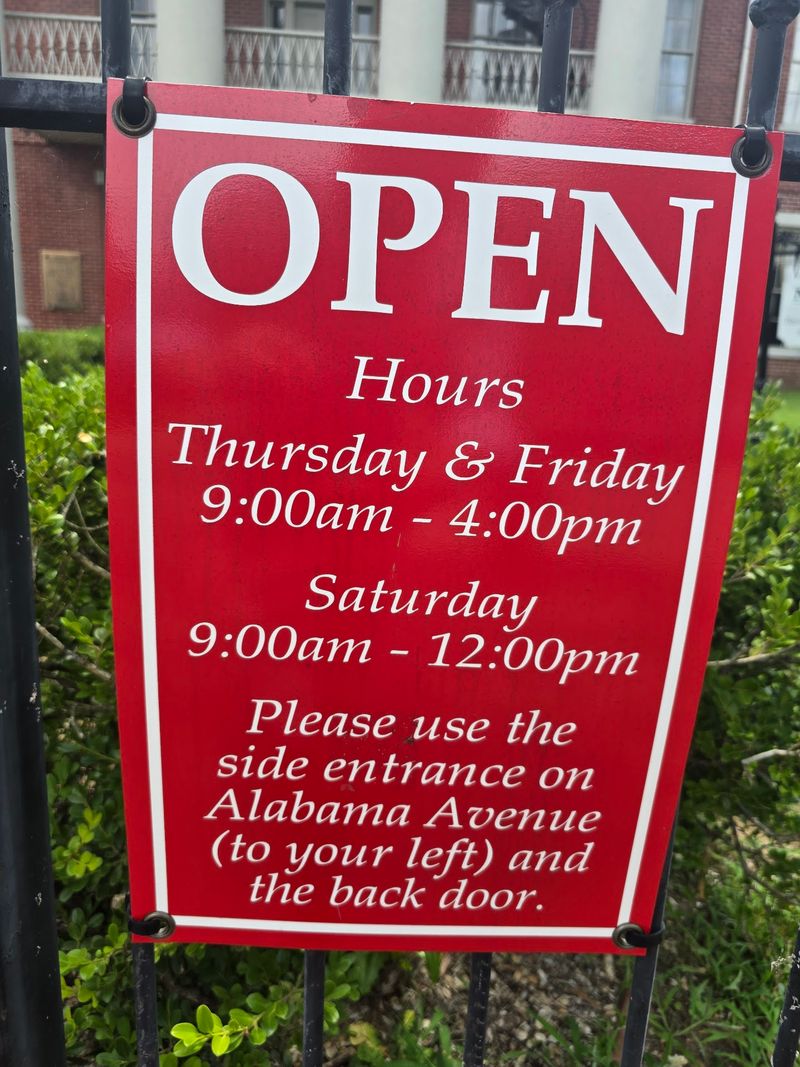
Timing matters more here than at most museums. Doors open Thursday and Friday from 9 AM to 4 PM, plus Saturday mornings from 9 AM until noon, and the museum stays closed Sunday through Wednesday.
Confirming hours before driving over is simply smart practice.
Tours run with a guide rather than as a self-directed wander, and the staff knows the building inside out. A thorough walkthrough can take as little as twenty minutes or stretch much longer depending on questions.
Photography rules vary, so ask at the front before raising a camera. Wearing comfortable shoes helps, since three floors and historic staircases add up.
Beyond exhibits, the building still functions as a community space. Meeting rooms host clubs and civic groups, and the parlors and gardens accommodate brunches, bridal showers, and wedding receptions.
That ongoing use keeps the place alive instead of preserved under glass. Pair the stop with Selma’s other landmarks, since the Edmund Pettus Bridge and downtown sit within easy reach of Union Street.
Leave room afterward to just sit and process. This building gives visitors a lot to carry out the door, all at 109 Union St, Selma, AL 36701.
