Helena-West Helena wears a quiet face, but the closer you look, the more you hear it hum. On the Mississippi River’s edge, this Arkansas city keeps a working rhythm that slips out of storefronts, porches, and church basements. The locals are protective of their scene, but generous with anyone who shows up with open ears. If you’re curious about Arkansas blues history and modern community life, this is the place to listen closely.
1. King Biscuit Blues Festival Legacy Venues and Year-Round Gigs
Helena-West Helena is widely known for the King Biscuit Blues Festival, yet the quieter story is how music persists outside headline dates. Legacy venues and community stages host periodic shows that draw regional players, often announced locally rather than with big campaigns.
Ask at the Delta Cultural Center or check bulletin boards along Cherry Street for current listings. You might find a weeknight set that mixes standards with original songs. The scale stays small, but that allows conversation between sets and a sense of continuity that many Arkansas towns value. Sound systems are serviceable and audience etiquette tends to be attentive. Arrive early to confirm schedules and secure a seat without crowding.
These gigs reward listeners who appreciate craft over spectacle. They also support working musicians who keep the blues present in daily life. Bring cash for tickets where digital options are limited, and expect a neighborly welcome.
2. Cherry Street Historic District
Cherry Street is where history meets daily errands, a corridor of brick facades, small shops, and civic buildings that sketch out Helena-West Helena’s commercial past. Architectural enthusiasts will notice Italianate and early twentieth-century details, while music fans tend to linger by plaques and storefronts linked to the blues.
The street feels modest, and that’s its strength. You can see how touring musicians relied on local businesses and how radio carried their sound across Arkansas. Many storefronts hold regular hours, and a few host low-key events that draw a cross-section of residents. Street improvements and preservation efforts have stabilized the district, making it easier to walk and learn. Interpretive signs offer context without overselling the story.
Photographers like the textures here, especially late in the day when the brick warms up. Plan time for slow window shopping and quick chats with merchants who often have practical tips. Cherry Street teaches patiently, revealing how culture survives through countable decisions: who kept the lights on, who maintained the roof, and who recorded the names.
3. Delta Cultural Center
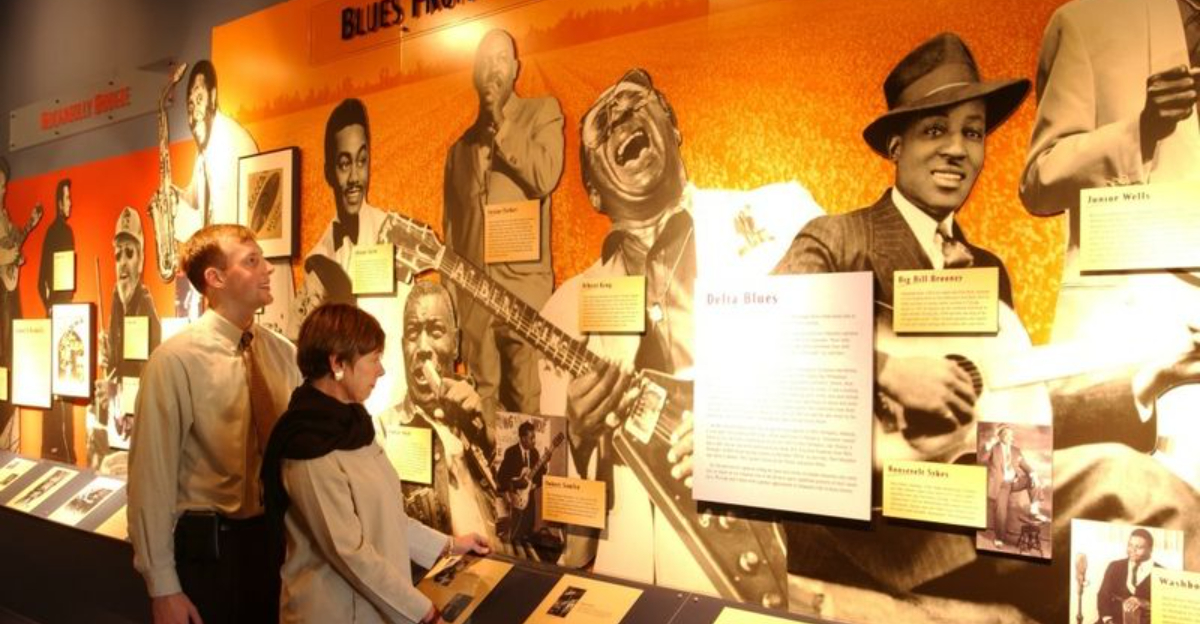
The Delta Cultural Center anchors Helena-West Helena’s story, pairing the region’s music legacy with everyday objects from Arkansas river life. Galleries trace the arc from field hollers to electrified blues, with listening stations that contextualize each era rather than romanticize it.
You can catch interpretive talks that unpack how migration and radio shaped the sound heard up and down Cherry Street. The center also safeguards primary sources, including oral histories that are accessible to visitors who schedule research time. It is not a flashy space, but that suits the content. Staff members know the local families behind the artifacts and explain how songs traveled from porch to stage. Temporary exhibits rotate to include gospel quartets, fife-and-drum traditions, and local drum kits used at neighborhood gatherings.
The center is part museum and part community commons, drawing school groups and travelers who want reliable information. If you plan ahead, you can align your visit with a demonstration or guided walk around the historic commercial district. The building’s restored brick exterior hints at careful stewardship, something Arkansas preservation groups cite when discussing the Delta’s cultural footprint.
4. KFFA Radio and the King Biscuit Time Window
King Biscuit Time is among the longest-running daily blues radio programs in the United States, still broadcasting from KFFA in downtown Helena. Visitors can watch through the studio window during scheduled broadcasts, a simple ritual that tells a big Arkansas story.
The host welcomes local musicians, festival guests, and elders who remember early sponsors and touring acts. You will not get a staged spectacle; you get a working radio show that respects clocks, segment breaks, and community announcements. That lived-in cadence is part of its charm. Photos and clippings in the hallway document decades of programming and the personalities who kept it on air. Staff often answer short questions if time allows, though it helps to arrive a few minutes early.
The station location also places you near other historic sites, so you can make a circuit on foot. Bring curiosity and a willingness to stand quietly as the red light clicks on. For many listeners, hearing the theme song in its home setting offers a grounded way to understand Arkansas radio history and why Helena-West Helena values continuity.
5. Freedom Park and the Helena Civil War Interpretive Sites
Freedom Park provides a thoughtful look at the Civil War’s local impact, including the experiences of freedom seekers who reached Union lines near Helena. Outdoor exhibits present documented stories, and the signage references sources you can follow up on at the Delta Cultural Center.
Nearby interpretive sites explain the Battle of Helena and how the river shaped military strategy. The park’s design invites unhurried reading and quiet reflection rather than spectacle. Families will find it approachable, with clear panels and accessible paths. For travelers connecting music and history, the park helps place the blues within broader Arkansas narratives of migration and resilience. Maintenance has been steady, and the grounds usually look cared for.
Pair a visit with a short drive to the riverfront to grasp the landscape that influenced events. The result is a grounded, evidence-based experience that balances memory with scholarship. It is easy to fit into a half-day itinerary and adds depth to any cultural visit in Helena-West Helena.
6. Mississippi River Levee Walk and Helena River Park
The levee walkway near Helena River Park offers wide views of the Mississippi, towboats, and seasonal birdlife. You will not find a curated show here, just the working river that underpins commerce and culture across Arkansas and neighboring states.
The park includes a boardwalk and overlooks that suit unhurried observation. Locals recommend sunrise or late afternoon for shade and cooler air. Informational panels explain river engineering, flood history, and navigation. The soundscape shifts with passing barges, adding a steady thrum that many residents associate with home.
Bring comfortable shoes and check river stages if you are curious about water levels. The levee’s scale puts the city in perspective, reminding visitors that music, trade, and travel all flowed through this corridor. Photographers appreciate the minimal clutter and big sky backdrop. A simple bench break here can balance a day of museums and main-street walks.
7. Delta Heritage Trail State Park: Helena Welcome and Trailhead
The Helena trailhead of Delta Heritage Trail State Park gives cyclists and walkers a practical way to experience the Delta’s landscape. The crushed stone surface supports an easy pace, with interpretive signs that connect ecology, rail history, and agriculture.
Rentals and maps are typically available through park partners or nearby outfitters, and rangers keep up-to-date advisories. The route passes fields, timber, and small water crossings, offering a quiet interval between museum stops. Wildlife sightings vary by season, and trail etiquette is clear and posted. For travelers building an Arkansas itinerary around culture and nature, this segment adds balance without requiring technical skills.
Stop at the welcome area to confirm hours and any maintenance closures. Carry water, sun protection, and a charged phone. You will finish with a refreshed head and a better sense of how distance feels in Delta country, which helps explain local travel, trade, and even how musicians moved between towns.
8. Phillips County Courthouse and Court Square
The Phillips County Courthouse stands as a civic anchor where daily governance meets long memory. Its architecture reflects the period’s aspirations, and the surrounding square offers a compact stroll through local institutions. On weekdays you may see residents handling errands, which gives an honest glimpse of how the city functions.
The building and grounds are regularly maintained, and posted notices provide practical information about services. Historical markers nearby help visitors connect legal history to broader Arkansas milestones, including civil rights cases and agricultural disputes. It is a calm place to reset between stops and consider how public infrastructure keeps a community steady.
Photographers often work the angles for symmetry shots, especially when the light is soft. Respect posted rules and keep voices low indoors. A short visit adds civic context to a culture-focused trip and rounds out an understanding of Helena-West Helena’s role in the county.
Dear Reader: This page may contain affiliate links which may earn a commission if you click through and make a purchase. Our independent journalism is not influenced by any advertiser or commercial initiative unless it is clearly marked as sponsored content. As travel products change, please be sure to reconfirm all details and stay up to date with current events to ensure a safe and successful trip.
