
Cumberland, tucked into western Maryland’s mountains, was long overlooked as a pass-through city.
Once an industrial and transportation hub, it has settled into a quieter rhythm that travelers are now beginning to appreciate.
Trails, waterways, and historic streets invite slow exploration, while repurposed railroad depots hint at the city’s past.
With no need for flashy attractions, Cumberland offers an authentic, peaceful getaway where hidden character and gentle beauty take center stage.
Western Maryland Scenic Railroad

Climbing aboard a vintage train feels like stepping into a different era, and the Western Maryland Scenic Railroad delivers exactly that experience.
The depot sits right in downtown Cumberland, where polished rail cars wait to carry passengers through some of the most stunning mountain scenery in the mid-Atlantic.
This is not a theme park ride or a tourist gimmick.
The trains follow the original Western Maryland Railway route, winding through valleys and alongside ridges that reveal why this region was once so vital to American commerce.
Passengers settle into restored coaches, some dating back nearly a century, while the locomotive pulls away from the station with a nostalgic rumble.
The journey takes you west toward Frostburg, climbing steadily through forested slopes and past overlooks that frame the Allegheny Mountains in every direction.
Each season transforms the landscape, from spring wildflowers to fall foliage that turns the mountainsides into a patchwork of red and gold.
Inside the station, exhibits tell the story of the Chesapeake and Ohio Canal, which once ran parallel to the tracks and played a crucial role in moving goods across Maryland.
The visitor center offers context for both the railroad and the canal, helping travelers understand how Cumberland became a crossroads of American transportation.
The train ride itself lasts several hours, giving you plenty of time to watch the scenery unfold without rushing.
Some trips include dining cars or special themed excursions, but the standard journey is enough to appreciate the beauty and history of the route.
Families, history buffs, and anyone seeking a slower pace will find this experience both relaxing and memorable.
The railroad has become one of Cumberland’s most beloved attractions, proof that sometimes the best way to see a place is from a seat on a moving train.
Great Allegheny Passage Trail
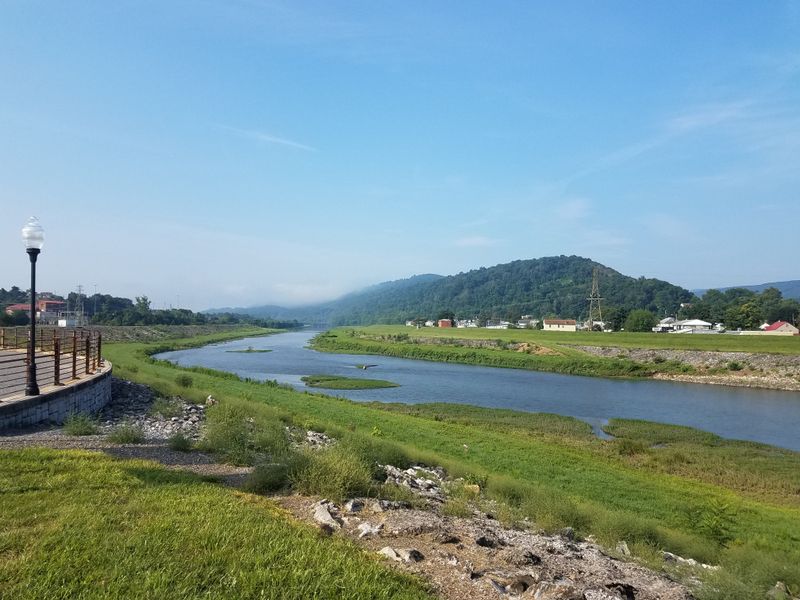
A trail that stretches over 150 miles might sound intimidating, but the Great Allegheny Passage welcomes everyone from casual walkers to serious long-distance cyclists.
Cumberland serves as the southern terminus of this legendary route, which connects Maryland to Pittsburgh and passes through some of the most beautiful terrain in the Appalachian region.
The trailhead is easy to find near downtown, and from there, the path follows old railroad beds and canal towpaths through forests, across bridges, and along rivers.
You do not need to tackle the entire distance to enjoy what the trail offers.
Even a short walk or bike ride reveals the kind of quiet, natural beauty that makes western Maryland such a special place.
The surface is mostly crushed limestone, smooth enough for road bikes but forgiving enough for casual riders.
Along the way, you will pass through tunnels carved into rock, over historic trestles, and past small towns that seem frozen in time.
The trail is well-maintained and clearly marked, making it accessible for families and solo adventurers alike.
In spring and summer, wildflowers line the path, while autumn brings a canopy of changing leaves overhead.
Winter transforms the trail into a serene, snow-dusted corridor perfect for those who prefer solitude.
Local outfitters in Cumberland offer bike rentals, shuttle services, and guided tours for those who want a little extra support.
The trail has become a major draw for outdoor enthusiasts, and its presence has helped revitalize the city by bringing in visitors who stay, eat, and explore.
Whether you ride five miles or fifty, the Great Allegheny Passage gives you a front-row seat to the landscapes that define this corner of Maryland.
Historic Downtown Architecture
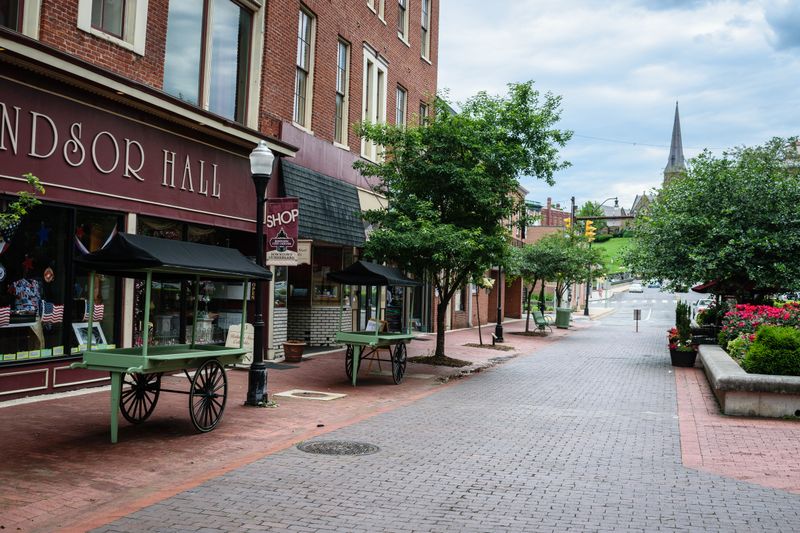
Walking through downtown Cumberland feels like flipping through an architecture textbook, with buildings that span more than a century of American design.
Brick facades, decorative cornices, and arched windows line the streets, remnants of a time when this city was a bustling center of commerce and industry.
Many of the structures date back to the late 1800s and early 1900s, when Cumberland thrived as a key stop along the National Road and the Baltimore and Ohio Railroad.
The city has worked to preserve these buildings, and the results are visible in every block.
You will find old banks, theaters, and storefronts that have been repurposed but still retain their original character.
Some now house cafes, galleries, and shops, while others remain empty, waiting for new life to be breathed into them.
The Emmanuel Episcopal Church stands out with its Gothic Revival style, its stone tower rising above the surrounding rooftops.
The Allegany County Courthouse, built in the early 20th century, commands attention with its grand columns and classical proportions.
These are not just pretty buildings; they tell the story of a city that once played a vital role in connecting the eastern seaboard to the western frontier.
As you wander the streets, you will notice details that modern construction rarely includes: hand-carved stonework, wrought iron railings, and stained glass windows that catch the afternoon light.
The downtown area is compact enough to explore on foot, and doing so gives you a real sense of the city’s past.
Cumberland may not be a bustling metropolis anymore, but its architecture serves as a reminder of its former prominence and the craftsmanship that defined an earlier era.
Chesapeake and Ohio Canal National Historical Park
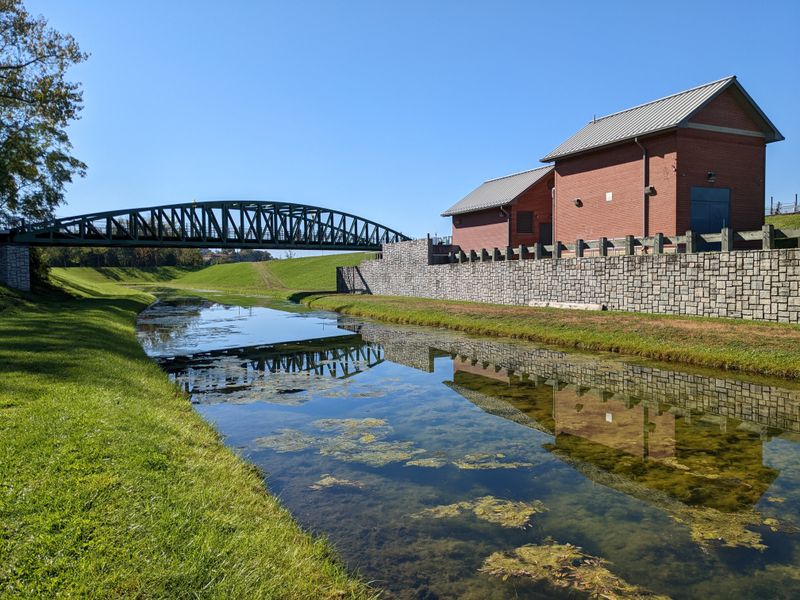
Before railroads dominated American transportation, canals were the arteries of commerce, and the Chesapeake and Ohio Canal was one of the most ambitious.
Cumberland marks the western terminus of this 184-mile waterway, which once connected the Potomac River to the coalfields and industries of western Maryland.
Today, the canal is a national historical park, and its towpath offers a peaceful route for walking, biking, and reflecting on the engineering feats of the 19th century.
The path runs alongside the old canal bed, where mules once pulled barges loaded with coal, lumber, and agricultural goods toward Washington, D.C.
Visitors can still see the original locks, stone aqueducts, and lockhouses that kept the canal operational for decades.
In Cumberland, the canal visitor center provides exhibits on the construction, operation, and eventual decline of the waterway.
You will learn about the laborers who dug the canal by hand, the families who lived and worked along its banks, and the economic forces that eventually made it obsolete.
The towpath itself is flat and easy to navigate, making it ideal for casual cyclists and families with young children.
It is also a haven for wildlife, with herons, turtles, and deer frequently spotted along the water’s edge.
The canal park connects seamlessly with the Great Allegheny Passage, allowing travelers to extend their journey in either direction.
Walking along the towpath, you get a sense of how people moved and worked in an era before cars and highways.
The canal may no longer carry barges, but it continues to serve as a corridor for recreation and a living reminder of Maryland’s transportation history.
George Washington’s Headquarters Cabin
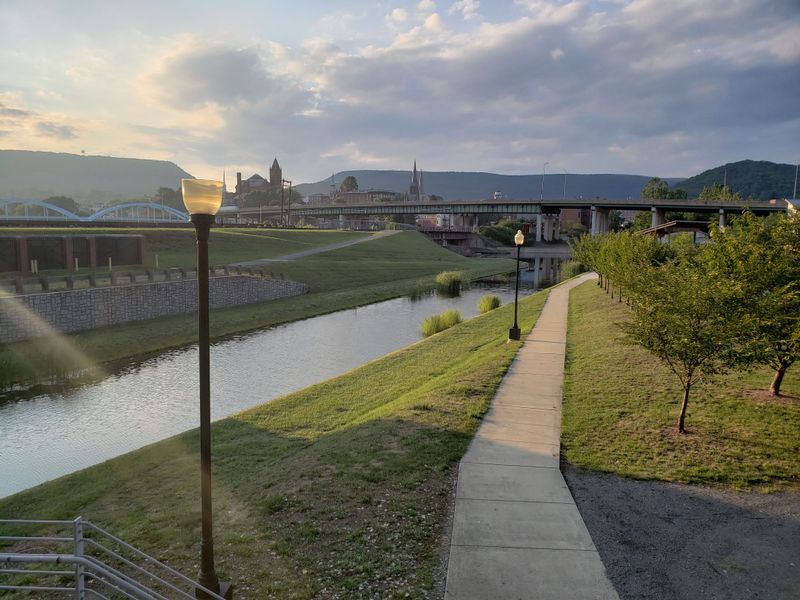
Long before Cumberland became a railroad town, it was a strategic outpost on the edge of the American frontier, and George Washington himself spent time here.
The small log cabin preserved in Riverside Park served as his headquarters during the French and Indian War, a conflict that shaped the future of the continent.
The structure is modest, just one room with rough-hewn logs and a simple fireplace, but it offers a tangible connection to a pivotal moment in American history.
Washington was a young officer at the time, tasked with defending British colonial interests against French forces and their Native American allies.
The cabin sits quietly in the park, surrounded by trees and accessible via a short walk from the main parking area.
Interpretive signs provide context about Washington’s time in the region and the broader military campaigns that unfolded in the Allegheny Mountains.
Visiting the cabin is a quick stop, but it adds historical depth to any trip to Cumberland.
It reminds you that this city, now known for trails and trains, once stood at the crossroads of empires and played a role in shaping the nation.
Riverside Park itself is a pleasant spot to relax, with open lawns, picnic areas, and views of the Potomac River.
The cabin is one of several historical markers scattered throughout the city, each offering a glimpse into a different chapter of Cumberland’s past.
For history enthusiasts, it is a must-see.
For casual visitors, it is a brief but meaningful detour that enriches your understanding of the area.
Either way, standing in front of the cabin where Washington once planned military strategies is a humbling experience that connects you to the early days of American history.
Allegany Museum
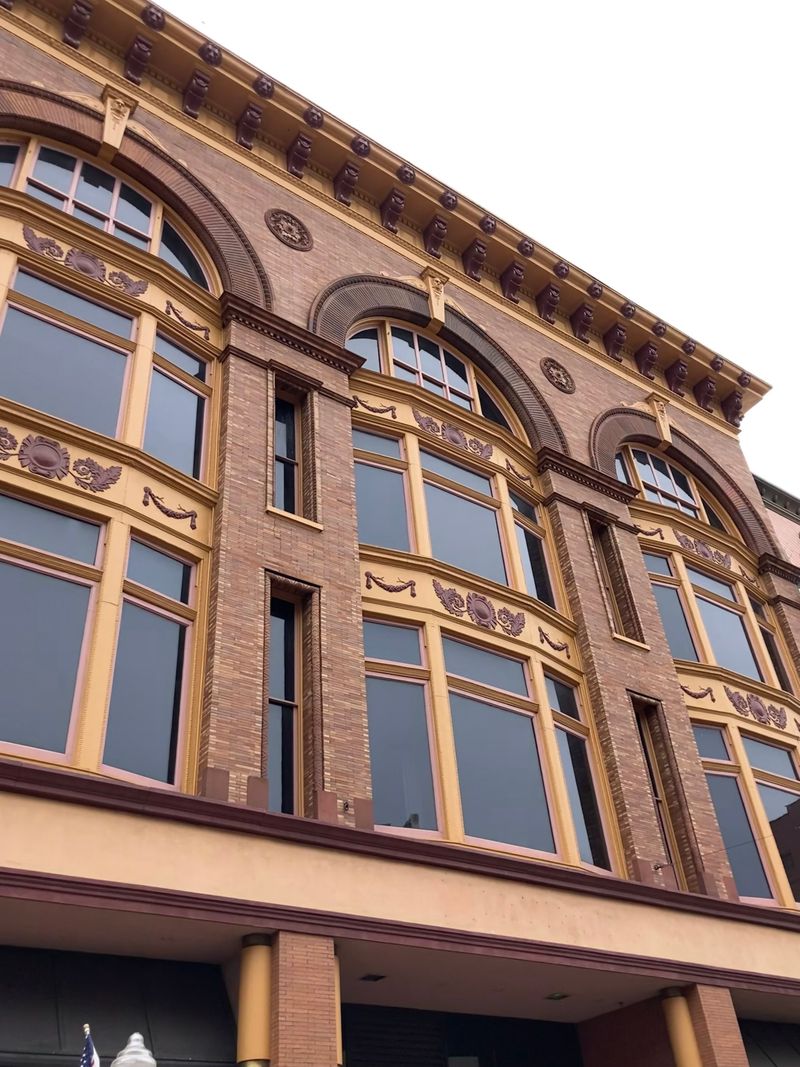
Regional museums often get overlooked, but the Allegany Museum deserves more attention than it typically receives.
Located in downtown Cumberland, the museum occupies a historic building and houses an impressive collection of artifacts, photographs, and documents that tell the story of western Maryland.
The exhibits cover a wide range of topics, from Native American settlements and colonial conflicts to the rise and fall of the coal and railroad industries.
One of the strengths of the museum is its focus on everyday life, not just major historical events.
You will find displays on local businesses, schools, and families, offering a window into how ordinary people lived and worked in this part of Maryland over the past two centuries.
The museum also features rotating exhibits that highlight specific themes or time periods, ensuring that repeat visitors always find something new.
Old photographs line the walls, showing Cumberland as it once was: a thriving industrial city with crowded streets, bustling train stations, and factories that employed thousands.
Comparing those images to the quieter city of today gives you a sense of how much has changed and how much remains.
The staff are knowledgeable and eager to share stories about the region, making a visit feel more personal than a typical museum experience.
Admission is affordable, and the museum is small enough to explore in an hour or two without feeling rushed.
For anyone interested in understanding Cumberland beyond its trails and scenery, the Allegany Museum provides essential context.
It is a place where the past is preserved not in grand monuments but in the small, tangible details of daily life, and that makes it all the more valuable.
Rocky Gap State Park
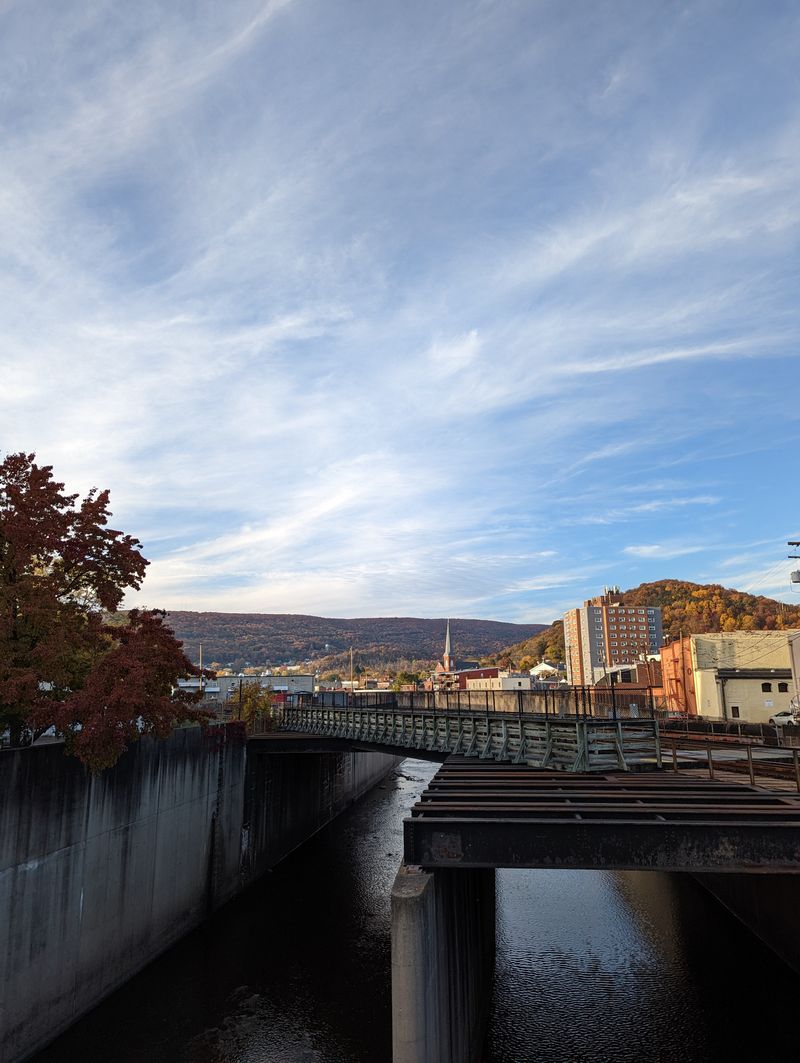
Just a short drive from Cumberland, Rocky Gap State Park offers the kind of natural escape that makes western Maryland such a compelling destination.
The park centers around Lake Habeeb, a calm, clear body of water surrounded by steep, forested ridges that create a sense of seclusion even during busy weekends.
Visitors come here to swim, kayak, fish, or simply sit by the water and watch the light change as the sun moves across the sky.
The beach area is family-friendly, with shallow water and sandy shores perfect for young children.
Beyond the lake, the park features miles of hiking trails that wind through hardwood forests and climb to overlooks with sweeping views of the surrounding mountains.
The trails vary in difficulty, with some suitable for beginners and others challenging enough to satisfy experienced hikers.
One of the most popular routes leads through Rocky Gap itself, a narrow gorge carved by centuries of water flow and framed by towering rock walls.
The park is also home to a golf course and a lodge, though the real draw is the landscape.
In spring, wildflowers carpet the forest floor, while summer brings lush greenery and the sound of cicadas filling the air.
Fall transforms the park into a riot of color, and winter offers a stark, peaceful beauty that few people take the time to appreciate.
Wildlife is abundant, with deer, turkeys, and a variety of bird species frequently spotted along the trails.
The park feels remote without being difficult to reach, making it an ideal day trip from Cumberland or a destination in its own right.
Whether you are here to hike, paddle, or simply unwind, Rocky Gap delivers the kind of outdoor experience that stays with you long after you leave.
Constitution Park
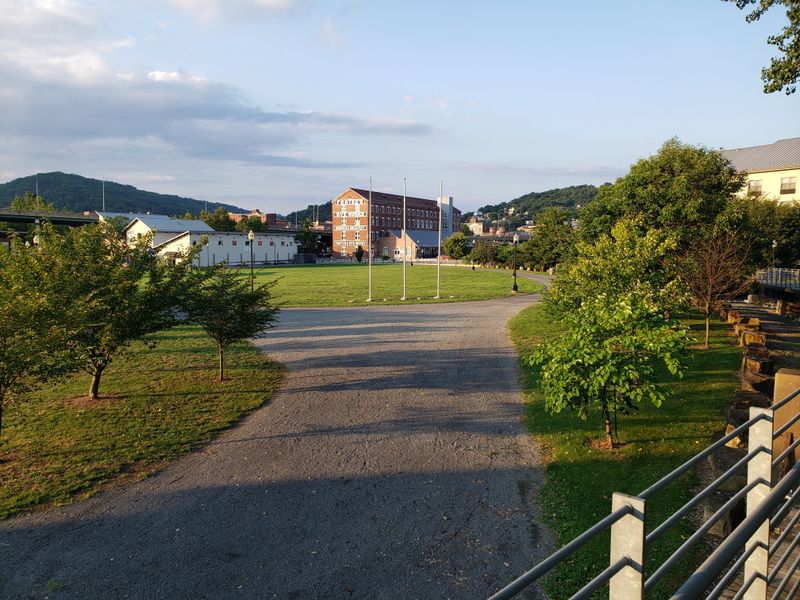
Not every attraction needs to be grand or historic to be worth your time, and Constitution Park proves that simple pleasures often matter most.
Located along the Potomac River, this park serves as a hub for recreation, relaxation, and community events in Cumberland.
Families gather here for picnics, kids play on the well-maintained playground, and joggers loop around the paved paths that wind through the open lawns.
The park is also home to sports fields, tennis courts, and a swimming pool that draws crowds during the summer months.
What makes Constitution Park special is its accessibility and its role as a gathering place for locals and visitors alike.
It is not a tourist trap or a manicured showpiece; it is a real community space where people come to unwind and enjoy the outdoors.
The views from the park are surprisingly pleasant, with the river on one side and the mountains rising in the distance on the other.
On warm evenings, the park fills with people walking dogs, tossing frisbees, or simply sitting on benches and watching the sun set behind the ridgelines.
The park also hosts seasonal events, including concerts, festivals, and farmers markets that showcase local vendors and musicians.
These gatherings give you a chance to experience Cumberland’s community spirit and meet the people who call this city home.
Constitution Park may not make it onto every travel itinerary, but it offers something that many tourists miss: a chance to slow down and experience a place as locals do.
It is a reminder that sometimes the best moments on a trip are the unplanned ones, spent in a park with no agenda other than enjoying the present.
Local Arts and Cultural Scene
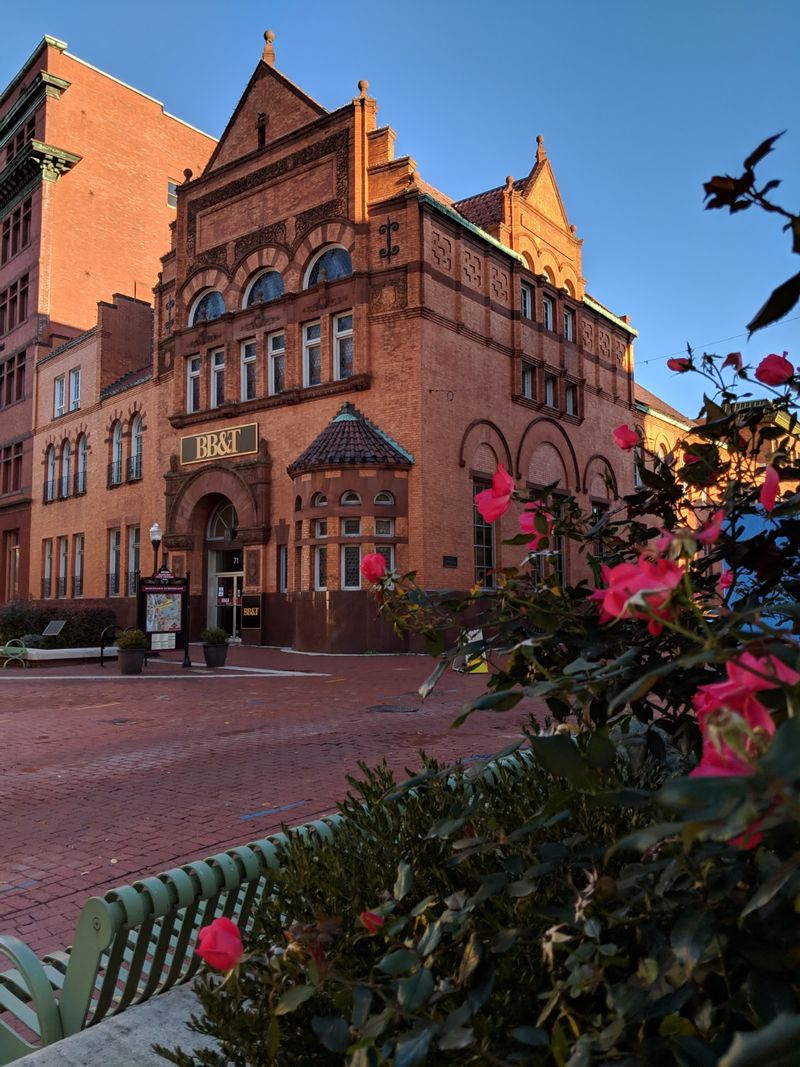
Cumberland may not have the flashy arts districts of larger cities, but its cultural scene is quietly thriving, driven by local artists, musicians, and community organizations who are invested in the city’s future.
Galleries and studios have opened in some of the historic downtown buildings, showcasing work by regional painters, sculptors, and craftspeople.
These spaces are often small and intimate, giving you a chance to meet the artists and learn about their creative processes in a way that feels personal rather than commercial.
The Saville Gallery, for example, features rotating exhibits that highlight both established and emerging talent from across western Maryland.
Live music is another key part of Cumberland’s cultural identity, with local venues hosting performances that range from bluegrass and folk to rock and blues.
Many of these shows take place in intimate settings where you can sit close to the stage and feel like part of the performance rather than just a spectator.
The city also supports community theater, with productions staged in historic buildings that add an extra layer of atmosphere to the experience.
What makes Cumberland’s arts scene special is its authenticity.
This is not a tourist-driven cultural district designed to attract visitors; it is a genuine expression of the community’s creativity and resilience.
Artists here are not chasing trends or trying to replicate what works in bigger cities; they are creating work that reflects their own experiences and the landscape around them.
Visitors who take the time to explore this side of Cumberland often come away with a deeper appreciation for the city and the people who call it home.
The arts and cultural scene is still growing, and that sense of possibility adds energy to the experience, making you feel like you are discovering something before it becomes widely known.
Dear Reader: This page may contain affiliate links which may earn a commission if you click through and make a purchase. Our independent journalism is not influenced by any advertiser or commercial initiative unless it is clearly marked as sponsored content. As travel products change, please be sure to reconfirm all details and stay up to date with current events to ensure a safe and successful trip.
