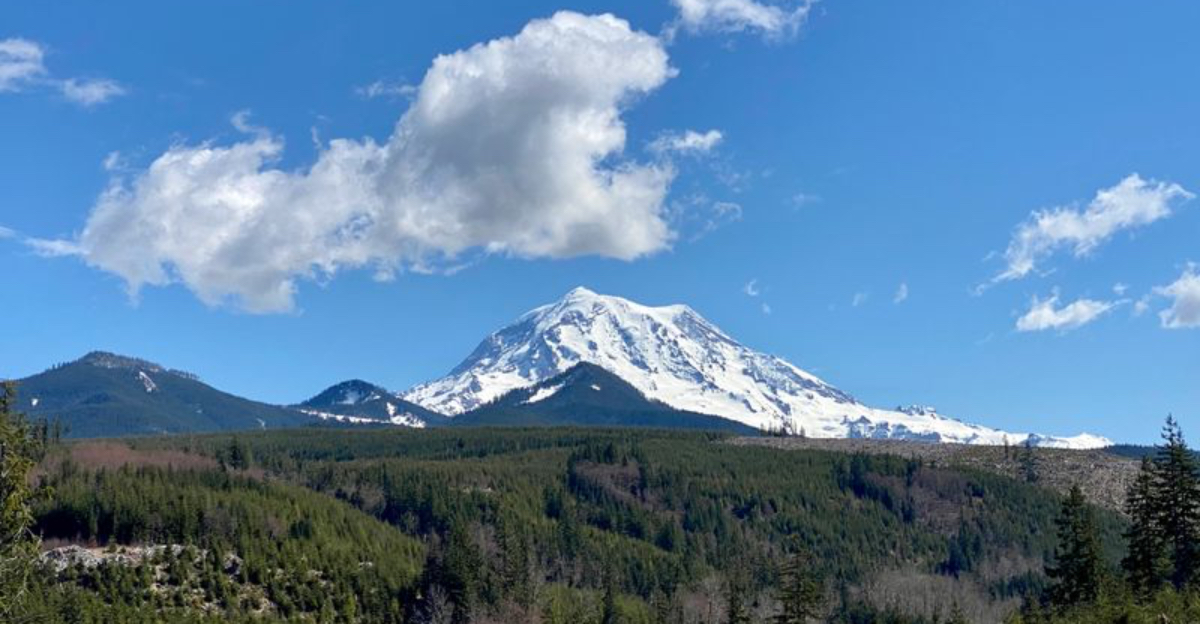
You roll into Carbonado and the trees seem to lean in, patient and unhurried, as if the forest itself is keeping old company.
The Carbon River murmurs beyond the houses, and the gravel under your shoes crunches like someone clearing a throat, asking you to listen closely.
Washington has flashier places, but this quiet town sits at the edge of Mount Rainier like a gatekeeper who knows every story and tells only the ones that matter.
If you are ready for a slower heartbeat and the kind of silence that remembers, this is where you start.
A Town Shaped By Coal And Timber

Carbonado carries its past in the facades of worker cottages and the grid of streets that tilt softly toward the Carbon River.
Coal once traveled this route in steady rhythm, leaving behind foundations, artifacts, and a resilient sense of work that still frames daily life.
You can feel the pattern of shift changes in the staggered porches and plain front yards, practical and weather aware.
Nothing here feels staged, and that honesty offers a rare lens on Washington history that usually hides behind glass.
Look closely and the details appear, from timber trim rubbed smooth by seasons to small sheds that whisper about tools now retired.
Even the air carries a trace of river silt and cedar dust that anchors you to place.
Stories spill out when you notice the scars on bridge railings and the worn steps outside the older homes.
They are not romantic stories, but they are true, and that makes them generous.
You will not find bright banners or polished plaques announcing turning points and names.
Instead, the town asks for patience and rewards it with texture.
Stand near the old corridors leading toward the Carbon River and imagine locomotives easing through the fog.
Then imagine the day they stopped, and how stillness changed everything yet somehow preserved the outline of purpose.
That outline remains visible in how people park trucks, stack firewood, and greet strangers briefly but kindly.
It is a working landscape even when the work has shifted, and that makes it easy to understand.
Walk slowly and let the unvarnished timeline come into focus, one unhurried block at a time.
Where The Carbon River Sets The Pace

The Carbon River runs cold and opaque, glacial silt turning it the color of stone milk, and that tone becomes the town’s metronome.
You hear it before you see it, a rounded rush that swallows echo and softens conversation at the bank.
Washington waterways often play host to spectacle, but this channel trades spectacle for steadiness.
Trailheads nearby trace old routes used by miners and survey crews, and their footprints still feel fresh after rain.
The river has many moods, yet even in quiet months the current insists on attention.
You walk with it, not against it, following the gravel bars like punctuation marks on a long sentence.
A fallen cedar bridges a side braid, and its bark peels in strips that smell like pepper and earth.
Birds stitch the canopy with quick darts, leaving the space between boughs clean and bright.
Skippers touch the water and vanish, and the surface returns to its slow shiver.
People passing nod gently, keeping voices low as if not to jar the rhythm.
The sound becomes a guide when fog sinks, leading you along without fuss.
It tells you when to stop, when to notice the slate shimmer at the bend, and when to keep going.
That is the Carbonado way, straightforward and measured, without flourish or hurry.
The river teaches it daily, and the town listens because the lesson is practical.
Stand long enough and your breathing syncs, and then the forest begins to speak clearly.
Edges Of Mount Rainier Begin Here

Carbonado sits just before the Carbon River Entrance to Mount Rainier National Park, which makes the town feel like a threshold more than a destination.
The approach along forested roadways tightens the frame until only trunks, moss, and a slice of sky remain.
You sense scale without seeing the summit, and that restraint heightens everything else.
Visitors often rush through, but slowing down clarifies what the park edge gives to daily life here.
Trails, weather, and light patterns shape decisions about errands, windows, and weekends.
It is a Washington reality that mountain proximity rearranges priorities.
When clouds drag low, the air smells like stone and cold bark, and the town adopts the mountain’s pace.
Gates open and close with the season, which turns attention toward what can be reached and what must wait.
That waiting creates patience, and patience becomes part of the character you notice in small talk.
There is no showy gateway, only a modest corridor tucked against the river.
The quiet amplifies the sense of crossing from yard to wilderness in a few measured steps.
You pack layers, choose sturdy shoes, and leave with an eye on the sky as if it were a timetable.
Return feels different every time, depending on rain, wind, and how much green the forest added to your vision.
The mountain is not a backdrop here, it is a neighbor with rules that everyone honors.
That arrangement keeps Carbonado grounded, practical, and ready for whatever the ridgeline sends next.
Architecture That Doesn’t Show Off
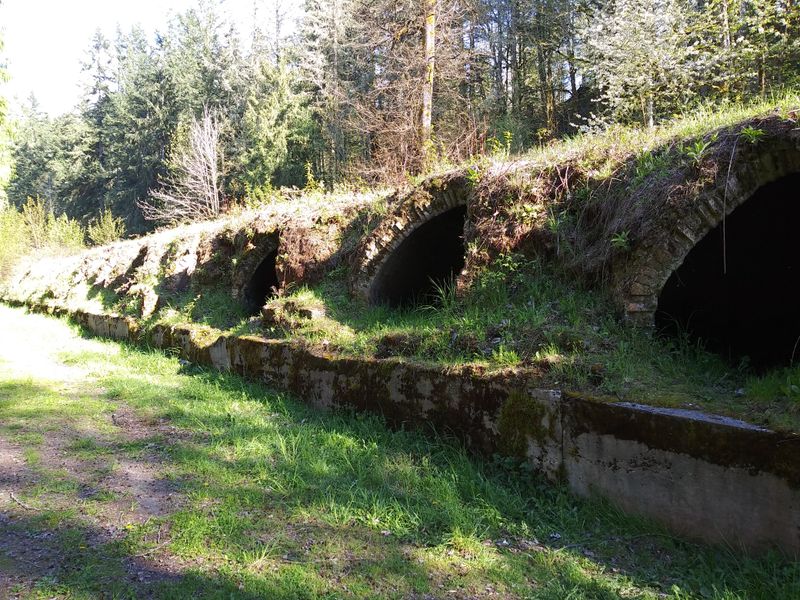
Houses in Carbonado keep their heads down with gable roofs, straightforward porches, and siding that looks built to endure drips and shade.
These are not statement homes, and that restraint makes them feel honest.
You can trace decades in the patchwork of paint and shingle repairs without needing a date plate.
Windows sit modestly, often framed by trim that has learned to shed rain the efficient way.
Small yards hold wood rounds, dog runs, and garden boxes positioned to chase slim bands of sun.
It is a Washington lesson in adaptation to long seasons of wet and a low winter ceiling.
Public buildings share the same quiet vocabulary with a little extra height and a careful doorway.
Even the school grounds look designed to meet the weather head on.
Narrow streets weave between structures with the calm of a pattern that grew slowly rather than being imposed.
No one is trying to reinvent anything, and that steadiness reads as care rather than neglect.
Details reward close inspection, like handrails worn smooth and steps that give slightly, familiar underfoot.
Old chimneys hold red against the green, offering the only bold color needed.
When afternoon breaks clear, the roofs turn dark and reflective, throwing back a soft gleam.
Shadows from tall firs mark time on clapboard, and the movement is almost ceremonial.
Walk a block and the repetition becomes comforting, a rhythm built from use and maintenance instead of display.
Listening For The Old Rail Line
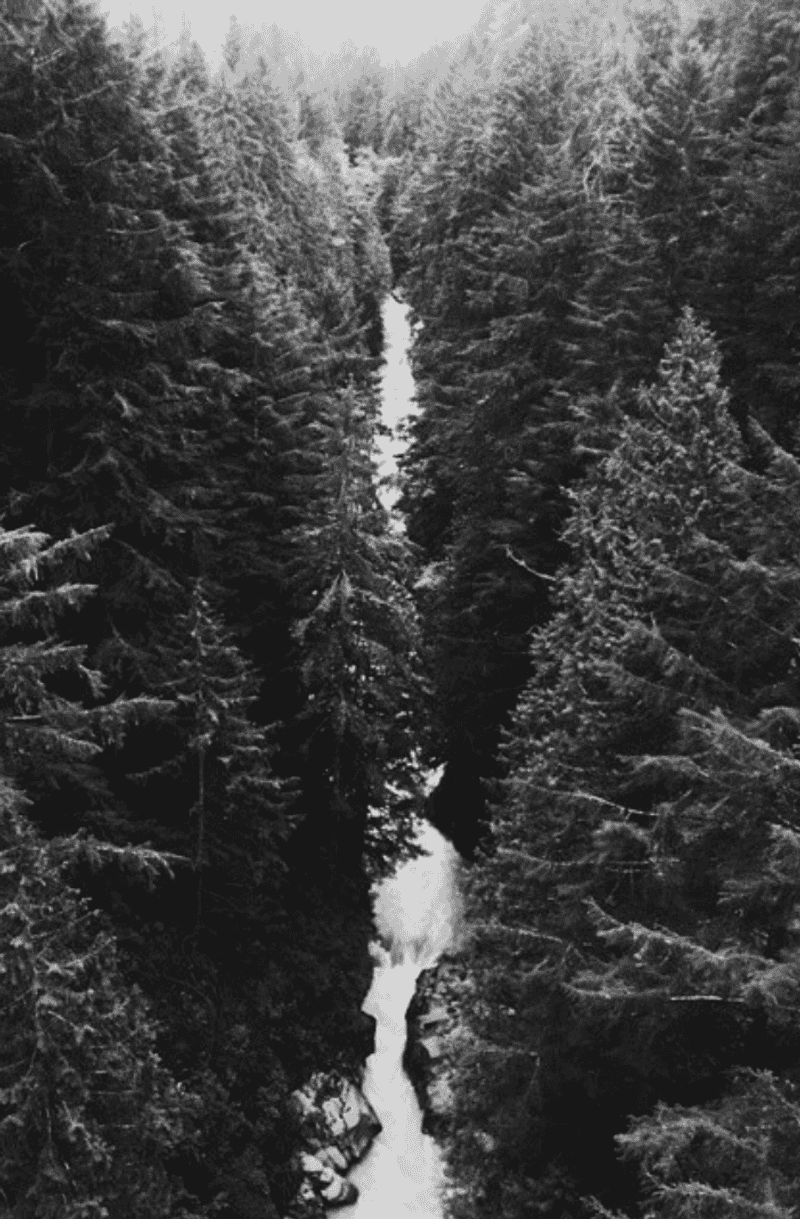
The ghost of the railroad threads Carbonado like a memory that refuses to fade, guiding eyes toward the river and the hills.
Grades remain visible where brush grows thinner and the ground sits strangely even.
You can almost hear steel in the distance when trucks hit certain seams in the road.
Rail meant movement, and movement kept the town aligned with a wider Washington map.
The absence now creates a pocket of quiet that you notice most when the wind drops.
Bridges, culverts, and cutbanks tell their story without needing interpretive signs.
They are the bones under the skin of the landscape, firm and purposeful.
Walk a former spur and you will find crushed rock that still resists weeds better than surrounding soil.
It grips your boots like a reminder that weight once lived here.
Every straightaway points cleanly, a discipline learned from schedules and freight.
If you measure a stride, you fall into a cadence not far from ties set end to end.
The pattern makes your steps feel organized, and the town feels organized alongside them.
That intangible order is part of the appeal for anyone who likes places that know their lines.
The rail is gone, but its logic remains, tamped into memory and into the ground itself.
Follow it long enough and you arrive back at the river, right where the story began.
The Forest As A Neighbor, Not A Backdrop
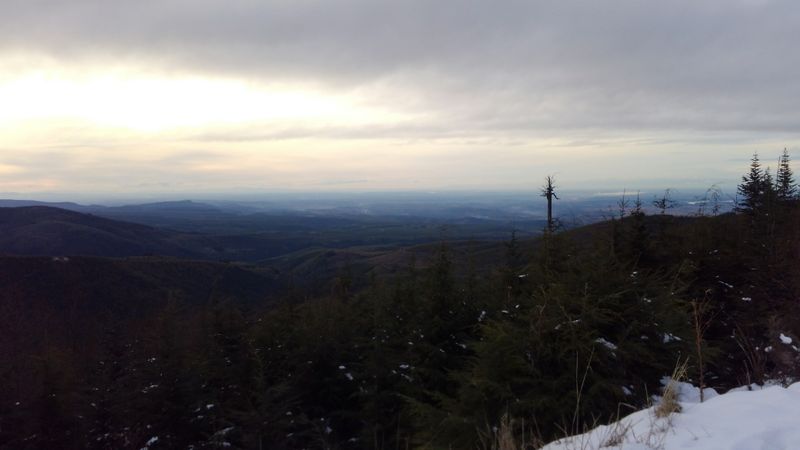
In Carbonado the forest is not scenery, it is a presence that leans over fences and brushes siding with wet needles.
Morning drips accumulate like a low conversation, steady and private.
You reach for a jacket out of habit because shade holds longer than sun here.
Trails branch off in practical ways, meant for getting somewhere rather than making a loop for show.
Signs are modest and sometimes absent, trusting local knowledge and careful steps.
That approach suits a Washington community that prizes understanding the terrain without fuss.
Moss folds over stumps and rocks until edges blur and paths feel soft underfoot.
In that softness, sound travels differently, absorbed and gentled.
Even a snapped twig seems polite, breaking once and then falling quiet.
You notice the air before the view, a cool, resinous weight settling on your shoulders.
Light filters in strips that shift with the wind and tilt with the hour.
Colors sit in the deeper part of green, patient and a little stubborn.
When you step back into town, the difference registers as warmth on your hands.
It is a simple exchange, forest to street and back again, repeated without ceremony.
That repetition sets the rhythm of Carbonado, dependable and unadorned.
Weather Rules The Schedule
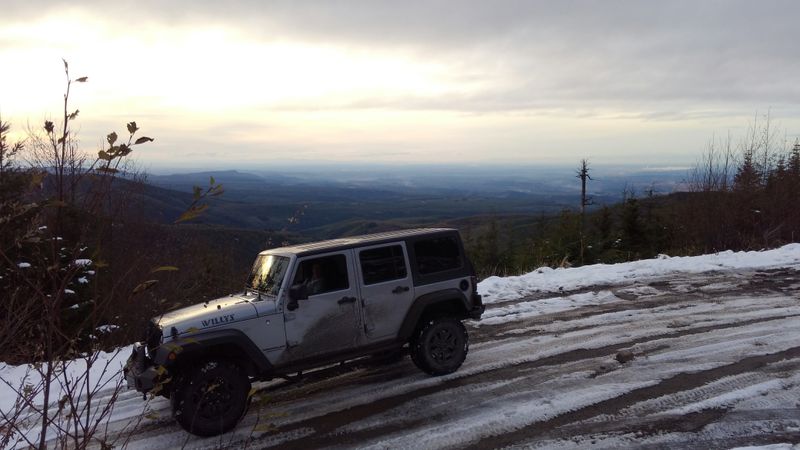
The forecast matters in Carbonado because it decides which roads feel friendly and which paths go slick under cedar shade.
Clouds arrive as a ceiling, low enough to lean on, and everything adjusts by instinct.
The smell of rain carries early, so plans shift before drops hit the step.
In Washington, people respect weather, and this town demonstrates that respect without drama.
Hoods go up, errands shorten, and boots beat a quicker line across puddled gravel.
When the sky opens, routines stretch back out and breaths lengthen.
Sunlight does not brag when it appears, but it changes the street color in an instant.
Windows catch gold tones and the river throws a muted shine through silt.
Dogs take longer loops and conversations last a minute more at the fence.
Fog changes directions inside the trees and wraps corners with a soft boundary.
It is not moodiness, just a set of conditions that locals read with quiet confidence.
You learn to do the same within a day or two because it is efficient.
Bags stay packed in the car with layers ready for quick changes without fuss.
The reward is moving easily, matching pace to the day instead of fighting it.
That is the Carbonado skill, small and practical, the kind of wisdom that sticks.
Getting Here Without A Scene

Reaching Carbonado is straightforward, a quiet drive that leaves bigger highways behind and slips into forested bends.
The transition arrives without a signboard moment, and that suits the town well.
Traffic thins, speeds drop, and shoulders narrow until everything feels personal again.
This is Washington driving at its calmest, marked by mossy guardrails and patient corners.
Cell service varies, so prepare your route before the trees make their own rules.
Fuel up earlier and keep a light hand on timing because daylight shifts quickly under canopy.
Parking does not announce itself, but spaces appear where they always have, near community hubs and along simple streets.
Walk the last stretch if you can, letting the change in sound signal your arrival.
Gravel underfoot says you are close, and the river confirms it a moment later.
There is no welcome arch, only the steady pace of houses and a sense that you are expected to behave kindly.
Maps show the Carbon River Entrance farther ahead, but the town deserves a pause first.
Stop, listen, and note how quickly your voice blends with the place.
Leaving happens in reverse, a slow unwind back to broader lanes and brighter signs.
You will measure distance by how long the forest stays in your ears after the last turn.
For many, that echo is reason enough to return on the next easy day.
Why The Quiet Works
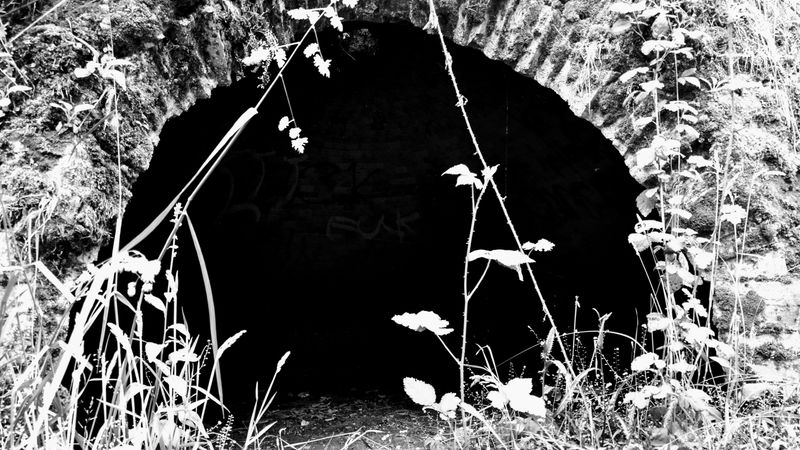
Some call Carbonado dull because it refuses the stage, yet the quiet makes room for details that busy places blur.
You hear your own footsteps and they sound honest, unpushed, and steady.
The day stretches without a checklist, and that emptiness becomes a gift.
Washington has famous viewpoints, but this town offers a clean frame for the space inside your head.
It is not about finding attractions, it is about giving attention to regular life shaped by forest and river.
That attention sharpens your senses and slows your pace in the best way.
Conversations happen briefly and carry weight because they waste nothing.
People look you in the eye and then return to the work at hand.
You are welcome, but you are also expected to match the tone and tread lightly.
There is satisfaction in that mutual understanding, simple and dependable.
The value shows up in how rested you feel after doing almost nothing.
Your mind stops grabbing for the next thing and notices where you stand.
By evening the smell of wood and wet road settles into your clothes like a souvenir.
No purchase required, just presence, which costs attention and returns clarity.
That is why Carbonado lingers long after the map turns back to white space.
Dear Reader: This page may contain affiliate links which may earn a commission if you click through and make a purchase. Our independent journalism is not influenced by any advertiser or commercial initiative unless it is clearly marked as sponsored content. As travel products change, please be sure to reconfirm all details and stay up to date with current events to ensure a safe and successful trip.
