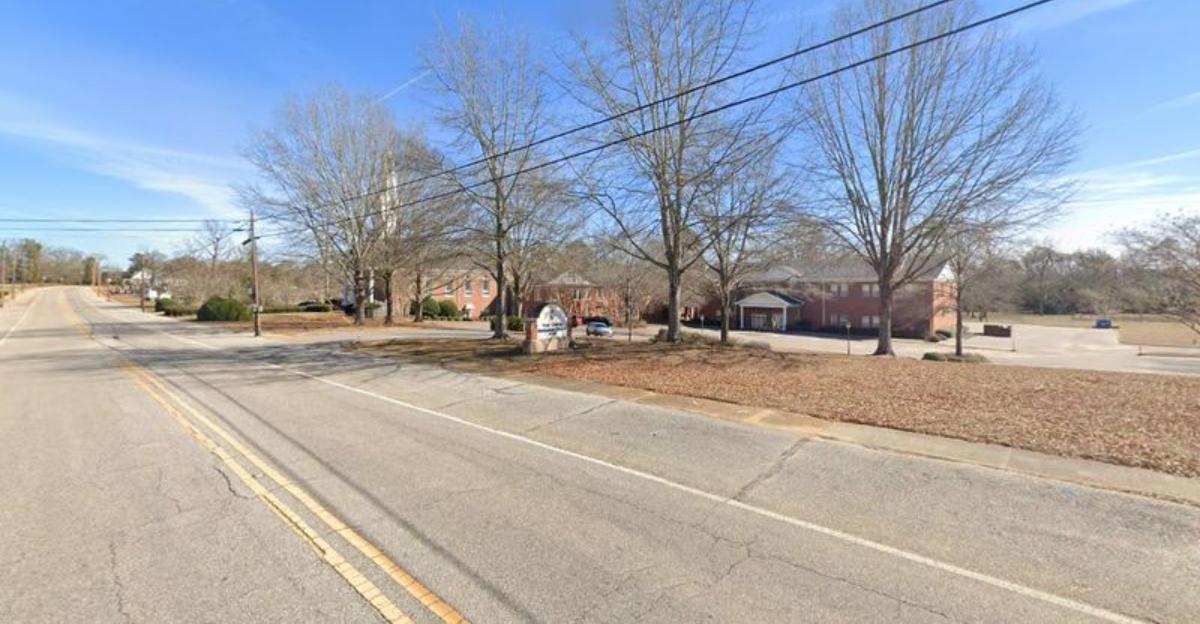
Monroeville sits quietly in the heart of Monroe County, home to just under 6,000 residents and a surprising literary legacy that most travelers never discover.
This small Alabama town earned the title “Literary Capital of Alabama” thanks to famous writers like Harper Lee and Truman Capote, yet it remains largely overlooked by tourists rushing between bigger Southern destinations.
What seems like a sleepy, uneventful stop at first glance actually holds fascinating historical treasures, authentic Southern charm, and cultural experiences that can’t be found in more commercialized towns.
Visitors who skip Monroeville often realize too late they missed something genuinely special; a place where American literary history comes alive, where courthouse architecture tells stories of justice and creativity, and where the pace of life invites you to slow down and appreciate details that busier cities have long forgotten.
Old Monroe County Courthouse Museum
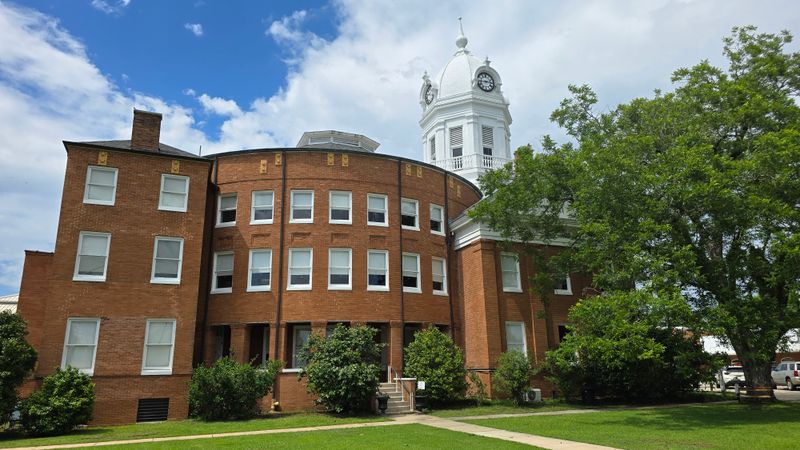
Standing proudly at 31 North Alabama Avenue, Monroeville, AL 36460, the Old Monroe County Courthouse represents one of the most significant literary landmarks in American history.
Built in 1903, this stately structure served as the real-life inspiration for the courtroom scenes in Harper Lee’s Pulitzer Prize-winning novel “To Kill a Mockingbird.”
Walking through its doors feels like stepping directly into the pages of that beloved book, where Atticus Finch defended Tom Robinson in a trial that changed American literature forever.
The courthouse museum preserves the original courtroom on the second floor, complete with wooden benches, a judge’s bench, and the balcony where Scout, Jem, and Dill watched the trial unfold.
The atmosphere carries a weighty sense of history that makes visitors pause and reflect on themes of justice, courage, and moral integrity that remain relevant today.
Docents share fascinating stories about Harper Lee’s childhood, her friendship with Truman Capote, and how their experiences in this very building shaped their writing careers.
Each spring, the courthouse comes alive with performances of “To Kill a Mockingbird,” staged right in the authentic courtroom where the story was born.
Actors perform on the same floor where Harper Lee’s father practiced law, creating an immersive theatrical experience unlike any other in the country.
The museum also houses exhibits about Monroe County history, including displays about the area’s Native American heritage and Civil War connections.
Travelers who skip this courthouse miss the chance to stand where American literary giants found their inspiration.
The building’s architecture showcases beautiful neoclassical design with tall columns and symmetrical windows that photograph beautifully against the Alabama sky.
Unlike crowded tourist attractions in larger cities, this museum offers intimate access to history without long lines or overwhelming crowds, allowing visitors to truly absorb the significance of what happened within these walls.
Alabama Writers Hall of Fame
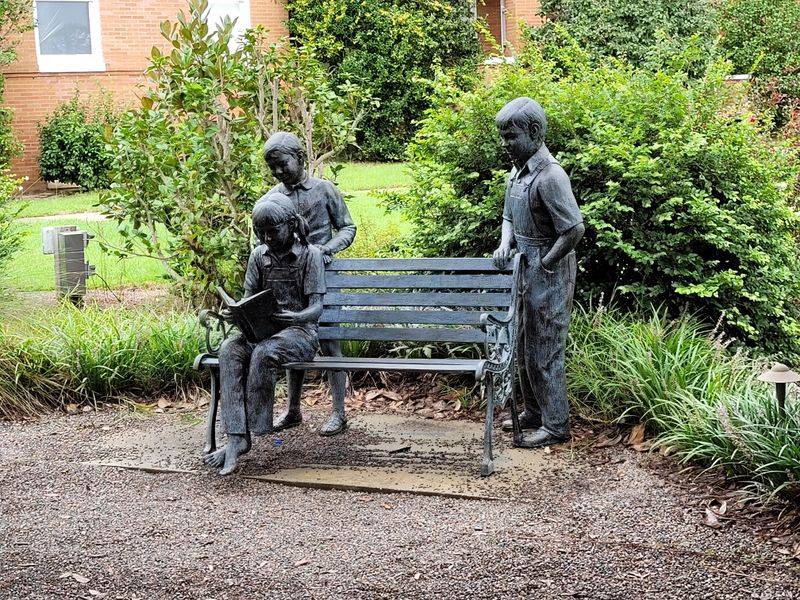
Located at 212 North Mount Pleasant Avenue, Monroeville, AL 36460, the Alabama Writers Hall of Fame celebrates the state’s remarkable literary heritage in a way that brings words to life.
This specialized museum honors Alabama’s most influential authors, including Harper Lee, Truman Capote, Helen Keller, and dozens of other writers who shaped American literature.
The collection features first editions, personal letters, manuscripts, photographs, and artifacts that reveal the creative processes behind some of America’s most beloved books.
What makes this hall of fame particularly special is its focus on storytelling rather than simply displaying objects behind glass.
Interactive exhibits allow visitors to listen to audio recordings of authors reading their own work, watch documentary footage about their lives, and explore how Alabama’s landscape and culture influenced their writing.
The museum staff takes pride in making literature accessible and engaging for all ages, with special programs designed to inspire young readers and writers.
The building itself creates an intimate atmosphere perfect for contemplation and discovery.
Comfortable seating areas invite visitors to sit and browse through books by featured authors, creating a library-like environment that encourages spending time with the written word.
Natural light filters through windows, illuminating display cases that rotate exhibits throughout the year to highlight different writers and literary movements.
Many travelers bypass Monroeville without realizing this concentrated collection of literary history exists in such a small town.
The hall of fame doesn’t just honor dead authors; it actively promotes Alabama’s living writers and hosts readings, book signings, and writing workshops that connect contemporary voices with literary tradition.
For anyone who loves books, this museum offers a treasure trove of discovery that rivals collections in much larger cities, all presented with Southern hospitality and genuine enthusiasm for the written word.
Truman Capote Childhood Home Site
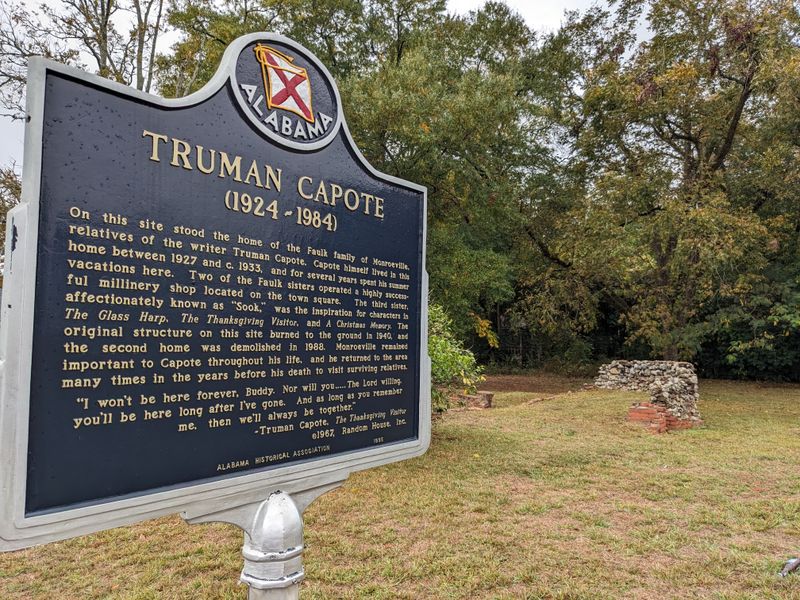
At 83 South Alabama Avenue, Monroeville, AL 36460, a historical marker identifies where Truman Capote spent formative childhood years that would influence his groundbreaking literary career.
Though the original house no longer stands, the site holds profound significance for understanding how this small Alabama town shaped one of America’s most distinctive literary voices.
Capote lived with his elderly cousins in Monroeville during the 1930s, forming a legendary friendship with neighbor Harper Lee that would inspire characters in both their most famous works.
The neighborhood surrounding this site retains much of its 1930s character, with modest homes featuring front porches, mature oak trees providing shade over sidewalks, and a quiet atmosphere that helps visitors imagine what life was like when two future literary giants played together as children.
Walking these streets offers insight into the Southern Gothic sensibility that permeates both Capote’s “Other Voices, Other Rooms” and Lee’s “To Kill a Mockingbird.”
The small-town setting with its complex social dynamics, eccentric characters, and rigid class structures became fertile ground for their storytelling.
Historical markers in the area provide context about Capote’s time in Monroeville, explaining how his outsider status as a sensitive, artistic child in a conservative small town influenced his perspective as a writer.
His experiences here contributed to his development of the “nonfiction novel” genre and his keen eye for observing human behavior in intimate detail.
The site also acknowledges the complicated relationship between Capote and his hometown; he drew inspiration from Monroeville but also felt constrained by its conventions.
Visitors who take time to explore this location gain deeper understanding of how place shapes creativity.
The site isn’t commercialized or overly developed, maintaining an authentic connection to the past that feels more genuine than many heavily marketed literary tourism destinations.
Standing where Capote once lived helps readers connect his extraordinary prose to the ordinary Southern town that nurtured his imagination during crucial developmental years.
Mel’s Dairy Dream
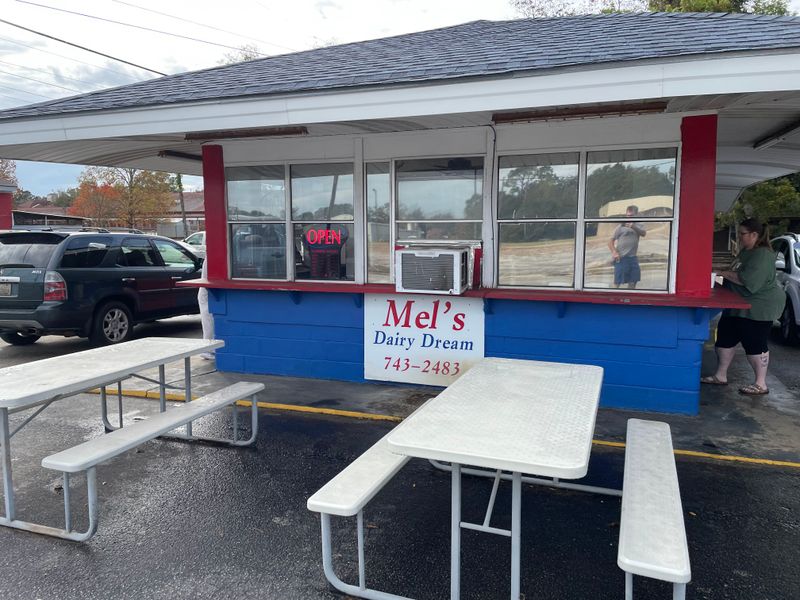
Positioned at 4179 South Alabama Avenue, Monroeville, AL 36460, Mel’s Dairy Dream serves as the town’s beloved gathering spot where generations of families have created sweet memories.
This classic roadside ice cream stand embodies the kind of authentic Americana that’s rapidly disappearing from the Southern landscape.
With its simple menu board, outdoor picnic tables, and no-frills approach to service, Mel’s represents the unpretentious charm that defines Monroeville’s character; a place where quality matters more than flashy presentation.
The menu features traditional favorites like soft-serve cones, milkshakes, banana splits, and sundaes alongside Southern specialties that reflect local tastes.
Hand-dipped ice cream comes in flavors that change seasonally, with options like fresh peach during summer months when local orchards provide fruit.
The portions are generous, the prices remain remarkably affordable, and the staff treats regulars and visitors with equal warmth and efficiency.
What makes Mel’s special isn’t just the ice cream; it’s the atmosphere of community connection that surrounds every visit.
On warm evenings, families gather at the outdoor seating area, children run around the parking lot with dripping cones, and neighbors catch up on local news while enjoying their treats.
The casual environment invites lingering rather than rushing, embodying the slower pace of life that characterizes small Southern towns.
There’s no pressure to order quickly or vacate your table, creating a relaxed social space that feels increasingly rare in modern America.
Travelers who speed past Monroeville miss this opportunity to experience authentic local culture in its most unpretentious form.
Mel’s doesn’t try to be trendy or Instagram-worthy; it simply serves good ice cream in a friendly environment where strangers become temporary neighbors.
The experience offers a glimpse into how Monroeville residents actually live, socialize, and find joy in simple pleasures.
For anyone seeking genuine Southern hospitality rather than manufactured tourist experiences, Mel’s Dairy Dream delivers exactly what small-town Alabama does best.
Monroe County Heritage Museums
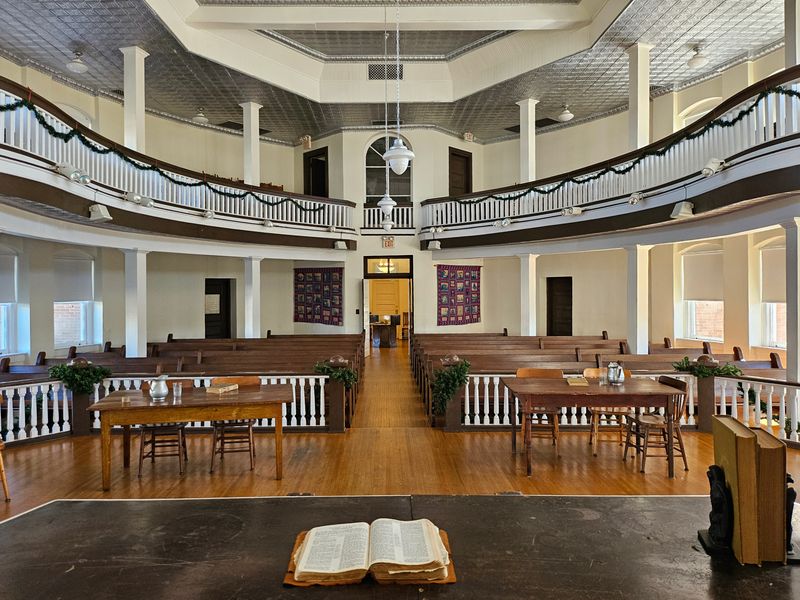
Situated at 31 Pineville Road, Monroeville, AL 36460, the Monroe County Heritage Museums preserve the broader historical context beyond Monroeville’s literary fame.
This collection of buildings and exhibits tells the story of how this region of Alabama developed from Native American settlements through agricultural prosperity to its present-day identity.
The museums showcase artifacts, photographs, documents, and restored structures that illuminate the daily lives of ordinary people who built this community over generations.
The main museum building houses rotating exhibits that explore various aspects of Monroe County history, including the area’s cotton economy, timber industry, and railroad development.
Displays feature agricultural tools, household items, clothing, and personal effects that help visitors understand how residents lived, worked, and entertained themselves before modern conveniences.
Particularly fascinating are exhibits about the area’s Creek Indian heritage and the complex racial history that shaped the region’s social structures; topics that provide essential context for understanding Harper Lee’s literary themes.
Behind the main building, a collection of restored historical structures creates an outdoor museum village.
A one-room schoolhouse, blacksmith shop, and pioneer cabin allow visitors to step inside authentic buildings and imagine life in earlier eras.
Each structure contains period-appropriate furnishings and tools, with informative signage explaining how people used these spaces.
The outdoor setting creates a pleasant environment for exploration, especially during mild weather when the surrounding trees provide natural shade.
Museum volunteers, many of whom have deep family roots in Monroe County, share personal stories and local knowledge that bring exhibits to life.
Their enthusiasm for preserving community history creates a welcoming atmosphere that encourages questions and conversation.
Unlike impersonal big-city museums with audio guides and restricted access, this smaller institution offers direct human connection with knowledgeable locals who genuinely care about their heritage.
Visitors who skip Monroeville miss this intimate window into authentic Southern history, told by people whose ancestors lived these experiences.
First United Methodist Church
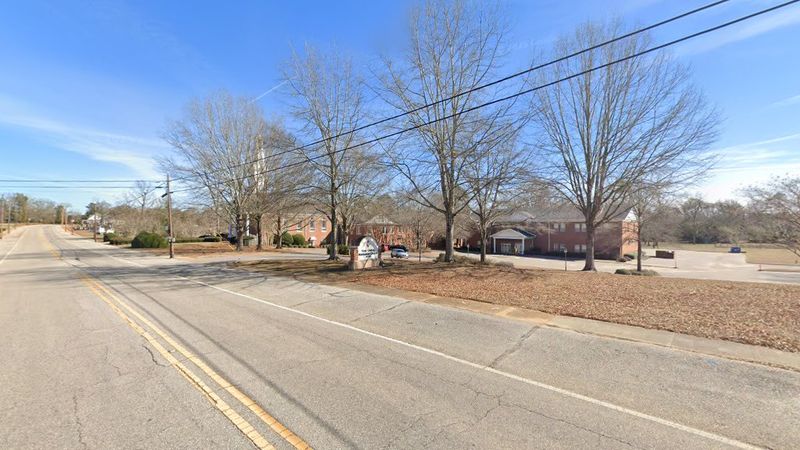
Rising gracefully at 180 Claiborne Street, Monroeville, AL 36460, the First United Methodist Church stands as an architectural landmark that has anchored the community’s spiritual life since the 19th century.
This beautiful Gothic Revival structure features a prominent steeple, pointed arch windows, and detailed brickwork that exemplifies the craftsmanship of its era.
Beyond its religious significance, the church represents the central role that faith communities played in shaping Southern town life, providing not just worship services but also social connection, education, and community support.
The church’s interior maintains its historical character with original wooden pews, stained glass windows that cast colored light across the sanctuary, and a traditional pipe organ that fills the space with rich sound during services.
The architecture creates an atmosphere of reverence and beauty that invites contemplation regardless of one’s religious background.
Many of Monroeville’s prominent historical figures, including members of Harper Lee’s family, worshiped in this sanctuary, making it part of the town’s literary heritage as well as its spiritual history.
The church grounds include well-maintained gardens and a cemetery where generations of Monroe County residents rest, their headstones telling stories of family connections, military service, and community leadership.
Walking through this peaceful space offers insight into how families and communities developed over time, with surnames appearing across multiple generations.
The care taken to preserve both the building and its surroundings demonstrates Monroeville’s commitment to honoring its past while remaining an active, living congregation.
Visitors who overlook Monroeville miss the chance to appreciate how beautifully preserved religious architecture contributes to a town’s character and identity.
The church welcomes visitors interested in its history and architecture, with members happy to share information about the building’s significance.
The structure represents the enduring values of faith, community, and tradition that continue to define small Southern towns, offering a counterpoint to the rapid change and transience that characterize modern American life.
David’s Catfish House
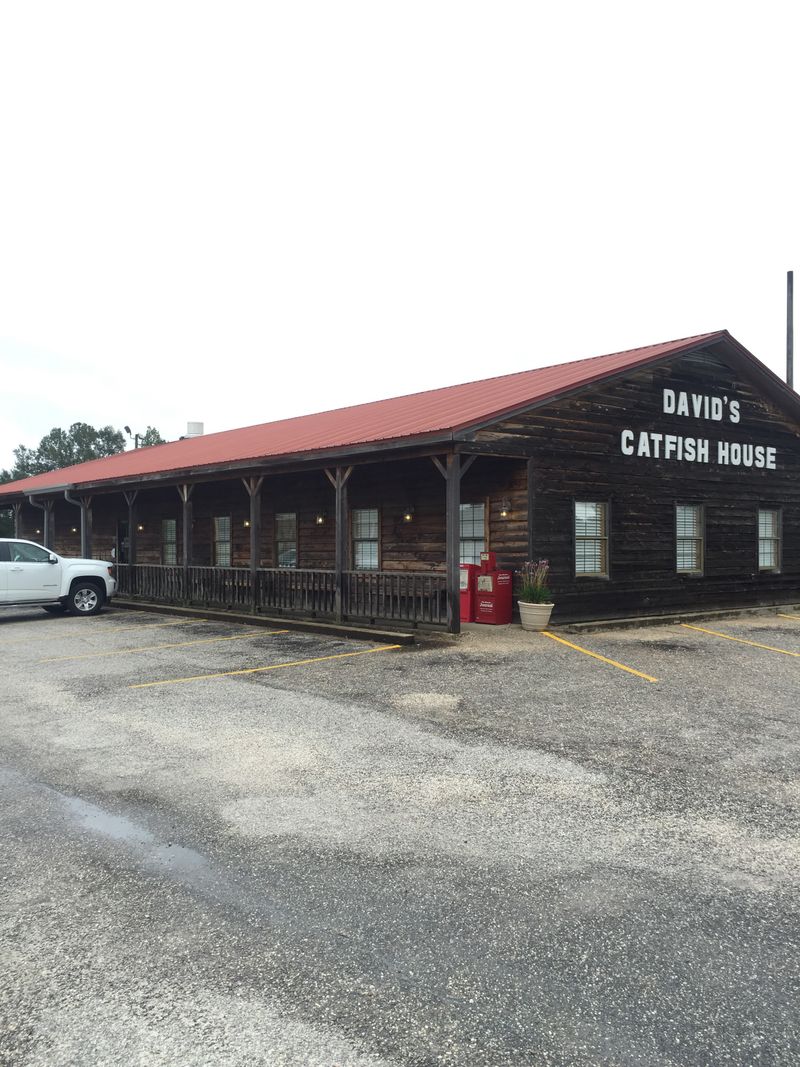
Located at 305 South Mount Pleasant Avenue, Monroeville, AL 36460, David’s Catfish House delivers authentic Southern cooking in an atmosphere that feels like visiting a friend’s comfortable home.
This local favorite specializes in fried catfish prepared the traditional Alabama way; cornmeal-breaded, perfectly seasoned, and fried until golden and crispy on the outside while remaining tender and flaky inside.
The restaurant embodies the unpretentious approach to dining that characterizes Monroeville, where food quality and generous portions matter more than trendy presentation or elaborate décor.
The menu extends beyond catfish to include other Southern classics like fried chicken, barbecue, hush puppies, coleslaw, and a rotating selection of vegetables prepared the way grandmothers throughout the South have cooked them for generations.
Sides come in hearty portions, served family-style at many tables, encouraging sharing and conversation.
The sweet tea flows freely, served in large glasses with plenty of ice, exactly as Southerners prefer it.
Desserts feature homemade pies and cobblers that change with the seasons, showcasing local fruits when available.
The dining room maintains a casual, welcoming atmosphere with simple wooden tables, practical seating, and décor that prioritizes comfort over style.
Staff members treat customers like neighbors, remembering regular visitors and making newcomers feel immediately welcome.
Service moves at a relaxed pace that matches the town’s overall tempo; meals here aren’t rushed experiences but opportunities to slow down and enjoy good food in good company.
The restaurant fills with local families during dinner hours, creating a lively buzz of conversation that makes solo diners feel part of the community rather than isolated.
Travelers who bypass Monroeville miss the opportunity to experience this kind of genuine Southern cooking in its natural habitat.
David’s doesn’t cater to tourist expectations or modify traditional recipes for outsider palates; it simply serves the food that local residents love, prepared with skill and served with pride.
The experience offers cultural immersion that can’t be manufactured or replicated in chain restaurants or even in upscale Southern cuisine establishments in bigger cities.
Dear Reader: This page may contain affiliate links which may earn a commission if you click through and make a purchase. Our independent journalism is not influenced by any advertiser or commercial initiative unless it is clearly marked as sponsored content. As travel products change, please be sure to reconfirm all details and stay up to date with current events to ensure a safe and successful trip.
