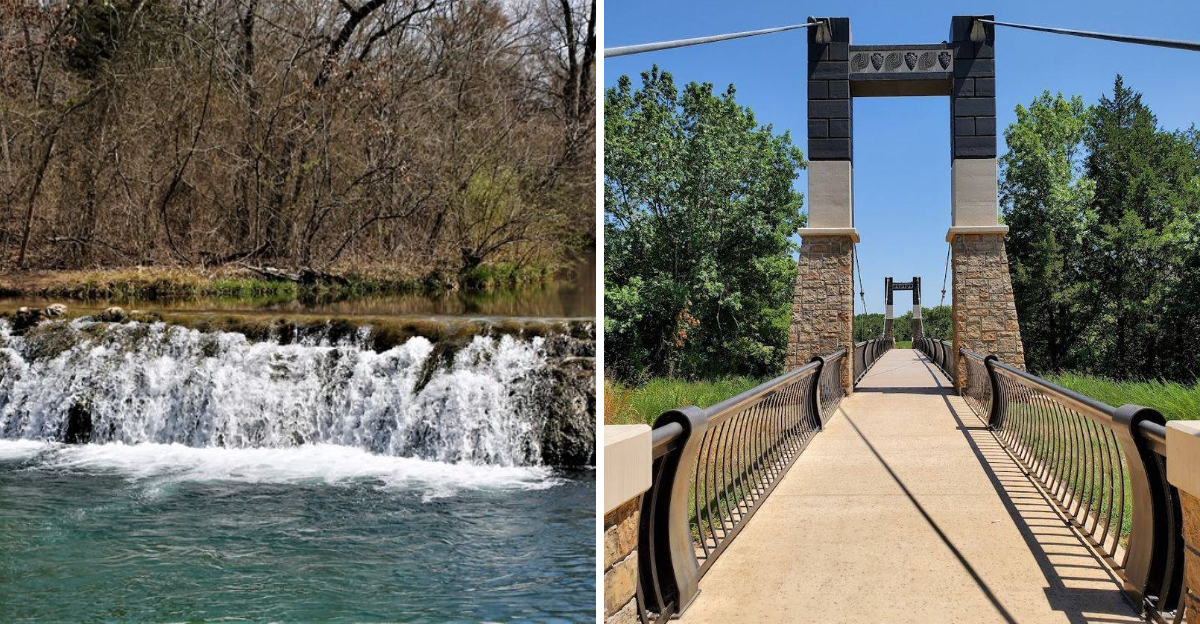
The first time I walked this trail in southern Oklahoma, I could hear the water before I could see it. The path wound through tall shade trees, the sound of a creek getting louder with every step.
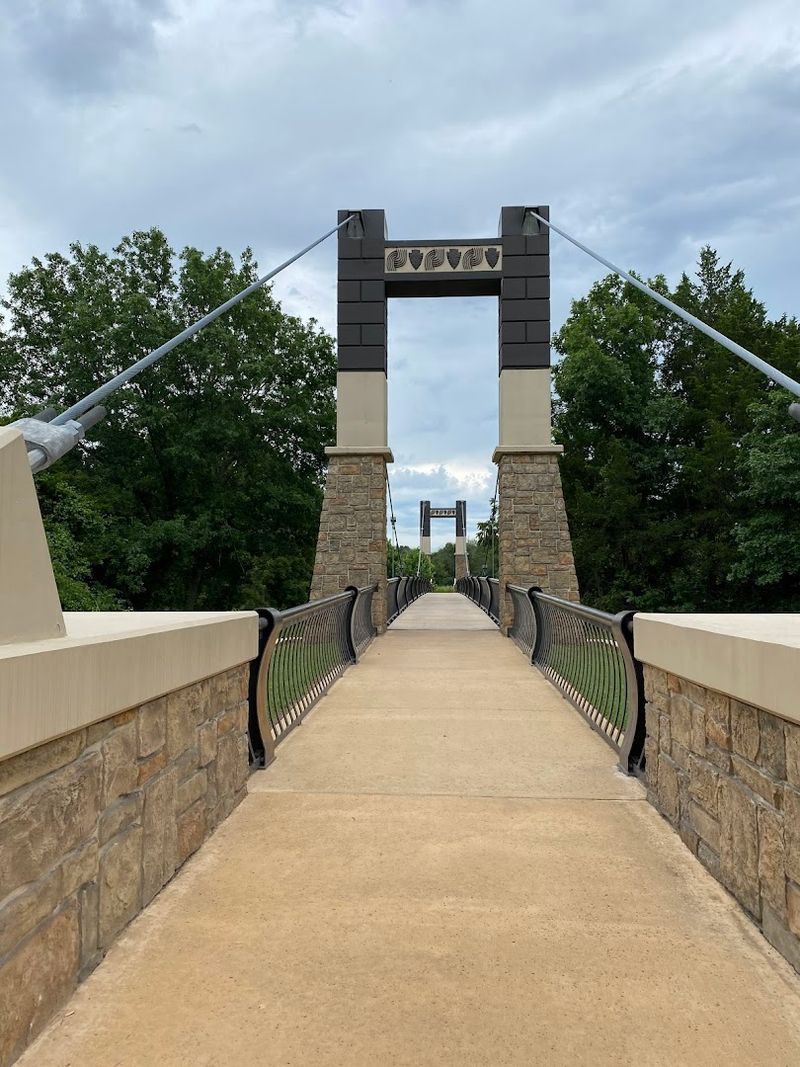
Then I rounded a bend and stopped. Right in front of me was a suspension bridge stretching across clear, sparkling water, gently swaying like something out of a storybook.
It felt almost too charming to be real. Meanwhile cars were driving through the area just a few minutes away, most people having no idea this little adventure was sitting here waiting.
The trail along Travertine Creek inside one of Oklahoma’s most loved national recreation areas is short and easy, but the payoff feels much bigger than the effort. A few minutes of walking and suddenly you are standing in a place that feels completely removed from the highway.
The Moment You Step Onto the Travertine Creek Trail
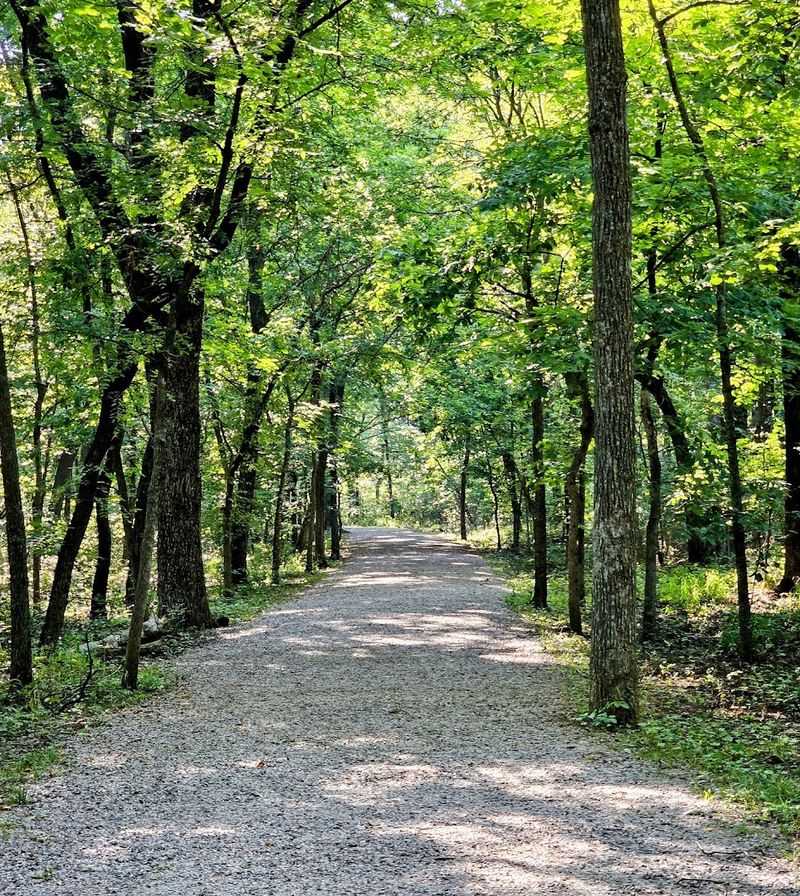
Some trails announce themselves with a dramatic entrance. This one starts quietly, almost shyly, with a narrow path slipping into a canopy of trees that immediately drops the temperature by several degrees.
The shift from hot Oklahoma air to cool, shaded forest feels almost magical.
The Travertine Creek Trail at Chickasaw National Recreation Area stretches about 2.8 miles out and back, making it a very manageable hike for almost anyone. Families with young kids, older hikers, and first-timers all find their footing here without much trouble.
The terrain stays gentle throughout, with only minor elevation changes that keep things interesting without punishing your knees.
What strikes you right away is the sound. Travertine Creek runs alongside the trail for much of the route, and the constant, soft gurgling of water becomes your hiking soundtrack.
It is the kind of background noise that makes you breathe slower and look around more. The trees press in close, birds call from somewhere above, and the whole atmosphere feels far removed from everyday life.
You forget pretty quickly that a parking lot and a highway exist just behind you.
Finding the Suspension Bridge Hidden in the Trees
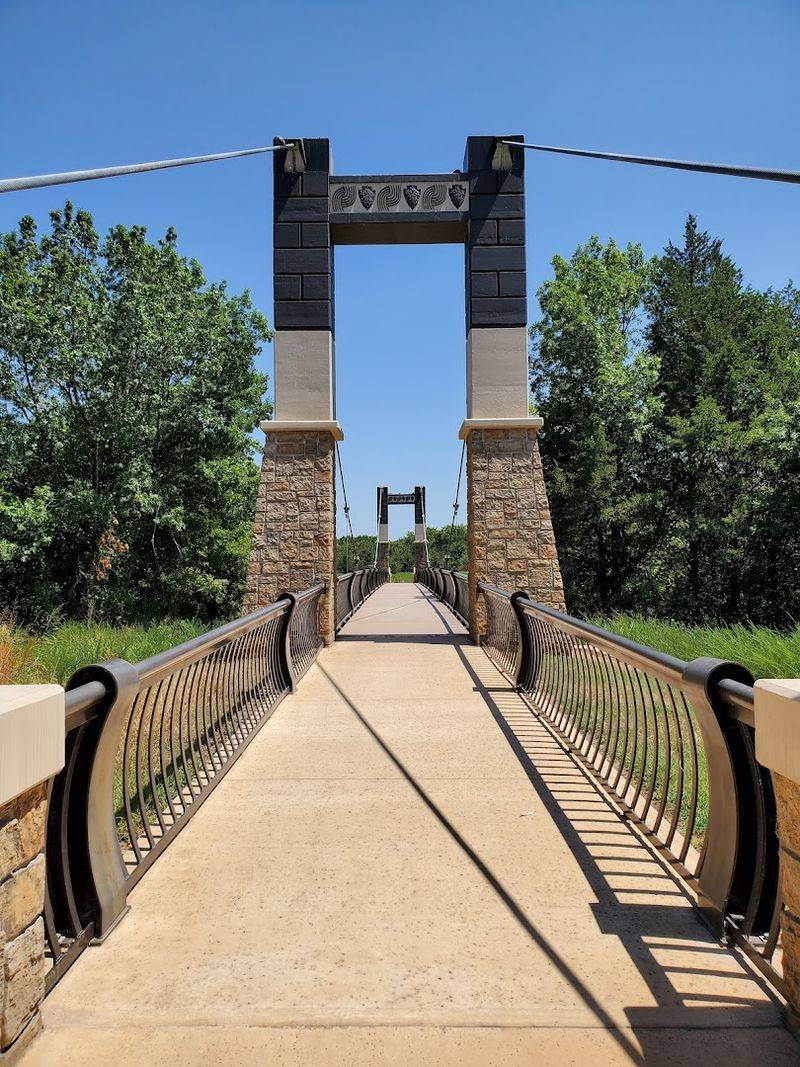
Nobody warns you about it, and that is honestly part of the charm. You are walking along, watching the creek shimmer through the tree trunks, and then the trail curves and there it is: a suspension bridge hanging over the water like a scene from an old adventure film.
The bridge at Chickasaw National Recreation Area crosses Travertine Creek and gives you a moment to stop completely. Standing in the middle of it, you can look down at the clear water moving below, feel the slight sway under your feet, and hear the creak of the structure blending with the creek sounds.
It is the kind of spot that makes you pull out your phone to take a photo even if you never usually do that.
What makes it feel special is how unexpected it is. There are no giant signs pointing you toward it.
The park does not plaster it on every brochure. You simply walk the trail and discover it for yourself, which feels like a small but genuine reward.
Kids absolutely love crossing it, and watching adults try to act cool while secretly gripping the rope rails is quietly entertaining. Cross it once, then cross it again on the way back.
You will want to.
What the Creek Looks Like Up Close
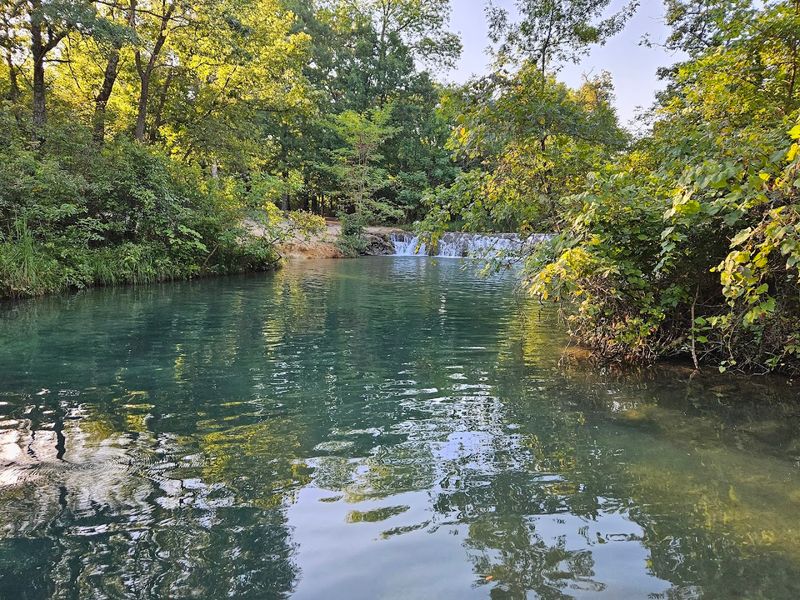
Travertine Creek is one of those bodies of water that makes you stop and just stare. The clarity of it is almost unreal, the kind of clear where you can count the pebbles on the bottom from the bank.
It does not look like a typical Oklahoma creek, and that surprises most people who visit for the first time.
The water flows from natural mineral springs, which gives it that distinctive look and a cool temperature even in the middle of summer. Running your hand through it feels refreshing in a way that pool water never quite matches.
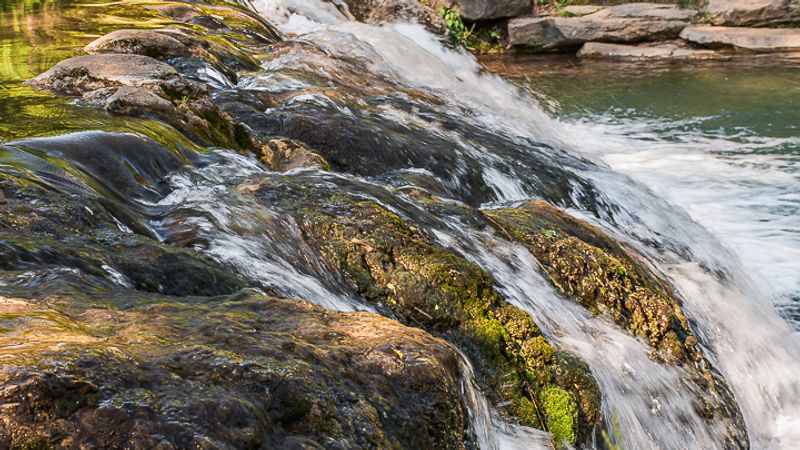
The creek moves at a relaxed pace through most of the trail corridor, occasionally picking up speed over small rocky sections that create those satisfying mini-waterfall sounds.
Along the banks, you will spot smooth travertine rock formations that give the creek its name. Travertine is a type of limestone deposited by mineral-rich spring water over time, and the formations here have been building up for centuries.
Chickasaw National Recreation Area protects all of this, which is why the water stays so clean and the surrounding habitat stays so lush.
Standing at the creek’s edge and looking upstream, with the forest closing in on both sides, you get a very clear sense of why this place has been drawing visitors for well over a century.
How Easy This Hike Really Is
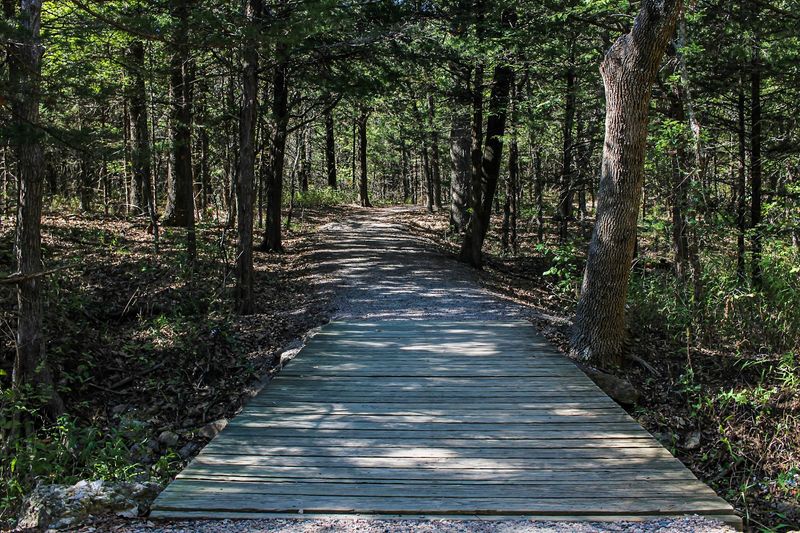
Let me be honest with you: this is not a hike that will test your limits. It will not leave you gasping or questioning your life choices.
And that is exactly why it is worth celebrating, because not every outdoor experience needs to be a survival challenge.
The Travertine Creek Trail is genuinely accessible for a wide range of people. The path is well-maintained and relatively flat, with gentle grades rather than steep climbs.
Sturdy sneakers work fine here, though trail shoes give you a bit more grip on sections that can get muddy after rain. The full out-and-back distance of 2.8 miles means most people finish in under two hours at a relaxed pace.
Chickasaw National Recreation Area does a solid job of keeping the trail clear and easy to follow. You are unlikely to get turned around or confused, which takes a lot of pressure off if you are hiking with kids or people who are new to trails.
The shade cover from the surrounding trees also makes the temperature feel cooler than the surrounding open areas, which is a real bonus on warm Oklahoma days. Bring water anyway, wear comfortable shoes, and leave the heavy gear at home.
This one is meant to be enjoyed, not endured.
The Wildlife You Might Spot Along the Way
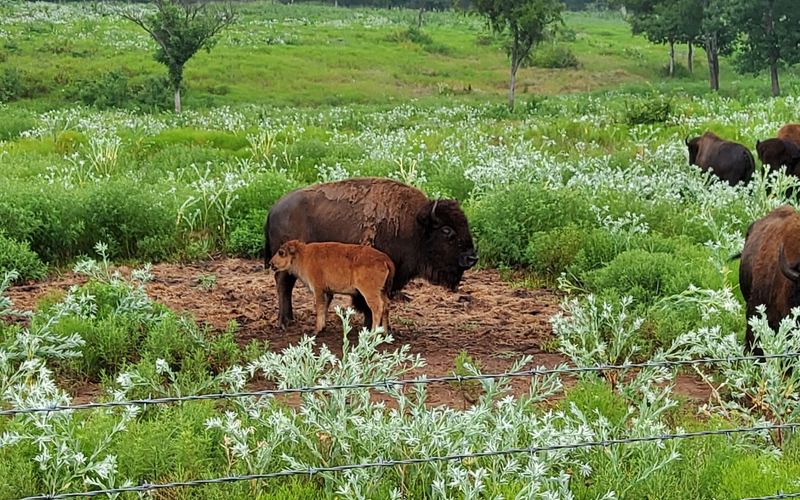
Keep your eyes open on this trail, because the forest around Travertine Creek is full of life that does not particularly care you are there. That indifference from the wildlife is, weirdly, what makes the encounters feel so good.
White-tailed deer are common sightings along the trail, often grazing near the creek or standing perfectly still in the tree line as if they are daring you to notice them. Armadillos, those wonderfully strange armored creatures, occasionally shuffle across the path with zero urgency.
Dragonflies hover over the water in colors that seem too bright to be real. Overhead, you might spot woodpeckers working the tree trunks or hear the call of a red-tailed hawk somewhere above the canopy.
Chickasaw National Recreation Area sits in a transition zone where eastern woodland habitat meets western prairie, which creates a surprisingly rich mix of species in a relatively small area. That ecological variety means the trail feels different depending on the season.
Spring brings birdsong and wildflowers. Summer brings insects and the occasional box turtle crossing the path.
Fall turns the canopy into something worth photographing. The wildlife here does not perform for you, but if you walk quietly and pay attention, you will come home with a few genuinely good stories.
The Best Time to Visit This Trail
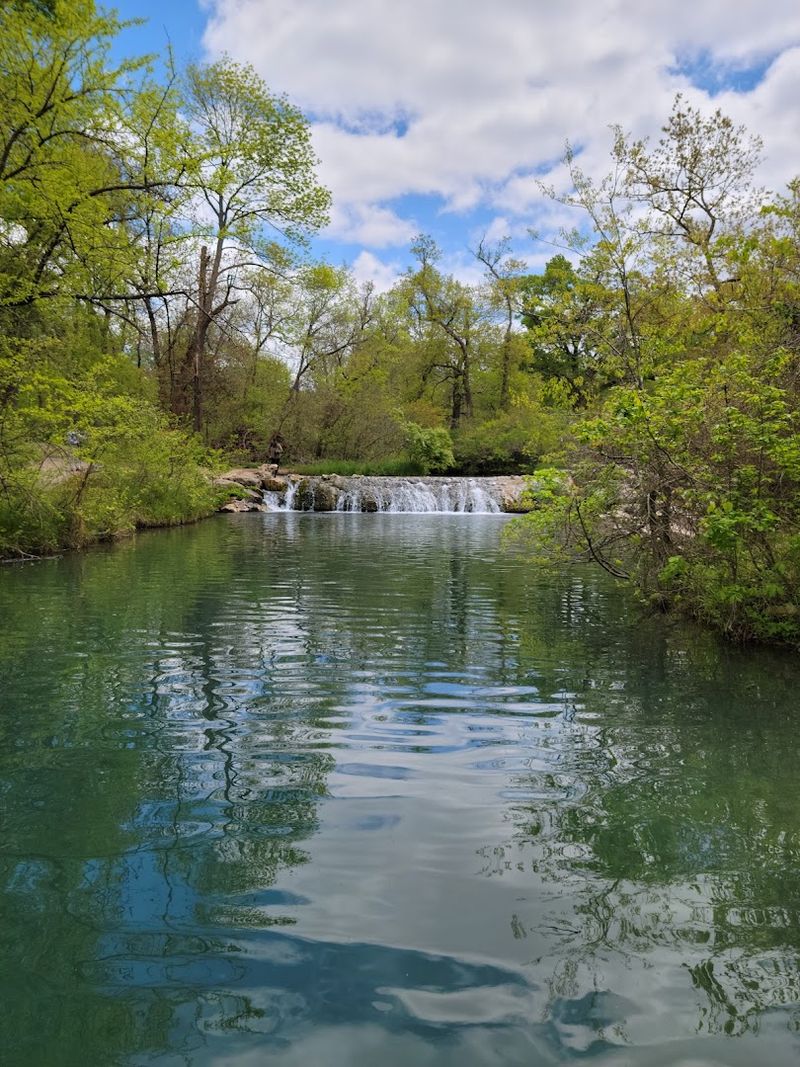
Timing matters more than most people think when visiting this trail, and getting it right makes a significant difference in your experience. Summer weekends, especially around holidays, can bring large crowds to Chickasaw National Recreation Area, and the popular swimming spots fill up fast.
Spring is arguably the best season for the Travertine Creek Trail. The vegetation is fresh and green, the creek runs full from winter rains, wildflowers pop up along the banks, and the temperatures sit in a comfortable range for hiking.
Fall runs a close second, with cooler air and a canopy that shifts into warm amber and gold tones that reflect beautifully off the water. The crowds also thin out considerably once summer ends.
Weekday mornings during spring or fall give you the closest thing to a private trail experience. The light hits the creek at a low angle in the early hours, the birds are most active, and you are far less likely to share the suspension bridge with a dozen other people.
Winter visits are quieter still, though some facilities may have reduced hours. Check the National Park Service website before heading out to confirm trail conditions and any seasonal closures.
The park itself, located near the town of Sulphur in south-central Oklahoma, is free to enter, which removes one more reason to put this hike off.
Little Niagara and What Else Awaits Nearby
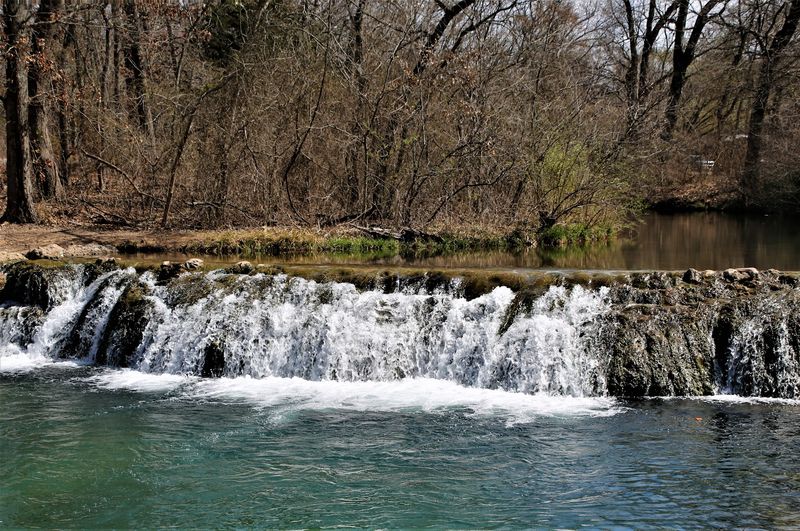
The suspension bridge trail is a great reason to visit, but the surrounding area keeps giving once you finish the hike. A short distance away, Travertine Creek spills over a series of smooth rock ledges in a spot locals and park regulars call Little Niagara.
Little Niagara is exactly what it sounds like: a miniature waterfall where the creek drops over layered travertine rock into a shallow, crystal-clear pool. People wade in, kids splash around, and everyone seems to slow down to the same relaxed pace.
The water stays cool even in August, which makes it a popular spot for families looking to cool off after a walk. The area around it has shady spots along the bank where you can sit and watch the water without getting your feet wet, if that is more your style.
Chickasaw National Recreation Area also has the Buffalo and Antelope Springs Trail, a 3.1-mile loop starting near the Travertine Nature Center. The Nature Center itself is worth a stop before or after your hike, with exhibits on local wildlife and geology that add real context to what you see on the trail.
The built-in beehive display, with a tube connecting to the outside so you can watch bees come and go, is one of those small, unexpected details that sticks with you long after you leave.
Practical Tips Before You Hit the Trail
A little preparation goes a long way on any hike, even an easy one. The Travertine Creek Trail does not demand much from you, but a few simple things will make the whole experience more comfortable and enjoyable.
Water is the most important thing to bring. The trail does not have water fountains along the route, and even on a mild day, walking 2.8 miles in Oklahoma sunshine adds up.
A basic daypack with a water bottle or hydration bladder handles this easily. Sunscreen is worth applying before you start, since the trail does have some open sections where the sun hits directly.
If you plan to wade in the creek or visit Little Niagara afterward, water shoes or sandals with straps make moving over wet rocks much safer than bare feet.
Chickasaw National Recreation Area does not charge a general admission fee, which feels almost too good to be true for a park this well-maintained and scenic. Parking is available near the Travertine Nature Center, which serves as a natural starting point for several trails in the area.
Trail maps are available at the Nature Center, and park rangers are on hand to answer questions and point you in the right direction. Cell service can be inconsistent inside the park, so downloading an offline map before you arrive is a smart move that costs you nothing but two minutes of planning.
Why This Place Stays With You After You Leave
There is something about this particular corner of Oklahoma that refuses to let you forget it. It is not flashy.
It does not have a gift shop selling overpriced magnets or a queue system for the best view. It just exists, quietly and beautifully, in the rolling hills of south-central Oklahoma.
Chickasaw National Recreation Area has been drawing visitors since the early 1900s, when it was established as one of the first federal parks in the country. The mineral springs that made this land famous to the Chickasaw Nation long before that are still here, still flowing, still cold and clear.
Standing on the suspension bridge over Travertine Creek, you are connected to a long line of people who stood in roughly the same spot and felt the same thing: a deep, uncomplicated sense of peace.
That feeling is hard to manufacture and impossible to fake. You can visit the most famous national parks in the country and still come home feeling like you were just a tourist moving through a postcard.
This trail feels different. It feels like a genuine discovery, even if thousands of people have walked it before you.
Chickasaw National Recreation Area is located at 901 W 1st St, Sulphur, Oklahoma 73086, in the heart of the Arbuckle Mountains region, and it is the kind of place you drive home from already planning your next visit.
Dear Reader: This page may contain affiliate links which may earn a commission if you click through and make a purchase. Our independent journalism is not influenced by any advertiser or commercial initiative unless it is clearly marked as sponsored content. As travel products change, please be sure to reconfirm all details and stay up to date with current events to ensure a safe and successful trip.
