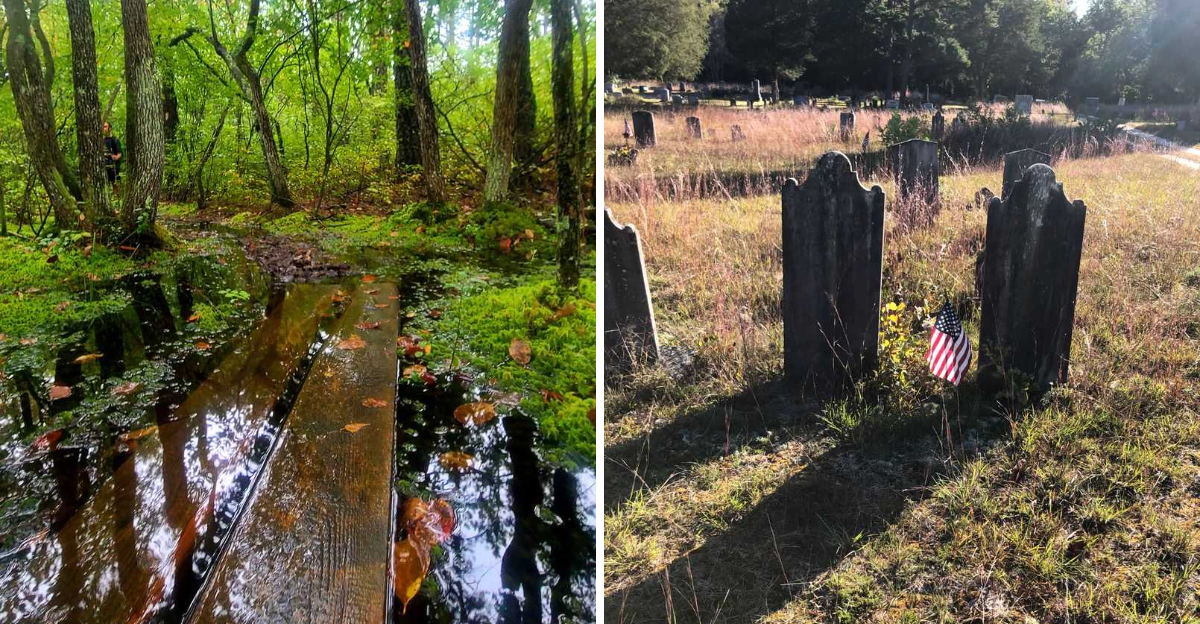
I set out on the sandy trails of Wharton State Forest expecting a quiet hike, but what I found felt like stepping into another century.
The path wound through tall pines and along the edge of Batsto Lake, calm and serene, until suddenly the forest opened up to reveal a ghost town frozen in time.
Walking into Batsto Village was surreal – one moment I was surrounded by wilderness, the next I was staring at abandoned buildings, rusted iron forges, and moss-covered ruins that whispered stories of New Jersey’s industrial past.
Every creaky board and crumbling wall felt like a clue in some forgotten adventure.
The hike itself was easy, but the payoff was extraordinary: history and nature colliding in a way that made me feel like I’d discovered a secret portal.
By the time I looped back toward the trailhead, I couldn’t shake the feeling that I’d just walked through a living time capsule.
If you’re craving more than just a walk in the woods, this trail delivers – equal parts peaceful, eerie, and unforgettable.
The Haunting Beauty of Batsto Village Ruins
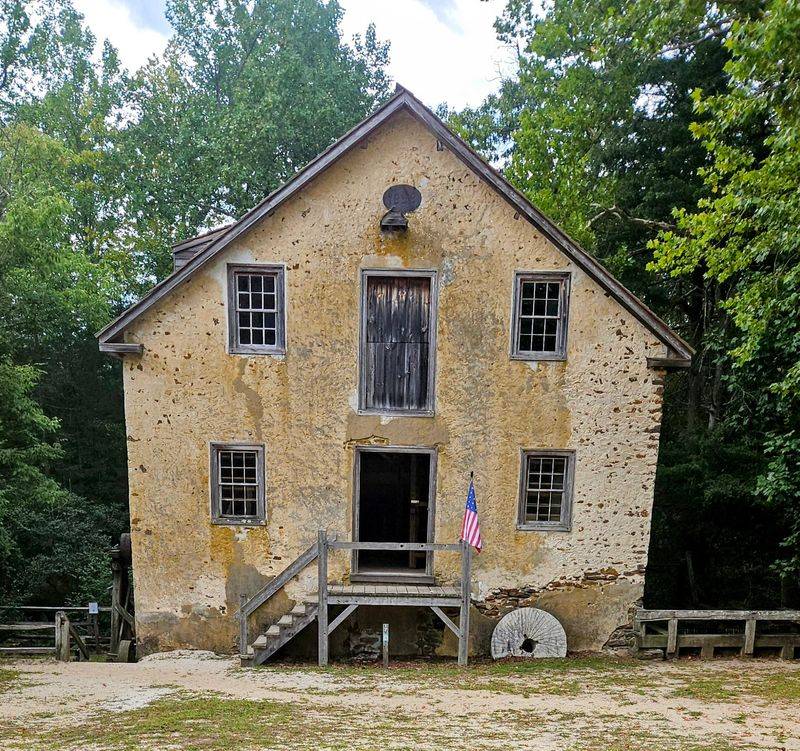
Batsto Village stands as a testament to New Jersey’s industrial past, where iron production once ruled the Pine Barrens landscape with fiery determination. Walking through the village center at 31 Batsto Rd, Hammonton, NJ 08037 feels like discovering a secret world where time decided to take a permanent vacation.
The old ironworks buildings, workers’ cottages, and the iconic mansion create an atmosphere that’s equal parts fascinating and unsettling, especially when fog rolls through the surrounding forest.
The village operated from 1766 until the mid-1800s, producing everything from iron stove parts to munitions that helped win American independence. Skilled ironworkers and their families built an entire community here, complete with a general store, gristmill, and sawmill that hummed with activity during peak production years.
When the iron industry collapsed due to Pennsylvania’s coal-powered competition, Batsto transformed into a glass manufacturing center before eventually falling silent altogether.
Today, the preserved buildings offer glimpses into daily life during America’s early industrial era, with period furnishings and artifacts telling stories of the people who called this isolated spot home. The contrast between carefully maintained structures and the wild forest pressing in from all sides creates an eerie beauty that photographers and history buffs find irresistible.
Rangers conduct tours that bring the village’s past alive, though many visitors prefer exploring independently, letting their imaginations fill in the gaps between documented history and local legends.
The village serves as your gateway into the larger Wharton State Forest trail system, making it the perfect starting point for adventures deeper into New Jersey’s wilderness.
Batsto Lake Trail and Its Mysterious Waters
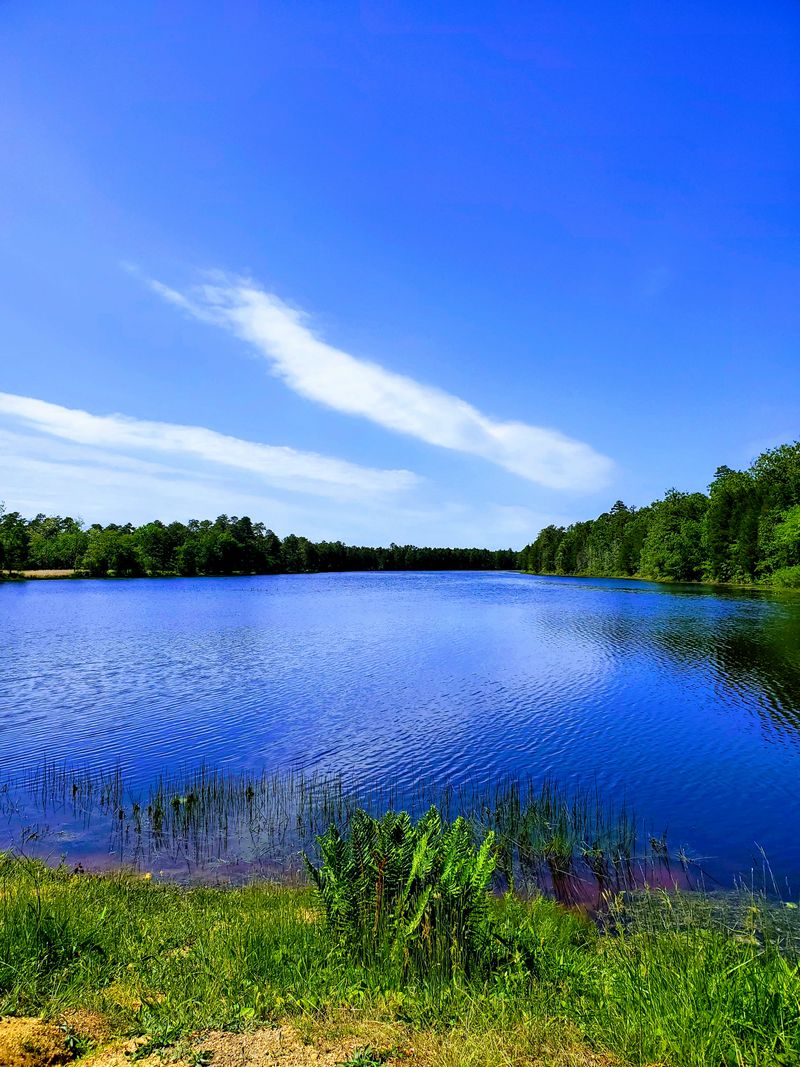
Batsto Lake stretches out like a mirror reflecting the towering pines that guard its shores, its tea-colored waters hiding secrets beneath the surface that only the bravest swimmers dare to imagine. This 50-acre body of water was created by damming Batsto River to power the village’s industrial operations, and it’s remained a focal point for visitors ever since.
The easy 3-mile loop trail circling the lake offers stunning views while remaining accessible enough for families with younger adventurers in tow.
The water’s distinctive amber hue comes from cedar tannins leaching into the stream system throughout the Pine Barrens, creating what locals call “cedar water” that looks mysterious but is perfectly natural. Fish thrive in these conditions, making the lake popular with anglers hoping to land pickerel, bass, and catfish during designated seasons.
Kayakers and canoeists find the calm waters perfect for peaceful paddling, though the dark depths create an atmosphere that feels slightly otherworldly when clouds pass overhead.
Wildlife sightings along the trail include great blue herons stalking the shallows, turtles sunbathing on fallen logs, and occasionally deer coming down to drink at dawn or dusk. The trail surface varies from packed sand to boardwalks crossing wetland areas, keeping the walk interesting without becoming overly challenging.
Spring brings choruses of frogs that create a soundtrack worthy of any nature documentary, while fall transforms the surrounding forest into a painter’s palette of reds and golds.
Benches positioned at scenic overlooks invite hikers to pause and soak in the tranquil atmosphere, though some visitors report feeling watched by unseen eyes when sitting alone at twilight.
The Abandoned Batsto Mansion and Its Secrets
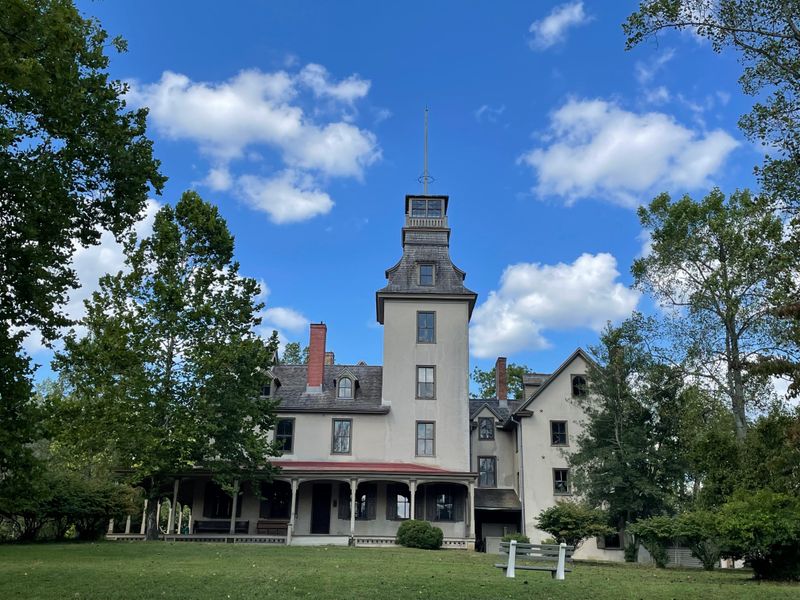
Standing three stories tall with elegant white columns and shuttered windows, the Batsto Mansion dominates the village landscape like a grande dame refusing to acknowledge her reduced circumstances. Built in 1766 and expanded over the decades, this architectural gem housed the ironworks managers and later the Wharton family who gave the surrounding forest its name.
The mansion’s 36 rooms showcase period furnishings from various eras, creating a timeline of changing tastes and fortunes that mirror the village’s own rise and fall.
Guided tours reveal fascinating details about the families who lived here, from Joseph Ball who managed operations during the Revolutionary War to Joseph Wharton whose vision transformed thousands of acres into protected wilderness. The mansion’s interior preserves original woodwork, fireplaces, and even wallpaper patterns that transport visitors backward through time.
Creaky floorboards and dim hallways add authentic atmosphere that no modern recreation could match, making every tour feel like a genuine historical investigation.
Local legends whisper about ghostly encounters within these walls, with reports of phantom footsteps, unexplained cold spots, and shadows moving where no living person stands. Whether you believe in spirits or not, the mansion’s age and isolation create an undeniable sense of presence that keeps visitors glancing over their shoulders.
The surrounding grounds feature formal gardens that have partially returned to wilderness, creating a romantic yet melancholy landscape perfect for contemplative walks.
Photography enthusiasts find endless inspiration in the mansion’s peeling paint, weathered shutters, and the way afternoon light filters through ancient trees to illuminate forgotten corners where history still lingers like morning mist.
Batsto River Canoe Trail Through Ghost Territory
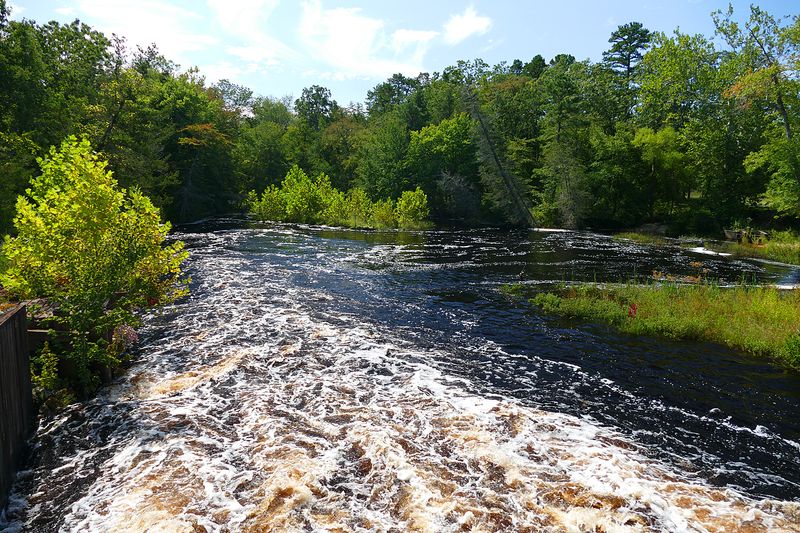
Paddling the Batsto River feels like entering a different dimension where civilization’s noise fades into whispers of wind through pine needles and the gentle splash of your paddle breaking the surface. The 15-mile canoe trail from Atsion Lake to Batsto Village winds through some of New Jersey’s most pristine wilderness, passing abandoned homesteads and forgotten bridges that hint at the area’s populated past.
The river’s narrow width and gentle current make it suitable for intermediate paddlers, though fallen trees occasionally require portaging around obstacles.
Cedar water stains the river a distinctive root beer color that looks dark and mysterious but remains perfectly clear when scooped into your hand. This unique chemistry supports specialized plant and animal species found nowhere else, creating an ecosystem that scientists study for its remarkable adaptations.
The overhanging canopy creates natural tunnels in many sections, blocking out the sky and intensifying the feeling of journeying through untouched wilderness far from modern distractions.
Ruins of old sawmills and cranberry bogs appear along the banks like archaeological sites waiting for discovery, their purpose obvious to those who know the region’s history but puzzling to first-time visitors. These remnants remind paddlers that this “wilderness” was once a busy commercial landscape where hundreds of workers harvested the forest’s bounty.
The contrast between past activity and present silence creates a haunting atmosphere that lingers long after your trip ends.
Wildlife encounters include river otters playing in the current, painted turtles sunning on logs, and various wading birds fishing the shallows with patient determination that makes human hurry seem ridiculous by comparison.
The Forgotten Cemetery and Pioneer Graves
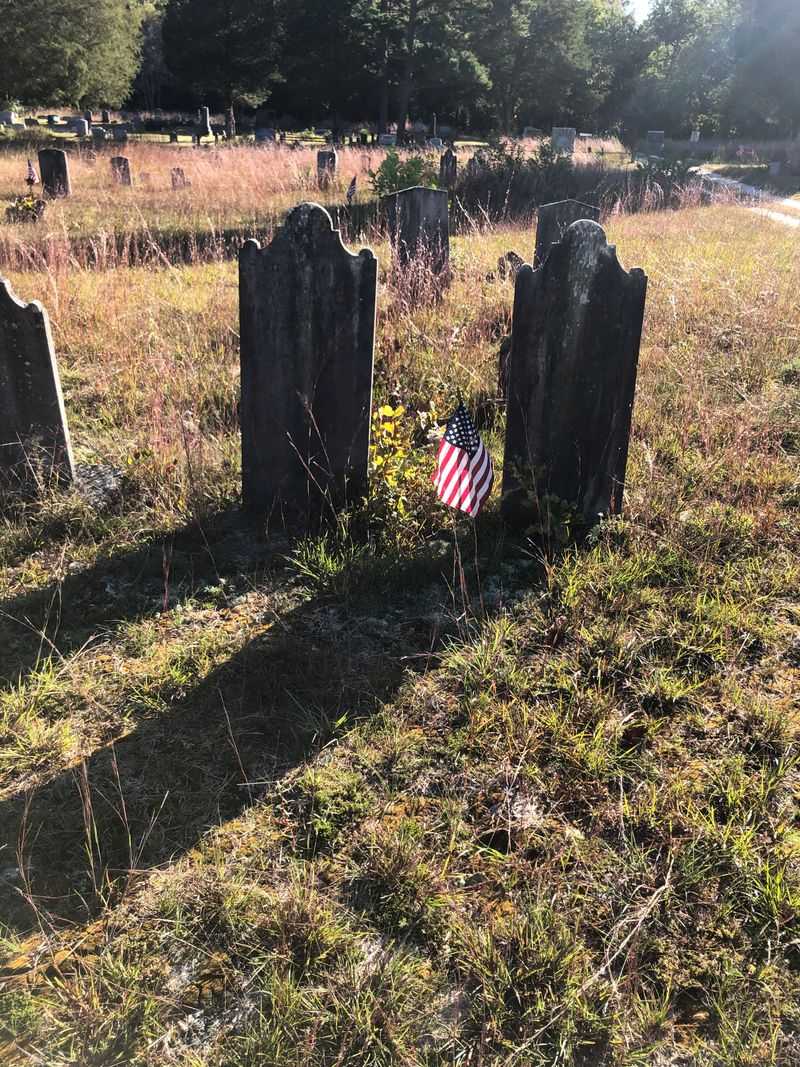
Tucked behind the village proper lies a small burial ground where Batsto’s workers and their families found their final resting place beneath simple stones that weather has rendered nearly illegible. Walking among these graves connects visitors to the real people whose labor built this industrial outpost, reminding us that history isn’t just dates and events but countless individual lives lived far from history book fame.
The cemetery’s isolation and the encroaching forest create an atmosphere of peaceful abandonment that feels both respectful and slightly eerie.
Many headstones date from the 1800s, marking the graves of ironworkers, their wives, and heartbreakingly often their children who succumbed to the diseases and accidents that made frontier life so precarious. Reading the inscriptions that remain legible reveals naming patterns, family connections, and occasionally poetic epitaphs that showcase the literacy and sentimentality of these working-class families.
Some stones have toppled or sunk into the sandy soil, while others stand straight as sentinels refusing to surrender to time’s relentless march.
The cemetery receives minimal maintenance beyond basic clearing, allowing nature to soften its edges with moss, lichen, and wildflowers that bloom between the graves each spring. This natural reclamation feels appropriate for a place where people who worked so closely with the land now rest beneath it.
Visitors often report a contemplative mood settling over them here, as the weight of past lives and forgotten stories becomes almost tangible.
Photographers find the interplay of light, shadow, and weathered stone irresistible, though most approach with reverence rather than sensationalism, recognizing this as a genuine memorial rather than a spooky attraction to be exploited for cheap thrills.
Mullica River Wilderness Paddle Route
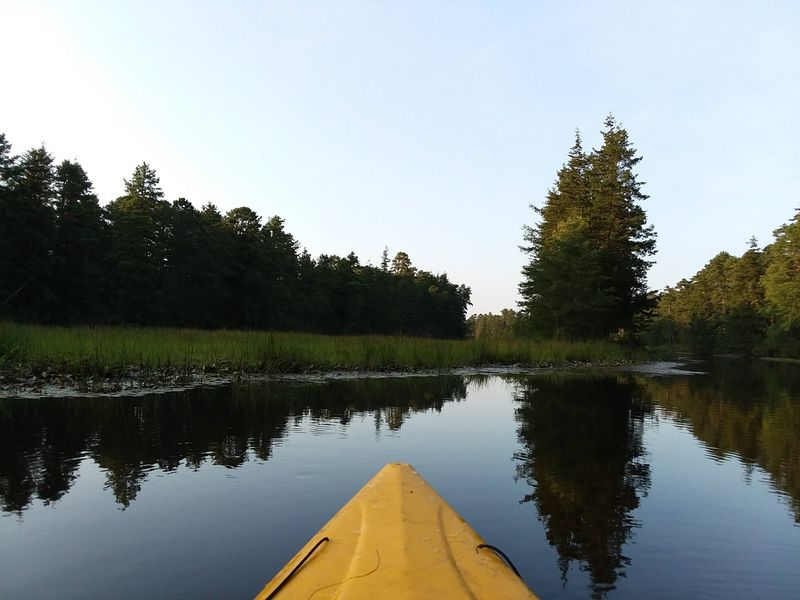
The Mullica River represents the Pine Barrens at its wildest, flowing through Wharton State Forest with a majesty that makes paddlers feel like genuine explorers discovering uncharted territory. This wider waterway offers more challenging conditions than Batsto River, with occasional rapids, stronger currents, and longer stretches between access points that demand better planning and skills.
The river served as a crucial transportation route during the iron production era, carrying finished goods to coastal markets and returning with supplies for isolated inland communities.
Paddling downstream from Atsion toward the coast takes you past numerous sites where human activity once flourished but has since vanished, leaving only foundation stones and rusted machinery slowly disappearing beneath vegetation. The river’s banks rise higher in some sections, creating dramatic scenery where tree roots grip sandy cliffs and create natural sculptures that shift slightly with each major storm.
These high banks once provided ideal locations for homesteads and small industries that needed river access but wanted protection from flooding.
Wildlife viewing opportunities explode along this corridor, with bald eagles nesting in towering pines, ospreys diving for fish, and beavers maintaining lodges that create their own mini-ecosystems within the larger river environment. The Mullica’s width means you’re more exposed to weather than on narrower streams, making wind and sun protection essential for comfortable trips.
Spring and fall offer the most pleasant paddling conditions, though summer’s heat can be managed with early morning starts and plenty of water.
The river’s remote sections create genuine wilderness experiences rare in the densely populated Northeast, where hours can pass without seeing another human soul or hearing any sound except nature’s endless conversation.
Batsto Nature Center and Trail System Hub
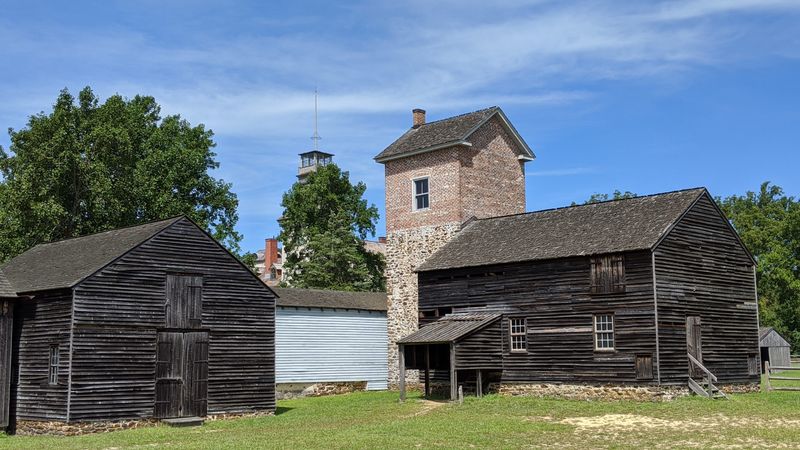
Before venturing into Wharton State Forest’s extensive trail network, smart hikers stop at the Batsto Nature Center to gather maps, check current trail conditions, and learn about the ecosystem they’re about to explore. The center’s exhibits explain the Pine Barrens’ unique ecology, including its fire-dependent plant species, acidic soil chemistry, and the threatened species that depend on this specialized habitat for survival.
Rangers staffing the center possess encyclopedic knowledge about local trails, wildlife, and history, making them invaluable resources for planning adventures suited to your interests and abilities.
Interactive displays help visitors understand how the Pine Barrens’ sandy, nutrient-poor soil shaped both natural ecosystems and human settlement patterns throughout the region’s history. The pitch pine and scrub oak forests that dominate the landscape evolved to not just survive but actually require periodic fires to reproduce successfully, creating a paradox where destruction enables renewal.
This fire ecology influenced where people built settlements and which industries could succeed in an environment that seemed hostile to conventional agriculture and development.
Trail maps available at the center show everything from easy nature walks to challenging multi-day backpacking routes that penetrate deep into New Jersey’s largest remaining wilderness area. Staff can recommend routes based on current conditions, recent wildlife sightings, and your personal interests whether those lean toward history, birdwatching, photography, or simply escaping civilization for a few hours.
The center also posts alerts about trail closures, hunting seasons, and other safety information that helps visitors avoid unpleasant surprises.
Educational programs scheduled throughout the year cover topics like wilderness survival skills, native plant identification, and the region’s industrial archaeology, turning casual visitors into informed advocates for protecting this remarkable landscape.
The Mysterious Ruins of Martha Furnace
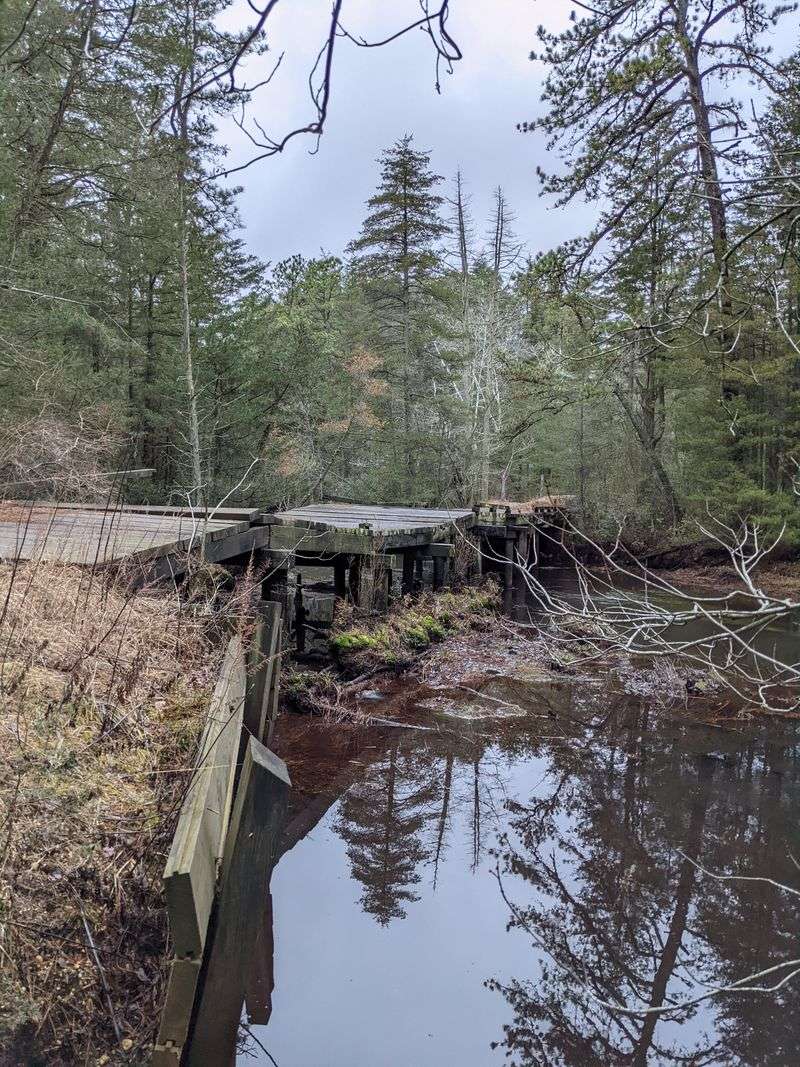
Several miles into the forest from Batsto Village lies Martha Furnace, another iron production site that operated from 1793 until 1848 before being abandoned to the wilderness that has slowly consumed its remains. Reaching these ruins requires hiking unmarked paths or paddling to a remote river landing, making the journey feel like a genuine expedition to discover lost history.
The furnace stack still stands partially intact, its massive stone construction testimony to the engineering skill and backbreaking labor required to build industrial infrastructure in this isolated location.
Martha produced iron using bog ore harvested from surrounding wetlands, a lower-grade material than the rock ore used elsewhere but sufficient for casting stove parts, pots, and agricultural implements that colonial families needed. The furnace operated seasonally, with workers cutting wood and stockpiling charcoal during warm months then running the furnace continuously through winter when water levels in the power dam remained stable.
At its peak, Martha employed dozens of workers who lived in a small community complete with company store, though nothing remains of those dwellings except subtle depressions in the forest floor.
Exploring the site reveals scattered artifacts like slag piles, foundation stones, and occasionally rusted tools that somehow escaped collectors and metal detectors over the decades. The furnace’s isolation means you’ll likely have the ruins entirely to yourself, creating an atmosphere of discovery that more accessible historic sites can never match.
Interpretive signs are minimal or absent, requiring visitors to use imagination and historical knowledge to reconstruct what once happened here.
The surrounding forest has fully reclaimed the cleared land that once supported this industrial operation, proving nature’s remarkable resilience when given enough time to heal.
Overnight Camping in the Ghost Forest
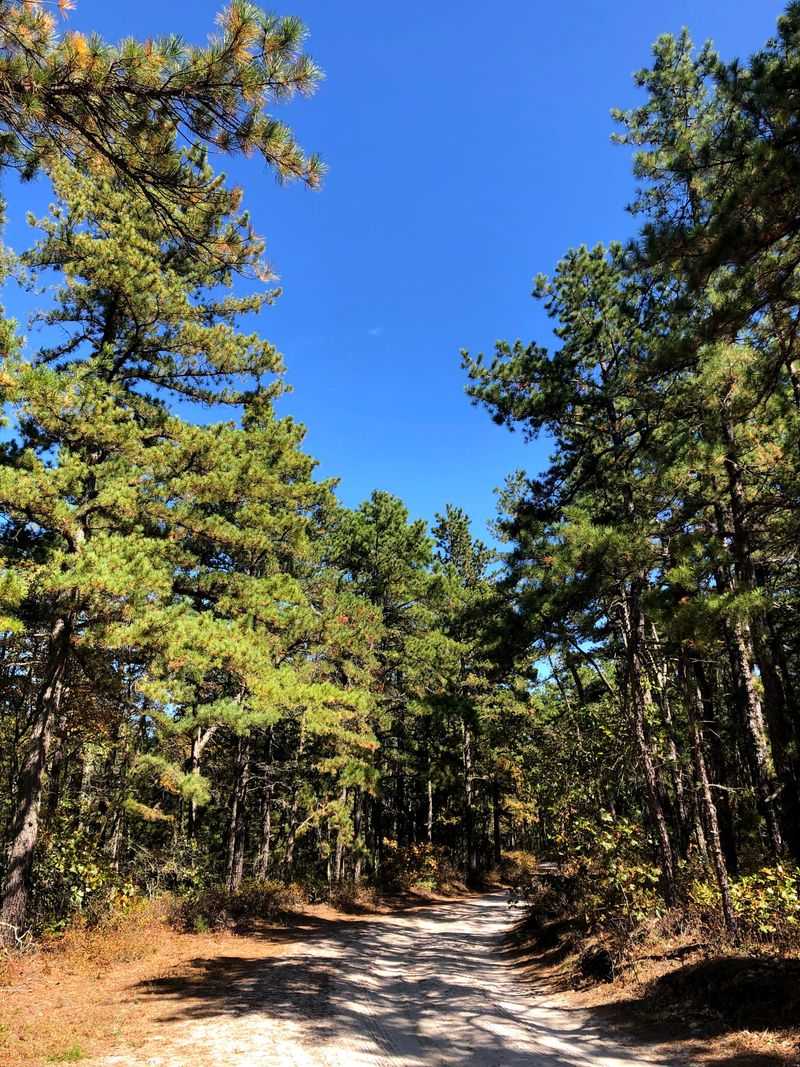
Wharton State Forest offers backcountry camping opportunities that let adventurous souls experience the Pine Barrens after dark when the forest transforms into a completely different realm of sounds, shadows, and stars. Designated camping areas scattered throughout the forest provide basic amenities like fire rings and pit toilets while maintaining the wilderness atmosphere that makes overnight stays so memorable.
Falling asleep to the sound of wind through pine needles and waking to birdsong creates connections to nature that day trips simply cannot match.
The forest’s remoteness means light pollution remains minimal, revealing night skies packed with stars that urban and suburban residents rarely see anymore. Lying in your sleeping bag watching constellations wheel overhead while listening to nocturnal animals beginning their nightly activities feels like time travel to an era before electricity tamed the darkness.
The sounds can seem eerie to those unaccustomed to wilderness camping, as owls hoot, foxes bark, and unidentified creatures rustle through underbrush investigating your campsite’s interesting smells.
Campfires are permitted in designated rings during non-drought conditions, providing warmth, cooking capability, and that primal comfort humans have gathered around since our species learned to control flame. Telling stories around the fire while shadows dance at the forest edge creates bonding experiences that strengthen relationships and create memories lasting far longer than the weekend.
Proper food storage becomes critical to avoid attracting bears, though New Jersey’s black bear population rarely causes problems for campers who follow basic precautions.
Morning coffee tastes better brewed over a campfire while watching mist rise from nearby wetlands and listening to the forest wake up around you, making the effort of carrying camping gear worthwhile.
The Complete Batona Trail Through Wharton’s Heart
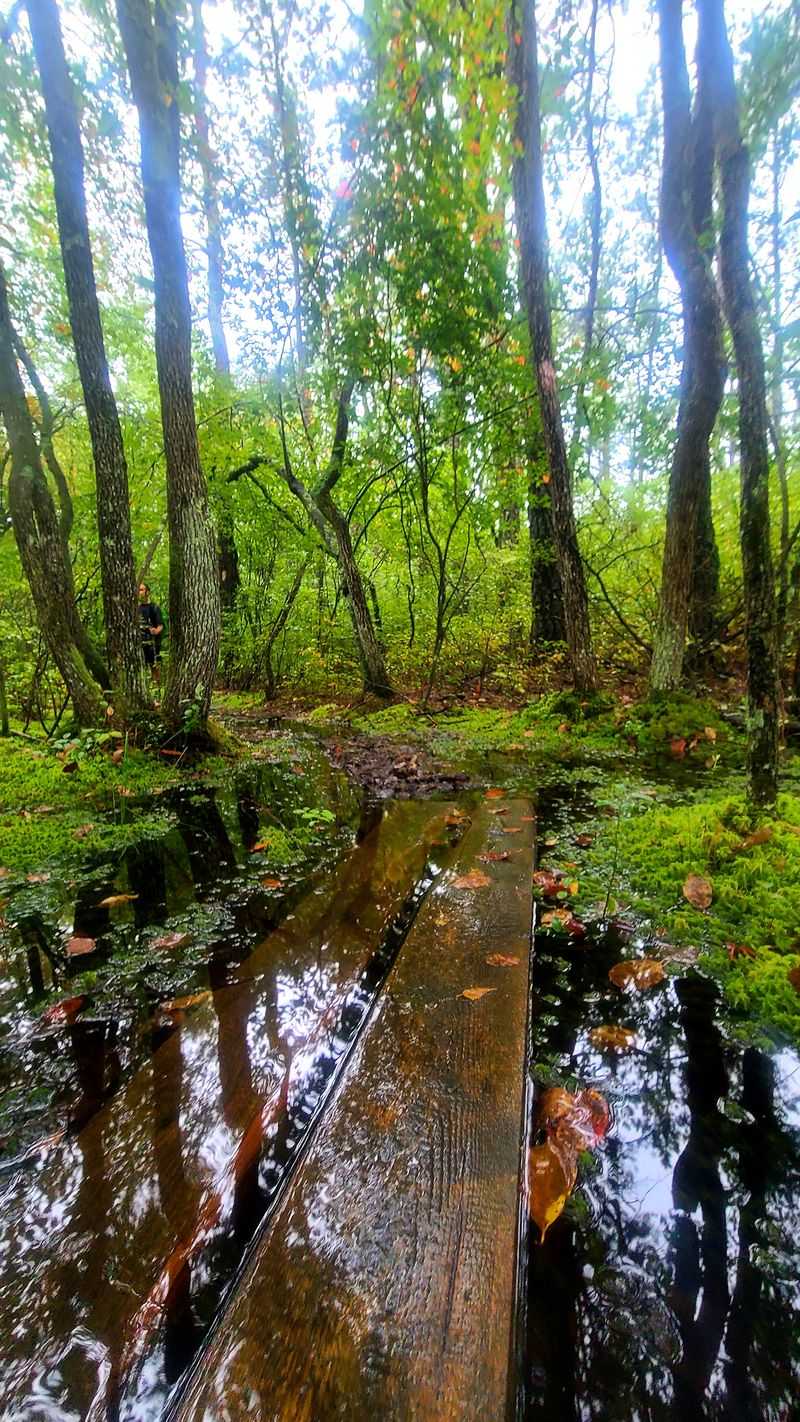
The Batona Trail stretches 50 miles through the Pine Barrens, with a significant section traversing Wharton State Forest and passing near Batsto Village, offering serious hikers a multi-day adventure through New Jersey’s wildest landscape. Named by combining the first syllables of “Back to Nature,” this trail was established in 1961 by outdoor enthusiasts who recognized the Pine Barrens’ unique character and wanted to protect it through recreational use.
Pink blazes mark the route, creating a ribbon of color against the forest’s greens and browns that helps hikers navigate terrain where few landmarks exist.
The trail crosses diverse habitats including pine and oak forests, cedar swamps, cranberry bogs, and occasional open areas where fire or logging created meadows that wildlife now exploits. These varied environments mean hikers encounter changing scenery and ecosystems throughout their journey, preventing the monotony that can plague trails through more uniform landscapes.
Stream crossings require wading or careful rock-hopping depending on recent rainfall, adding elements of challenge and adventure that make completion feel genuinely earned.
Thru-hiking the entire trail typically requires three to five days depending on your pace and how often you stop to explore side trails or investigate interesting features. Shelter sites spaced roughly ten miles apart provide camping options, though carrying sufficient water remains critical since reliable sources can be scarce during dry periods.
The trail’s sandy surface makes for relatively easy walking that’s gentle on joints, though the soft footing does slow your pace compared to harder-packed trails.
Completing the Batona earns you bragging rights among New Jersey hiking communities and provides intimate knowledge of the Pine Barrens that casual visitors never achieve.
Dear Reader: This page may contain affiliate links which may earn a commission if you click through and make a purchase. Our independent journalism is not influenced by any advertiser or commercial initiative unless it is clearly marked as sponsored content. As travel products change, please be sure to reconfirm all details and stay up to date with current events to ensure a safe and successful trip.
