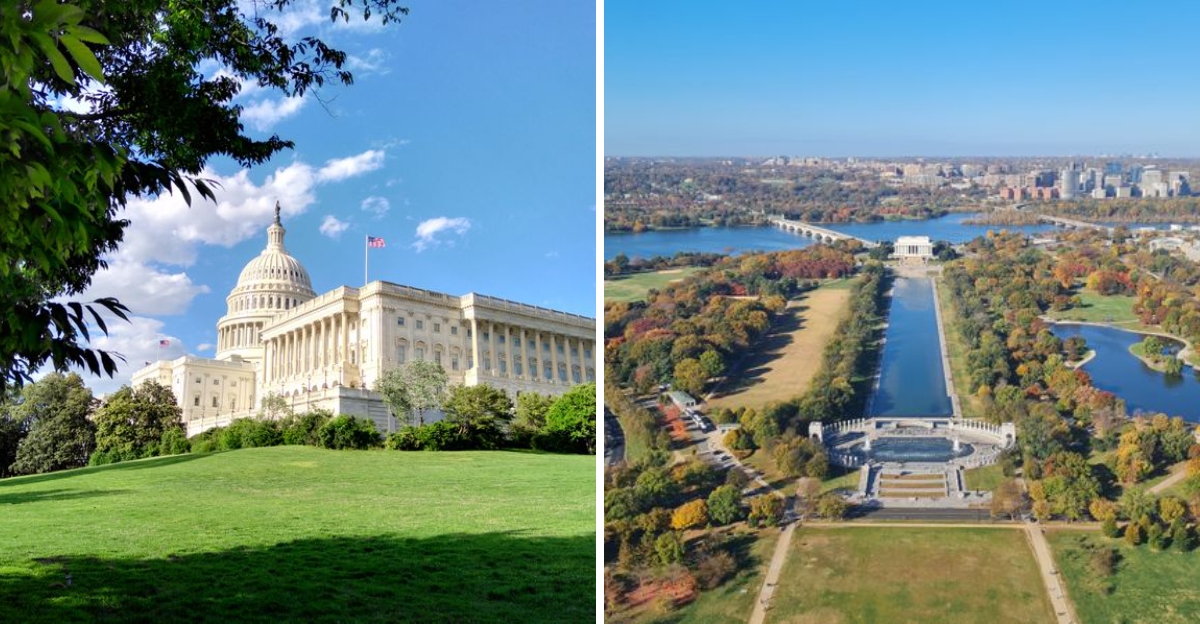
Washington, D.C., the capital of the United States, sits along the Potomac River and borders Maryland and Virginia.
Visitors from around the world arrive to explore its grand monuments, fascinating museums, and historic government buildings that tell the story of American democracy.
Beyond its cultural treasures, the city stands out for being incredibly tourist-friendly, with numerous features designed to help visitors navigate easily.
Whether you’re visiting for the first time or returning to discover more, you’ll find that getting around this compact city is simpler than you might expect.
1. Comprehensive Metro System
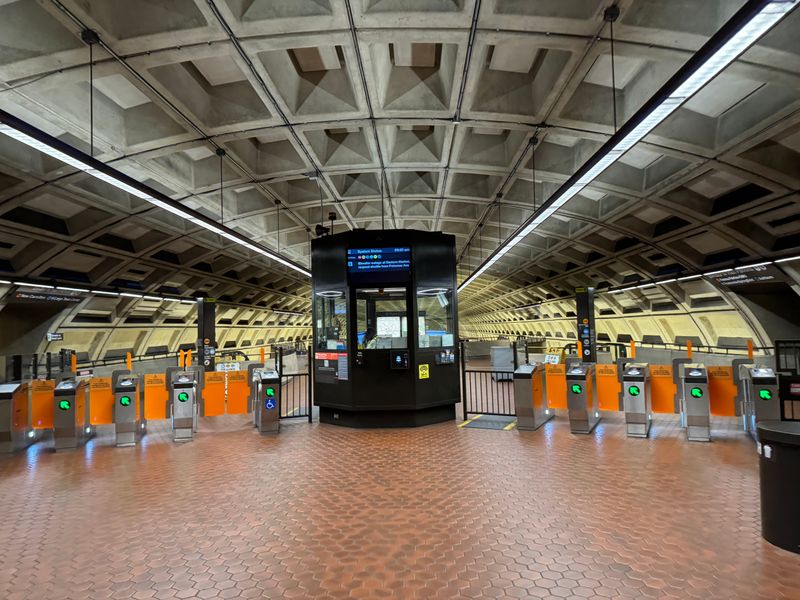
Getting from one landmark to another becomes a breeze when you hop aboard the Washington Metro, one of the cleanest and most efficient subway systems in North America.
The network connects all major tourist destinations, from the National Mall to Georgetown, with six color-coded lines that make navigation simple even for first-time visitors.
Trains run frequently throughout the day, especially during peak hours, so you rarely wait more than a few minutes for your ride.
Station entrances feature distinctive brown pillars topped with the letter M, making them easy to spot as you explore different neighborhoods.
Inside each station, large maps display the entire system with clear markings showing which direction trains are heading.
Electronic boards announce arrival times and destinations, removing any guesswork about which train to board.
Purchasing a SmarTrip card at any station kiosk allows you to tap in and out quickly, with fares calculated automatically based on distance traveled.
Stations remain impeccably maintained, with elevators and escalators providing accessibility for travelers with mobility challenges or heavy luggage.
Air conditioning keeps cars comfortable during hot summer months when walking outside becomes exhausting.
Many stations connect directly to popular museums and monuments, letting you step off the train and immediately begin your sightseeing adventure.
The Metro operates from early morning until midnight on weekdays and even later on weekends, accommodating various travel schedules.
Security personnel maintain a visible presence throughout the system, contributing to a safe environment for families and solo travelers alike.
Free Wi-Fi in many stations helps tourists check directions or look up information while waiting for connections.
2. Walkable City Layout
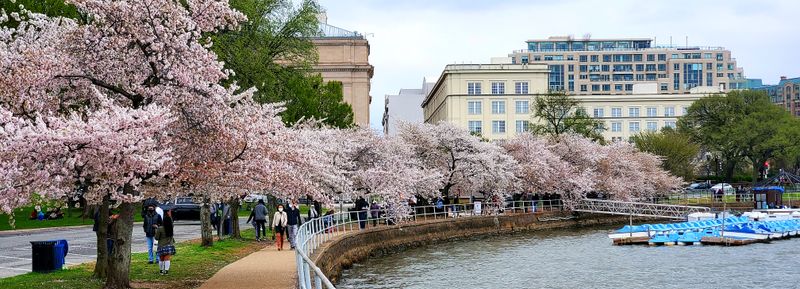
Few American cities rival Washington when it comes to exploring major attractions on foot, thanks to its remarkably compact design.
The National Mall stretches about two miles from the Capitol Building to the Lincoln Memorial, with most iconic monuments clustered along this central corridor.
Wide, well-maintained sidewalks accommodate crowds during busy seasons while providing comfortable walking conditions year-round.
Street signs appear at every intersection with clear labeling, following a logical grid pattern that makes navigation intuitive once you understand the basic layout.
Pennsylvania Avenue, Constitution Avenue, and Independence Avenue serve as major east-west routes that connect numerous landmarks.
Crosswalks feature countdown timers that tell pedestrians exactly how much time remains to cross safely, reducing stress at busy intersections.
Shade trees line many streets, offering relief from summer sun and creating pleasant walking environments during spring when cherry blossoms bloom.
Benches positioned throughout public spaces provide rest stops for tired feet between destinations.
The city’s relatively flat terrain means you won’t encounter steep hills that exhaust energy or challenge those with limited mobility.
Distances between major sites feel manageable, with the Smithsonian museums positioned within easy walking distance of each other along the Mall.
Evening strolls become magical experiences as monuments illuminate against the night sky, creating photo opportunities unavailable during daylight hours.
Neighborhood exploration rewards walkers with hidden gems like historic row houses, charming cafes, and local bookshops tucked between major tourist corridors.
Walking not only saves money on transportation but also allows spontaneous discoveries that enrich your travel experience.
3. Abundant Bike-Sharing Options
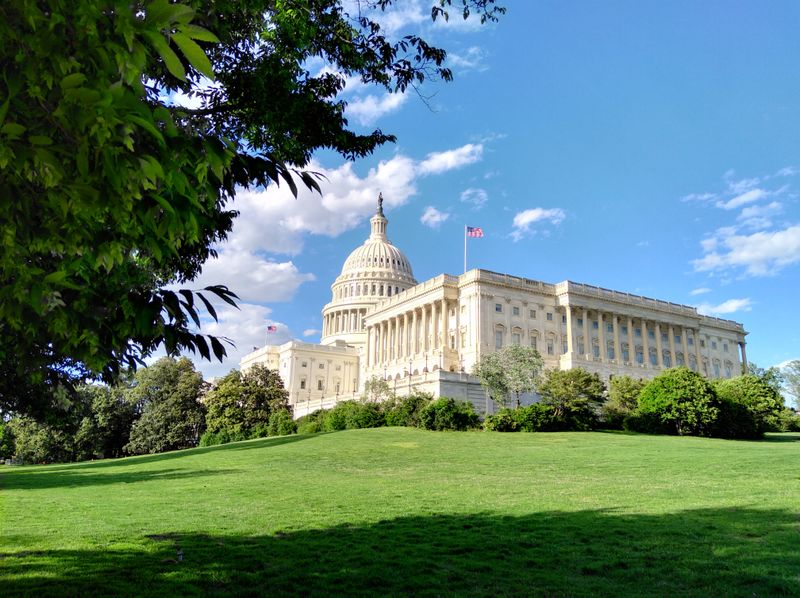
Cycling enthusiasts and casual riders alike appreciate the extensive Capital Bikeshare program that blankets the city with convenient rental stations.
Bright red bikes sit ready at hundreds of docking points throughout downtown, near museums, parks, and residential neighborhoods.
Renting requires only a credit card and takes less than two minutes at any automated kiosk, with options for single rides or day passes.
Dedicated bike lanes run along many major streets, separating cyclists from vehicle traffic and creating safer conditions for riders of all skill levels.
The flat landscape mentioned earlier becomes even more advantageous when pedaling, allowing comfortable cruising without exhausting climbs.
Riding between monuments cuts travel time significantly compared to walking, while still allowing you to enjoy fresh air and scenery.
Station maps on your phone show exactly where to find available bikes and open docking spaces, eliminating concerns about where to return your rental.
Helmets, while not provided, can be purchased inexpensively at nearby shops or brought from home for safety-conscious travelers.
The Potomac River waterfront features scenic trails perfect for leisurely rides away from city traffic, connecting Georgetown to East Potomac Park.
Bike racks at museums and restaurants accommodate those who prefer bringing or renting bikes from traditional shops.
Spring and fall weather creates ideal cycling conditions with mild temperatures and colorful foliage enhancing your journey.
Many hotels offer bike storage rooms, making it practical to rent bikes for multiple days during your stay.
Cycling provides a fun, eco-friendly transportation method that appeals to active families and environmentally conscious visitors.
4. Free Circulator Bus Routes
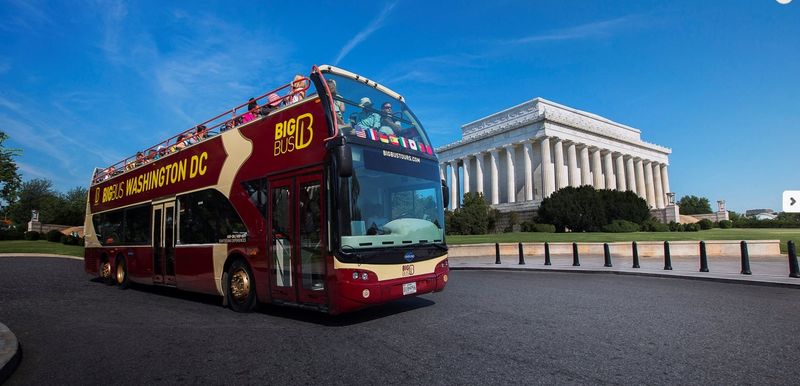
Budget-conscious travelers celebrate the DC Circulator, a bus system offering completely free rides along six strategic routes connecting major tourist areas.
These distinctive red buses arrive every 10 minutes during peak hours, making them reliable alternatives when your feet need a break from walking.
The National Mall route proves especially popular, shuttling visitors between the Lincoln Memorial and Union Station with stops at virtually every major monument and museum.
Unlike traditional city buses, Circulator vehicles feature modern designs with large windows perfect for sightseeing as you travel.
Route maps posted at every stop display clear diagrams showing exactly which attractions each line serves, removing confusion about which bus to board.
Real-time arrival information available through mobile apps tells you precisely when the next bus will reach your stop.
Air-conditioned interiors provide welcome relief during Washington’s notoriously humid summers when outdoor exploration becomes challenging.
The Georgetown-Union Station route connects the historic waterfront neighborhood with downtown, crossing areas less accessible by Metro.
Wheelchair lifts and designated seating ensure accessibility for all passengers regardless of mobility limitations.
Drivers often assist tourists with directions and answer questions about nearby attractions, adding a personal touch to public transportation.
Extended evening hours on certain routes accommodate dinner plans and nighttime monument viewing without worrying about last trains.
The Woodley Park-Adams Morgan route serves popular dining districts where international restaurants cluster along lively streets.
Combining Circulator buses with Metro trains creates a comprehensive transportation network covering virtually every corner tourists want to explore.
The cost savings add up quickly for families, making professional transportation accessible without straining vacation budgets.
5. Clear Wayfinding Signage
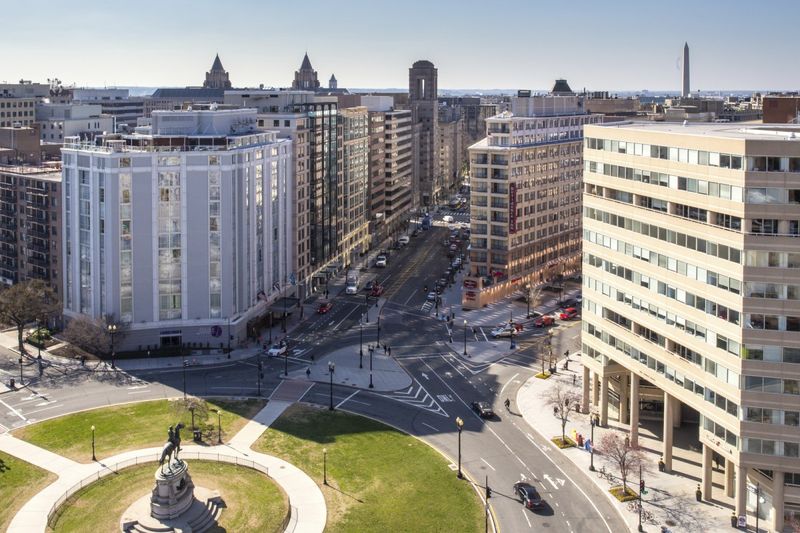
Distinctive blue and white directional signs appear throughout the city, pointing tourists toward nearby monuments, museums, and Metro stations with distance information included.
These wayfinding markers eliminate the constant need to check phones or maps, allowing more natural exploration of the urban landscape.
Major intersections feature multiple signs indicating several destinations simultaneously, helping visitors orient themselves and plan their next moves.
The consistent design language across all signage creates familiarity, so after seeing a few examples, tourists instinctively know where to look for guidance.
Walking distance estimates help travelers decide whether to walk or use public transportation based on energy levels and time constraints.
Monument names appear in large, readable fonts visible from considerable distances, even in crowded conditions or low light.
Multilingual information panels at major tourist sites provide context and directions in several languages, accommodating international visitors.
The National Park Service maintains excellent signage within monument grounds, clearly marking pathways, restrooms, and visitor centers.
Museum districts feature special brown signs identifying Smithsonian Institution buildings, distinguishing them from other structures.
Neighborhood markers announce when you’ve entered Georgetown, Dupont Circle, or other distinct districts, helping travelers understand the city’s geography.
Historic markers along streets share fascinating stories about significant events and buildings, turning walks into educational experiences.
Emergency information appears prominently at tourist sites, providing phone numbers and directions to assistance if needed.
QR codes on some signs link to detailed maps and audio tours, blending traditional wayfinding with modern technology.
The comprehensive signage system reflects the city’s commitment to welcoming visitors and ensuring their experiences remain stress-free and enjoyable.
6. Accessible Ride-Sharing Services
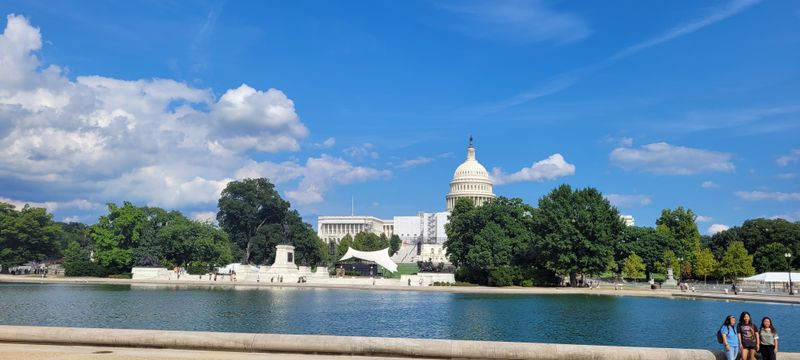
Modern transportation apps like Uber and Lyft operate extensively throughout Washington, providing on-demand rides that arrive within minutes of requesting them.
Designated pickup zones at major tourist attractions make finding your driver simple, with clear signage directing you to appropriate waiting areas.
Competitive pricing between multiple services keeps costs reasonable, especially when splitting fares among travel companions visiting together.
Drivers familiar with tourist destinations navigate efficiently, often sharing insider tips about less crowded times to visit popular sites.
The apps calculate fares upfront, eliminating surprises and allowing budget-conscious travelers to compare costs against public transportation before deciding.
Late-night availability solves the challenge of returning to hotels after Metro closes, particularly following evening performances or special events.
Luxury vehicle options accommodate special occasions or travelers preferring more comfortable transportation between destinations.
Accessibility features within apps allow passengers requiring wheelchair-accessible vehicles to request appropriate transportation.
In-app navigation lets passengers follow their route in real-time, providing reassurance about driver choices and estimated arrival times.
Cashless transactions simplify payments, with automatic receipts emailed for expense tracking or reimbursement purposes.
Rating systems encourage professional service, as drivers maintain high standards knowing passengers evaluate each ride.
Multiple pickup and drop-off points throughout the city mean you’re never far from convenient access to ride-sharing services.
During inclement weather, requesting a ride beats waiting at outdoor bus stops or walking through rain and snow.
The combination of traditional public transit and modern ride-sharing creates flexible transportation options suitable for any situation or preference.
7. Compact Geographic Size
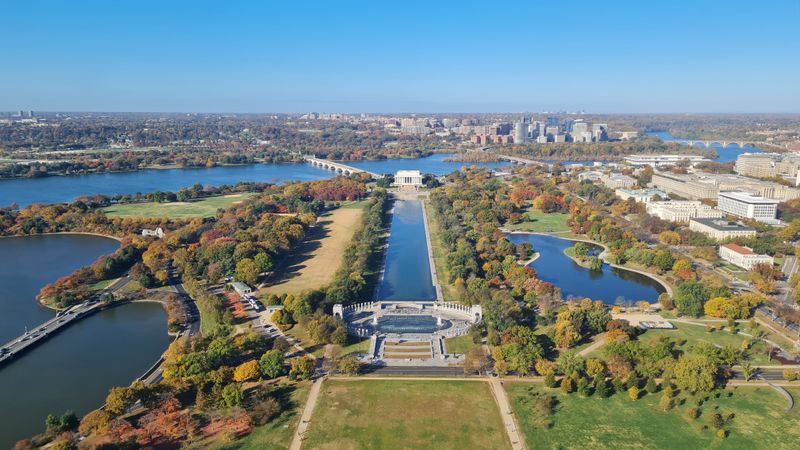
Washington’s relatively small footprint, covering only 68 square miles, means major attractions cluster within a remarkably concentrated area.
Unlike sprawling metropolises where tourist sites scatter across vast distances, D.C. keeps everything within reach of determined walkers or short transit rides.
The National Mall serves as the city’s central spine, with most iconic landmarks positioned along or immediately adjacent to this famous green space.
From the Capitol to the White House measures less than two miles, a distance many visitors walk multiple times during their stay.
This compact design emerged from Pierre L’Enfant’s original city plan, which prioritized accessibility and visual connections between important government buildings.
Neighborhoods transition quickly as you move through the city, allowing exploration of diverse districts without lengthy commutes.
A morning at museums on the Mall can easily transition to afternoon shopping in Georgetown, with evening entertainment in the revitalized Wharf district.
The lack of sprawl reduces travel fatigue that plagues visitors to larger cities where transportation consumes significant portions of each day.
Taxis and ride-shares rarely need to travel far, keeping costs lower than in cities where attractions spread across greater distances.
First-time visitors quickly develop mental maps of the city, gaining confidence in navigating independently after just a day or two.
The Potomac River provides a natural boundary that helps orient travelers, with most tourist activities occurring on the eastern bank.
Hotels throughout downtown put guests within walking distance of major sites, regardless of which property they choose.
This geographic efficiency allows ambitious visitors to see numerous landmarks in a single day without feeling rushed or overwhelmed.
The concentrated layout makes Washington particularly suitable for short visits, as even weekend trips allow meaningful exploration.
8. Tourist-Friendly Infrastructure
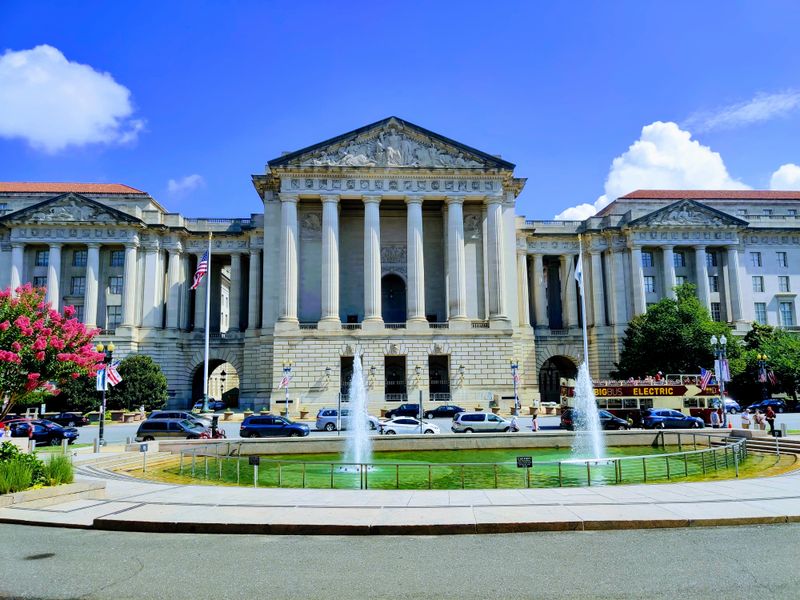
Numerous visitor centers strategically positioned throughout the city offer free maps, expert advice, and assistance planning your daily itinerary.
Staff members at these centers possess extensive knowledge about current exhibitions, special events, and less-crowded alternatives to popular attractions.
Free Wi-Fi hotspots blanket tourist areas, allowing travelers to access directions, check museum hours, or share photos without consuming international data plans.
Public restrooms maintained by the National Park Service appear regularly along the Mall, addressing a basic need that many cities overlook.
Water fountains and bottle-filling stations help visitors stay hydrated during warm weather without purchasing expensive bottled water constantly.
Charging stations in museums and visitor centers let tourists recharge devices essential for navigation and photography.
Most major attractions offer free admission, removing financial barriers and allowing spontaneous visits without budget concerns.
Security screening at museums and monuments operates efficiently, with staff trained to process crowds quickly while maintaining thorough safety protocols.
Multilingual brochures and audio guides accommodate international visitors, making cultural experiences accessible regardless of English proficiency.
The city’s tourism website provides comprehensive planning resources, including suggested itineraries for different interests and visit lengths.
Mobile apps developed specifically for D.C. tourism combine maps, transit information, and attraction details into single convenient platforms.
Park rangers stationed at monuments answer questions and offer informal talks that enhance understanding of historical significance.
Accessible entrances, ramps, and elevators ensure travelers with disabilities can fully experience all major attractions.
The combination of physical infrastructure and helpful services demonstrates the city’s commitment to creating positive experiences for every visitor.
Dear Reader: This page may contain affiliate links which may earn a commission if you click through and make a purchase. Our independent journalism is not influenced by any advertiser or commercial initiative unless it is clearly marked as sponsored content. As travel products change, please be sure to reconfirm all details and stay up to date with current events to ensure a safe and successful trip.
