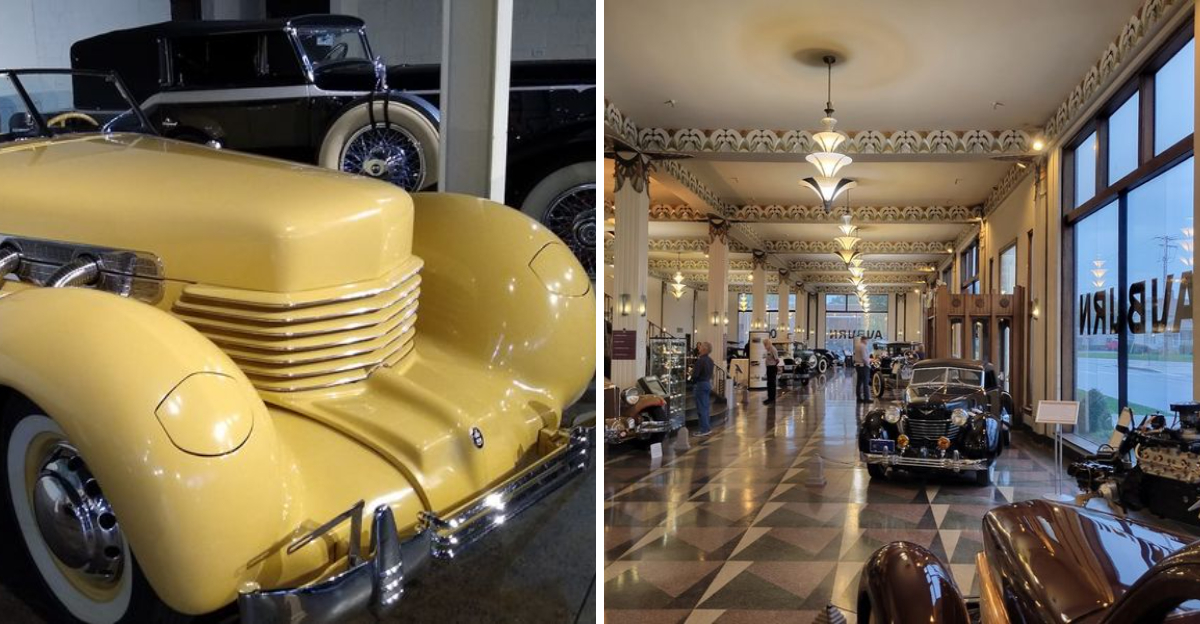
I’ve always loved classic cars, and discovering the Auburn Cord Duesenberg Automobile Museum felt like finding a hidden treasure in my own backyard.
Located right here in Auburn, Indiana, this stunning museum houses over 120 incredible automobiles that tell the story of American automotive excellence.
Walking through those art deco doors for the first time, I was transported back to the glamorous 1920s and 1930s, when these magnificent machines represented the height of luxury and innovation. What makes this place truly special isn’t just the cars themselves, though they’re absolutely breathtaking.
It’s the fact that the museum sits in the original Auburn Automobile Company headquarters and showroom, a beautifully restored building that’s practically a time capsule. Every floor offers something different, from gleaming showroom classics to rare Indiana-built vehicles you won’t see anywhere else.
Original Art Deco Showroom Building Creates Authentic 1930s Atmosphere
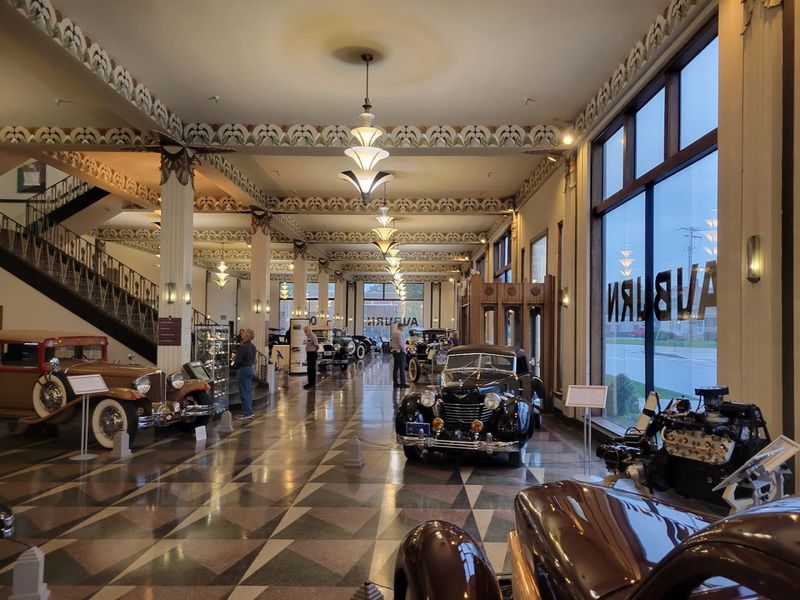
Walking into the Auburn Cord Duesenberg Automobile Museum feels like stepping through a portal into the Jazz Age. The building itself served as the original Auburn Automobile Company headquarters and showroom, constructed during the company’s peak years.
Those high ceilings, gleaming marble floors, and intricate architectural details weren’t added for show; they’re the real deal, carefully preserved to maintain that authentic 1930s elegance.
The restoration work on this building deserves recognition all on its own. Every detail, from the vintage light fixtures to the ornamental metalwork, reflects the craftsmanship and optimism of that era.
You can almost imagine well-dressed customers walking through these same doors nearly a century ago, ready to purchase one of America’s finest automobiles. The atmosphere transports visitors back to a time when buying a car was a truly special occasion.
Beyond just housing the collection, the building tells its own story about American industrial design and prosperity. The art deco style was all about bold geometric patterns, rich materials, and modern luxury.
This architectural gem survived decades of change and nearly fell into disrepair before dedicated preservationists saved it. Now it stands as a beautiful reminder of Auburn’s important role in automotive history, making your museum visit about more than just the cars themselves.
Three Full Floors Packed With Automotive Treasures And Surprises
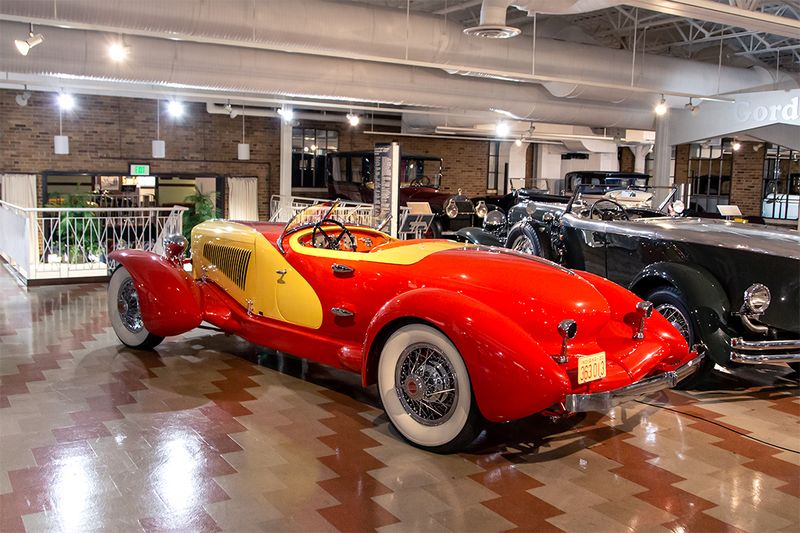
Most people don’t realize just how extensive this collection really is until they start exploring. The museum sprawls across three complete floors, each offering a different perspective on automotive history.
That first floor showroom sets the stage, but climbing those stairs reveals layer after layer of automotive excellence. I spent nearly four hours here on my first visit and still felt like I’d rushed through some sections.
Each floor has its own character and focus. The main showroom naturally features the stars of the collection, those Auburn, Cord, and Duesenberg models that made these brands legendary.
But venture upward and you’ll discover the Gallery of Excellence on the third floor, showcasing rare and unusual vehicles built right here in Indiana. Some of these cars are so unique that even serious collectors might never have heard of them before.
The layout encourages exploration at your own pace. Families with energetic kids appreciate having space to roam, while detail-oriented enthusiasts can spend ages examining individual vehicles.
Information plaques accompany each automobile, providing historical context and technical specifications. The second floor includes fascinating artwork and exhibits about the automotive industry’s golden age.
With over 120 vehicles spread throughout the building, you’ll find something new and interesting around every corner, making return visits just as rewarding as your first experience.
Legendary Duesenberg Models Represent Peak American Luxury Engineering
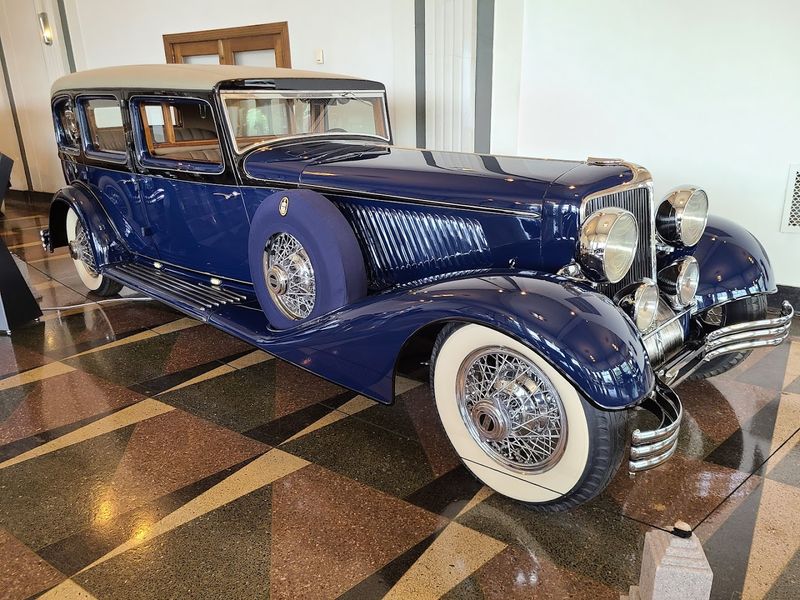
Duesenberg automobiles weren’t just cars; they were rolling statements of wealth and taste. These magnificent machines competed directly with European luxury brands like Rolls-Royce and represented America’s ability to create world-class automobiles.
The museum’s Duesenberg collection showcases why these cars commanded astronomical prices and attracted Hollywood stars, business tycoons, and royalty as customers. Each one was essentially hand-built, with attention to detail that modern manufacturing simply can’t replicate.
The engineering behind these vehicles was revolutionary for its time. Duesenberg introduced innovations that eventually became industry standards, from hydraulic brakes to overhead camshafts.
Their Model J could reach speeds over 100 miles per hour when most cars struggled to hit 60. The craftsmanship extended beyond mechanics to include custom coachwork, meaning wealthy buyers could specify exactly how they wanted their car to look.
No two Duesenbergs were quite identical.
Standing next to one of these automotive masterpieces helps you understand why the phrase “It’s a Doozy” entered American slang. The sheer size, the gleaming chrome, the impossibly smooth curves; everything about these cars screams excellence.
The museum staff really knows their stuff and can share fascinating stories about individual vehicles and their famous owners. You’ll leave with a newfound appreciation for what American automotive engineers accomplished during this golden era of automobile manufacturing.
Sleek Cord Models Showcase Groundbreaking Front-Wheel Drive Design
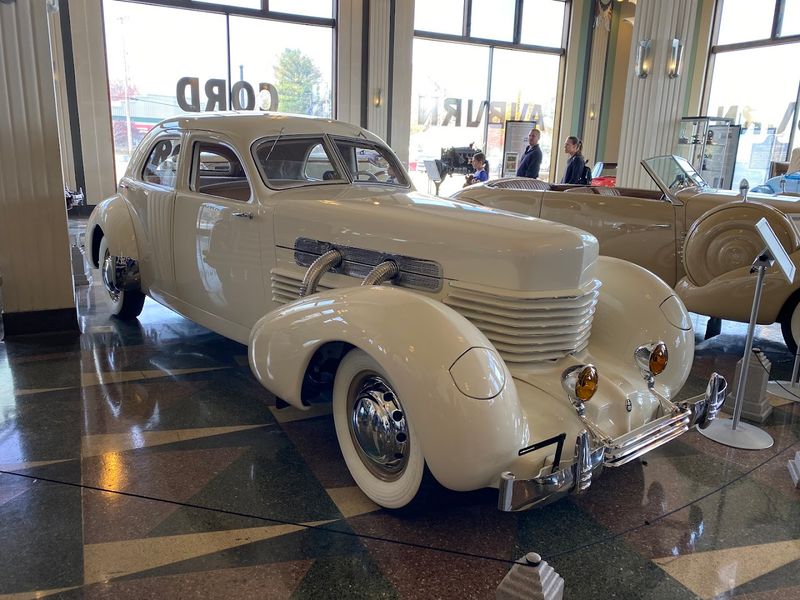
Cord automobiles pushed boundaries in ways that still impress engineers today. These cars featured front-wheel drive decades before it became common, along with revolutionary hidden headlights that disappeared into the fenders.
The design was so far ahead of its time that modern car enthusiasts immediately recognize a Cord’s distinctive silhouette. That coffin-nose hood and flowing fenders created an unmistakably futuristic appearance that turned heads everywhere they went.
The museum’s Cord collection demonstrates why these vehicles became instant classics. Introduced in 1929, the Cord L-29 was America’s first successful front-wheel drive production car.
Later models like the stunning 810 and 812 refined this technology while adding even more innovative features. The absence of a driveshaft tunnel meant passengers enjoyed more interior space and comfort.
These weren’t just beautiful automobiles; they represented serious engineering achievements that influenced automotive design for generations.
What makes seeing these cars in person so special is understanding the context of when they were built. During the Great Depression, when most manufacturers played it safe, Cord dared to be different.
The company’s willingness to take risks resulted in some of the most beautiful and technically advanced automobiles ever produced. The museum displays these vehicles with detailed explanations of their innovations, helping visitors appreciate both their aesthetic beauty and mechanical significance.
You’ll understand why collectors worldwide still treasure these remarkable machines.
Auburn Speedsters And Classics Celebrate Local Manufacturing Heritage
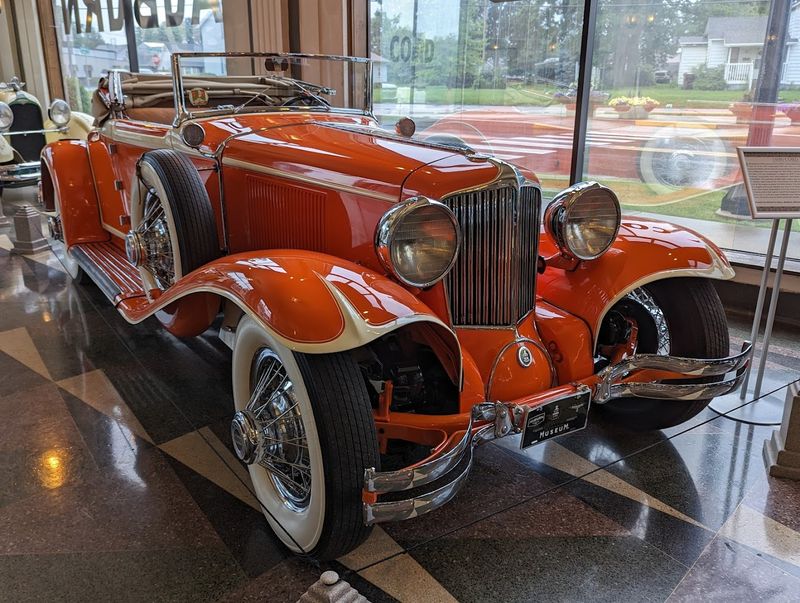
Auburn automobiles hold special significance because they were built right here in this Indiana community. The company started in 1900 and grew into a major manufacturer, employing thousands of local residents and putting Auburn on the automotive map.
These weren’t just any cars; Auburn specialized in offering luxury and performance at prices more people could afford compared to ultra-exclusive brands. The museum honors this local legacy with an impressive collection of Auburn models spanning the company’s entire history.
The Auburn Speedsters particularly capture visitors’ imaginations with their aggressive, sporty styling. These cars were designed for people who wanted performance and glamour without the astronomical cost of a Duesenberg.
That distinctive boat-tail design became iconic, and the supercharged models could genuinely compete with much more expensive sports cars. The museum’s examples show these vehicles in pristine condition, their chrome gleaming and paint looking fresh despite being nearly a century old.
Beyond the Speedsters, you’ll find elegant Auburn sedans, phaetons, and other body styles that demonstrate the company’s versatility. Information displays explain how Auburn’s business strategy differed from competitors and why the company eventually struggled during the Depression years.
For locals especially, seeing these cars represents a connection to our community’s industrial heritage. The Auburn Automobile Company may be gone, but these beautiful machines ensure its legacy lives on for future generations to discover and appreciate.
Rare Indiana-Built Vehicles Fill Gallery Of Excellence Collection
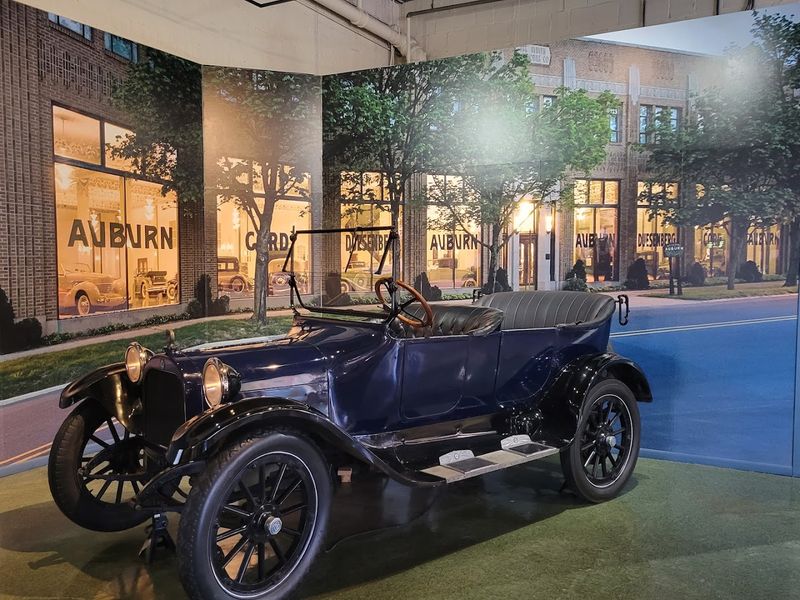
Indiana’s automotive history extends far beyond Auburn, Cord, and Duesenberg. The third-floor Gallery of Excellence reveals this surprising depth, showcasing rare vehicles from manufacturers most people have never heard of.
Companies like Stutz, Marmon, and Cole all called Indiana home during the early automotive era. This collection celebrates that rich heritage with examples you simply won’t find in other museums, making it especially valuable for serious automotive historians and enthusiasts.
Some of these vehicles are so rare that only a handful of examples still exist worldwide. The museum staff takes pride in acquiring and preserving these automotive oddities, knowing they represent important chapters in manufacturing history.
Each car tells a story about entrepreneurship, innovation, and the fierce competition that characterized the early automobile industry. Reading about the various Indiana manufacturers that came and went provides fascinating insights into how the automotive business evolved.
What strikes me most about this collection is how experimental and diverse early automobiles were. Before the industry standardized around certain designs, manufacturers tried all sorts of wild ideas.
You’ll see unusual engine configurations, creative body styles, and innovative features that never caught on. Some of these cars succeeded commercially while others flopped spectacularly.
The Gallery of Excellence preserves this experimental spirit, reminding visitors that automotive progress involved countless dead ends and failures alongside the success stories. It’s automotive history that doesn’t get taught in textbooks, making this collection genuinely irreplaceable.
Knowledgeable Staff And Docents Share Fascinating Stories And Details
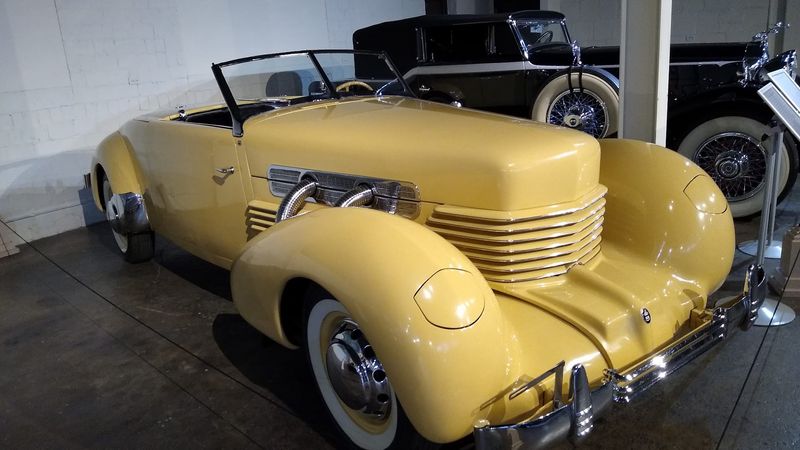
The Auburn Cord Duesenberg Automobile Museum at 1600 South Wayne Street, Auburn, IN 46706 employs and trains some seriously knowledgeable people. These aren’t just staff members reading from scripts; many are genuine enthusiasts who can answer detailed technical questions and share stories that bring the collection to life.
During my visits, I’ve had docents explain everything from engine specifications to celebrity ownership histories. Their passion for these automobiles is contagious and adds immeasurable value to the experience.
What impresses me is how the staff adapts to different visitor interests and knowledge levels. Families with young children get engaging, accessible explanations that keep kids interested.
Serious collectors and engineers can dive into technical discussions about supercharger systems or coachwork construction methods. The museum clearly invests in training its people well, ensuring every visitor leaves with a deeper appreciation for automotive history.
This personal touch distinguishes the museum from places where you just read plaques and move on.
The staff also helps with practical matters, from suggesting which exhibits to prioritize if you’re short on time to recommending other automotive attractions in the Auburn area. Their friendliness creates a welcoming atmosphere that encourages questions and exploration.
I’ve noticed they genuinely seem to enjoy their work, which makes sense given they’re surrounded by incredible automobiles every day.
Dear Reader: This page may contain affiliate links which may earn a commission if you click through and make a purchase. Our independent journalism is not influenced by any advertiser or commercial initiative unless it is clearly marked as sponsored content. As travel products change, please be sure to reconfirm all details and stay up to date with current events to ensure a safe and successful trip.
