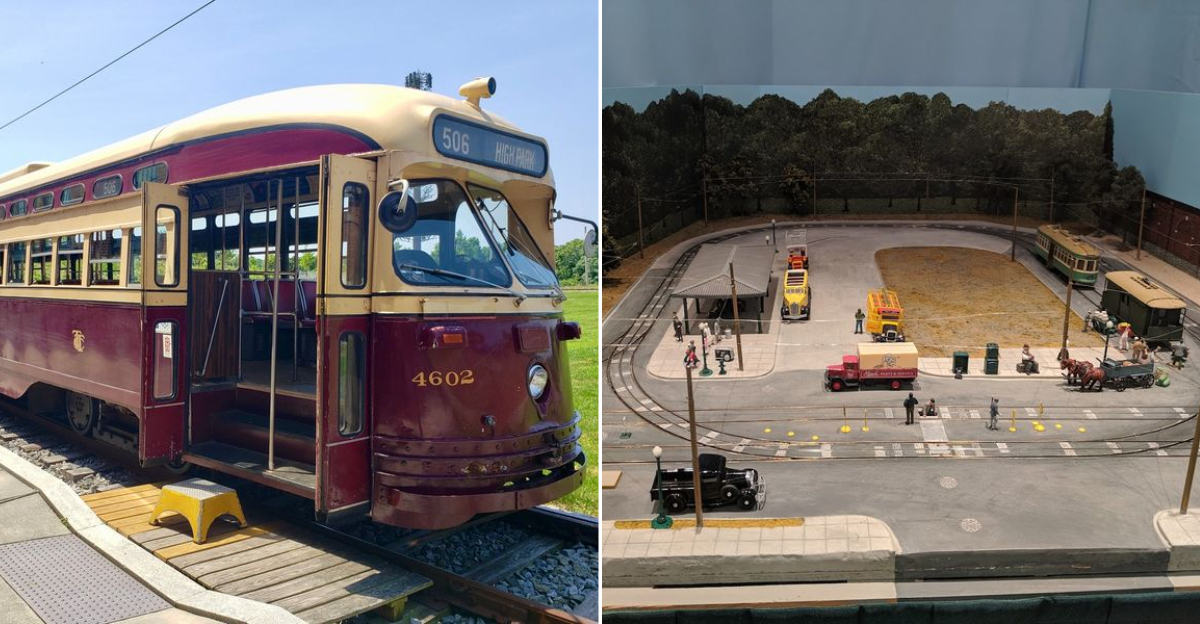
Nobody clogs up traffic to get to this Maryland museum, and that is exactly how regulars like it. The trolleys here still run on old tracks hidden deep in the woods, far from the tourist crowds.
You walk into a modest building and find a fleet of beautifully restored streetcars, each one gleaming like a time machine. Brass fixtures shine.
Wooden floors creak with every step. The best part is climbing aboard an actual car that still moves.
The bell rings, the doors close, and suddenly you are rolling through a forest at a gentle, nostalgic pace. Retired transit workers volunteer as guides, sharing stories of the days when these trolleys carried real passengers through city streets.
Kids press their faces to the windows. Adults feel a wave of something close to magic.
Most people drive right past this place without a clue. You will not make that mistake.
Maryland hides some wonderful secrets, and this trolley museum sits near the top of the list.
The First Glimpse Feels Weirdly Charming
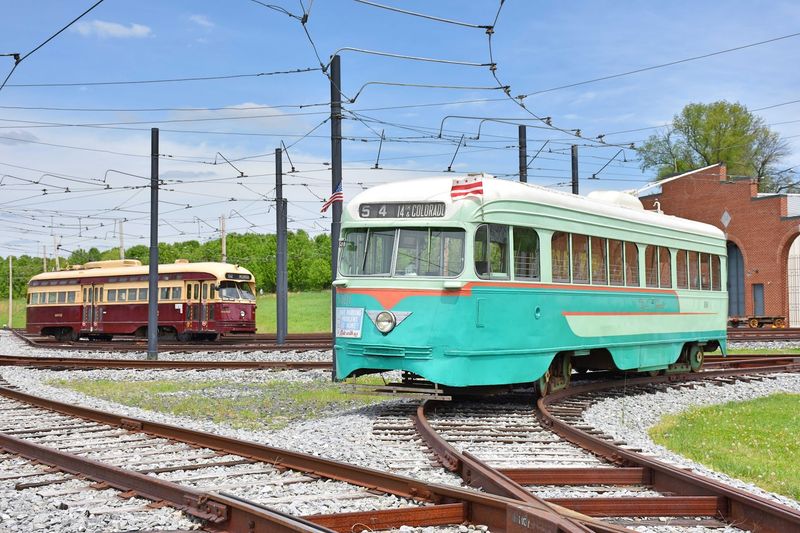
The first thing that got me was how unassuming the whole place feels, because you pull up expecting something niche and maybe a little dusty, and instead it immediately feels warm, lived-in, and genuinely cared for. There is something about seeing old trolley cars sitting there in Maryland that makes your brain pause for a second, like you have stumbled into a piece of city life that somehow wandered into the woods and decided to stay.
That contrast is what makes the museum stick in your head.
Once you are standing outside, the mood shifts from curiosity to real interest pretty fast, because the setting feels calm and almost neighborly instead of formal or stiff. I liked that right away, since it never gives off the feeling that you need to know anything before you arrive, and that makes the whole visit easier to sink into.
You can just show up, look around, and let the place introduce itself naturally.
That ease matters here, because trolley history could easily feel overly technical, but this museum keeps it grounded in ordinary people, daily movement, and the shape of cities. You are not staring at relics behind glass and trying to force yourself to care.
You are stepping into a story that still feels close enough to touch, and honestly, that is a pretty great way to start.
Getting There Is Part Of The Surprise
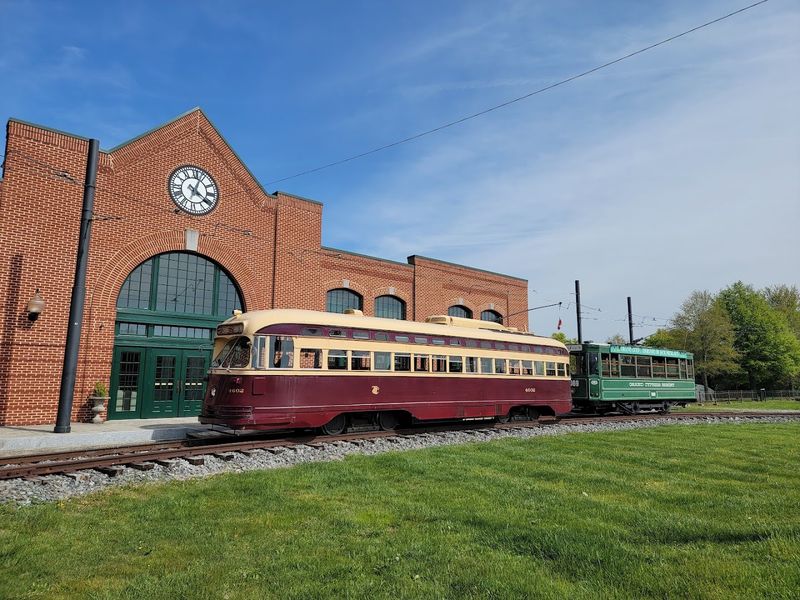
What makes the arrival memorable is how normal the area feels at first, and then suddenly you are at the National Capital Trolley Museum, 1313 Bonifant Rd, Colesville, MD 20905, getting ready to think about streetcars instead of errands. I love places that do that little mental switch on you, where the everyday world drops back for a while and something older, quieter, and more specific takes over.
This museum really does that in a way that feels effortless.
Colesville is not trying to stage some dramatic reveal, which honestly helps the whole experience feel more genuine from the beginning. You are in Maryland, things feel familiar, and then this collection of restored cars and transit history starts opening up in front of you with no big performance around it.
That contrast is part of the fun, because it makes the museum feel discovered instead of packaged.
By the time you walk in, you already get the sense that this place is preserving more than vehicles. It is holding onto the texture of everyday travel in the Washington area and nearby Maryland communities, and it does that without making you feel like you signed up for homework.
You just ease into it, which is exactly how a good visit should begin.
The Ride Through The Trees Is The Whole Hook
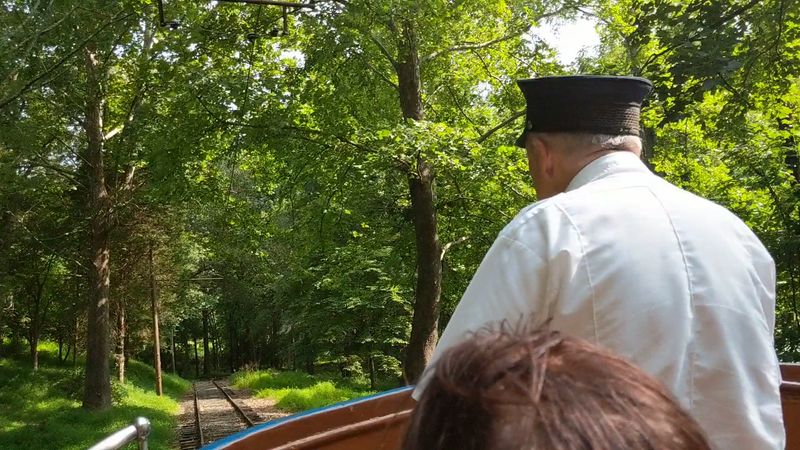
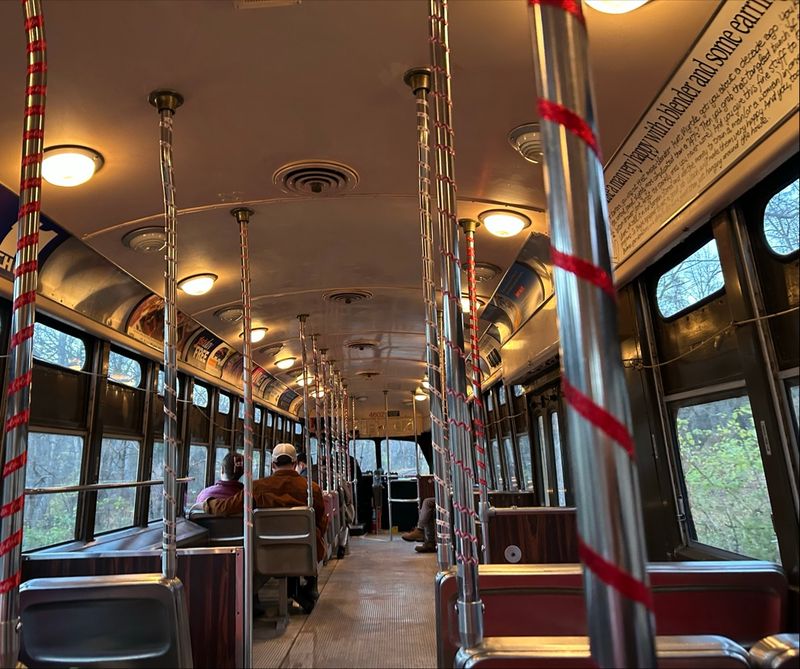
Let me put it this way, if the museum had nothing but the ride, I would still tell you to go, because there is something deeply satisfying about hearing the car move, feeling that gentle sway, and rolling into a stretch of woods that feels far removed from traffic. The track gives you space to settle in and notice small things, like the sound under the wheels and the way everyone starts looking out the windows a little more carefully.
It is simple, but it really lands.
What I liked most was how the ride never feels staged for effect, even though it absolutely could have leaned hard into nostalgia. Instead, it feels calm and lived-in, almost like you are borrowing a piece of another era for a little while and giving it back when the loop ends.
That makes the experience in Maryland feel more personal, because it is not just about looking at history, it is about moving through it.
If you have ever wondered why people loved streetcars in the first place, this part explains it better than any sign on a wall could. You understand the rhythm of it in your body, not just in your head.
And once that clicks, the whole museum starts making even more sense.
You Start Seeing Washington Differently
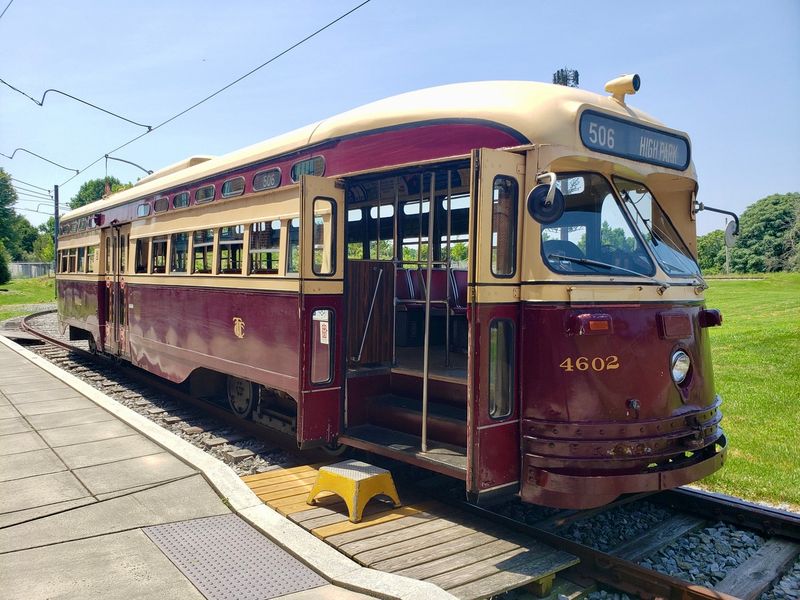
One thing I did not expect was how much this place would change the way I think about the Washington region, because the museum makes it clear that trolleys were not some quirky side story. They shaped how people moved, where neighborhoods grew, and how daily life connected across the capital area and nearby communities.
That context sneaks up on you, and then suddenly the whole subject feels much bigger than a collection of old cars.
The museum is especially good at grounding that history in local experience, which matters if you have ever spent time in Maryland or around Washington and wondered how those places became what they are now. You start to picture the routes, the riders, and the routines that once tied everything together in a way roads later changed.
It is not abstract once you are standing there. It feels practical, immediate, and strangely familiar.
I think that is why the museum stays with people after they leave, because it gives you a new layer to attach to places you already know. Streets stop being just streets for a second.
You start imagining rails under the pavement, old commutes, and the steady hum of cars that carried a city through its everyday life.
The International Cars Add A Fun Twist
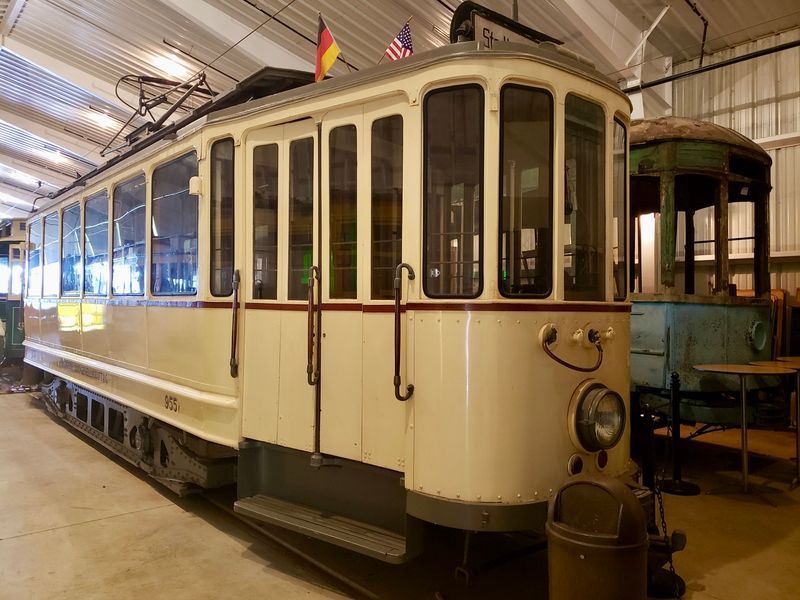
Here is where the museum gets even more interesting, because just when you think you have the basic idea, you start noticing cars from outside the immediate Washington story, including European trams that shift the mood in a really fun way. I always like when a small museum opens a side door into a bigger world, and that is exactly what happens here.
It keeps the collection from feeling too narrow without losing its focus.
Seeing those differences up close gives you a better sense of how public transit can reflect local style, engineering choices, and everyday habits, even when the basic purpose stays the same. The shapes, interiors, and design details tell their own stories before you even read a label.
It is one of those moments where you realize transportation history is also design history, city history, and social history all tangled together in the best way.
What I appreciated most was that the museum never turns this into a showy detour. The international pieces feel thoughtfully placed within the larger collection, and that makes them more satisfying to explore.
You get the pleasure of surprise without losing the grounded Maryland setting that makes the whole visit feel so approachable in the first place.
The Model Railway Pulls You In Fast
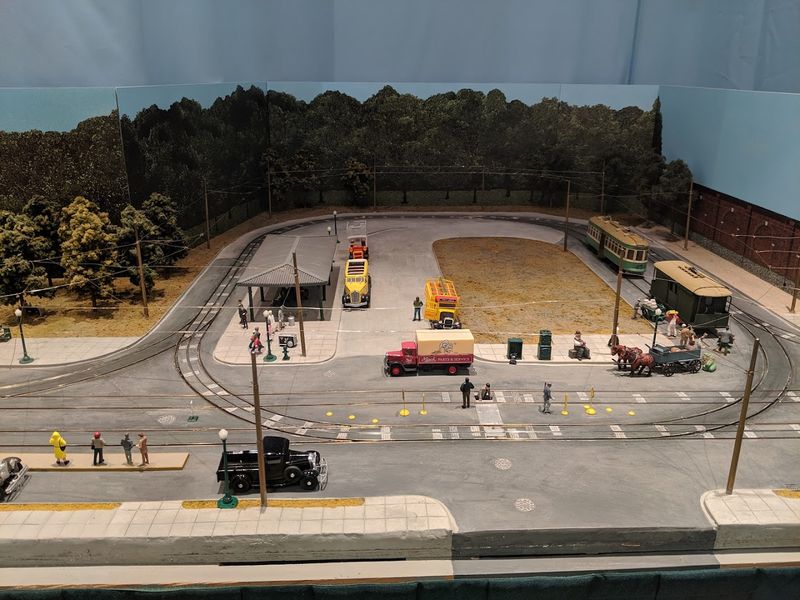
I am usually careful about overpraising model displays, but the Rock Creek railway model really does pull people in, because it gives the museum a different kind of energy from the full-size cars. You lean closer, start following the layout with your eyes, and before long you are looking for tiny details the same way you would scan a real neighborhood from a trolley window.
It has that quietly absorbing effect that good miniatures always have.
What makes it work is that it does not feel separate from the rest of the museum at all. Instead, it acts like a bridge between imagination and infrastructure, showing how routes, landscapes, and urban movement fit together in a form you can take in all at once.
After walking through actual cars, that shift in scale is refreshing, and it helps the bigger story click from a new angle.
I also think the model softens the learning curve for people who are not transit obsessives, because you do not need specialized knowledge to enjoy watching how everything connects. You just have to be curious for a few minutes.
Once that curiosity kicks in, the museum has you, and honestly, that is a nice feeling to surrender to.
It Never Feels Too Big To Enjoy
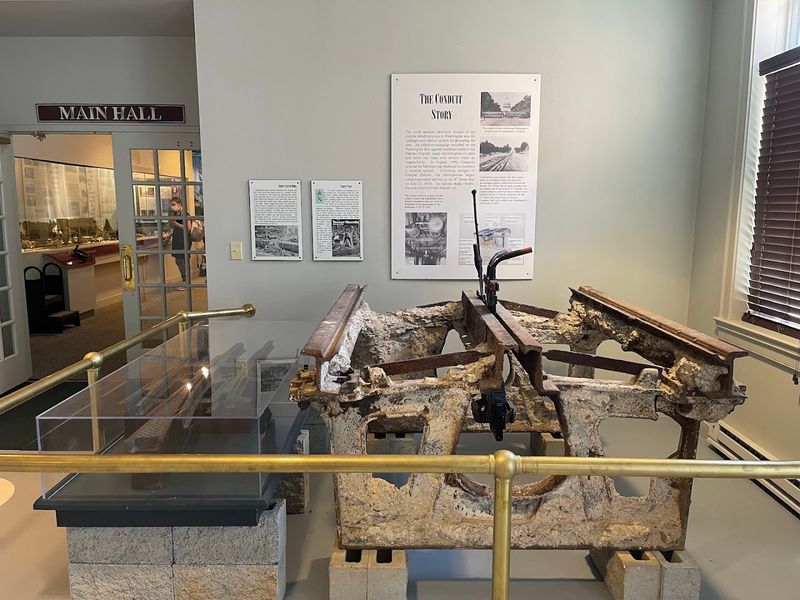
You know how some museums are technically interesting but somehow leave you tired before you are halfway through them? This place avoids that completely, and I think it is because the scale feels manageable in the best possible way.
There is enough to keep you engaged, but never so much that you start rushing, zoning out, or pretending to read signs while thinking about lunch.
The layout lets you move between riding, looking, listening, and wandering without any one part overstaying its welcome, which gives the whole visit a relaxed rhythm. That rhythm is a huge part of why I would recommend it to almost anyone heading around this part of Maryland.
You do not need to build an entire day around it unless you want to. It fits naturally into a day without feeling like a compromise.
I honestly think that moderate scale helps the history come through more clearly, because you are not overwhelmed by volume or distracted by endless options. You can focus on what is in front of you and actually remember it later.
For a subject that could have become dense or overly specialized, that is a real strength, and the museum uses it very well.
You Leave Wanting To Tell Somebody
By the time I left, the strongest feeling was not just that I had learned something interesting, but that I immediately wanted to tell someone else to go see it for themselves. That is usually my test for whether a place really worked, because information alone is never enough.
There has to be a little spark, some moment that sticks, and this museum has several of them.
Maybe it is the ride, maybe it is the streetcar hall, or maybe it is just the surprising way the whole visit feels both local and expansive at once. You are in Maryland, in a fairly calm setting, and yet the museum connects you to the movement of cities, neighborhoods, and daily life across a much larger region.
That combination gives the place a strong afterglow. It keeps unfolding in your mind even after you head home.
If a friend asked whether this museum is worth the detour, I would say yes without sounding rehearsed, because the answer feels easy and sincere. It is thoughtful, specific, and genuinely enjoyable in a way that never tries too hard.
And honestly, places like that are the ones I end up remembering most clearly.
