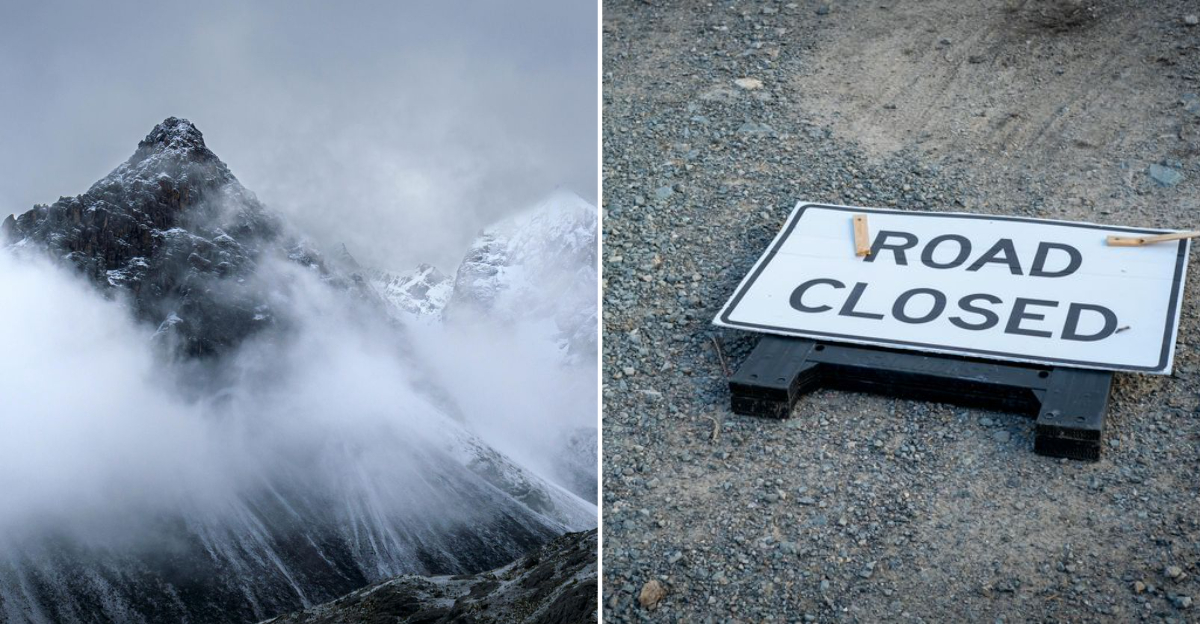
Have you ever driven a road that instantly makes you grip the wheel tighter? Colorado Highway 82, stretching between Aspen and Twin Lakes, is one of those routes.
It’s a stunning drive through the mountains, but when the fog rolls in, locals know it can turn from beautiful to downright intimidating.
The road twists and climbs with sharp drop-offs and narrow lanes that demand your full attention.
Add low visibility from heavy fog, and suddenly every curve feels like a challenge. Travelers often talk about how the silence of the mountains mixes with the eerie feeling of not knowing what’s ahead.
It’s not just the scenery; it’s the tension that makes this drive unforgettable. I’ve been on mountain roads before, and the mix of awe and nerves is something you don’t forget.
Highway 82 captures that perfectly: breathtaking views paired with a sense of caution that keeps you alert.
So if you’re brave enough for the ride, this foggy Colorado road will test your nerves and reward your eyes.
Fog Rolls In Without Warning
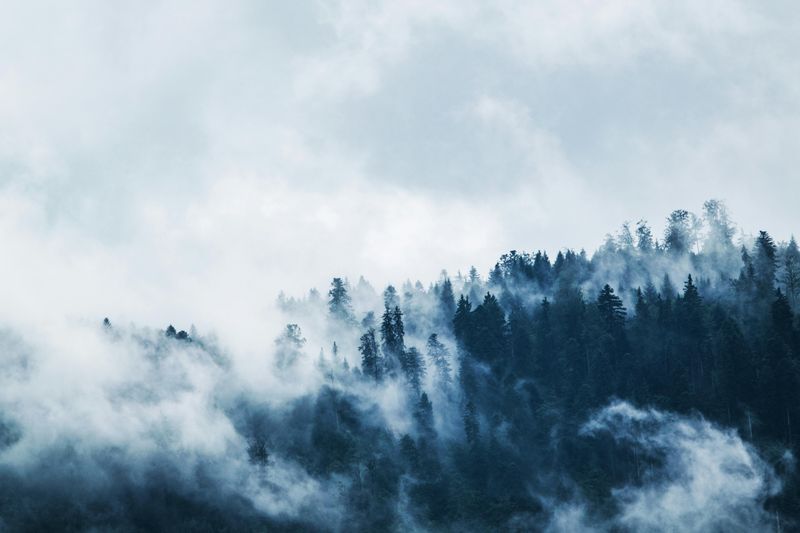
Here is the thing about Independence Pass in Colorado Highway 82, between Aspen and Twin Lakes, that everyone whispers about.
The fog shows up like a curtain drop, fast and stubborn. You are driving under a bright sky, and then the world just turns white without any pause.
I think that sudden switch feels personal, like the mountain changed its mind and forgot to tell you first.
Visibility can shrink to a few feet, and your brain needs a second to catch up.
Your hands go quiet on the wheel while your shoulders climb toward your ears, and that is the moment you realize the pass sets the pace, not you.
It does not drift away, it thickens, and locals know this trick and ease off early, because waiting even a little can trap you in it.
They have seen cars slide into the cloud and tap the brakes too late; signs fade, stripes blur, and the shoulder might as well not exist.
When that wall arrives, your best move is to slow down and breathe like you are teaching yourself how to drive again.
Clouds Sit Directly On The Road
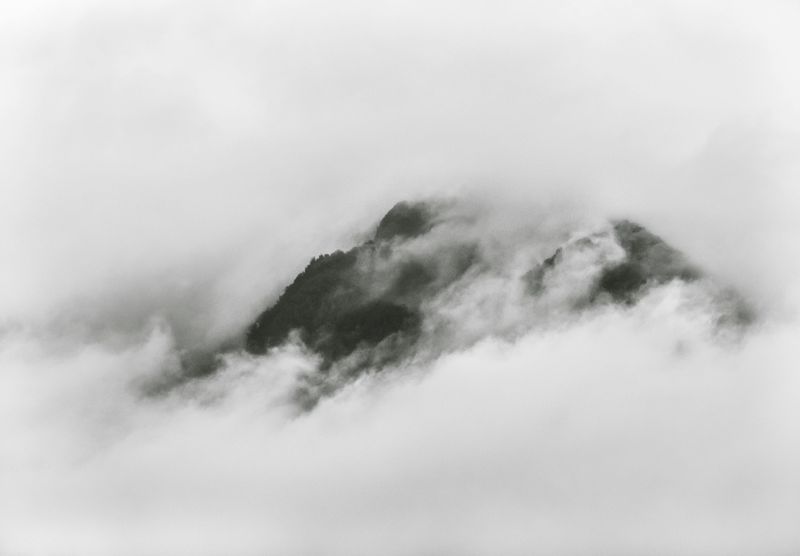
On some mountain roads, clouds hover above like a ceiling. On Independence Pass, they sit right on the pavement and stay put.
It feels like rolling through a blank room with the door missing. Your headlights paint the fog and bounce back, which is not helpful at all.
The lane markings fade to ghosts, and the guard side becomes a rumor. Colorado loves a mood swing, and the pass delivers it without apology.
Because the elevation is wild near the summit, the cloud deck and the asphalt become neighbors with no fences.
That is what makes this stretch so spooky and kind of unforgettable. The mountains are there, but they become a memory until the fog lifts.
There are pull-offs, but spotting them is another story in this kind of white.
Your brain wants edges and horizons, and the cloud steals both, so the drive turns into careful breathing and tiny course fixes.
Take it slow, keep the wheel steady, and trust that the next stripe will show up when it is ready.
No Guardrails In Critical Fog Zones
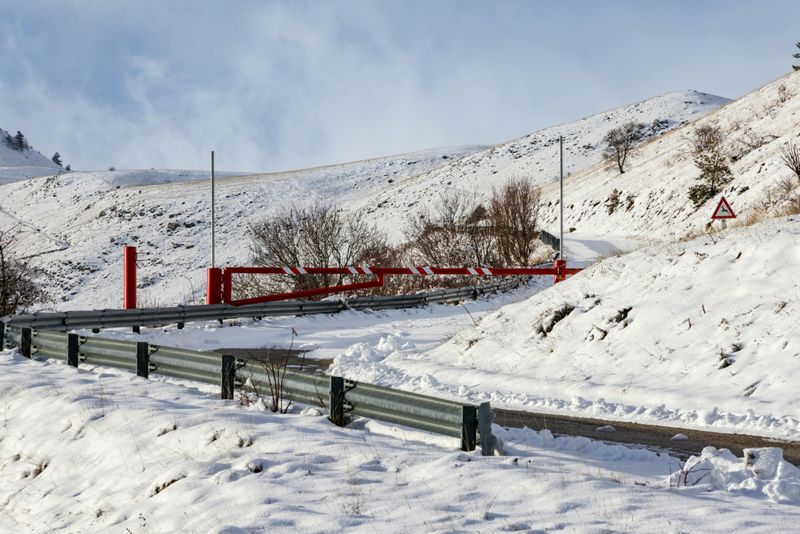
This is the part everyone talks about in low voices: some stretches near the top have no guardrails at all.
When the fog slides in, the edge of the road turns invisible and the drop vanishes with it.
You are not staring over a ledge, you are staring at white space. Your hands tighten because instinct wants a barrier that is not there.
Locals know exactly where these gaps live and slow to a crawl before they reach them.
The shoulder is narrow, and the margin for error is a rumor on fog days. I know it sounds dramatic, but it is just how it feels up there.
Even confident drivers go quiet and watch for tiny clues in the paint. I think the trick is to plan your moves early and keep them small.
In this fog, big actions make more trouble than they fix. Stay centered, keep your speed low, and let the road unfold one marker at a time.
Hairpin Turns Disappear Into White
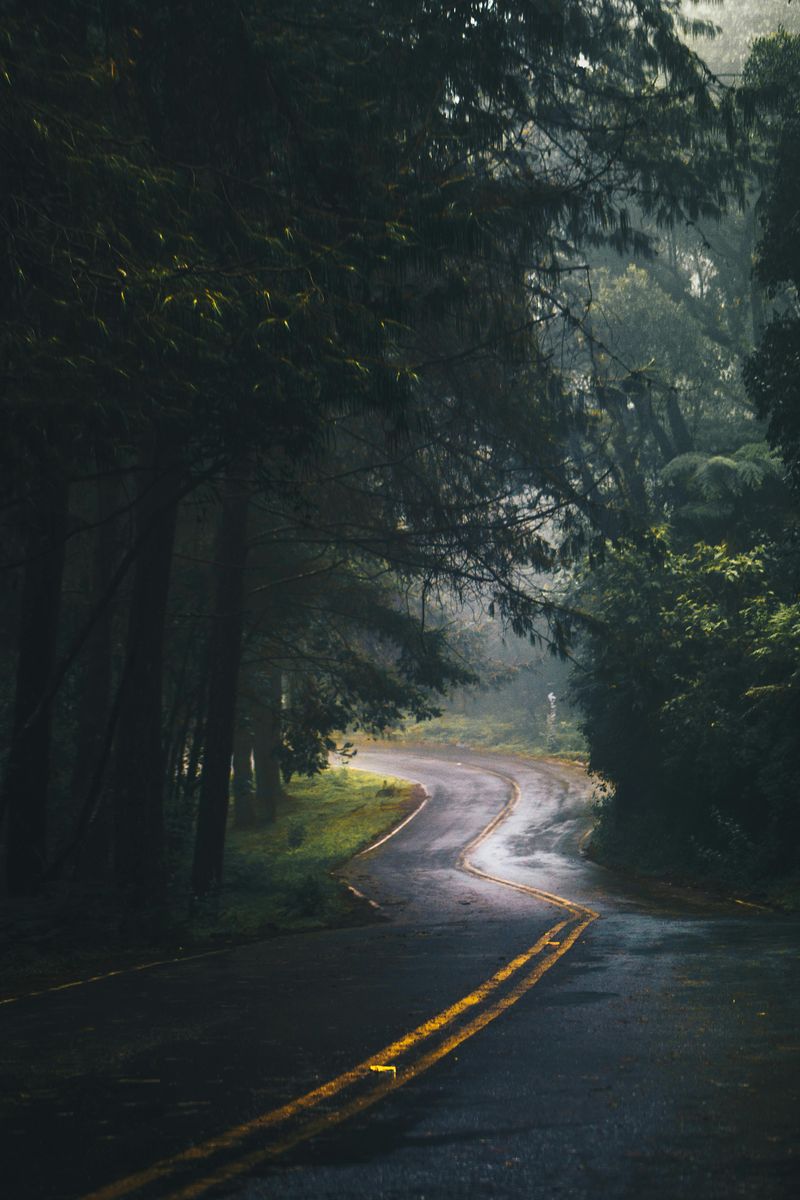
Let me be honest, these curves sneak up even on clear days.
In the fog, a hairpin turn shows itself right when you are already inside it. The line you wanted vanishes, and you improvise with what little you can see.
Your headlights do not reach, they just glow in the mist like porch lights. The rock face, the trees, the drop, they all blend into white soup.
That is why folks hold a steady pace and skip any sudden moves here.
Independence Pass is packed with tight switchbacks that reward patience, and Colorado Highway 82 threads them like a ribbon, and the fog ties the knot. Use the lane paint as breadcrumbs, not a guarantee.
Give the steering gentle inputs and let the car settle before adding more. Locals tap the brakes early and roll through like they are pacing a heartbeat.
You do not fight the mountain here, you match its tempo and trust your patience more than your vision.
The next curve will come, and it will be tight, so save your focus for that.
Sudden Temperature Drops Thicken The Mist
Here is the weird science moment you can actually feel from the driver seat: cold air slides over warmer ground and the fog fattens fast.
As you climb, it does not thin out, it stacks into dense layers.
The pass runs its own microclimate that does not care what the forecast said back in town. Colorado likes to flip the script, and this is one of those flips.
The road grows quieter, the air cooler, and the windows start to mist at the edges. You are basically driving into a cloud machine set to high.
People think it will clear at the summit, sometimes it doubles down instead. By the time you realize it is getting thicker, turning around can feel harder than continuing.
That is why folks check conditions before leaving and still bring patience for surprises.
Keep the cabin calm, the speed gentle, and your eyes soft on the lane markers. Know that small adjustments beat big corrections in this kind of air.
Elevation Makes Depth Perception Unreliable
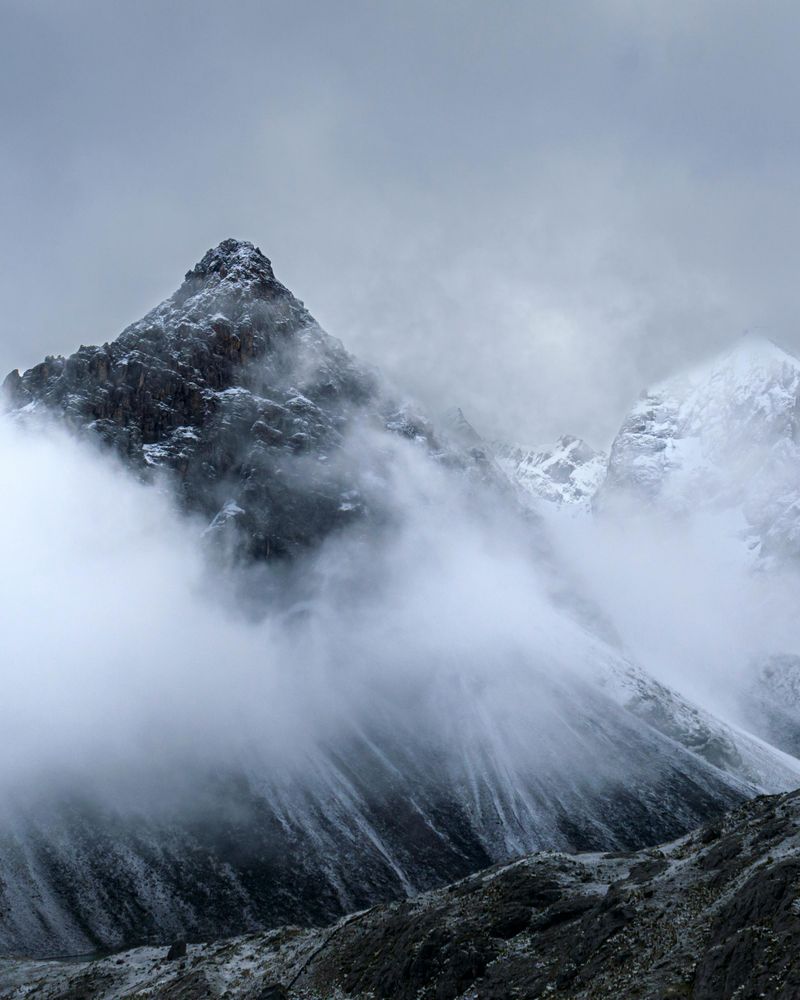
At this height, your eyes play tricks even without fog. Add a cloud to the windshield and distance turns slippery.
Cliffs feel closer, slopes flatten, and speed becomes hard to judge.
You might think you are crawling while you are actually moving faster than feels safe, that mismatch can make your stomach do a little flip.
It is not drama, it is just altitude plus white light washing out detail.
Independence Pass tops out above the trees, and the cues your brain wants are missing.
The state gives you big views on clear days, but fog erases the frame. The fix is simple and boring, which is exactly what you want.
Make sure to focus close, follow the paint, and let the speed drop to where your mind can keep up.
Locals say breathe, blink, and do not stare too far ahead into the white.
Give your senses a steady rhythm, keep a gentle grip and let the next marker invite you forward. It feels slow, but that is how you stay smooth and safe up here.
Wind Pushes Fog Across Lanes
Near the summit the wind gets a mind of its own. It shoves fog sideways like waves crossing the asphalt.
One lane can look clear while the other disappears in a heartbeat.
I feel like that shift keeps your shoulders tight and your eyes bouncing between mirrors and paint.
It is not constant, it pulses, so you learn to pause before passing and give the weather a second to move.
The safest call is to hold your lane and skip sudden lane changes. Let the mist roll by, then take the space it gives.
Locals wait for a stable moment and keep their inputs tiny; it is a patient style of driving, and it works up here.
When the wind eases, the road shows its lines again, and that is your cue to relax a touch and keep moving forward.
Narrow Lanes Leave No Room For Error
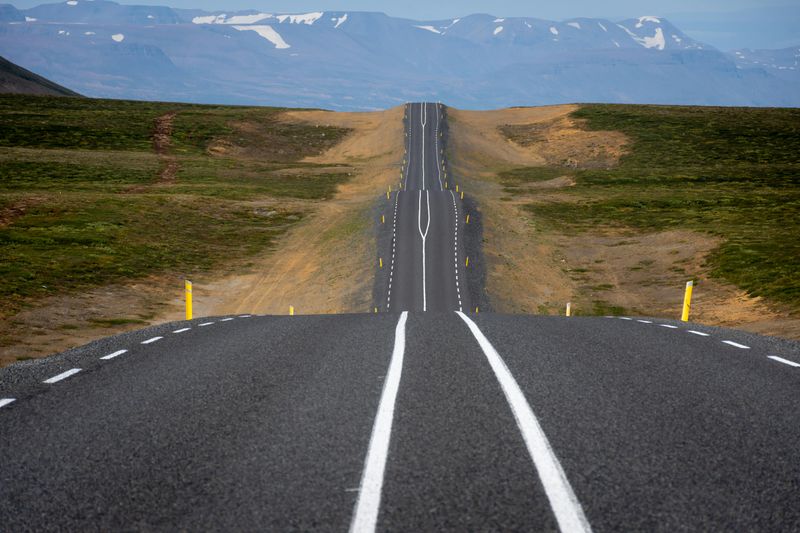
Independence Pass was carved for a different era of cars and traffic. The lanes feel slim, and the shoulders are more suggestion than space.
In fog, that tightness turns into the whole story, you lose the comfort of looking ahead for an easy out.
Instead, you commit to the lane and stick with it like a promise.
The state does not pad the edges here, and the mountain keeps you honest. Think of the centerline and edge stripe as rails for your focus.
Stay smooth on the wheel, steady on the throttle, and gentle on the brakes.
Locals handle it like a conversation, not a sprint, they keep the vibe calm and let the road dictate the timing.
Fog makes small mistakes grow fast, so the best move is to avoid making them at all.
Settle in, pick a calm speed, and keep scanning near and far in turns. It is not flashy, but it is how you finish the pass feeling good.
Cyclists And Wildlife Appear Suddenly
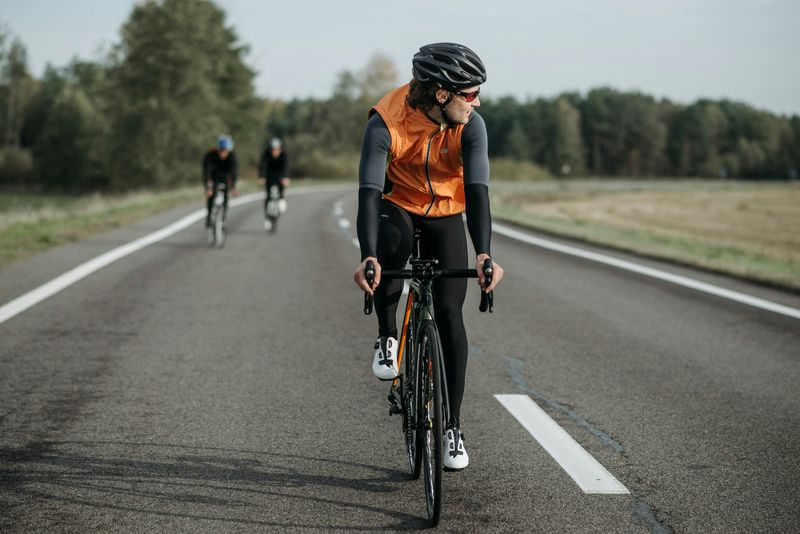
This road draws cyclists who love the climb and the thin air. Wildlife likes the same quiet zones near dawn and dusk.
In fog, both can appear right in front of you with almost no warning.
That is not a scare story, it is just the way this pass works. Your job is to expect the surprise and be ready to slow without drama.
Know that soft eyes, gentle feet, and steady hands go a long way here.
Give extra room when you can, even if it means waiting a beat. The fog hides motion until the last second, so patience becomes safety.
Locals keep the high beams off in dense mist to avoid glare and use low beams to see texture, they also resist honking because it can startle more than help up here.
Expect a rider leaning into the grade or a deer stepping from the brush. Neither wants trouble, and neither can predict you either.
With calm pacing and clear signals, everyone gets through. It is a shared stretch of mountain, and respect is the rhythm that works.
Seasonal Closures Add To The Fear
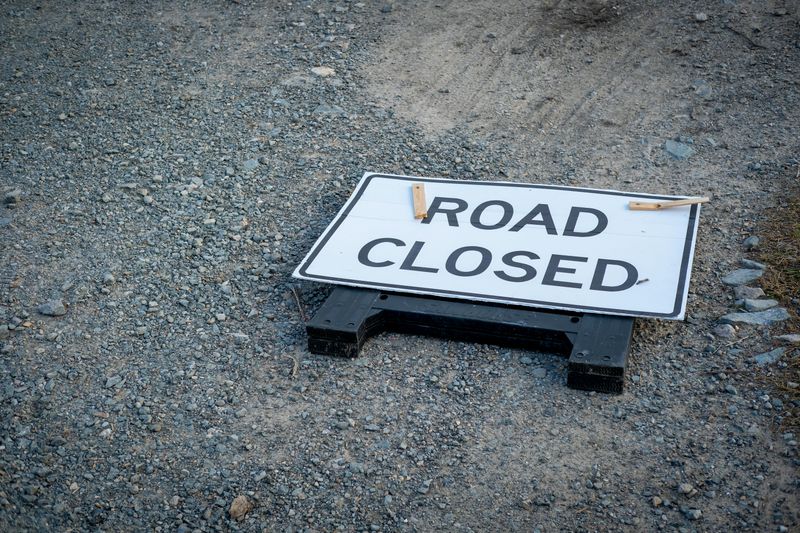
The pass shuts down for winter because the weather up here means business. Even in the open months, that history hangs over the drive like a quiet reminder.
When fog drops in, you feel that same weight, like the road could close itself at any moment. It is not scary, just honest about where you are.
Colorado makes the rules at elevation, and this pass follows them without debate. That is part of the draw and part of the jitters.
Fog folds into that story by stealing visibility and options.
You will feel it most near the summit and shaded sections that hold cold air. Locals treat the pass like a guest who leaves when the mountain says so.
They respect the window they get and drive accordingly.
If the cloud thickens, you do the same thing; ease off, stay smooth, and give the road room to breathe.
The mountain always wins, so you play the long game and enjoy the ride.
No Cell Service At The Worst Moments

Here is a detail that changes how you plan the day: service drops out on long sections of the pass right where the fog likes to sit.
If something goes sideways, calling for help might not happen right away.
I think that isolation makes the fog feel heavier and more personal. It is the state being wild and gorgeous, but also blunt about preparation.
Tell someone your route and timing before you leave town. Make sure to charge your phone, pack a basic kit, and keep a paper map tucked in the glove box.
When the whiteout starts, you will be glad you set expectations earlier. There is comfort in knowing people expect you at the other side.
Locals think of it like mountain etiquette, not worry.
Slow down, stay present, and lean on your plan instead of your phone; the road rewards that kind of calm thinking.
When the signal returns, you will feel the difference in your shoulders. Until then, keep rolling steady and trust your setup.
Dear Reader: This page may contain affiliate links which may earn a commission if you click through and make a purchase. Our independent journalism is not influenced by any advertiser or commercial initiative unless it is clearly marked as sponsored content. As travel products change, please be sure to reconfirm all details and stay up to date with current events to ensure a safe and successful trip.
