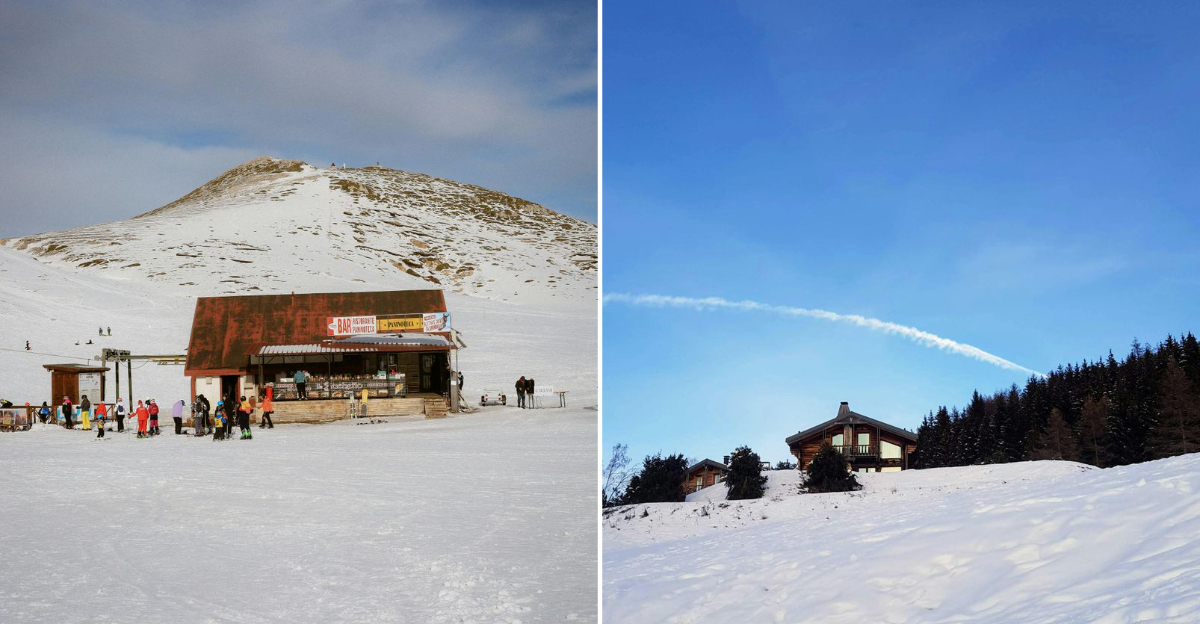
Have you ever come across a ski lodge that feels like it’s been frozen in time? In Colorado, the Skier’s Chalet Lodge is exactly that.
Once a lively spot for skiers, it now sits quiet, carrying the weight of its past in every creak of the floorboards and faded sign out front.
I remember hearing stories from people who stayed there years ago: late nights by the fire, early mornings on the slopes, and the kind of camaraderie you only find in places built for adventure.
Walking past it today, you can almost picture those scenes, even though the lodge no longer operates. It’s eerie in a way, but also fascinating, like a snapshot of ski culture preserved in the mountains.
This isn’t the kind of place you’ll book for a weekend getaway anymore, but it’s still worth knowing about.
Curious to see why this forgotten lodge continues to spark interest? Let’s take a closer look at its frozen past.
The Time Capsule At The Base
You know that feeling when a place just holds the air differently?
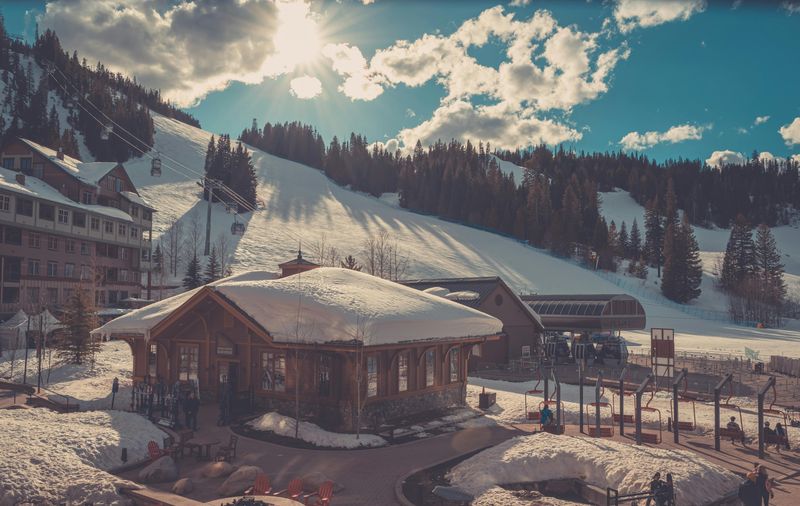
Skier’s Chalet Lodge does that the second you spot its wood siding and simple lines tucked into the Lift 1 neighborhood. It is not pretending to be old school because that is simply what it is.
Stand out front and look up at Aspen Mountain. The building feels close to the slope in a way that modern layouts rarely allow.
Your brain starts to picture early mornings when the town hummed and nothing felt more urgent than beating your friends to first tracks.
I like how the details stay quiet. Nothing glossy fights for your attention, so the history gets to speak.
Locals talk about it like a lived-in scrapbook where boot rooms, waxing benches, and tired smiles shaped the real story.
The charm is not curated. It is the wear on the thresholds and the way snow piles into corners that tells you winter calls the shots here.
If you lean in, you can almost hear a soft chorus of clinking skis and muffled laughter from a hallway.
Colorado has plenty of ski buildings, but this one holds its ground with understatement. It is the kind of place you visit when you want to remember why sliding on snow ever felt simple.
That memory lands, and it sticks.
The “Ski Bum Museum” That Became Real Life
Ever walk into a place and think, this could be a museum, but it is actually just Tuesday. That is the vibe longtime locals describe here.
Skier’s Chalet Lodge never needed plaques because the daily routine did all the explaining.
Picture folks stomping snow off boots and shaking out gloves after the last laps. Imagine wax shavings near a workbench and a stack of trail maps curling at the edges.
Nothing staged, just the way winter life arranges itself when people live for first chair.
Stories here love big legends, yet the small rituals feel truer like drying socks over baseboard heaters.
The building caught those moments and kept them safe.
I like that it blurred the line between display and use. It felt like a living exhibit where the label is a nickname and the catalog number is yesterday’s boot print.
When people call it a ski bum museum, they are really honoring that rhythm. The place taught patience, thrift, and the art of catching snow when it counts.
You leave with a grin that says, yep, this is how winter feels when it is honest.
Built For The Lift One Era
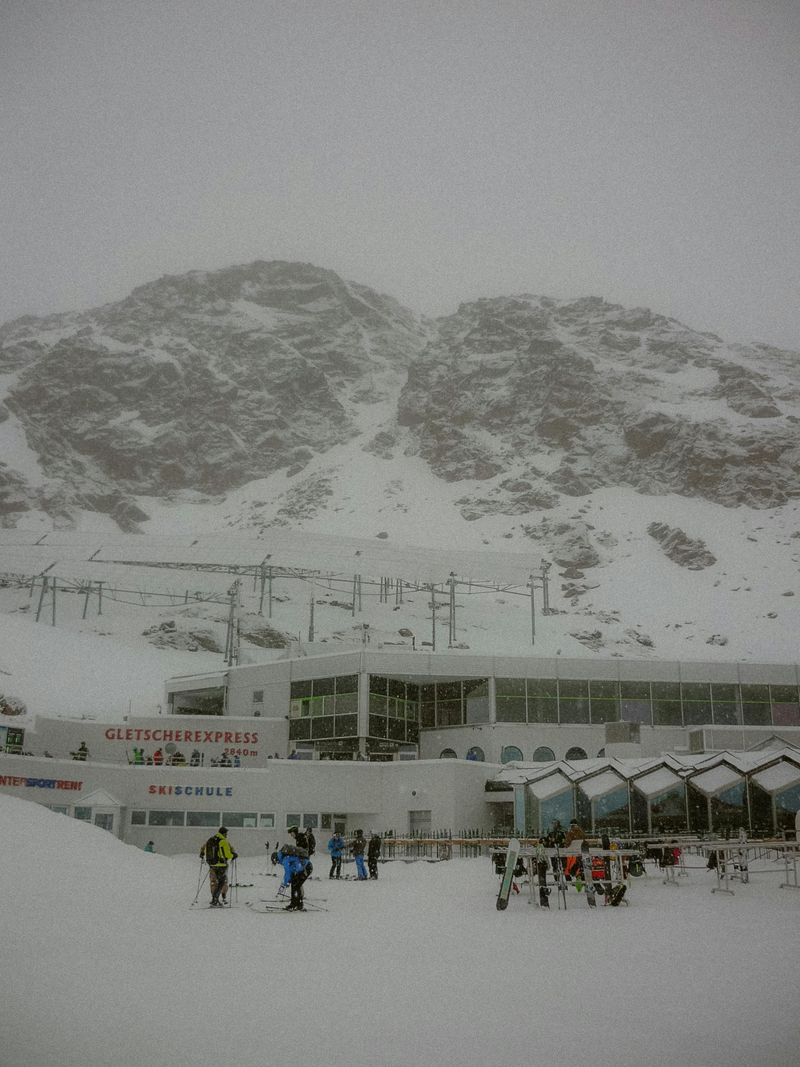
Here is where the town’s ski identity clicked into place. The Lift 1 area is the original base, and the lodge wears that role like a well-used jacket.
You can see it in the pitch of the roof and the way the facade nods to an alpine daydream.
A city preservation memo links this chalet style to Aspen’s postwar push for a European tone. That pitch was more than marketing.
It was a whole look designed to make the mountain feel both adventurous and friendly.
Stand on the sidewalk and trace the lines with your eyes. The geometry is simple, built for storms and melt seasons, not magazine spreads.
That practicality makes the nostalgia land even harder.
I like how the structure reads as purpose first, charm second. You can tell it was drawn by someone who counted snow loads before counting compliments.
The result feels grounded and steady.
Colorado towns tried many versions of ski architecture, but this one stuck because it served the mountain.
A Lodge With A Frozen, Stuck-In-Time Feel
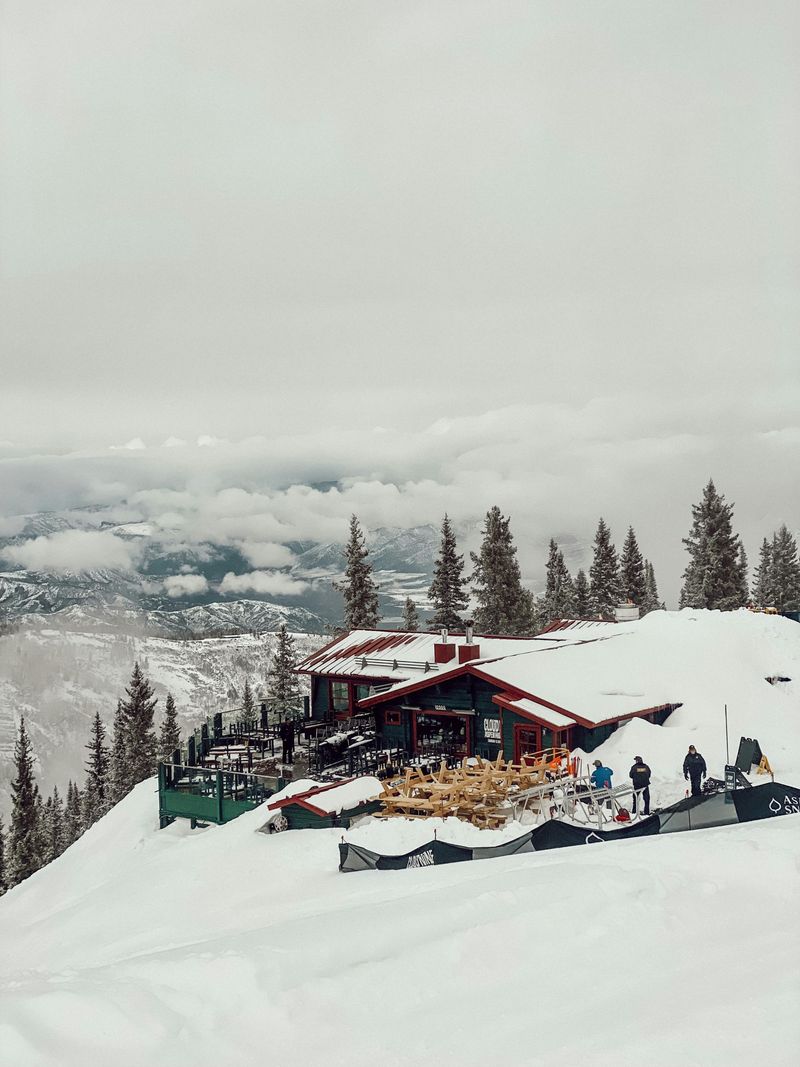
Frozen is the word people keep using, and it fits. The building holds winter like a breath you forgot to let out.
Even in spring, it seems to carry a chill in the trim and steps.
I think it is about a steady calm that makes you move slower and listen closer.
Nights here seem extra blue around here, and that shade lingers by morning.
Stand near the entry and look for layered tracks in the snow. You can map out a whole day from those marks.
Early risers, late returns, and the lazy shuffle of someone debating one more lap.
I like places that do not chase trends. This lodge refused to blink while the world got busy upgrading.
That stubbornness reads as character, not defiance.
Time-travel is a strong claim, but you will feel it. That gently stuck feeling is why locals held on so tight.
You shake your head, smile, and think “leave it just like this a little longer.”
The Big Change Nobody Could Avoid
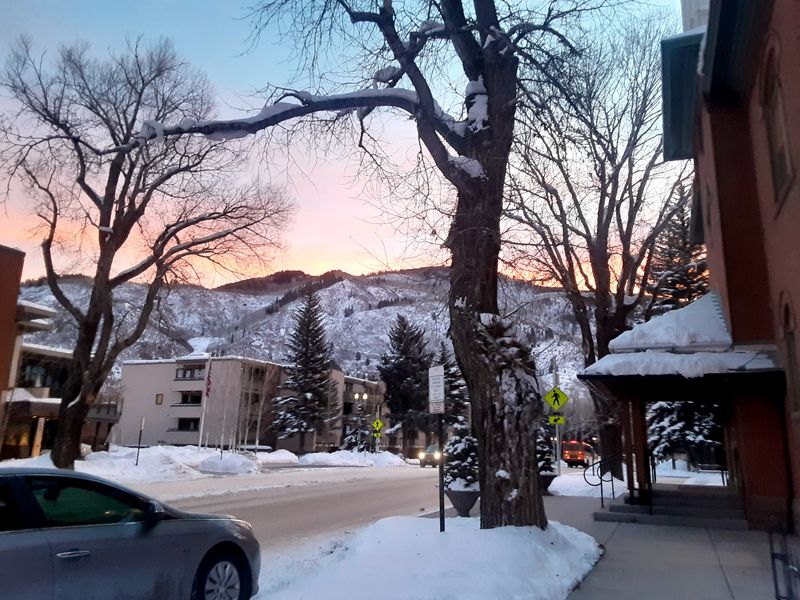
Everyone knew a shift was coming. News filters through a town like Aspen fast, especially in a neighborhood this small.
Still, when leases wrapped up, the goodbye felt heavier than expected.
Changes in Colorado ski towns tends to arrive like a slow plow. You see it down the road, then suddenly it is clearing your lane.
Folks here had braced for it, but hearts do not follow calendars.
What stung was not surprise. It was the end of a rhythm built on shared hallways and first-light plans.
Those everyday rituals are hard to pack.
I stood along Gilbert Street and took in the quiet. Snow softened the edges and made the transition feel almost gentle.
Memory does the rest, filling in the laughter and clatter the way fresh flakes fill tracks.
No need to script a dramatic sendoff. The place has always spoken softly and still does.
If you pause, you can hear it wishing everyone one more smooth run.
From Hotel To Something Else Entirely
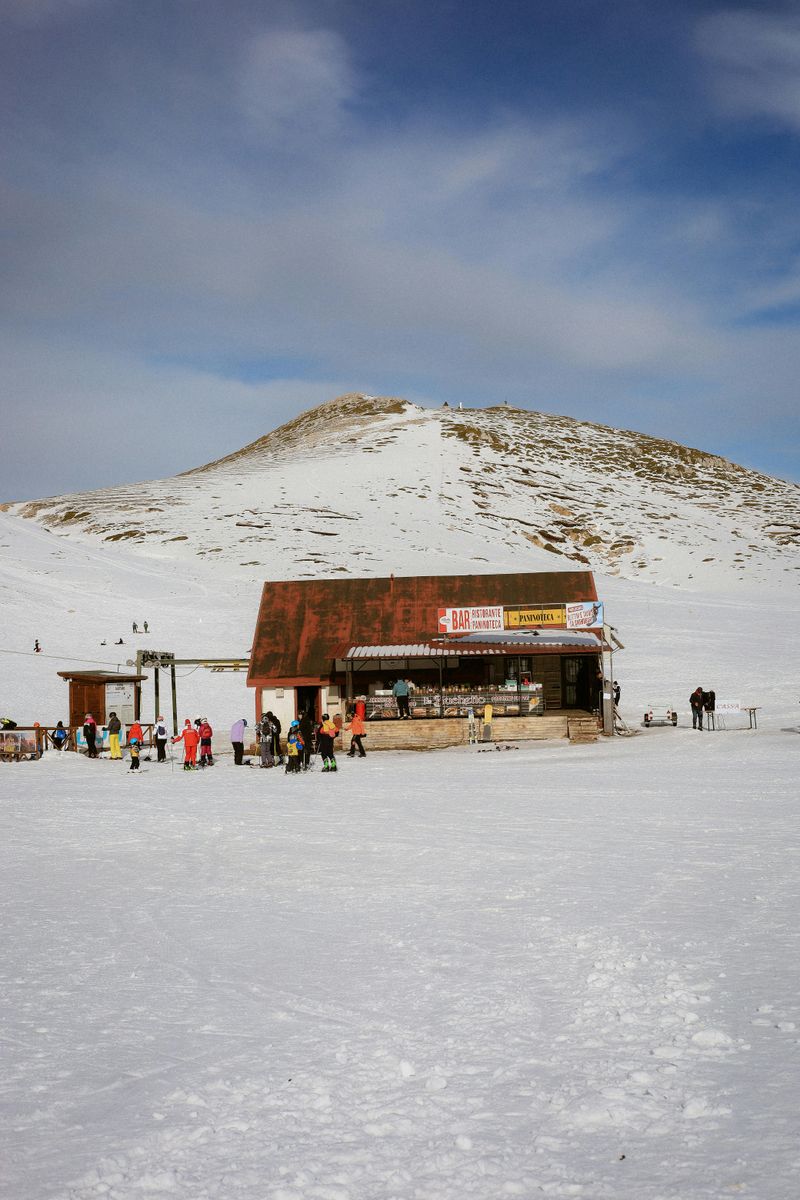
The building’s life did not stick to one script. It started as a straightforward lodge, then pivoted into studio-style rentals that carried a different beat.
That pivot is what gave it a louder cultural echo.
When a place becomes everyday housing, the story gathers new layers: boot dryers next to bikes, skis stacked with toolboxes.
The stuff of winter life spreads out and makes itself at home.
Colorado housing stories can get messy, but this one reads like community notes scribbled in the margins.
Neighbors watched out for snow on steps and kept track of storm cycles like a shared calendar.
It was practical and kind of scrappy.
I like how that dual identity deepened the memory. Visitor nights turned into seasons, and seasons turned into chapters.
You can feel those chapters in the hallways even now.
Call it evolution or a left turn. Either way, the building learned new ways to matter.
That is why the name sparks more than nostalgia when people bring it up.
A Planned Second Life, Not A Demolition Goodbye
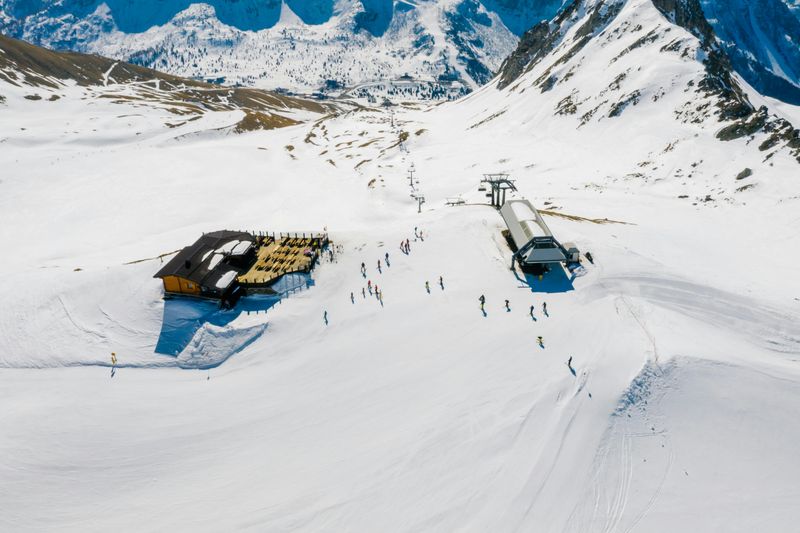
Here is the twist I love. The plan is not to erase the lodge but to move and rehabilitate it for skier services and a ski museum.
That gives the story a forward lean without sanding off the edges.
City materials point to the Aspen Historical Society steering the museum piece. That detail matters because caretakers shape tone.
With the right touch, the building can keep its voice.
Imagine walking in and seeing history layered with function: lockers that nod to old boot rooms, displays that feel like conversations instead of lectures.
That is the sweet spot if you ask me.
I like second lives when they stay honest. The wood grain should still show.
The roofline should still shrug at storms like always.
This state recycles its legends best when they keep working. If this lodge gets to welcome skiers again while telling its tale, that is a win.
The Neighborhood That Still Reads As Old Aspen
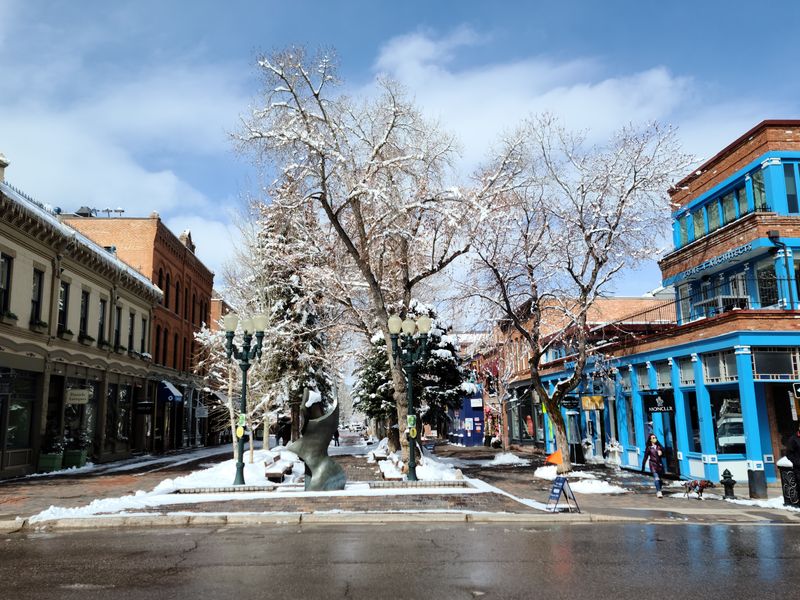
Take a slow walk and you will feel it. The blocks here still pack the town and the mountain into one frame.
Doors open to snow, and the lift feels almost conversational distance away.
Preservation notes describe this zone as Aspen’s original ski base. That checks out the second your boots hit the street.
Early lodging gathered tight, and the pattern stuck.
The state has grown in every direction, yet this pocket keeps its scale. Small drives, small stoops, small signs.
You notice what is close and do not miss what is not.
I like the way old and new overlap at a human pace: a glance, a nod, and you are already halfway to the hill.
The rhythm encourages short goodbyes because the snow is calling.
Stand still and listen. Wind in the trees, a chair swinging somewhere up the line, and distant scrape of edges.
That is the soundtrack the lodge has always known.
The Chalet Style That Aspen Learned To Sell
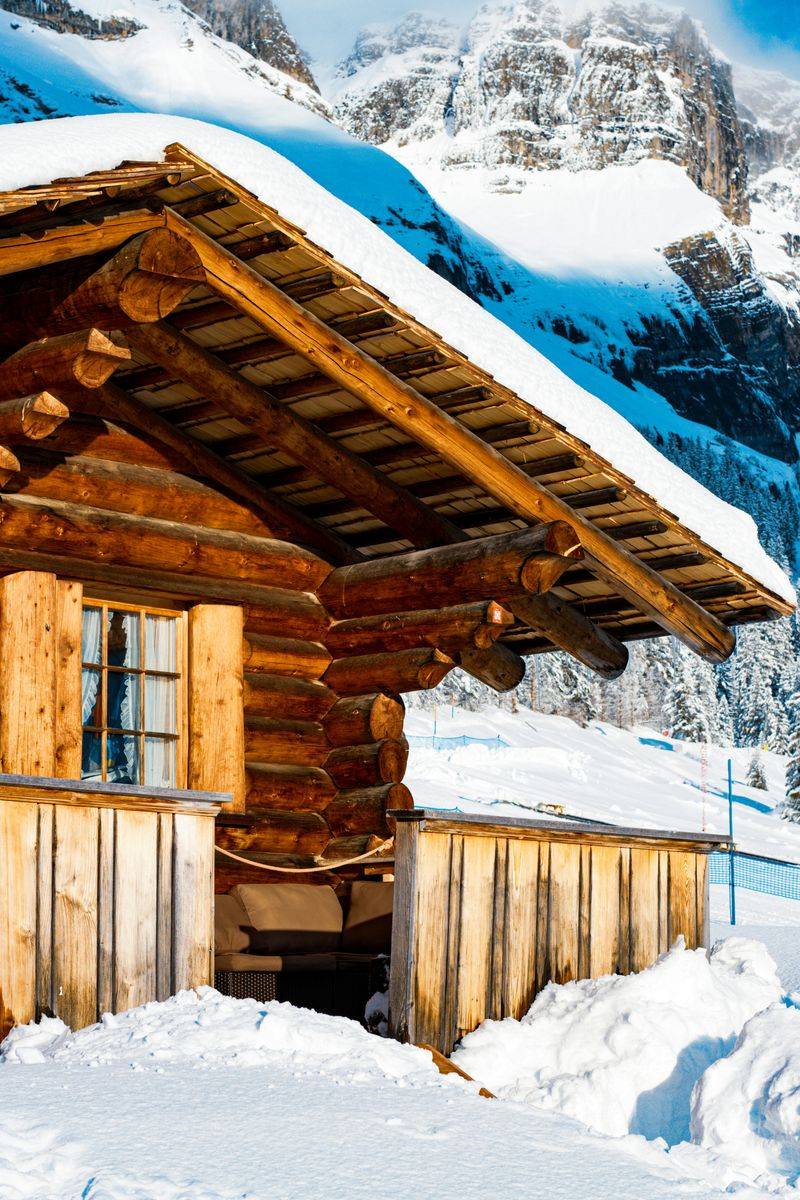
Marketing and architecture teamed up here. Aspen leaned into chalet charm, and buildings like this made the pitch feel real.
The look kept showing up in brochures because it worked.
A preservation memo ties the style to that mid-century push for old world warmth. The rooflines, wood textures, and compact massing promised cozy without trying too hard.
People bought the story because they could touch it.
Resorts here later chased slicker shapes, but this language never went quiet. It says, come close and stay a while.
That is a message snow towns deliver best.
I like standing near the eaves and reading the details. You see function first, then flourish.
Even the smallest bracket seems designed by the weather.
If you want to understand Aspen’s personality, start here. The lodge shows how branding can be honest when it grows from need.
I think it is heritage you can walk right up to.
Why Locals Loved It More Than Visitors Ever Did
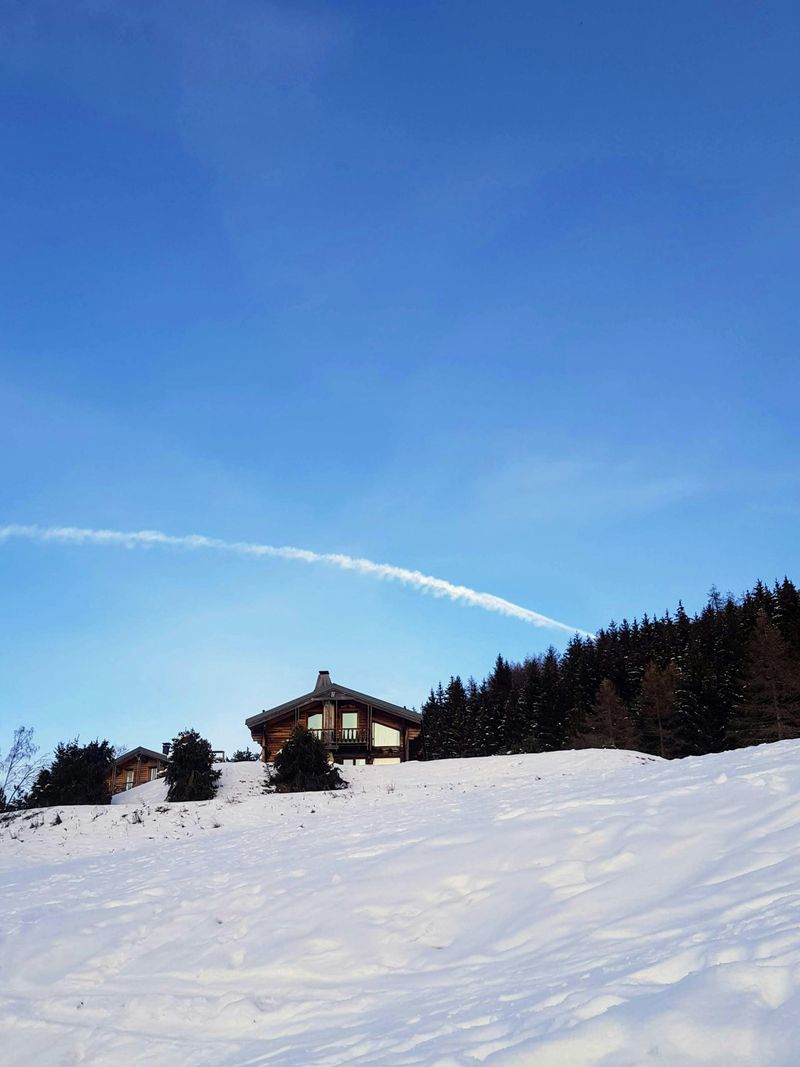
Visitors saw a quirky old building. Locals saw a place that kept real winter people close to the mountain.
That difference explains the affection that never quite fades.
Living here meant first tracks were not a treat, they were a habit. You met friends in the hall and made plans between jacket zips.
The building made skiing feel like part of the daily toolkit.
Towns in this state talk about community, but this one practiced it by proximity. Notes on a corkboard were enough, and a knock on a thin wall sorted the rest.
I like the humility of that setup. Nothing fancy, just a roof that knew what it was for.
You can respect that kind of clarity.
Ask around and you will hear soft stories. Warmth shared, gear passed along, and a steady sense that winter was a team sport.
That is why the memory carries weight.
How To Experience It Without Pretending It’s Still 1995
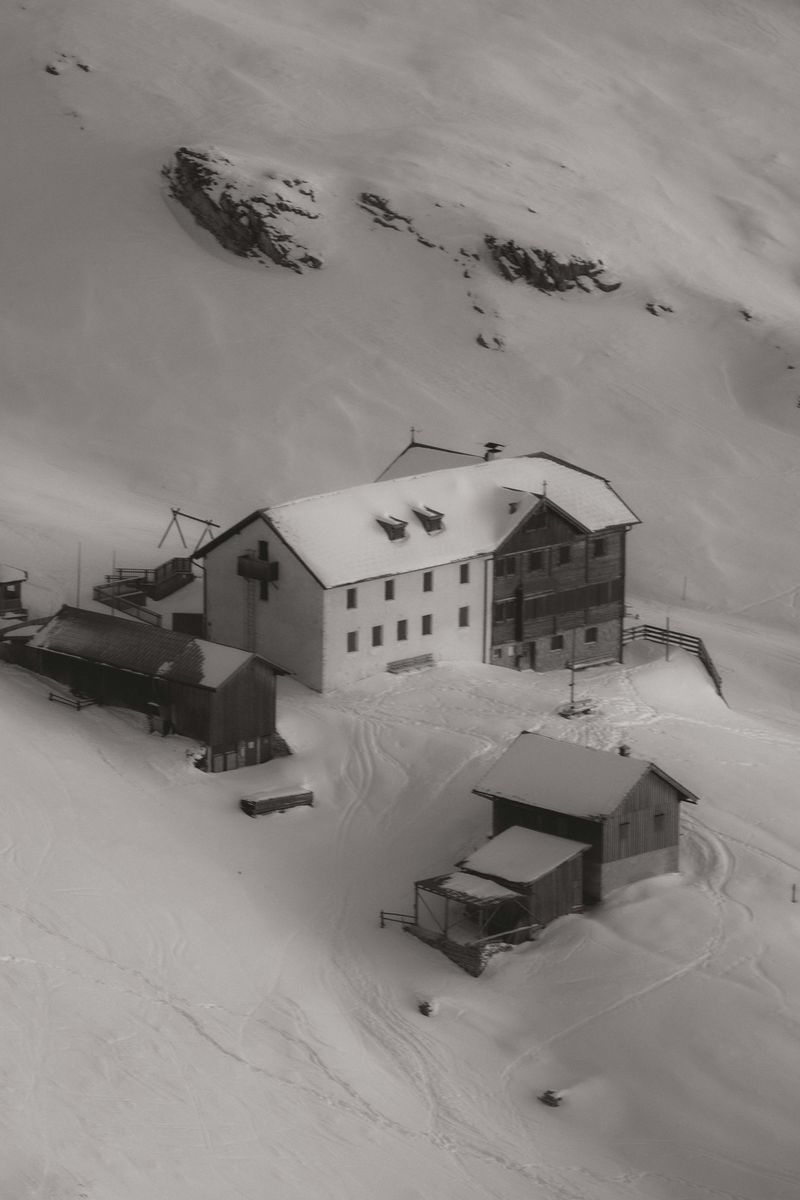
Here is the move: start by facing the mountain. Trace the line from front doors to snow and picture the daily shuffle.
I think that closeness is the whole trick.
Keep your expectations simple. You are here for ski history and community memory, not a shiny lobby.
Let the textures and distances carry the mood.
I like to pause by the curb and listen for chairlift echoes. Maybe you hear nothing, maybe you hear everything.
Either way, the street holds it.
Colorado has a way of saving its best stories in plain sight. This place proves it with quiet confidence.
Walk it, breathe it, and take the feeling with you.
Dear Reader: This page may contain affiliate links which may earn a commission if you click through and make a purchase. Our independent journalism is not influenced by any advertiser or commercial initiative unless it is clearly marked as sponsored content. As travel products change, please be sure to reconfirm all details and stay up to date with current events to ensure a safe and successful trip.
