Minnesota hides places where the present feels optional, and Tulaby Lake might be the most beguiling of them.
Locals whisper about a modest log cabin that slid into a quiet pause, its rooms holding steady while the decades hurried past.
If you have ever sought the hush of wood paneling, lake air, and routines that do not care about screens, this spot offers a rare lens.
Come explore nine offbeat angles that reveal how a simple family retreat became a living time capsule and why it still captivates curious travelers.
A lakeside origin that never hurried
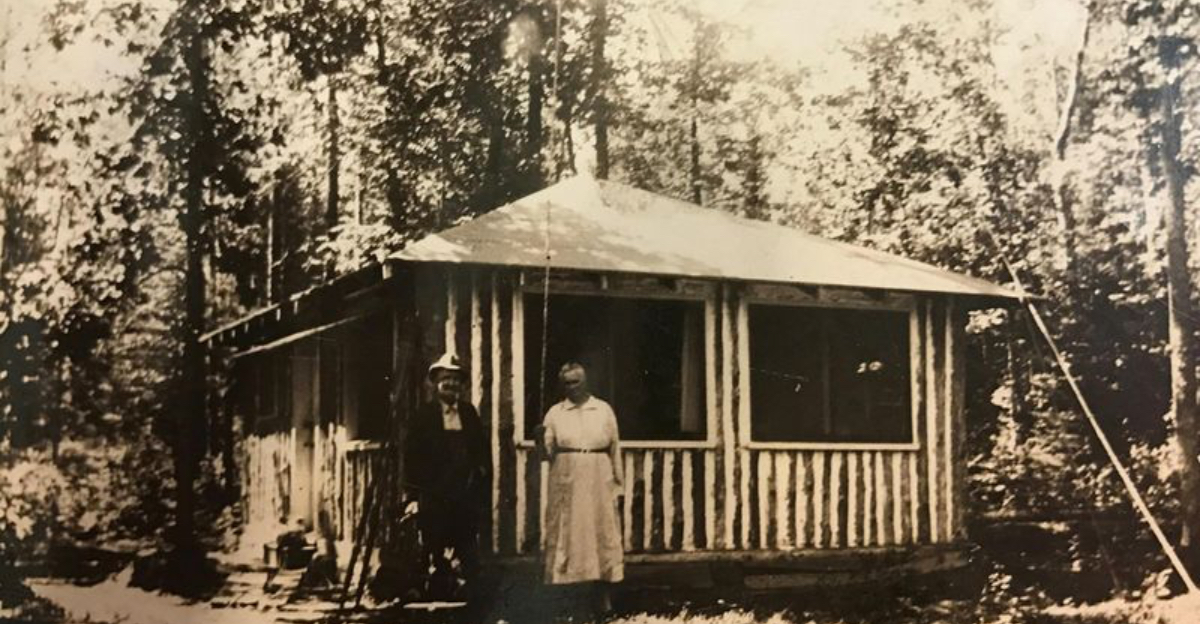
The Cabin on Tulaby Lake began as a straightforward log structure in northwestern Minnesota, built around the 1930s when function guided every decision. It later shifted roles in 1970, when a newer cabin took over daily life and the original was used mainly for storage.
What stayed behind was more than lumber. The interior held on to knotty pine paneling and vintage furnishings, and the rooms kept their careful simplicity. Walking in today, the style reads mid century without pretense, and the layout feels practical rather than staged.
Tulaby Lake sits about three hours northwest of Minneapolis, so the drive itself becomes part of the rhythm. The approach trades freeways for county roads, then gravel, and finally quiet shoreline. That remoteness frames the cabin as a destination where the clock seems to matter less.
The surrounding forest and water do the rest, offering a soft buffer between visitor and noise. You can hear loons before you spot the dock. The effect is steady and low key, just enough to reset expectations and invite slower observation.
A room styled by memory, not trends
Step inside and the space feels decisively unchanged, as if a family stepped out for a moment and never rushed back. Knotty pine walls glow in soft light, and the oak table still anchors the main room, set near windows that favor the lake over the road.
Furnishings avoid fuss. Chairs wear the patina of long summers and quiet winters, and the arrangement suggests conversation rather than display. Nothing shouts era, yet every detail whispers the mid century rhythm that guided cabin life across Minnesota.
The Star Tribune has described how this interior remains almost exactly as grandparents left it, and that is the persuasive charm. Lamps, shelves, and simple storage still serve their original tasks. Technology feels optional here, which makes the room generous in a calm way.
It is not a museum, yet it reads like one, a lived-in vignette rather than a stage set. You notice the small choices that kept the space intact. The scene instructs without signage, a quiet reminder that use can be its own preservation.
The 1970 pivot that froze the script
In 1970 the family bought a newer place nearby, and the original cabin settled into storage duty. That single decision created a strange pause, like a play that never reached the next act. Everyday objects stayed, but the choreography stopped.
What followed was not abandonment, just a tapering of daily use. The cabin remained part of the property, visited when needed, yet not asked to host summers the way it once did. The effect is a room held in a steady breath.
Because there was no renovation blitz, trends never edited the look. Carpets stayed modest, paneling stayed warm, and the furnishings aged without being replaced. The timeline slipped into low gear and then into neutral.
Travelers who value context will appreciate this hinge moment. It explains why the interior reads so consistently across decades and why the lake setting frames continuity rather than novelty. In Minnesota, where cabins are often refreshed on a schedule, this one simply paused.
Location that teaches patience
Tulaby Lake is a measured drive from Minneapolis, long enough to shed city pace but short enough for a long weekend. The final stretch brings trees tight to the road, and then the water opens like a quiet stage. The cabin sits close, just a few steps from the shoreline.
Forest wraps the site, softening weather and holding the scent of resin and leaves. You hear wind move in threads rather than gusts. Late day light lays a warm band across the shore, a reminder to slow down and look.
That setting matters in Minnesota, where lake culture prizes simple access and dependable quiet. It also explains why the cabin’s unchanged interior feels natural, not curated. The land invites steady habits.
If you come for the vibe, the environment carries most of the weight. Boats pass rarely, loons sound off when the air cools, and stars arrive early and bright. The geography tells you how to spend your time by doing very little.
Routine as heritage, not itinerary
Cabin life here favors small rituals. Berry picking in season, deer sign on sandy trails, and swims that reset a warm afternoon. These are not events, they are habits that outlast new gear and keep the day from getting crowded.
Hiking is short and unhurried. You follow familiar routes to the water or into the trees, then loop back to the porch for a quiet sit. The lake suggests a paddle when the air turns glassy.
Visitors describe routines that barely changed over the years. A chair moves to catch shade, a towel dries on a rail, a calm evening becomes a conversation. Nothing feels scheduled, and that consistency reads as comfort.
In Minnesota, such rhythms define a season as clearly as a calendar. You remember the feel of pine under your hands and the sound of small waves under the dock. The cabin becomes a backdrop for these recurring notes, reliable and kind.
Why the rooms suggest abandonment without the sorrow
After the newer place took over, the original structure slipped into a gentler role. It held trunks, extra chairs, and seasonal gear, which made it look paused instead of busy. That storage layer created the visual cues of abandonment without true neglect.
The materials helped. Knotty pine paneling wears time evenly, and sturdy furniture shrugs off long gaps between uses. The room gained dust and quiet, but not damage.
Visitors sense restraint rather than loss. You see how little was needed to keep everything intact, and how absence of upgrades preserved a single era. The feeling is closer to a book left open on a table.
In Minnesota’s cabin lore, many places cycle through additions and remodels. This one simply waited. The result is a space that seems forgotten at first glance, then reveals a careful kind of patience the longer you look.
Stillness you can actually hear
The atmosphere tilts toward silence the moment you close the door. Soft fabrics and wood absorb sound, and the lake offers only small notes, a tap against the dock or a distant loon. The quiet lands as presence, not emptiness.
Light plays a role as well. Morning arrives through thin curtains in wide bands, then fades to a mellow amber late in the day. Those transitions pace the hours better than any schedule.
Because upgrades were limited, there is no mechanical hum crowding the room. Simplicity keeps the soundscape clean. You notice wind first, then water, then your own footsteps.
Minnesota’s long twilight seasons amplify that stillness. Spring spreads it slowly, autumn stretches it into crisp evenings. Inside this cabin, the quiet does not ask for attention, it simply holds steady while you settle in.
Access, privacy, and the line you should not cross
This cabin is part of a private family property on Tulaby Lake, and current reporting does not indicate public tours. Respect for privacy is essential. Travelers should not enter or trespass, and should observe from public waters or roads only where clearly allowed.
For those planning a Minnesota lakes trip, consider nearby public lands and resorts that welcome visitors. You can find boat launches, trails, and scenic overlooks without stepping onto private lots. The region offers plenty of open shoreline experiences.
If research is your aim, review county records and newspaper archives for background. The Star Tribune coverage provides context for the interior and history. Cross check details before sharing stories.
Privacy is part of what preserved this place, so safeguarding it sustains the silence people admire. Enjoy the idea without pressuring the site. Let the lake and forest carry the mood while you keep a respectful distance.
For travelers who chase atmosphere, this cabin proves how inertia can be a kind of care. Nothing here hinges on novelty, yet the experience stays fresh because it is honest. The place shows what deliberate inaction can preserve.
Minnesota’s cabin culture often celebrates upgrades, but this example favors continuity. The pause around 1970 shaped a clear identity, a timeline you can read in paneling and placement. It is not frozen for show, it simply never sped back up.
Use the lesson elsewhere. Seek lodgings that respect original bones, choose routes that leave room for unplanned stops, and favor settings where water and trees do most of the talking. Your trip gains texture without adding clutter.
In the end, the Forgotten Lake idea works because it invites gentler travel. Arrive with patience, stay curious, and leave light footprints. The cabin remains itself, and you carry the quiet onward.
Dear Reader: This page may contain affiliate links which may earn a commission if you click through and make a purchase. Our independent journalism is not influenced by any advertiser or commercial initiative unless it is clearly marked as sponsored content. As travel products change, please be sure to reconfirm all details and stay up to date with current events to ensure a safe and successful trip.
