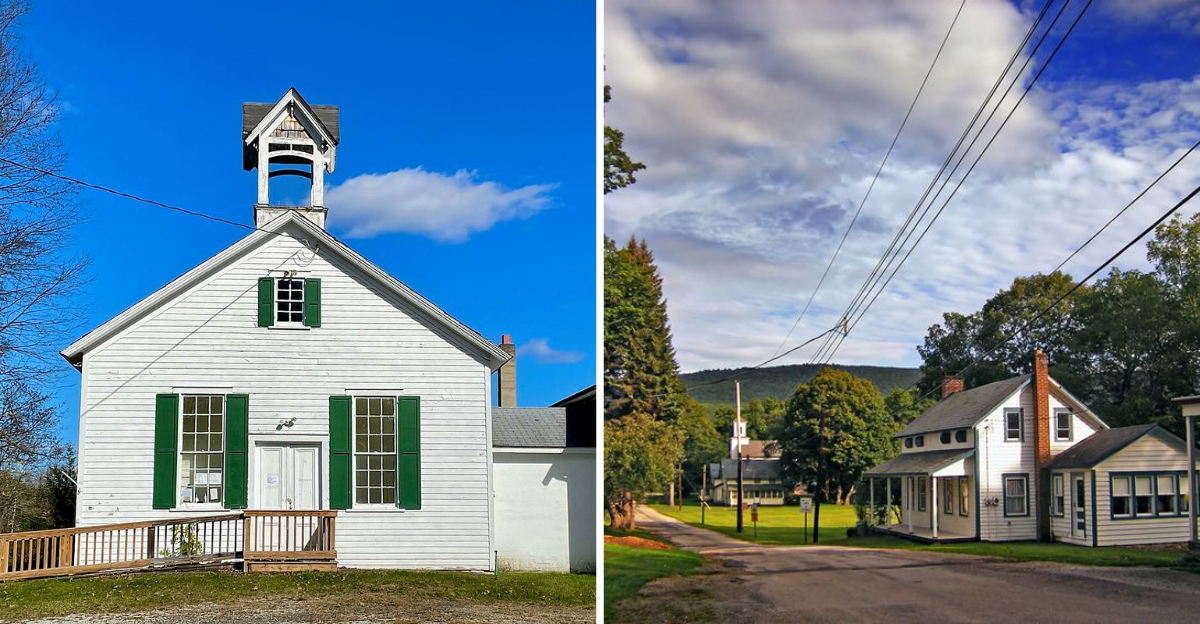
My phone lost signal somewhere between a sharp curve and a canopy of old oak trees, and honestly, that was the first sign I was heading somewhere truly different.
No notifications, no maps, no background noise from the internet.
Just the crunch of gravel under tires and the feeling that time had quietly slipped backward a few decades.
Nobody was rushing anywhere. Nobody was posting anything.
It felt like stumbling onto a movie set, except the dust was real, the silence was real, and the whole place had this quiet weight to it that no filter could ever capture.
A Village Frozen in the 1800s
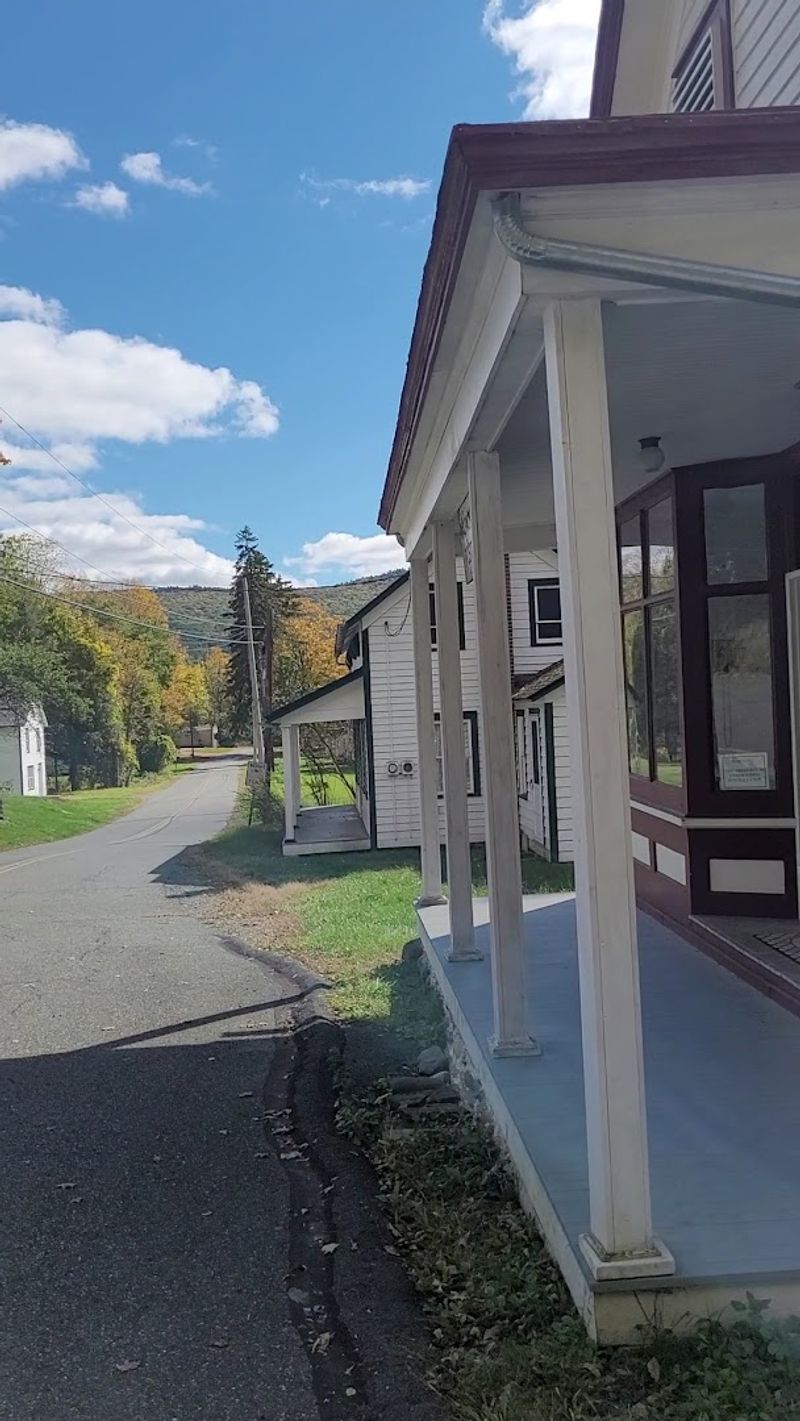
Walking through Walpack Center feels less like visiting a historic site and more like stepping through a door that someone forgot to lock. The buildings here date back to the mid-1800s, and they carry that age in every plank and stone.
Nothing feels reconstructed or polished for tourists.
Walpack Center was once a working community. It had a post office, a church, a schoolhouse, and homes that families actually lived in for generations.
The village served surrounding farms as a reliable service hub, quietly going about its business deep in the Flat Brook Valley of Sussex County.
What makes this place so striking is how complete it still feels. Most ghost towns get picked apart over time.
Here, the structures remain, weathered but standing, giving you a real sense of what rural New Jersey looked like before highways and strip malls changed everything. It is a time capsule with weeds growing through the cracks.
The Dam That Never Was
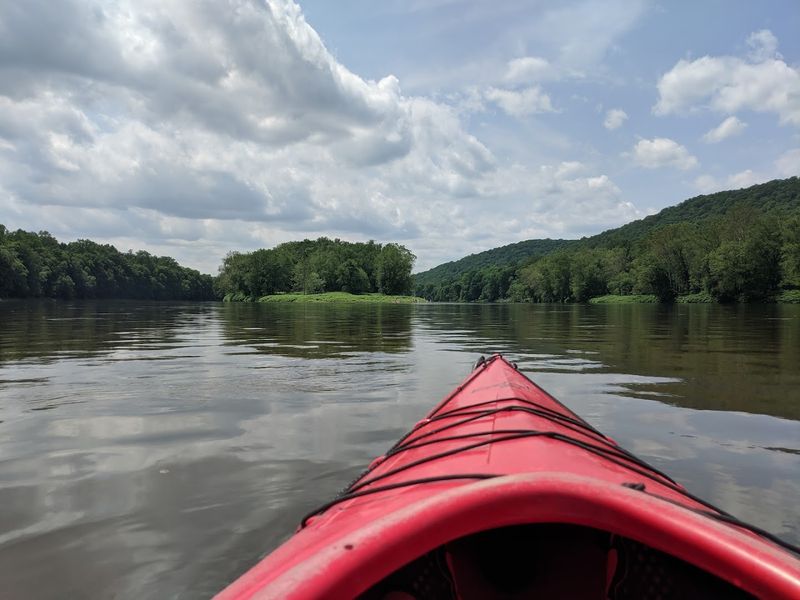
The story of why Walpack Center became a ghost town is one of the stranger chapters in New Jersey history. Back in the 1960s, the U.S. government put forward a plan called the Tocks Island Dam project.
The idea was to flood a large stretch of the Delaware River valley to create a massive reservoir.
Families were displaced through eminent domain. Homes were emptied.
The community that had existed for over a century was essentially dismantled in preparation for a project that never actually happened. The dam was proposed, debated, and eventually shelved, but the people were already gone by then.
What remained became part of the Delaware Water Gap National Recreation Area. The land was protected, the buildings were left standing, and Walpack Center slowly transformed from an abandoned community into something more unusual.
It became a preserved reminder of a government decision that uprooted real lives for a reservoir that the river never swallowed. That irony still hangs in the air here.
No Signal, No Problem
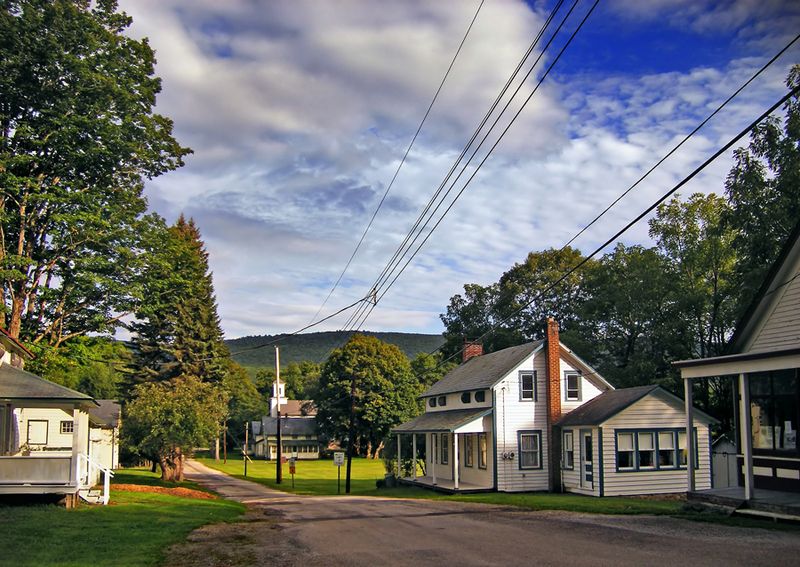
There is something almost funny about pulling into Walpack Center and watching your phone give up entirely. The bars disappear, the map freezes, and suddenly you are on your own in the best possible way.
The Flat Brook Valley sits in a natural hollow that blocks signals as effectively as any concrete wall.
At first, it feels slightly uncomfortable, the way silence feels uncomfortable when you have been surrounded by noise for too long. Then something shifts.
You start paying attention to what is actually around you instead of reaching for a screen every thirty seconds. The birdsong gets louder.
The smell of the trees becomes more noticeable.
Visiting a place with zero connectivity in 2024 is oddly refreshing. There is no temptation to check anything, no urge to scroll.
You are just present in a valley that has been quietly existing since before electricity was a common thing. That disconnection ends up being one of the most memorable parts of the whole trip.
The Church That Still Stands
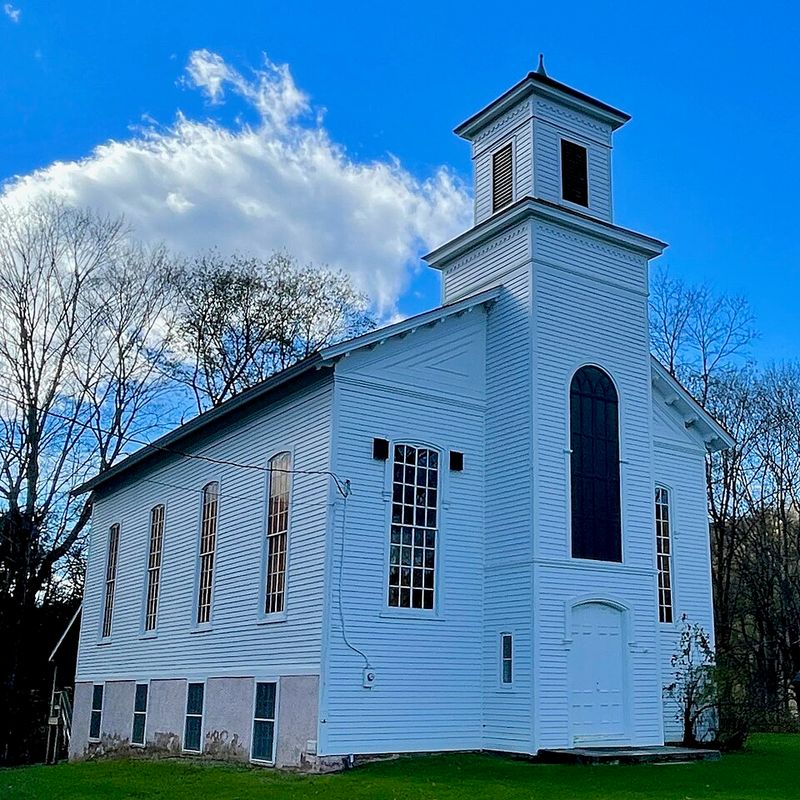
The church at Walpack Center has a quiet authority to it. Small, white, and plainly built, it sits among the trees like it has been waiting patiently for a congregation that moved on long ago.
The architecture is simple and honest, the kind of building that was made to last rather than to impress.
Religious life was central to communities like this one in the 1800s. The church was not just a place of worship.
It was a gathering point, a social anchor, a space where people marked the major moments of their lives. Weddings, funerals, Sunday mornings, community decisions.
All of it happened here.
Standing outside it now, you get a strange mix of feelings. There is something melancholy about a church with no congregation, but there is also something quietly beautiful about it.
The Walpack Historical Society has worked to maintain structures like this one, keeping them stable enough for visitors to appreciate without turning them into a polished exhibit. The realness of it is the whole point.
Food Stops Along the Way to Walpack
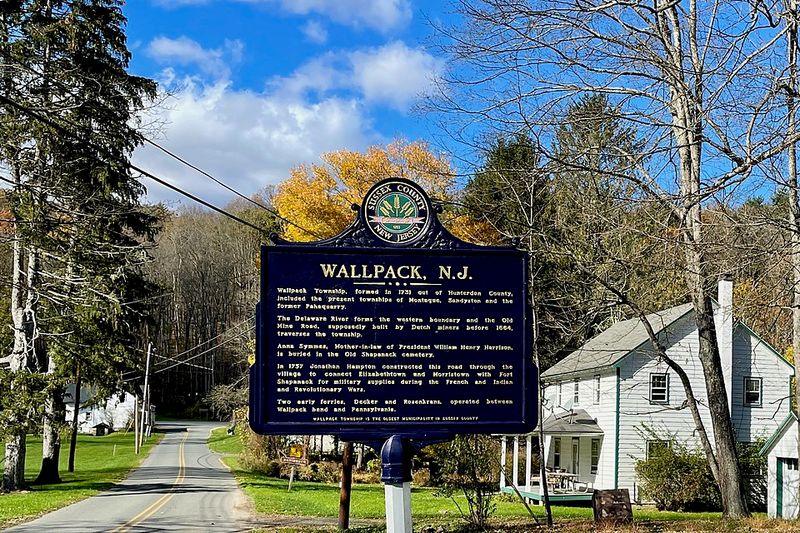
Getting to Walpack Center takes some planning, especially when it comes to food. The village itself has no cafes, no food trucks, and no vending machines.
The surrounding area is beautifully rural, which means you need to eat before you arrive or pack something worth eating on the road.
Sussex County has a handful of genuinely good spots worth stopping at on the way. Small diners and family-run places dot the region, offering straightforward food that actually tastes like it was made by someone who cared.
A hearty breakfast before a morning exploration makes the whole visit feel more grounded and enjoyable.
Packing a lunch and eating it somewhere along the Flat Brook or near the open fields around the village turns the trip into something more than just a sightseeing stop. The landscape is beautiful enough to make even a simple sandwich feel like a proper meal.
Eating outside in a quiet valley with no phone signal and a ghost town nearby is a surprisingly excellent dining experience.
Sundays With the Historical Society
If you want more than a solo wander through empty streets, timing your visit for a Sunday between May and October opens up a whole different experience. The Walpack Historical Society runs public tours during this window, and they bring the village to life in a way that self-guided exploring simply cannot match.
The tours cover the history of the buildings, the families who lived here, and the broader story of how a working community became a preserved ghost town. Context changes everything when you are standing inside a building that has been empty for decades.
Knowing who built it and why gives the silence a different texture.
The Historical Society has put serious effort into maintaining these structures over the years. That kind of volunteer-driven preservation work is easy to take for granted, but it is genuinely remarkable.
Without it, Walpack Center would look very different today. Showing up on a Sunday is a small way of supporting that effort while also getting a much richer experience of the place.
The Post Office That Outlasted Its Town
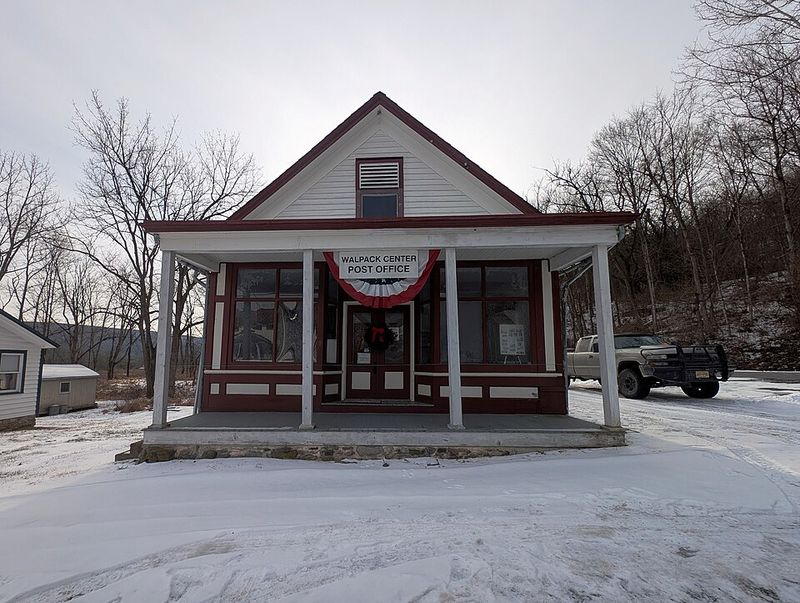
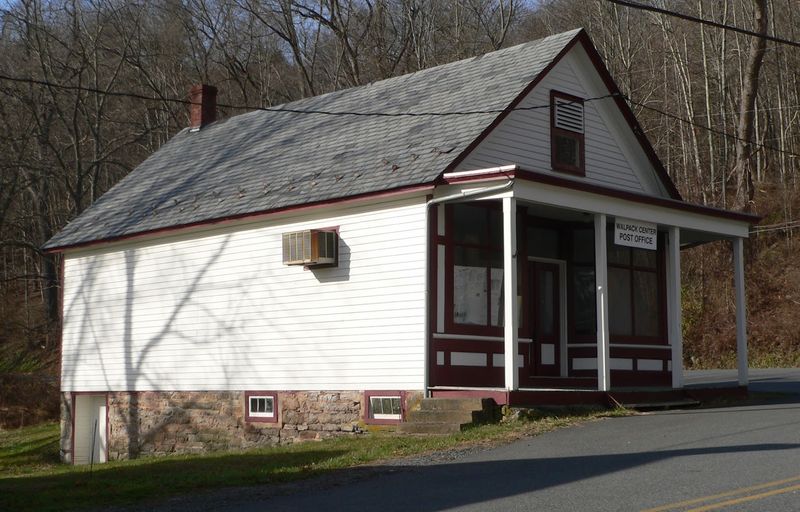
There is something almost absurd about a post office that still has its ZIP code but no residents to deliver mail to. Walpack Center holds the ZIP code 07881, a small bureaucratic ghost that lingers on even as the community itself faded away.
The physical building still stands, a modest structure that once connected this valley to the wider world.
Post offices in small 19th-century communities were more important than people often realize today. They were the internet of their era, the place where news arrived, where letters from distant relatives appeared, where catalogs and official documents came through.
Losing the post office would have felt like losing a lifeline.
Looking at the building now, it is hard not to think about the layers of ordinary life that passed through its doors. Nothing dramatic, just daily existence.
Someone checking for a letter, someone mailing a payment, someone getting news from far away. The building absorbed all of that and is still standing here in the valley, holding it quietly.
Delaware Water Gap and the Bigger Picture
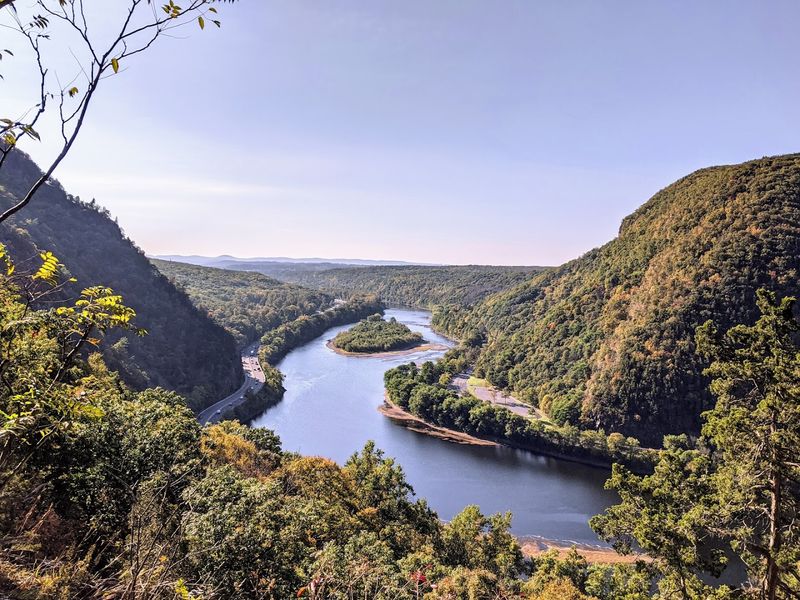
Walpack Center does not exist in isolation. It sits within the Delaware Water Gap National Recreation Area, one of the most visited national recreation areas in the entire country.
That context matters because it means the ghost town is surrounded by genuinely spectacular natural scenery.
The recreation area covers over 70,000 acres of land along both sides of the Delaware River, stretching across New Jersey and Pennsylvania. Hiking trails, swimming holes, fishing spots, and overlooks are all part of the same landscape that holds this quiet, forgotten village.
Coming for Walpack and staying for the park is a completely reasonable plan.
The combination of natural beauty and preserved history makes this corner of New Jersey feel richer than most people expect. New Jersey has a reputation that does not always include wilderness and ghost towns.
Spending a day in this valley quietly dismantles that reputation. The landscape here is genuinely stunning, and the village adds a human layer to all that beauty that makes the whole experience feel more meaningful.
What the Schoolhouse Remembers
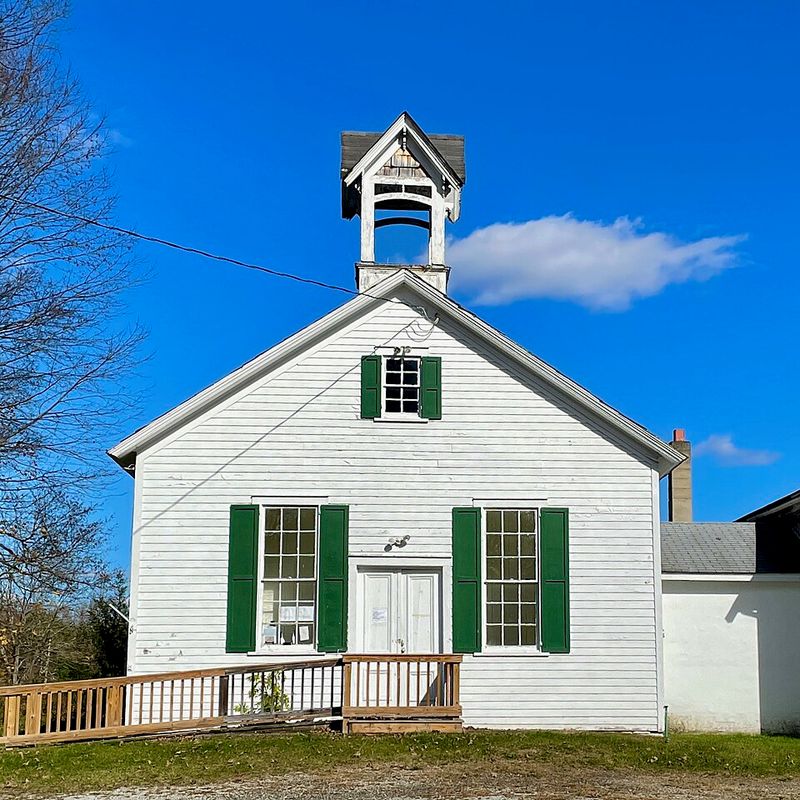
Rural schoolhouses from the 1800s have a particular kind of charm that is hard to explain. They were practical, small, and built to serve entire communities of children across multiple ages in a single room.
The one at Walpack Center fits that description perfectly, and it adds another layer to the story of what daily life here once looked like.
Children from the surrounding farms would have walked or ridden to this building, learning reading, writing, and arithmetic in a space not much bigger than a modern living room. The teacher handled everything, all ages, all subjects, all at once.
That kind of setup required a very different kind of patience from everyone involved.
Standing near the schoolhouse now, it is easy to imagine the noise and energy it once held. Recess in a valley this quiet must have sounded incredible.
The building is a reminder that Walpack Center was not just a collection of structures. It was a place where real childhoods unfolded, and that makes the silence around it feel especially full.
Planning Your Visit to Walpack Center
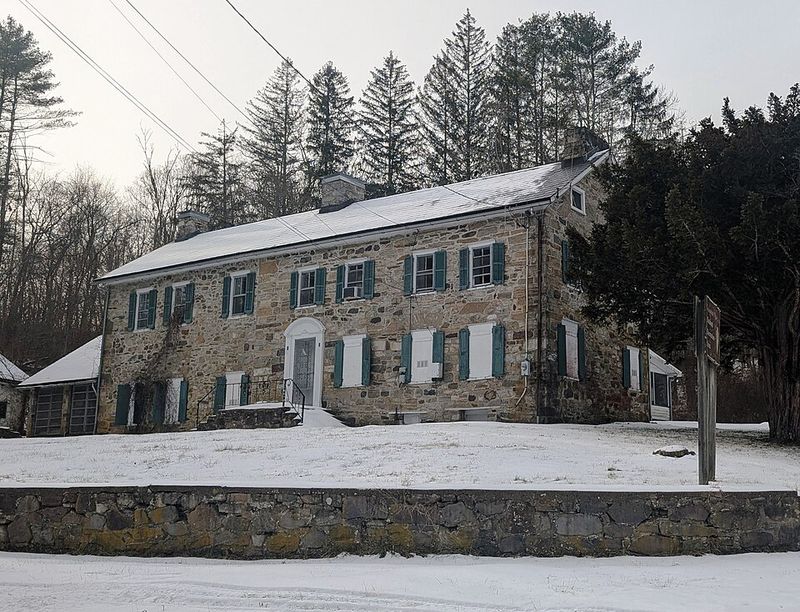
Getting to Walpack Center requires a bit of commitment, and that is actually part of what makes it worth visiting. The roads leading into the Flat Brook Valley are narrow and winding.
Cell service disappears before you arrive. Bring a printed map or download an offline version before you lose signal on Route 615.
The best time to visit is between May and October, when the Historical Society tours are running and the weather cooperates with outdoor exploration. Spring brings wildflowers along the roadside.
Fall turns the surrounding hills into something almost unreasonably beautiful, all deep reds and bright oranges reflecting off the valley.
Pack water, snacks, and comfortable shoes. There is no infrastructure here for visitors in the commercial sense.
No gift shop, no restrooms with paper towels, no overpriced coffee cart. What you get instead is an honest, unhurried experience of a place that time and circumstance left behind.
That trade feels more than fair once you are standing in the middle of it all.
Address: Walpack Township, NJ 07826
Dear Reader: This page may contain affiliate links which may earn a commission if you click through and make a purchase. Our independent journalism is not influenced by any advertiser or commercial initiative unless it is clearly marked as sponsored content. As travel products change, please be sure to reconfirm all details and stay up to date with current events to ensure a safe and successful trip.
