Ready for a place that disappears until the weather decides to show it off? In North Dakota, a forgotten fairground can feel like it reappears after thunderstorms, when heavy rain washes the dust down and the landscape suddenly reveals outlines you did not notice before.
Old lanes look darker, faded signage pops a little more, and puddles mirror broken boards like the place is trying to remind you it is still here. You walk in and the quiet hits first.
Grandstands sit empty, ticket booths look paused mid-season, and the wind moves through in a way that sounds like distant crowd noise if your imagination is feeling cooperative. Storms do something weird to abandoned spaces.
They make everything smell sharper, make every creak louder, and make the whole scene feel freshly uncovered instead of simply left behind. It is not a polished ruin.
It is a time capsule with wet footprints, flickering light, and that suspicious feeling that the next thunderclap might wake it up again. If you catch it right after a storm, the place feels like it stepped back into view just long enough for you to notice.
Fairgrounds Near The River That Can Change Fast After Big Rain
You pull into the North Dakota State Fairgrounds and you can feel the river before you see it, like a quiet neighbor who sometimes throws a big, moody party. The address is North Dakota State Fairgrounds, North Dakota State Fair Center, 2005 E Burdick Expy, Minot, ND 58701, and that stretch of road holds a lot of weather stories.
After a storm, the ground stays glossy, and the air has that wet gravel smell that sticks to your jacket.
What happens here is not dramatic every time, but when the river swells, this place feels it. Lots of fairgrounds live near water for space and access, and this one is no different, except it has learned a pretty resilient shrug.
You see the midway lines, the grandstand edges, and the parking lanes, and you can almost sketch the high points and the low ones by the way puddles decide to hang around.
If you have ever watched a place like this exhale after a storm, you know the look. Tents wait.
Fences keep their square shoulders, even when mud tries to soften their stance.
North Dakota weather keeps everyone honest, and this fairground has taken the course more than once. Folks in Minot will point out where water once tapped the steps, and where it politely stopped.
You hear that, and suddenly the layout makes sense, like a map etched by memory.
The 2011 Summer When Flooding Shut The Fair Down
You know how some summers get burned into local memory so deeply that even the clouds seem to remember them? Ask anyone in Minot about the season when the fair went quiet, and they will nod before you finish the sentence.
The grounds did not just look wet, they looked paused, like someone pressed a giant button and the music cut out mid-song.
It still comes up in conversation because it was not just about a calendar losing its big week. It was about crews wading into the problem with steady hands, and neighbors showing up because that is what North Dakota towns do when something bigger than plans rolls in.
The grandstand felt like a sleeping animal, and you could tell it wanted back up.
People still point to photos where the river took a wide breath and held it longer than anyone expected. You hear the stories, and the timing details fade while the feeling stays, like stepping into a room where a party just ended.
Even now, when thunder rumbles, there is a tiny pause that everyone hears together.
Do you ever think about how a place earns its comeback story? This fairground did it by keeping track of what mattered and letting the rest be replaceable.
When you stand by the midway gates and look toward the bend in the river, the old hush feels close, but so does the laughter that returned.
How Thunderstorms Stretched Out The Waiting Game
Here is the thing about thunderstorms out here, they are not just noise and a light show, they are a schedule editor. You wait for the lightning to move on, then you wait for the river to make up its mind, and then you wait for the ground to stop squishing under your shoes.
Every step is patience disguised as logistics.
Crews walk the lanes with radios, talking about soft spots and safe zones, and you hear a rhythm in their updates. It is a small chorus that says, not yet, almost, okay now, hold up.
You learn to read the sky the way some people read traffic, and once you do, the pauses make more sense.
Waiting gets easier when you can picture what you are waiting for. Dry edges, firm gravel, and a midway line that does not shimmer with standing water, those are the green lights.
North Dakota folks know the drill because weather has taught the class many times.
Want a tip for visiting after big rain? Give the place a little breathing room, then walk in with steady shoes and an easy plan.
The fairground looks better by the minute once the sun finds the cracks in the clouds, and the whole place shifts from hold to go.
What “Reappearing” Looked Like As The Water Dropped

Reappearing is not some dramatic movie moment, it is stubborn, steady, and oddly satisfying. First you notice lines, those faint wrist marks on fence posts and ticket booths where the water tapped out.
Then the color comes back in patches, pavement turning from mirror to matte, grass standing up again.
There is a hush to it, a little patience sound that rides the breeze, and you start to spot familiar shapes. The midway lanes decide to be lanes again.
The grandstand steps remember they are steps, and you can walk them without watching your ankles every second.
Crews leave chalk marks and flag a few spots, and those flags feel like little promises. The river does not own the place, not really, it just borrows it sometimes.
When the sun gets low, shadows cut clean lines where everything looked smudged before.
If you want to see the shift, swing by after skies clear and linger while the light warms up. You will catch that slow exhale when the wind dries the last slick corners and the silt settles into faint maps.
North Dakota weather might be bossy, but this ground knows how to return the favor.
Grandstand And Midway Areas People Noticed First

The first places everyone clocked were the grandstand rows and the spine of the midway, because those are the fairground’s heartbeat. Seats bead with water, then they go dull, and finally they flash again when the sun hits just right.
Walk the aisle once, and you can feel the tempo coming back.
On the midway, lines that were just suggestions turn into real routes again. Cables sit where they belong, and the ride pads stop floating and start looking grounded.
You can tell visitors are ready when they post up near the gates and watch crews like it is a quiet show.
There is something about seeing those two zones wake up that makes the whole timeline feel real. It is not just a checklist, it is the familiar hum that you have in your bones if you grew up in North Dakota.
Folks smile with their eyes first, then with their shoulders when they stop tensing.
If you are walking with a camera, you will find clean angles along the grandstand rails as the light firms up. On the midway, look for reflections in the last thin puddles while they still hold the sky.
That is the moment where the fairground flips from maybe to yes.
Cleanup And Repairs That Took Real Time
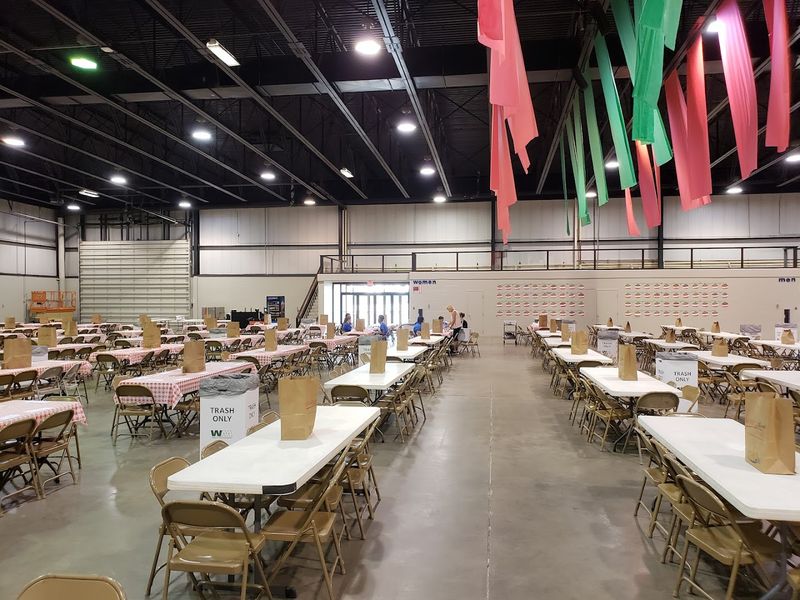
None of this happens with a quick sweep, and anyone who says otherwise has not wrestled with silt in cracked concrete. Cleanup starts with hoses and ends with small fixes you only notice when a gate swings right again.
The team moves slow and sure, calling out spots that need more love and places that can wait.
Repairs here feel like a running conversation with the grounds. Fences get tightened, signs get straightened, and wiring gets a cautious eye so nothing surprises anyone later.
It is oddly soothing to watch, like a puzzle going back together without forcing any piece where it does not fit.
You can smell wet lumber and dust from the bleachers as they dry in the open air. That mix means progress in North Dakota, especially after big weather.
People tend to linger, not to gawk, but to nod at the rhythm of work that always shows up.
If you come right after storms, give crews space and take the long loop. You get better views from the edges anyway, and you will notice tiny wins, like a latch that catches cleanly or a lane without a soft step.
By the time the last cone moves, the place feels quietly proud again.
The Before And After Story Locals Still Tell

Ask around town and you will hear it told in two frames, before and after, like a favorite photo flipped in your hands. Before is the hush, the high water lines, and feelings that sat heavy even when the sky tried to lighten up.
After is a steadier heartbeat and a place that remembered its job.
Locals in North Dakota talk about it straight, no big speeches, just simple beats you can believe. They say the fairgrounds did not complain, it just waited and worked.
That is how the story lands from porch steps to parking lots and everywhere in between.
There is a reason people keep repeating it. When a place you love goes quiet and then finds its voice again, you carry that sound in your pocket.
It shows up every time the forecast looks edgy and the river looks thoughtful.
Want to hear the best version? Stand near the main gates as the sun drops and the shadows sharpen the lines that used to blur.
That is where before and after shake hands, and you can feel how a North Dakota community keeps moving, no matter what the water decides.
Today’s Events That Show It Fully Came Back
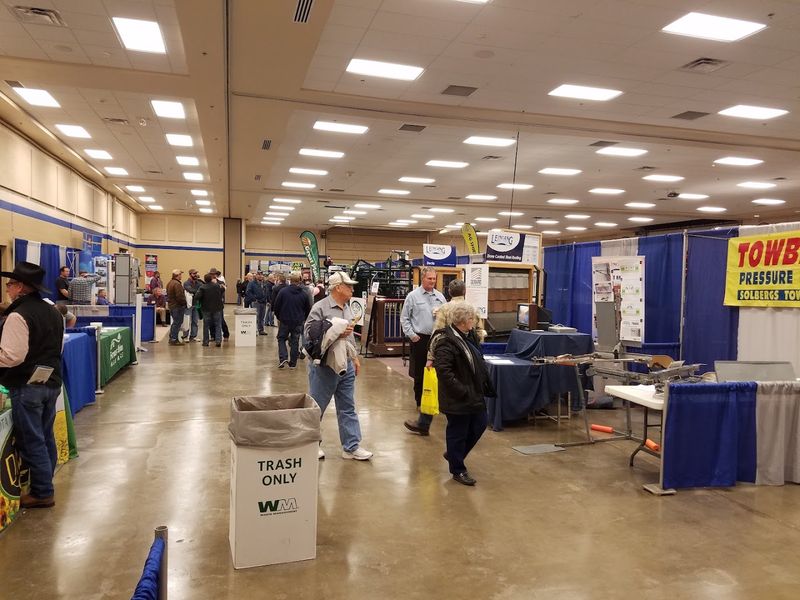
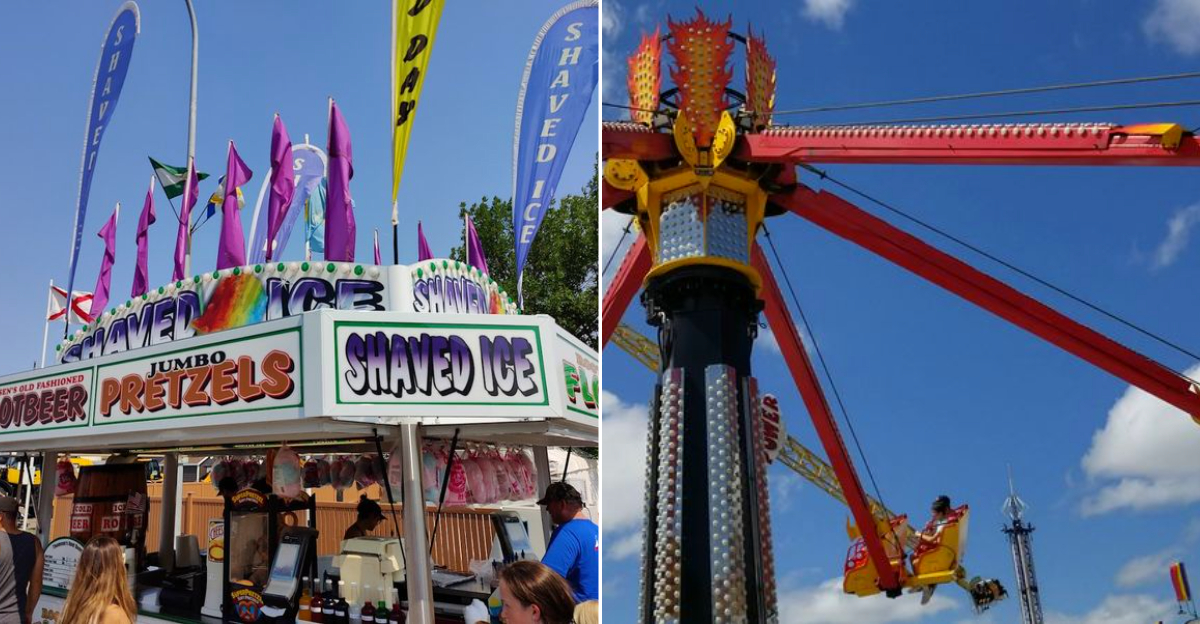
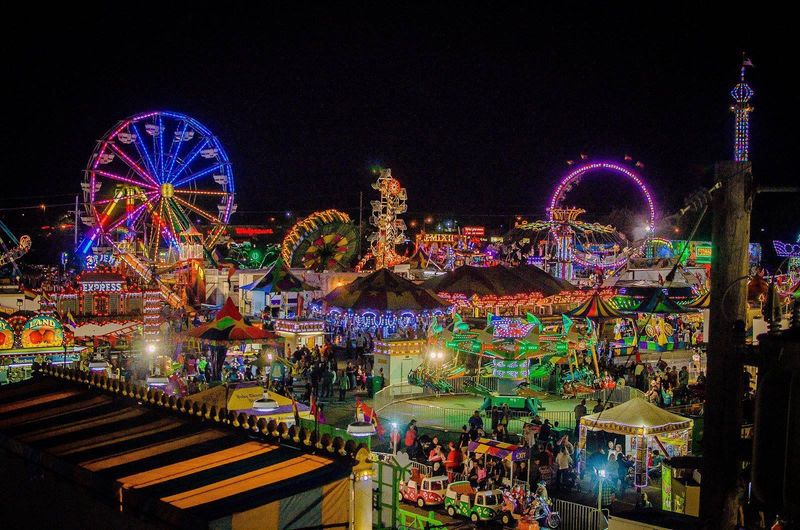
These days, you walk in and the place looks ready without trying too hard. Schedules roll, gates click, and the loudspeakers sound crisp like they cleared their throat and got on with it.
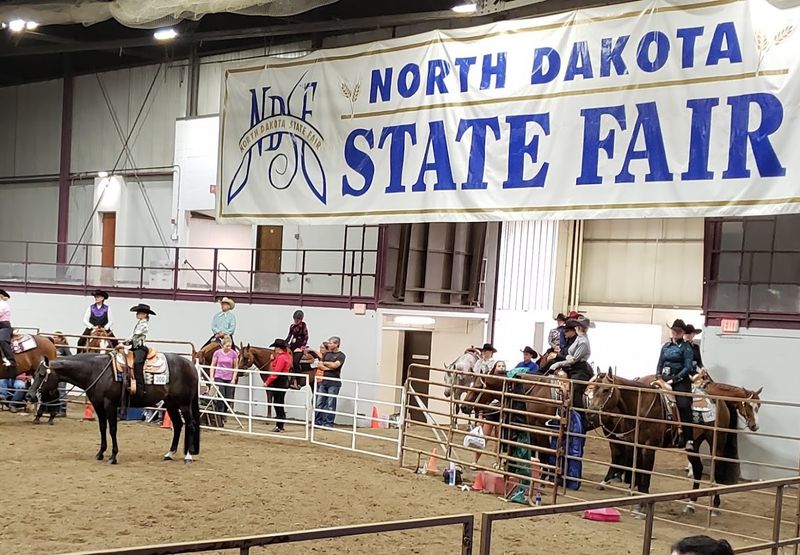
You can move from the grandstand to the exhibit halls and never think twice about footing.
What tells you it really came back are the little details that do not shout. Fresh paint holds, signage lines up, and the lawns keep their edges even after a soaking.
North Dakota pride is quiet like that, it shows up in clean corners and things that work when you need them.
If you are wondering whether the fairgrounds still has the old spark, the answer sits in the way the space handles a crowd. Traffic flows where it should, and the exits breathe easy when the day winds down.
That is confidence built the long way.
Come see something current, then walk the perimeter and notice what is not calling attention to itself. That silence means the bones are solid and the fixes stuck.
After watching it reappear from storms, seeing it hum on a clear day feels like a little victory you get to share.
Best Photo Angles Once Skies Clear

When the sky finally relaxes, this place becomes a playground for angles. Start by finding shallow puddles near the midway and tilt low so the grandstand riffs across the reflection.
Those mirror shots feel temporary and a little magical, which matches the whole reappearing act.
Move to the rails on the grandstand and look for long lines that pull your eye into the open blue. If a breeze walks through, wait for it to settle so edges stay sharp.
North Dakota light gets clean late in the day, and you can chase that glow along the fences.
Do not skip the service roads that curve along the back side. They give you foreground texture that makes the buildings sit like they belong, which they do.
If you want color, search out the painted signs once they dry because they pop against the wet concrete.
Got a favorite lens? Go a little wider than usual, then step closer than feels comfortable, and let the frames feel honest.
After storms, the details are doing the work for you, so keep it simple and steady. The fairgrounds will handle the rest.
Dear Reader: This page may contain affiliate links which may earn a commission if you click through and make a purchase. Our independent journalism is not influenced by any advertiser or commercial initiative unless it is clearly marked as sponsored content. As travel products change, please be sure to reconfirm all details and stay up to date with current events to ensure a safe and successful trip.
