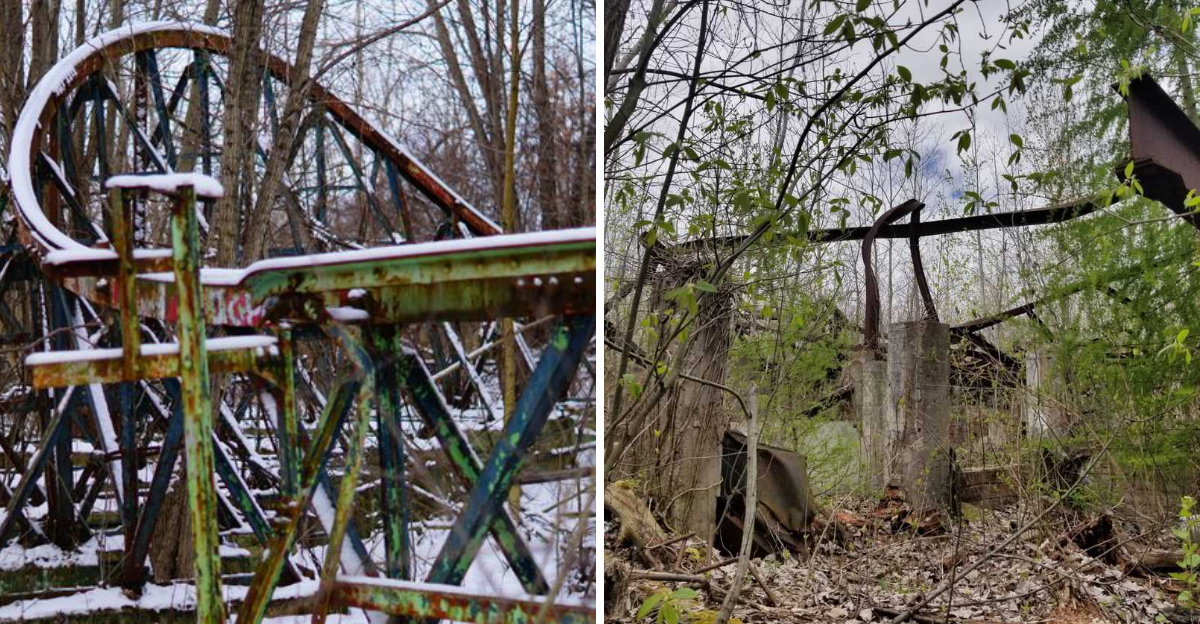
You are about to step into one of Ohio’s most intriguing vanished worlds, a once lively lakeside amusement park that still stirs stories long after the gates closed.
Chippewa Lake Park in Medina County lingers in local memory with quiet paths, surviving foundations, and ripples of rumor that drift across the water at dusk.
The rides are gone and most structures were removed, yet the mythology remains magnetic for curious travelers.
Ready for a careful, respectful visit to history, guided by facts and framed by folklore, without crossing any fences or private property lines.
Let this be your practical path to experience the scene while honoring the community that surrounds it today.
A brief rise, a long echo
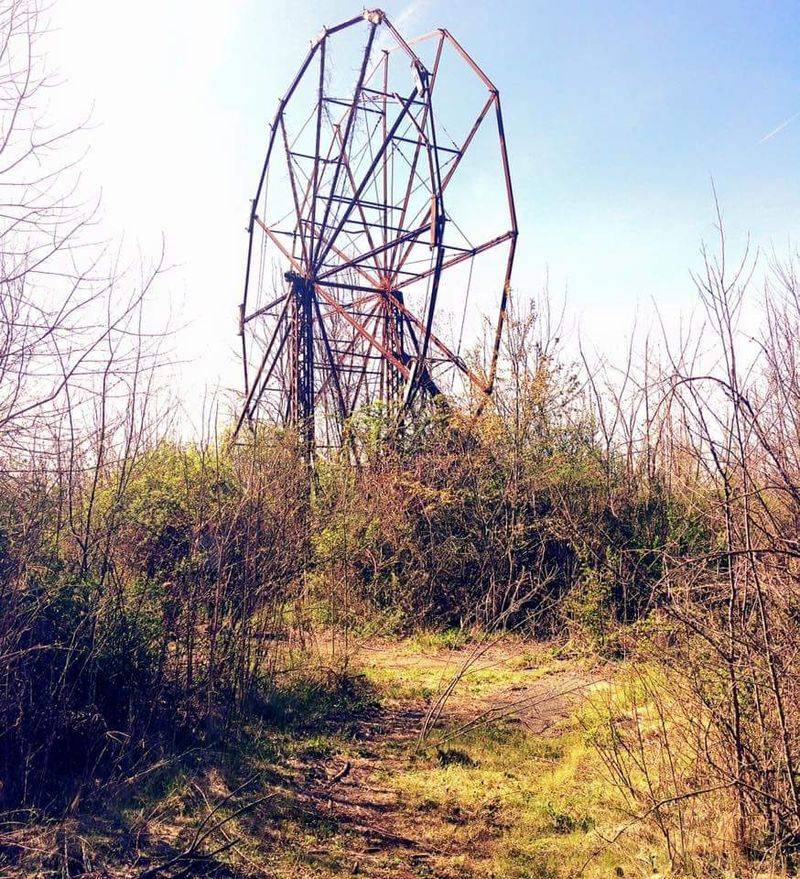
Chippewa Lake Park opened in the late nineteenth century beside a natural Ohio lake, growing from modest lakeside amusements into a full regional attraction by the mid-twentieth century.
Wooden rides, dance pavilions, and lakefront entertainment formed the core, drawing families from Medina County and nearby cities for summer outings.
The park closed in 1978, and for decades the grounds shifted from neglect to partial clearance as redevelopment plans came and went.
Most visible rides and buildings have been removed by the 2010s and early 2020s, though foundations, pathways, and subtle site features may still be noticed from public vantage points.
The location sits near the village of Chippewa Lake, with the broader setting being Lafayette Township in Medina County, Ohio.
Today, you should expect a quiet shoreline, scattered remnants, and a sense of space where crowds once cheered.
Local memory keeps the narrative alive, and careful documentation has helped preserve photographs and maps that anchor the timelines.
Curiosity is welcome, but respect for private property and posted rules is essential when exploring the surrounding area.
The lake remains a natural draw, while the cultural layer rests in archives, community stories, and cautious visits to designated public areas.
Approach the site like an outdoor museum without walls, letting context shape what you notice and what you leave undisturbed.
You will find the most value by pairing a gentle walk with pre-trip research, so the fragments speak more clearly.
As the sun lowers, the water mirrors colors that hint at the park’s summer glow without repeating its noise and motion.
What remains on the ground today
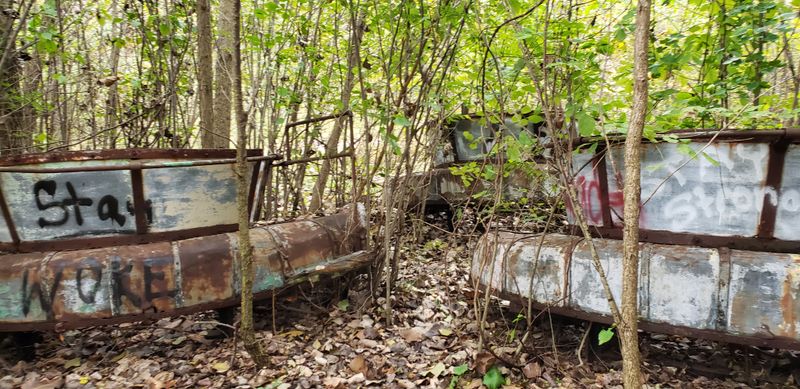
Expect remnants rather than ruins, with scattered concrete footers, fragments of pathways, and occasional utility markers that suggest where attractions once stood.
Open clearings line up with former corridors, and tree growth frames edges where fencing or midways likely guided crowds long ago.
Many structures were removed for safety and redevelopment initiatives, leaving the landscape readable only to those who study maps and old photos.
Your best vantage points are from public roads, permitted trails, or community access spots that do not cross private boundaries.
Bring a printed historical map and compare angles, noticing how shoreline curves align with past dock areas.
The lake’s still water offers the most reliable landmark, so orient every observation against that calm horizon.
You may spot modern survey stakes or utility lids, which belong to current infrastructure rather than the original park.
Please avoid trespassing, and do not disturb any found objects, since context holds more value than souvenirs.
If you come at midday, shadows shorten and reveal flat planes, which helps when matching past midway widths.
Evening light pulls textures from gravel and brushed concrete, adding depth to your mental reconstruction.
Ohio weather can shift quickly, so carry footwear with grip and keep an eye on saturated ground near the shore.
Quiet observation turns small details into a fuller story, letting you connect with the place while keeping it intact for everyone.
A timeline you can actually follow
Start with the late 1800s as the founding period, noting how lakeside resorts and social dances brought early visitors to Chippewa Lake Park.
Move into the early and mid-1900s when wooden coasters, a ballroom, and seasonal attractions supported regional summer traditions.
Document the 1960s and 1970s as a time of changing tastes, competition, and maintenance challenges that foreshadowed a difficult future.
The official closure arrived in 1978, ending regular operations and beginning a long era of dormancy.
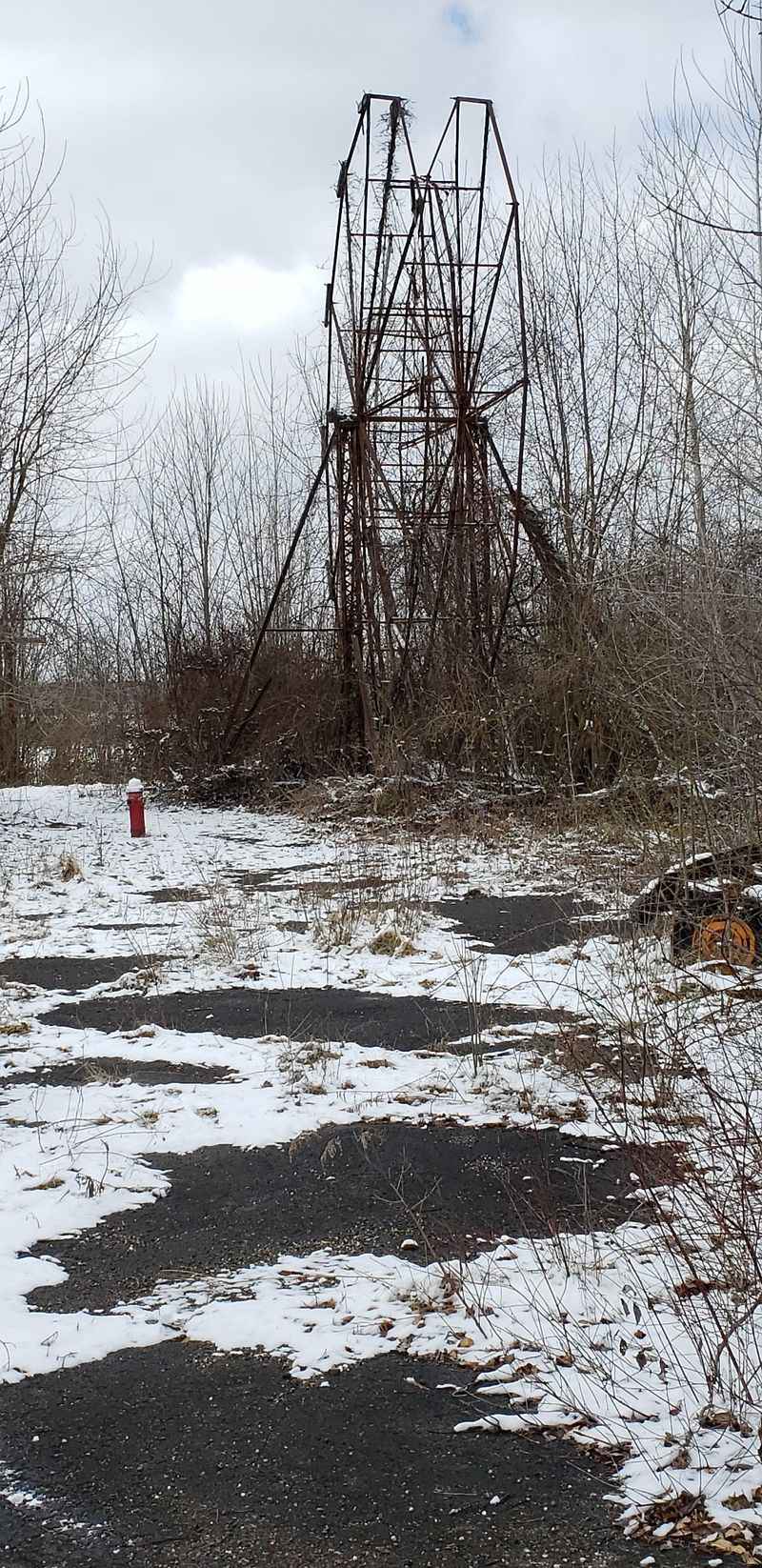
After closure, neglect and nature crept in, and photographs captured vines, fallen timbers, and slowly collapsing frames.
From the 2000s onward, safety concerns drove removal of unstable structures and the clearing of high-risk areas.
By the 2010s and early 2020s, redevelopment concepts circulated, focusing on community use, conservation, and careful access.
In 2025, visitors find a pared-down landscape where history must be interpreted through verified sources and respectful vantage points.
Local libraries, historical societies, and image archives help chart each phase and confirm dates beyond hearsay.
Making your own compact timeline adds context to every step you take along the shoreline.
Ohio history intertwines with this park, reflecting broader leisure trends, transportation shifts, and suburban growth patterns.
With a clear sequence in mind, the site becomes legible and the scattered clues connect into a coherent narrative.
The ballroom memories and music
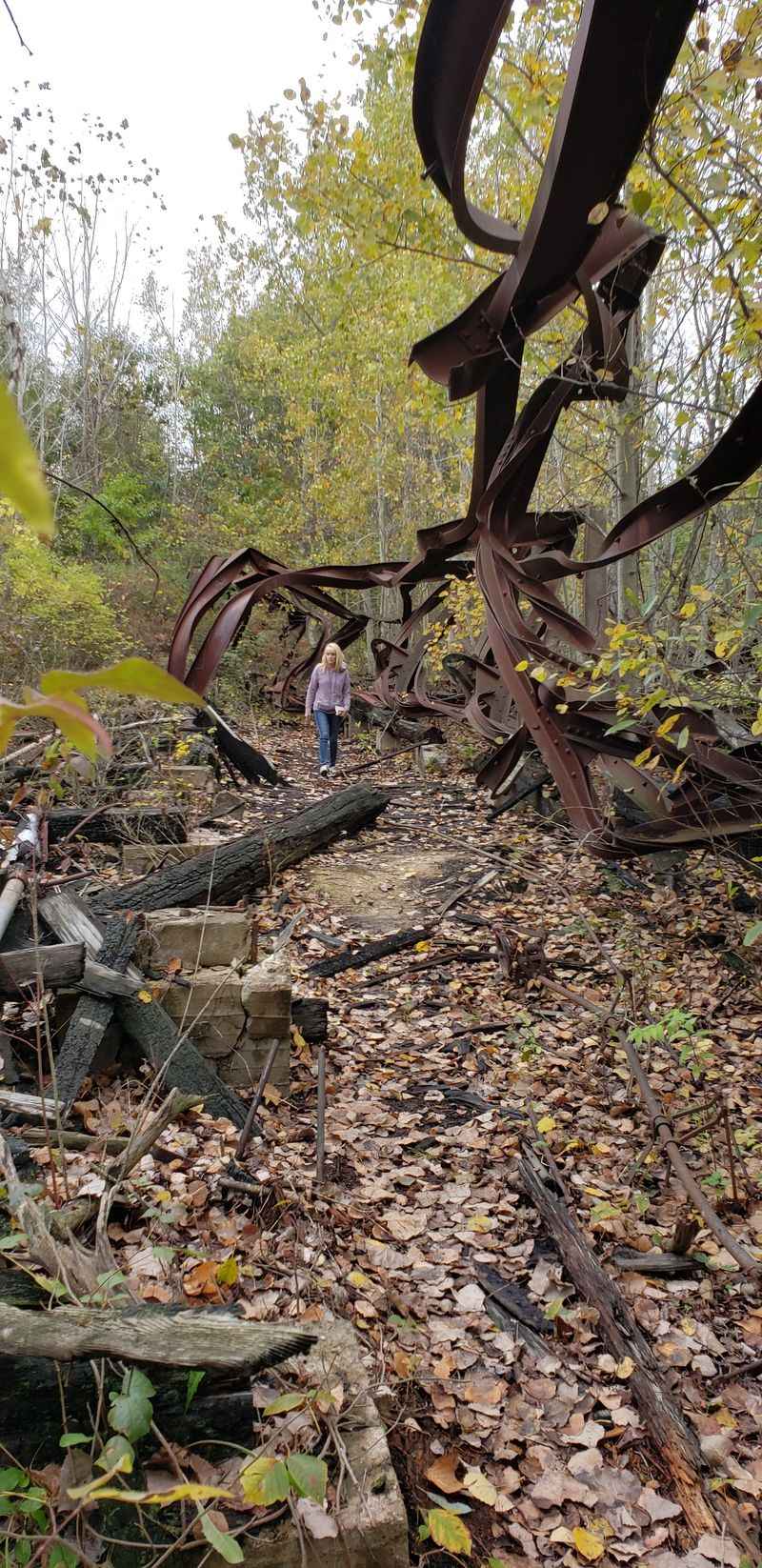
The park’s ballroom once anchored social life with dances, live bands, and a shining floor that welcomed prom nights and weekend crowds.
Archival photos reveal tidy beams, draped lights, and a central stage that focused attention on performers.
Older residents recall dress shoes tapping and laughter echoing across the lake when doors were propped for a breeze.
If you stand near the former footprint from a safe public vantage, imagine brass sections warming up and couples circulating in easy loops.
Music programming mirrored national tastes, moving from big band to rock and local acts as decades shifted.
The ballroom became a symbol of seasonal ritual, marking summers with a rhythm that matched sunset boat wakes.
After closure, the building deteriorated, and eventually it was removed for safety and stewardship reasons.
Today, the memory survives in recordings, clippings, and oral histories that keep the floor alive in imagination.
Ohio communities hold similar dance halls, though few carry the same lakeside mythology that this one retains.
Your best approach is to pair a gentle shoreline walk with a curated playlist that honors those eras.
Let the tempo guide your steps as you pause to watch colors deepen over the water.
You will leave with the soft impression of brass and drumbeats still trailing the wind as night settles.
Rides you can picture without seeing
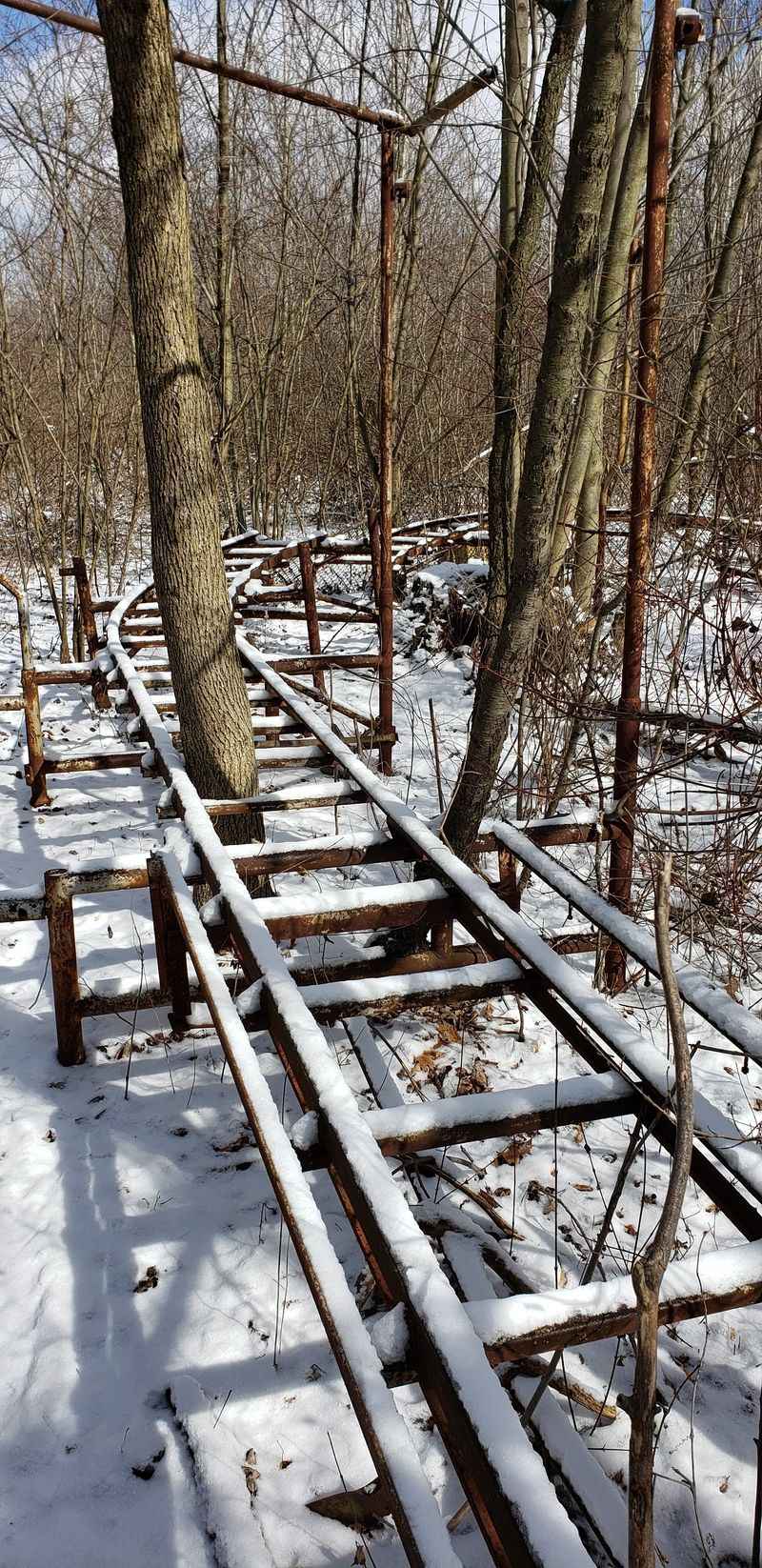
Wooden coasters and classic flat rides once filled the park’s footprint with kinetic energy and familiar sounds.
Maps and surviving diagrams help locate lift hills, station houses, and queue lines along tree edges.
When you compare angles against the shoreline, the arrangement of turns and dips begins to emerge.
Many enthusiasts reference period advertisements that list featured rides and seasonal promotions.
Photographs from the 1950s and 1960s show families in summer outfits moving under string lights.
Without hardware today, the ride geometry lives as gentle grade changes and hints in ground cover.
Try tracing a path with your eyes based on support spacing and likely clearances beneath former track.
You may notice soil that differs in texture where footers or service trenches once cut through.
The lake breeze adds a sensory layer, carrying the imagined click of chain dogs pulling trains skyward.
Ohio amusement history buffs often bring printed overlays to align scenes precisely.
Stay mindful of posted boundaries while you visualize stations, brake runs, and catwalk ladders.
The exercise turns emptiness into a living blueprint that rewards patience and careful observation.
Folklore after dark, clearly labeled as legend
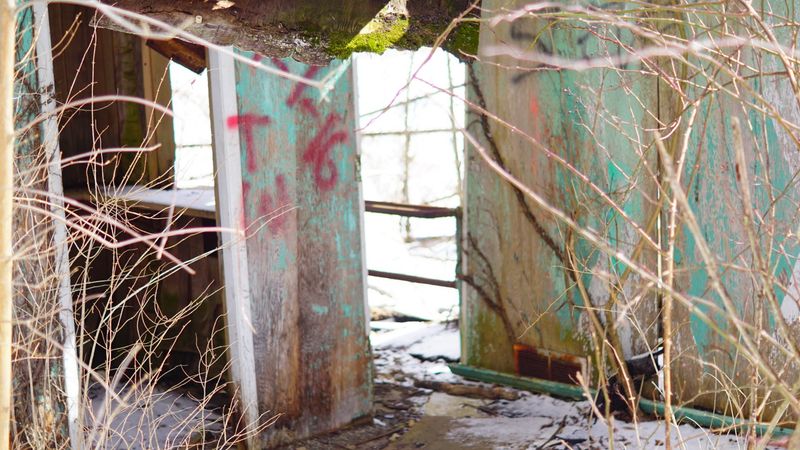
Locals sometimes whisper that the park stirs after sundown, with music on the wind and faint laughter across the water.
This is legend, not documented fact, and should be enjoyed as story rather than evidence.
Sound carries easily over Chippewa Lake, so distant conversations or boats can seem mysterious at night.
Weather patterns and temperature inversions can also bend audio, making ordinary noises feel uncanny.
Some tell of lights flickering where the ballroom once stood, yet that claim remains unverified folklore.
Others describe shadowy figures near the old midway lines, which is another story without corroboration.
If you visit near dusk from legal vantage points, frame the experience as a quiet listening practice.
Let the water, wind, and wildlife be the soundtrack, and treat surprises as natural phenomena first.
Ohio nights can bring loons, frogs, and insects that create layered tones over the surface.
Carry a small flashlight and respect neighbors who live near the shore.
Legends endure because they add color to the past, not because they replace records and maps.
Leave the site as you found it, with the night intact, the stories intact, and the facts intact.
How to visit respectfully in 2025
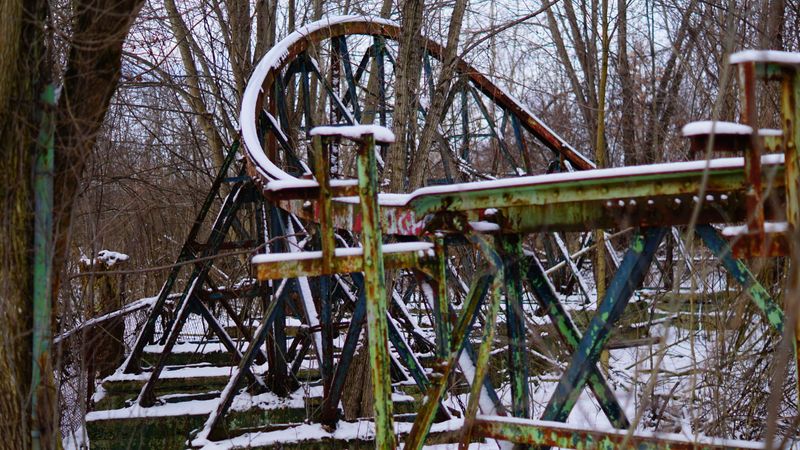
Start by verifying what areas are publicly accessible and which are private, since boundaries around the former park can be complex.
Obey posted signs and do not cross fences or enter restricted zones, even if a path looks inviting.
Plan a quiet daytime walk that focuses on observation rather than exploration of closed spaces.
Bring printed references to enrich what you see from legal touchpoints along the lake.
Parking rules may vary, so double-check local guidance before you arrive.
Carry out every scrap of trash and leave fragile surfaces undisturbed for wildlife and neighbors.
Photography is best framed on the water, tree lines, and textures that suggest history without invading privacy.
Keep voices low and move slowly so you do not startle nesting birds or shoreline animals.
Ohio seasons can swing from snow to thunderstorms, so pack layers and waterproof cases for gear.
Share your images online with accurate captions that avoid implying forbidden access.
When in doubt, ask local authorities or visitor resources for clarity about rules and safety.
Your care ensures this place remains welcoming to thoughtful travelers who value both memory and respect.
Pair the park with nearby research stops
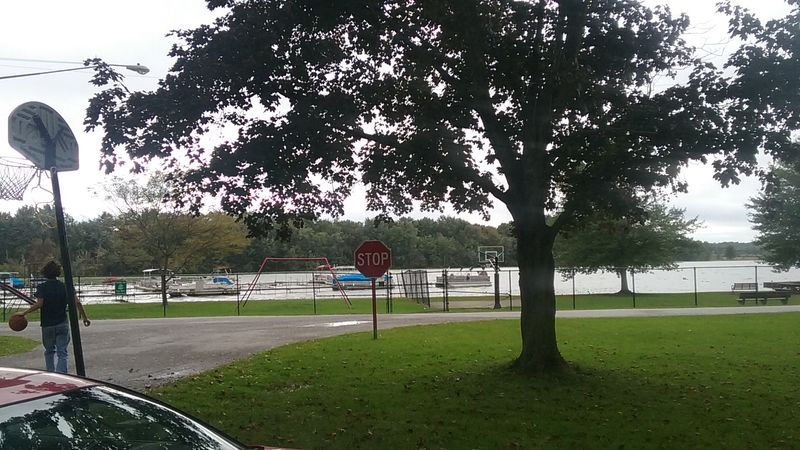
Context deepens quickly when you add archival research to a lakeside visit, especially for a site with limited standing structures.
Local libraries and historical societies often hold photographs, maps, and clippings that clarify timelines and names.
Ask librarians about regional amusement parks, transportation links, and ballroom programming records.
Bring a notebook to compile dates, then compare those notes with what the shoreline reveals.
Digital collections help fill gaps, and you can save images to reference in the field.
Look for aerial photographs that show midways, water access points, and parking patterns.
If a detail lacks a source, treat it as provisional until you find corroboration.
Ohio institutions excel at preserving community memory, which serves travelers and residents alike.
Afterward, organize your photos alongside captions that cite where each fact originated.
Share findings with local history groups to refine accuracy for future visitors.
Research turns wandering into informed walking, which builds a respectful relationship with sensitive locations.
The result is a richer experience that honors both the park’s story and the people who keep it alive.
Photography tips, no trespass required
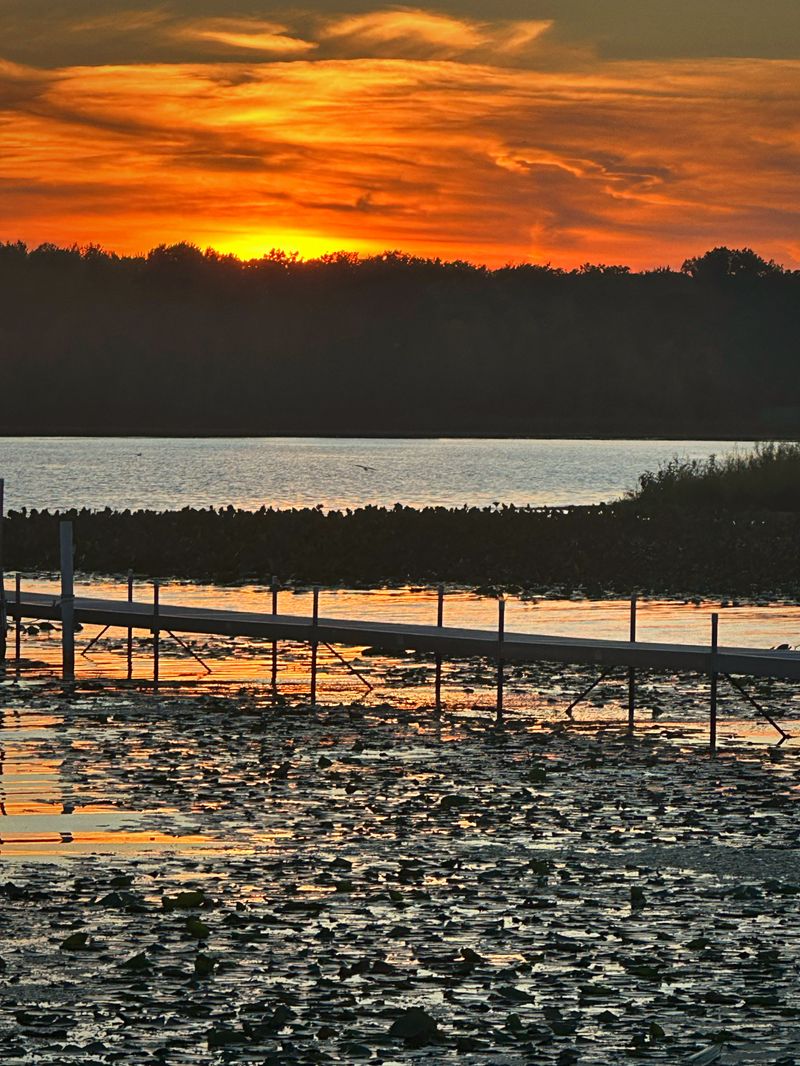
Work with morning or late afternoon light that skims across textures and picks out subtle concrete edges.
Use a longer focal length to compress tree lines and suggest where midways once ran.
Frame with foreground leaves to create depth while keeping restricted areas outside your composition.
Try slow shutter shots that smooth the lake surface and emphasize quiet over motion.
Focus on patterns like bolt holes, scored concrete, and gravel seams that hint at vanished hardware.
Keep signage visible when relevant, which adds context about stewardship and present use.
Bracketing helps capture shadow detail under tree canopies without stepping closer than allowed.
Ohio skies can flip from bright to moody, so carry a small reflector or a lens hood for flare control.
Respect neighboring homes by avoiding identifiable windows or private docks.
Write accurate captions that label scenes as former park areas rather than active attractions.
Publish with a note about access ethics, inviting others to follow the same respectful approach.
Your photos can celebrate history and nature together while keeping boundaries clear and community trust strong.
Planning a safe and meaningful route
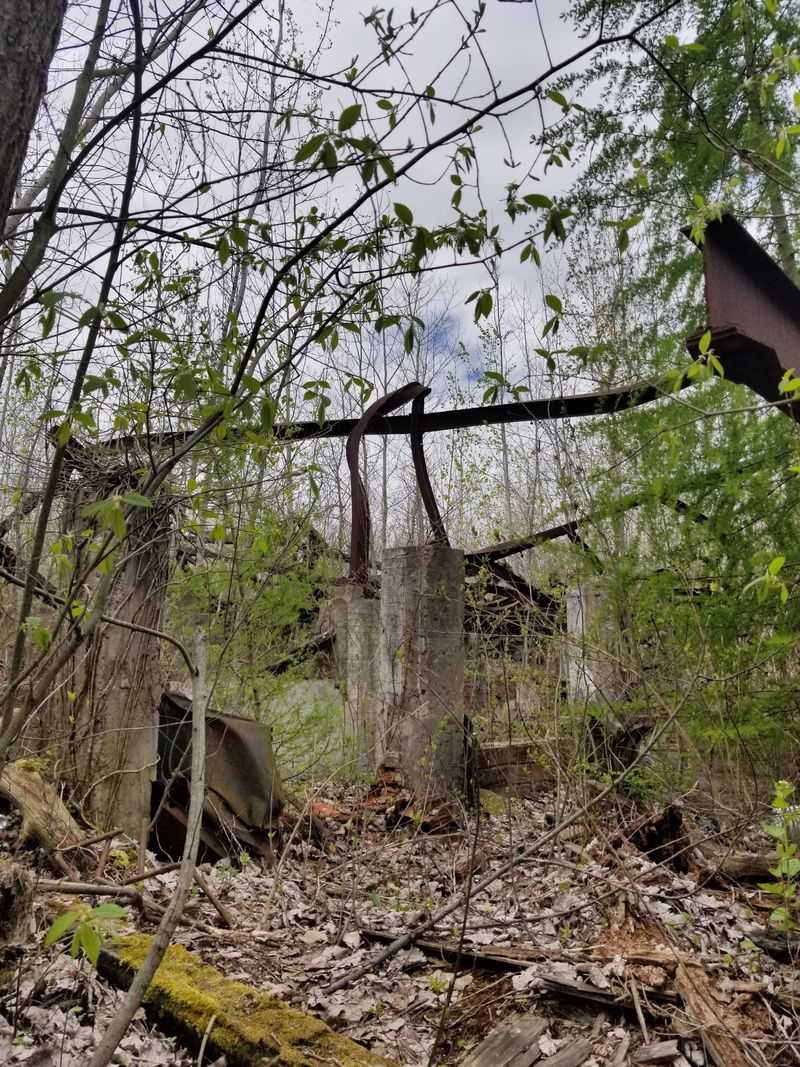
Build your route around confirmed public viewpoints and reliable parking in nearby towns to avoid pressure on residential lanes.
Check local weather and water conditions so wind and rain do not complicate shoreline observation.
Carry a paper map with highlighted stops, since service can drop near wooded edges.
Set a time limit for dusk visits and leave early, giving neighbors quiet nights and yourself safer travel.
Wear muted clothing and tread lightly to blend with the environment and reduce disturbance.
Pack a small first aid kit, insect protection, and a backup flashlight for late day-light changes.
Note emergency contacts and the nearest open facilities in case weather forces a quick exit.
Ohio roads can be slick in shoulder seasons, so keep your driving cautious and your plans flexible.
Log any observations with coordinates and a timestamp that link photos to specific locations.
Back at home, organize files, caption accurately, and archive sources for future reference.
Share a concise trip report that highlights ethics and access clarity for fellow history-minded travelers.
A careful plan makes the experience smooth, informative, and considerate from start to finish.
Dear Reader: This page may contain affiliate links which may earn a commission if you click through and make a purchase. Our independent journalism is not influenced by any advertiser or commercial initiative unless it is clearly marked as sponsored content. As travel products change, please be sure to reconfirm all details and stay up to date with current events to ensure a safe and successful trip.
