Forget museums with velvet ropes and gift shops.
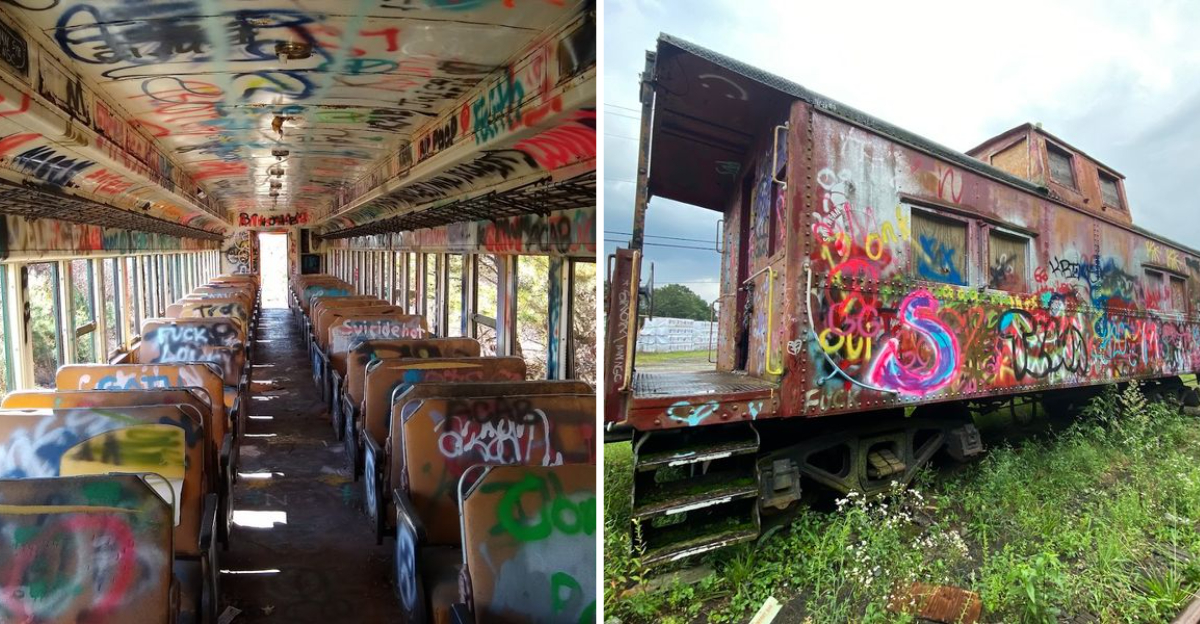
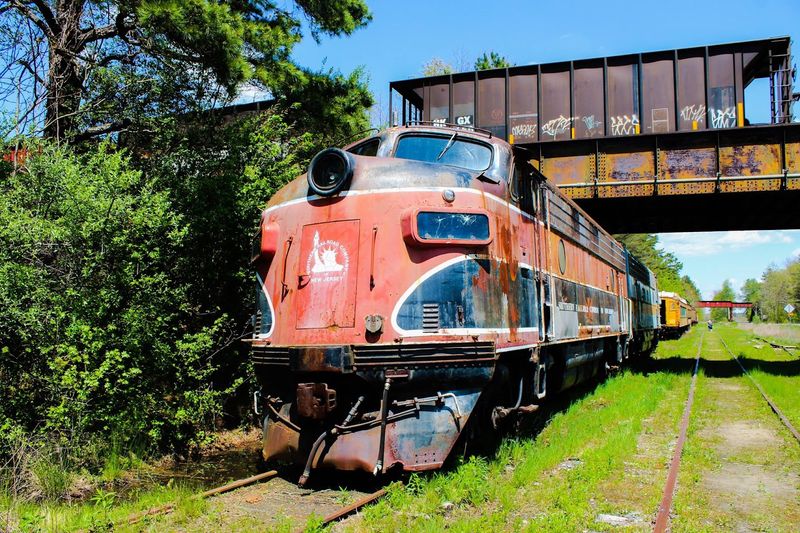
This New Jersey spot is the real deal, a rusted, vine-covered graveyard where vintage locomotives go to live out their quiet retirement.
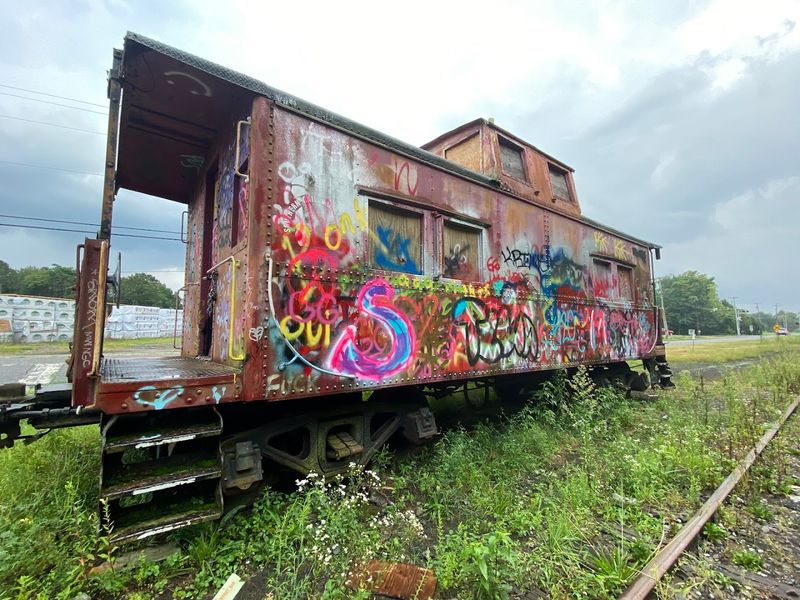
Tucked deep in the woods, it is the kind of place that feels wonderfully forgotten, old railcars with peeling paint and faded numbers sitting silently, slowly being reclaimed by the forest.
Locals know exactly where to pull over for a glimpse of these sleeping giants, and they will happily tell you the stories behind each one if you ask.
It is equal parts eerie and fascinating, a slice of railroad history that somehow escaped the wrecking ball.
New Jersey has its secrets, and this rail yard is absolutely one of them.
The Historic Roots of Winslow Junction
Long before GPS existed to reroute your mistakes, Winslow Junction was already a name that railroad workers across the region knew well.
Sitting just west of Hammonton in southern New Jersey, this junction served as a critical crossroads where multiple rail lines once converged in a tangle of iron and ambition.
The Pennsylvania Railroad, the Reading Company, and the Central Railroad of New Jersey all passed through here at various points in history. That kind of multi-company traffic made Winslow Junction genuinely important, not just a footnote but a real hub of movement and commerce.
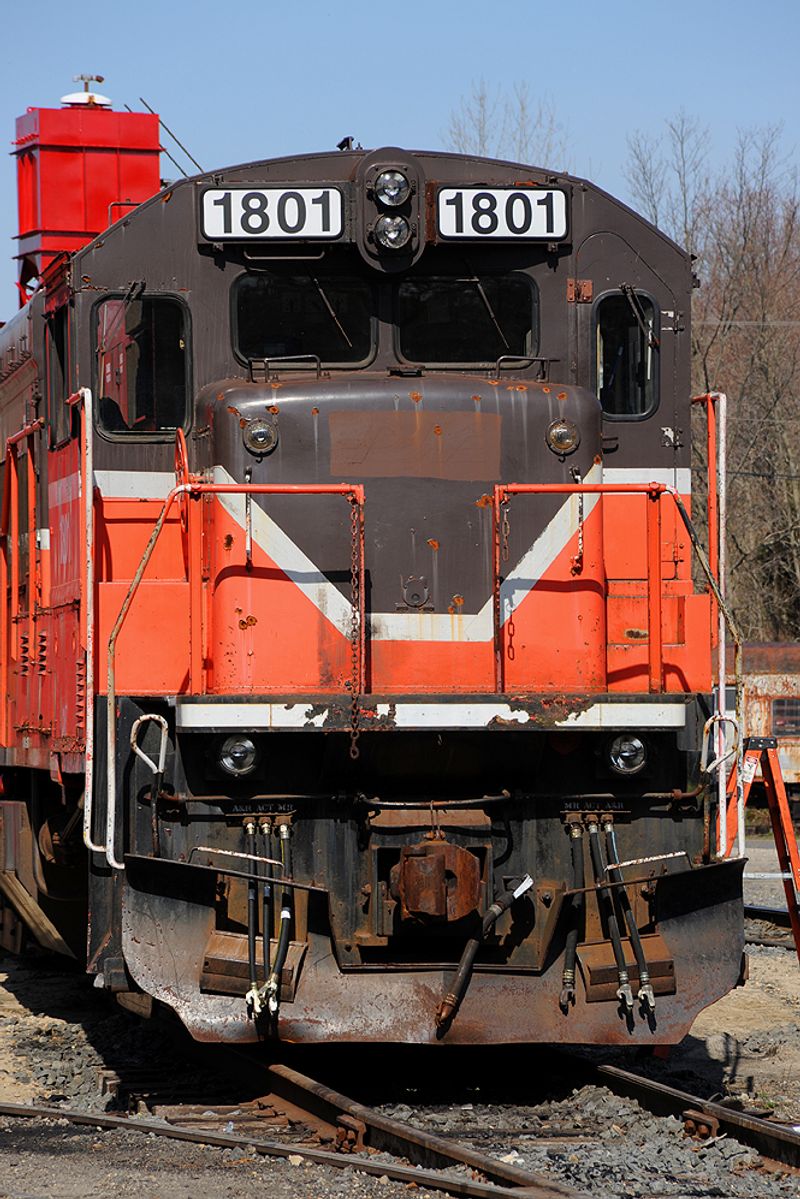
Today, the Southern Railroad of New Jersey Co operates out of this storied location, keeping the spirit of short-line freight railroading alive. The history embedded in these grounds stretches back over a century.
Standing near the tracks, you can almost feel the weight of all those years pressing up through the ballast beneath your feet.
It is the kind of place that makes local history feel surprisingly personal.
What Makes the Southern Railroad of New Jersey So Unique
Most people drive past short-line railroads without ever giving them a second thought.
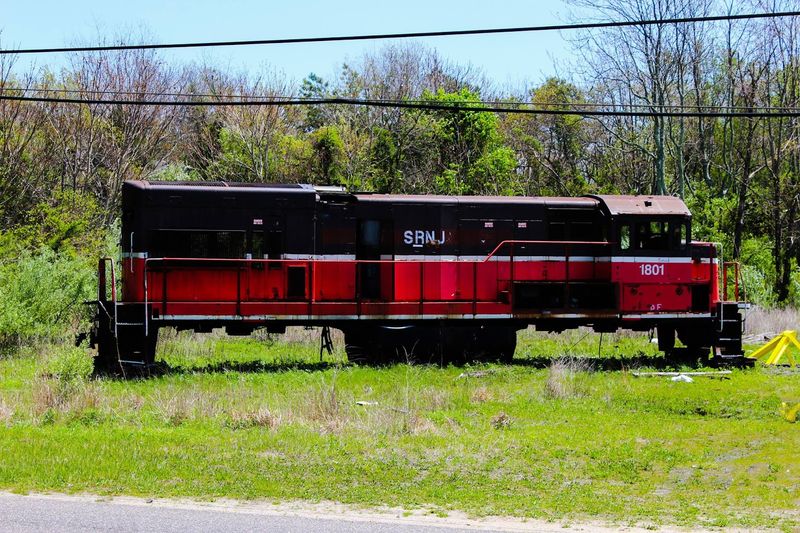
The Southern Railroad of New Jersey Co is a Class III short-line carrier, which means it operates over a smaller network compared to the freight giants, but what it lacks in scale it more than makes up for in character.
Running freight service across two separate areas of southern New Jersey, the SRNJ keeps goods moving through communities that larger railroads long ago stopped serving. That kind of regional dedication is genuinely rare in today’s transportation landscape.
Their locomotive roster over the years has featured some seriously interesting machinery, including EMD GP9s, EMD GP10s, and MLW M-420s. Each model tells its own chapter of North American railroad engineering history.
The GP10, for example, was a rebuilt and upgraded version of older GP7 and GP9 units, giving retired locomotives a second working life.
For anyone with even a passing interest in mechanical history, just reading that roster out loud feels a little bit exciting.
The Locomotive Graveyard That Locals Keep Coming Back To
Calling it a graveyard might sound grim, but locals who make the drive out to Winslow Junction would probably call it something closer to a museum without walls.
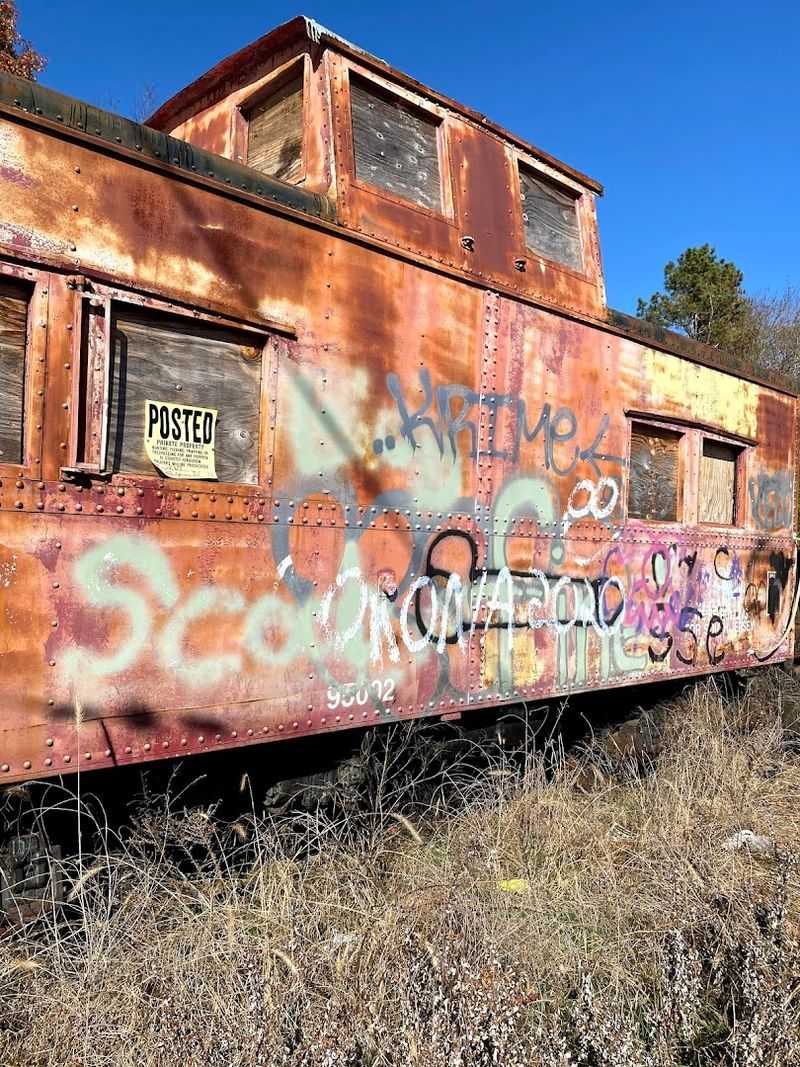
The storage tracks along the former CNJ Southern Branch hold a rotating cast of retired locomotives and rolling stock, some awaiting restoration and others simply resting after decades of hard work.
EMD F7A locomotives have been spotted here, which is a genuinely exciting sight for anyone who appreciates classic American diesel design. The F7 was one of the most successful locomotive models ever produced, and seeing one up close, even weathered, carries real weight.
Budd RDC-1 railcars have also called these tracks home. The RDC, short for Rail Diesel Car, was a self-propelled passenger car built by the Budd Company starting in the early 1950s.
Finding one sitting quietly on a side track feels like discovering a piece of mid-century transportation design frozen in time.
Every visit seems to offer something slightly different, which keeps people coming back.
A Photographer’s Dream Hidden in Plain Sight
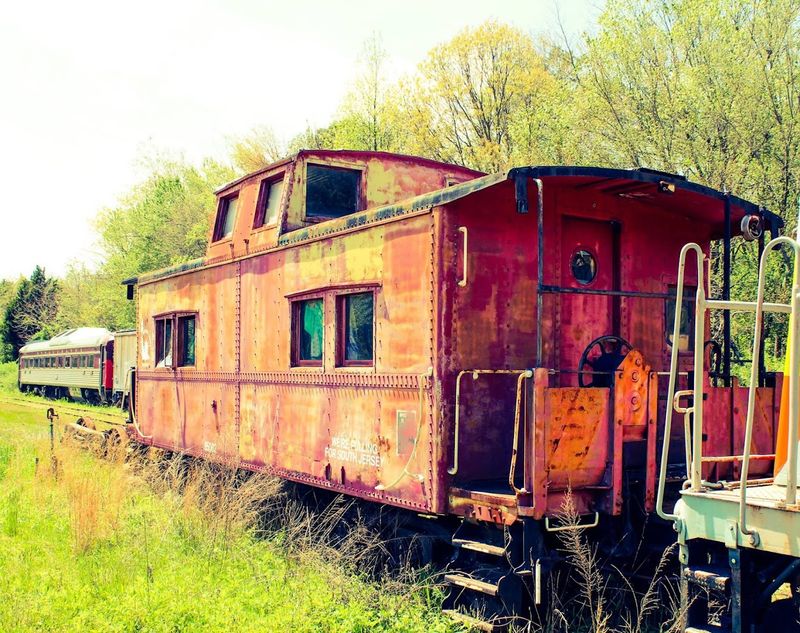
There is a reason photographers keep finding their way out to this corner of New Jersey. The combination of weathered steel, overgrown vegetation, and dramatic afternoon light creates the kind of scene that practically composes itself.
Old paint schemes, peeling in layers that reveal decades of rebranding, give each locomotive a texture that no studio backdrop could replicate.
The natural setting adds to it, with pine trees framing the tracks and wildflowers occasionally pushing up through the ballast in warmer months.
From the road or the adjacent areas, the visual opportunities are genuinely compelling. Rail fans and photography enthusiasts have long regarded Winslow Junction as a worthwhile stop, and it is easy to understand why once you see the lineup of old iron stretching down the track.
The key is respecting the property boundaries, staying on public roads, and appreciating what can be seen without crossing posted lines.
Good light and a long lens can do a lot of the work from a perfectly respectful distance.
The EMD F7A and What It Meant for American Railroading
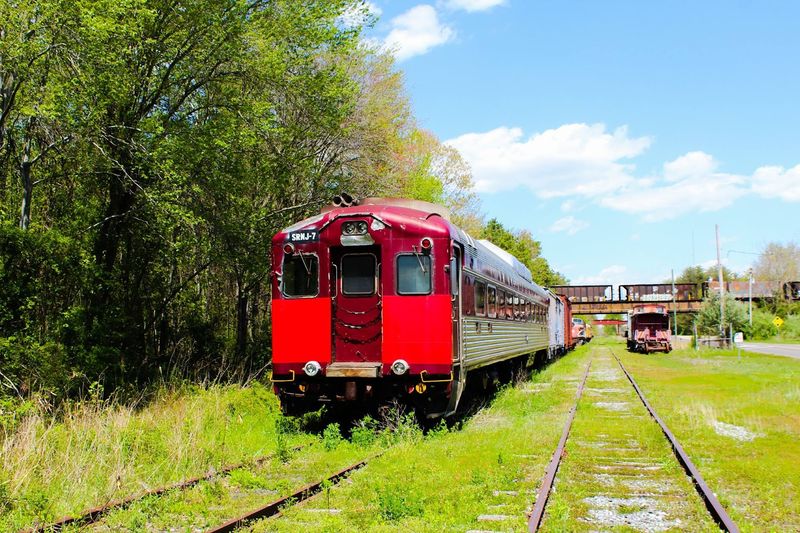
The EMD F7A was not just another locomotive. Built by General Motors Electro-Motive Division between 1949 and 1953, it became one of the defining symbols of the transition from steam to diesel power across North American railroads.
More than 2,300 F7A units were produced during that period, making it the best-selling cab unit in American railroad history.
Railroads loved the F7 because it was reliable, relatively easy to maintain, and capable of handling both freight and passenger duties depending on configuration.
Finding examples of this locomotive class stored at Winslow Junction connects visitors directly to that pivotal moment in transportation history. These were the engines that helped push steam into retirement, changing the sound and smell of American railroading forever.
Some of the SRNJ’s F7A units, specifically numbered 727 and 728, were later sold and stored by the Reading and Northern Railroad.
Knowing that history while standing near the tracks adds a layer of meaning that no museum placard could quite match.
Budd RDC-1 Railcars and the Golden Age of Passenger Travel
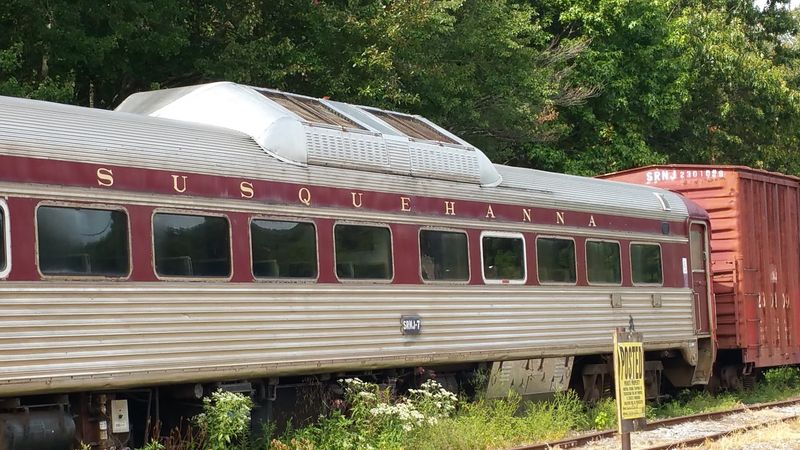
Stainless steel never really goes out of style, and the Budd RDC-1 proved that point with considerable flair. Introduced in 1950, the Rail Diesel Car was a self-propelled passenger vehicle that looked more like something from a science fiction magazine than a commuter train.
The Budd Company designed the RDC to be efficient and modern, capable of operating without a separate locomotive on shorter routes. Its fluted stainless steel exterior made it instantly recognizable, and railroads across North America ordered them in significant numbers throughout the 1950s.
Spotting an RDC sitting on the storage tracks at Winslow Junction is a bit like finding a vintage sports car parked behind a barn. The design still looks ahead of its time even after all these decades.
These cars served real passengers on real routes, carrying commuters and travelers through landscapes that have since changed almost beyond recognition.
Their presence here, quiet and weathered, is a tangible link to a period when passenger rail travel felt genuinely optimistic about the future.
Respecting Private Property While Exploring Railroad History
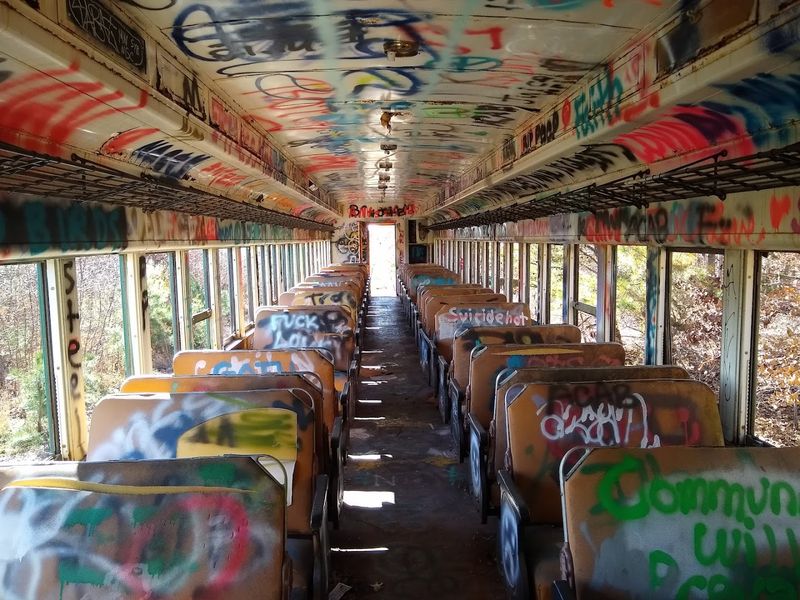
Here is something worth saying clearly: the Southern Railroad of New Jersey Co is an active, operating business, not an abandoned site open for casual wandering.
The property at Winslow Junction is privately owned, and no trespassing signs are posted throughout the area for genuine safety and legal reasons.
The good news is that plenty of the visual interest can be enjoyed from public roads and adjacent areas without setting foot on private property.
A slow drive past the storage tracks gives you a solid look at the locomotives lined up along the former CNJ Southern Branch, and that view alone is worth the trip for any rail enthusiast.
Respecting those boundaries matters, both for personal safety around heavy equipment and out of basic courtesy toward an operating company doing real work. The trains are not going anywhere fast, so there is no rush.
Plan a drive-by, bring a camera with a decent zoom, and enjoy the view from where you are supposed to be standing.
That approach keeps the experience positive for everyone involved.
Winslow Junction’s Place in New Jersey Railroad Heritage
New Jersey has a railroad history that most people seriously underestimate. The state was one of the earliest adopters of rail technology in the United States, and by the late 19th century its network of lines was dense, competitive, and economically vital.
Winslow Junction fit squarely into that larger story. The convergence of the Pennsylvania Railroad, Reading Company, and Central Railroad of New Jersey lines at this point made it a genuine strategic location during the peak years of American rail expansion.
Local historical societies recognize the site for exactly that reason.
The SRNJ’s continued operation at this location keeps a thread of that heritage alive in a very practical way. Freight still moves.
Engines still run. The connection between past and present here is not just symbolic but functional, which is rarer than it sounds.
For anyone interested in the layered history of New Jersey transportation, Winslow Junction offers context that books can describe but only standing nearby can truly communicate.
The place carries its history quietly but unmistakably.
Why This Spot Keeps Drawing Curious Visitors Year After Year
There is something about a place that exists outside the usual tourist circuit that gives it a particular kind of appeal. Winslow Junction was not designed to be a destination, which is probably exactly why it has become one for a certain type of traveler.
Rail fans come for the equipment, obviously. But photographers come for the light and texture.
History enthusiasts come for the layered connections to the Pennsylvania Railroad, Reading, and Jersey Central eras. And some people come simply because they took a wrong exit and ended up somewhere unexpectedly worth stopping for.
The Southern Railroad of New Jersey Co continues operating as a working freight railroad, which means the site stays active and the equipment changes over time. That unpredictability gives repeat visitors a reason to swing by again.
Every few months something new might have arrived or departed. The combination of genuine history, visual drama, and the quiet thrill of discovering something off the beaten path is a formula that keeps this forgotten corner of New Jersey firmly on people’s mental maps.
Address: 212 Spring Rd, Hammonton, NJ
