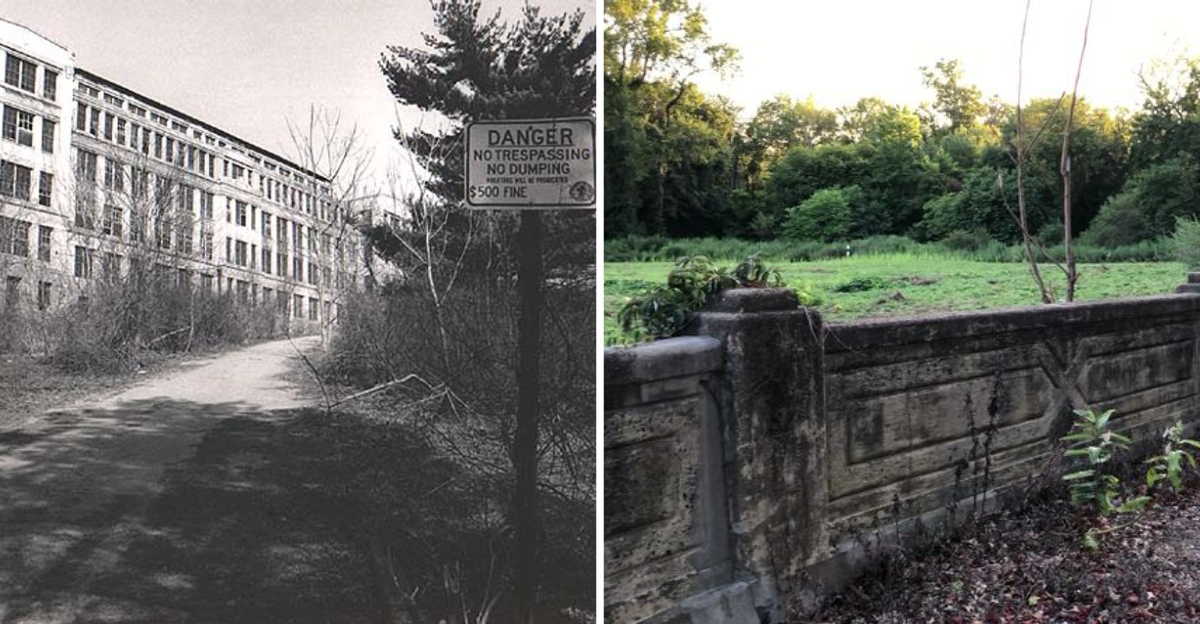
Talk about a breathtaking recovery.
Two determined women pushed to open it back in the early 1900s, and what started as a tiny cottage grew into one of the finest treatment centers in the entire nation.
Twenty buildings eventually sprawled across nearly three hundred acres of mountain land.
Then medicine got better, the last patient walked out, and the buildings sat empty.
Vandals and explorers moved in. Fires broke out.
Wrecking balls finished the job.
Now New Jersey has turned the haunted grounds into a stunning reservation with grassy fields and quiet trails.
The old buildings are gone, but the stories never really left.
A Hospital Born From Crisis
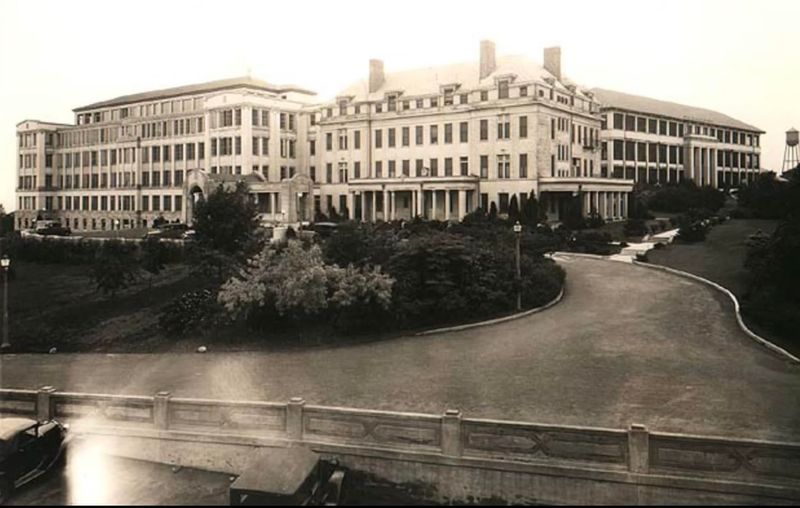
Back in the early 1900s, tuberculosis was not just a medical problem, it was a full-blown public health emergency across the northeastern United States. When Newark experienced a serious outbreak, Essex County officials acted fast.
Construction on the hilltop site had originally begun in 1900 with plans for an orphanage, but by 1907, those plans were completely scrapped in favor of something far more urgent.
The repurposed facility opened as a tuberculosis treatment center, built on the Second Watchung Mountain in Verona, New Jersey. The location was chosen deliberately.
Fresh mountain air and clean water were considered essential tools for helping patients recover before modern antibiotics existed.
Despite some pushback from local residents who were not thrilled about having a tuberculosis hospital nearby, the facility pressed forward. It grew into a massive 20-building complex spanning nearly 300 acres.
For the next seven decades, it would serve as a critical refuge for patients fighting one of the most feared diseases of the era.
Pure Air and Mountain Water
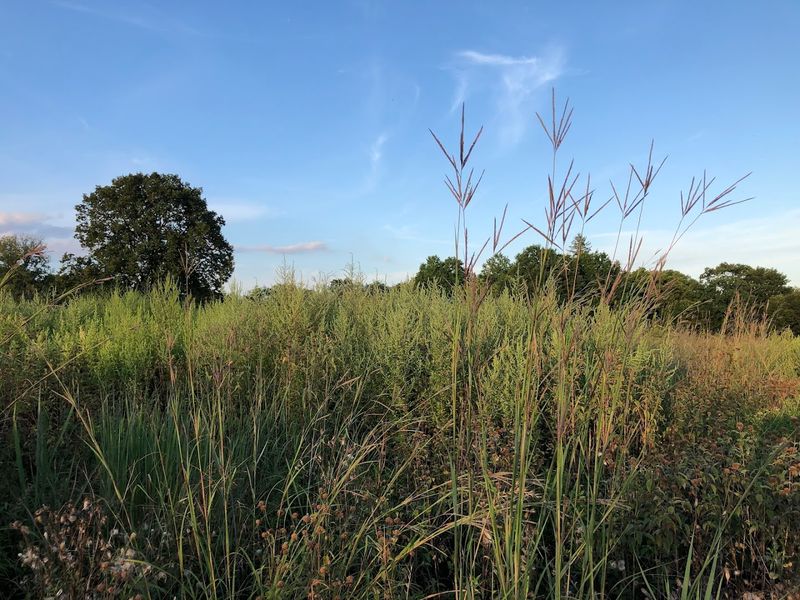
Long before antibiotics existed, doctors believed that fresh air, clean water, and rest were the best weapons against tuberculosis. The hilltop location of Essex Mountain Sanatorium was not accidental at all.
Sitting high on the Second Watchung Mountain, the site offered exactly what physicians of that era prescribed for recovery.
Patients spent hours on open porches, breathing cool mountain air and resting under careful supervision. The facility was designed to maximize airflow through its buildings, with wide porches wrapping around structures and large windows keeping interiors well ventilated.
Clean spring water from the mountain added another layer to the treatment approach.
What is remarkable is that this philosophy actually worked better than many expected. The sanatorium earned a national reputation for effectiveness, boasting an impressive 50% recovery rate at a time when tuberculosis was still widely considered a death sentence.
That number made Essex Mountain one of the most respected treatment facilities in the entire country, drawing attention from medical professionals and patients alike from across the region.
The Antibiotic Revolution That Changed Everything
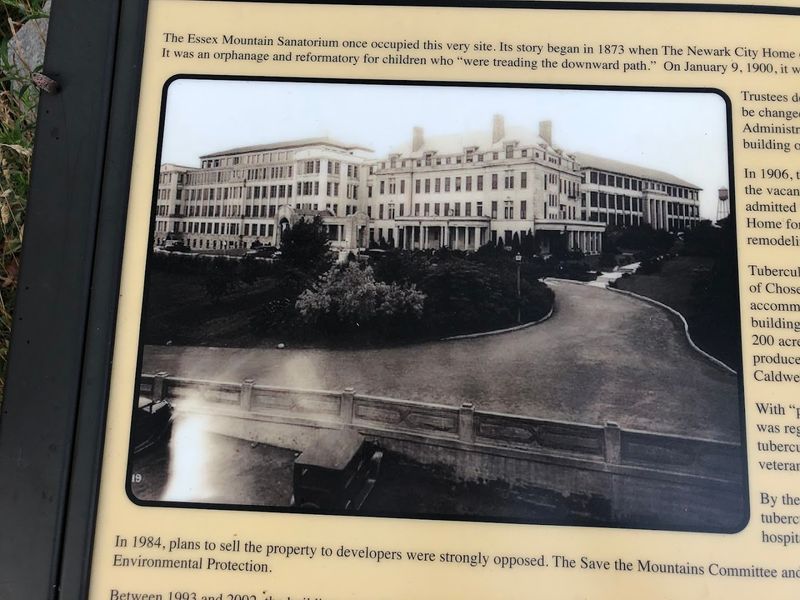
Science has a way of reshaping the world, sometimes quietly and sometimes all at once. The discovery and widespread use of Streptomycin in the late 1940s and 1950s fundamentally changed how tuberculosis was treated.
For the first time, a reliable antibiotic could fight the infection directly rather than relying on rest and fresh air alone.
This medical breakthrough was genuinely life-saving for millions of people globally. But it also spelled the beginning of the end for large-scale tuberculosis sanatoriums like the one in Verona.
As antibiotic treatments became the standard of care, the need for long-term residential facilities rapidly declined.
Patient numbers at Essex Mountain dropped steadily through the 1960s. The sprawling complex that had once housed hundreds of recovering patients grew quieter with each passing year.
By October 1970, the last tuberculosis patient was officially discharged from the facility. The sanatorium that had defined the hilltop for over six decades was no longer needed in the way it once had been.
Its extraordinary medical chapter had quietly come to a close.
Serving Veterans
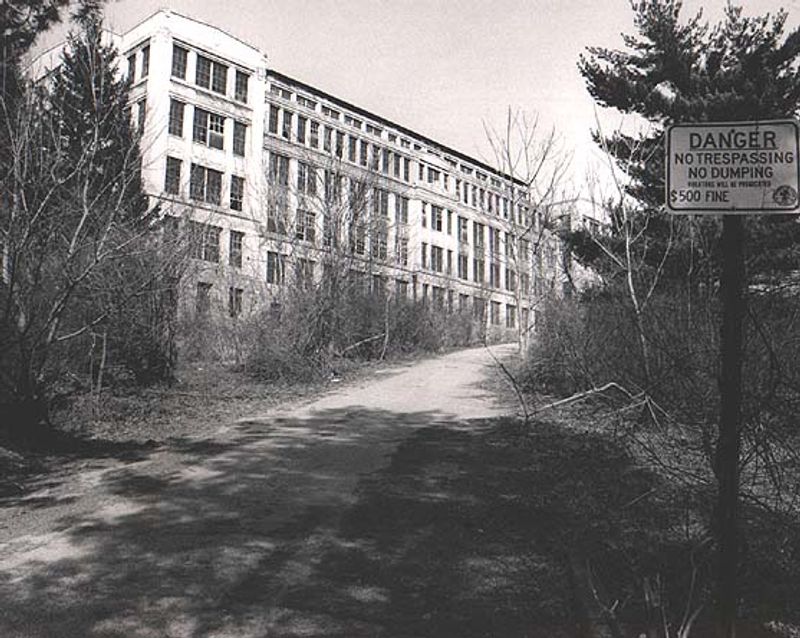
The facility’s reputation grew far beyond treating civilian tuberculosis patients. During and after World War I, Essex Mountain Sanatorium opened its doors to veterans who had suffered serious lung injuries during the conflict.
Soldiers returning from the front lines with damaged respiratory systems found care and recovery support within the sanatorium’s walls.
This chapter of the facility’s history added a layer of patriotic significance to its already meaningful mission. Treating wounded veterans was not a small undertaking.
It required expanded resources, additional staff, and a deeper commitment from Essex County to maintain the quality of care the sanatorium had become known for.
The experience of caring for veterans also helped the facility refine its medical practices in ways that benefited all future patients. By the mid-twentieth century, Essex Mountain had treated thousands of people across multiple generations, leaving behind a legacy of compassion and medical dedication.
For many families in New Jersey, the sanatorium represented a real chance at survival during some of the most frightening health crises of the early modern era.
Locked Gates and Abandoned Halls
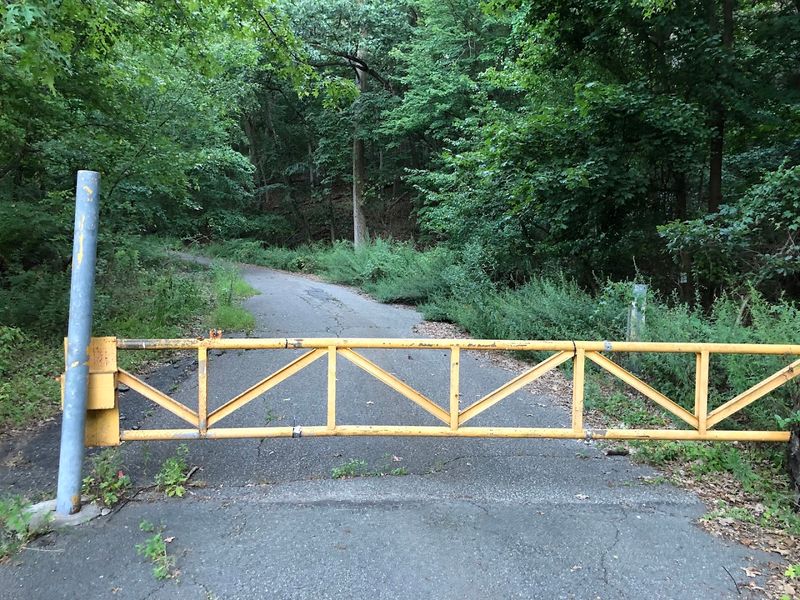
After officially closing in 1977, the Essex Mountain Sanatorium did not fade away gracefully. The complex sat largely untouched for years before the gates were permanently locked on December 1, 1982.
What had once been a busy, purposeful medical campus became something entirely different, a silent, decaying collection of buildings slowly being reclaimed by nature.
Empty hallways, broken windows, and crumbling corridors became the defining features of the site during this period. The buildings aged without maintenance, developing the kind of unsettling atmosphere that only truly abandoned places seem to generate naturally.
Underground tunnels that had once connected the complex added an extra layer of mystery and unease to the whole property.
Urban explorers and curious visitors found their way onto the grounds despite the locked gates. Stories from those years describe navigating dark passageways and crumbling rooms filled with leftover medical equipment and furniture.
The combination of isolation, decay, and the site’s medical history created a uniquely eerie atmosphere. It was the kind of place that felt heavy with memory, even when completely empty and silent.
Legends, Myths, and Things That Go Bump in the Dark
Every abandoned place eventually collects its own mythology, and Essex Mountain Sanatorium collected more than most. During the years of abandonment, local legends grew around the site at a remarkable pace.
Some stories claimed that apparitions wandered the empty hallways at night, remnants of patients who had never quite left the building behind.
Other tales were wilder and harder to dismiss casually. Rumors spread about Satanic rituals being performed inside the old chapel, and stories of so-called escaped individuals living in the underground tunnels became neighborhood legend.
Whether any of these stories had a shred of truth behind them almost did not matter. They took on a life of their own, passed from person to person across Essex County.
One particularly colorful rumor involved brains preserved in jars supposedly left behind in the medical buildings. Creepy?
Absolutely. Verified?
Not exactly. But that was the nature of the sanatorium’s reputation during those years.
The combination of real history and wild imagination turned the hilltop into one of New Jersey’s most talked-about spooky destinations long before ghost tourism became a popular concept.
Fire, Demolition, and the End of the Buildings
The story of Essex Mountain Sanatorium’s physical structures came to a dramatic turning point in 1993. A significant fire tore through part of the complex, accelerating the deterioration that years of abandonment had already set in motion.
Following the fire, county officials moved forward with large-scale demolition of the main sanatorium buildings.
Most of the structures were brought down between 1987 and 1995, with the remaining auxiliary buildings cleared away by the early 2000s. The process was not just about removing unsafe structures.
It also marked the formal erasure of the physical landscape that had defined the hilltop for nearly a century. Where multi-story brick buildings once stood, open meadows slowly began to take over.
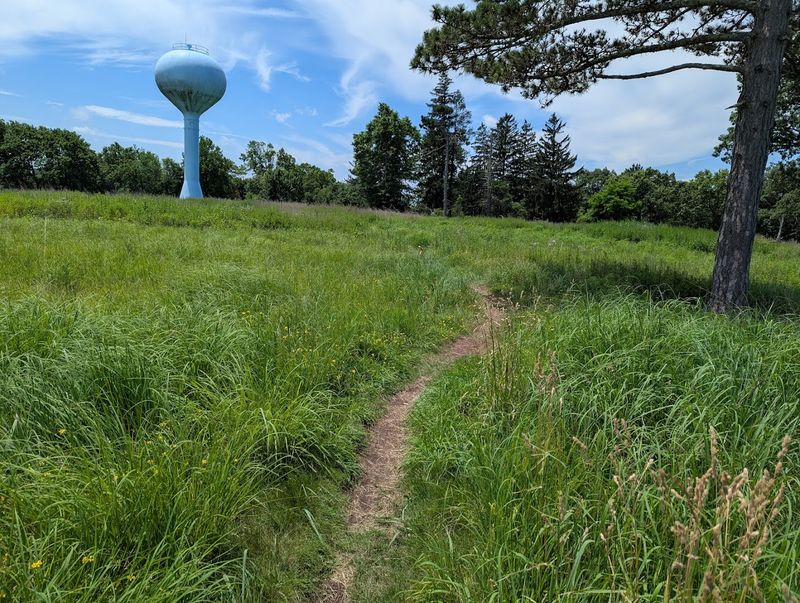
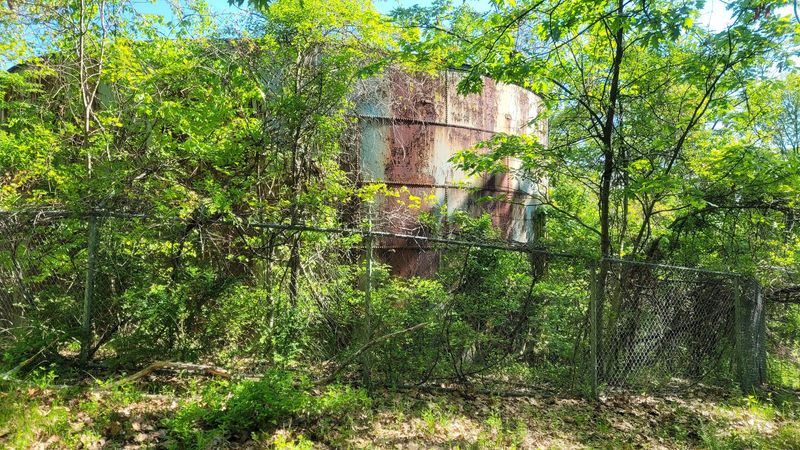
A large water tower visible on the site today was actually erected in 2007, long after the original buildings were gone. Very few physical reminders of the sanatorium remain.
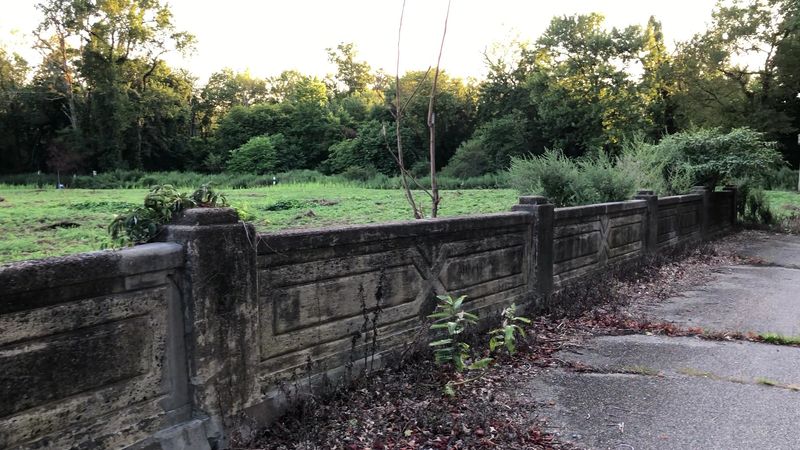
Concrete retaining walls, a historic flagpole that once stood in front of the main building, and the old access road from Cedar Grove Park are among the last tangible traces of what was once a sprawling medical complex.
Saving the Hilltop as Open Space
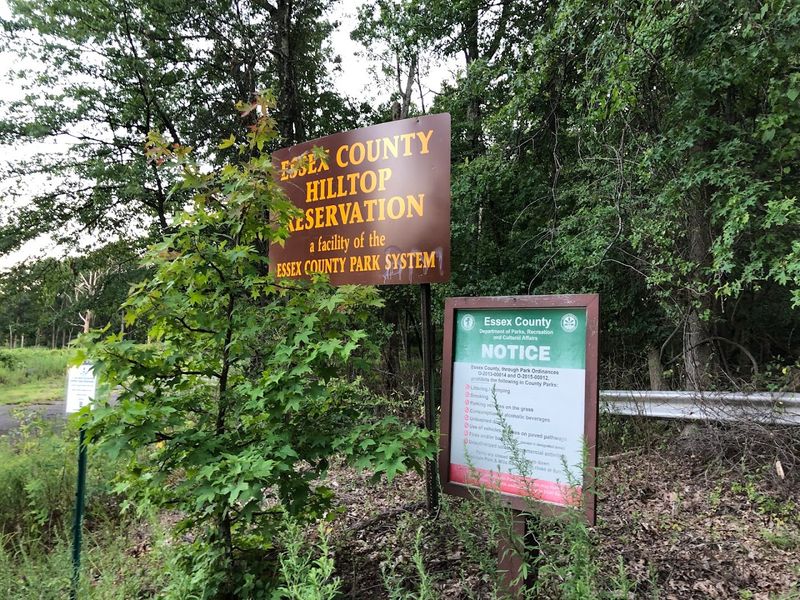
Not everyone was content to let the hilltop be quietly forgotten or sold off for development after the buildings came down. Local activists in Verona and surrounding communities launched a sustained campaign to have the land preserved as open, public green space.
Their efforts were passionate, organized, and ultimately successful in a very meaningful way.
The campaign gathered an impressive 12,000 signatures from residents who wanted the hilltop protected. That kind of community engagement sent a clear message to county and state officials about what the land meant to the people who lived nearby.
In 2001, the New Jersey Department of Environmental Protection designated the area a Conservation Easement, providing formal legal protection for the land.
The following year, in 2002, the Hilltop was officially recognized as a public park, and its gates were reopened after nearly two decades of closure. Additional land was dedicated in 2003, expanding the Hilltop Reservation to its current size of 284.16 acres.
The community had turned a story of abandonment and decay into one of preservation and public access.
What Visitors Experience Today
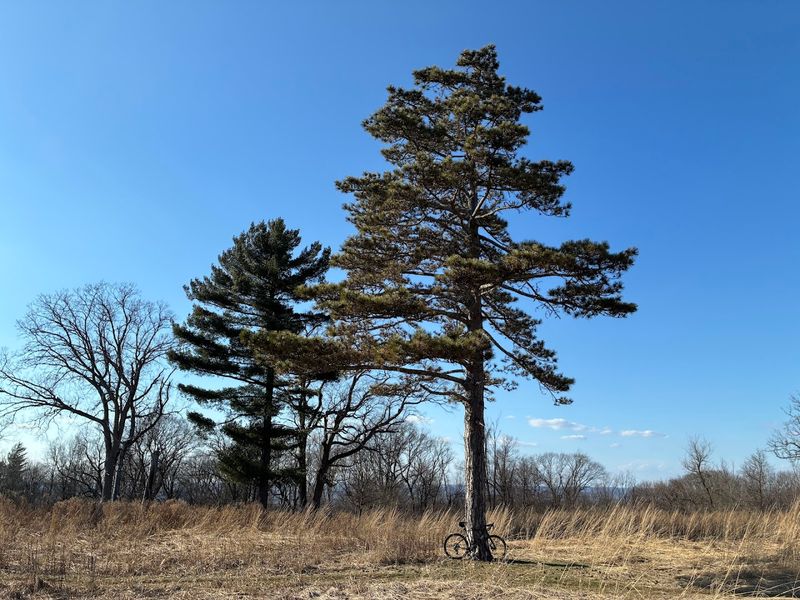
Visiting Hilltop Reservation today is a genuinely pleasant outdoor experience, and the setting is beautiful in all four seasons. Trails wind through mature woodland and open meadows that were once occupied by the sanatorium’s main buildings.
The loop road that once served hospital traffic is now a walking path surrounded by wildflowers and tall grasses.
A segment of the historic Lenape Trail passes through the reservation, connecting it to a broader network of natural paths across Essex County. The trail system is accessible and well-suited for casual hikers, families, and anyone looking for a quiet escape from suburban life.
Getting there is straightforward. Park on the east side of Fairview Avenue in the community center lot, then hike up Read Avenue to reach the main loop trail.
Concrete retaining walls peek out from the vegetation in places, and the old flagpole stands as a quiet sentinel in the middle of the meadow. The Hilltop Conservancy actively works to restore native wildlife habitats on former demolition sites.
Every visit feels like a slow, peaceful conversation between the land’s complicated past and its hopeful present.
Nature Reclaims a Complex History
There is something quietly powerful about standing in the middle of a wildflower meadow, knowing that beneath the soil and grasses lies the footprint of a place that shaped thousands of lives.
Essex Mountain Sanatorium served patients for over six decades, adapted through wars and medical revolutions, fell into ruin, and then rose again as a community-protected nature preserve.
The Hilltop Conservancy continues to manage and improve the reservation, focusing on restoring native plant species and wildlife habitats on land that was disturbed by decades of construction and demolition.
The work is ongoing and genuinely rewarding for the broader ecosystem.
Birds, pollinators, and small mammals have steadily returned to the hilltop as native habitats recover.
For visitors, the park offers more than just a nice walk. It offers a chance to connect with a layered, complicated, and ultimately hopeful piece of New Jersey history.
The eerie legends and crumbling past have given way to something surprisingly alive. Essex Mountain Sanatorium may be gone in physical form, but its story walks with you every step of the trail.
Address: Essex Mountain Sanatorium, Verona, NJ
