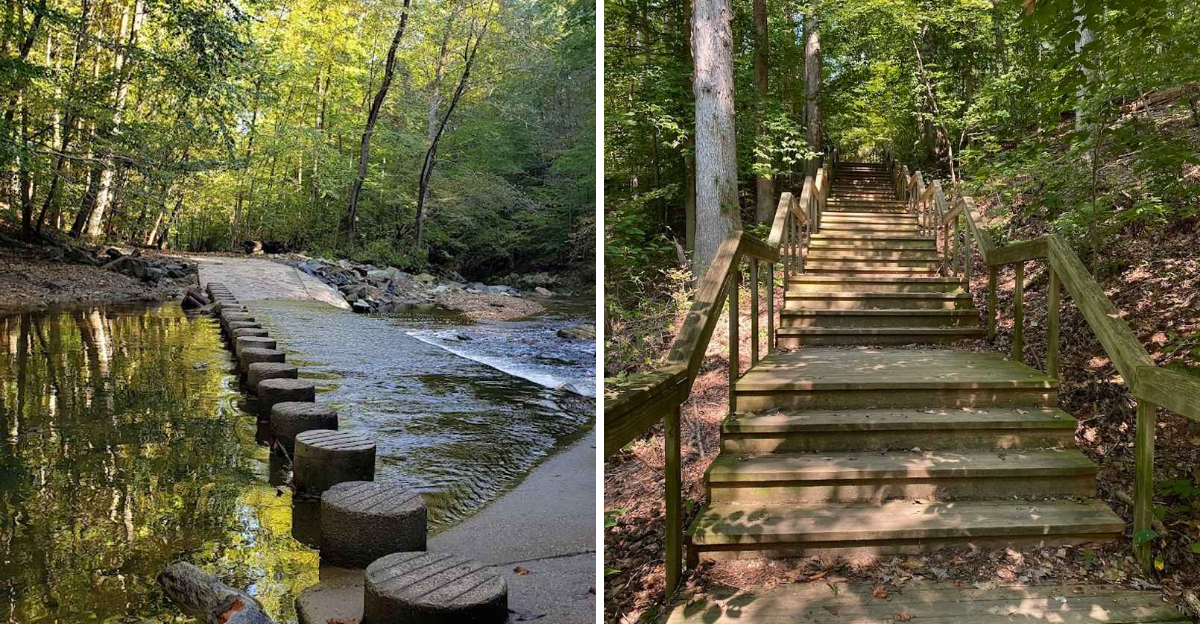
Some waterfall hikes are brutal. Steep climbs, rocky scrambles, hours of effort for a few minutes of spray.
But this Virginia hike is different. It is gentle, just three miles round trip, with a path that winds through the woods without punishing your legs.
The waterfall at the end is worth the walk, a cascade that tumbles over rocks into a clear pool. I hiked it on a warm morning, moving slowly, stopping to look at ferns and listen to birds.
The trail is well-marked, the elevation gain is minimal, and the payoff is immediate. You can bring kids, bring grandparents, bring anyone who wants a nice walk with a reward at the end.
Virginia has plenty of waterfall hikes. This one is for people who want the beauty without the suffering.
The Trail That Punches Way Above Its Weight
Not every great hike needs to be brutal. The Outer Loop at Scott’s Run Nature Preserve covers roughly three miles of terrain that manages to feel surprisingly varied without ever tipping into genuinely punishing territory.
That is a rare and wonderful thing.
Starting from the main parking lot off Georgetown Pike, the trail opens up wide and smooth, practically rolling out a welcome mat beneath your feet. The yellow-blazed main trail is well-worn and easy to follow, giving you time to actually look around instead of staring at your feet the whole time.
Virginia has no shortage of beautiful green spaces, but this one hits differently. The mix of floodplain forest, rocky outcrops, and river views packs a serious amount of scenery into a compact package.
Fairfax County Park Authority manages the preserve as part of its network of over four hundred parks, and they have done a solid job keeping this one accessible without over-manicuring it. Bring a trail map because some connector trails are un-blazed, but do not stress too much.
The route is forgiving, the forest is gorgeous, and the payoff is absolutely real.
A Waterfall That Earns Every Step You Take To Reach It
Let me be honest about something. Not all waterfall hikes actually deliver a waterfall worth writing home about.
Some are glorified trickles that make you question your life choices. Scott’s Run Waterfall is not that.
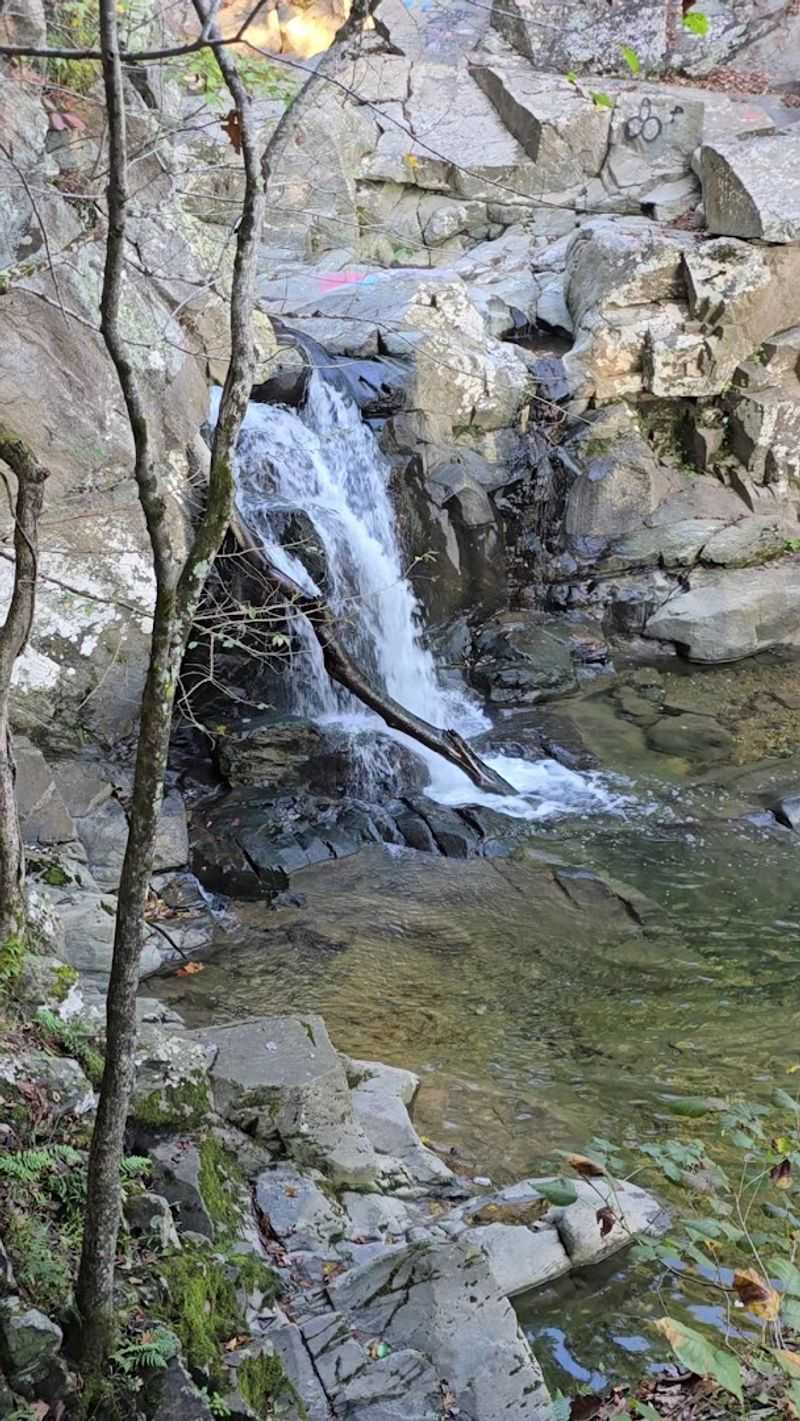
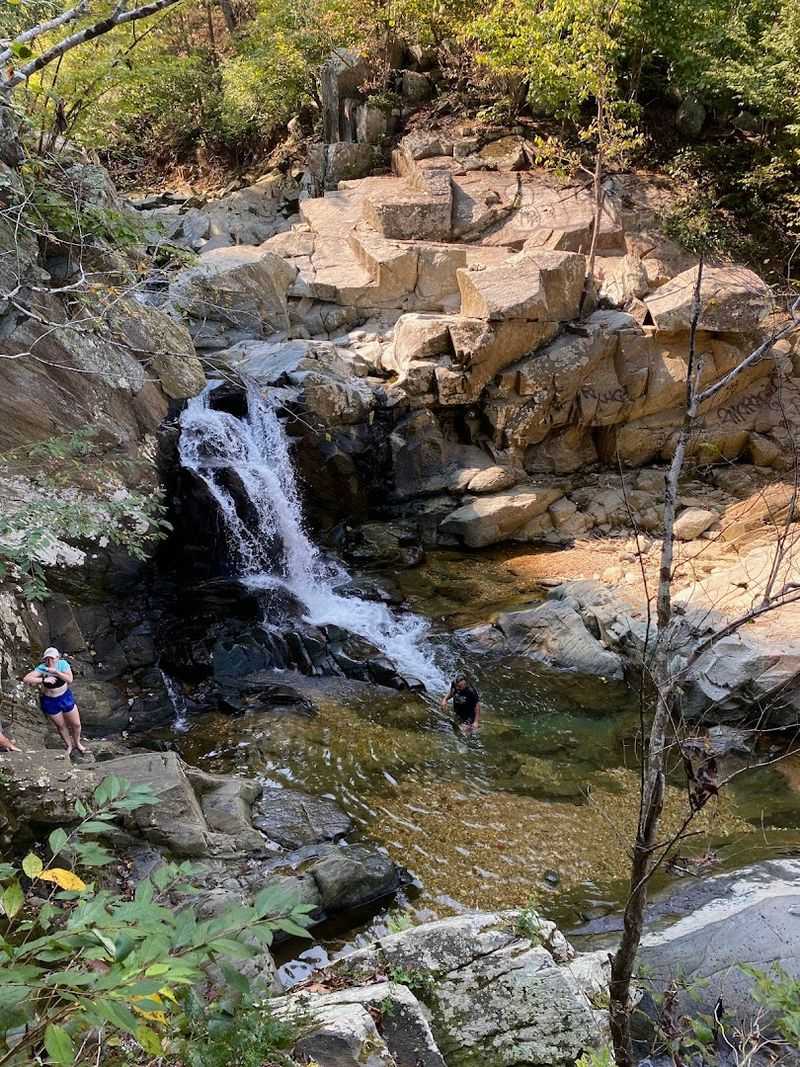
Sitting less than a mile from the main parking area, this waterfall tumbles dramatically into a rocky pool surrounded by dense forest, and it genuinely looks like something from a nature documentary. The sound reaches you before the sight does, which is one of my favorite things about it.
That moment when you first hear rushing water through the trees feels like a small reward arriving early.
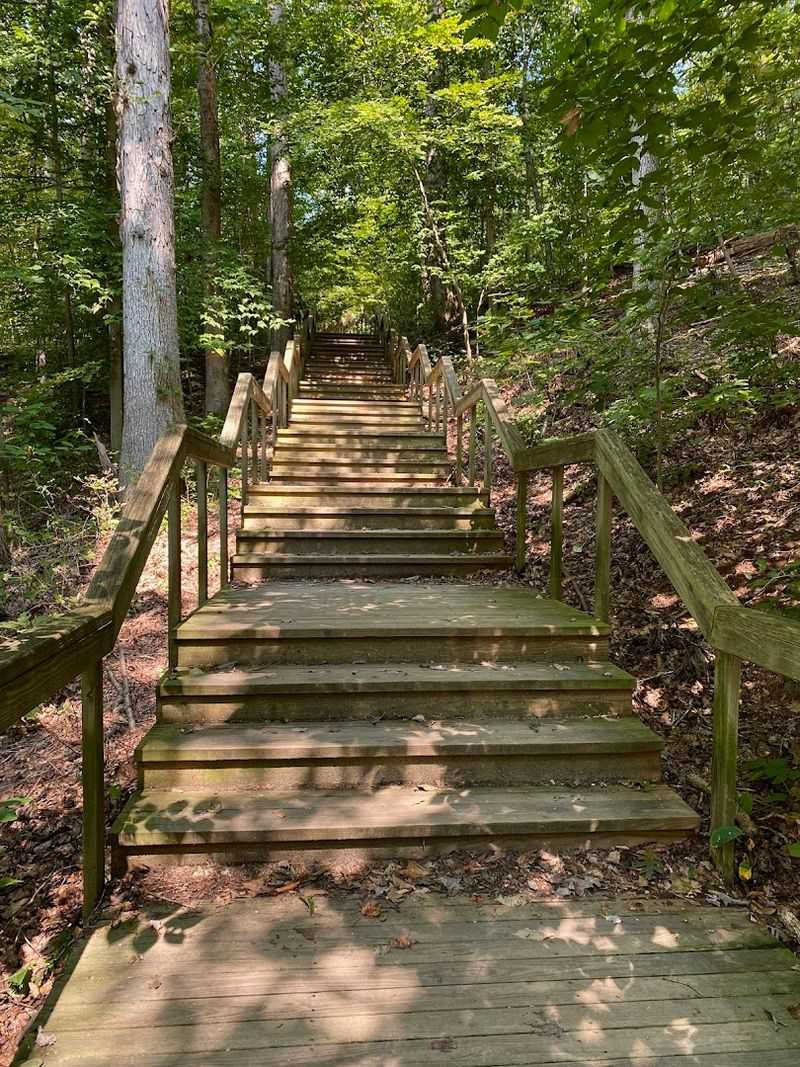
The trail down to the waterfall involves a steep hill, so wear shoes with actual grip. Once you are standing in front of it, though, all the huffing and puffing fades away fast.
The setting is wild and natural, with mossy rocks and overhanging branches framing the cascade perfectly. Virginia delivers some stunning natural moments, and this is genuinely one of them.
Pack a camera because your phone camera will not do it justice, though it will certainly try.
The Potomac River Views That Stop You Cold
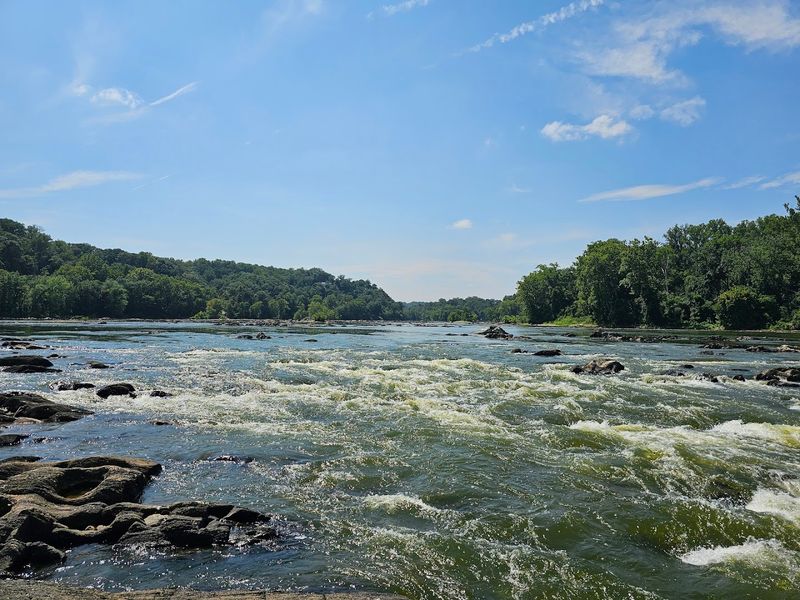
Rounding a bend on the Outer Loop and suddenly catching a glimpse of the Potomac River is the kind of moment that makes you audibly gasp. It happens fast and it happens hard, and I was completely unprepared for how dramatic it felt.
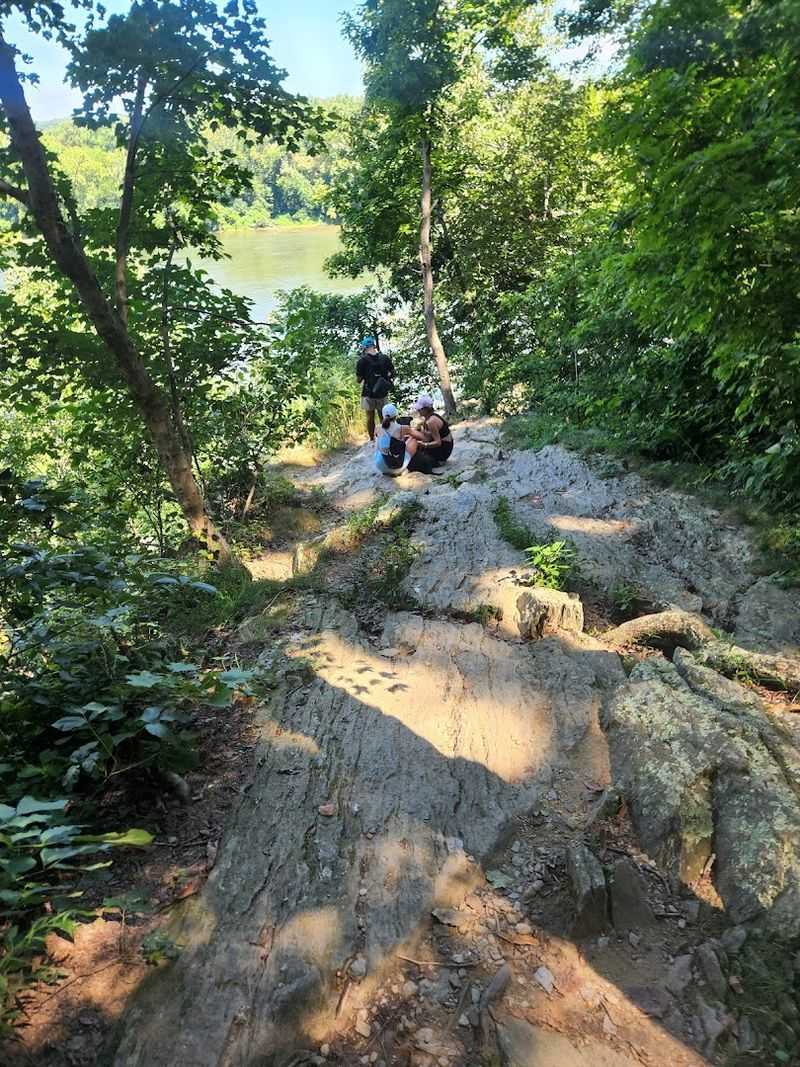
The river stretches wide and powerful beyond the treeline, catching light in a way that makes the whole scene feel almost cinematic. Several points along the trail offer unobstructed views, and the Stubblefield Falls Overlook is particularly worth the short detour.
Standing up there with the river below and forest all around, it is easy to forget you are just a short drive from the suburbs.
The Potomac Gorge, which frames this entire preserve, is recognized as one of the rarest biological ecosystems in the mid-Atlantic region. That context adds a layer of meaning to what you are seeing.
These are not just pretty views. They are windows into a genuinely rare and remarkable landscape.
Virginia keeps pulling off this trick of hiding extraordinary natural beauty right next to ordinary life, and the Potomac River views along this trail are a perfect example of that particular magic.
Creek Crossings That Make the Hike Feel Like an Adventure
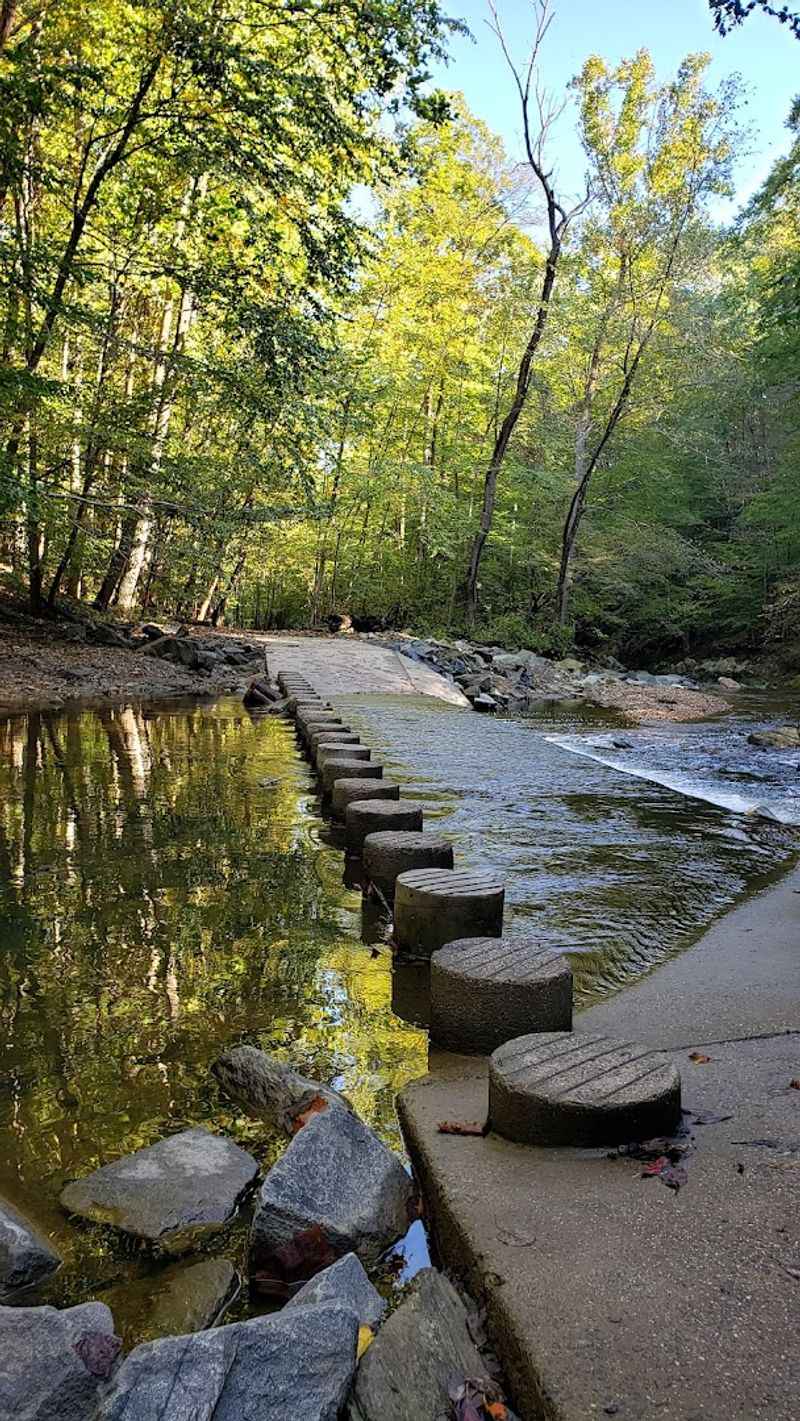
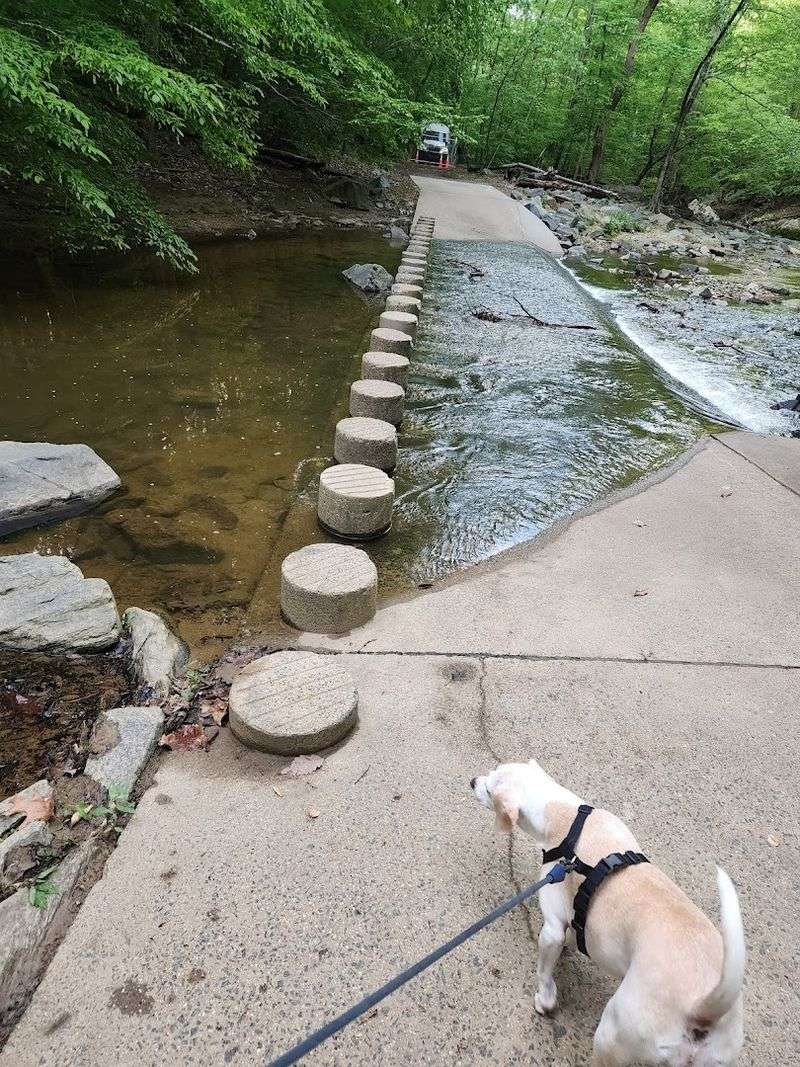
There are two creek crossings on the Outer Loop, and they are genuinely one of the highlights of the whole hike. Managed with a combination of stepping stones and concrete pillars, they require just enough balance and focus to make you feel like a proper explorer.
Kids absolutely love these sections. Adults pretend to be casual about them while secretly enjoying every second.
The creeks themselves are beautiful, with clear water moving over smooth rocks and small fish darting around in the shallows. Pausing mid-crossing to look upstream or downstream is one of those small pleasures that makes a hike feel complete.
After rain, these crossings can get slippery, so tread carefully and consider trekking poles if balance is a concern. The rocks get mossy and the current picks up, which adds a little extra drama to the crossing experience.
Dry days make the whole thing more manageable and keep your socks dry, which is always a win. Scott’s Run Nature Preserve has a way of turning what could be minor inconveniences into genuinely fun moments, and these creek crossings are the perfect example of that philosophy in action.
Spring Wildflowers That Turn the Forest Into a Painting

Arriving at Scott’s Run Nature Preserve in spring is like walking into a botanical garden that nobody told the forest about. The whole place erupts in color, and it happens fast enough that timing your visit actually matters.
Virginia bluebells are the showstoppers, carpeting the floodplain in soft purple-blue clusters that look almost too perfect to be real.
Trailing arbutus creeps along the ground in delicate pink-white blooms, and sessile trillium pops up in shaded corners with that deep burgundy color that photographs beautifully.
The Potomac Gorge ecosystem supports this extraordinary wildflower display because of its rare combination of soil types, moisture levels, and light conditions.
Serious wildflower fans should plan visits for mid-spring when the blooms peak before the forest canopy fills in and blocks the light. Even casual hikers who would not normally care about plants find themselves stopping constantly to photograph what they are seeing.
Virginia has some remarkable natural beauty spread across the state, and this seasonal wildflower show at Scott’s Run is one of the most underappreciated examples of it. Bring your camera and your patience because you will want to stop every few steps.
Wildlife Encounters That Reward the Early Birds
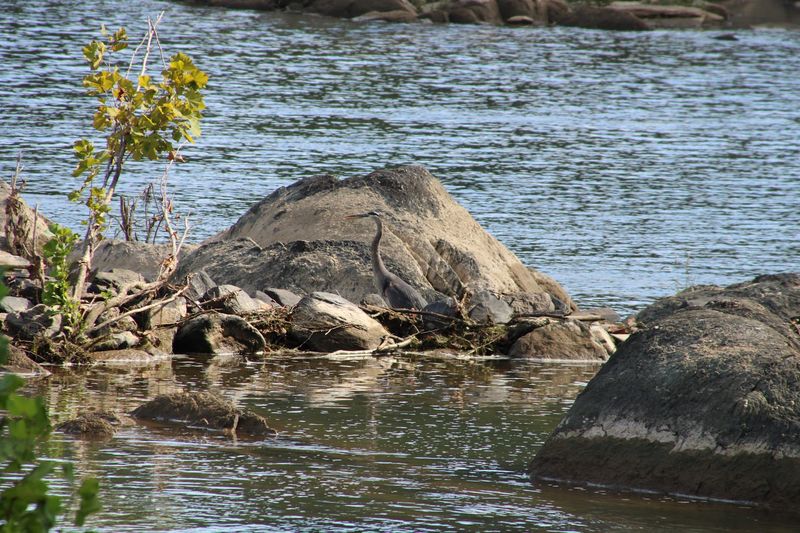
Go early and go quietly. That is the single best piece of advice I can offer for anyone hoping to catch a glimpse of the wildlife that calls Scott’s Run Nature Preserve home.
The reward for an early start is significant.
Blue herons are practically regulars along the river stretches, standing impossibly still in the shallows while ospreys wheel overhead scanning for fish.
The forest interior hosts a lively mix of songbirds that fill the canopy with sound, and deer are common enough that spotting one barely registers as remarkable anymore.
Oyster mushrooms have even been spotted growing on fallen logs along the trail, which adds a fun foraging-adjacent element to the walk for those who pay attention.
The Potomac Gorge ecosystem supports this rich wildlife diversity because it sits at the intersection of several distinct habitat types. Floodplains, rocky cliffs, and narrow valleys create a patchwork of microenvironments that different species exploit in different ways.
Bring binoculars and a decent telephoto lens if you have one. The wildlife at Scott’s Run does not always pose for close-ups, but it shows up reliably for those willing to arrive before the parking lot fills up.
The Blazed Trail System That Keeps Things Interesting
Color-coded trails are one of those organizational decisions that seem simple but genuinely make or break a hiking experience. Scott’s Run Nature Preserve uses a multi-color blaze system that, once you get the hang of it, makes navigating the Outer Loop surprisingly intuitive.
The blue-blazed Potomac Heritage Trail runs along the river and handles some of the most scenic sections of the hike. The yellow-blazed Stubblefield Falls Overlook Trail takes you up to that spectacular river view mentioned earlier.
The purple-blazed Parking Lot Connector Trail ties the whole loop together in a satisfying circle. Together, these three color-coded routes create a cohesive experience that covers a solid range of terrain without ever feeling disjointed.
A word of practical wisdom here: print or photograph a trail map before you start. Some connector trails are un-blazed, and the junction points can get confusing if you are relying purely on memory or a spotty cell signal.
The trail system at Scott’s Run Nature Preserve rewards hikers who come prepared with a basic sense of the route. Virginia parks often have maps available at the trailhead, but having a backup copy on your phone is always smart planning.
Why the Terrain Variety Keeps Every Step Feeling Fresh
Three miles can feel like forever on a boring, repetitive trail. Three miles at Scott’s Run Nature Preserve feels like it ends too soon.
The terrain variety is the secret ingredient that keeps the whole experience engaging from start to finish.
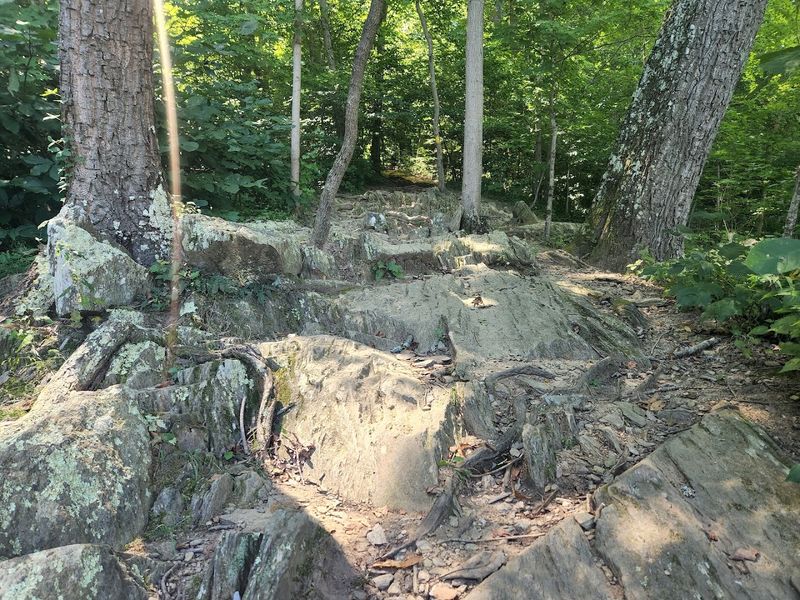
The trail shifts between wide gravel paths and narrow dirt tracks, open floodplain stretches and rocky riverside sections, gentle climbs and quick descents. Every change in surface type brings a slight change in atmosphere, and that rhythm prevents the monotony that can creep into longer hikes on less varied routes.
The rockier sections near the Potomac require a bit more attention underfoot, which keeps your brain engaged even when your legs are on autopilot.
After significant rainfall, some sections get genuinely muddy and slippery, so trail conditions matter here more than on paved paths. Check recent reports before heading out on wet days, and consider waiting a day or two after heavy rain for the ground to firm up.
Waterproof trail shoes are a smart call in any season. The terrain variety at Scott’s Run Nature Preserve is ultimately what makes the Outer Loop feel like a proper adventure rather than just a pleasant stroll through the Virginia woods.
The Parking Situation That Demands a Strategy
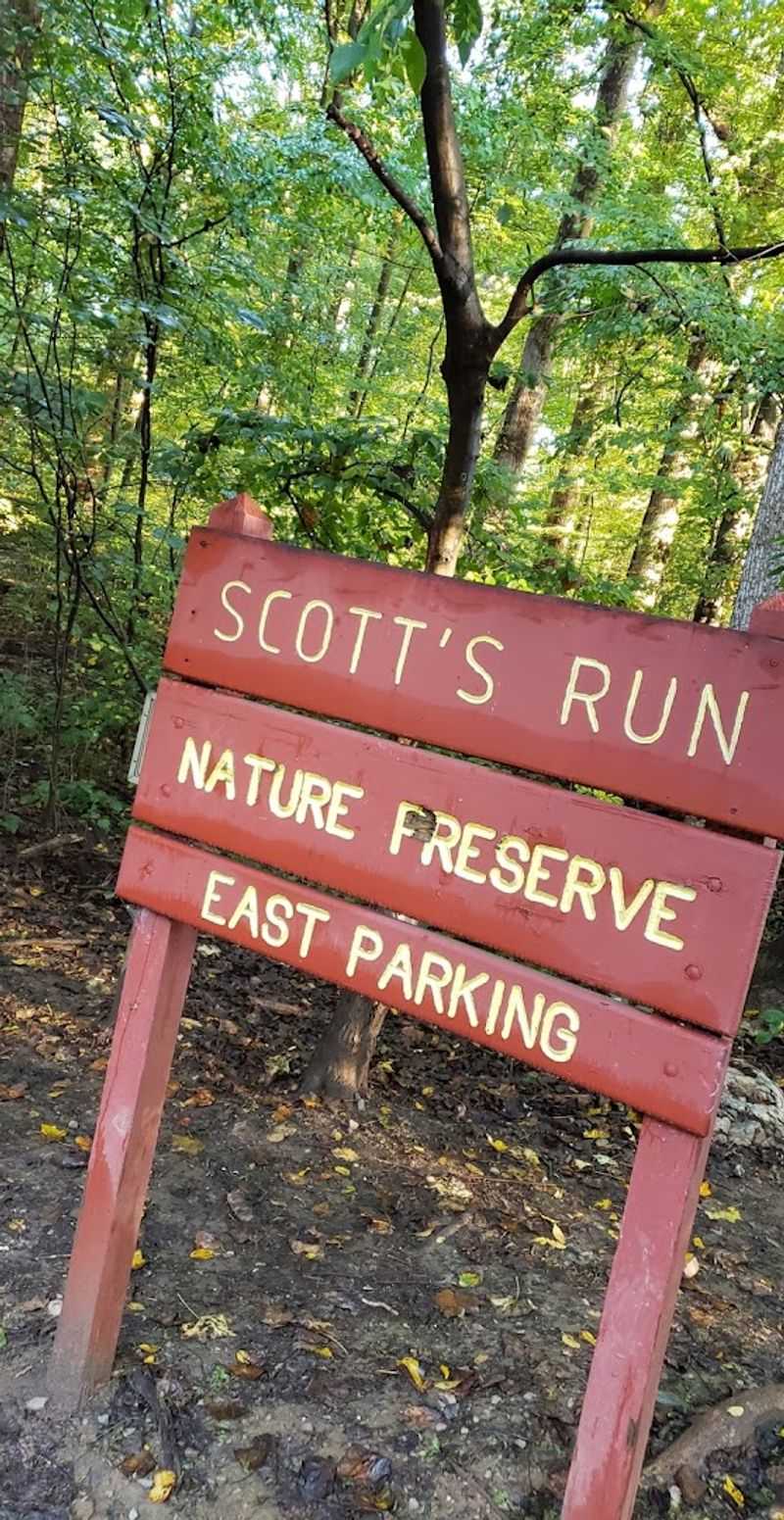
Here is the thing about Scott’s Run Nature Preserve that nobody mentions in the pretty Instagram posts. The parking situation is genuinely competitive, and showing up unprepared on a sunny weekend afternoon is a recipe for frustration.
Two parking lots sit off Georgetown Pike, and both fill up fast on weekends and pleasant-weather days. The lots are small by design, which is actually a blessing in disguise.
Fewer parking spaces mean fewer people on the trail, which means you get a more peaceful experience once you are actually inside the preserve. The tradeoff is that you need to plan your arrival time with some intention.
Weekday mornings are the golden window for stress-free parking. Arrive early on weekends and you will be fine.
Arrive at noon on a Saturday in May and you may end up circling the lot like a frustrated satellite. Some hikers park along Georgetown Pike when the lots are full, but check local regulations before doing that.
Scott’s Run Nature Preserve is free to enter, which is genuinely rare and wonderful, so the parking scramble is a small price to pay for a zero-cost adventure in one of Virginia’s most beautiful natural spaces.
Rules of the Trail That Actually Make Sense
Every great park has rules, and Scott’s Run Nature Preserve has a few that are worth knowing before you show up. None of them are unreasonable, and most of them exist for genuinely good reasons tied to safety and conservation.
Swimming, wading, and bathing in Scott’s Run creek and the Potomac River are strictly prohibited. The currents in the Potomac Gorge are deceptive and dangerous, and the underwater hazards are real.
The prohibition is enforced with a fine, so treat the water as a visual experience only, no matter how tempting it looks on a hot day. Pets are welcome but must stay leashed at all times, which protects both the wildlife and your dog from unexpected encounters.
No grills, coolers, or picnicking means this is purely a hiking destination rather than a park day hangout spot. That focus keeps the atmosphere clean, quiet, and genuinely nature-forward.
The preserve opens thirty minutes before sunrise and closes thirty minutes after sunset, giving early risers and golden-hour chasers both a workable window.
Respecting these rules helps preserve what makes Scott’s Run Nature Preserve special for every hiker who comes after you, which is ultimately the whole point of having a park this beautiful in Virginia.
The Best Seasons to Visit and What Each One Offers
Picking the right season for a visit to Scott’s Run Nature Preserve Outer Loop is genuinely worth thinking about because each one delivers a completely different experience. The trail is accessible year-round, but the atmosphere shifts dramatically with the calendar.
Spring is the peak wildflower season, with Virginia bluebells and sessile trillium putting on a show that draws serious nature photographers and casual walkers alike.
Summer brings full green canopy cover and the pleasant white noise of the creek running strong, though the humidity of a Virginia summer can make even an easy hike feel a bit more demanding.
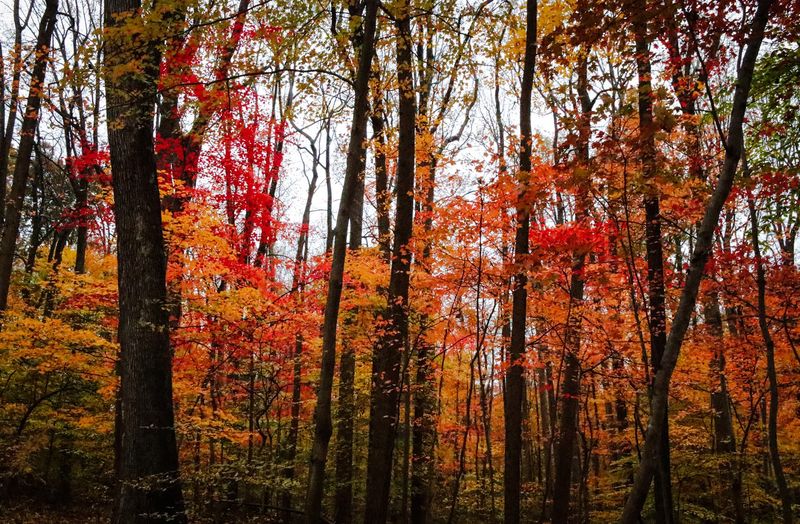
Fall is spectacular in a different way, with the deciduous forest turning amber and gold and the reduced leaf cover opening up new sightlines toward the river.
Winter visits offer a stripped-down version of the preserve that has its own quiet appeal. The bare trees reveal the structure of the landscape in ways that lush summer growth conceals, and wildlife can be easier to spot without foliage in the way.
Trail conditions after snow or ice require extra caution, but the preserve in winter feels almost meditative. Scott’s Run Nature Preserve rewards repeat visits across seasons in a way that genuinely justifies coming back more than once.
Getting There and Making the Most of Your Visit
Finding Scott’s Run Nature Preserve is straightforward, and the address makes it easy to plug into any navigation app without fuss. The preserve sits at 7400 Georgetown Pike in McLean, Virginia, right off the main road with clear signage pointing toward the parking lots.
McLean is well-connected to the broader Northern Virginia road network, making this an easy day trip from Washington D.C. or surrounding suburbs. The drive itself is pleasant, with Georgetown Pike winding through some genuinely attractive residential and wooded stretches that set the mood before you even reach the trailhead.
Plan to arrive early, especially on weekends, to secure parking without stress.
Wear comfortable, closed-toe shoes with grip, and bring water even for a three-mile hike because the terrain can be more demanding than the easy rating suggests. A light layer is smart in shoulder seasons when temperatures can shift between the open riverside and shaded forest sections.
There is no entrance fee, which makes this one of the best value outdoor experiences in all of Virginia. Pack out everything you bring in, leave the trail better than you found it, and take your time soaking in everything Scott’s Run Nature Preserve has to offer.
You will not regret a single step.
