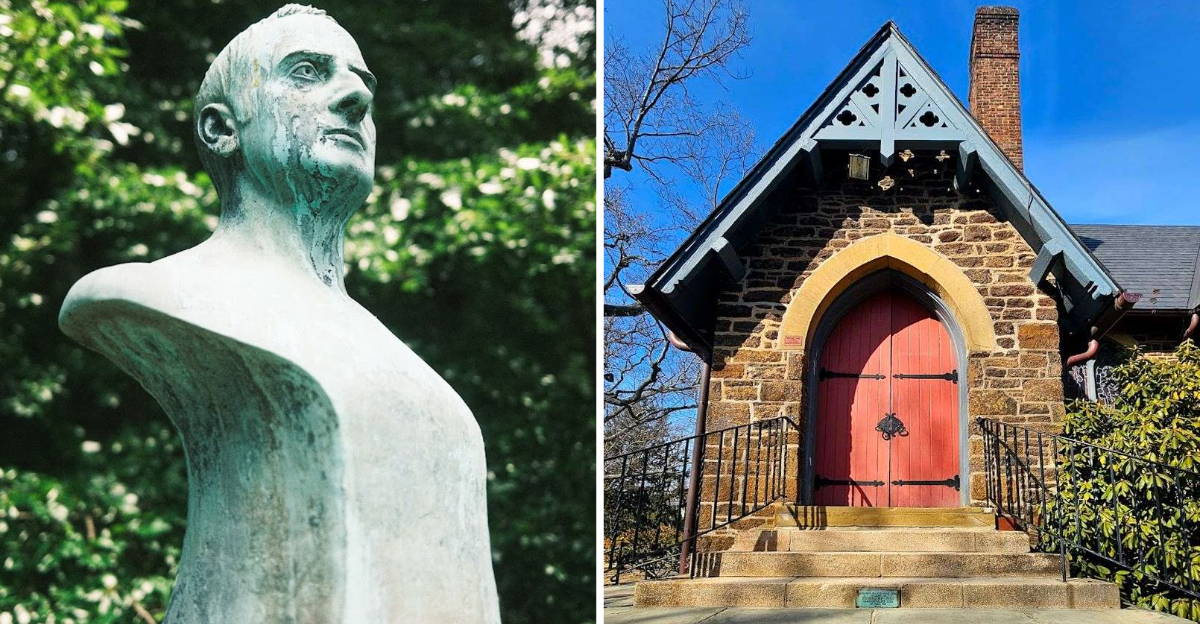
Ever think New Jersey’s architectural gems stopped at Victorian houses and seaside boardwalks?
Think again!
There’s a Gothic chapel here that’s literally built from stone older than humanity itself.
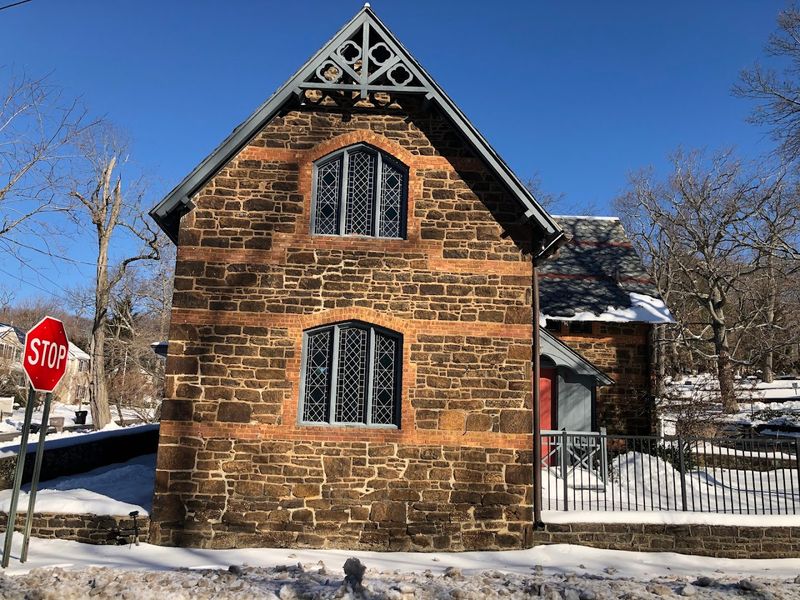
I’ll admit, I came for the history but stayed for the jaw-dropping fact that the walls are crafted from 11-million-year-old peanut stone.
From its hand-built design to its hauntingly beautiful arches, the chapel feels like a time capsule of faith and geology combined.
Cheeky thought: it’s the only place where you can admire medieval-style architecture while geeking out over prehistoric rock.
What Exactly Is Peanut Stone and Why Does It Matter
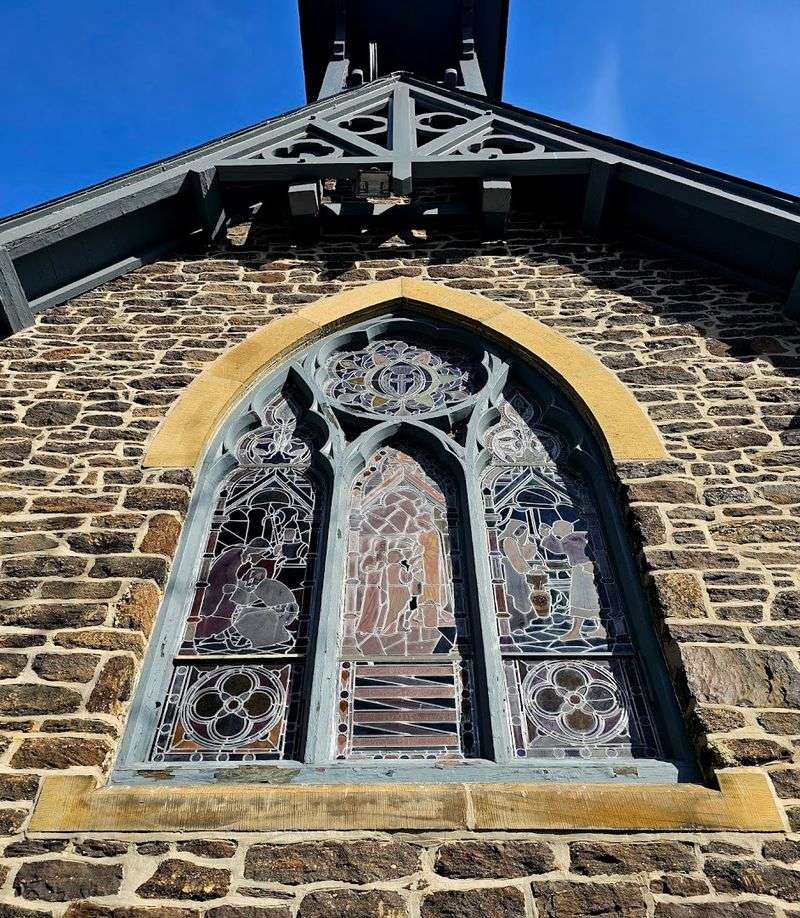
Geology class never prepared me for the moment I actually wanted to touch a church wall. Peanut stone is a naturally occurring conglomerate rock found along the Navesink and Sandy Hook Bay region of New Jersey.
It formed roughly 11 million years ago when rounded pebbles, shells, and sediment were compressed together over time, creating a surface that genuinely resembles a cluster of roasted peanuts.
The texture is surprisingly rough and tactile up close. Each embedded pebble tells a story of ancient shorelines and shifting seas that existed long before humans ever set foot in this part of the world.
What makes this stone so remarkable is its hyper-local origin. You cannot just order it from a quarry catalog.
The builders of All Saints’ Memorial Episcopal sourced it directly from the surrounding landscape, making the church a literal extension of the land it stands on. That connection between building material and birthplace gives the whole structure an authenticity that is genuinely rare to find anywhere.
Richard Upjohn and the Gothic Revival Vision Behind the Walls
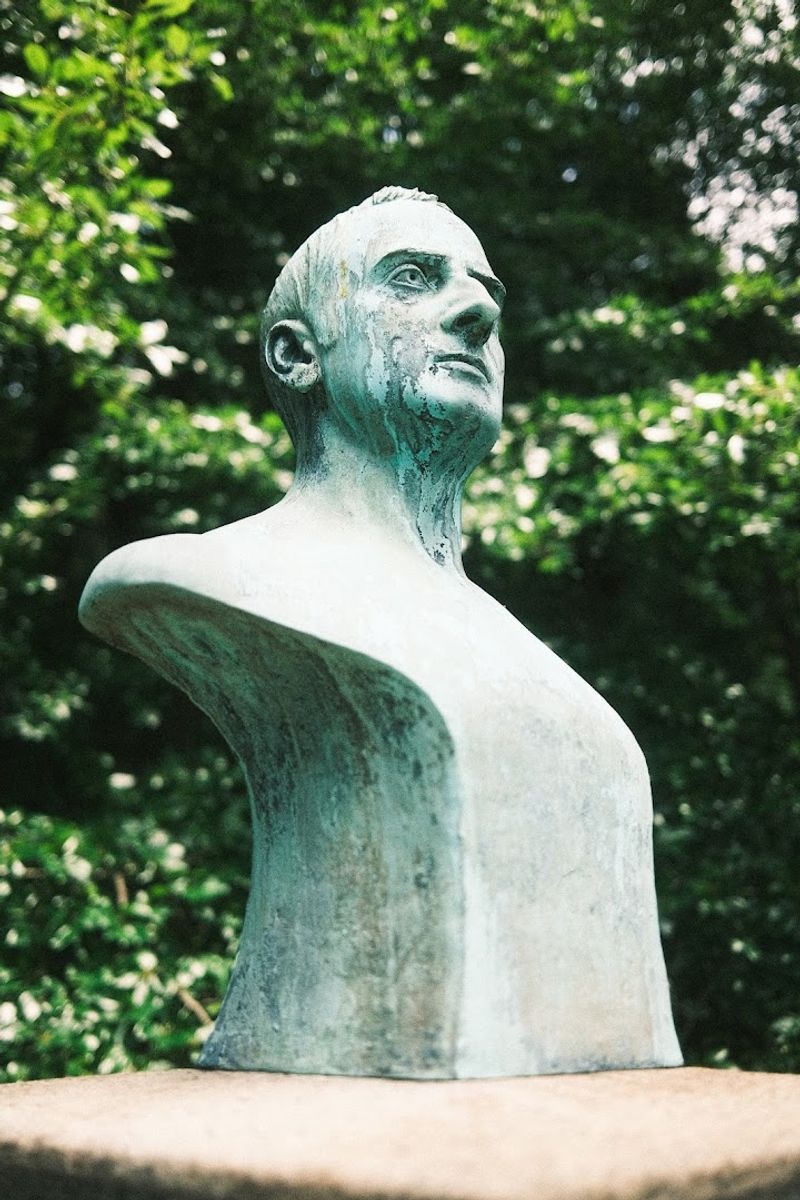
Few architects left a mark on American religious architecture quite like Richard Upjohn. He is probably best known for Trinity Church in Manhattan, but his work at All Saints’ Memorial Episcopal in Navesink deserves just as much admiration.
Completed in 1864, the church showcases his signature Gothic Revival style, complete with pointed arches, steeply pitched rooflines, and an overall sense of vertical elegance.
What sets this project apart from his Manhattan work is the material choice. Instead of dressed brownstone or brick, Upjohn embraced the raw, uneven character of local peanut stone.
The result feels organic rather than imposed, like the building grew naturally from the hillside.
Gothic Revival was all about connecting worshippers to something ancient and transcendent. Using 11-million-year-old stone to achieve that effect was either a stroke of genius or a very happy coincidence.
Either way, the combination of Upjohn’s design sensibility and this extraordinary local material produced a building that still turns heads more than 160 years after its completion.
The National Historic Landmark Designation and What It Means
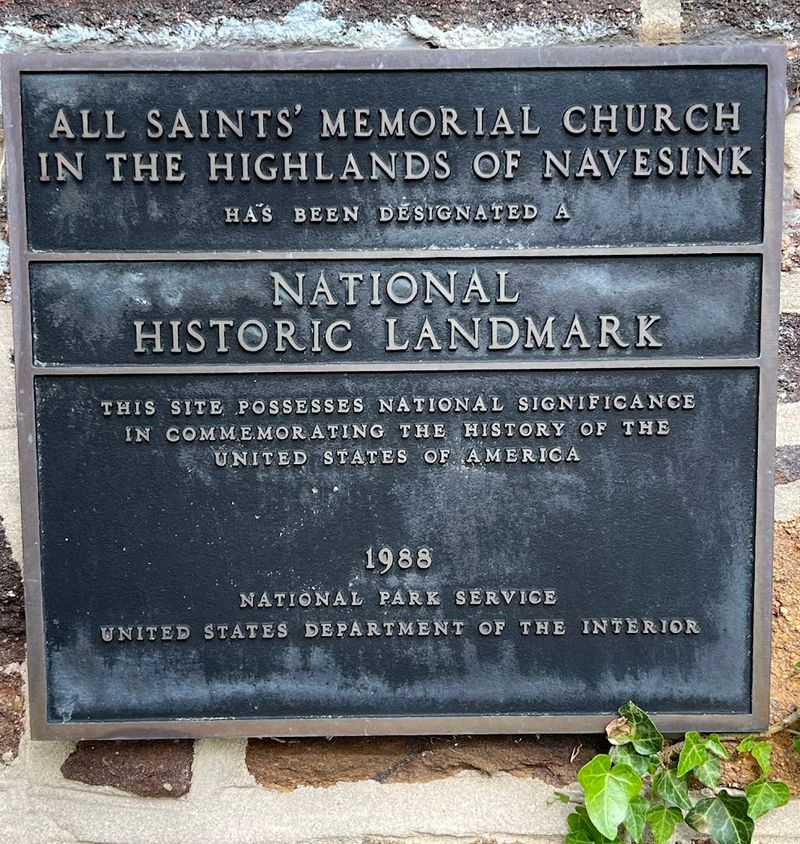
Getting onto the National Register of Historic Places is already a big deal, but earning National Historic Landmark status is a whole different level of recognition. All Saints’ Memorial Episcopal achieved that milestone in 1987, nearly a decade after its 1974 listing on the National Register.
That two-step achievement reflects just how significant this small stone chapel really is in the broader story of American architecture.
The designation means the building is considered among the most important historic properties in the entire country. It sits alongside places like Independence Hall and Monticello in terms of federal recognition, which is extraordinary for a modest Episcopal church tucked into a residential New Jersey neighborhood.
Landmark status also brings a layer of protection and responsibility. Changes to the structure must be carefully considered to preserve its historical integrity.
For visitors, that means what you see today is remarkably close to what parishioners experienced in the 1860s, and that kind of continuity is genuinely moving when you stand inside and let it sink in.
The Entire Complex Built From the Same Ancient Rock
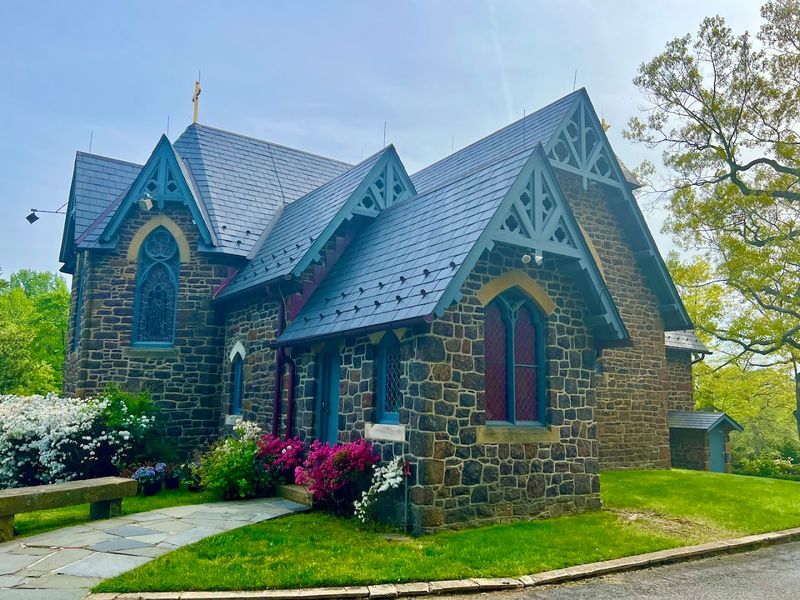
Most historic churches have a main building that gets all the attention while the surrounding structures quietly blend into the background. At All Saints’ Memorial Episcopal, the whole compound demands equal admiration.
The parish house, rectory, and carriage sheds are all constructed from the same lumpy, character-rich peanut stone as the main chapel.
That visual consistency creates something rare in historic architecture: a fully realized ensemble where no single building feels like an afterthought. Walking through the property feels like stepping into a complete world rather than just visiting one famous building surrounded by ordinary additions.
The carriage sheds are particularly charming. They originally housed the horse-drawn carriages that parishioners arrived in during the 19th century, and they still carry that old-world practicality in their bones.
Seeing them lined up alongside the chapel, all clad in the same ancient stone, connects you instantly to a slower, quieter era of community life.
The whole complex is a rare example of architectural unity that has survived well over a century completely intact.
The Cemetery That Feels Like a Quiet Conversation With the Past
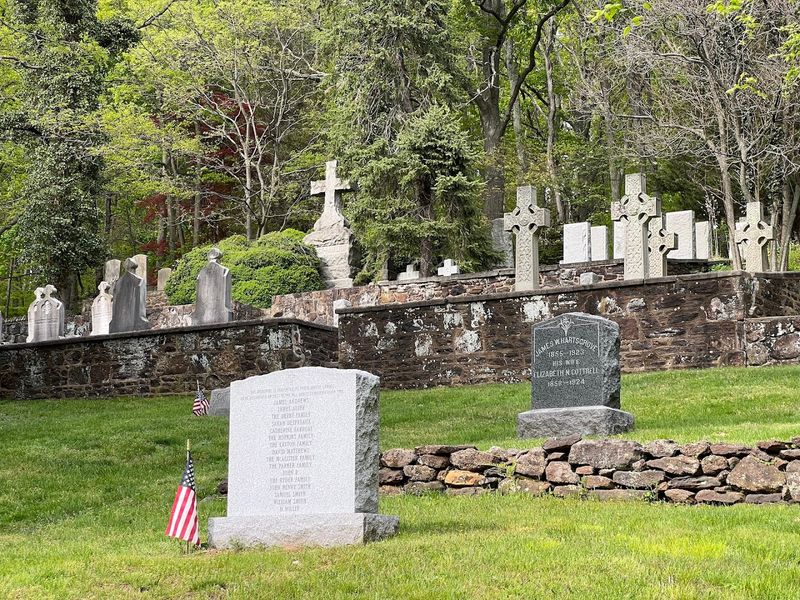
Cemeteries attached to old churches carry a particular kind of stillness that you rarely find anywhere else. The one beside All Saints’ Memorial Episcopal is no exception.
Mature trees shade the grounds, and the headstones range from simple fieldstone markers to more elaborate carved monuments, each one representing a life woven into the fabric of this community.
Spending time here feels less like morbid curiosity and more like reading a very slow, very honest history book. The names and dates ground you in the reality that this place has been an active center of community life for generations.
The peaceful atmosphere is something visitors consistently remark upon, and honestly, it earns every bit of that reputation. There is a quality to the air here that is hard to describe without sounding overly dramatic.
Maybe it is the combination of old stone, old trees, and the soft sound of wind moving through the grounds. Whatever the source, the feeling of calm is immediate and real, making the cemetery as worth visiting as the church itself.
How the Hand-Built Quality Sets It Apart From Other Historic Churches
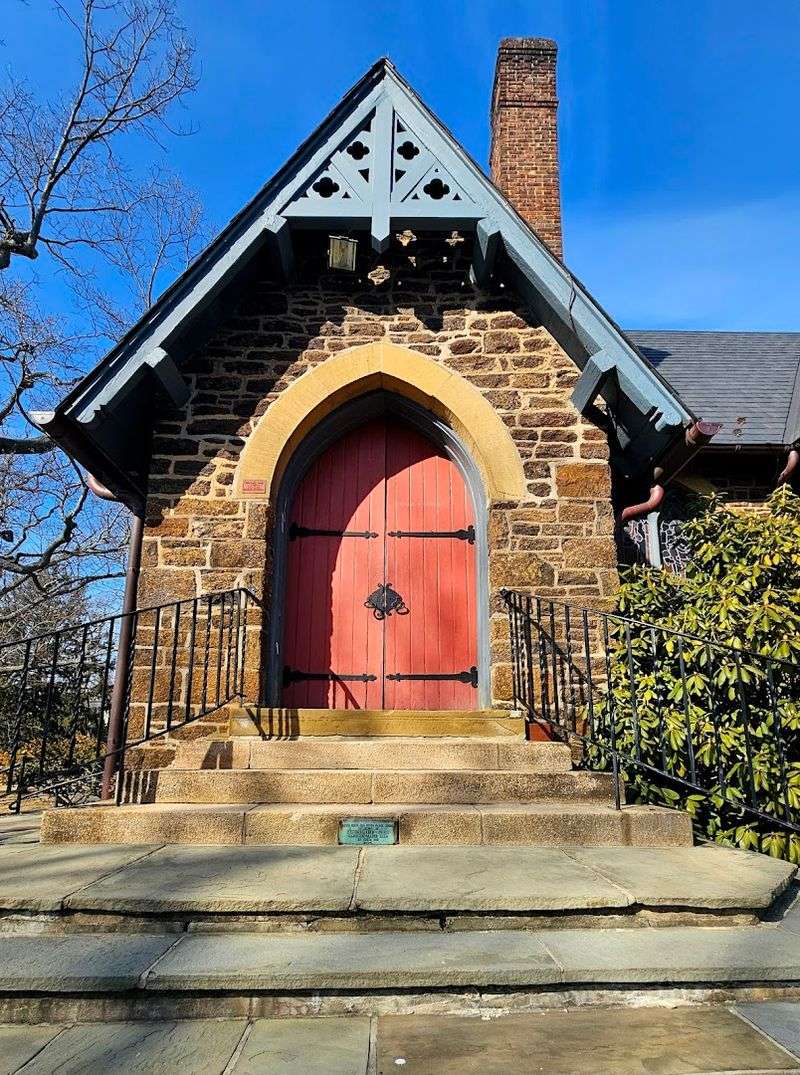
The phrase hand-built gets thrown around a lot, but at All Saints’ Memorial Episcopal it carries real weight.
The irregular surface of the peanut stone meant that each piece had to be individually fitted and set by skilled masons who understood both the material and the Gothic design they were working toward.
No two sections of wall look exactly alike.
That handmade quality gives the building a warmth that machine-cut stone simply cannot replicate. Running your eye along the exterior, you can almost sense the decisions made by the craftsmen: which stone goes here, which angle works there, how to make something ancient feel deliberately beautiful.
Churches built with this kind of care tend to age gracefully rather than just getting old. The peanut stone walls have developed a patina over 160-plus years that enhances rather than diminishes the original design.
Every crack, every moss patch, every weathered corner adds to the story rather than subtracting from it. That is the mark of a building made with genuine skill and genuine materials from the very start.
The Feeling of Peace That Visitors Keep Describing
There is something about this place that keeps showing up in every conversation people have after visiting. Peace.
Not the performative quiet of a museum or the enforced silence of a library, but a genuine, settling calm that seems to come from the building itself.
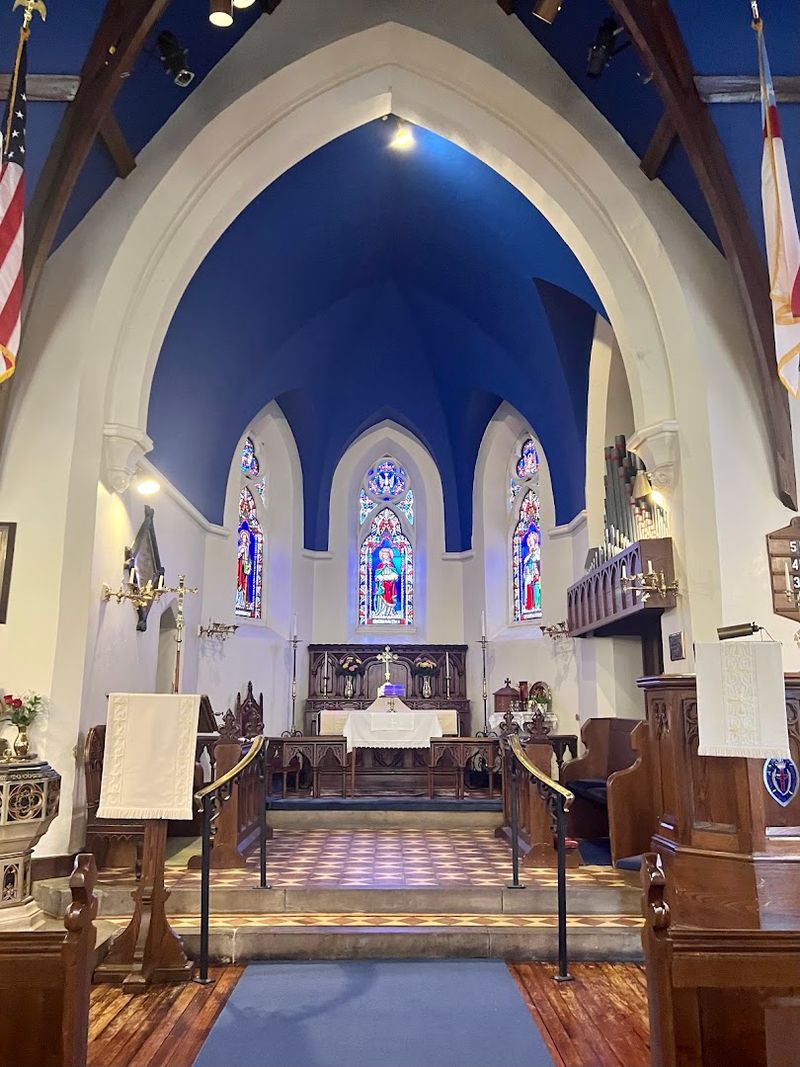
The thick peanut stone walls absorb sound in a way that makes the interior feel almost cushioned from the outside world.
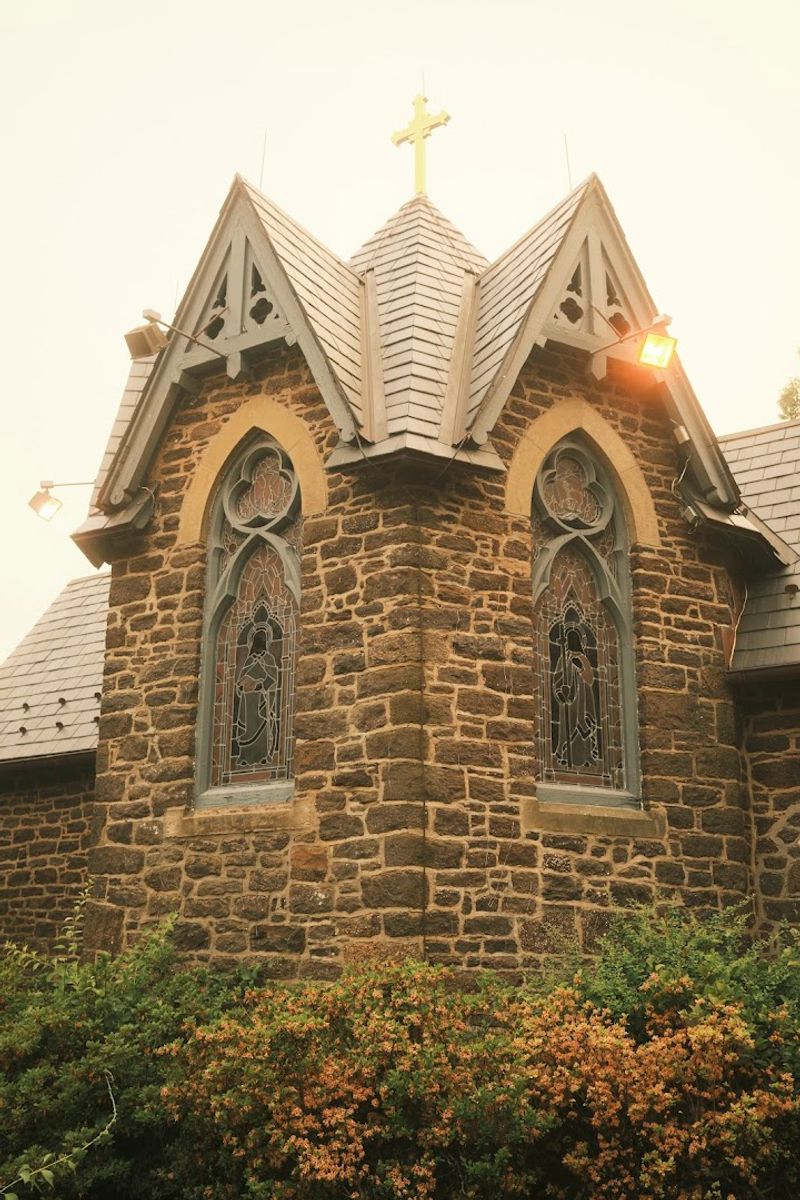
Sunlight coming through the stained glass casts soft, colored patterns across the wooden pews and stone floors. The scale of the interior is intimate rather than grand, which makes the space feel welcoming rather than intimidating.
Even visitors who stop in without any particular religious intention tend to leave feeling like they received something unexpected. That is a rare quality in any public space, let alone one that has been continuously used for over 160 years.
The combination of beautiful craftsmanship, ancient materials, and a living community all layered together seems to produce something that is genuinely difficult to manufacture or replicate anywhere else.
Why This Counts as One of New Jersey’s Most Underrated Stops
New Jersey has a reputation problem when it comes to tourism, and places like All Saints’ Memorial Episcopal are exactly why that reputation is unfair.
This National Historic Landmark sits completely unassuming, with no giant signs or gift shops to announce its significance.
That low-key presence is part of the charm. Stumbling onto it feels like a genuine discovery rather than a scheduled attraction.
The church does not need to market itself aggressively because the building speaks loudly enough on its own once you are standing in front of it.
For travelers who love finding places that reward curiosity over planning, this is exactly the kind of stop that makes a road trip memorable. It combines architectural history, geological oddity, spiritual atmosphere, and natural beauty in a package that takes maybe an hour to explore fully.
That kind of density of experience in such a small, quiet place is genuinely hard to find, and New Jersey should be far more proud of having it.
Planning Your Visit and Making the Most of the Experience
Getting to All Saints’ Memorial Episcopal is straightforward, and the experience rewards a little bit of preparation.
The church sits in Atlantic Highlands and parking is available on site, which makes arrival genuinely stress-free.
The grounds are accessible for a quiet self-guided walk even outside of service hours.
Coming on a clear day makes a real difference since the peanut stone exterior photographs beautifully in natural light, especially in the morning or late afternoon when shadows bring out the texture of the rock.
Bring comfortable shoes because the cemetery grounds and surrounding area are worth a slow, unhurried wander.
Pairing the visit with a meal in nearby Atlantic Highlands turns a short stop into a full half-day outing worth planning around. The town is walkable and relaxed, with enough character to keep the mood of the day going long after you have left the church grounds.
The whole experience, from the ancient stone walls to the harbor views, adds up to something genuinely worth the drive.
Address: 202 Navesink Ave, Atlantic Highlands, NJ
Dear Reader: This page may contain affiliate links which may earn a commission if you click through and make a purchase. Our independent journalism is not influenced by any advertiser or commercial initiative unless it is clearly marked as sponsored content. As travel products change, please be sure to reconfirm all details and stay up to date with current events to ensure a safe and successful trip.
