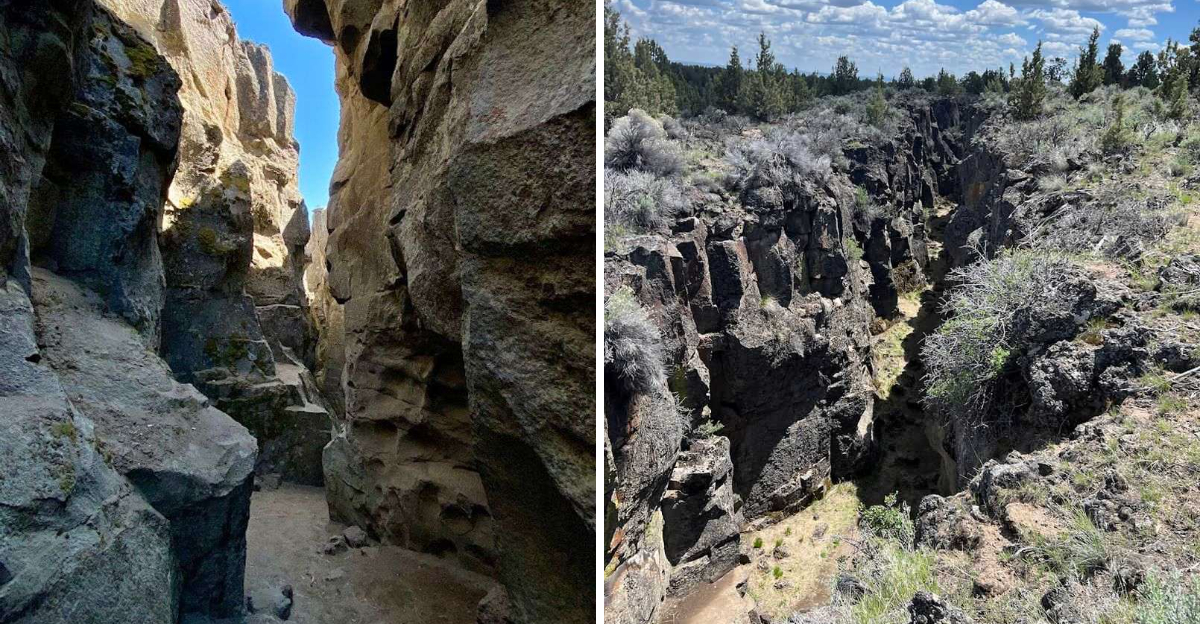
The earth literally split open and created a two mile long crack here. I stood at the edge and could not see the bottom right away.
Seventy feet down into dark basalt walls that make you feel incredibly tiny. My boots crunched on loose rocks as I started walking into the deep gap.
The walls towered above me like I had shrunk down to ant size suddenly. Sunlight barely reaches the bottom so it feels cool and mysterious down here.
I touched both walls at once because the crack is narrow in some spots. A bird flew above me and looked like a tiny speck against the sky.
My voice echoed off the rocks and came back to me all distorted and weird. Walking through a crack in the earth feels like entering another planet altogether honestly.
What Crack-in-the-Ground Actually Is
Most people picture a small crack when they first hear the name. Reality hits differently.
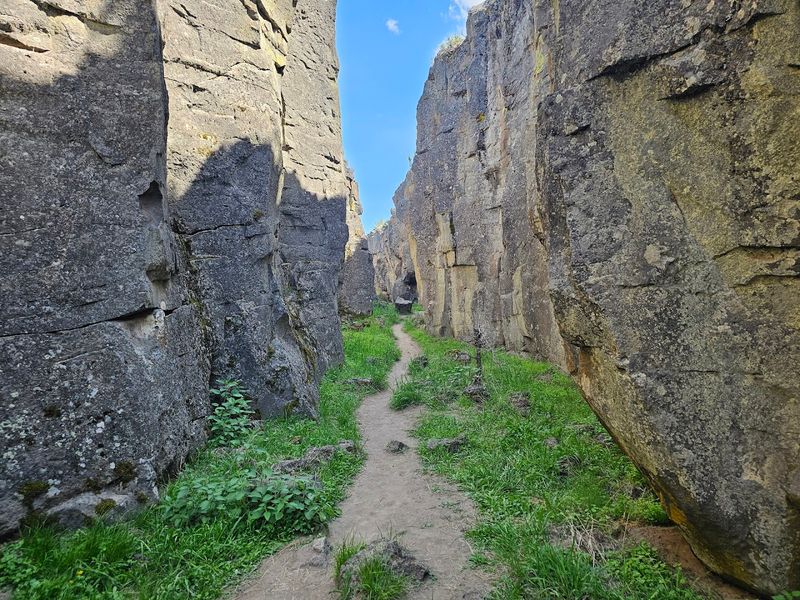
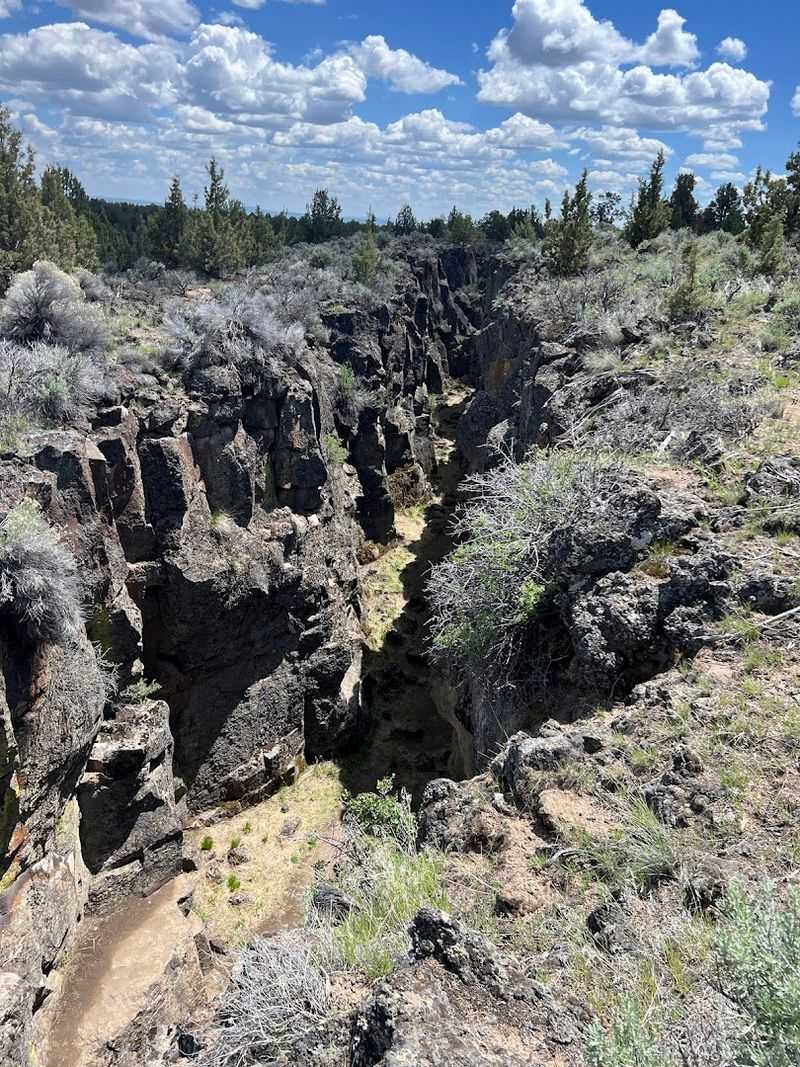
Crack-in-the-Ground is a volcanic fissure stretching close to two miles long, with walls that plunge roughly 70 feet in the deepest sections.
It formed thousands of years ago during volcanic activity in the Christmas Valley area of south-central Oregon. The fissure never filled in with lava or sediment, which is what makes it so unusual.
Most volcanic cracks like this disappear over time.
This one stayed open. The BLM manages the site, and it sits in the Oregon Outback, a region known for wide open spaces and dramatic geological features.
The fissure cuts through basalt rock, and the walls are layered with texture, color, and history.
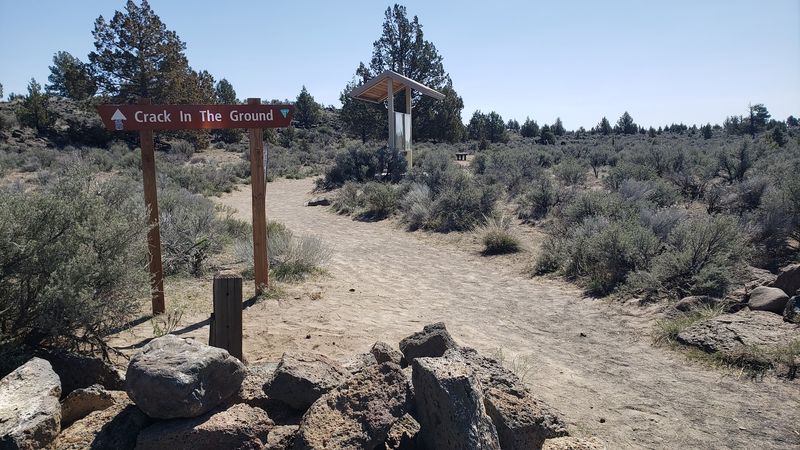
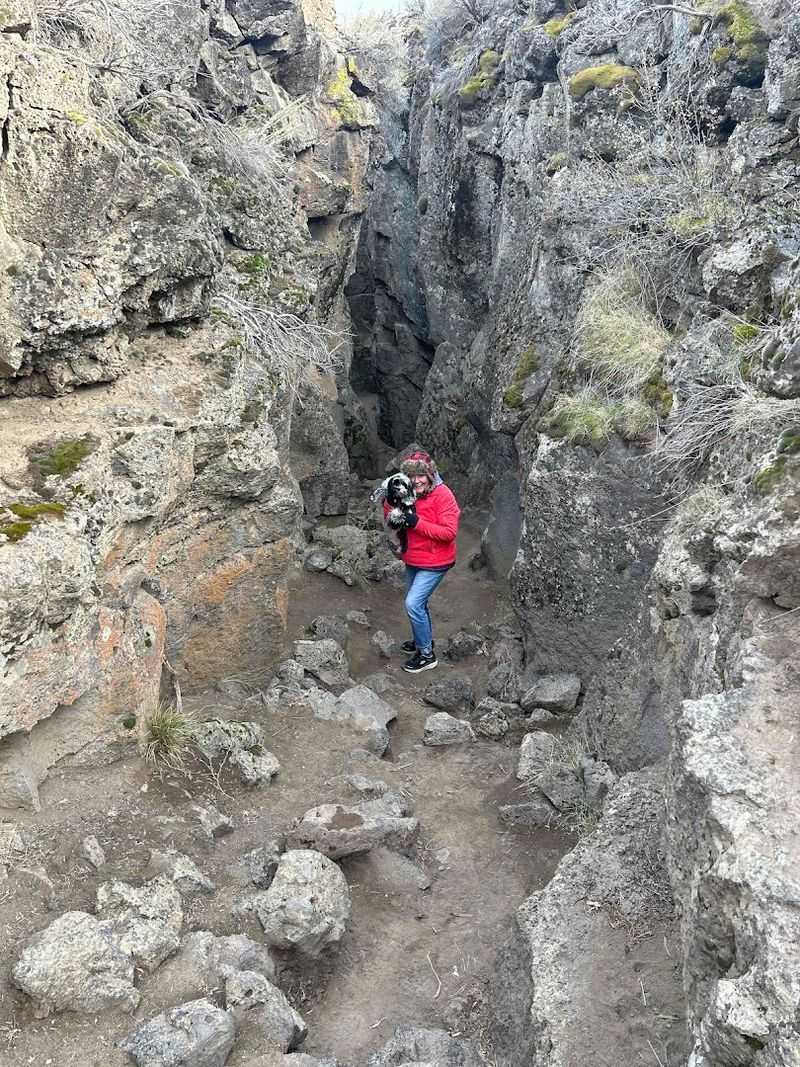
Walking through it feels more like exploring a slot canyon than a standard hike. The ground shifts underfoot.
Boulders block sections. It demands your full attention, and that is part of what makes it so memorable.
The Drive Out There Prepares You Mentally
Getting to Crack-in-the-Ground is half the experience. The road leading in from the main highway is a washboard dirt track.
It rattles your car and slows you down significantly.
Most standard passenger cars can make it if driven carefully. Trucks and SUVs handle it with ease.
The approach from the north tends to be in better shape, so that route is worth considering.
GPS can be unreliable out here. Some navigation apps have directed visitors down rough four-wheel-drive roads that require turning around.
The safest move is to watch for the Crack-in-the-Ground Road sign off the main road and follow that directly.
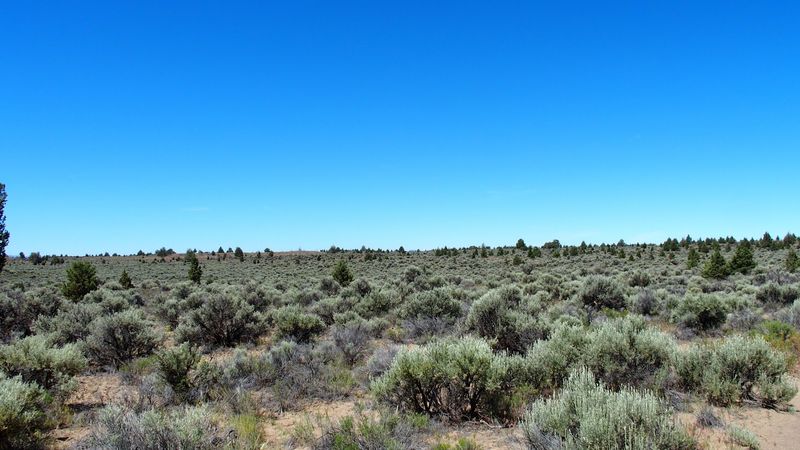
The drive through the high desert sets a mood. Sagebrush stretches in every direction.
Juniper trees dot the landscape. By the time you reach the small parking area, you already feel far away from everything ordinary.
That sense of remoteness is not a drawback. It is part of what makes arriving at the fissure feel like a genuine discovery.
The Parking Area and First Steps In
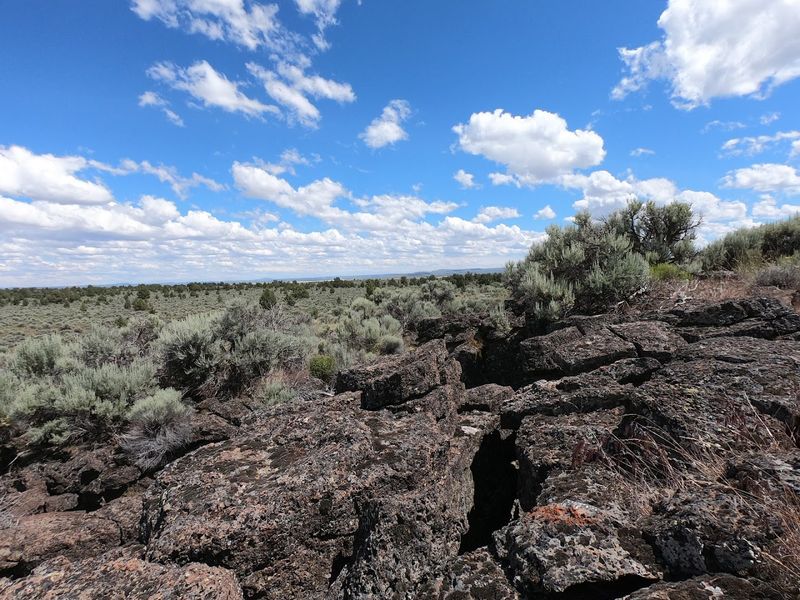
The parking area is modest but functional. There are enough spaces for a reasonable number of visitors on a typical day.
A vault toilet sits near the lot, which is a welcome sight after a long drive through the desert.
A guest book in a metal box near the fissure entrance is easy to miss. Signing it takes thirty seconds and feels like leaving a small mark on the place.
The walk from the parking area to the fissure entrance is short and level. Within ten minutes of parking, you are standing at the edge looking down.
The transition from flat, open desert to narrow, shadowed canyon happens fast.
A picnic table sits near the north entry, and a bench marks the south entry. Both spots offer shade, which matters a lot in summer.
The trailhead area feels simple and unpretentious, exactly right for a place like this.
Three Sections, Three Very Different Experiences
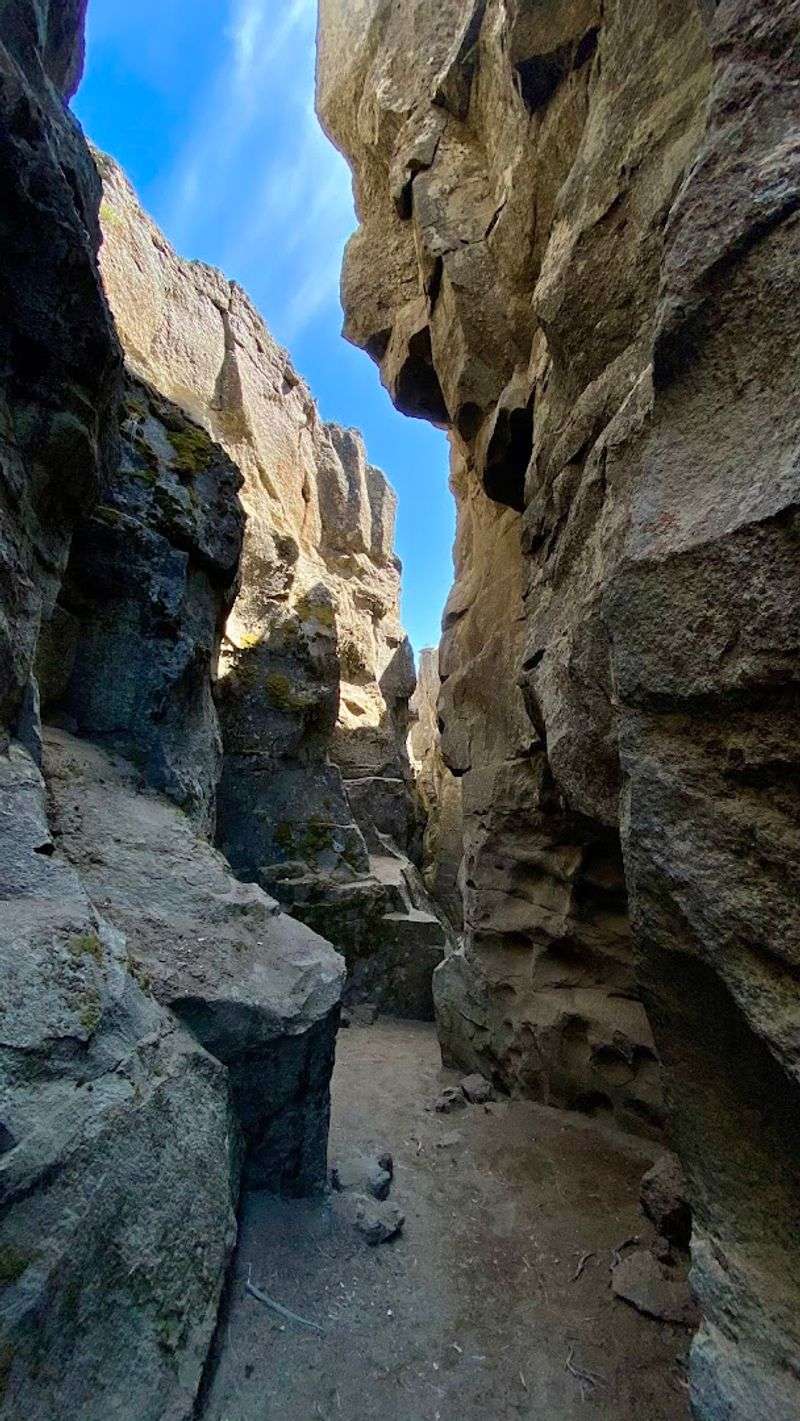
The fissure breaks into three distinct sections, and each one has its own personality. The north quarter is short and intensely rocky.
Boulders crowd the path and the walls feel very close together.
The middle section opens up a bit. It feels more like a trail with scattered rocks to navigate around or climb over.
This stretch is the longest and the most walkable. A fork in the trail appears here.
The right path continues through. The left path ends abruptly.
The south quarter mirrors the north in some ways, combining rocky terrain with more open walking. It is shorter and wraps up the through-hike with a final burst of scrambling.
A surface trail on the east side of the middle section connects the two entry areas. This is useful for looping back without retracing steps inside the fissure.
Knowing about this trail ahead of time prevents confusion at the midpoint, where the fissure briefly opens to the surface.
The Temperature Drop That Surprises Everyone
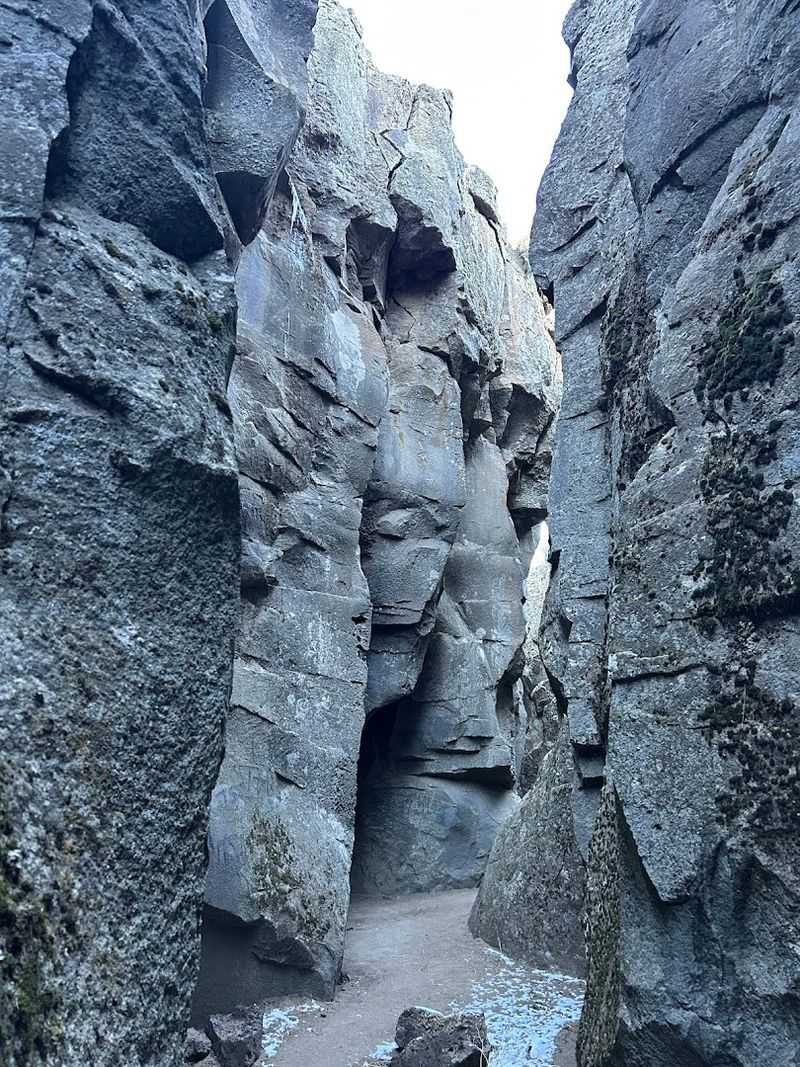
One of the most talked-about features of this hike is the temperature inside the fissure. It runs about 30 degrees cooler than the surface on a hot day.
Stepping down into the crack on a summer afternoon feels like opening a refrigerator door.
That cold air stays trapped between the narrow walls. Sunlight barely reaches the bottom in many sections.
The rock holds the chill year-round.
Layering up is genuinely smart advice here. A light jacket stuffed in a day pack makes the inside comfortable without making the surface hike miserable.
On a warm June morning, the contrast between the cool fissure and the baking desert above is striking.
In winter, the inside can hold ice and snow long after the surface has cleared. Some visitors have hiked through with snow still coating the rocky floor.
The cold adds a different kind of beauty to the walls and makes the whole place feel even more otherworldly.
The Bouldering and Scrambling Challenge
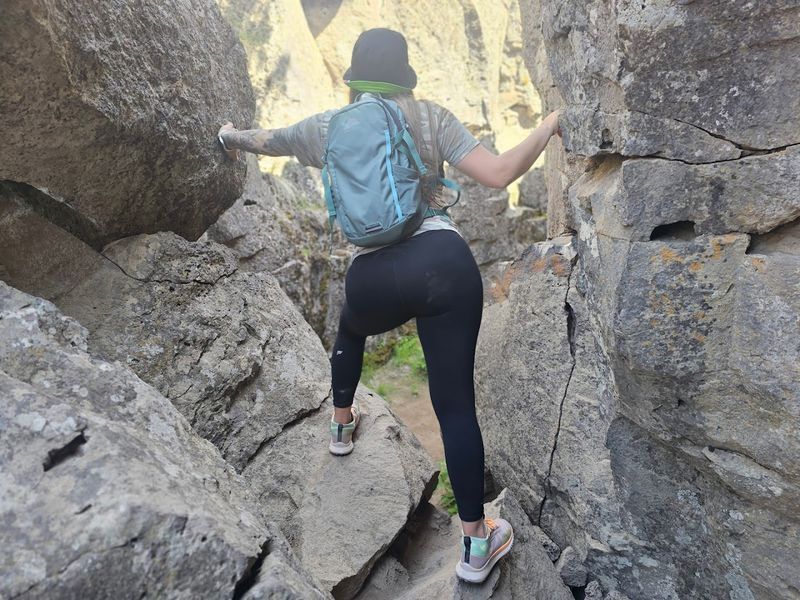
Crack-in-the-Ground is not a casual stroll from start to finish. Parts of it require real effort.
Fallen boulders block sections of the fissure, and getting past them means climbing, squeezing, bending, and sometimes crawling.
The scrambling is not technical climbing. No ropes or special gear are needed.
Good shoes with solid grip matter a lot more than any specialized equipment.
Kids handle it surprisingly well. Families with young children have navigated the fissure successfully, though staying close and moving slowly through the trickier spots is essential.
Toddlers have made it through with attentive adults nearby.
For anyone who finds a section too difficult, backtracking or going around on the surface trail are both real options. There is no shame in reading the terrain and choosing the smarter path.
The adventure does not require pushing past your comfort zone. It rewards curiosity and patience more than raw athletic ability.
What the Walls Look Like Up Close
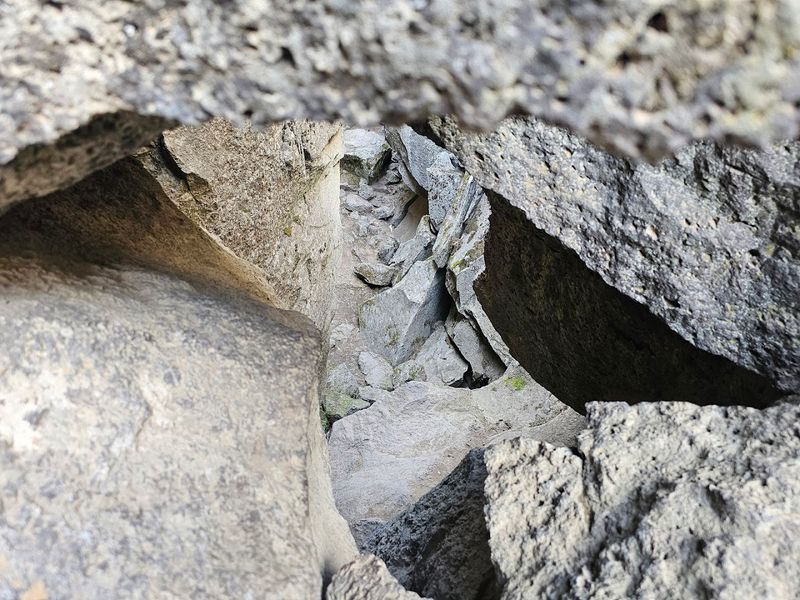
Running your hand along the walls inside the fissure connects you to something ancient. The basalt is rough, layered, and full of texture.
Patches of lichen cling to shaded spots. The rock darkens near the base where moisture collects.
Looking up from the deepest sections, you see a thin strip of sky framed by the jagged edges of the crack. That view is one of the most memorable parts of the whole hike.
It puts the scale of the fissure into sharp perspective.
The geological story written in those walls is millions of years old. The volcanic activity that created this feature shaped much of south-central Oregon.
Standing inside it feels less like hiking and more like reading a chapter of Earth history in person.
Old juniper trees grow along the rim above. Their roots grip the edge of the crack.
The contrast between the gnarled trees above and the raw volcanic rock below adds a layer of visual drama that photographs struggle to fully capture.
Best Time of Year to Visit
Summer mornings are the sweet spot for visiting. The desert heats up fast, and the cool interior of the fissure feels like a gift by midday.
Going early means beating both the heat and any other visitors who show up later.
Spring and fall offer mild surface temperatures and comfortable hiking conditions. The fissure stays cool regardless of season, so layering remains smart year-round.
Winter visits are possible and genuinely beautiful. Ice forms inside the crack.
Snow lingers on the rocky floor. The site is open year-round, though the road condition depends heavily on recent weather and seasonal maintenance schedules.
Avoiding peak summer afternoon heat is the main practical concern. Bringing plenty of water matters no matter when you visit.
The surrounding desert offers zero shade outside the fissure. Sun protection on the surface portions of the hike is not optional.
A hat, sunscreen, and a full water bottle should be considered non-negotiable basics for any season.
Wildlife and the Landscape Around the Fissure
The area around the fissure is alive in ways that catch you off guard. Birds nest near the rim and can be territorial during certain times of year.
Staying aware of your surroundings on the surface trail is good practice.
Massive juniper trees grow near the parking and camping areas. Some of them are genuinely enormous, with thick trunks and wide canopies that cast real shade.
Camping under one on a hot weekend is a surprisingly pleasant experience.
The high desert ecosystem here is fragile and interesting. Sagebrush dominates the flats.
Wildflowers push through in spring. The silence between wind gusts is the kind of quiet that is hard to find anywhere near a city.
Pronghorn antelope and other desert wildlife move through the region regularly. Spotting them on the drive in or out adds another layer to the trip.
The landscape rewards slow attention more than a quick drive-by glance.
Practical Tips Before You Go
Cell service out here is essentially nonexistent. Downloading an offline map or using an app like AllTrails before leaving town is a genuinely useful move.
GPS navigation has sent people down wrong roads more than once.
Sturdy footwear is not negotiable. The rocky floor inside the fissure is uneven and unpredictable.
Trail runners or hiking boots with good ankle support make a real difference.
Bring more water than you think you need. The desert drains you faster than expected, especially in warm months.
A small first aid kit and a headlamp are smart additions to any pack.
The site is managed by the Bureau of Land Management. No fees are required to visit.
Camping is available nearby, and rougher dispersed camping is possible in the surrounding BLM land.
Respect the site. Stay on marked paths.
Avoid disturbing the rock walls or any wildlife. The fissure has stayed intact for thousands of years.
Keeping it that way depends on every visitor making thoughtful choices.
Address: Crack-in-the-Ground, Crack in the Ground Rd, Silver Lake, OR 97638
