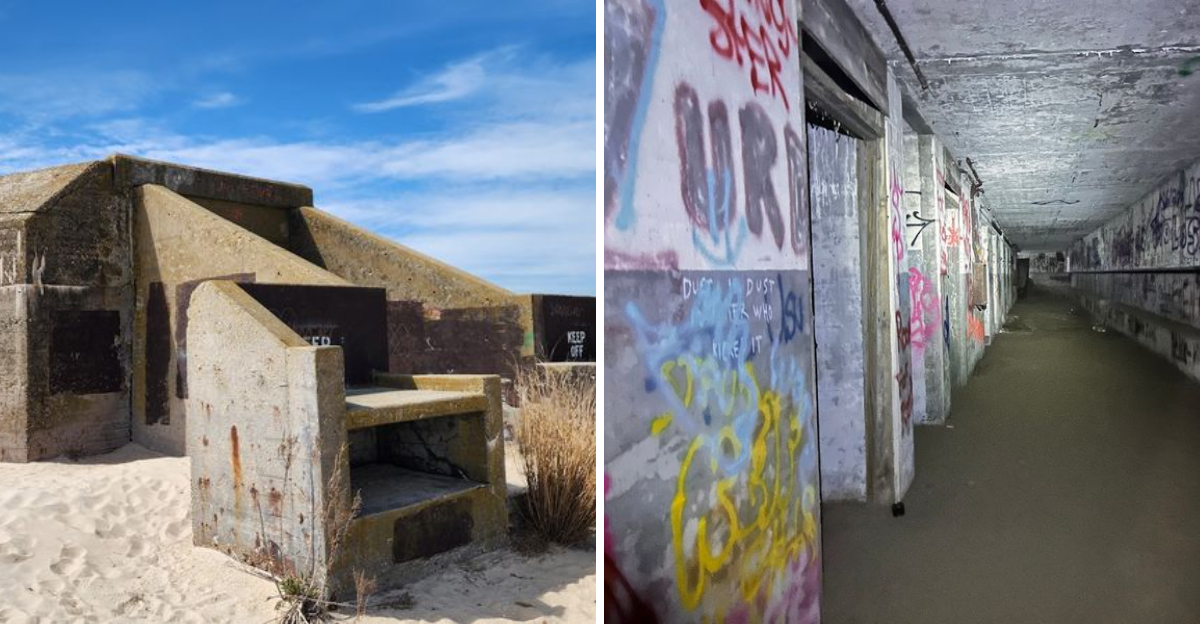
Standing on a quiet stretch of Cape May beach, I spotted something that stopped me mid-step. A massive concrete structure, half-swallowed by sand and overgrowth, loomed ahead like something out of a forgotten war film.
Nobody had warned me about this. Fort Miles Battery 223 is one of those rare places that catches you completely off guard, the kind of spot that makes you slow down and actually think about the weight of history beneath your feet.
Built during World War II to defend the Eastern Seaboard against potential enemy naval attacks, this hulking bunker once housed heavy artillery and a crew of soldiers ready for anything. Today it sits weathered and wild, covered in creeping vines and salt air, drawing in curious visitors from all over the mid-Atlantic.
The lighthouse staff nearby even shared a spooky story about the place, which only made me want to look closer. There is something genuinely eerie about standing beside a structure this old, this silent, and this heavily fortified, knowing what it was built to stop.
Whether you are a history buff, a beachgoer, or just someone who loves a good mystery, Battery 223 is the kind of place that stays with you long after you have driven home.
Quick Snapshot
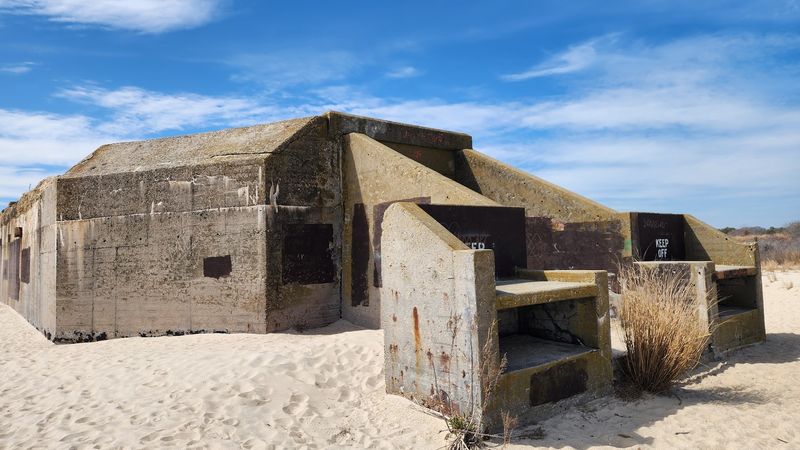
Location: Cape May beach, near the Cape May Lighthouse
Cost: Free to visit, free parking available
Access: Exterior viewing only, interior entry is restricted for safetyBest for: History enthusiasts, beach walkers, photographers, and curious families
Rating: 4.5 stars from over 200 visitor reviews
Nearby: Cape May Lighthouse, WWII lookout tower on Sunset Beach
The bunker is visible from the lighthouse grounds, so many visitors stumble upon it almost by accident. The walk from the lighthouse to Battery 223 is short, flat, and easy for most ages.
You can circle the entire structure on foot, taking in the exposed concrete bones, layers of old graffiti, and patches of wild overgrowth that have slowly reclaimed the walls over the decades.
Who This Is For: Anyone who appreciates outdoor history, dramatic scenery, or offbeat travel finds. Who This Is Not For: Visitors expecting a fully staffed museum with indoor exhibits and guided audio tours.
Managing expectations here is the key to fully enjoying what Battery 223 genuinely offers.
The History Behind the Concrete Walls
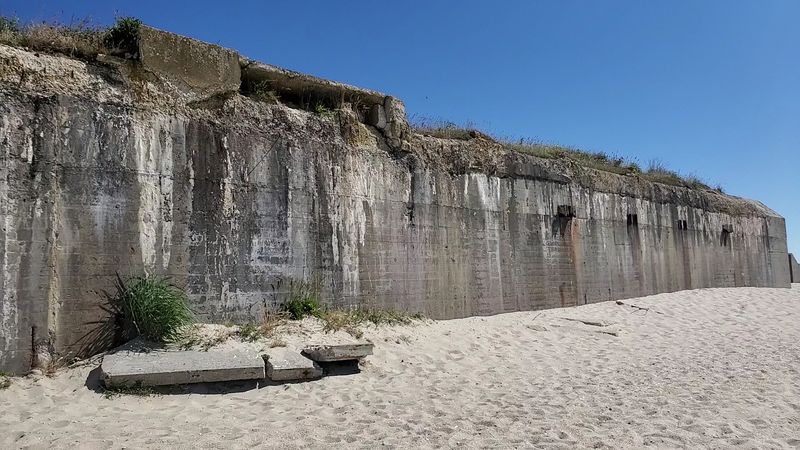
Walking around Battery 223 for the first time, the sheer thickness of those concrete walls genuinely surprises you. These were not built casually.
Fort Miles Battery 223 was constructed during World War II as part of a larger coastal defense network designed to protect the Eastern Seaboard from enemy naval vessels that might attempt to enter Delaware Bay or attack the coastline.
The battery was equipped with heavy artillery capable of targeting ships far out at sea. Soldiers stationed here lived and worked inside these fortified walls, monitoring the Atlantic for any sign of enemy movement.
The structure was part of Fort Miles, a broader military installation that stretched across the Delaware coast and into southern New Jersey.
After the war ended, the need for coastal artillery defenses faded quickly. Battery 223 was gradually decommissioned and left largely untouched, which is a big part of why it looks so dramatically raw today.
Decades of salt air, wind, and coastal weather have worn the exterior into something that feels almost geological rather than man-made.
Why It Matters: Understanding this history transforms the visit from a casual beach walk into something genuinely meaningful. Knowing that real soldiers once stood watch inside those walls, scanning the same ocean you are looking at now, adds a layer of emotional weight that no exhibit panel could fully replicate.
The lighthouse staff are knowledgeable and happy to share additional context about Battery 223 if you ask them directly before making the short walk over.
The Eerie Atmosphere That Keeps People Talking
There is a specific kind of silence that settles around Battery 223, even when the beach nearby is full of people. Standing close to the structure, you notice how the wind shifts slightly, how the sound of the waves seems to echo differently near those thick concrete openings.
It is hard to explain, but the place has an unmistakable presence.
Lighthouse staff have been known to share a spooky story or two about the bunker, and visitors regularly mention feeling something unexplainable while walking its perimeter. Whether that is the weight of history, the isolation of the structure, or just the overactive imagination that old military ruins tend to trigger, the atmosphere is genuinely captivating.
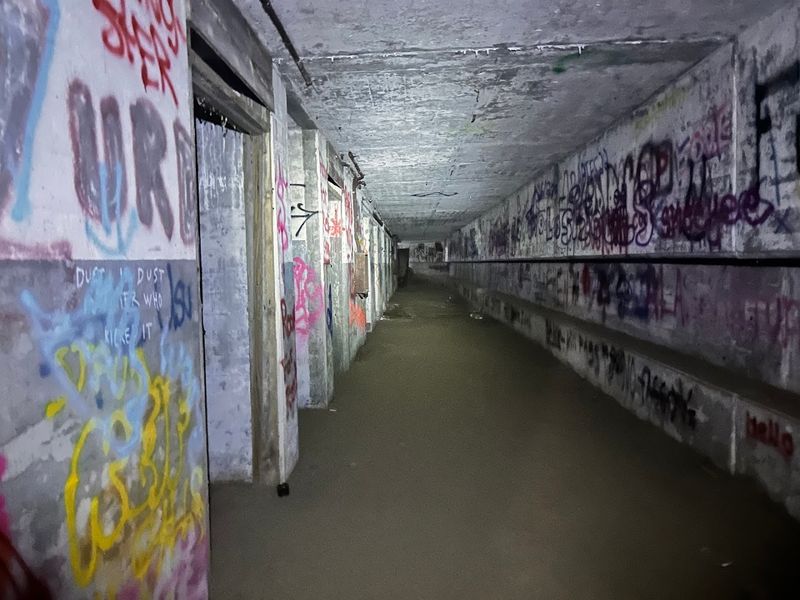
The combination of heavy concrete, dark interior glimpses through restricted openings, layers of faded graffiti, and wild vegetation creeping across the walls creates something that feels more like a film set than a public beach attraction.
Insider Tip: Visit on a quieter weekday morning when the beach crowd is thin. The atmosphere feels noticeably more intense when it is just you, the wind, and that enormous concrete structure staring back at you from the sand.
Even visitors who came purely for the beach have mentioned stopping in their tracks when they first spotted Battery 223 rising up ahead of them. That first glimpse is genuinely striking every single time.
Exploring the Exterior: What You Can Actually See
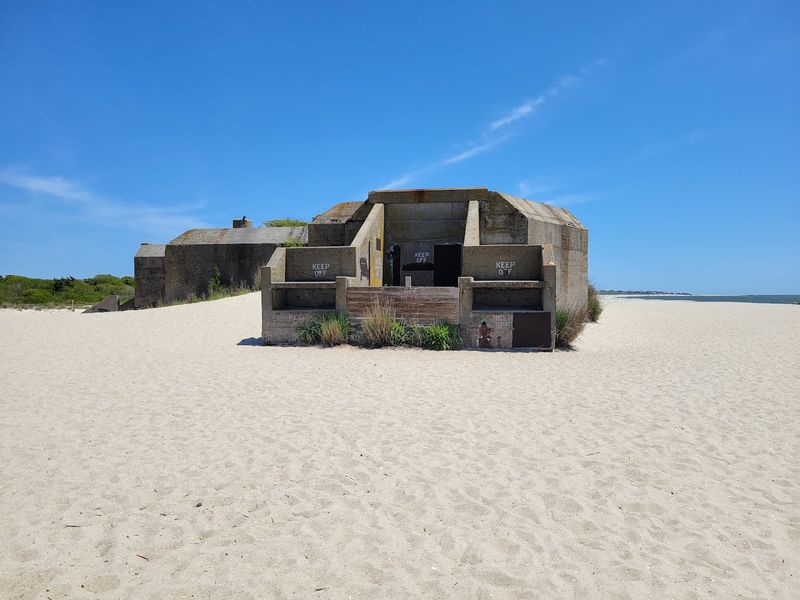
Since interior access is restricted for safety reasons, the exterior walk around Battery 223 is really where the full experience happens. And honestly, there is more to see out here than you might expect.
The structure is large enough that circling it on foot takes a solid chunk of time if you are actually paying attention to what you are looking at.
The exposed concrete reveals layers of history in a surprisingly visual way. Cracks, staining, old metal fixtures, and thick vegetation all tell a story about the decades this structure has spent slowly merging with the landscape around it.
Some sections of the outer walls are heavily tagged with graffiti, some of which has been there long enough to feel almost like part of the building itself.
From the top of the surrounding dune areas, you can get elevated views of the bunker that really put its size in perspective. Looking down at it from a slight rise in the sand gives you a much clearer sense of the footprint this installation once occupied and how seriously the military took coastal defense in this region.
Best Strategy: Bring a camera or make sure your phone is fully charged. The textures, shadows, and angles around Battery 223 make for genuinely striking photographs at almost any time of day.
Morning light is especially good for capturing the weathered concrete details without harsh glare washing everything out.
Take your time on the walk. Rushing through this site means missing the small details that make it so memorable.
The Beach Setting That Makes It All Feel Surreal
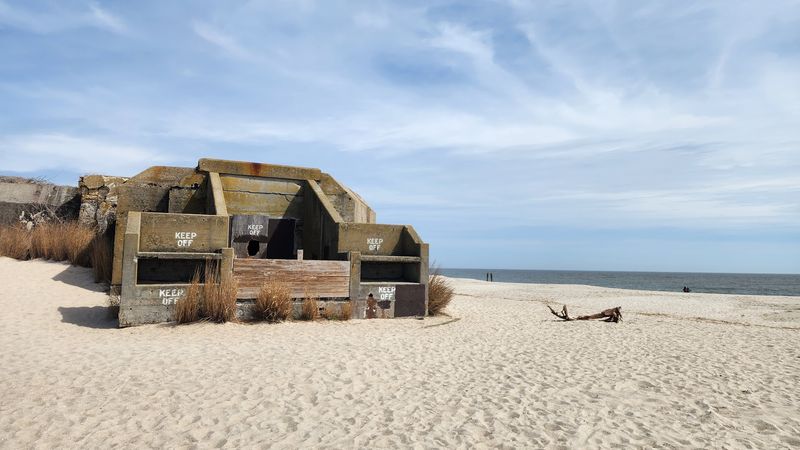
Part of what makes Battery 223 so visually striking is the setting it occupies. A massive WWII military bunker sitting directly on a wide, open beach sounds almost too cinematic to be real, but here it is, completely real and completely free to visit.
The contrast between the soft sand, open sky, and that heavy concrete mass is genuinely jarring in the best possible way.
The beach surrounding the structure is clean, spacious, and genuinely beautiful. Visitors frequently mention being drawn to the area initially for the beach or the lighthouse, only to find that Battery 223 ends up being the highlight of the whole trip.
The calm water, the sound of the waves, and the warm sand all make the experience feel almost meditative, even with that looming wartime relic nearby.
Families bring picnic setups and spend hours in the area, combining beach time with a history lesson that does not feel like a lesson at all. The open space around the bunker gives kids plenty of room to run around while adults take their time examining the structure up close.
Best For: Beachgoers who also appreciate unexpected historical discoveries, photographers looking for dramatic landscape compositions, and families wanting a beach day with a little extra substance built in.
The nearby Cape May Lighthouse adds even more visual interest to the landscape, making the whole area feel like one cohesive, richly layered destination rather than just a single attraction worth a quick glance before moving on.
The Details That Really Surprise First-Time Visitors
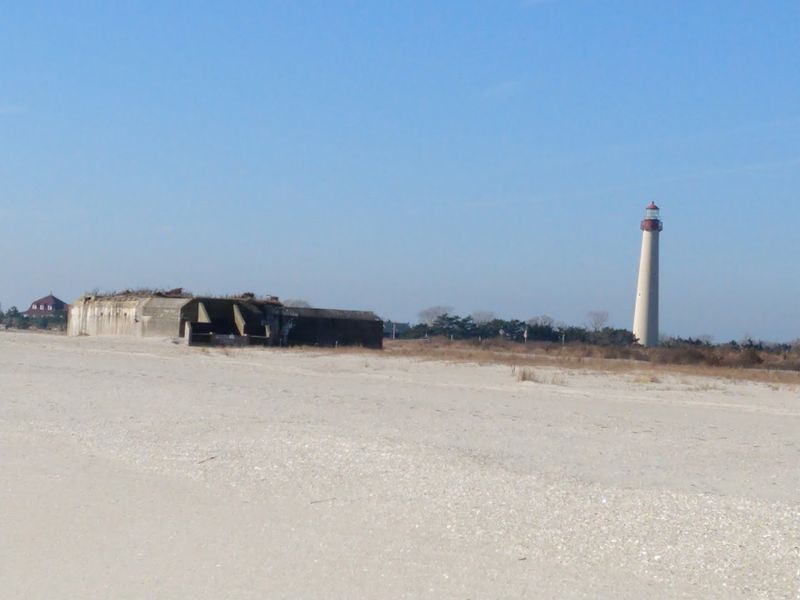
If you have made it this far into the visit, you have probably already noticed a few things that nobody mentioned before you arrived. The sheer scale of the bunker is one of them.
From a distance it looks significant. Up close, it is enormous.
The walls are thick enough to stop a lot more than weather, and standing directly beside them drives that point home fast.
Another thing that catches people off guard is how accessible the whole area feels despite the restricted interior. There are no fences blocking your path around the exterior, no admission gates, and no crowds pushing you along.
You set your own pace entirely, which makes the experience feel personal rather than managed.
Common Mistakes to Avoid:
- Assuming the interior is open and being disappointed when it is not
- Skipping the full walk around the perimeter and only viewing one side
- Leaving before checking out the Cape May Lighthouse, which adds significant context
- Forgetting sunscreen since the beach setting offers very little shade
- Not bringing water for the walk, especially on warm days
The graffiti situation also surprises people. Some of it is genuinely old and layered in a way that almost feels archaeological.
Other sections are more recent. Most visitors take it in stride as part of the site’s evolving character, though the general sentiment is that the structure deserves more respect than that.
Keep reading because the next few sections cover practical planning tips and the food scene nearby that makes this stop even more worthwhile as a full day out.
Food and Fuel: Eating Well Before and After Your Visit
Cape May itself is a genuinely great food town, and timing your Battery 223 visit around a solid meal makes the whole day feel much more complete. The surrounding area has a strong local food culture built around fresh seafood, casual boardwalk eats, and charming sit-down spots that lean into the coastal New Jersey identity without being overly touristy about it.
Before heading to the bunker, a warm bowl of clam chowder or a plate of crab cakes from one of the nearby waterfront spots is a genuinely satisfying way to fuel up for the walk. Cape May is known for its fresh seafood, and you can taste that local pride in most of the food you find around town.
The portions tend to be generous and the quality is consistently solid.
After your visit, especially on a warm beach day, a scoop of local ice cream or a fresh lemonade from one of the nearby stands hits perfectly. The area around the lighthouse and beach has light food options that work well as post-walk refreshers without requiring a full sit-down commitment.
Planning Advice: Pack a small cooler with snacks and cold drinks if you plan to spend several hours between the lighthouse, the battery, and the beach. The parking lot area has some picnic-friendly space, and eating outside with that beach backdrop is a genuinely pleasant way to spend a midday break before continuing your exploration.
Food and history pair better than you might think when the setting is this beautiful.
What the Cape May Lighthouse Adds to the Experience
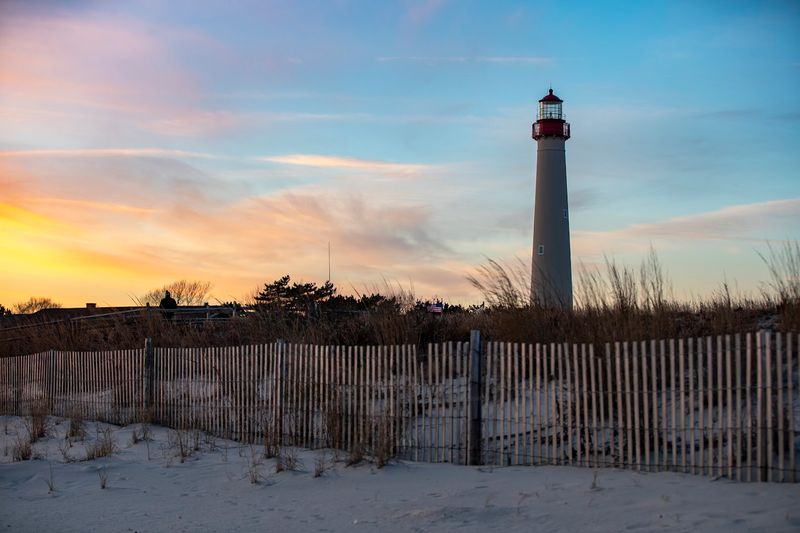
Most visitors discover Battery 223 because they came to see the Cape May Lighthouse first, and that combination works out beautifully. The lighthouse is a fully operational historic landmark that you can actually climb, with each floor offering something different to look at and learn from.
The staff there are knowledgeable, friendly, and genuinely enthusiastic about the history of the area.
From the top of the lighthouse, you get a sweeping view of the coastline that puts Battery 223 in a completely new perspective. Seeing the bunker from above, surrounded by sand and ocean, drives home just how strategically it was positioned during the war.
That elevated view is one of the most memorable moments of the whole visit.
The lighthouse grounds also include a gift shop, informational plaques, and picnic areas that make the surrounding space feel welcoming and well-maintained. It is a comfortable base for your exploration of the broader area before making the short walk out to the battery itself.
Pro Tip: Ask the lighthouse staff specifically about Battery 223 before you walk over. They often share historical context and the occasional spooky anecdote about the bunker that you simply will not find on any posted sign near the structure itself.
That inside information genuinely enriches the experience of standing in front of those thick concrete walls afterward.
The two sites complement each other so naturally that visiting one without the other genuinely feels like leaving the story only half-told. Plan for both and give yourself enough time to enjoy them properly.
Photography Tips for Capturing Battery 223 at Its Best
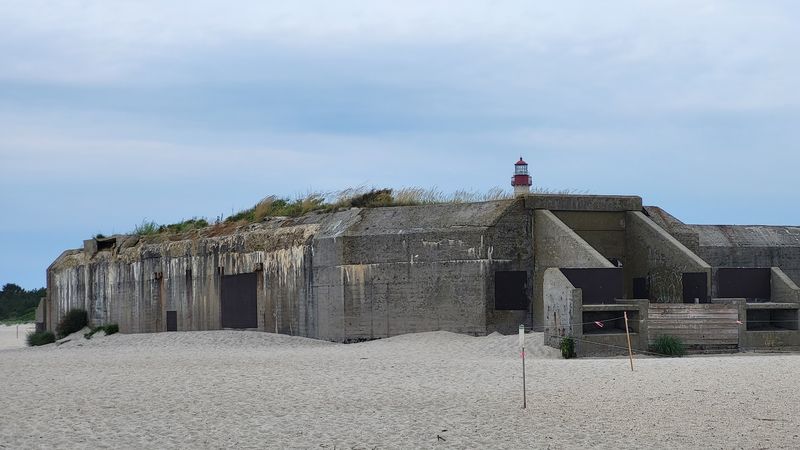
Battery 223 is one of those places that photographs differently depending on where you stand and what time of day you show up. The texture of the concrete, the wild vegetation crawling across the walls, and the open beach setting create an almost endless variety of compositional options for anyone with even a basic interest in photography.
Morning visits offer the softest light and the longest shadows, which do a lot of work in bringing out the surface detail of those weathered walls. The low angle of early sun catches every crack, stain, and patch of overgrowth in a way that midday light simply flattens out.
If you can manage an early start, the photographic payoff is significant.
Wide shots that include the beach, the sky, and the bunker together tend to communicate the surreal quality of the place most effectively. Tight detail shots of the concrete surface, old fixtures, and layered graffiti tell a different but equally compelling visual story.
Mixing both approaches gives you a more complete photographic record of the visit.
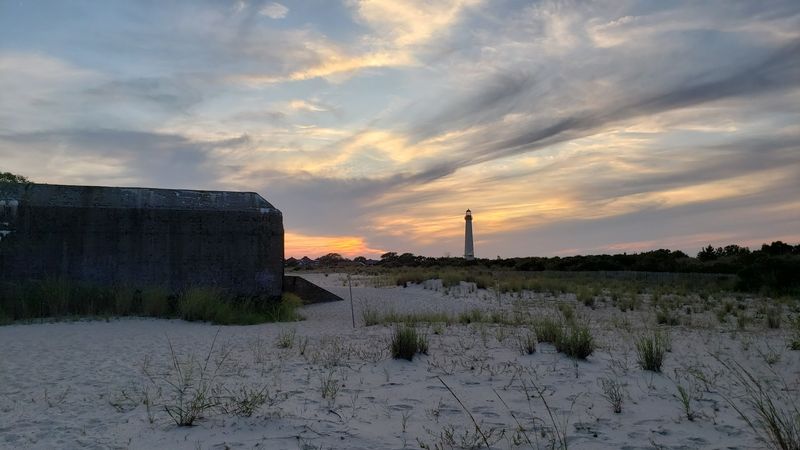
Quick Tip: Position yourself so that the Cape May Lighthouse appears in the background of your wide bunker shots. That single framing decision turns a good photograph into a genuinely striking one that captures both landmarks in a single image and gives viewers a real sense of how close together these two historically significant structures actually sit.
Overcast days also produce surprisingly good results since the diffused light eliminates harsh shadows and keeps the color tones of the concrete and vegetation looking rich and detailed throughout the frame.
Final Verdict: Is It Worth It?
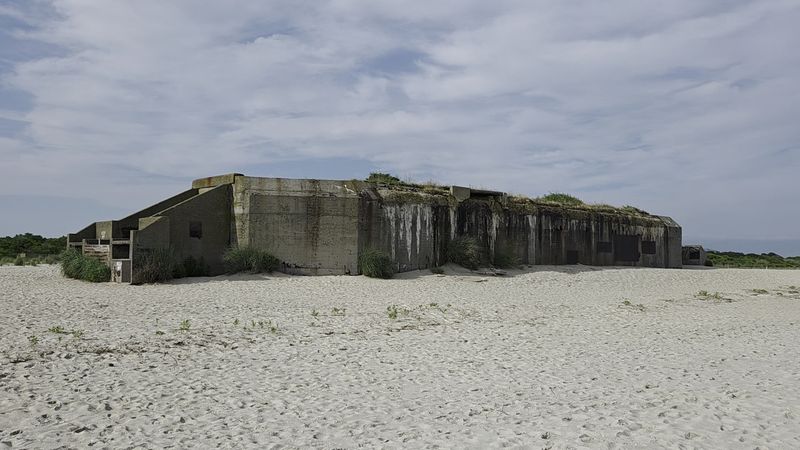
Rugged textures, salt-sprayed concrete, and a haunting silhouette create a visit that feels cinematic from the first sight to the last. The massive bunker anchors the beach with a defiant stance against the Atlantic, offering a rare, tactile connection to WWII history.
The surrounding Cape May Point trails and the nearby lighthouse round out the trip without the need for high-tech exhibits, encouraging a slow, atmospheric walk.
Check the tide charts before you head out!
Final verdict: worth the trip for a haunting, open-air history lesson executed by time and the elements.
Planning advice: arrive at low tide to walk around the base, bring a wide-angle lens for the best scale, and head to the Fire Control Tower afterward for the full strategic perspective.
Dear Reader: This page may contain affiliate links which may earn a commission if you click through and make a purchase. Our independent journalism is not influenced by any advertiser or commercial initiative unless it is clearly marked as sponsored content. As travel products change, please be sure to reconfirm all details and stay up to date with current events to ensure a safe and successful trip.
