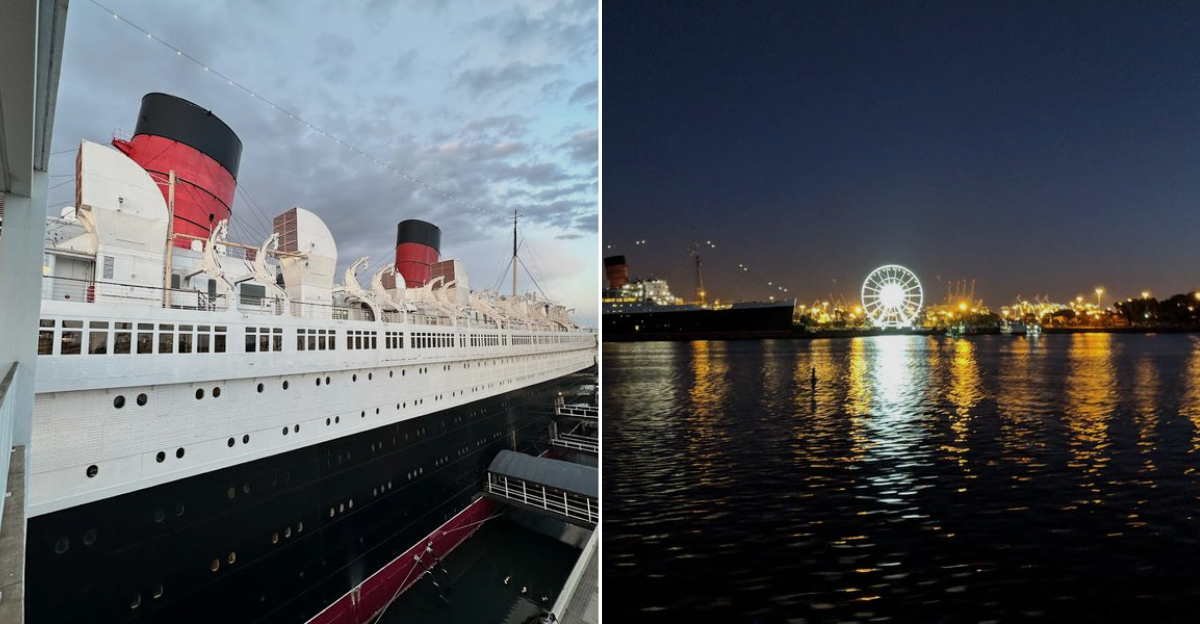
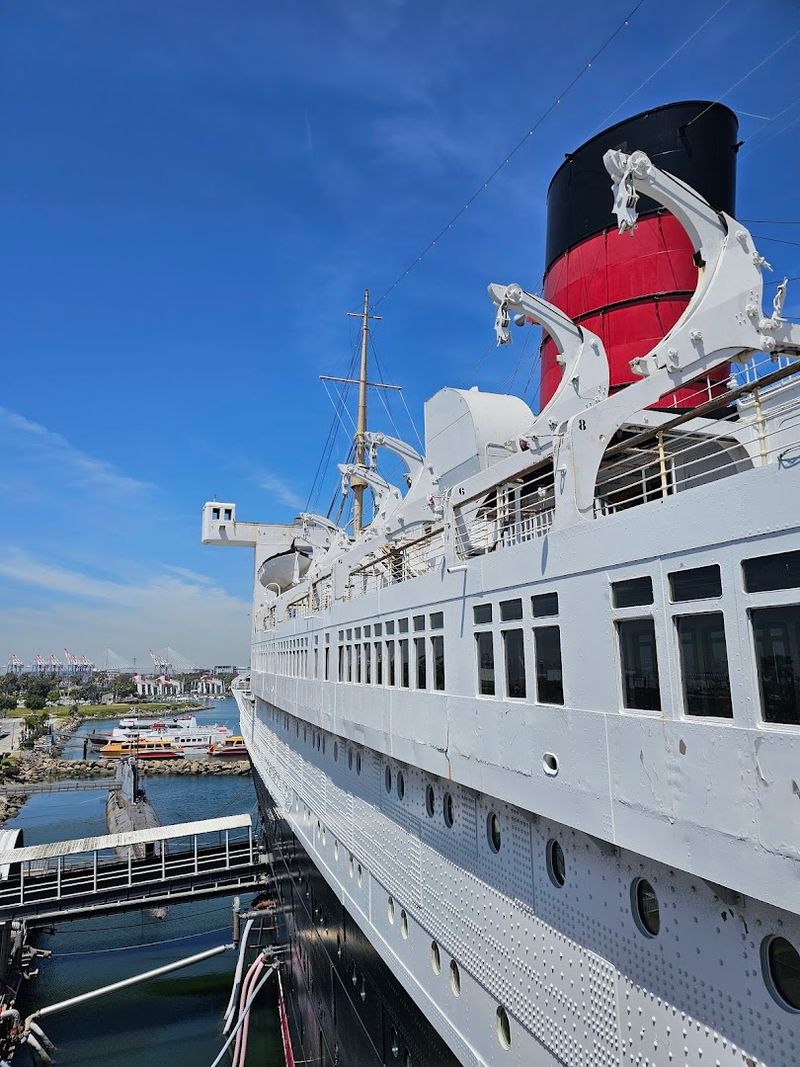
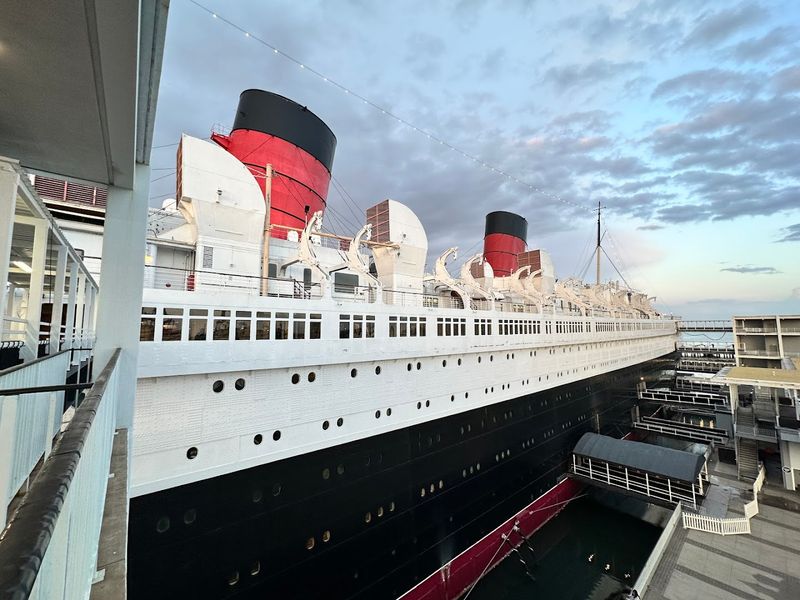
Think you can walk off a ship tour and leave the vibe behind you? The Queen Mary in Long Beach is a haunted ocean liner in California that makes that feel unlikely, because the atmosphere clings in a way that is hard to laugh off.
You step aboard and the ship immediately feels different from a normal museum stop. Long hallways stretch, metal doors sit heavy, and every creak sounds like it has timing.
The lighting stays soft, the corners feel deep, and you start listening more than you meant to. Even when you are surrounded by other visitors, the ship can feel oddly private.
One quiet corridor can make you lower your voice, and one closed door can make you wonder what is on the other side. The stories add fuel, but the setting does most of the work.
By the time the tour ends, you will still be replaying little sounds and shadows in your head, like the ship followed you to the dock.
How Paranormal TV Put The Queen Mary On The Map
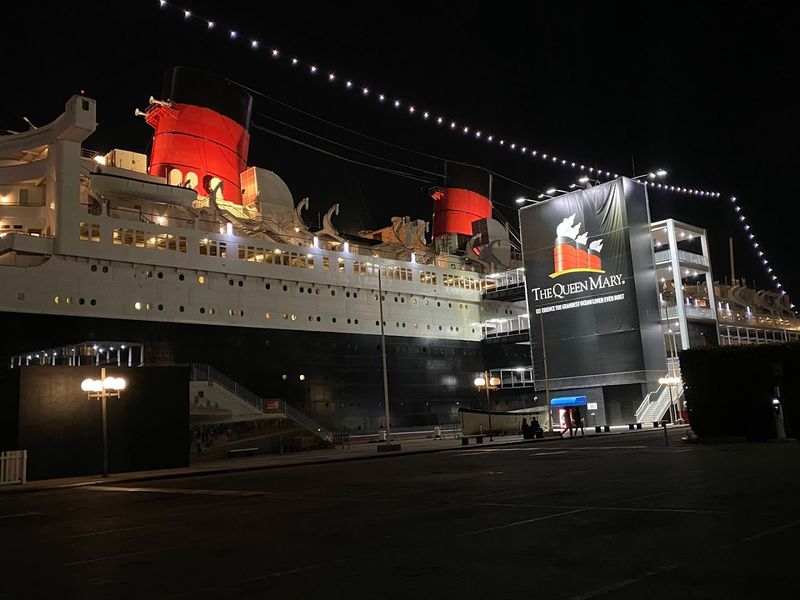
You remember when those paranormal shows started treating the Queen Mary like a character, not just a setting? That is when the ship shifted from cool history stop to must-see haunt in Southern California, because cameras caught footsteps and odd voices and viewers leaned closer to their couches.
The shows did not invent the stories, but they stitched them together into a single, unforgettable personality, which is why people fly in and ask the staff for the exact hallway where an investigator flinched at nothing.
TV made the map, but the ship fills in the details, and you feel that difference the second you step inside. The metal has a way of holding sound, so every tap echoes like it is looking for you, and the older wood answers back a split-second later.
When a guide stops mid-sentence because something flickered, the whole group stops breathing, and you end up grinning even though your shoulders are tight.
Is it all editing and dramatic music, or is the Queen Mary just good at being herself? Either way, those episodes gave us a set of breadcrumbs, and now the tour lets you stand where the cameras once hovered.
I like that the crew never oversells it in California style, because the hull and the air do the talking. You walk out feeling like you watched a rerun in person, with a few new scenes only you got to see.
The Haunted Encounters Tour And What It Covers
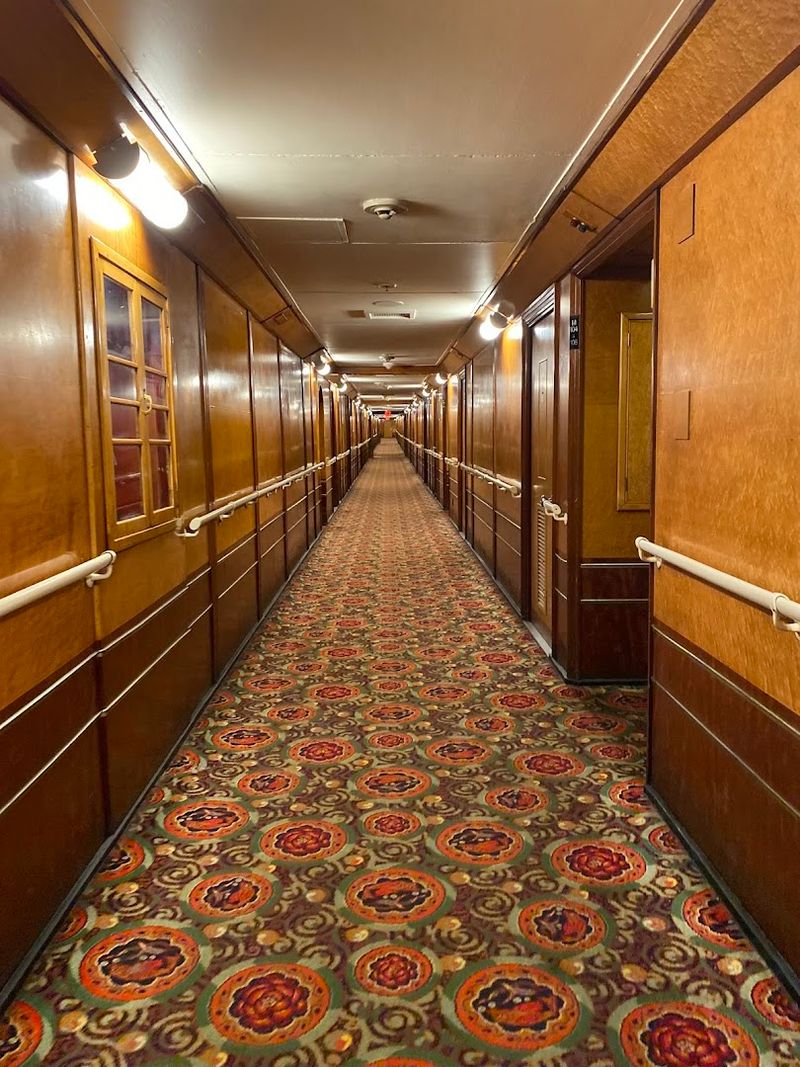
Here is the thing about the Haunted Encounters tour: it moves like a story that knows when to whisper. You start in the bright spots, hearing dates and names, and then it nudges you toward the places where the walls feel closer.
Guides point out cabins with tangled histories, show you scuffed thresholds, and let your eyes adjust to lighting that is just honest enough to make every shadow look motivated.
They do not push jump scares, and I appreciate that, because the ship makes its own. You get a mix of verified history and personal accounts from crew who have closed up late, when the floors groan and a door answers back without wind.
When the guide pauses for quiet, there is usually a reason, and that is when people finally put their phones down, which tells you the room is getting to them.
The route changes sometimes, which keeps it fresh, and different spaces respond in different ways. A cold patch appears right when a story turns, and then it slides off your sleeve like it did not care at all.
I like standing near the bulkheads to feel the soft tick of metal, because it makes the whole California harbor feel like a soundtrack. By the end, you know the highlights and the weird footnotes, and your brain asks if you missed something on purpose.
Stateroom B340 And Why People Ask For It
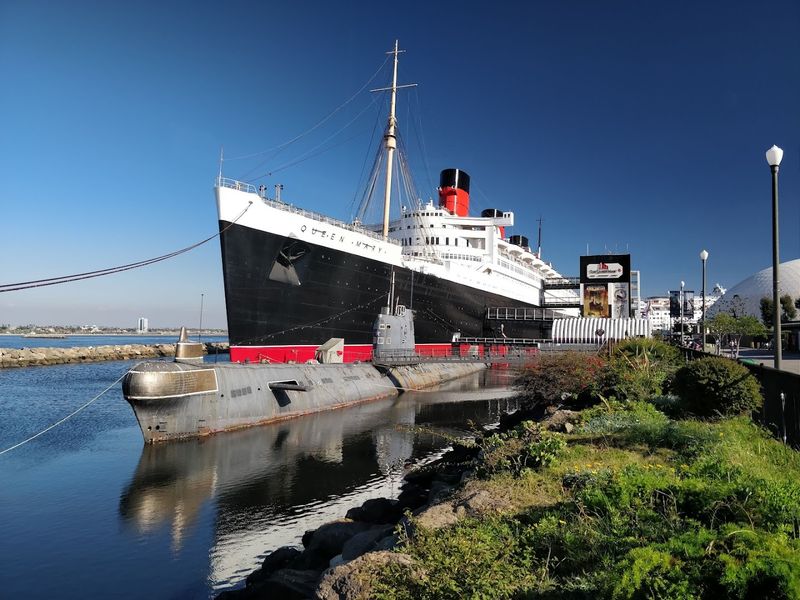
Okay, B340 is the one everybody whispers about before the tour even starts, and you can feel the energy shift when the group gets close. The stories for this cabin have piled up for ages, from knocks that ignore common sense to faucets that behave like they have opinions.
Even the hallway outside feels thick, which sounds silly until you stand there and your chest catches for no good reason.
People ask for B340 because it has a reputation that does not apologize, and the details are oddly personal. Guests talk about blankets tugging, lights doing that impatient blink, and a sense that someone is thinking right behind your head.
On paper, it reads like a stack of reports, but in person, the air hums just enough that you want to keep one hand on the doorframe, like an anchor.
If you get a chance to peek in, watch how everyone edits their breathing without trying. The room is small, simple, and somehow louder than the corridor, which makes your brain file new data in a hurry.
California has plenty of haunt spots, but this one has stage presence, as if the ship saves a private tone for this cabin. You might walk away rolling your eyes, and still find yourself glancing at faucets that night, wondering if you packed that second towel or if something else moved it.
First-Class Pool Stories That Never Go Away
The first-class pool is where the ship does that quiet theater thing, where nothing moves and somehow the room still performs. You stand on the tile, look down into the empty basin, and the Art Deco lines feel too tidy for the stories people tell.
That contrast makes your skin buzz, because elegance and eeriness are not supposed to fit, and here they do.
Guides will tell you about footsteps that cross the deck without a body, and splashes that make no sense in a dry pool. Reflections behave like they got here early, which sounds dramatic until the light actually twitches on the rim.
You catch yourself studying the far corner like it might exhale, and then you laugh because it is only a corner, and corners are not known for cardio.
I like how the air cools just enough to feel staged, even though it is not. The tile holds memories like film, and every squeak in your shoes feels amplified, so you walk softer than usual.
California sun sits outside, bright and chatty, but in here the day goes whisper-level and drags your voice down to match. When the group leaves, people glance back more than once, as if the pool might blink and forget to blink again, and that look stays with you until the parking lot.
Engine Room Scale That Makes Everything Feel Louder
The engine room is where sound grows muscles, and you can feel it in your ribs even when the ship is still. Those massive components sit like sleeping animals, and every footstep rings along the metal until your ears start guessing at patterns.
You learn facts here, sure, but what sticks is the way the air stacks on itself as you move across the grates.
A guide will point at a space where someone once hurried and did not return the same way, and the room suddenly feels crowded. The ship is not playing around in this section, and you kind of brace without realizing it, because the scale rewrites your posture.
Lights pick out edges that your brain wants to round off, and that tension makes small noises feel like declarations.
Stand still for a minute and listen to the tiny ticks that metal makes when it remembers its past. There is a weight that never leaves, and maybe that is why investigators love this part, since gear is easy to trust when the setting already hums.
California has flashy haunted spots, but this is old-school pressure, the industrial kind that asks you to keep your hands visible. When you climb the last steps, you breathe differently, not because of fear exactly, but because the room trained your lungs without asking permission.
Hallway Hotspots Where Cameras Come Out Fast
Some hallways on the Queen Mary are basically stage cues, and phones snap up like reflexes as soon as people round the corner. You know the look: long lines, door after door, a light that flickers just enough to make you check the next fixture.
Footsteps play tag on the carpet, and if someone coughs three doors back, it feels like it came from your pocket.
Guides usually call out the hotspots, and the group spreads out so the hallway can work its rhythm. You start noticing details you would blow past anywhere else, like a scuff at ankle level or a draft that does not have a source you can point at.
The hush builds without anyone asking for it, and the cameras come up because people want proof they felt something, even if the photo only shows nice wallpaper.
What I like is the way a corridor can turn simple geometry into mood. Straight lines should be boring, but the ship bends them into suggestion, and you go quiet because quiet feels like good manners.
California nights help, too, because the outside cool drifts in and turns the whole lane chilled and focused. By the time you step out, there is a little static on your arms, and you shake it off like dust even though it is not dust at all.
Best Times For Fewer Crowds And Better Atmosphere
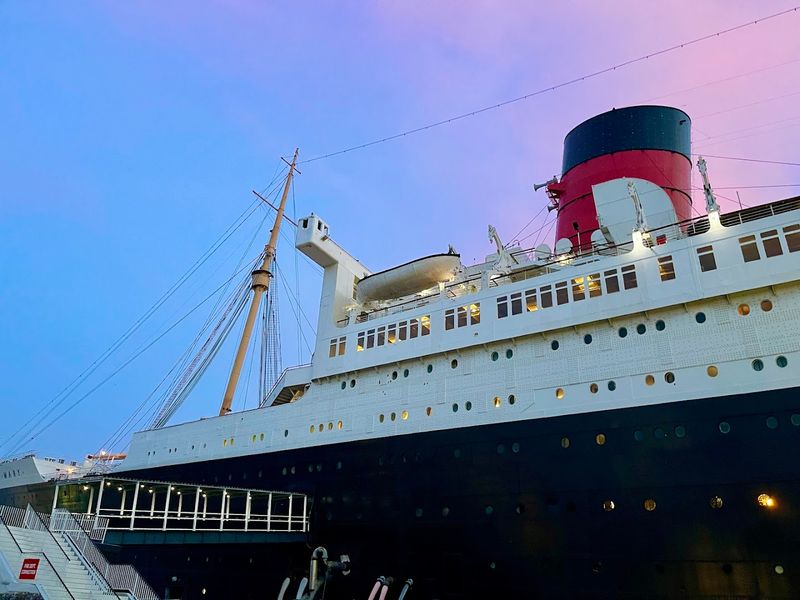
If you want the ship mostly to yourself, think early or think last entry, and be ready to move slow on purpose. Crowds shift like tides, and the quiet pockets show up when people are between plans, which gives the corridors time to reset.
I like drifting to the bow-side walkways when the air is still, because the hush gets inside your jacket and stays there.
Another trick is to linger an extra beat after a group clears a room, even if the guide is halfway into the next stop. The leftover quiet is weirdly generous, and you hear the soft ticks come back, like the ship is glad the chatter paused.
That is when you notice tiny details, like scuffed brass or a stubborn draft near a porthole, and those are the moments that feel like you met the Queen Mary, not just toured her.
Weather helps, too, because cool air sharpens edges and warm air softens them, and both versions have their charm. California marine layers make the decks cinematic in a way that photographs never quite catch, so you just stand there and absorb.
If you plan around typical rush times, you will get space to think and let the stories land. And that extra space makes the creep factor personal, which is really what you came for, even if you said you were here for history.
Ticket Tips That Keep The Visit Smooth
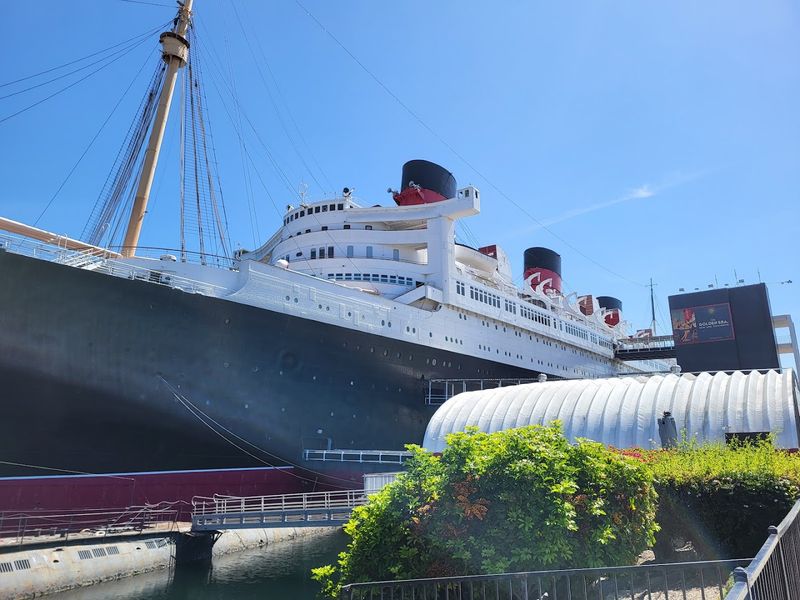
Before you go, set up your tickets ahead and give yourself buffer time, because the ship rewards a relaxed pace. Lines happen when a couple of groups arrive together, and it is nicer to be the person already holding a spot in your day.
Keep your confirmation handy, and know your tour choice so you are not deciding at the counter with polite pressure on your shoulder.
I like checking the schedule the morning of, just in case a section is temporarily closed for maintenance or an event. No one loves a detour, but the crew is good about steering you toward routes with strong stories, and honestly, the ship never really runs out of mood.
If you are bringing a friend who spooks easily, pick a time with more daylight, then sneak back later for the full hush.
Wear comfortable shoes, because the floors vary, and a slower walk keeps your senses open and your ankles happy. Snap a few reference photos of map boards so you can loop back to favorites without wasting time.
California weekdays tend to breathe easier than weekends, but whatever you pick, build in a little flex so the ship can surprise you. Smooth starts lead to better endings, and with the Queen Mary, endings tend to follow you home in the most persistent way.
That Post-Tour Feeling When The Ship Lingers
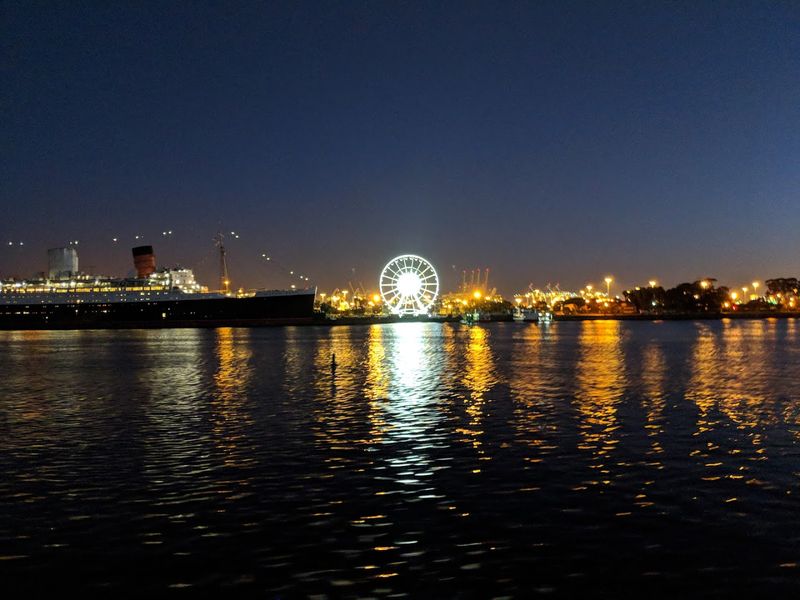
Here is the part I did not expect: the ship keeps talking after you leave, and not in a spooky-gimmick way. You step off, the harbor air feels clean, and yet your ears hold onto a hallway creak like it owes you an explanation.
That is when the Queen Mary does her best work, because she shifts from attraction to echo, and it follows you into your quiet spaces.
On the drive, streetlights look like portholes, and you catch yourself checking the rearview like a corridor might show up. It is not fear exactly, more like a story that refuses to end on schedule, which is oddly comforting.
I think it is the mix of California night air and old steel patience, because the pairing lets weird little moments loop until you admit they mattered.
When you finally settle in at home, the hush is different, which is how you know the ship made it back with you. You replay a knock, a draft, a pause from the guide, and the memory grows corners and edges.
That is the Queen Mary’s signature, a soft insistence that asks you to pick one detail and keep it. And you will, because you did not just see a haunted liner, you met one, and now it knows your name.
Dear Reader: This page may contain affiliate links which may earn a commission if you click through and make a purchase. Our independent journalism is not influenced by any advertiser or commercial initiative unless it is clearly marked as sponsored content. As travel products change, please be sure to reconfirm all details and stay up to date with current events to ensure a safe and successful trip.
