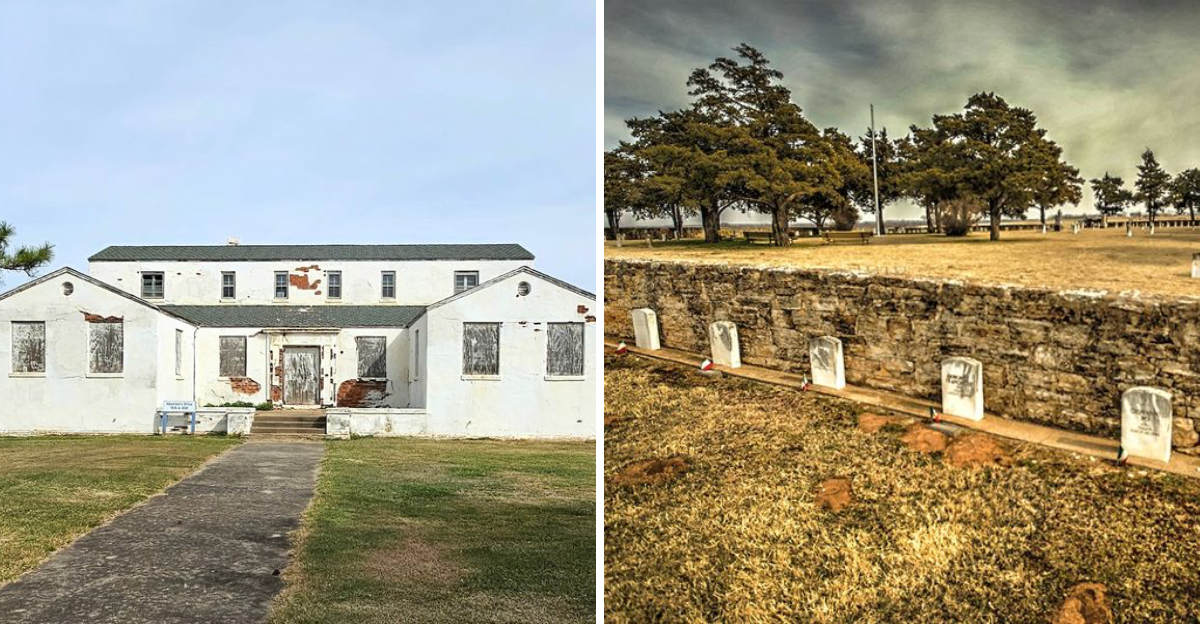
The second you step through the gate, you can almost feel the weight of history pressing down on your shoulders. Old military forts have a way of doing that, especially ones that have seen Indian Wars, World War II prisoner camps, cavalry drills, and quiet burials all on the same soil.
The kind of place where the past does not stay past, and locals will tell you stories that make the hairs on your arms stand up straight.
Stick around, because this Oklahoma fort is one of the most fascinating, eerie, and surprisingly moving places you can visit in the American heartland, and it has more layers than you might ever expect.
The Ghostly Grounds Nobody Warned Me About
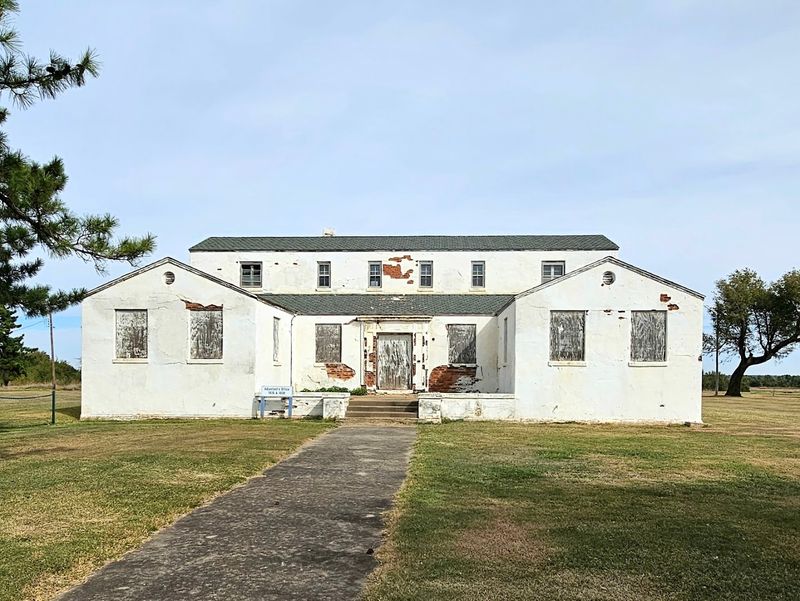
Walking onto these grounds feels like stepping into a memory that does not belong to you. The air sits differently here, heavy with something you cannot quite name, and the wide open parade grounds stretch out in a way that makes you feel both small and strangely watched.
Fort Reno has been accumulating stories since the 1870s, and the land itself seems to remember every single one. Visitors have reported unexplained cold spots near the old barracks, shadowy figures moving between buildings after hours, and the faint sound of boots on wooden floors in rooms that are completely empty.
What makes these reports so compelling is their consistency. People who have never spoken to each other describe the same corners, the same sounds, the same uneasy feeling near the same doorways.
It is not easy to dismiss when a retired schoolteacher and a twenty-something road tripper both describe hearing cavalry commands on a windless afternoon.
The museum operates Monday through Friday from 10 AM to 4 PM. Plan your visit during those hours, wear comfortable shoes, and leave yourself plenty of time to just wander.
The atmosphere alone is worth the detour off Historic Route 66.
A Cemetery Full of Secrets and Soldiers
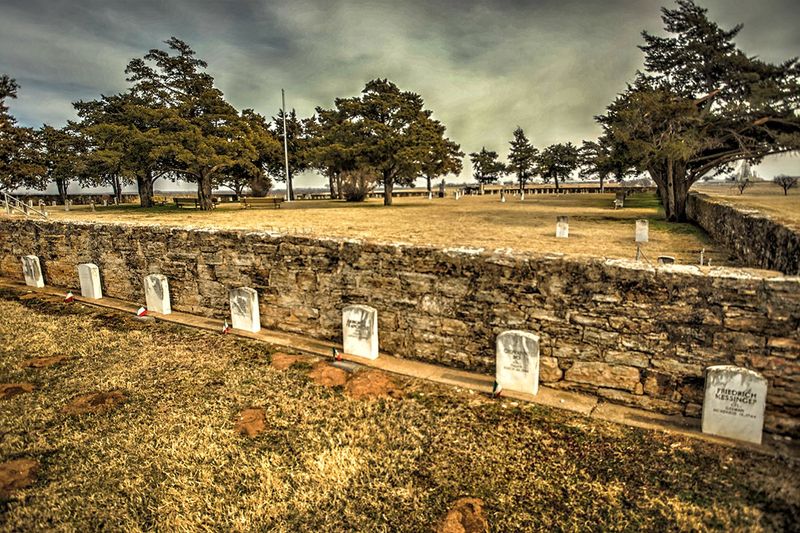
Every old fort has a cemetery, but not every cemetery carries stories quite like this one.
jUp on the hill overlooking Fort Reno, rows of grave markers stand in quiet formation, holding the remains of cavalry soldiers, their families, fort staff, and something far more unexpected: German and Italian prisoners of war.
Yes, Fort Reno served as a World War II POW camp, and the men who died while in custody were buried right here on American soil, far from home and family. Standing in front of those markers is a genuinely strange and sobering experience.
You are looking at the graves of people who were enemies in life, now sharing eternal ground with the soldiers who guarded them.
Ghost hunters and paranormal enthusiasts have long pointed to this cemetery as one of the most active spots on the property. Cold drafts with no wind source, orbs captured in photographs, and a persistent feeling of being observed have all been reported here consistently over the years.
Even if you do not believe in ghosts, the cemetery demands respect and reflection. Drive up the hill, take your time, and read the markers carefully.
The history carved into that stone is the kind that stays with you long after you have driven back onto Route 66 and pointed your car toward home.
The POW Camp Story Most People Miss
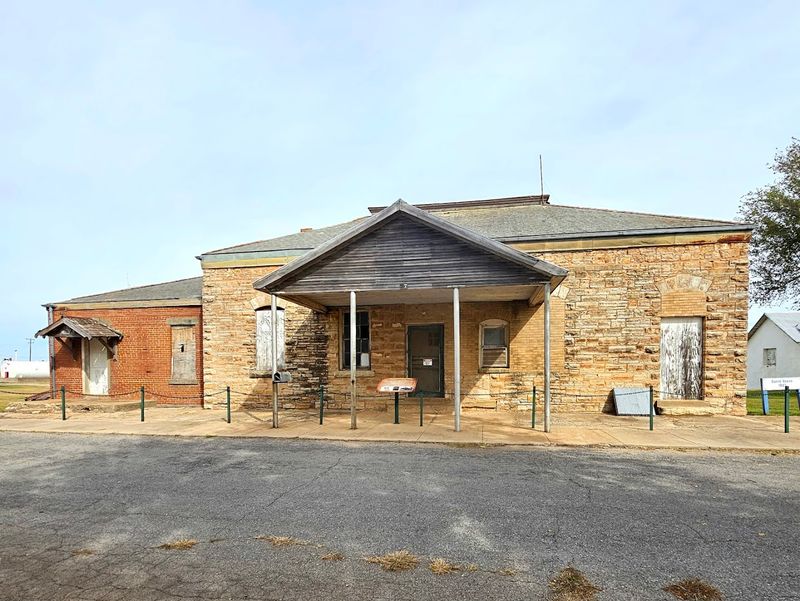
Most people rolling through El Reno, Oklahoma have no idea they are passing a site where Axis prisoners of war were held during World War II.
Fort Reno housed hundreds of German and Italian POWs, and the stories that come from that chapter of the fort’s life are layered with moral complexity, unexpected human connection, and more than a few unsettling reports.
Some accounts suggest that the spirits of POWs who never made it home are among the most active presences on the property.
Former staff members and overnight visitors have described hearing voices speaking in languages other than English near the old camp areas, even when no foreign tourists were present.
Make of that what you will.
The museum at Fort Reno does a careful and thoughtful job of presenting this chapter without sensationalizing it. Artifacts, photographs, and detailed exhibits walk you through what life was like for both the prisoners and the American soldiers assigned to guard them.
It is a complicated story told with admirable honesty.
Understanding the POW history adds a whole new dimension to walking the grounds. Every building, every fence line, every open field takes on a different weight when you know what happened here.
History has a way of making places feel haunted even before the ghost stories start piling up.
Black Jack the Horse and His Lingering Legend
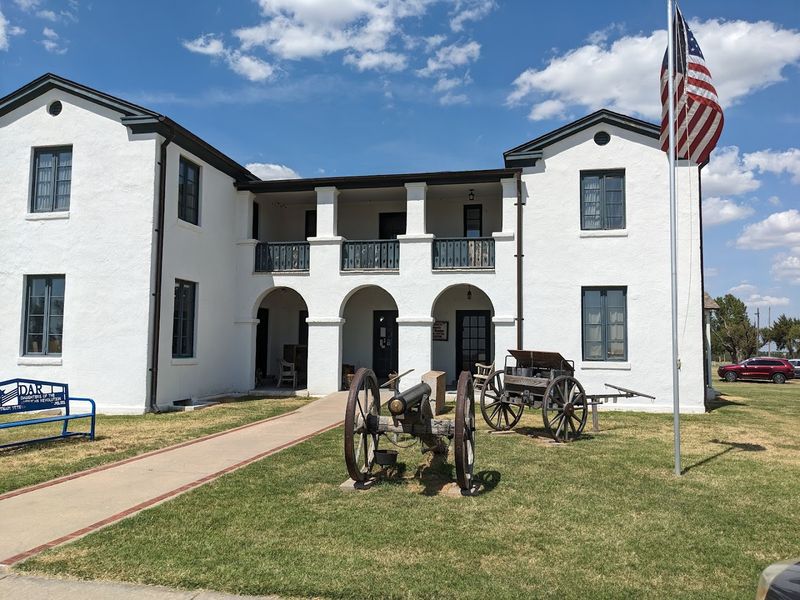
Here is a story that sounds like it belongs in a movie but is absolutely real. A horse named Black Jack was raised and trained right here at Fort Reno, and he went on to become one of the most famous horses in American history.
Black Jack served as the riderless horse in more than a thousand military funerals at Arlington National Cemetery.
His funeral procession appearances included the services for Presidents John F. Kennedy, Lyndon B. Johnson, and Herbert Hoover, as well as General Douglas MacArthur.
The image of that riderless horse with boots reversed in the stirrups is one of the most iconic symbols of military mourning in the entire country, and it all started right here in Oklahoma.
Some visitors claim to hear the sound of hooves on the old stable grounds late in the afternoon, when the light is going golden and the shadows stretch long across the parade field. Whether that is Black Jack making his presence known or just the wind playing tricks on tired travelers, it is a detail that sticks in the mind.
The museum staff can point you toward exhibits that honor Black Jack’s legacy. It is one of those stories that transforms a road trip stop into something truly memorable, the kind you repeat at dinner tables for years afterward.
The Original Buildings Standing Against Time
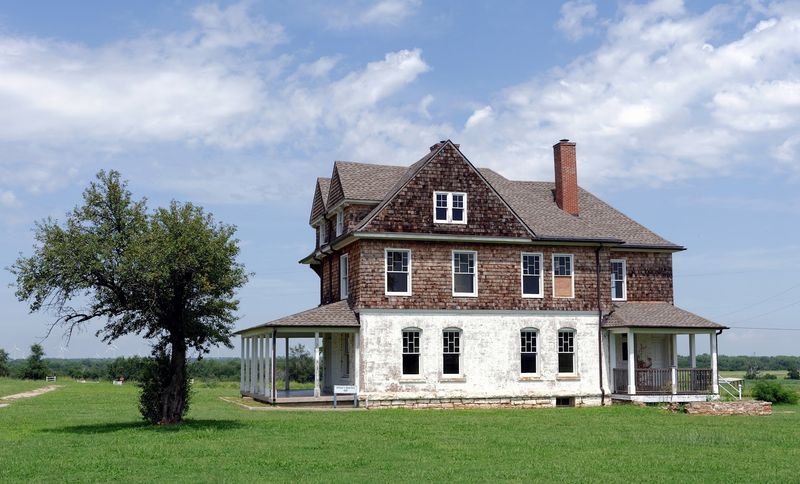
There is something almost defiant about a building that has been standing since the 1870s and still refuses to fall down. Fort Reno has several original structures still intact, and walking among them feels less like visiting a museum and more like wandering through a freeze-framed moment in history.
The architecture tells its own story. Thick walls, deep-set windows, and the kind of solid construction that speaks to a time when buildings were meant to last centuries, not decades.
You can almost picture the cavalry officers moving through doorways, the sounds of horses and bugle calls filling the air outside.
Paranormal investigators have noted that buildings with this kind of age tend to hold energy in ways that newer structures simply do not.
Several of the original Fort Reno buildings have been cited in ghost investigations as hotspots for unexplained electromagnetic readings, temperature drops, and the occasional auditory phenomenon that cameras and recorders have captured but experts cannot fully explain.
Even the most skeptical visitor tends to slow their pace inside these walls. There is a heaviness to spaces that have absorbed 150 years of human activity, and these buildings carry that weight with quiet dignity.
The preservation work done here is remarkable, especially considering the fort operates largely on donations and volunteer dedication.
The Indian Wars History Carved Into Every Corner
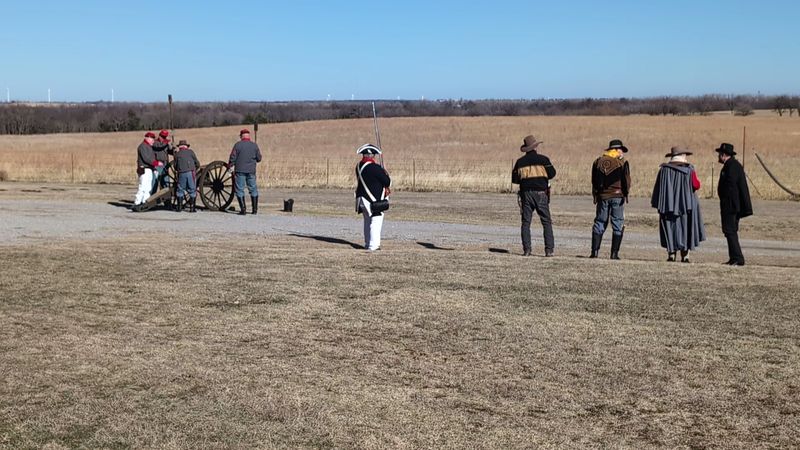
Fort Reno did not spring up in a peaceful landscape. It was established in 1874 in direct response to the Red River War, positioned on the Southern Plains to monitor the Cheyenne and Arapaho peoples who had been relocated to the surrounding reservation.
The complicated, painful, and often brutal history of that era is woven into every acre of this property.
Walking the grounds with that knowledge changes everything.
The open fields where soldiers once drilled, the hills where scouts kept watch, the roads that connected the fort to distant outposts, all of it takes on a different meaning when you understand the full context of why this place was built and what it was built to do.
Ghost lore from this period is particularly rich at Fort Reno.
Stories of figures in period dress appearing near the old officer quarters, of drumbeats heard at night with no visible source, and of voices calling out in languages belonging to neither English nor German speakers have circulated among locals for generations.
The museum handles this history carefully and without flinching. Exhibits address the military perspective and the human cost of westward expansion in equal measure.
It is heavy material, presented with the seriousness it deserves, and it makes the haunting stories feel less like entertainment and more like something trying very hard to be remembered.
Route 66 Runs Right Past a Real Ghost Story
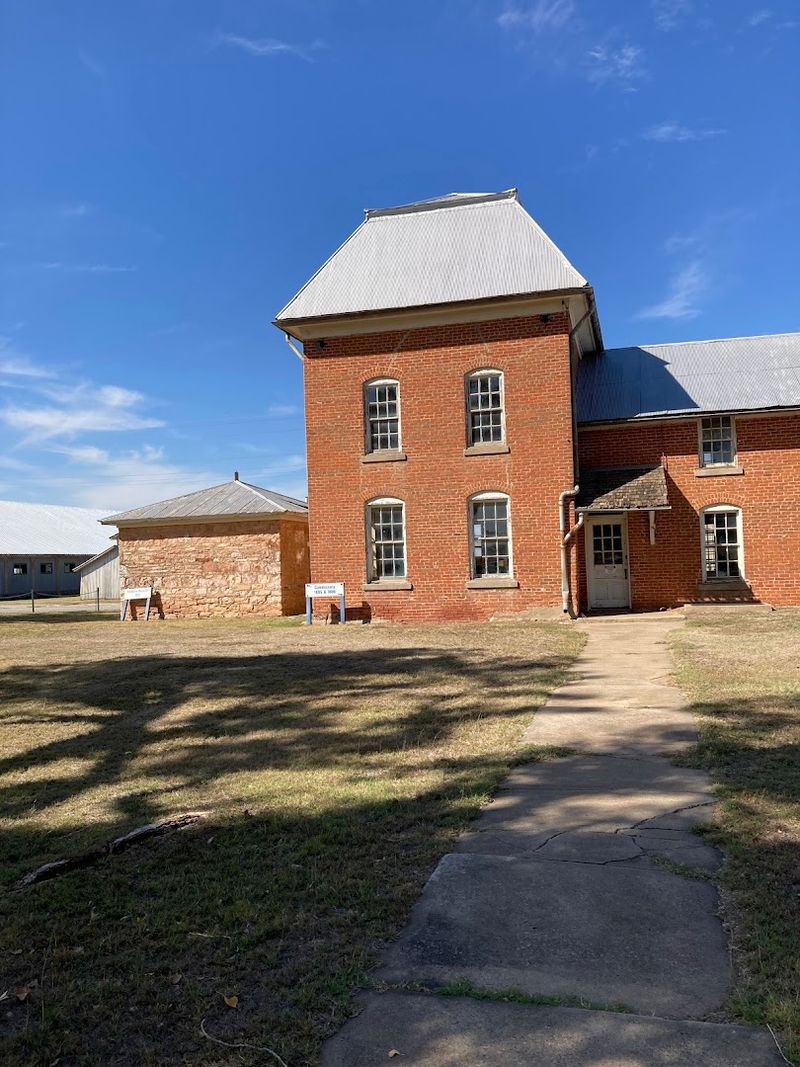
Most people driving Historic Route 66 through Oklahoma are hunting for vintage diners, quirky roadside attractions, and classic Americana photo opportunities. Not many of them realize they are also driving past one of the most historically layered and reportedly haunted military sites in the entire state.
Fort Reno sits right along this famous stretch of road, west of El Reno, and it deserves far more attention than it typically gets from passing travelers. The fort’s connection to Route 66 is not just geographic.
The highway itself passed through an era of American history that Fort Reno was already witnessing long before the first car ever rolled down that asphalt.
Stopping here breaks up a Route 66 drive in the best possible way. Instead of another roadside novelty, you get genuine history, ghost stories with real documentation behind them, and a sense of place that most tourist stops simply cannot manufacture.
The wide, quiet grounds offer a contrast to the noise of the road that feels almost jarring in how peaceful it is.
The fort is easy to reach and clearly marked from the highway. Pull off, park outside the main area, and give yourself at least two hours.
One hour will leave you feeling like you missed something important, which you almost certainly did.
The Small Museum With an Outsized Story to Tell
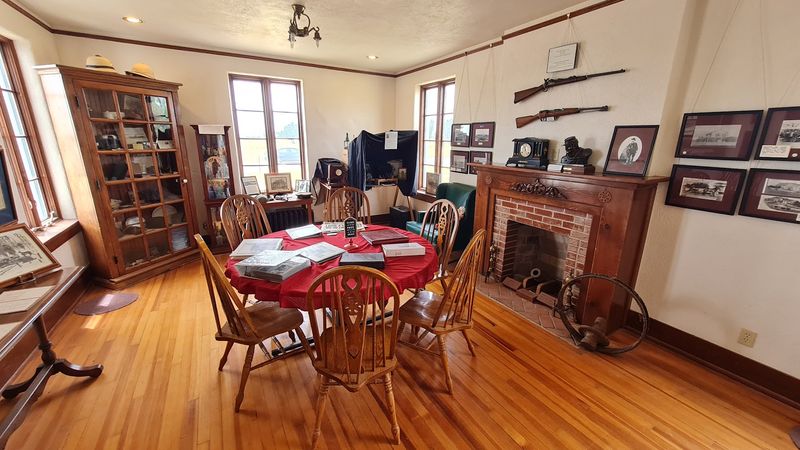
Do not let the size fool you. The museum at Fort Reno packs an extraordinary amount of history into a modest space, and the people who run it bring a level of passion and knowledge that you simply cannot replicate with a digital kiosk or an audio tour app.
This is living history, kept alive by people who genuinely care about it.
Exhibits cover the full arc of the fort’s life, from the cavalry days of the 1870s through the Indian Wars period, World War I support roles, the WWII prisoner of war camp chapter, and the agricultural research work that followed.
Each era gets its own careful attention, with artifacts, photographs, and written histories that hold up to scrutiny.
The paranormal angle is present here too, if subtly.
Staff members have quietly acknowledged that certain exhibits seem to attract unusual attention, that objects occasionally shift position overnight, and that the building itself makes sounds in the early morning hours that are hard to attribute to simple settling or temperature change.
Plan your visit for Wednesday through Friday or Monday and Tuesday, arriving as close to the 10 AM opening as possible.
The museum is small enough that a crowd of ten people feels like a full house, and arriving early gives you the best chance of a quiet, unhurried experience with the exhibits and the stories they contain.
Cavalry Legacy and the Horses Who Served
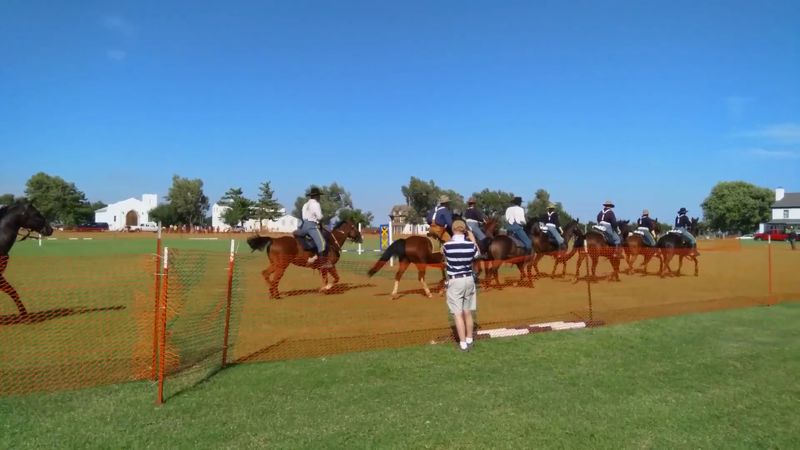
Long before tanks and aircraft defined American military power, the cavalry was the most mobile and feared fighting force on the Southern Plains.
Fort Reno was central to that world, serving as a hub for cavalry operations, horse training, and the logistical backbone of frontier military life throughout the late 1800s and into the early 20th century.
The fort’s role in horse and mule training extended all the way into World War II, when the military still relied on pack animals for transport in difficult terrain.
Thousands of horses passed through this property, trained here, and shipped out to serve in conflicts far removed from the Oklahoma grasslands where they learned their trade.
Horse enthusiasts and history fans both find something meaningful in this legacy. The U.S.
Cavalry Association is based here, and the fort occasionally hosts cavalry competitions and reenactment events that bring the grounds back to life in vivid, sensory-rich ways.
Watching a period-accurate cavalry demonstration on the same parade grounds where the original soldiers trained is the kind of experience that makes history feel immediate rather than distant.
Some visitors have reported seeing the outline of a horse and rider near the old stable area at dusk, a sight that disappears when you look directly at it. Trick of the light, probably.
Almost certainly, in fact. But you will still find yourself looking twice.
Practical Tips for Visiting Before the Sun Goes Down
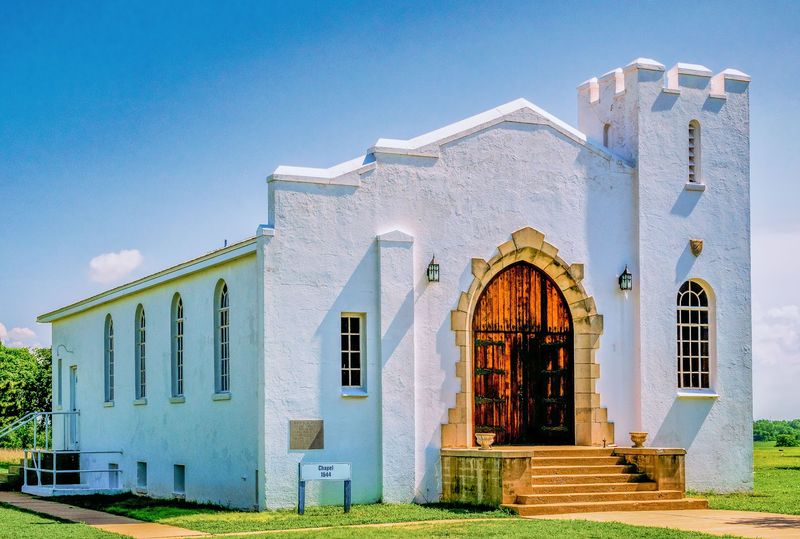
Fort Reno is the kind of place that rewards a little preparation. The fort is open Wednesday through Friday and Monday and Tuesday, from 10 AM to 4 PM.
It is closed on weekends, which catches a surprising number of visitors off guard, so double-check the schedule before making the drive.
The grounds are well maintained with wide walkways and parking right outside the main area, making it accessible for most visitors. The museum building has some areas upstairs that are not wheelchair accessible, but the main exhibits and the outdoor grounds are easy to navigate.
Bring water, especially in the warmer months, because Oklahoma in summer is not subtle about its opinions on heat.
The cemetery up on the hill is worth the short drive and is one of the most quietly powerful spots on the property. Give it the time it deserves rather than treating it as an afterthought on your way back to the car.
The stories buried up there are as compelling as anything inside the museum walls.
Fort Reno operates largely on donations and volunteer support, so a generous contribution at the museum goes directly toward keeping this remarkable piece of American history standing.
The address is 7107 W Cheyenne St, El Reno, OK 73036, right along the historic Route 66 corridor in central Oklahoma.
Show up curious, leave humbled, and maybe glance over your shoulder once or twice on the way out.
Dear Reader: This page may contain affiliate links which may earn a commission if you click through and make a purchase. Our independent journalism is not influenced by any advertiser or commercial initiative unless it is clearly marked as sponsored content. As travel products change, please be sure to reconfirm all details and stay up to date with current events to ensure a safe and successful trip.
