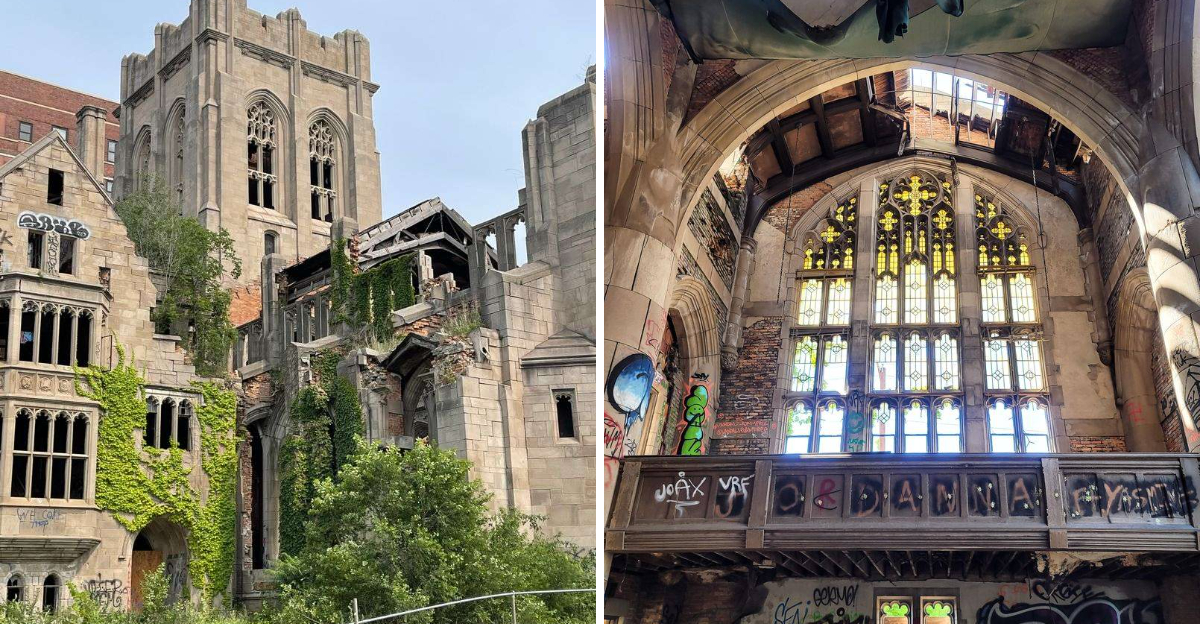
Abandoned churches rarely capture the imagination quite like City Methodist Church in Gary, Indiana. This towering Gothic Revival masterpiece once served thousands of worshippers during Gary’s industrial boom.
Located at 577 Washington St, Gary, IN 46402, this crumbling landmark has become a pilgrimage site for urban explorers and photographers. Hollywood filmmakers also seek it out for atmospheric backdrops.
The church’s skeletal beauty, with its remaining stained glass windows and decaying grandeur, tells the story of a city that rose and fell with the steel industry. Walking inside, you can feel the weight of history in every stone.
Despite its deteriorating condition, City Methodist Church continues to draw visitors from across the country. People come to witness this architectural wonder before time claims it completely.
Whether you’re fascinated by history or architecture, or simply love exploring forgotten places, this Indiana landmark offers an unforgettable experience. It’s a place where the past feels vividly alive.
From its Hollywood connections to its breathtaking decay, here are seven compelling reasons to visit this haunting structure. Each one offers a glimpse into the magic and mystery of this iconic ruin.
A Hollywood Filming Location That Brings Movies to Life
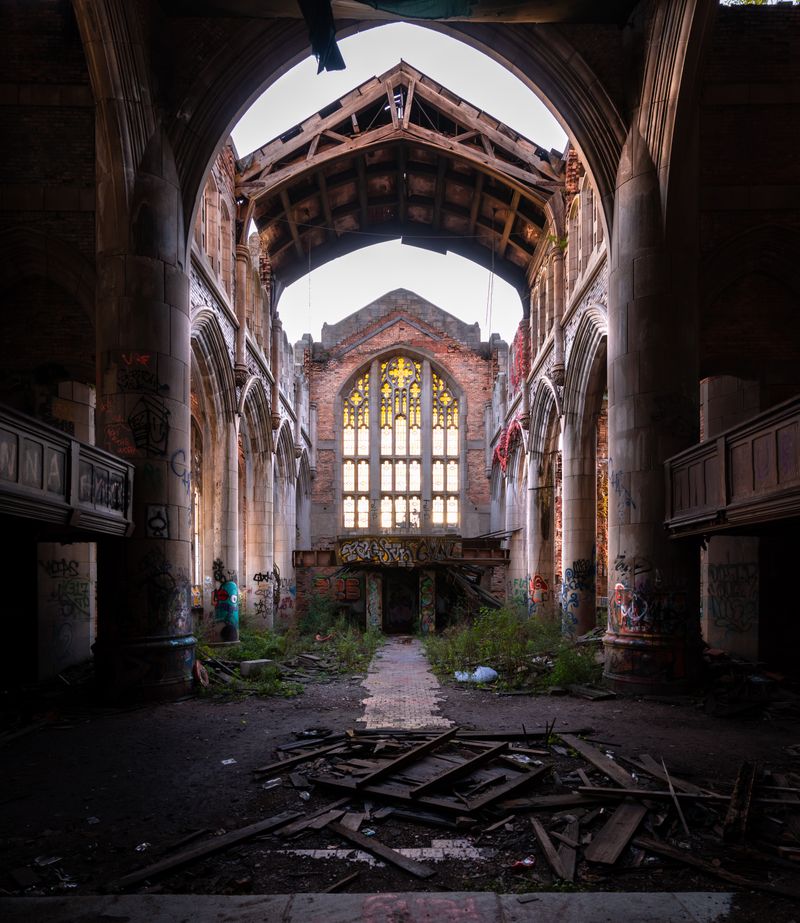
City Methodist Church has appeared in numerous films and music videos, transforming this Gary landmark into a backdrop for Hollywood productions. The church’s apocalyptic atmosphere and Gothic architecture make it perfect for post-apocalyptic scenes, horror films, and dramatic music videos.
Productions like “A Nightmare on Elm Street” and “Transformers: Dark of the Moon” have filmed scenes within these crumbling walls. The building’s naturally dramatic lighting, created by holes in the roof and broken windows, gives filmmakers ready-made ambiance that would cost thousands to recreate on a studio lot.
Walking through the same hallways where camera crews have worked feels surreal. You can stand in spots where actors performed their scenes and imagine the production chaos that once filled these silent spaces.
The church’s cinematic quality isn’t accidental. Its towering sanctuary, with rows of empty pews facing a collapsed ceiling, creates visual drama that photographers and directors crave.
Natural decay has sculpted the interior into something more artistic than any set designer could achieve.
Local permits are now required for professional photography, but casual visitors can still experience the same haunting beauty that attracts Hollywood scouts. The building’s fame continues growing as more productions discover its potential.
For movie fans, recognizing locations from favorite films adds another layer of excitement to exploring. You’re not just visiting an abandoned church but walking through actual film history.
This connection between real-world decay and cinematic storytelling makes City Methodist Church uniquely compelling for entertainment enthusiasts and casual tourists alike.
Stunning Gothic Architecture Frozen in Time
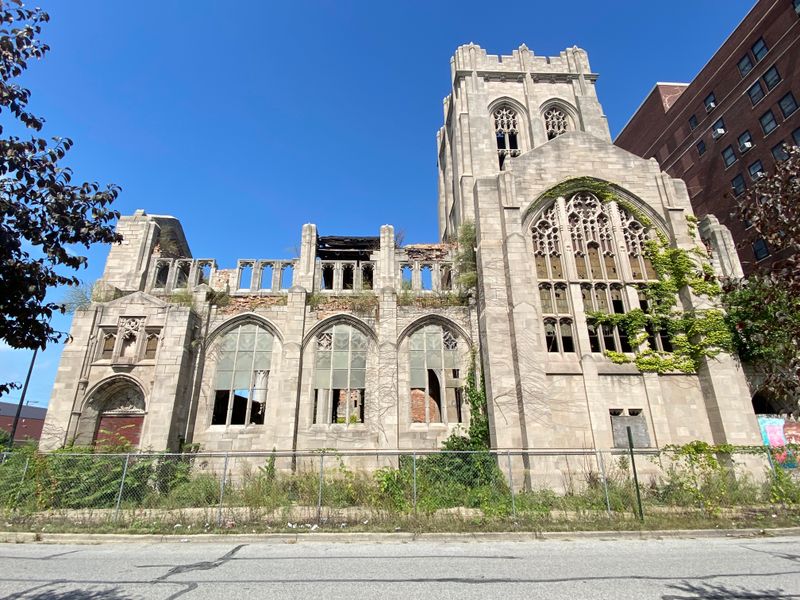
Built in 1926 during Gary’s golden age, City Methodist Church represents Gothic Revival architecture at its finest. The building cost over $1 million to construct, an astronomical sum for that era, and no expense was spared in creating this religious masterpiece.
The church originally featured elaborate stone carvings, soaring arched windows, and intricate brickwork that showcased the craftsmanship of skilled artisans. Even in its ruined state, these architectural details remain visible, telling stories of a time when Gary was a thriving steel town with grand ambitions.
The sanctuary could seat over 900 worshippers, with balconies providing additional space for the congregation. Eight floors once housed Sunday school rooms, offices, a gymnasium, and community spaces that served as the social heart of the neighborhood.
Today, visitors can trace the building’s original grandeur through surviving elements. Portions of stained glass still cling to window frames, casting colorful light across debris-covered floors.
Stone columns rise toward open sky where the roof has collapsed, creating an unintentional open-air cathedral.
Architecture students and history buffs find endless fascination in studying how the building is slowly returning to nature. Vines creep through windows, trees grow from upper floors, and weather patterns have painted abstract designs across interior walls.
This slow-motion transformation offers lessons about building construction, material durability, and urban decay. Observing Gothic architecture without its protective shell reveals structural secrets usually hidden behind plaster and paint, making City Methodist Church an outdoor classroom for anyone interested in how buildings age and fail.
An Urban Explorer’s Paradise With Endless Discoveries
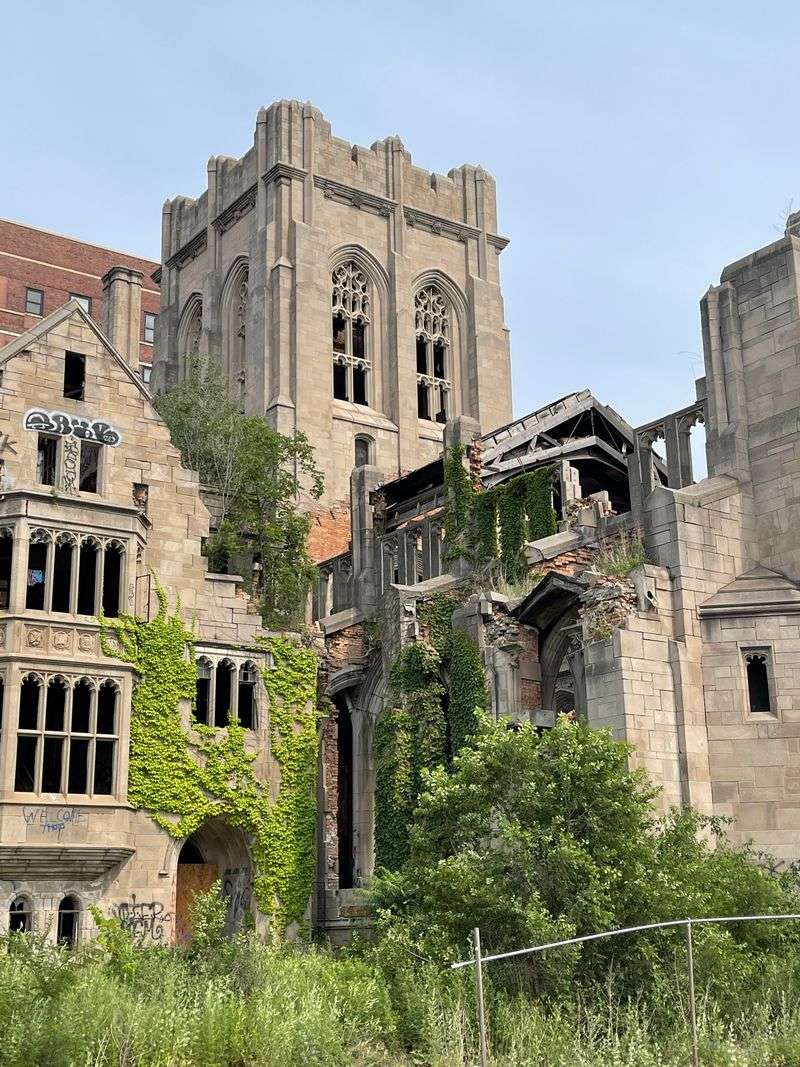
Few locations offer urban explorers the sheer scale and complexity of City Methodist Church. With eight floors to investigate, countless rooms to discover, and new details revealing themselves with each visit, this site provides exploration opportunities that smaller abandoned buildings simply cannot match.
Every floor presents different challenges and rewards. Lower levels feature the main sanctuary and fellowship halls, while upper floors contain smaller rooms, hidden staircases, and unexpected architectural features.
Explorers often spend hours wandering through spaces, finding graffiti art, examining structural decay, and imagining the building’s former glory.
The exploration experience changes with weather and seasons. Rain transforms the roofless sanctuary into an indoor waterfall, while snow creates ethereal winter scenes inside.
Summer allows vines and vegetation to reclaim interior spaces, demonstrating nature’s persistence.
Safety concerns are real and serious here. Floors have weakened over decades of neglect, stairs have lost railings to scrappers, and debris creates tripping hazards everywhere.
Experienced explorers emphasize wearing boots, gloves, and even helmets since falling plaster and other materials pose constant overhead threats.
Despite these dangers, or perhaps because of them, City Methodist Church remains a bucket-list destination for urban exploration enthusiasts. The risk adds to the adventure, though visitors must balance thrill-seeking with common sense and caution.
Photographer’s Dream With Incredible Natural Lighting
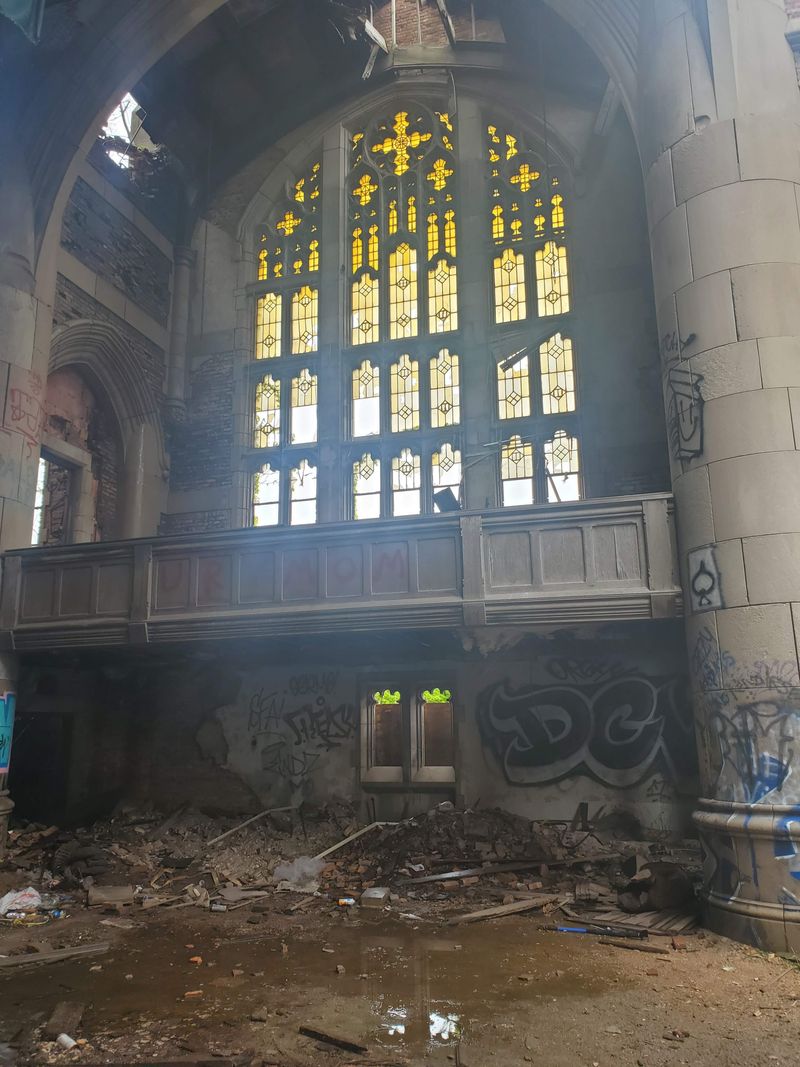
Professional and amateur photographers travel from across the country specifically to photograph City Methodist Church. The building’s unique combination of Gothic architecture, artistic decay, and dramatic natural lighting creates photographic opportunities found nowhere else.
Sunlight streams through broken windows and ceiling holes, creating constantly changing light patterns throughout the day. Golden hour transforms the sanctuary into a magical space where dust particles dance in amber beams.
Overcast days provide soft, even lighting that brings out texture in weathered surfaces and faded graffiti.
The church’s multi-level layout offers countless composition possibilities. Photographers can shoot upward through collapsed floors toward sky, frame doorways leading into shadow-filled rooms, or capture the contrast between surviving architectural details and surrounding destruction.
Graffiti artists have added another visual layer over the years. While some visitors lament vandalism, others appreciate how colorful tags and murals create unexpected juxtapositions with Gothic stonework.
This collision of street art and classical architecture produces images that feel both timeless and contemporary.
Photography permits are technically required for professional shoots, a policy implemented to manage the location’s growing popularity. Casual photography remains welcome, though visitors should respect any posted guidelines and avoid disturbing the site.
A Powerful Testament to Gary’s Rise and Fall
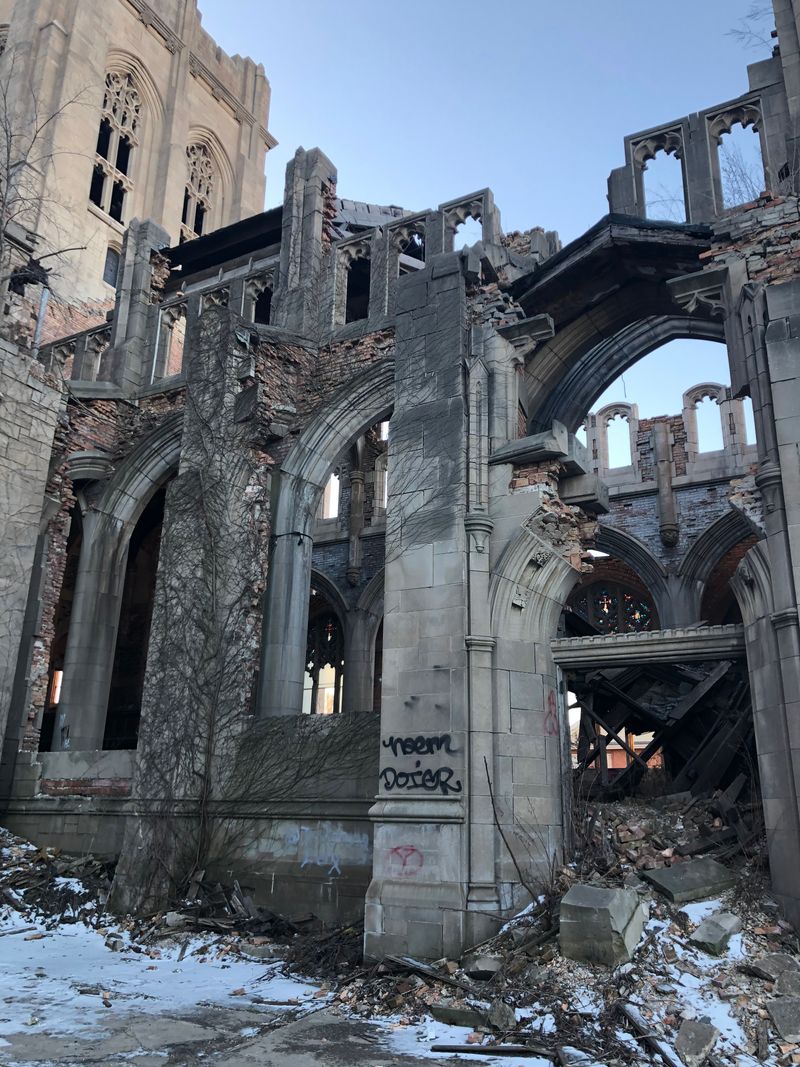
Understanding City Methodist Church requires understanding Gary’s history. Founded in 1906 by U.S.
Steel, Gary boomed as a steel manufacturing center, attracting thousands of workers and their families. The city’s population exploded, creating demand for schools, churches, and civic buildings to serve the growing community.
City Methodist Church opened in 1926 at the height of Gary’s prosperity. The congregation thrived for decades, with services, weddings, funerals, and community events filling the building with life and purpose.
The church symbolized Gary’s success and optimism about the future.
Everything changed when the steel industry declined. Automation reduced workforce needs, foreign competition pressured American manufacturers, and Gary’s economic foundation crumbled.
Population dropped from over 170,000 in 1960 to under 70,000 today as residents fled seeking opportunities elsewhere.
City Methodist Church held final services in 1975, unable to maintain the massive building as membership dwindled. The structure sat empty while Gary continued its downward spiral, becoming a symbol of urban decay and industrial collapse.
Visiting today feels like witnessing a monument to lost prosperity.
Breathtaking Stained Glass Windows That Still Survive
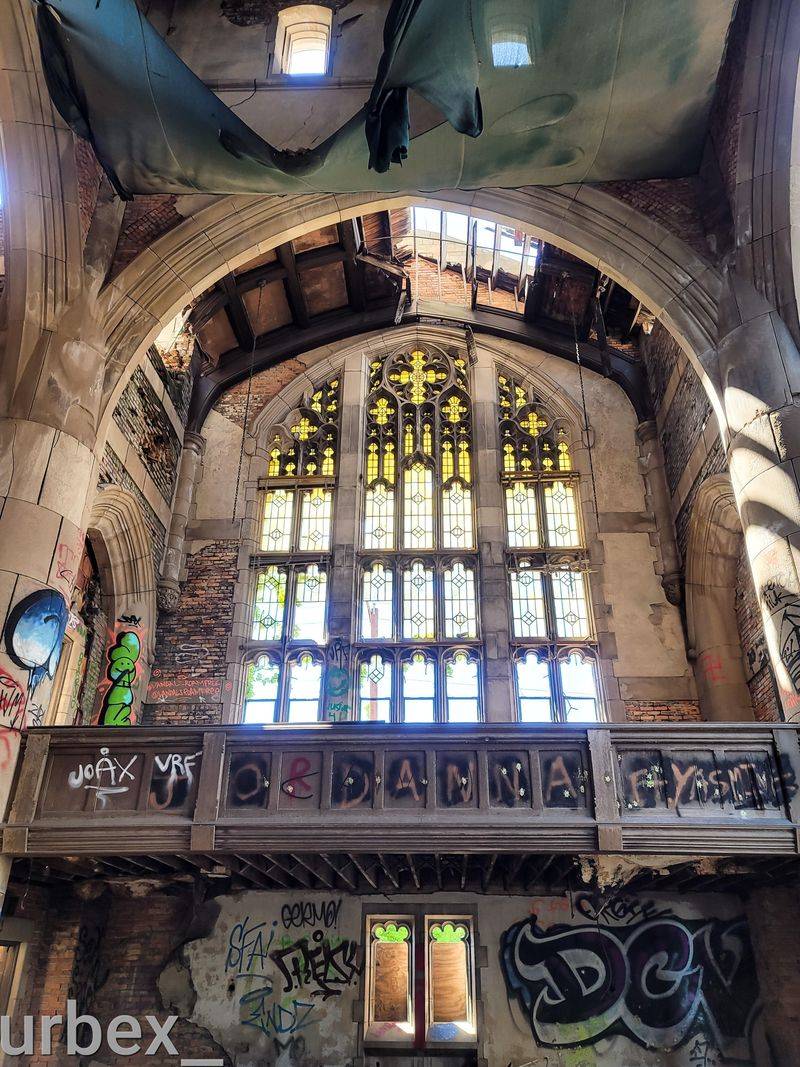
Despite decades of abandonment and vandalism, portions of City Methodist Church’s original stained glass windows remain intact. These survivors create some of the building’s most photographed and beloved features, offering glimpses of the church’s original beauty.
The remaining stained glass depicts religious scenes and geometric patterns typical of 1920s church design. Colors remain surprisingly vibrant considering decades of weather exposure.
When sunlight passes through these panels, colored light spills across debris-covered floors, creating magical contrasts between past elegance and present decay.
Many windows have shattered over time, with fragments scattered across floors or taken as souvenirs by visitors. This ongoing loss makes the surviving panels increasingly precious.
Each visit might be your last chance to see certain windows before weather, vandals, or structural collapse claims them.
The stained glass serves as a poignant reminder of the craftsmanship and care invested in the building’s original construction. Artisans spent countless hours creating these windows, never imagining they would eventually illuminate an abandoned ruin rather than an active congregation.
Photographers particularly treasure the windows for the lighting effects they create. Different times of day produce different color patterns as sunlight angles change.
Storm clouds can make the glass glow with unexpected intensity, while clear days create sharp, defined light beams.
The Proposed Ruin Garden That Could Save the Site
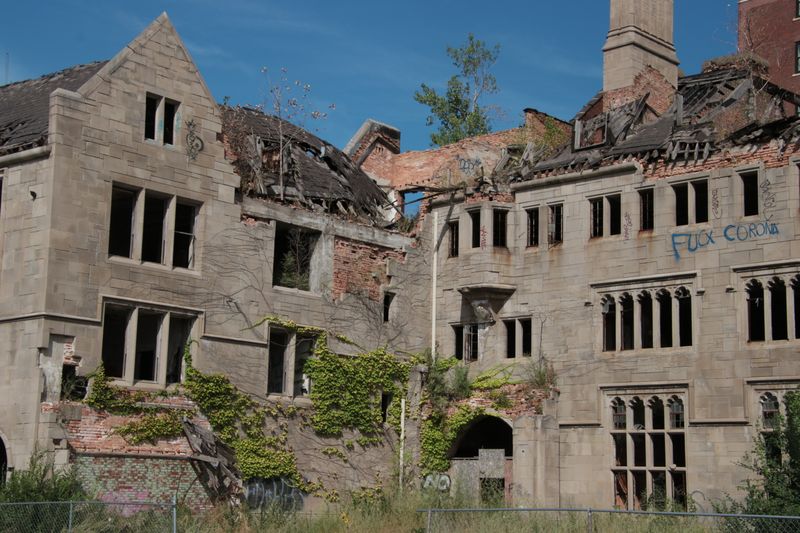
City Methodist Church’s future remains uncertain, but one proposal offers hope for preservation. Plans for transforming the site into a stabilized ruin garden have circulated for years, potentially saving the structure while acknowledging that full restoration is financially impossible.
A ruin garden would stabilize the building’s remaining structure, preventing further collapse while maintaining its current aesthetic. Walkways could be installed to allow safe public access, and interpretive signs would explain the church’s history and Gary’s industrial heritage.
The concept embraces the building’s decay as part of its story rather than trying to erase decades of abandonment.
Similar projects have succeeded in other cities where historic buildings were too damaged for traditional restoration. Detroit, Cleveland, and other Rust Belt communities have created parks and cultural spaces from industrial ruins, turning eyesores into attractions that draw tourists and educate visitors about local history.
Funding remains the primary obstacle. Gary struggles with limited resources and numerous other needs competing for scarce dollars.
Private donors and preservation organizations have expressed interest, but securing enough money to properly stabilize and maintain the site requires sustained commitment.
A historic placard was recently installed, suggesting renewed official interest in the church’s preservation. This small step indicates that authorities recognize the building’s value, even if comprehensive plans remain distant.
Dear Reader: This page may contain affiliate links which may earn a commission if you click through and make a purchase. Our independent journalism is not influenced by any advertiser or commercial initiative unless it is clearly marked as sponsored content. As travel products change, please be sure to reconfirm all details and stay up to date with current events to ensure a safe and successful trip.
