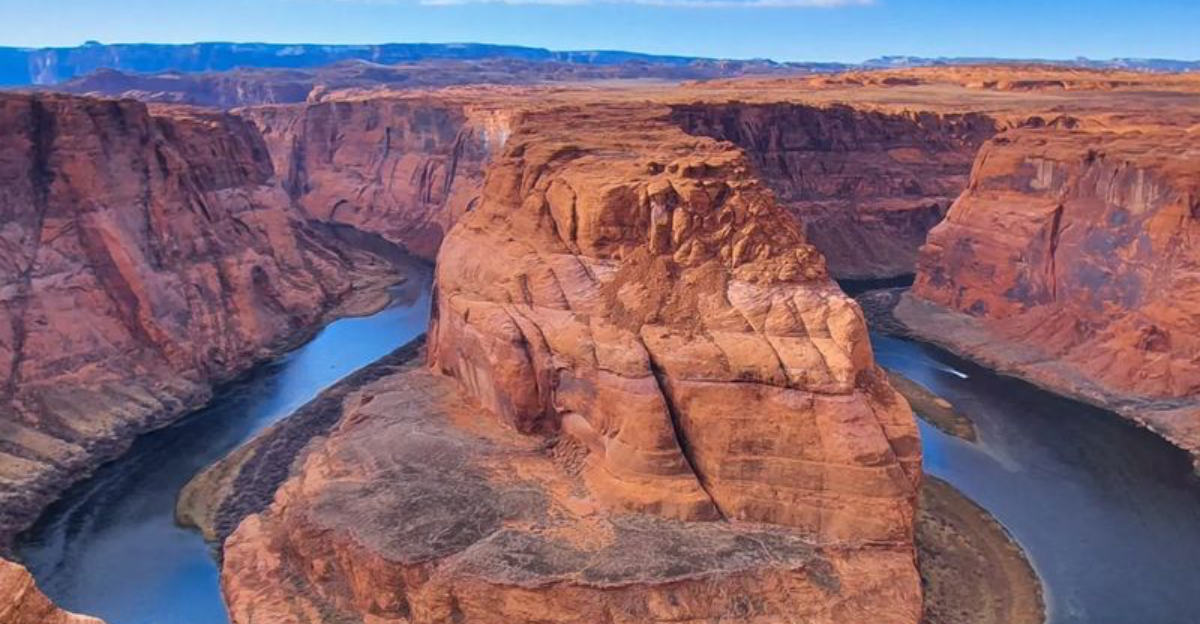
Light filters into stone like water finding its path, and suddenly the desert feels intimate and alive.
The slot walls of Antelope Canyon rise in rippled curtains just outside Page, Arizona, and the stillness carries a soft echo that settles right into your chest.
You notice the air shift from warm to cool as the passage narrows, and colors slide from peach to violet with each step.
If you have ever wanted the landscape of Arizona to whisper directly to you, this is the place where it happens.
Arrival at the Canyon Gate
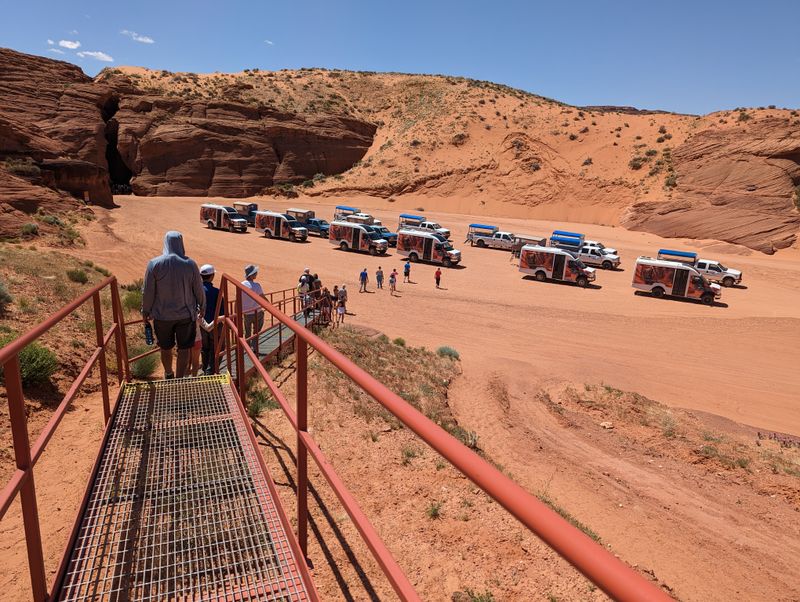
The approach to Antelope Canyon begins with a quiet drive along Highway 98 as the mesas flatten into a sandy wash.
The sky looks bigger out here, and the light finds every angle in the rock before you even step inside.
You feel the pace change when the vehicle stops and the guide gathers the group.
Wind carries a dry, mineral scent that hints at water long gone, and footsteps press soft prints into the pale sand.
The entrance looks narrow from a distance, almost like a crease stitched into the earth.
It does not feel dramatic at first, but the hush that falls over people says otherwise.
A few simple rules are shared with care because the canyon is both delicate and active.
The guide explains that flash flood safety is not a suggestion, and you nod because the walls around you tell the same story.
Shade swallows the glare as you move toward the slot, and your eyes adjust to polished stone.
There is a small thrill in stepping from open desert to a hallway carved by storms.
Every step forward narrows sound and widens color until you are listening with your eyes.
This first threshold is where Arizona’s dry surface gives way to hidden softness.
You begin to notice fine striations running like brushstrokes along the walls.
They shift tones with tiny changes in angle, from cinnamon to rose to a cool gray.
It feels like entering a gallery where the artist is weather and time.
Guided Navajo Perspective
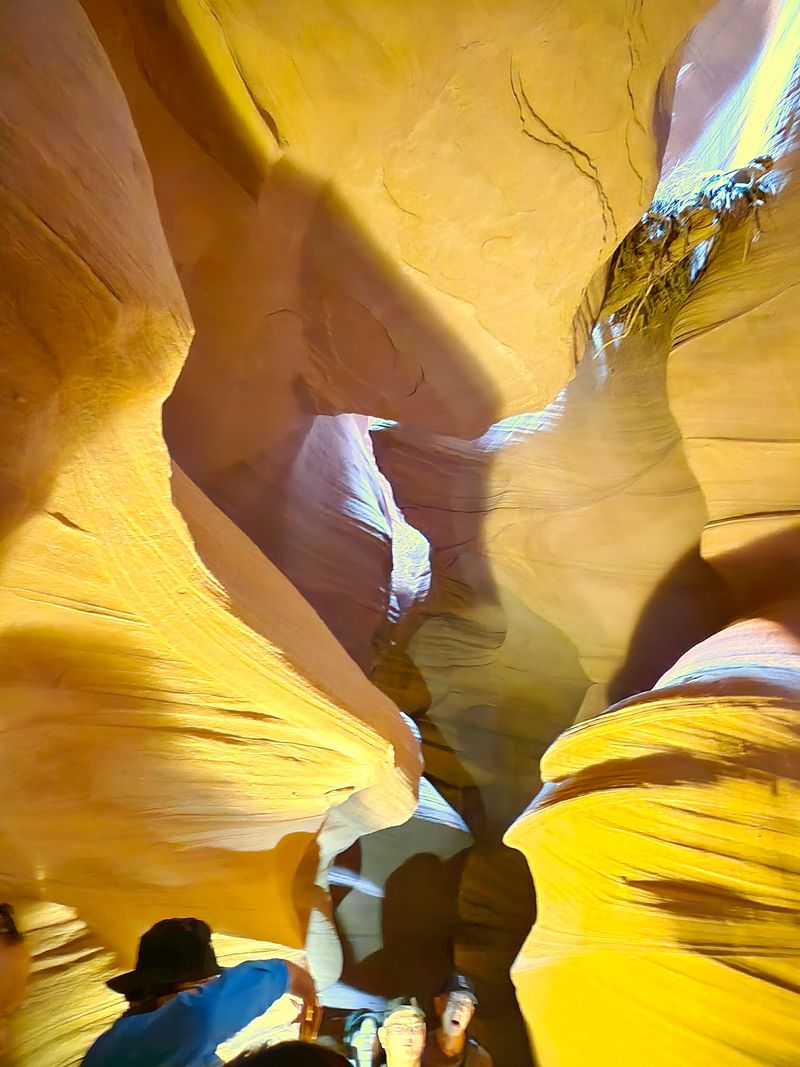
Inside the canyon, the presence of a Navajo guide shapes the experience in ways that photographs never capture.
Stories arrive like steady footsteps, measured and clear, tying the sandstone curves to living memory.
You are reminded that this is a place with guardians, language, and ceremony.
The guide points to formations that echo animals and waves, not as tricks but as reminders of pattern and change.
There is no rush to the next angle because the narrative moves at a human pace.
When you pause, you hear the soft drift of sand dropping from ledges high above.
Respect is woven into simple actions, like where to stand and how to let others pass.
Questions are welcomed, and answers keep returning to the land and its cycles.
It feels balanced to learn while walking, one short story at a time.
In this part of Arizona, knowledge is shared through place rather than plaques.
You take fewer photos and notice more textures.
The guide’s voice lowers when the light deepens, and the canyon’s quiet seems to lean in.
Even practical tips carry warmth, from pacing to camera settings for reflected glow.
By the time you turn a tight corner, you feel like a respectful guest rather than a passing tourist.
The experience lingers because it connects wonder with stewardship.
Upper vs Lower: Two Personalities
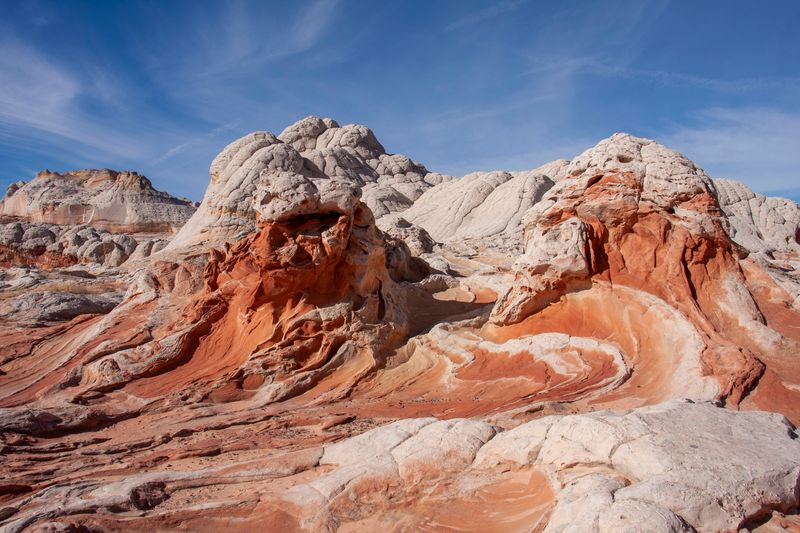
Upper Antelope feels like a cathedral where sunbeams float down in visible columns when conditions line up.
The floor is relatively even, and the passage flows gently, inviting a slow gaze upward.
It is the kind of space where silence turns bright.
Lower Antelope is more kinetic, with stairs and narrow turns that bring you close to the rock.
The path folds back on itself, and every bend reveals a new contour.
You feel your body working while your eyes travel the walls.
Both slots share the same sandstone canvas, but their temperaments diverge.
One invites drifting, and the other invites movement.
Choosing comes down to mood and comfort with tight spaces.
Guides help guests select the right route based on access and conditions.
Light behaves differently in each, spreading wide in Upper and skimming close in Lower.
Either way, the color shifts are not a filter but a trick of layered stone.
Arizona’s desert shows two voices in the same song here.
You can visit one and feel complete, or pair them to understand the canyon’s range.
There is no wrong decision, only a different rhythm under your feet.
Reading the Light
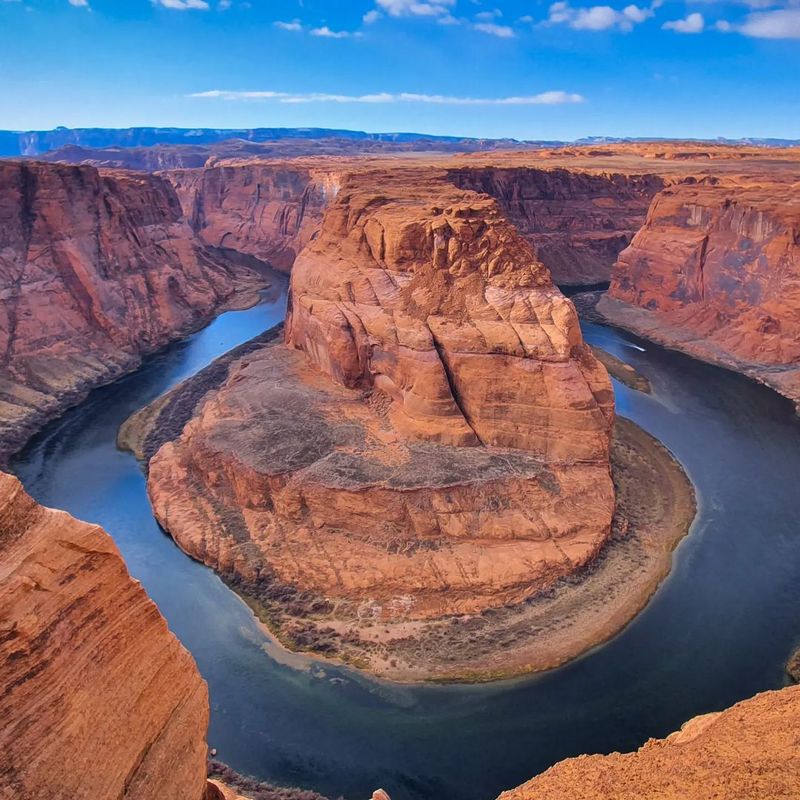
Light inside Antelope Canyon behaves like a tide that rises and fades across the day.
Reflections bounce off pale sand and up the walls, turning dusk colors into midday glow.
You watch the brightness slide as if the stone were breathing.
Direct beams can appear when the sun sits high and the angle is right, but the canyon shines without them.
Soft light pulls out blues and violets in shaded curves that cameras often misread.
Your eyes adapt, and the scene gains depth that a screen flattens.
Guides recommend looking first and shooting second so you do not miss the drift.
They point to how small dust carries the beam and how quickly it settles.
The best photograph often comes after a breath rather than a sprint.
Arizona weather can nudge color from warm to cool in minutes.
Clouds become collaborators, turning harsh edges buttery and even.
You learn to wait for the wall to brighten and count a slow beat.
Noticing where the floor turns pale can hint at where light will lift next.
That simple trick makes every corner feel like a reveal.
The canyon rewards patience more than gear.
Textures, Curves, and Quiet Details
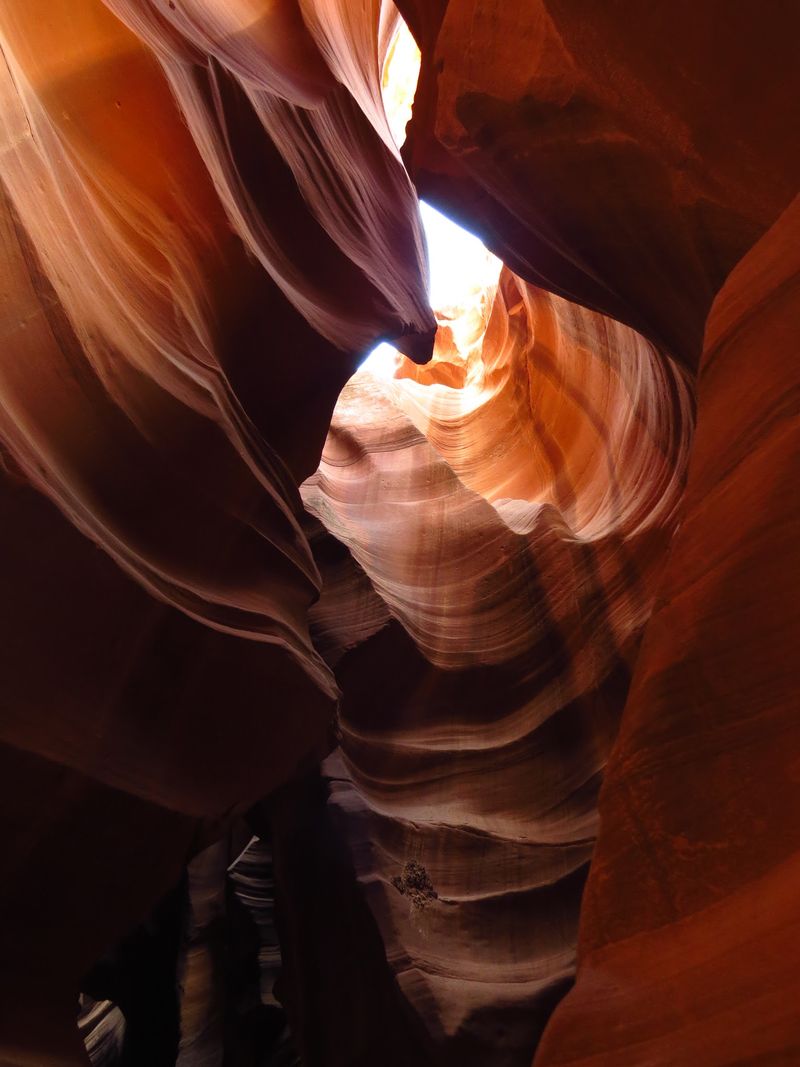
Up close, the sandstone holds tiny ridges that feel like the grain of old wood.
Each ripple marks a different direction of past water and wind, written in layers.
You notice how a fingertip leaves no trace because the surface is firm and clean.
Larger formations read like frozen waves with edges softened by time.
Corners curve inward as if tugged by a gentle spiral, guiding your eye without effort.
The flow of lines pulls you along more than any signpost.
Shade adds a satin finish to the rock while sun brightens the edges.
This contrast maps the path like a quiet guide.
Photographs love these textures, but the real pleasure is simply looking.
Arizona’s air feels still in here, and sound drops into pockets between the walls.
Your footsteps come back a half second later, thinner and lighter.
Even whispers feel respectful because the place carries its own calm.
Some sections open enough for a glance at the sky that looks almost painted.
The blue above makes the ochre and rose tones deepen.
It is the most elegant kind of minimalism you can walk through.
Practical Access and Safety
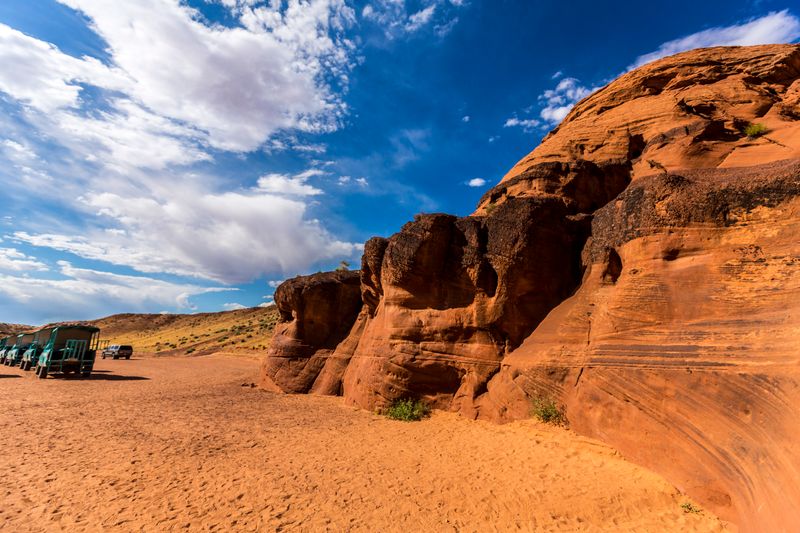
Visiting Antelope Canyon is only possible with authorized guided tours managed by Navajo Nation partners.
That structure protects the environment and keeps guests informed about weather and conditions.
You book ahead because spaces fill and schedules are set.
Guides monitor forecasts closely since flash floods can occur with distant storms.
If conditions change, trips pause or adjust for safety without hesitation.
Listening to instructions is part of caring for the canyon and each other.
Footwear with good grip makes a clear difference on sand and stairs.
A small bag, water, and patience go further than heavy gear in tight corridors.
Tripods are restricted on many tours, and that keeps movement smooth for everyone.
Timing aligns with daylight, and seasonal shifts affect temperature inside the slot.
Check-in usually happens at designated lots where guides gather groups.
The staging feels efficient, friendly, and focused on respect.
Arizona sun can feel strong at the start and end of the walk.
A hat and layers help you handle the swing from bright heat to cool shade.
Following the guide’s lead turns logistics into ease rather than stress.
Seasonal Moods in the Desert
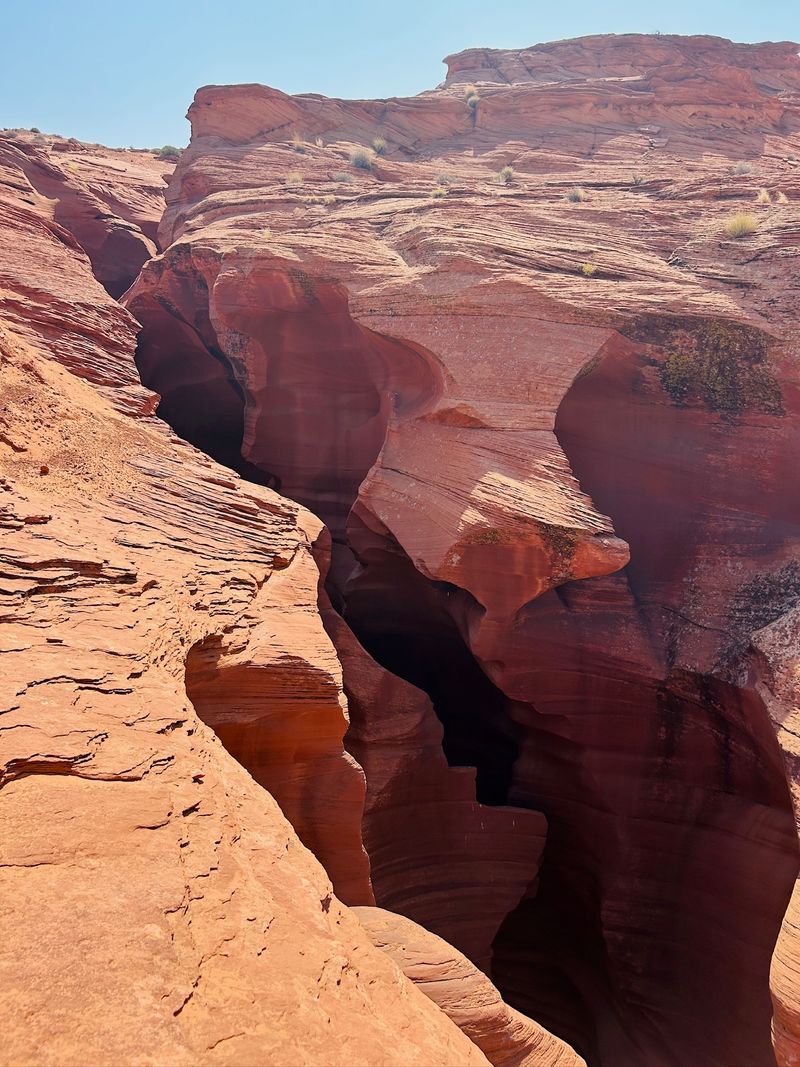
Every season drapes Antelope Canyon with its own rhythm, and the shifts feel subtle yet distinct.
Winter brings quieter days and gentle light that softens the canyon’s edges.
You move slower, and the hush feels deeper.
Spring sharpens clarity in the air and draws thin lines of green across the surrounding desert.
The slot glows with a cool sparkle that makes colors feel crisp.
It is a time when textures photograph with honest contrast.
Summer leans bright and intense, with longer windows of strong light patterns.
Guides watch weather closely and shape timing to avoid storm risks.
The warmth outside turns the canyon’s shade into welcome relief.
Autumn settles the landscape with mellow tones and steady skies.
Shadows stretch, and the stone reads like brushed copper.
Crowds often feel balanced, and the pace suits thoughtful wandering.
Across all seasons, Arizona’s desert shows restraint rather than spectacle.
That restraint makes each visit feel personal and measured.
You learn to read the sky as part of the plan.
Photography Without Losing the Moment
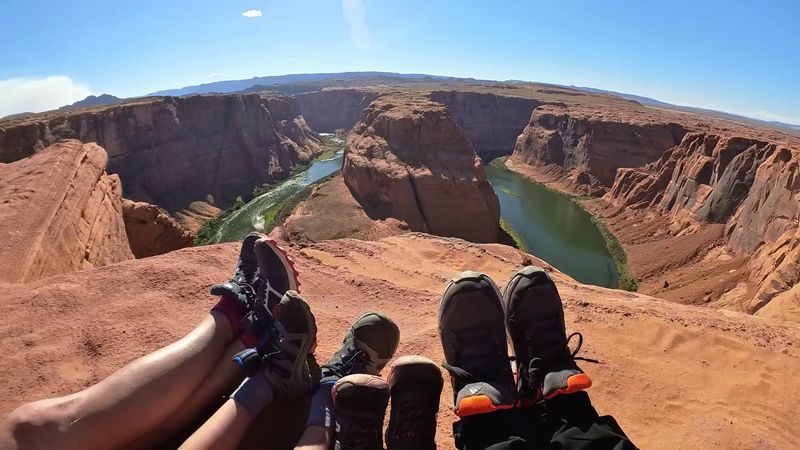
It is tempting to chase every curve with a lens and forget why you came.
The canyon rewards a slower practice that begins with standing still.
Let your eyes map the scene before the camera does any work.
Expose for the highlights to keep the reflected tones natural and warm.
A steady hand and gentle breath reduce blur in low light.
Short bursts help avoid blocking others in tight turns.
Ask the guide about good spots and time your shots with the group’s movement.
Small gestures keep the flow comfortable for everyone around you.
Consider a wider view to capture the glow rather than just the famous angles.
That choice often tells a fuller story of space and quiet.
Phones perform surprisingly well if you keep them stable and clean.
Simplicity beats settings you do not have time to change.
This is Arizona, and the light is the main subject.
Let the canyon lead, and the photographs will follow.
What you remember most will likely be how it felt to stand there.
Finding Page Beyond the Slot
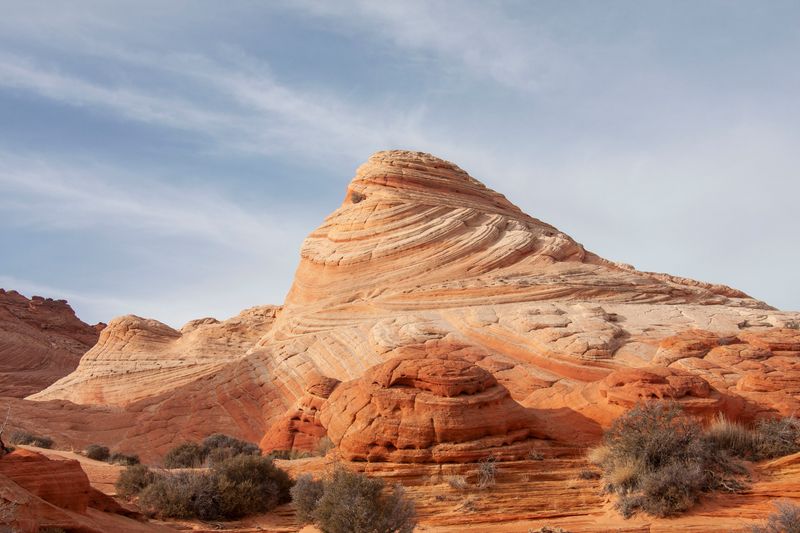
After the canyon, Page spreads out with red rock horizons that hold more quiet views.
Overlooks near town reveal the working edge where water and stone meet.
You can trace the river’s path by reading the light across distant cliffs.
Lake Powell’s inlets appear and fade with shoreline changes over time.
The surface reflects weather like a mirror tuned to the day.
It is an easy place to exhale without leaving the region’s character.
Short drives connect viewpoints where the scale of northern Arizona opens wide.
You notice how the town supports early starts and sandy shoes.
Cafes and quiet streets feel like staging grounds rather than distractions.
Evenings bring a soft glow that lingers longer than expected.
Stars show up quickly when the horizon darkens.
The same calm from the slot seems to follow you outside.
Exploring Page complements the canyon by widening context and pace.
It turns a single highlight into a day that breathes.
The memory of the walls stays close while the sky does the talking.
Essential Info for Antelope Canyon Navajo Tours
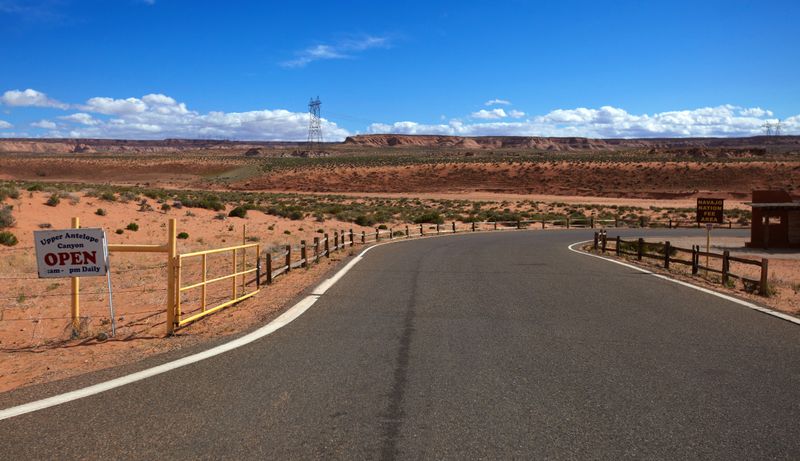
Antelope Canyon Navajo Tours operates along Highway 98 at Milepost 299 near Page, AZ 86040.
The location serves as a starting point for guided access into the slot.
Advance booking is recommended due to structured group departures.
Operating hours typically run during daylight with seasonal adjustments posted by the provider.
Check the official website for current schedules and any advisories.
Staff on site help confirm reservations and answer practical questions.
Tours emphasize safety, cultural respect, and minimal impact practices.
Guests receive clear instructions on photography rules and movement through narrow areas.
Comfortable footwear and a small personal item make navigation easier.
Water and layers help with the shift between sun and shade.
The meeting area is straightforward and designed to keep staging smooth.
Signs and team members guide you to the correct check-in point.
Arizona’s conditions can change quickly, so flexibility helps.
Listening to guides ensures a calm experience from start to finish.
This is the most reliable way to enter and appreciate the canyon responsibly.
Dear Reader: This page may contain affiliate links which may earn a commission if you click through and make a purchase. Our independent journalism is not influenced by any advertiser or commercial initiative unless it is clearly marked as sponsored content. As travel products change, please be sure to reconfirm all details and stay up to date with current events to ensure a safe and successful trip.
