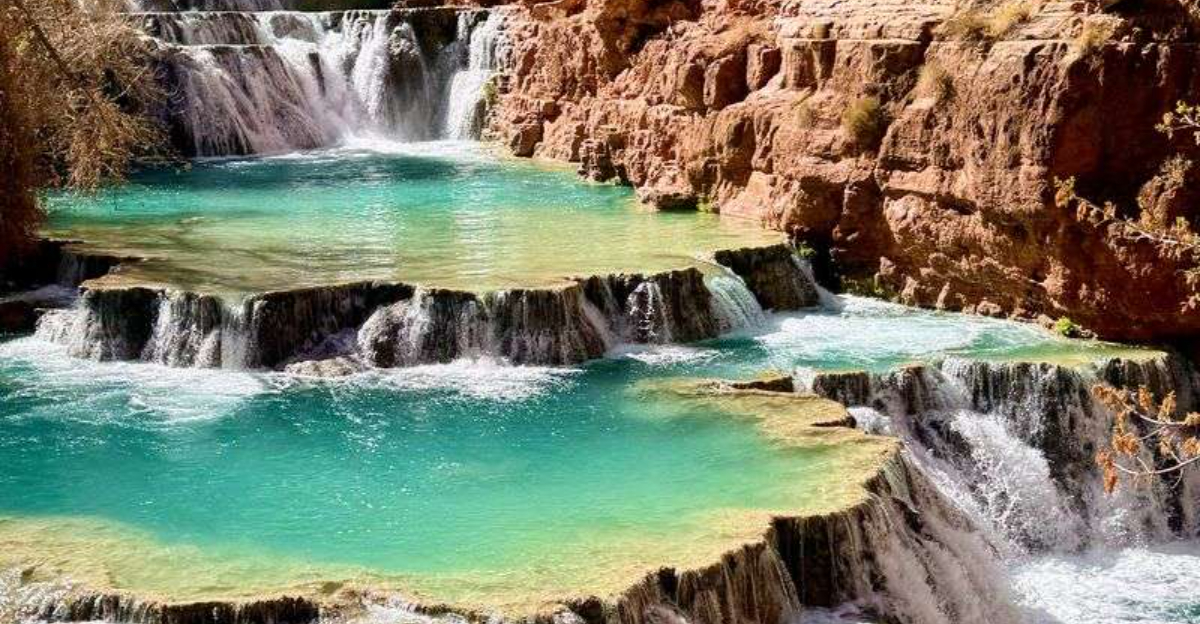
Tucked deep within the Grand Canyon’s winding valleys lies Supai, Arizona, a remote desert village that few travelers ever discover.
This hidden settlement, accessible only by foot, horseback, or helicopter, sits at the heart of the Havasupai Indian Reservation and offers a winter escape unlike any other in the Southwest.
While summer crowds flock to more famous Arizona destinations, locals and in-the-know adventurers seek out Supai during the cooler months for its breathtaking turquoise waterfalls, peaceful isolation, and mild desert temperatures.
The journey to this secluded paradise rewards those willing to make the trek with unforgettable scenery, authentic cultural experiences, and a chance to disconnect from the modern world in one of America’s most extraordinary landscapes.
The Journey Into America’s Most Remote Village
Getting to Supai requires commitment and physical effort that keeps this village wonderfully isolated from mass tourism.
The ten-mile trail from Hualapai Hilltop winds down through stunning red rock formations, dropping nearly 2,000 feet into the canyon below.
Winter transforms this hike into something magical, with cooler temperatures making the descent far more comfortable than the scorching summer months.
Many visitors start their journey before dawn, watching the sunrise paint the canyon walls in shades of orange and pink while the desert air remains crisp and refreshing.
The trail itself tells a story of geological time, with layers of ancient rock revealing millions of years of Earth’s history.
Hikers share the path with pack mules carrying supplies to the village, a reminder that Supai relies entirely on these traditional methods for receiving mail, food, and other necessities.
The sound of hoofbeats echoing through the canyon creates an almost timeless atmosphere.
As you descend deeper into the canyon, the modern world fades away with each switchback.
Cell phone signals disappear, replaced by the peaceful sounds of nature and the occasional call of a canyon wren.
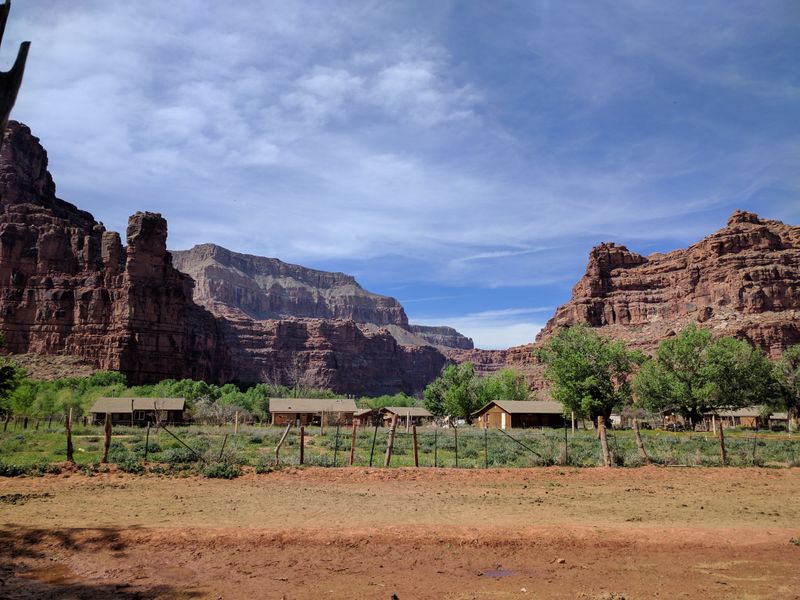
The final approach to Supai village reveals clusters of homes and the small community that has thrived in this remote location for centuries, making the challenging journey feel absolutely worthwhile.
Winter’s Perfect Climate for Desert Exploration
Winter temperatures in Supai create ideal conditions for outdoor adventures that would be nearly impossible during the brutal summer heat.
Daytime highs typically range between 50 and 65 degrees Fahrenheit, allowing hikers to explore without the constant threat of heat exhaustion or dehydration.
The cooler months transform the canyon into a comfortable haven where you can spend entire days hiking to waterfalls and exploring side canyons without wilting under the Arizona sun.
Mornings often start with a pleasant chill that gradually warms as the sun rises higher above the canyon rim.
This temperature range means you can layer clothing effectively, starting with a light jacket that you’ll shed by midday.
The low humidity during winter months makes even the warmest afternoons feel comfortable rather than oppressive.
Evening temperatures drop significantly after sunset, creating perfect campfire weather and clear, star-filled skies that seem to stretch forever.
The lack of summer monsoon rains during winter means more predictable weather patterns and safer hiking conditions.
Flash flood risks decrease dramatically, allowing visitors to explore narrow canyon sections with greater confidence.
The winter sun sits lower in the sky, casting longer shadows and creating dramatic lighting effects on the canyon walls throughout the day, perfect for photography enthusiasts seeking that golden hour glow.
Havasu Falls in Its Winter Glory
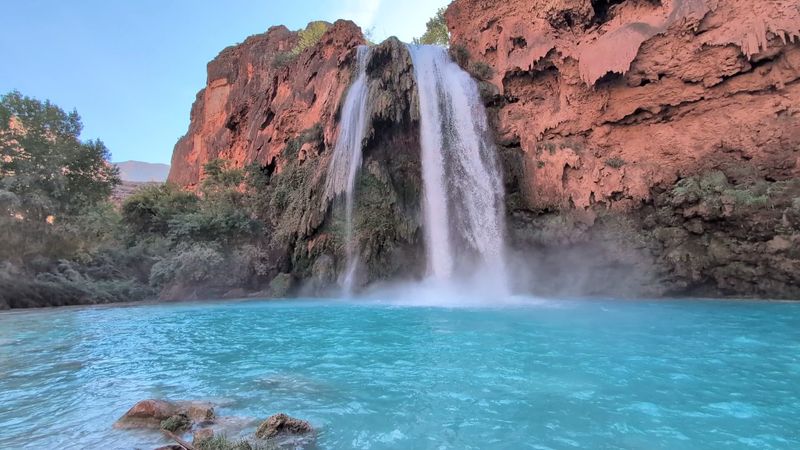
Havasu Falls stands as the crown jewel of Supai, with its stunning turquoise waters creating one of the most photographed waterfalls in North America.
During winter, this natural wonder takes on a completely different character than its summer personality.
The dramatic 100-foot cascade plunges into brilliant blue-green pools that maintain their vibrant color year-round, thanks to high concentrations of calcium carbonate in the water.
Winter visitors discover a more peaceful version of this famous landmark, with significantly fewer people crowding the viewing areas and swimming holes.
The cooler temperatures mean swimming becomes a bracing experience rather than a necessity, though brave souls still take the plunge into the refreshing waters.
The reduced water flow during winter months sometimes reveals rock formations and features hidden during spring runoff season.
Photographers appreciate the softer winter light that doesn’t create the harsh shadows common during summer midday shoots.
The surrounding vegetation takes on subtle winter tones, with cottonwood trees losing their leaves to reveal intricate branch patterns against the red canyon walls.
Morning visits to Havasu Falls during winter offer near-solitude, a rare experience at such a famous natural attraction.
The mist from the falls creates rainbows that dance across the canyon when the sun hits at just the right angle, magical moments that reward early risers willing to make the two-mile hike from the campground.
Mooney Falls and Its Thrilling Descent
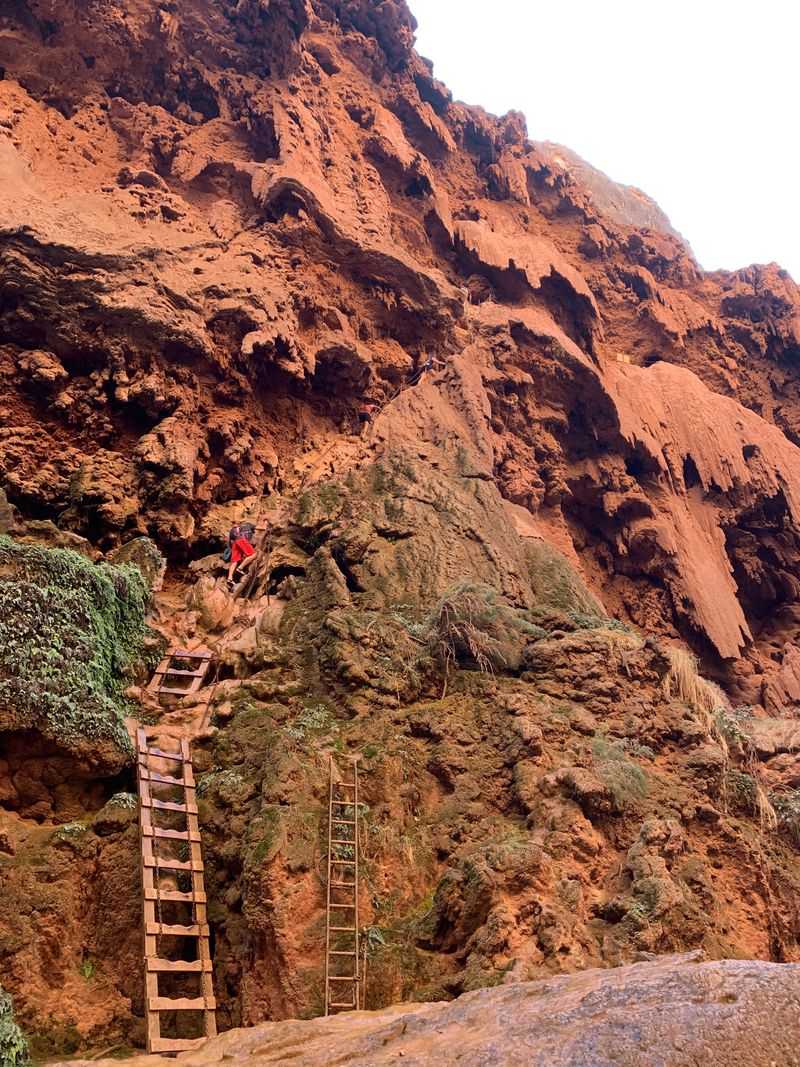
Mooney Falls towers at nearly 200 feet, making it even taller than its more famous neighbor and requiring a adventurous descent to reach its base.
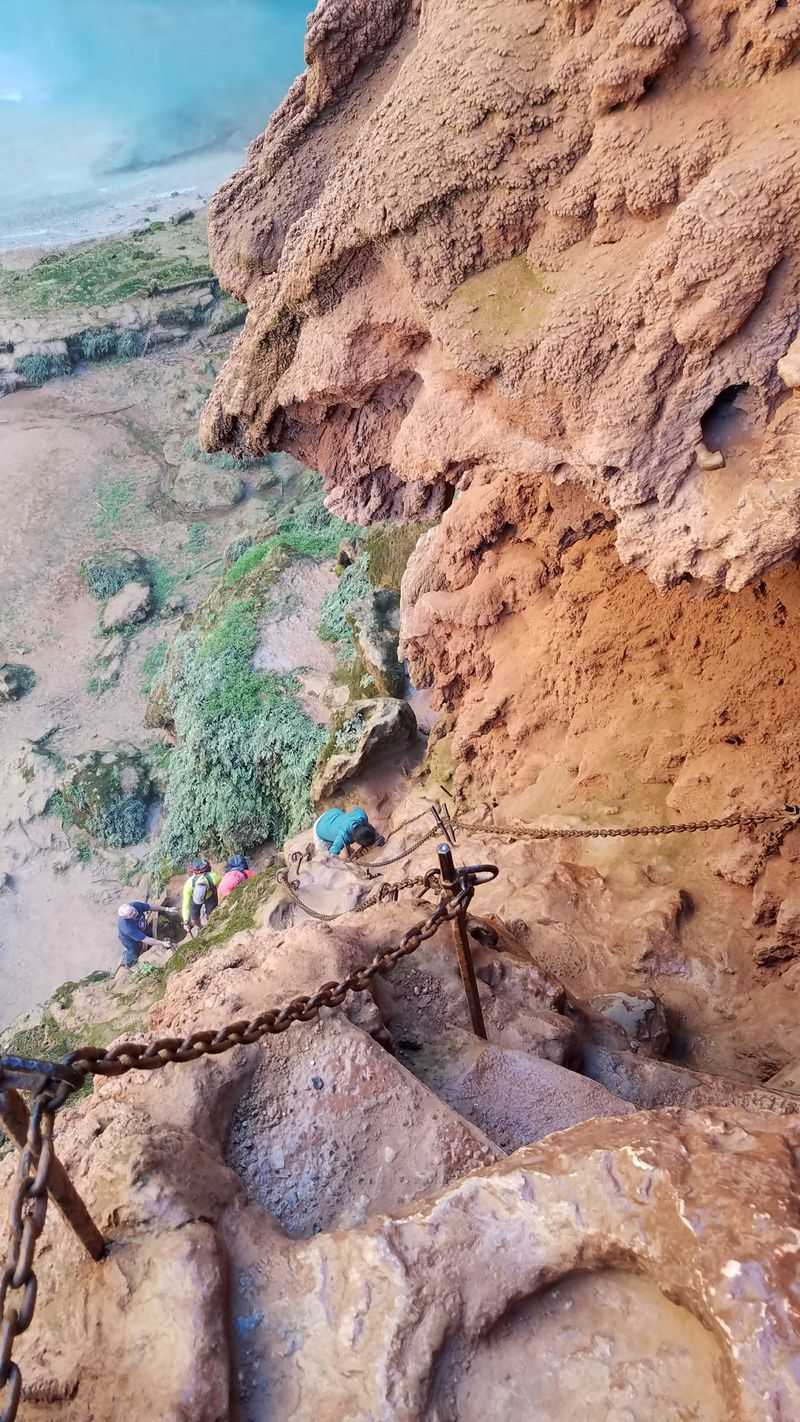
The journey down involves navigating through tunnels carved into the rock face, gripping chains bolted into the cliff, and descending steep ladders that test even experienced hikers.
Winter conditions make this challenging route somewhat less intimidating, as cooler temperatures mean less sweaty palms and better grip on the metal chains.
The waterfall itself crashes down with tremendous force, creating a constant roar that echoes through the narrow canyon.
Spray from the falls creates a microclimate at the base, with moisture supporting lush vegetation that stays green even during winter months.
The pools below Mooney Falls stretch downstream, offering opportunities for exploration and solitude away from the main waterfall area.
Winter’s lower water levels sometimes reveal geological features and rock formations that remain submerged during other seasons.
The climb back up from Mooney Falls provides an excellent workout, but the cooler winter temperatures make the ascent far more manageable than attempting it under the summer sun.
Many hikers find that visiting Mooney Falls in winter allows them to take their time on the descent and ascent without feeling rushed by heat or fatigue.
The sense of accomplishment after successfully navigating this natural obstacle course creates memories that last long after returning home from Supai.
Authentic Havasupai Cultural Experiences
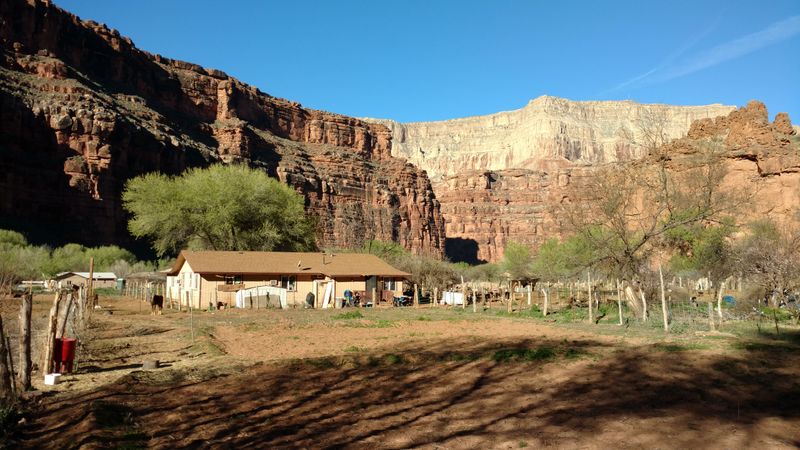
Supai serves as the capital of the Havasupai Indian Reservation, home to the Havasupai Tribe who have lived in this canyon for over 800 years.
Walking through the village provides glimpses into a unique way of life that has adapted to one of America’s most challenging environments.
The small community maintains its cultural traditions while welcoming visitors who respect their land and customs.
A small general store serves as the village’s main commercial hub, offering basic supplies and cold drinks to thirsty hikers.
The post Office in Supai holds the distinction of being one of the last places in America where mail arrives by pack mule, a tradition that continues daily.
Visitors can purchase handmade crafts and jewelry created by tribal members, with each piece reflecting the artistic heritage of the Havasupai people.
The village’s school, church, and community buildings represent the modern infrastructure that supports this isolated population.
Winter months bring a quieter pace to Supai, allowing for more meaningful interactions with residents who have time to share stories about their home.
Understanding the history of the Havasupai people adds depth to any visit, as their connection to this land spans countless generations.
Respecting tribal regulations, including permit requirements and camping restrictions, ensures that Supai remains protected for future generations while allowing current visitors to experience its extraordinary beauty and cultural significance.
Beaver Falls and Beyond the Beaten Path
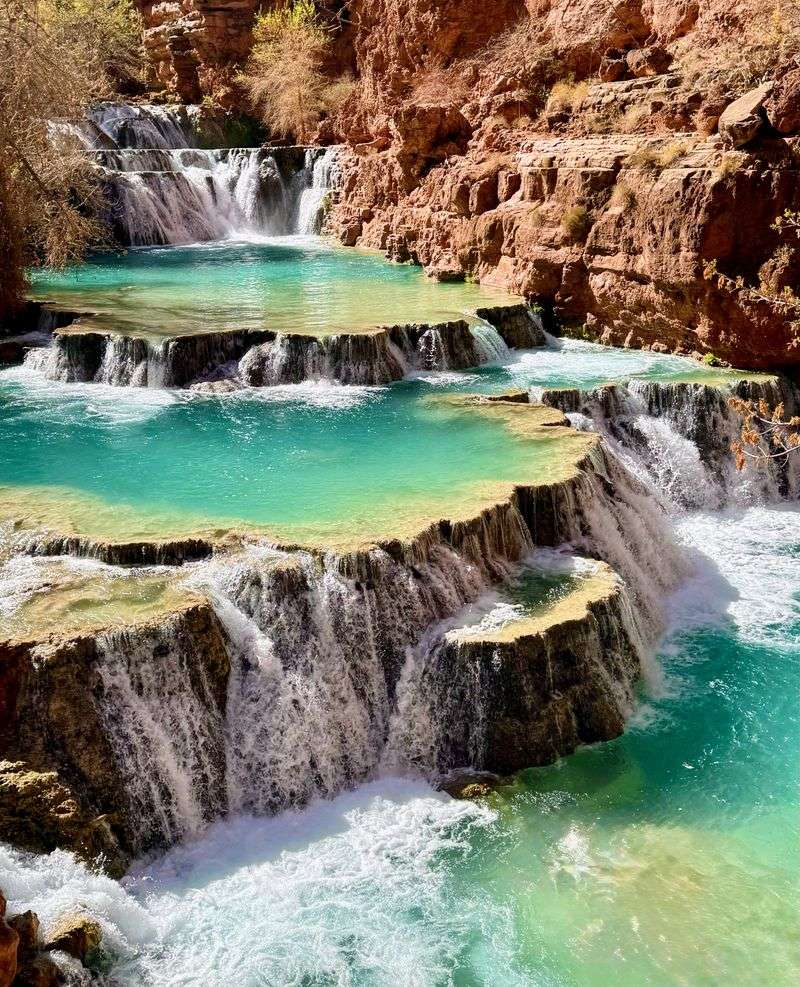
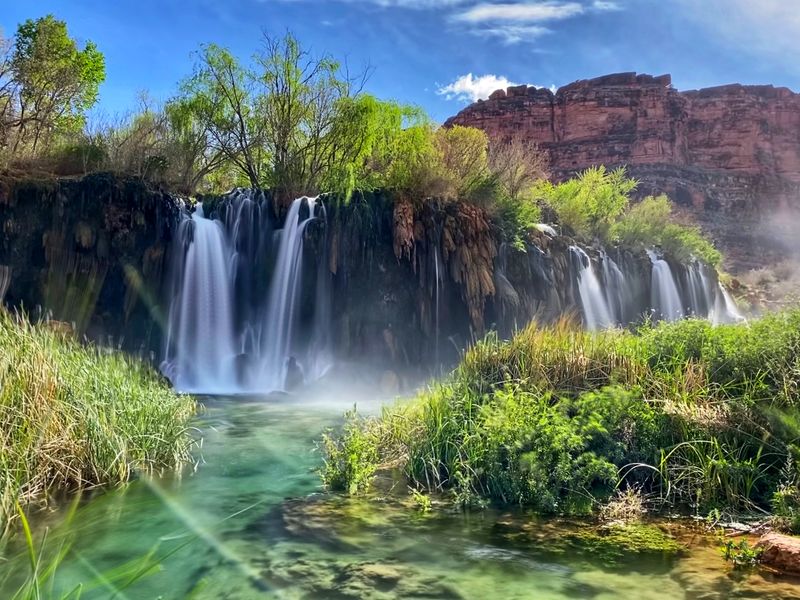
Beyond Mooney Falls lies Beaver Falls, a series of smaller cascades that reward hikers willing to venture further into the canyon system.
The trail to Beaver Falls involves some scrambling over rocks, wading through shallow creek sections, and navigating less-maintained paths that feel more like true wilderness exploration.
Winter water levels make these crossings more manageable, though waterproof boots still prove invaluable for keeping feet dry and comfortable.
The falls themselves consist of multiple tiers and pools, each with its own character and charm.
Mineral deposits create natural dams that hold back pools of brilliant turquoise water, forming terraced landscapes that look almost artificial in their geometric perfection.
Few visitors make it all the way to Beaver Falls, meaning those who do often have these beautiful cascades entirely to themselves.
The solitude found here contrasts sharply with the more popular waterfalls closer to the campground.
Winter’s cooler temperatures make the longer hike to Beaver Falls much more enjoyable, as the round trip can take several hours.
The canyon walls narrow in sections along this route, creating intimate spaces where sunlight filters down in dramatic shafts.
Continuing past Beaver Falls eventually leads to the Colorado River, though this extended journey requires proper planning, supplies, and physical conditioning that most casual visitors might not possess during a typical Supai trip.
Camping Under Winter’s Starlit Canyon Skies
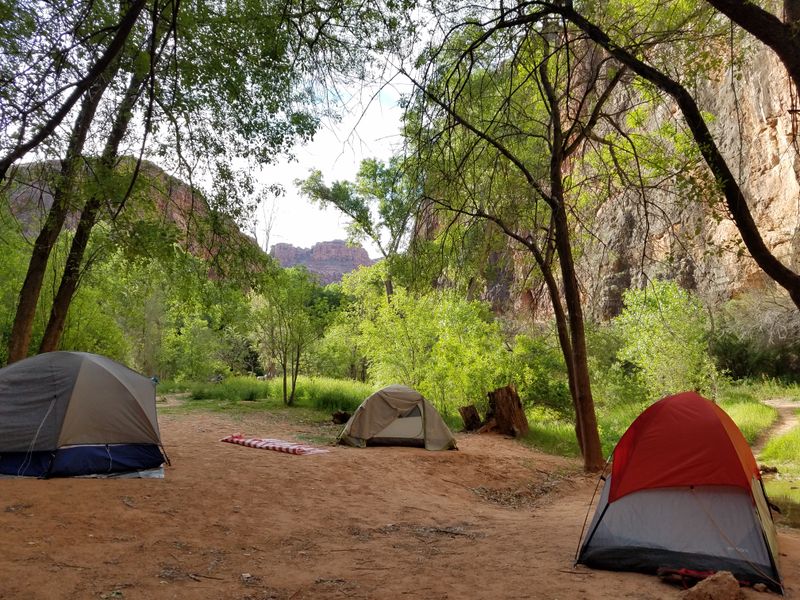
The designated campground near Havasu Falls offers a primitive camping experience that connects visitors directly with the natural environment.
Winter camping in Supai requires proper gear, including a sleeping bag rated for temperatures that can drop into the 30s or even 20s Fahrenheit on cold nights.
The reward for braving these cooler temperatures comes in the form of spectacular night skies unmarred by light pollution.
Stars appear in such abundance that the Milky Way stretches across the sky like a glowing river, creating a celestial display that urban dwellers rarely witness.
The sound of Havasu Falls provides constant background music, a soothing white noise that lulls campers to sleep.
Morning arrives with gradual light filtering down into the canyon, though the sun itself remains hidden behind the rim until well after sunrise.
This delayed sunlight means sleeping in becomes easier, as tents stay cool and dark longer than they would in more exposed locations.
The campground operates on a reservation system, with spaces assigned by the tribe to ensure the area doesn’t become overcrowded.
Picnic tables at each site provide surfaces for meal preparation and gear organization.
Composting toilets serve the campground, and visitors must pack out all trash to maintain the pristine environment.
Winter camping means fewer insects, no scorpions seeking warm sleeping bags, and generally more comfortable conditions for those who come prepared with appropriate cold-weather gear and quality equipment.
The Solitude of Off-Season Desert Adventure
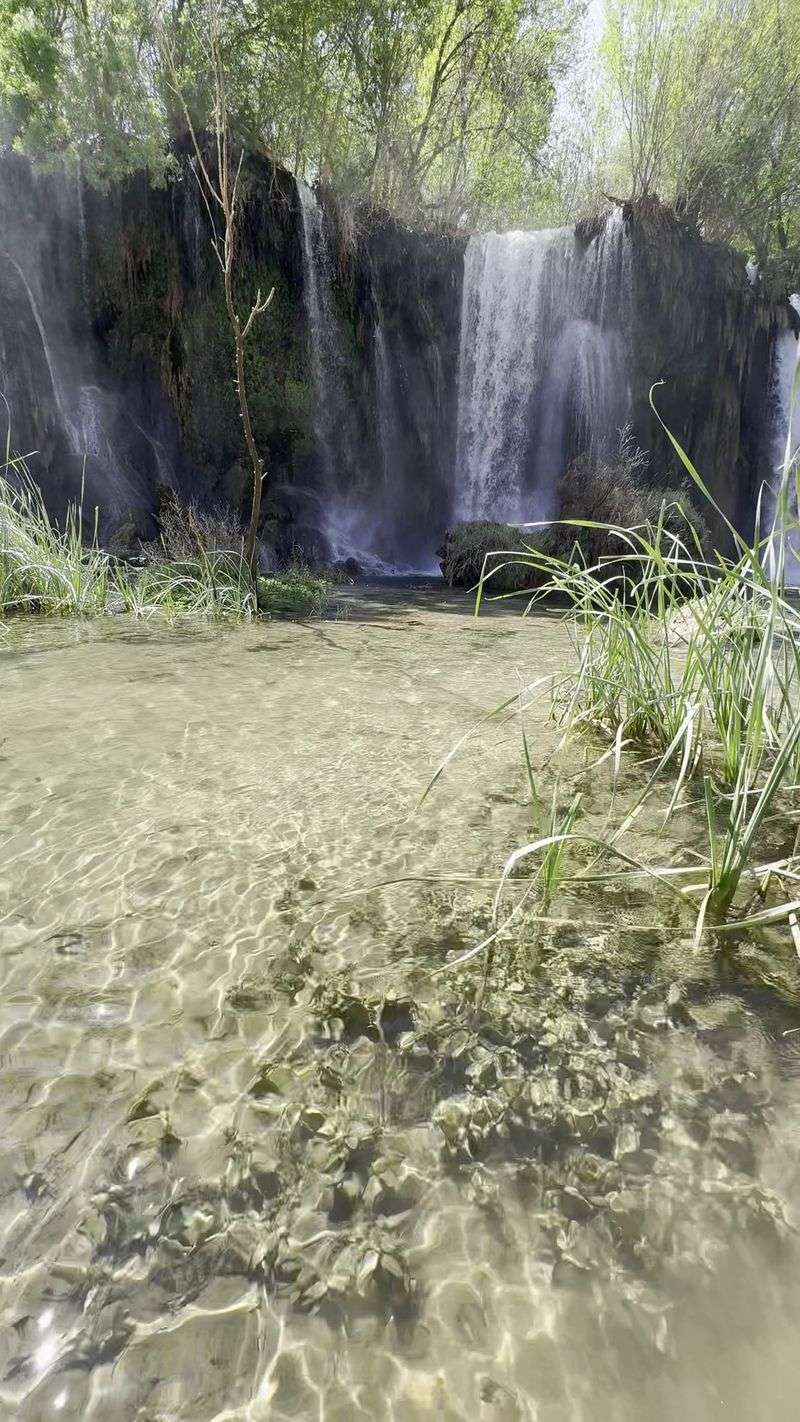
Winter transforms Supai from a busy destination into a peaceful retreat where solitude becomes part of the experience.
The dramatic reduction in visitor numbers during cooler months means trails feel less crowded and popular viewpoints offer space for quiet contemplation.
Locals from across Arizona who know about Supai’s winter advantages often choose these months specifically to avoid the crowds that descend during spring and summer.
The reservation system limits daily visitors, but winter permits become easier to obtain than those for peak season.
This accessibility allows more flexibility in planning trips without booking months in advance.
The peaceful atmosphere during winter months lets visitors truly disconnect from their daily routines and immerse themselves in nature’s rhythms.
Without constant crowds, the waterfalls regain their wild character, feeling more like discoveries than tourist attractions.
Photographers appreciate having locations to themselves, able to set up tripods and wait for perfect light without people walking through their shots.
The slower pace of winter in Supai allows for deeper appreciation of small details: the way light plays on canyon walls, the patterns in the rock layers, the subtle colors in the mineral deposits.
Conversations with fellow hikers become more meaningful when you’re not constantly passing crowds on narrow trails, creating opportunities for genuine connections with other adventurous souls who chose the road less traveled during winter months.
Preparing for Your Winter Supai Journey
Success in Supai during winter requires thoughtful preparation that accounts for the unique challenges of remote desert canyon camping.
Layered clothing proves essential, as temperatures swing dramatically between warm afternoons and frigid nights.
A quality sleeping bag rated for cold temperatures makes the difference between comfortable rest and miserable nights shivering in your tent.
Water remains crucial despite cooler temperatures, as the dry desert air causes dehydration even when you’re not sweating profusely.
Havasu Creek provides water sources, but bringing a reliable filtration system ensures safe drinking water throughout your stay.
Footwear choices matter significantly, with sturdy hiking boots offering ankle support for the long descent and waterproof options helping during creek crossings.
Trekking poles reduce impact on knees during the downhill hike and provide stability on the return climb out of the canyon.
Headlamps with fresh batteries allow for early morning starts and evening activities around camp.
The tribal permit system requires advance reservations and fees, with specific rules about group sizes and camping locations that must be followed strictly.
Packing out all trash maintains the pristine environment and respects the Havasupai land.
Physical conditioning before your trip makes the challenging hikes more enjoyable, as even winter’s cooler temperatures don’t eliminate the demanding nature of canyon hiking with a loaded backpack across ten miles of uneven terrain.
Dear Reader: This page may contain affiliate links which may earn a commission if you click through and make a purchase. Our independent journalism is not influenced by any advertiser or commercial initiative unless it is clearly marked as sponsored content. As travel products change, please be sure to reconfirm all details and stay up to date with current events to ensure a safe and successful trip.
