Tucked away in southern Middlesex County lies Cranbury, a New Jersey township that feels like stepping back into a simpler era.
With a population hovering just under 4,000 residents, this charming community has managed to preserve its historic character while the rest of the state races forward.
If you’re searching for a place where neighbors still wave from their porches and the local downtown looks like a postcard from the past, Cranbury offers exactly that peaceful escape from modern chaos.
Historic Main Street That Captures Small Town America

Walking down Main Street in Cranbury feels like entering a living museum where every building tells a story from centuries past.
The streetscape features beautifully maintained structures dating back to the 18th and 19th centuries, many of which still serve their original commercial purposes today.
Brick sidewalks guide visitors past storefronts with hand painted signs and window displays that haven’t succumbed to corporate branding.
Local business owners often stand outside their shops, ready to greet passersby with genuine warmth rather than sales pitches.
The architecture showcases Federal and Victorian styles, with intricate details like corbelled brickwork and decorative cornices still intact after generations of careful preservation.
Street lamps designed to mimic gas lighting cast a gentle glow during evening hours, creating an atmosphere that modern LED fixtures simply cannot replicate.
Several antique shops line the street, offering treasures that range from vintage postcards to genuine colonial furniture pieces.
The absence of chain stores and fast food restaurants makes this downtown area feel refreshingly authentic in an age of commercial homogenization.
Seasonal decorations transform the street throughout the year, with autumn bringing hay bales and pumpkins, while winter sees twinkling lights adorning every storefront.
Community events frequently close the street to traffic, allowing residents to gather for farmers markets, craft fairs, and holiday celebrations.
Photographers and artists regularly visit to capture the timeless quality of this remarkably preserved Main Street.
The slower pace here isn’t just an illusion but a deliberate choice by residents who value heritage over rapid development.
Cranbury Museum Preserving Three Centuries of Local History
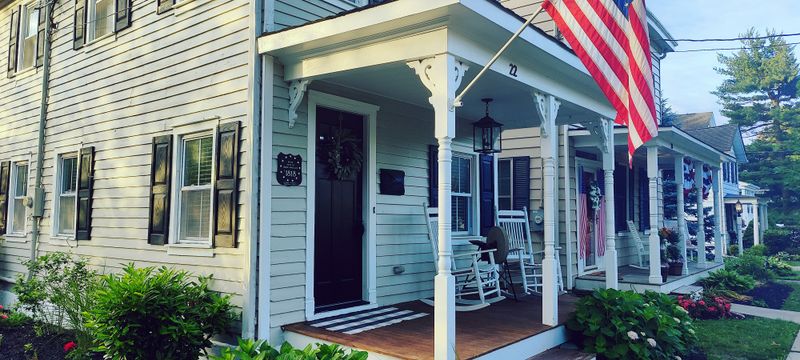
History enthusiasts will find themselves captivated by the Cranbury Museum, where volunteers have carefully assembled artifacts that span over 300 years of township life.
Housed in a historic building that itself qualifies as an exhibit, the museum offers rotating displays that highlight different aspects of local heritage.
Collections include everything from Native American artifacts discovered in the area to Victorian era clothing worn by prominent Cranbury families.
Agricultural implements remind visitors that this township once thrived as a farming community, with orchards and crop fields dominating the landscape.
Photographs displayed throughout the museum show how Main Street appeared in different decades, revealing how much has been preserved and how little has actually changed.
The museum’s dedicated volunteers possess encyclopedic knowledge about local families and can often trace connections between current residents and founding settlers.
Special exhibits throughout the year focus on topics like the Revolutionary War’s impact on Cranbury or the evolution of local commerce over the centuries.
Children particularly enjoy the hands on sections where they can examine replica tools and imagine daily life without modern conveniences.
Documents and ledgers from old businesses provide fascinating glimpses into economic transactions from the 1800s.
The museum also maintains an extensive archive of genealogical records, helping families research their Cranbury roots.
Admission remains remarkably affordable, reflecting the community’s commitment to making history accessible rather than profitable.
Visiting this museum offers context for understanding why Cranbury residents feel such strong connections to their township’s past and work so diligently to protect its character.
You can find it at 4 Park Pl E in Cranbury, New Jersey.
Brainerd Lake Natural Area for Peaceful Reflection
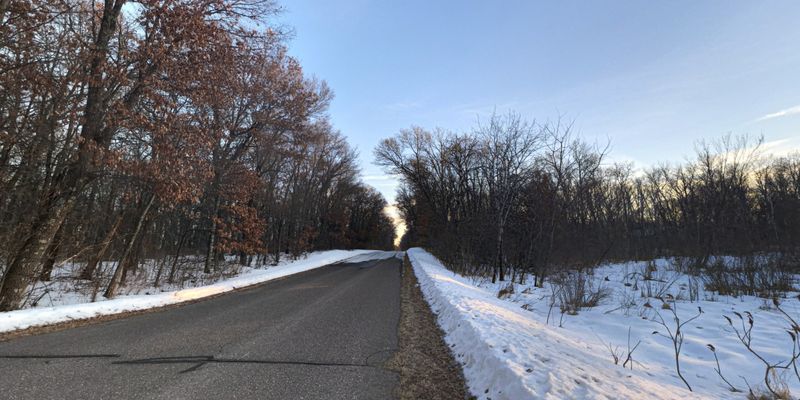
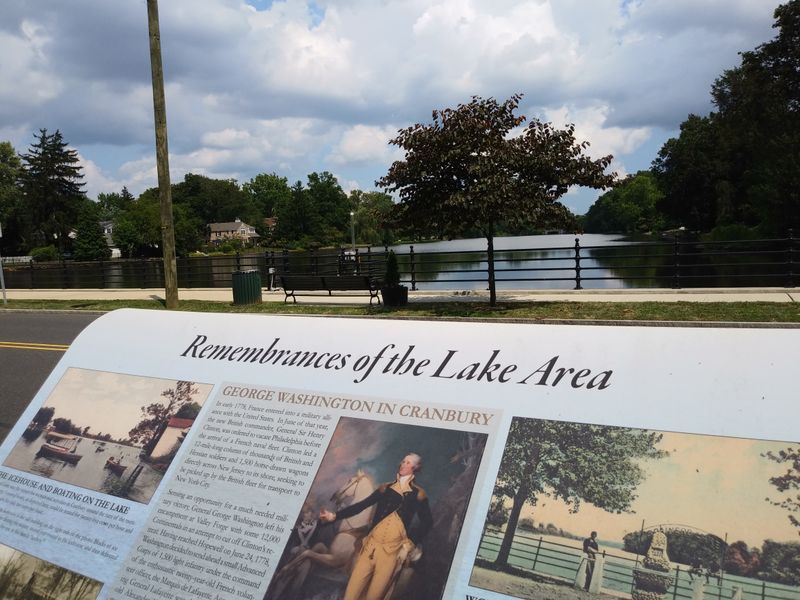
Nature provides its own version of slowing time at Brainerd Lake, where the only sounds come from rustling leaves and waterfowl gliding across the glassy surface.
This 45 acre natural area serves as the township’s green heart, offering residents and visitors a sanctuary from urban pressures.
Walking trails wind through diverse habitats including wetlands, woodlands, and meadows that attract an impressive variety of bird species throughout the year.
Birdwatchers arrive early in the morning with binoculars and field guides, hoping to spot migratory visitors or the great blue herons that frequently fish along the shoreline.
The lake itself reflects the changing seasons like a mirror, with spring bringing blossoms that frame the water and autumn painting the surrounding trees in brilliant colors.
Families often pack picnic lunches to enjoy at designated areas where children can safely explore while parents relax on benches.
The absence of motorized boats preserves the tranquil atmosphere, making this spot ideal for quiet contemplation or sketching the natural scenery.
Educational programs led by local naturalists teach visitors about the ecosystem’s delicate balance and the importance of conservation efforts.
Photographers find endless inspiration in the way morning mist rises from the water or how sunset paints the sky in shades of orange and pink.
Unlike crowded state parks that require advance reservations, Brainerd Lake rarely feels overcrowded even on beautiful weekend afternoons.
The township maintains the trails without over developing the area, striking a perfect balance between accessibility and wilderness preservation.
Simply sitting by the water’s edge here reminds visitors that sometimes doing nothing is the most productive way to spend an afternoon.
Teddy’s Diner Serving Comfort Food Since 1954

Step inside Teddy’s Diner at 49 N Main St, Cranbury, NJ 08512 and you’ll immediately understand why some traditions deserve to last forever.
Since 1954, this family owned establishment has been serving breakfast and lunch to locals who wouldn’t dream of getting their coffee anywhere else.
The menu hasn’t changed dramatically over the decades because regulars would stage a revolt if their favorite dishes disappeared.
Pancakes arrive at the table golden brown and fluffy, exactly as they should be, while the home fries are crispy on the outside and tender within.
Counter seating allows solo diners to chat with staff who remember everyone’s usual orders and ask about family members by name.
Booth seats have been reupholstered countless times but maintain their original vintage chrome trim that gleams under fluorescent lighting.
The coffee flows endlessly from pots that seem never to empty, served in thick ceramic mugs that keep beverages hot throughout long conversations.
Lunch specials include classic sandwiches and homemade soups that change daily based on what the kitchen staff feels inspired to prepare.
Prices remain remarkably reasonable compared to trendy brunch spots in nearby cities that charge double for half the portion size.
The atmosphere buzzes with genuine community interaction as neighbors catch up on local news and debate township matters over their meals.
Elderly residents who’ve been coming here for fifty years sit alongside young families introducing their children to this Cranbury institution.
No one rushes you to finish and leave because the staff understands that meals here serve social purposes beyond simple nutrition.
Cranbury School Fostering Close Knit Educational Community
Education takes on a distinctly personal quality at Cranbury School, where small class sizes ensure that no student becomes just another face in the crowd.
Teachers often instruct multiple children from the same family over the years, creating continuity that helps them understand each student’s unique learning style and needs.
The school building itself reflects the township’s commitment to maintaining traditional values while incorporating modern educational tools and methods.
Parent involvement reaches levels rarely seen in larger districts, with volunteers regularly assisting in classrooms and organizing enrichment activities.
Students walk or bike to school along safe streets where neighbors keep watchful eyes, eliminating the need for the massive bus fleets common in sprawling suburban districts.
School events draw nearly the entire community, whether it’s a holiday concert, science fair, or sports competition.
The smaller student population means that everyone gets opportunities to participate in activities rather than competing for limited spots on teams or in clubs.
Teachers know not just their current students but often their siblings, parents, and sometimes even grandparents who attended the same school decades earlier.
This continuity creates accountability and pride as families invest across generations in maintaining educational excellence.
The school’s location within walking distance of most homes reinforces the sense of community rather than isolating education in a distant facility.
Academic performance consistently ranks high despite the lack of fancy facilities found in wealthier districts, proving that relationships matter more than resources.
Students develop strong bonds with classmates who often remain friends throughout their lives, creating networks that strengthen the entire township.
Downtown Coffee House Where Conversations Linger

Unlike chain coffee shops designed for rapid turnover, the downtown coffee house in Cranbury actually encourages customers to settle in and stay awhile.
Mismatched comfortable furniture creates cozy nooks where readers lose themselves in novels or friends catch up over steaming mugs.
The aroma of freshly roasted beans fills the space, sourced from a regional roaster who visits personally to discuss flavor profiles with the owner.
Local artwork adorns the walls, rotating every few months to give different artists exposure while adding visual interest to the space.
Baristas take time to perfect each drink rather than racing through orders, understanding that quality matters more than speed in this community.
Regulars have their favorite seats and preferred beverages, but newcomers receive equally warm welcomes and patient explanations of the menu.
Baked goods come from a local bakery each morning, arriving still warm and selling out by early afternoon.
The shop hosts occasional open mic nights and book club meetings, serving as an informal community center beyond its primary function.
Free WiFi attracts remote workers who appreciate the change of scenery from home offices, though many find themselves distracted by interesting conversations happening nearby.
Unlike corporate locations with strict policies, the staff here uses common sense and kindness when dealing with customers.
Students preparing for exams spread their materials across large tables without feeling pressured to leave after finishing their drinks.
The slower pace allows for spontaneous interactions that might lead to new friendships or business connections in ways that rushed transactions never could.
Community Garden Plots Connecting Neighbors Through Growing
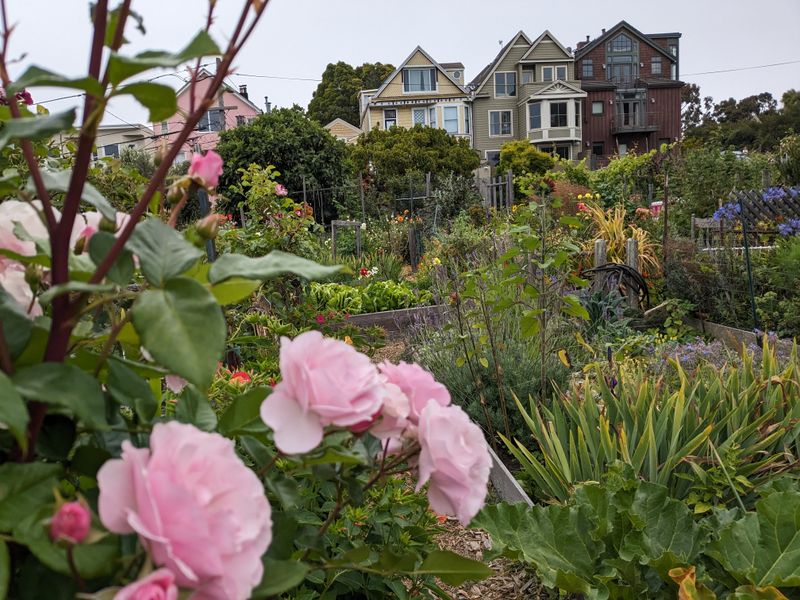
Behind the municipal building, residents tend individual plots in the community garden where tomatoes grow alongside friendships and zucchini plants spark recipe exchanges.
The garden program began years ago when several families wanted to grow vegetables but lacked sufficient yard space at their homes.
Now dozens of plots showcase everything from traditional vegetables to experimental herb varieties and cutting flower gardens.
Gardeners range from experienced growers who’ve been farming for decades to complete beginners learning which end of a seed goes into the soil.
The beauty of this arrangement lies not just in the produce harvested but in the knowledge freely shared between neighbors.
Experienced gardeners mentor newcomers, demonstrating proper pruning techniques or explaining how to identify pest problems before they destroy entire crops.
Children learn where food actually comes from by helping their families plant, weed, and harvest throughout the growing season.
The garden creates a natural gathering spot where people stop to chat while watering or weeding, conversations flowing as easily as the water from shared hoses.
Unlike anonymous suburban neighborhoods where residents barely know who lives next door, the garden builds genuine connections through shared purpose.
Surplus produce gets left on a sharing table where anyone can take what they need, embodying the community spirit that defines Cranbury.
Seasonal workdays bring everyone together to prepare beds in spring or clean up in autumn, with potluck lunches following the physical labor.
The slower rhythm of gardening, where growth cannot be rushed regardless of how impatient we feel, perfectly mirrors the township’s overall pace of life.
Village Church Anchoring Community Life for Generations
The church steeple visible from most points in downtown Cranbury serves as more than an architectural landmark but as a symbol of continuity across generations.
Families have worshiped in this building for over two centuries, with some current members able to trace their congregation involvement back five or six generations.
The interior retains its historic character with wooden pews worn smooth by countless worshipers and stained glass windows that cast colorful patterns across the sanctuary.
Beyond Sunday services, the church functions as a community hub hosting everything from scout meetings to concert series to support groups.
The congregation’s commitment to service manifests through food drives, volunteer programs, and outreach efforts that benefit the entire township regardless of religious affiliation.
Holiday celebrations here draw even residents who rarely attend regular services because these events feel woven into Cranbury’s cultural fabric.
The church cemetery adjacent to the building contains graves of founding families, creating a tangible connection between present residents and those who built this community.
Walking through the graveyard reveals township history through weathered headstones marking births and deaths from the 1700s onward.
Church bells mark the hours throughout the day, a practice that feels charmingly old fashioned compared to digital notifications constantly demanding our attention.
The building itself requires constant maintenance, with fundraising efforts bringing the community together to preserve this shared heritage.
Young couples married here often return decades later with their own children for baptisms, continuing family traditions that strengthen township bonds.
The slower, more contemplative atmosphere inside these walls offers respite from the accelerated pace of modern life beyond Cranbury’s borders.
Dear Reader: This page may contain affiliate links which may earn a commission if you click through and make a purchase. Our independent journalism is not influenced by any advertiser or commercial initiative unless it is clearly marked as sponsored content. As travel products change, please be sure to reconfirm all details and stay up to date with current events to ensure a safe and successful trip.
