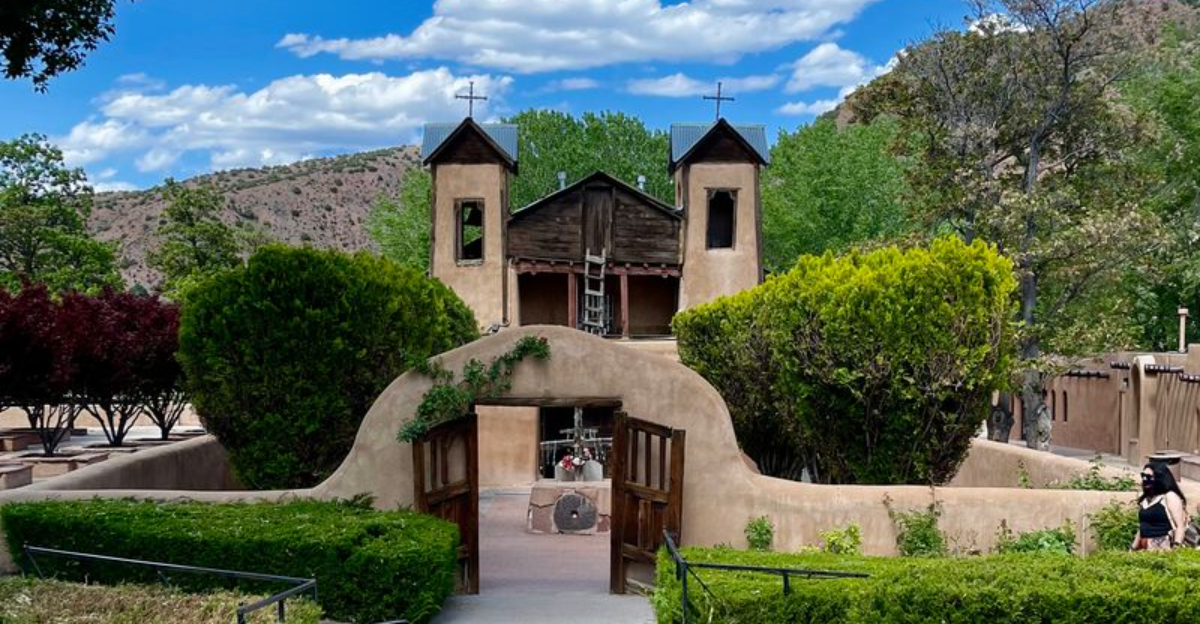
Tucked between the Sangre de Cristo foothills and high desert light, Chimayó invites you to slow down and listen.
You feel history breathe through adobe walls, woven wool, and quiet chapels.
Each corner promises stories, craft, and a sense of place that only New Mexico can hold.
Walk with curiosity, and the village opens like a whispered secret.
El Santuario de Chimayó
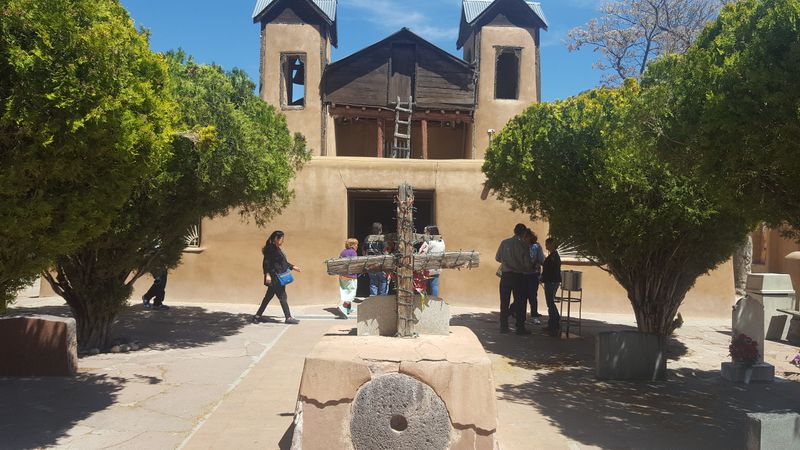
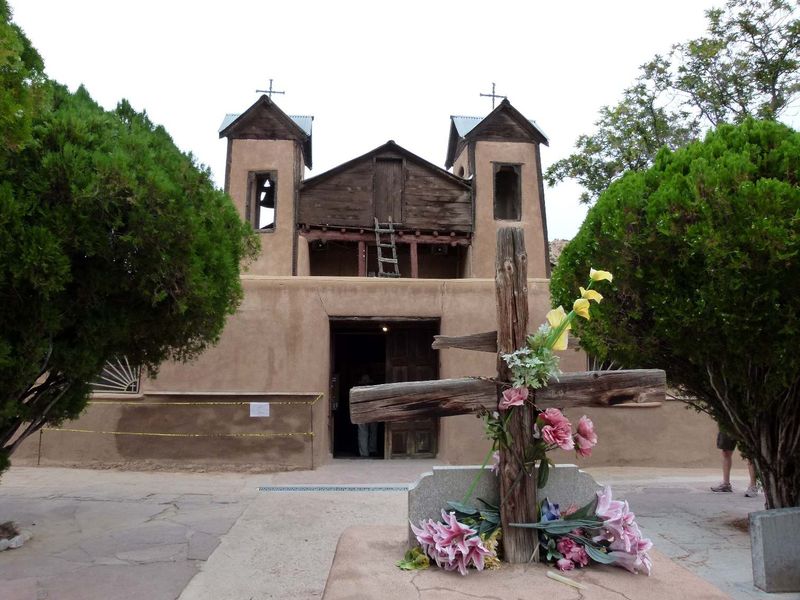
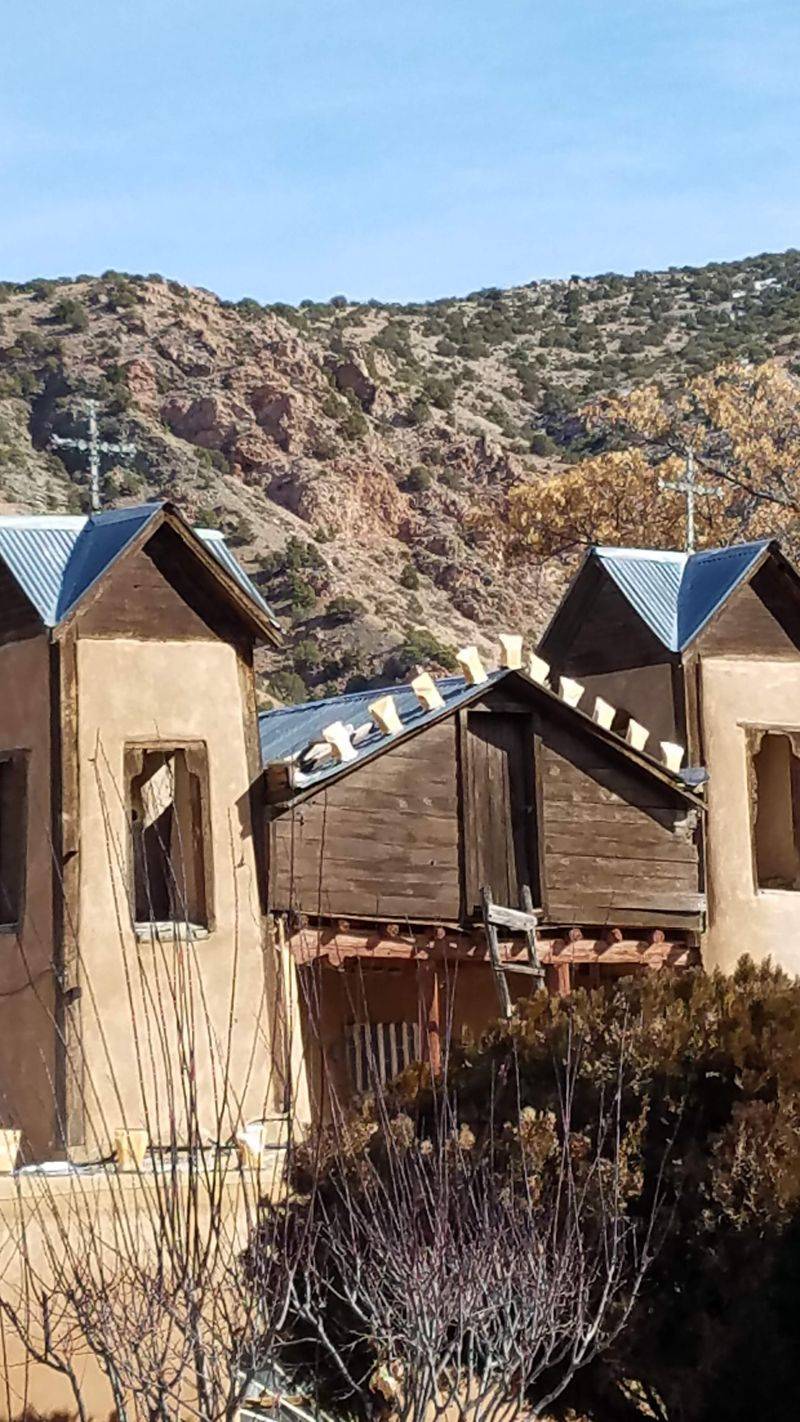
El Santuario de Chimayó rests low against the land, its adobe shoulders warmed by New Mexico sun.
Two modest belfries frame the sky, and a wooden door creaks softly as pilgrims slip inside.
You feel hush settle immediately, a calm that lingers like incense.
The chapel is intimate, with worn floors and painted retablos that glow in filtered light.
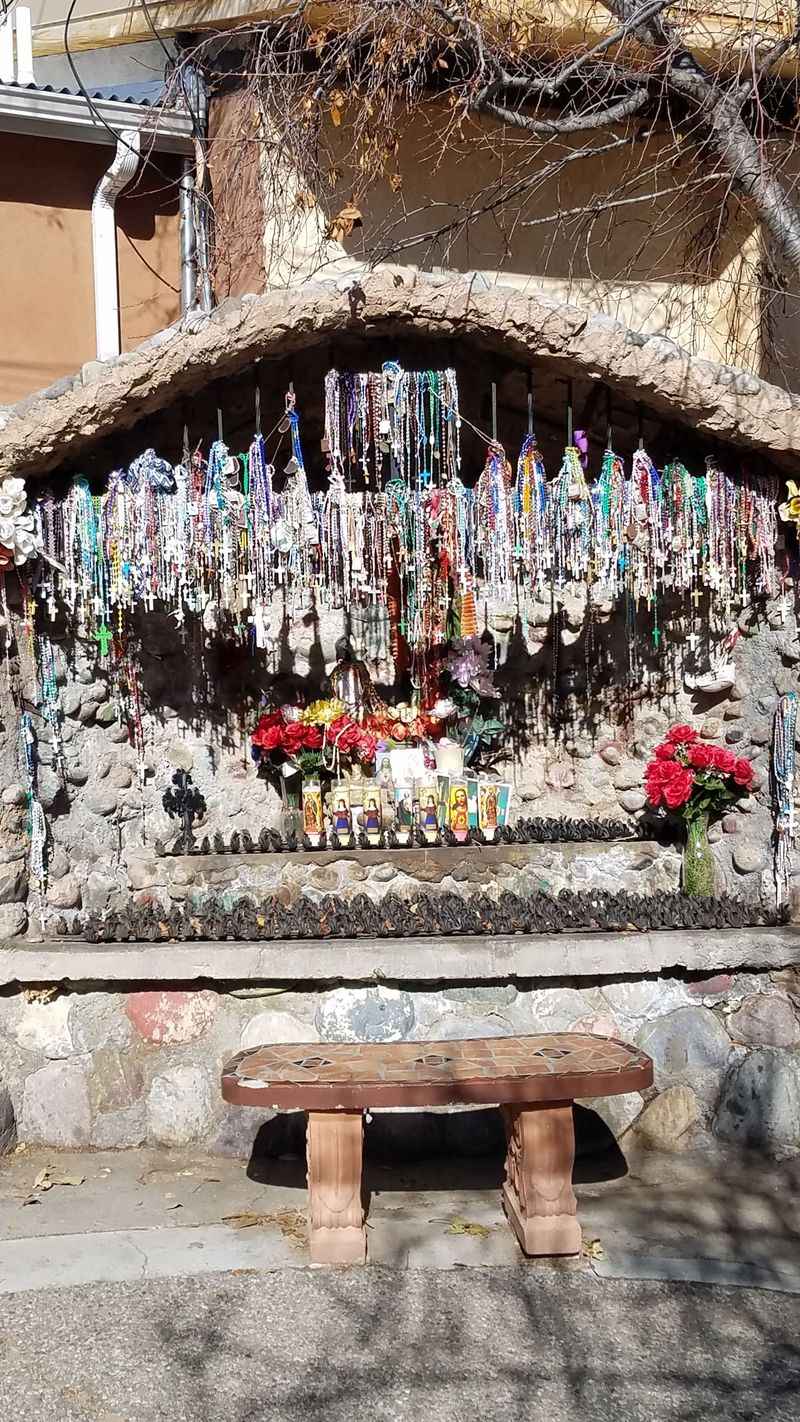
Walls hold milagros and notes, quiet testimonies of pain and gratitude.
Every detail invites you to breathe, to slow your steps, to listen.
In a small side room, a shallow pit contains the tierra bendita that draws travelers from far and near.
People lean down, cupping a pinch, then pausing in reflection before returning to the pews.
Whether you come in hope or curiosity, the space meets you gently.
Outside, cottonwoods rustle and the arroyo carries a faint whisper.
The Santuario’s architecture feels handmade and human, shaped by community hands and devotion.
Adobe contours soften edges, and shadows move across earthen walls.
This is not spectacle, it is sanctuary, humble and steadfast.
Docents often share context about Bernardo Abeyta and the Santuario’s origins.
Stories weave together faith, healing, and the region’s layered history.
You leave the nave with the sense that time stretches differently here.
Pilgrims return in cycles, tying the present to generations before.
The site holds both mystery and everyday care, swept floors and tended altars.
New Mexico’s spirit feels concentrated in this one chapel.
It is a place to set burdens down, and to carry quiet courage back out.
The Holy Dirt, Tierra Bendita
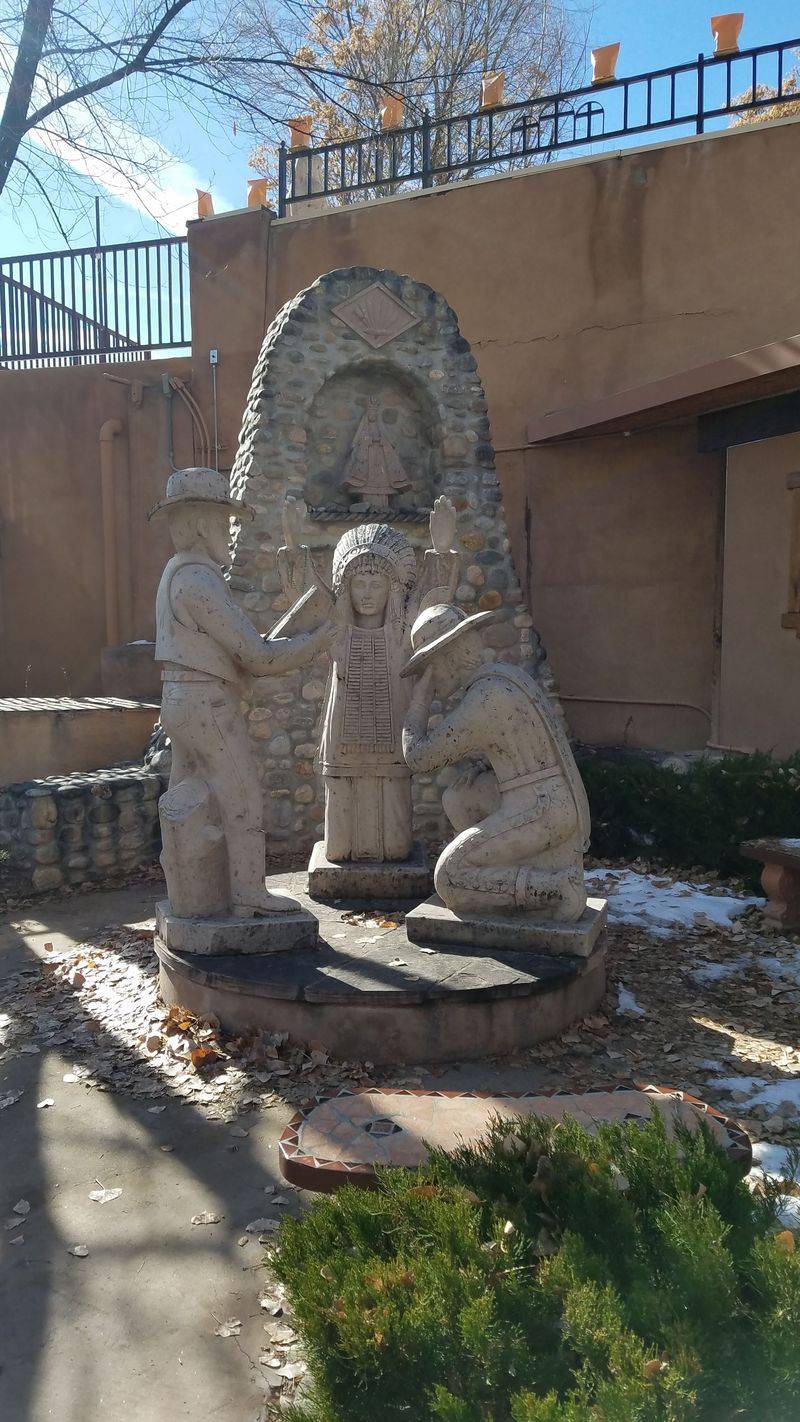
Inside a small room off the nave, light lands softly on a rounded pit of earth.
The air carries a cool stillness, and footsteps fall gentle on the floor.
You feel the gravity of countless prayers gathered here.
Visitors approach the holy dirt with care, scooping a bit, then pausing in thought.
No one speaks loudly, as if words might disturb the quiet.
The space invites attention to breath, to presence, to intention.
Retablos and tokens line the surrounding walls, each a note of hope.
They form an archive of human longing, carefully placed and remembered.
The ritual is simple, and that simplicity is powerful.
Nothing is flashy, everything is direct, embodied, and tactile.
Whether your belief is strong or uncertain, the room meets you respectfully.
The experience becomes personal, guided by your own reasons for coming.
It is an encounter with tradition that New Mexico has protected.
Generations have taught the rhythm of this visit, steady and caring.
You step back into the chapel carrying quiet focus.
Outside, the courtyard’s breeze feels steadier, the sunlight warmer.
No souvenir could replace the memory of this moment.
It lingers like a gentle hand on the shoulder.
Many return year after year, keeping their own promises.
The room remains the same, holding stories without judgment.
Holy Week Pilgrimage Routes
During Holy Week, quiet roads become living threads that pull toward the Santuario.
The routes pass sagebrush and low ridges, carrying footsteps and promises.
You feel the companionship of people you may never meet.
Some pilgrims begin far away, others start nearby, each holding a private intention.
The walk is measured, unhurried, and practical, mile by mile.
It becomes a pattern of breath, horizon, and patience.
Local volunteers often help with directions and safety information.
Communities greet walkers with nods, a wave, or a quiet smile.
Every gesture keeps the focus on care and mutual respect.
The landscape answers with big sky and changing light.
Approaching Chimayó, you sense a soft crescendo in the land.
Shoulders relax, and the chapel’s silhouette anchors your path.
New Mexico’s spring air feels both brisk and generous.
The pilgrimage is not a performance, it is a practice.
Some carry photos, others carry memories you cannot see.
Arrival is not triumph, it is presence, simple and complete.
Inside, the pew lifts your weight, breath steadies, and gratitude gathers.
You add your quiet to the room’s layered hush.
Stepping out, the road looks different, familiar and changed.
The journey home begins with lighter steps and clearer eyes.
Chimayó Red Chile Heritage
Ristras hang like crimson notes against adobe, gleaming in dry New Mexico light.
The village breathes chile, not as trend but as lineage.
You notice care in every step from seed to harvest.
Local families cultivate small fields, adapting to soil and season.
Flavor here carries memory, a spectrum that runs deep.
It scents porches, storerooms, and market stalls with quiet pride.
Conversations turn to weather, water, and careful roasting.
Hands know when pods are ready, when patience turns to action.
The result is distinctive, layered, and unmistakably place based.
Ristras also serve as welcome, bright cords near doorways.
They signal hospitality and the promise of a good meal.
They also signal endurance through years of tending.
In Chimayó, chile is community, not simply ingredient.
It threads through celebrations, gatherings, and daily routine.
You feel that thread in courtyards and along fences.
Sun and wind finish what growers began months earlier.
The color deepens, turning walls into warm galleries.
Travelers carry the look of these strings in their minds.
They remember how the ristras moved gently in the breeze.
The image becomes a postcard that never fades.
Ortega’s Weaving Shop
Wooden looms stand ready, beams polished by years of work.
Wool hangs in rich colors, waiting for skilled hands.
You hear the imagined rhythm of shuttle and beat.
At Ortega’s Weaving Shop, tradition shows through design.
Patterns balance restraint with bold symmetry and quiet surprise.
Each piece reads like a map of place.
Textures hold the mountain light and desert shadow.
Edges are clean, and the hand is confident.
You trace geometry with your eyes, then pause.
Display walls turn the room into a calm gallery.
The smell of wool and wood feels grounding and honest.
Everything suggests continuity, not trend or hurry.
Generations have kept techniques steady while exploring new ideas.
Materials and motifs echo the land’s subtle palette.
The result is durable beauty for daily life.
New Mexico’s craft heritage breathes within these threads.
You understand why visitors return to this address.
The shop keeps the door open to conversation and care.
It invites learning, looking, and thoughtful choosing.
You step out calmer than when you arrived.
Centinela Traditional Arts
Centinela Traditional Arts presents weaving as living language, patient and precise.
Adobe walls shelter rooms filled with rugs, yarn, and light.
You notice thoughtful curation that lets each piece breathe.
Patterns draw from Chimayó conventions and subtle regional shifts.
Edges carry the steady pace of practiced hands.
Nothing feels hurried, everything feels considered and sure.
The studio atmosphere encourages quiet attention and curiosity.
You move slowly, letting colors settle in your mind.
Wool textures read like small landscapes under your fingers.
The work honors elders while speaking in present tense.
Shelves hold history without closing doors on innovation.
Designs evolve, still grounded in place and lineage.
New Mexico’s light enters and changes the room’s mood.
It warms reds, softens grays, and sharpens white edges.
Every shift reveals another facet of craft.
You leave with a stronger sense of how textiles teach.
They teach patience, listening, and the geometry of care.
They also teach that beauty is built in layers.
Centinela invites you to see time as a material.
The lesson lingers long after the door closes.
Spanish Colonial Folk Art
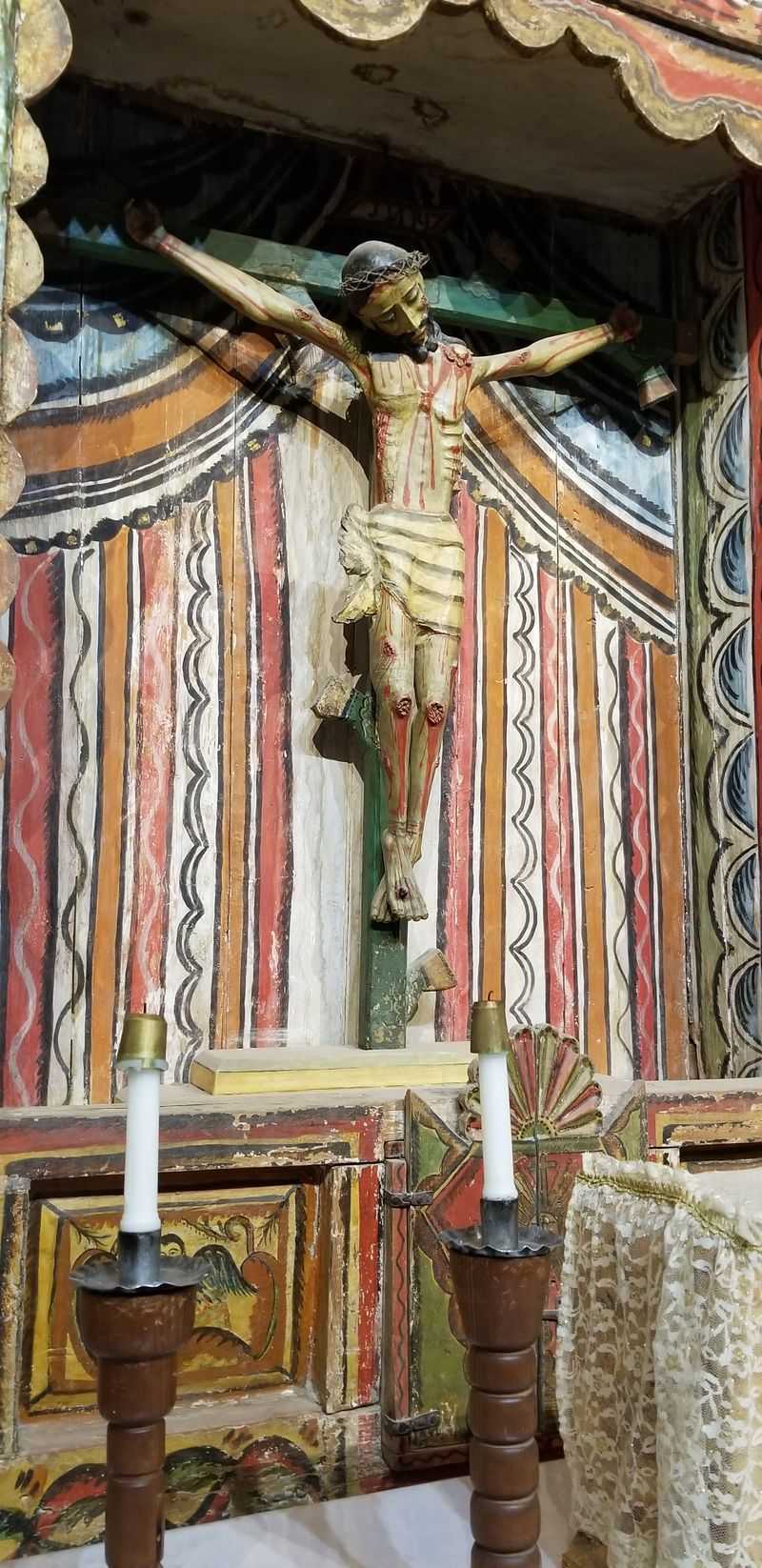
Retablos and bultos gather in quiet rooms, lit softly from above.
Tinwork frames reflect a warm sheen across adobe walls.
You sense reverence without stiffness, craft alive and approachable.
Faces in the carvings feel humble, steady, and kind.
Painted saints carry colors that have settled with time.
Brush marks hold the maker’s steady breath and focus.
The gallery arrangement encourages slow looking and reflection.
Benches offer a pause between moments of attention.
Every object tells a chapter of community and faith.
The pieces come from households, chapels, and careful workshops.
They serve both devotion and daily presence in rooms.
They also serve continuity across generations of makers.
New Mexico’s layered identity comes forward in these forms.
Spanish, Indigenous, and local lifeways meet in the details.
Metal, pigment, and wood speak a shared language.
You trace edges, notice small tool marks, and smile.
Nothing here is distant, even when it is old.
The intimacy of scale keeps you grounded and near.
This is art that stays close to the body.
You leave feeling steadier, as if blessed by attention.
Adobe Architecture and Placitas
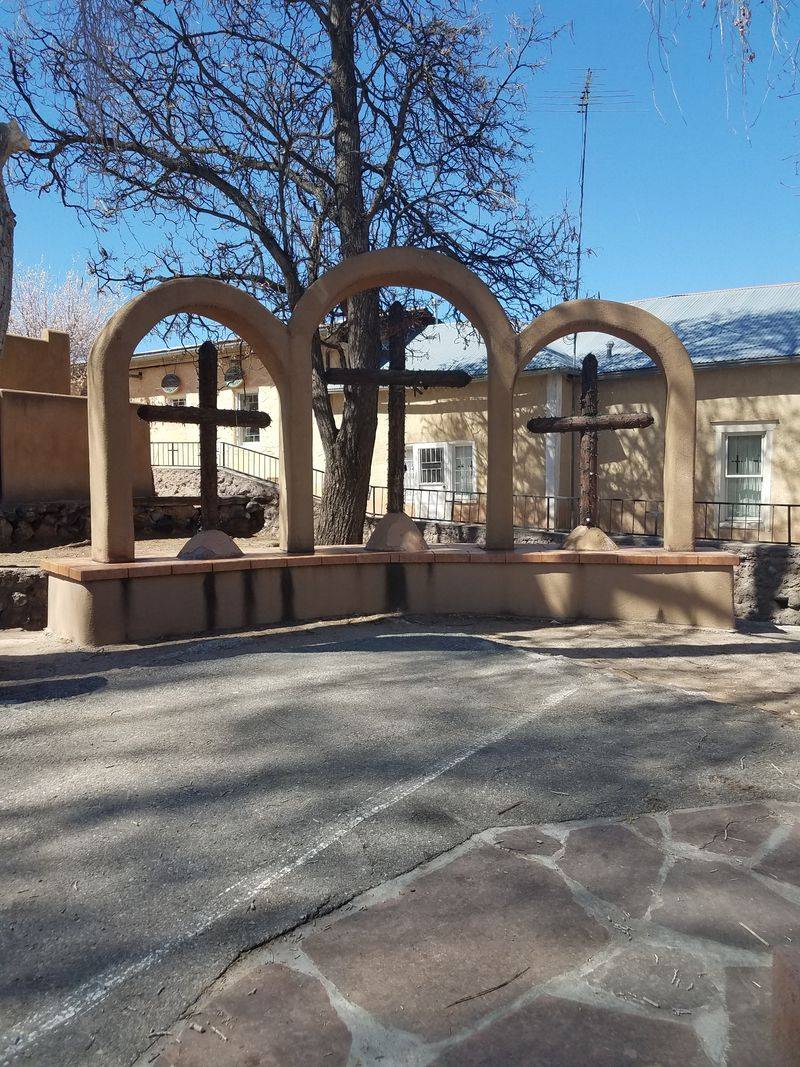
Adobe homes sit low, their curves catching long afternoon shadows.
Wooden vigas extend like quiet ribs beneath the roofline.
You notice doorways painted in blues that calm the eyes.
Placitas gather breeze, shade, and the hum of daily life.
Courtyards hold tools, benches, and a sweep of potted plants.
Every corner looks both practical and welcoming at once.
Footpaths carry you past stacked wood and weathered gates.
Walls feel handmade, layered with straw and patience.
Stucco shows the seasons through subtle shifts and repairs.
Nothing stands out loudly, yet everything feels distinct.
The neighborhood presents itself with courtesy and restraint.
You adjust your pace to match its calm rhythm.
New Mexico’s light warms the facades into soft glow.
Shadows lengthen and define edges with gentle precision.
Even simple door latches seem worthy of attention.
Dogs announce your passing, then settle back to watching.
Chimes mix with leaves, and time loosens its grip.
Architecture here protects, shelters, and gathers people well.
It keeps heat at bay and welcomes cool evenings.
You carry its quiet with you down the road.
Rancho de Chimayó Restaurant
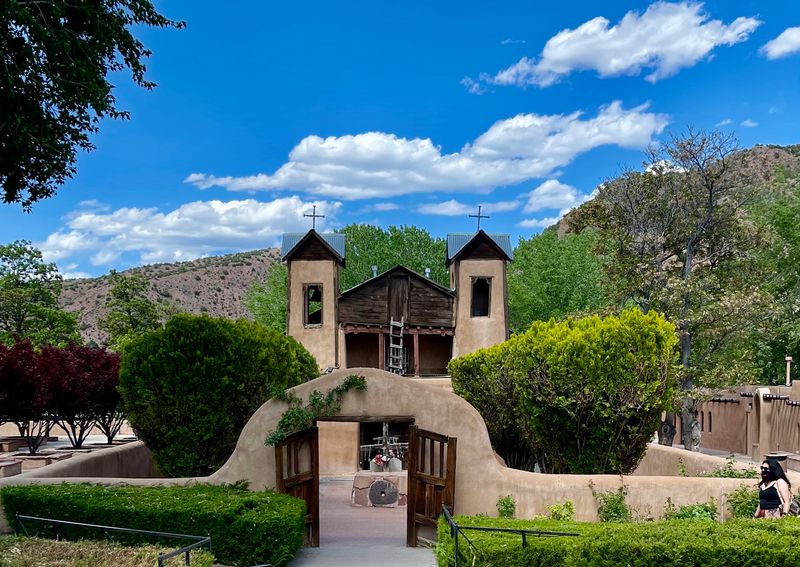
Rancho de Chimayó sits among trees and adobe, welcoming with calm grace.
Courtyard seating spreads beneath dappled light and wooden beams.
You feel conversation soften as the garden air cools.
The building’s details honor local craft and steady hands.
Walls glow with earthen color, and textures invite touch.
Every room seems tuned to comfort and ease.
Local chile anchors the kitchen’s sense of place distinctly.
Menus shift with season, always rooted in regional tradition.
Staff move with practiced rhythm that keeps everything unhurried.
New Mexico’s hospitality shines without show, simple and sure.
Inside, framed photos and textiles add context and warmth.
Seating feels generous, with quiet corners for conversation.
The architecture keeps the mood grounded and clear.
Evening light turns the courtyard into a gentle stage.
Shadows lengthen against adobe and carved wood.
The experience stays with you longer than expected.
You remember the sound of chairs on flagstone.
You remember how the breeze carried the scents.
It feels like a pause, not an interruption.
You leave refreshed, carrying the village’s steady heartbeat.
Spiritual Quiet and Desert Edges
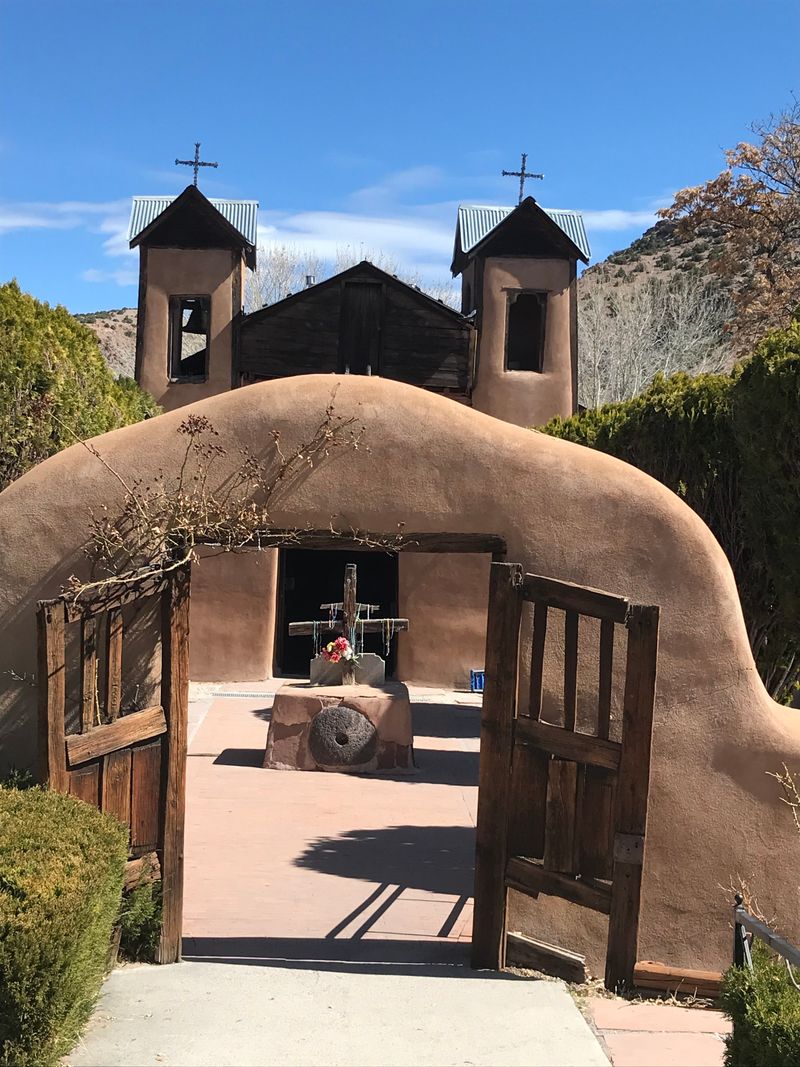
At the edge of the village, quiet widens into open space.
Chamisa brightens the path, and cottonwoods mark water.
You hear the soft run of an acequia nearby.
A simple bench offers rest and a measured view.
Clouds drift slowly, never in a hurry to leave.
Breath matches the pace of shadows on gravel.
Here, spirituality feels woven into ordinary minutes.
Silence is not empty, it is attentive and kind.
Landscape and mood cooperate instead of competing.
The result is ease, not spectacle or noise.
New Mexico’s horizon holds your gaze without forcing it.
Colors mute and brighten as the light turns.
Even the wind behaves like a careful neighbor.
It visits, speaks softly, and moves along.
Walking back, thoughts settle into clear order.
You carry fewer worries and more simple observations.
The village greets you again like a friend.
Its streets feel familiar, though not yet finished.
You know you will make another lap tomorrow.
The path will be ready, patient as ever.
Layers of Cultural Heritage
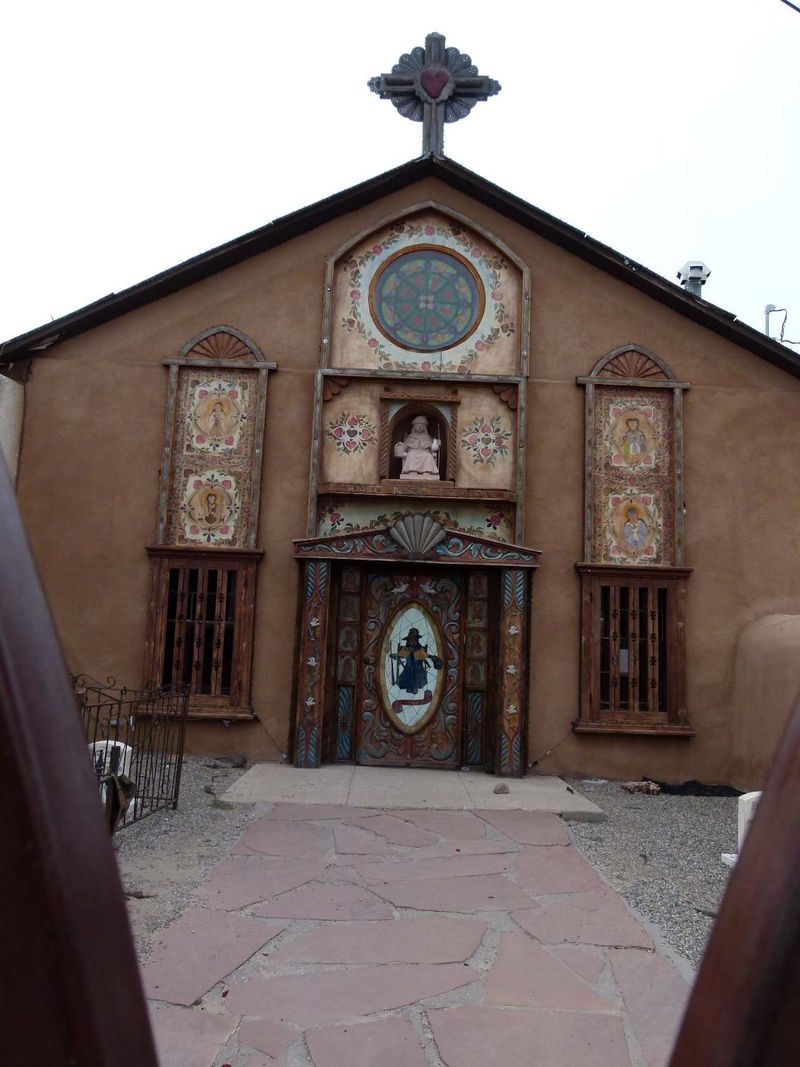
Chimayó gathers stories where rivers of culture meet and mingle.
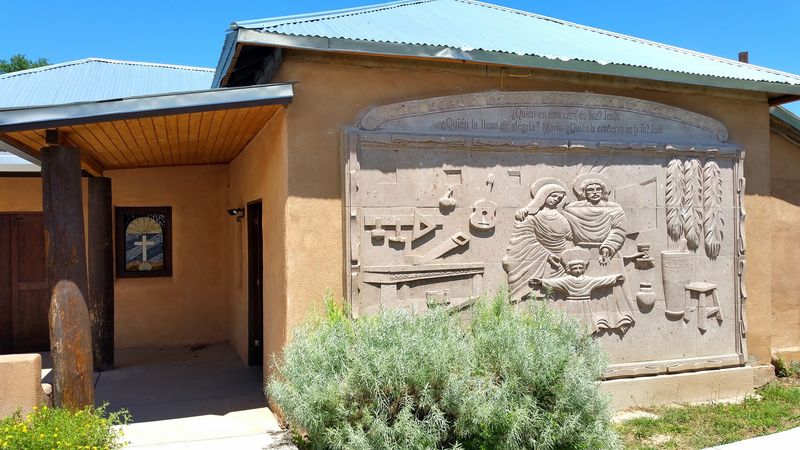
Interpretive rooms present photos, textiles, and careful captions.
You follow threads from Tewa homelands to Hispanic settlement.
Place names echo older languages that still shape the land.
Panels explain how traditions bend without losing their core.
They show resilience as a daily, local practice.
Weaving, carving, and farming appear as living continuums.
Each craft holds both memory and present usefulness.
Objects speak alongside voices recorded from community elders.
The tone is respectful, clear, and grounded.
You sense care in every chosen detail and date.
Context links the village to larger New Mexico patterns.
Regional history steps close enough to feel personal.
Nothing is abstract once you stand in these rooms.
Maps, samples, and textures ask for slow attention.
Your understanding deepens with each gentle reveal.
The takeaway is not nostalgia, it is continuity.
Heritage becomes a set of working tools today.
You leave ready to notice more in every alley.
The village answers by offering more to notice.
Dear Reader: This page may contain affiliate links which may earn a commission if you click through and make a purchase. Our independent journalism is not influenced by any advertiser or commercial initiative unless it is clearly marked as sponsored content. As travel products change, please be sure to reconfirm all details and stay up to date with current events to ensure a safe and successful trip.
