Whidbey Island sits quietly in Puget Sound, close to Seattle yet wrapped in its own fog of stories. Locals will tell you it is beautiful by day and contemplative by twilight, but they choose their nighttime stops carefully. History here is thick with coastal forts, working beacons, and pioneer-era barns, and some visitors say the past occasionally taps them on the shoulder. If you are curious, this guide shares what to know before you linger after dark on one of Washington’s most storied islands.
1. Fort Casey State Park
Fort Casey State Park anchors the western edge of Whidbey Island with hulking concrete batteries and sweeping views across Admiralty Inlet. Built in the early twentieth century as part of the Harbor Defenses of Puget Sound, it now welcomes hikers, historians, and photographers.
Park rangers and longtime visitors have collected stories for decades, including footsteps along empty corridors and a woman’s voice reported near Battery Turman and its neighboring casemates. None of this is proven, yet the acoustics of the bunkers and constant wind can produce odd echoes that prompt second glances.
By day, the site is easy to explore with clear trails and well-placed interpretive signs. After sunset, visibility drops and the architecture becomes a maze of stairwells and shadowed rooms. Practical advice is simple: bring a reliable flashlight, know your route, and stick with a partner. Wildlife is active at dusk, and the bluffs sit above cold, fast water, so staying on marked paths matters. The site is managed within Washington’s state park system, which keeps facilities maintained and posts seasonal updates. Whether you visit for military history or local lore, patience and preparation will reward you with a thoughtful look at a key piece of Washington heritage.
2. Crockett Barn
Crockett Barn stands a short walk from the bluffs, facing fields and wetlands fed by Crockett Lake. Built in the nineteenth century and carefully maintained, it hosts community events and wedding rentals that keep the structure in active use.
Local lore speaks of rustling in the rafters after dark and fleeting movement at the periphery of vision. Old barns creak, and rodents are common, which provides a practical explanation for many sounds. Still, reports continue, often after late cleanups when the property is quiet and the wind picks up from Admiralty Inlet.
Visitors can admire the exterior during daylight and follow nearby trails where birds feed in the marsh. The area is part of a respected birding corridor in Washington, and seasonal closures may protect habitat. If you are walking near sunset, carry a headlamp and wear reflective layers, as county roads have limited shoulders. Event schedules determine access, so check listings if you hope to see the interior. Photographers should aim for soft light that brings out the wood grain and rooflines. Whether you come for history, wildlife, or local folklore, Crockett Barn offers a grounded look at Whidbey Island’s working past.
3. Admiralty Head Lighthouse
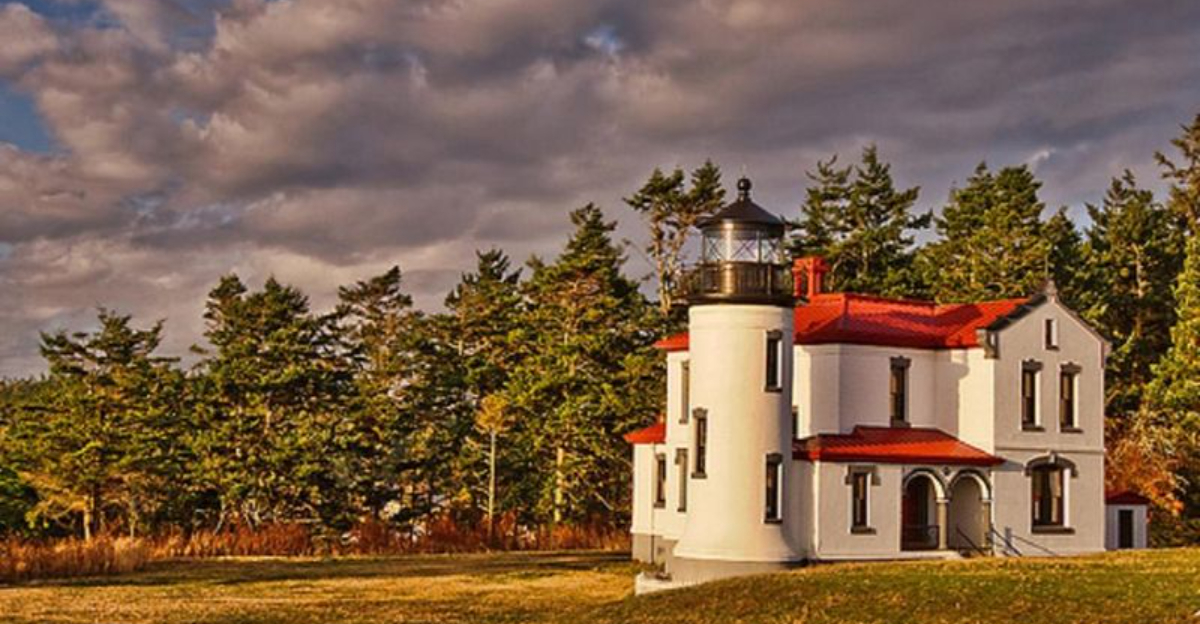
Perched above the strait, Admiralty Head Lighthouse guards a busy shipping lane and lends context to Washington maritime history. The current structure dates to the early 1900s and houses exhibits on optics, local tribes, and coastal navigation.
Volunteers sometimes share anecdotes about a woman in period dress seen near the grounds, and a few guests report soft voices in the fort batteries downhill. These accounts remain unverified, though they persist in local letters and tour chatter. More tangible is the steady sea wind, which threads through corridors and can sound like whispers when doors shift.
Daytime visits offer clear views to the Olympics and informative displays curated by park partners. If you visit near dusk, stay mindful of uneven steps and limited lighting around the bluff. The lighthouse’s exterior is the star, and seasonal openings of the interior are posted by Washington State Parks and the nonprofit keepers group. Photographers appreciate the soft marine light, especially in late autumn. Respect posted boundaries and restoration areas to preserve the site’s masonry. Whether you leave with a ghost story or just a camera roll of handsome angles, the lighthouse offers a calm but compelling stop on Whidbey Island.
4. Captain Whidbey Inn
Set on Penn Cove, the Captain Whidbey Inn blends cedar shingles, low porches, and steady water views. Operating since the early 1900s, it has hosted travelers, writers, and island families through many eras. Guests occasionally mention encounters with the so-called gray lady, described as a former cleaner who wanders hallways at night.
These stories are part of the inn’s folklore and are not documented beyond personal accounts. The building’s age and creaky staircases can heighten awareness of every sound, especially when the cove’s tide slaps the shore after dark.
By day, common rooms showcase historic photos and nautical touches that reflect Washington coastal culture. Modern operations keep the property welcoming, and staff can share details about renovations and landscape stewardship. If you visit in the evening, mind low lighting, respect quiet hours, and watch for narrow steps. The grounds include gardens and waterfront nooks that are best seen with morning light. While some visitors seek ghost tales, many come for calm surroundings and easy access to nearby towns. The inn’s endurance illustrates how hospitality and preservation can coexist on Whidbey Island without losing a sense of place.
5. Ebey’s Landing National Historical Reserve
Ebey’s Landing National Historical Reserve protects farms, prairie, and shoreline within a living community. Established through a partnership model, it preserves working landscapes while allowing residents to carry on daily life.
Sunset on the bluff trail is stunning, and the drop to the beach is significant. Some walkers share accounts of voices carried strangely on the wind or a feeling of being watched along the switchbacks. Those sensations likely owe more to steep terrain, wind shear, and the wide horizon than anything spectral, yet the area’s long human history makes the mind wander.
Practical planning is key here. Stay on signed routes to protect fragile vegetation, and check tide levels if you plan a beach return. Weather shifts quickly in Washington coastal zones, so layers and a headlamp help if you linger after dusk. Interpretive panels highlight Indigenous history and early settler life without crowding the trail experience. Birders should bring binoculars for raptors that work the updrafts. The reserve’s collaborative model is a point of pride in Washington and a smart example of preservation that supports both heritage and habitat.
6. Coupeville Waterfront and Wharf
Coupeville’s waterfront centers on a classic wharf that has served the community for generations. The pier hosts interpretive displays and a small visitor area that explains Penn Cove’s maritime trade and ecology.
Evenings are peaceful, with gulls settling and lights reflecting off the water. Some locals note unusual sounds beneath the decking at night, which likely come from pilings shifting with the tide, clams popping, and boat gear knocking in the swell. While ghost stories circulate, practical causes usually account for what people hear.
The town’s storefronts close earlier than big-city schedules, and sidewalks can be dark between streetlights. Bring a light if you plan a late stroll and watch for wet boards that become slick. Washington weather often brings mist, which adds atmosphere but reduces visibility on the pier. Seasonal events and small museums operate on limited hours, so verify times before visiting. The waterfront’s charm lies in its authenticity and slow pace, offering a quiet counterpoint to busier island spots. It is a gentle place to learn about local history and the shellfish ecology that shapes life around Penn Cove.
7. Fort Ebey State Park
Fort Ebey State Park combines surf pounded bluffs, mossy forest, and World War II bunkers that draw explorers. The gun emplacements are smaller than those at Fort Casey but provide a similar sense of coastal defense history.
Hikers sometimes report echoes and cold pockets within the tunnels after dark, which have natural explanations in airflow and concrete temperature. Cyclists like the inland trails, while paragliders gather at the bluff when conditions line up. The park’s setting showcases a different facet of Washington coastline, more rugged and less formal than nearby areas.
For safe visits near sunset, carry a map or download the trail network in advance. Cell coverage can be patchy, and junctions look alike in low light. Stay aware of cliff edges and keep dogs leashed where posted, as the bluffs are under constant erosion. Washington State Parks updates closures when storms affect the shoreline, so check notices before you go. If you are here for history, allow time to read the interpretive signs and compare the batteries to Fort Casey’s. The combination of forest, shore, and wartime relics makes the park memorable without relying on folklore.
8. Admiralty Inlet Waterways and Viewpoints
Admiralty Inlet funnels tidal energy between the Strait of Juan de Fuca and Puget Sound, creating busy waters and striking views. Pullouts near Fort Casey and other public access points offer safe vantage spots to watch passing ships and ferries.
At night, the combination of navigation lights, wind, and surf can produce odd patterns that some interpret as unusual activity. Mariners rely on charts and signals to navigate this corridor, and visitors should do the same by respecting posted boundaries and keeping well away from bluffs.
For a low-stress visit, arrive before dusk to get your bearings and identify safe paths back to parking. Bring layers, as Washington evenings cool quickly even in summer. Tripods help with long exposures, but set them behind railings and away from eroding edges. Wildlife often appears at twilight, including seals and sea birds, so give space and keep noise down. The viewpoints tie together the island’s military history and maritime present, letting you watch the same waters that shaped settlement patterns across Washington. It is a contemplative way to close a day on Whidbey Island without pushing into risky terrain.
Dear Reader: This page may contain affiliate links which may earn a commission if you click through and make a purchase. Our independent journalism is not influenced by any advertiser or commercial initiative unless it is clearly marked as sponsored content. As travel products change, please be sure to reconfirm all details and stay up to date with current events to ensure a safe and successful trip.
