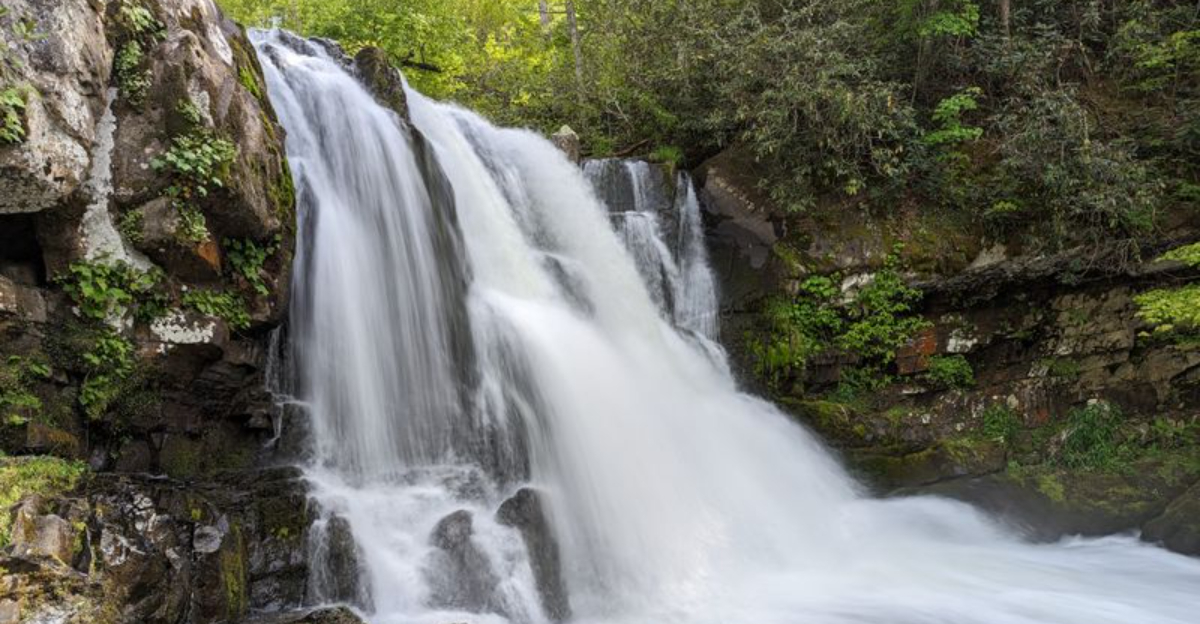
Tucked away in the heart of the Great Smoky Mountains, Laurel Falls Trail offers one of Tennessee’s most breathtaking waterfall experiences that feels like stepping into your own private paradise.
This stunning 2.6-mile round-trip hike leads adventurers through lush old-growth forest to a spectacular 80-foot waterfall that cascades down moss-covered rocks in two beautiful tiers.
Whether you’re a seasoned hiker or just looking for a family-friendly outdoor adventure, Laurel Falls combines accessibility with natural beauty in a way that makes every visitor feel like they’ve discovered something truly special.
Get ready to explore everything that makes this trail an unforgettable Tennessee treasure worth adding to your bucket list.
A Paved Path That Welcomes Everyone
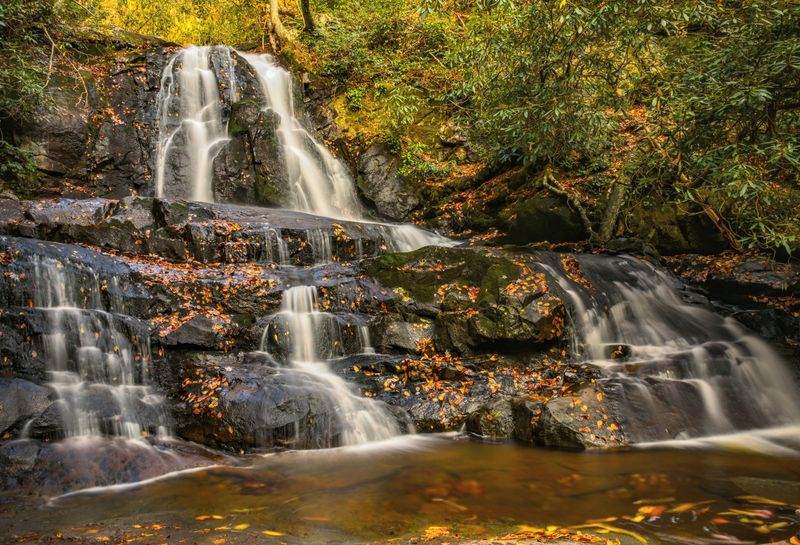
Unlike many rugged mountain trails, Laurel Falls Trail features a fully paved path that makes it accessible to hikers of nearly all skill levels.
The trailhead begins on Little River Road, approximately 3.8 miles west of Sugarlands Visitor Center at 107 Park Headquarters Road, Gatlinburg, TN 37738.
Families with young children, elderly visitors, and even those who haven’t hiked much before find this trail surprisingly manageable.
The paved surface means you won’t have to worry about tripping over roots or navigating muddy patches after rainfall.
However, don’t let the pavement fool you into thinking this is a simple stroll in the park.
The trail does climb steadily uphill for most of the journey to the falls, gaining about 400 feet in elevation.
Some sections feature steeper inclines that can challenge first-time hikers or those not used to mountain terrain.
Comfortable walking shoes with good grip are essential since the pavement can become slippery when wet.
Visitors frequently mention in reviews that while the paved path is convenient, portions have eroded or crumbled over time.
These rougher sections require a bit more attention to your footing.
The National Park Service maintains the trail regularly, but natural wear from thousands of annual visitors takes its toll.
Rest areas along the way provide perfect spots to catch your breath and admire the surrounding forest.
The combination of accessibility and natural challenge creates an experience that feels rewarding without being overwhelming.
Most hikers complete the journey to the waterfall in about 35 to 45 minutes at a comfortable pace.
The return trip typically takes slightly less time since you’ll be heading downhill.
This balance of convenience and adventure makes Laurel Falls Trail a perfect introduction to Smoky Mountains hiking.
The Spectacular 80-Foot Waterfall Destination
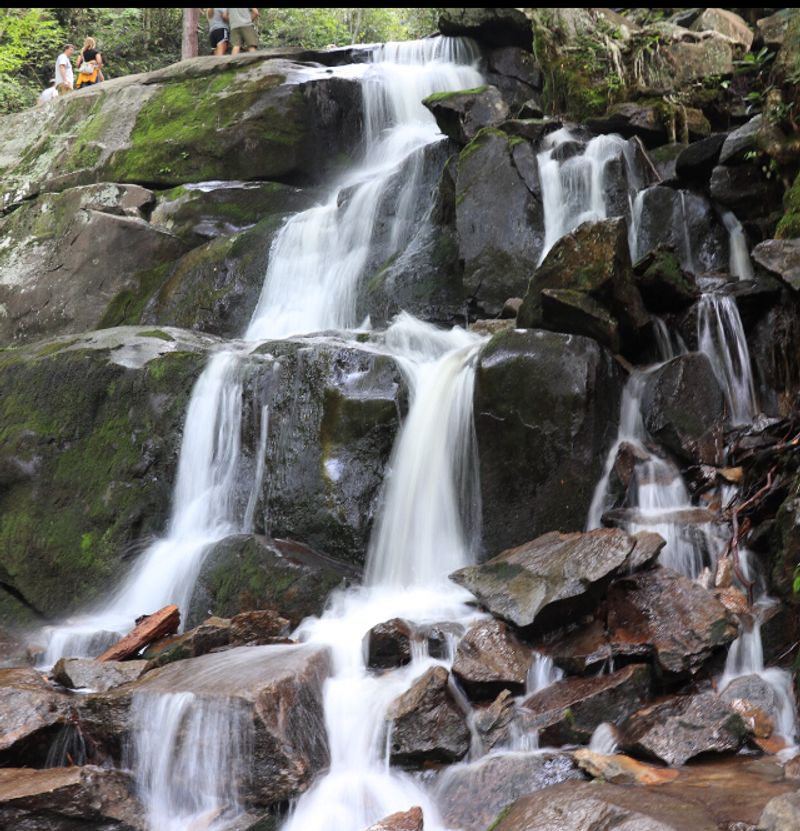
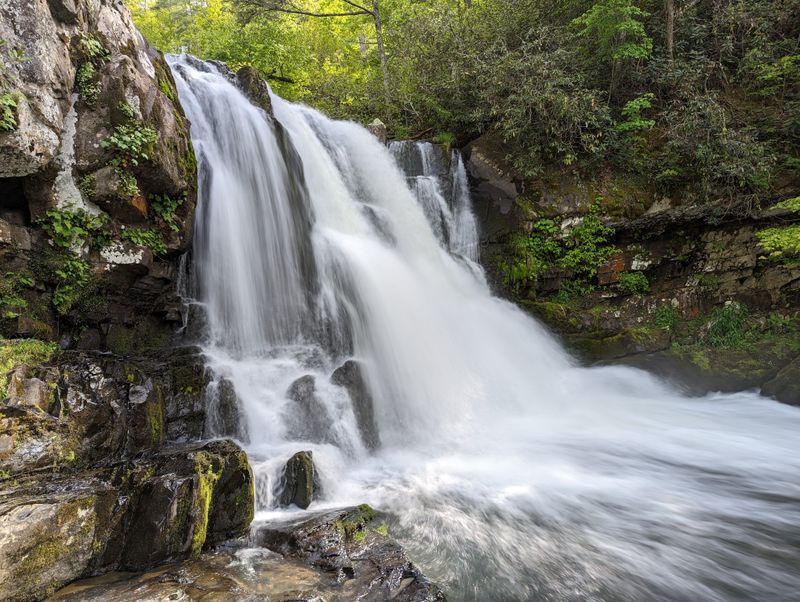
The star attraction of this hike is undoubtedly the magnificent Laurel Falls itself, an 80-foot waterfall that tumbles down the mountainside in two distinct tiers.
Water flows year-round, though the volume varies dramatically depending on recent rainfall and seasonal conditions.
After spring rains or storms, the falls become a thundering cascade that fills the air with mist and the sound of rushing water.
During drier summer months, the flow becomes gentler but remains beautiful and photogenic.
Many visitors say the falls are even more spectacular after rain, when the increased water volume creates a truly powerful display.
The upper tier of the waterfall drops about 40 feet before hitting a rocky ledge.
From there, the water continues its journey down another 40 feet to the pool below.
This two-tiered structure creates a unique visual effect that photographers absolutely love.
A sturdy footbridge crosses directly in front of the falls, offering incredible viewing opportunities from multiple angles.
Standing on this bridge, you can feel the cool mist on your face and hear the water’s constant song.
Some adventurous visitors carefully climb down rocks to reach the base of the falls for even closer views.
The rocks can be extremely slippery, so extra caution is necessary if you choose to explore beyond the main viewing area.
The space around the waterfall accommodates multiple groups without feeling too crowded, though popular times can get busy.
Moss and ferns cling to the surrounding rocks, creating a lush green frame that enhances the waterfall’s natural beauty.
The combination of flowing water, ancient rocks, and verdant plant life creates a scene that truly feels like a hidden paradise.
This destination alone makes the entire hike worthwhile for nature lovers and photography enthusiasts alike.
Old-Growth Forest Surroundings

Walking through the old-growth forest along Laurel Falls Trail feels like stepping back in time to when these mountains were untouched wilderness.
Towering trees that have stood for centuries create a dense canopy overhead, filtering sunlight into beautiful patterns on the trail below.
Eastern hemlocks, tulip poplars, and various oak species dominate the landscape, some reaching impressive heights and girths.
The forest ecosystem here represents what much of the Appalachian region looked like before extensive logging changed the landscape.
Protected within Great Smoky Mountains National Park, these trees have been allowed to grow undisturbed for generations.
The understory features mountain laurel, rhododendron, and countless other native plant species that thrive in the shade.
During spring, wildflowers carpet the forest floor with splashes of color.
In fall, the foliage transforms into a breathtaking display of reds, oranges, and golds that draws visitors from around the world.
The forest provides critical habitat for diverse wildlife, from tiny salamanders to black bears.
Multiple visitors have reported seeing bears along this trail, particularly during early morning or evening hours.
While bear sightings add excitement to any hike, maintaining proper distance and following park safety guidelines is essential.
Birds call from the branches above, their songs mixing with the rustling of leaves and distant sound of flowing water.
The forest’s age and diversity create a sense of permanence and natural majesty that modern life rarely offers.
Breathing in the fresh mountain air filled with the scent of pine and earth becomes its own form of therapy.
This ancient woodland reminds us why preserving natural spaces matters so much for future generations.
The journey through this forest becomes as memorable as the destination itself.
Perfect for Families with Children

Laurel Falls Trail has earned a reputation as one of the best family-friendly hikes in the Great Smoky Mountains.
Parents consistently report that children as young as five or six can complete the hike with minimal difficulty.
The paved surface eliminates many hazards that make other trails challenging for little legs and helps strollers navigate, though the incline makes jogging strollers preferable.
Kids find plenty to keep them engaged along the way, from interesting rock formations to opportunities to spot wildlife.
The manageable distance means children won’t get overly tired or lose interest before reaching the reward at the end.
Multiple families mention in reviews that their children aged 9 and 11 handled the trail easily and enjoyed the entire experience.
The waterfall itself provides a spectacular payoff that makes kids feel proud of their accomplishment.
Plenty of flat rocks near the falls offer perfect spots for family photos and snack breaks.
Some children love getting close enough to feel the waterfall’s spray, creating memorable moments of joy and wonder.
The trail’s popularity means families rarely feel isolated, which can provide comfort for parents concerned about safety.
However, this also means teaching children about trail etiquette, like staying to the right and being courteous to other hikers.
The steady uphill climb on the way to the falls becomes a fun downhill return journey that kids often find easier and faster.
Many families report that the return trip takes about 10 minutes less than the initial climb.
Bringing plenty of water and small snacks helps keep energy levels up throughout the adventure.
This hike offers an excellent opportunity to introduce children to outdoor recreation and foster a love of nature.
The combination of achievable challenge and beautiful reward creates positive hiking memories that last a lifetime.
The Challenging Parking Situation
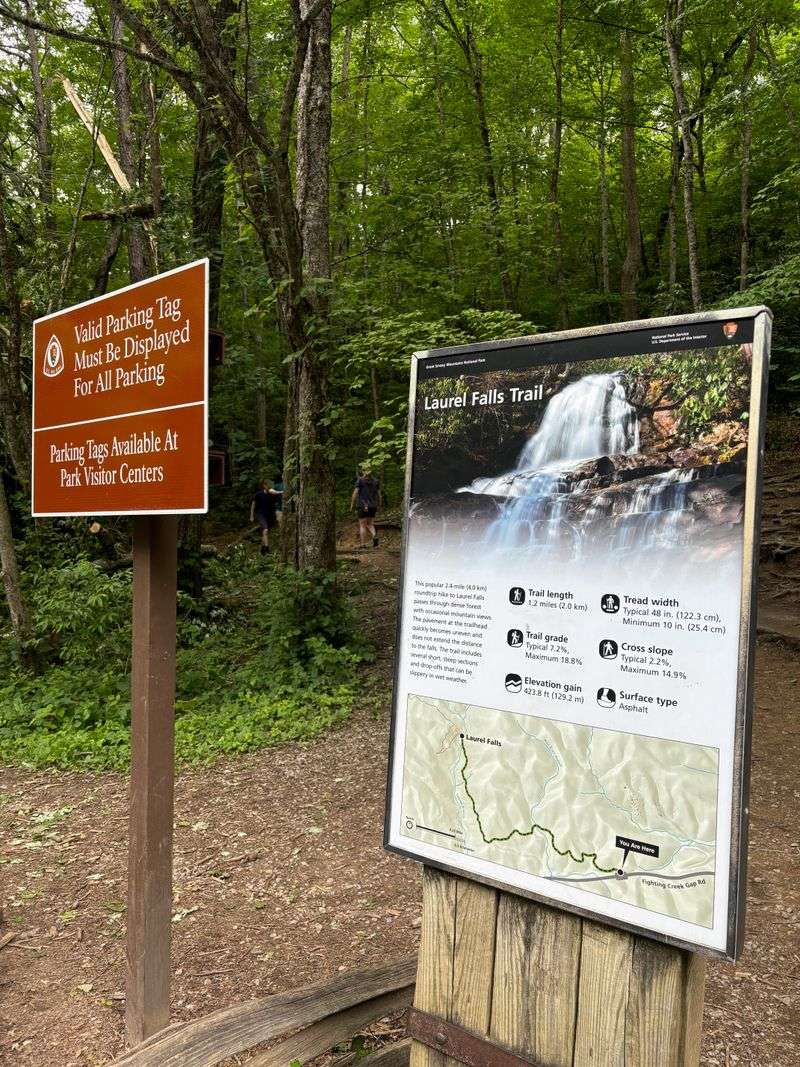
Perhaps the most frequently mentioned challenge at Laurel Falls Trail is finding a parking spot, especially during peak visitation times.
The parking area along Little River Road offers limited spaces that fill up quickly, particularly on weekends and holidays.
Multiple reviews emphasize that visitors should expect to wait a considerable time for parking during busy periods.
One reviewer mentioned waiting a long time before finally securing a spot, a common experience during summer and fall.
The narrow mountain road doesn’t provide much room for additional roadside parking, creating frustration for eager hikers.
Arriving early in the morning, ideally before 9 AM, significantly improves your chances of finding convenient parking.
Late afternoon visits, around 6 PM or later, also tend to be less crowded as day-trippers head home.
One visitor reported plenty of available spots when arriving at 6 PM, making sunset hikes an attractive option.
The evening light filtering through the forest creates magical photography opportunities and a more peaceful experience.
If you encounter a full parking area, patience becomes essential as spaces typically open up every 10 to 20 minutes.
Some hikers choose to visit during weekdays when possible, avoiding the weekend rush entirely.
Spring and winter months generally see fewer visitors, though weather conditions can be more unpredictable.
The parking challenge reflects the trail’s immense popularity rather than any deficiency in the experience itself.
Once you secure a spot and begin hiking, the parking frustration quickly fades away.
Planning ahead and building extra time into your schedule for parking ensures a less stressful start to your adventure.
The parking situation serves as a reminder of how many people treasure this special place and want to experience its beauty.
Seasonal Beauty Throughout the Year
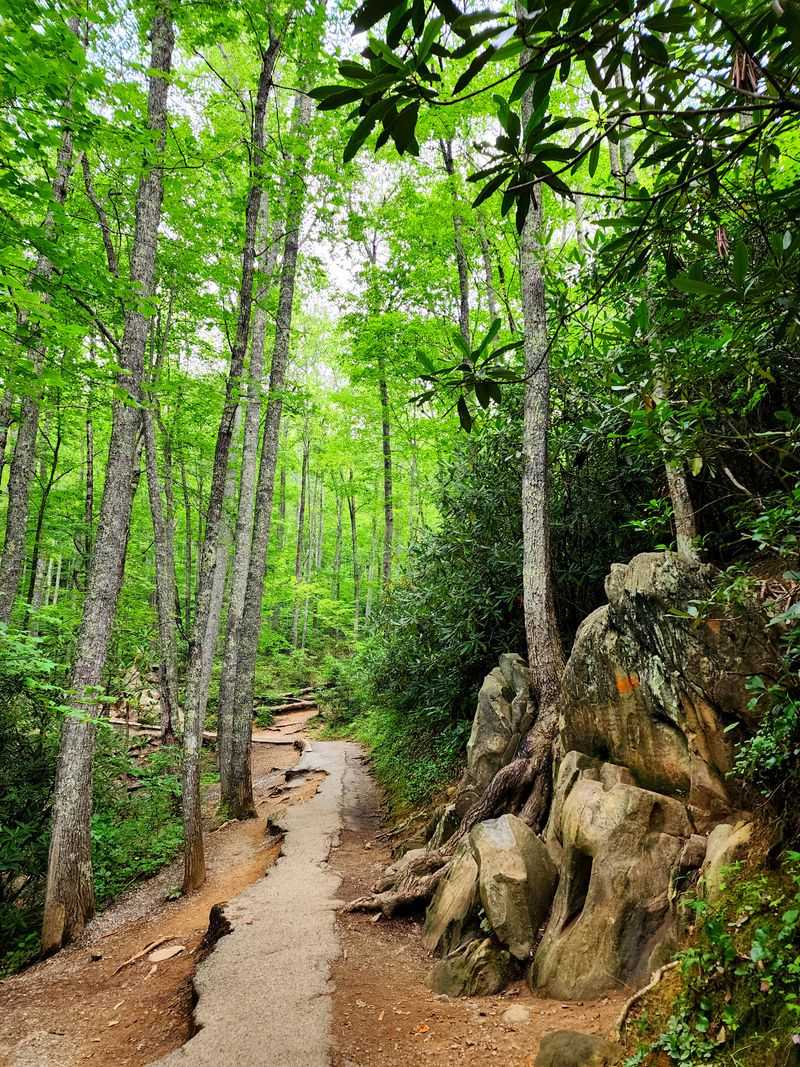
Each season transforms Laurel Falls Trail into a completely different visual experience, offering unique reasons to visit year-round.
Spring brings an explosion of wildflowers and the freshest green foliage as the forest awakens from winter dormancy.
Trilliums, violets, and countless other flowering plants create colorful carpets along the trail edges.
The waterfall flows with maximum power during spring thanks to snowmelt and frequent rainfall.
Summer offers lush, fully-developed forest canopy that provides welcome shade during the uphill climb.
The cool mist from the waterfall feels especially refreshing on hot, humid Tennessee afternoons.
However, summer also brings the largest crowds and the most challenging parking situations.
Fall might be the most spectacular season, with the forest erupting into brilliant autumn colors.
Reviewers specifically mention the gorgeous fall foliage as a highlight of their hiking experience.
The combination of colorful leaves, comfortable temperatures, and the beautiful waterfall creates picture-perfect conditions.
October typically offers peak fall color, though timing varies slightly from year to year.
Winter transforms the trail into a quieter, more contemplative space with bare trees revealing distant mountain views.
Cold temperatures can create stunning ice formations around the waterfall, though the trail can become slippery.
Snow occasionally blankets the path, creating a winter wonderland effect but requiring extra caution.
Fewer visitors during winter months mean more solitude and better chances of wildlife sightings.
No matter when you visit, Laurel Falls Trail offers something special that reflects the changing rhythms of the natural world.
Wildlife Encounters and Bear Safety
Great Smoky Mountains National Park is famous for its black bear population, and Laurel Falls Trail passes through prime bear habitat.
Several reviewers mention encountering bears along this trail, describing these sightings as beautiful and memorable highlights of their hikes.
One family reported a fortunate bear sighting that added excitement to their adventure.
While seeing a bear can be thrilling, understanding proper safety protocols is absolutely essential for everyone’s wellbeing.
Black bears are generally not aggressive toward humans but can become dangerous if surprised, approached, or if they associate people with food.
The National Park Service requires hikers to maintain at least 50 yards of distance from bears at all times.
If you encounter a bear on the trail, stop, remain calm, and slowly back away while facing the animal.
Never run from a bear, as this can trigger a chase response.
Making noise while hiking, especially around blind curves, helps alert bears to your presence and prevents surprise encounters.
Beyond bears, the trail offers opportunities to spot white-tailed deer, wild turkeys, and numerous bird species.
Salamanders, for which the Smokies are famous, can sometimes be spotted near wet areas along the trail.
Squirrels and chipmunks frequently scamper across the path, entertaining hikers of all ages.
Bringing binoculars allows for better wildlife observation without disturbing animals or compromising safety.
Remember that feeding any wildlife is strictly prohibited and dangerous for both animals and people.
The chance to observe animals in their natural habitat adds an element of unpredictability and wonder to every hike.
Respecting wildlife and maintaining appropriate distances ensures these creatures continue thriving in their mountain home.
Trail Conditions and What to Expect
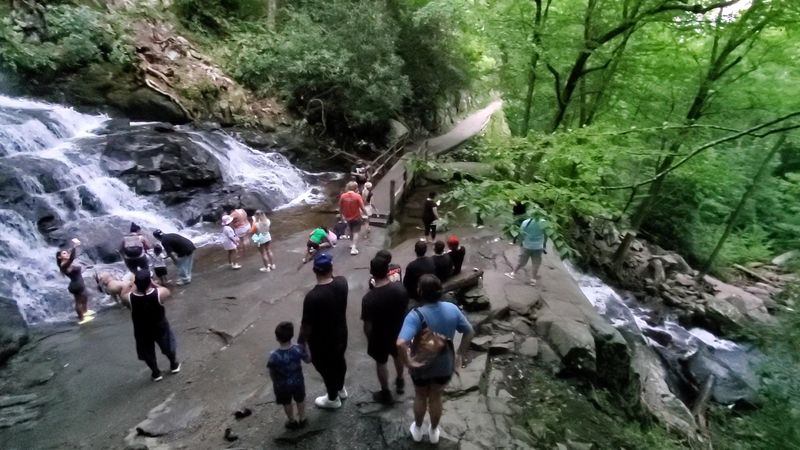
Understanding current trail conditions helps hikers prepare appropriately for their Laurel Falls adventure.
While the trail is paved its entire length, several reviewers note that the pavement has eroded or crumbled in certain sections.
These rougher areas typically appear toward the upper portions of the trail, closer to the waterfall.
The deterioration results from years of heavy foot traffic, weather exposure, and the natural freeze-thaw cycles of mountain winters.
Despite these imperfections, the trail remains in generally good condition and fully hikeable for most visitors.
The steady uphill grade means you’ll be climbing for most of the journey to the falls.
Some portions feature steeper inclines that can feel challenging, especially for those unaccustomed to mountain hiking.
Reviews consistently mention that the trail is “all uphill on the way up,” which sounds obvious but feels more significant when you’re doing it.
The good news is that numerous flat sections and gentle curves provide natural resting points.
Most hikers find the grade manageable with periodic breaks to catch their breath and enjoy the scenery.
The paved surface can become quite slippery when wet from rain or morning dew.
Several visitors specifically warn about slippery conditions, recommending careful footing during and after precipitation.
Wearing shoes with good traction makes a significant difference in comfort and safety.
The trail width accommodates two-way traffic, though some narrower sections require hikers to yield to each other.
Trail etiquette suggests that hikers heading uphill have the right of way, though courtesy goes both directions.
Overall, the trail conditions are well-suited to its purpose as an accessible route to a spectacular natural feature.
Scenic Overlooks Along the Way
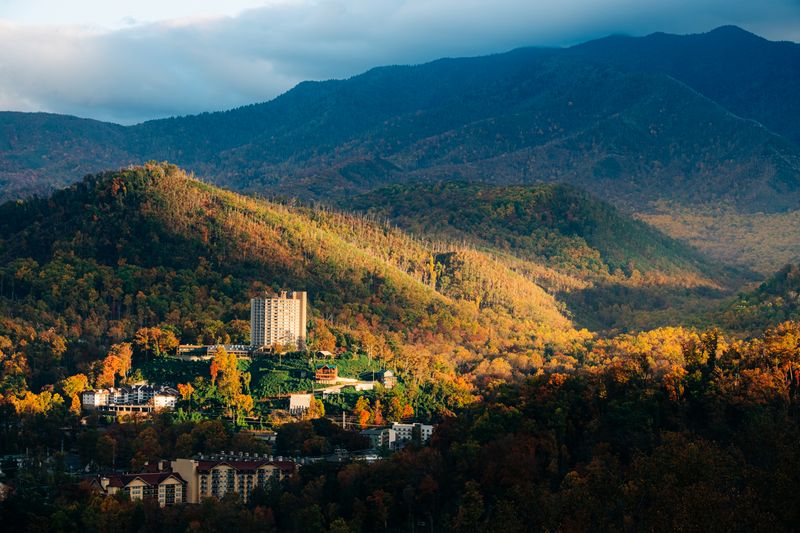
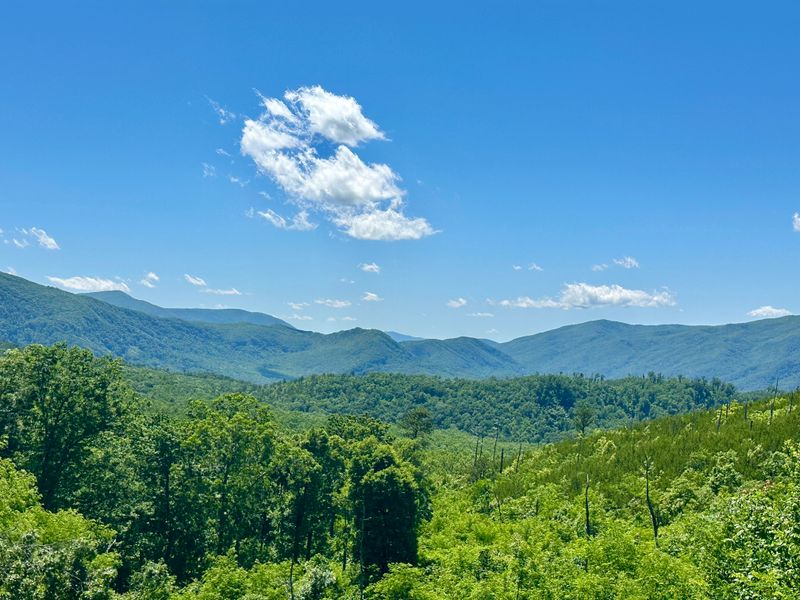
The journey to Laurel Falls offers more than just the destination, with several scenic overlooks providing stunning mountain views.
These overlook points appear at intervals along the trail, rewarding hikers with glimpses of the surrounding Smoky Mountains landscape.
One reviewer specifically mentions “a few good overlooks” that enhance the overall hiking experience.
During spring and summer when trees are fully leafed, these views peek through the forest canopy.
Fall and winter offer more expansive vistas when bare branches reveal distant ridgelines and valleys.
The overlooks provide perfect excuses to pause, rest your legs, and appreciate the vastness of this protected wilderness.
Photographers find these spots ideal for capturing the layered mountain ridges that give the Smokies their distinctive appearance.
The atmospheric haze that gives the mountains their “smoky” name often creates beautiful depth in photographs.
Early morning light and late afternoon sun produce particularly dramatic lighting conditions at these viewpoints.
Some overlooks feature natural rock outcroppings that serve as convenient seating areas.
Families often use these spots for quick snacks and water breaks while children point out interesting features in the landscape.
The elevation gain as you climb the trail means each successive overlook offers slightly different perspectives.
Bird watchers appreciate these open areas where raptors can sometimes be spotted soaring on thermal currents.
The overlooks remind hikers that they’re not just walking to see one waterfall but experiencing an entire mountain ecosystem.
Taking time to pause at these viewpoints transforms a simple hike into a more meditative experience.
These scenic pauses help pace your climb and prevent the journey from feeling like a rushed march to the destination.
Best Times to Visit for Fewer Crowds
Strategic timing can dramatically improve your Laurel Falls Trail experience by helping you avoid the heaviest crowds.
Early morning visits, particularly arriving before 9 AM, offer the best combination of available parking and peaceful trail conditions.
The forest feels especially magical during dawn hours when mist often hangs in the trees and wildlife is most active.
Morning light filtering through the canopy creates beautiful photography opportunities that harsh midday sun cannot match.
One reviewer specifically mentioned visiting at 6 PM and finding plenty of parking spots and a less crowded experience.
Evening hikes allow you to catch the sunset, which creates gorgeous lighting effects through the forest.
The golden hour before sunset bathes everything in warm, flattering light that enhances the natural beauty.
Weekday visits generally see significantly fewer hikers compared to weekends and holidays.
If your schedule allows flexibility, choosing a Tuesday or Wednesday over a Saturday makes a noticeable difference.
Winter months from December through February attract the fewest visitors overall.
Cold temperatures and occasional snow keep many people away, but those who venture out are rewarded with solitude.
Spring weekdays after the snow melts but before summer vacation starts offer another excellent window.
Fall foliage season, particularly October, brings peak crowds that rival summer numbers.
If you must visit during popular times, patience and flexibility become your best strategies.
Bringing a book or snacks to enjoy while waiting for parking helps reduce frustration.
The experience of this beautiful trail remains worthwhile even when sharing it with other nature lovers.
Dear Reader: This page may contain affiliate links which may earn a commission if you click through and make a purchase. Our independent journalism is not influenced by any advertiser or commercial initiative unless it is clearly marked as sponsored content. As travel products change, please be sure to reconfirm all details and stay up to date with current events to ensure a safe and successful trip.
