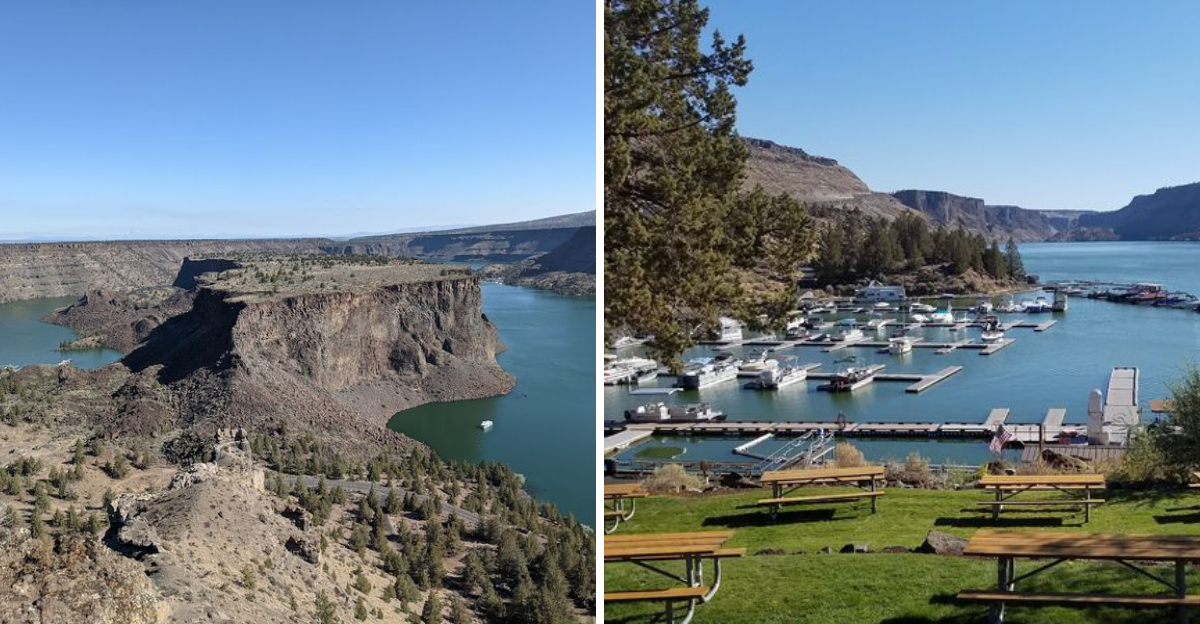
Camping in Oregon’s high desert feels like stepping into your own epic adventure movie. You can pitch a tent right between two massive river canyons, and the views make it impossible to stop staring.
Sunsets here explode across the sky in colors that make your phone camera question its life choices. Nights are quiet, except for stars sparkling like someone sprinkled glitter across the universe.
Hiking along the canyon edges or just sipping coffee feels way too good to be real. Even a simple walk around the campsite turns into a mini exploration full of surprises.
Honestly, I left feeling like I’d found a secret world that’s too good to share with anyone… almost.
The Canyon Views That Stop You Cold
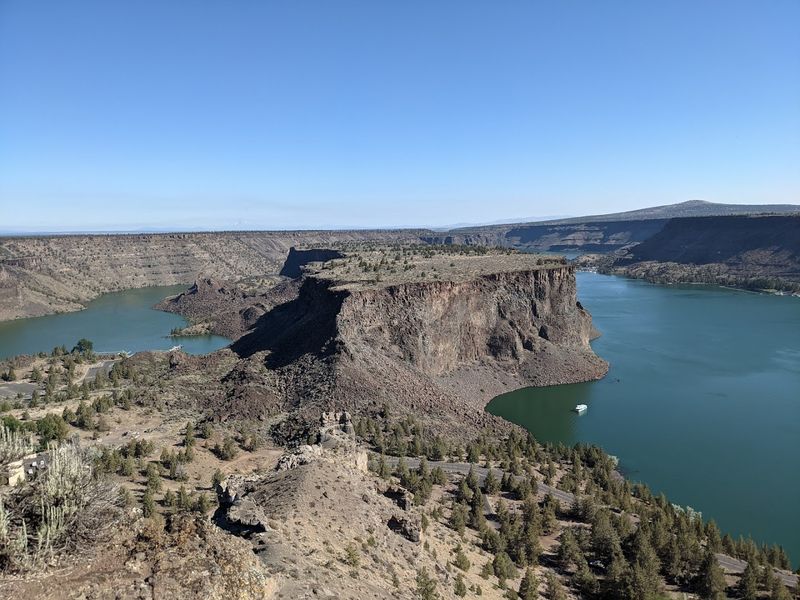
Nothing really prepares you for that first look over the edge. The canyon walls at The Cove Palisades drop hundreds of feet straight down.
Layers of volcanic rock tell millions of years of geological history.
Standing at one of the rim overlooks, the scale hits you hard. The cliffs are not just tall.
They are wide, ancient, and almost otherworldly in the high-desert light. Late afternoon turns the basalt walls deep orange and rust.
There are several canyon viewpoints accessible by road. A short drive along the ridge gives you multiple spots to pull over and stare.
Each angle reveals something different about the landscape below.
Photographers especially love the early morning light here. The canyon shadows shift quickly after sunrise.
Bring a wide-angle lens if you have one, because nothing else captures the full scale. Rangers are happy to point you toward the best overlook spots if you ask at the entrance station.
Lake Billy Chinook and Its Three-River Magic
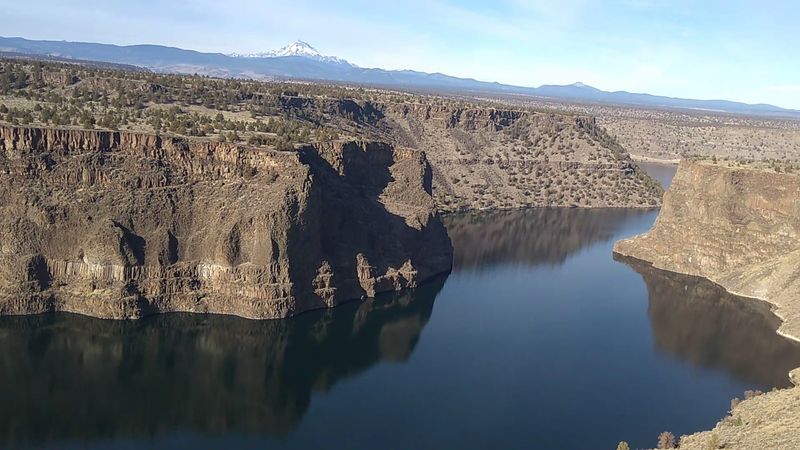
Three rivers meet at one spot, and that meeting place became a lake. Lake Billy Chinook is the reservoir formed where the Deschutes, Crooked, and Metolius rivers converge.
That fact alone makes this place geographically fascinating.
The lake stretches far enough that crossing it end to end by boat takes about an hour. Its arms reach deep into separate canyons.
Each arm has its own personality and scenery.
Summer water temperatures can get surprisingly warm. That makes swimming genuinely enjoyable, not just brave.
The swimming beach areas are popular with families during weekdays when the park feels calmer and quieter.
The water color can shift to a cloudy green during warmer months due to algae. Check park conditions before planning a swim.
Even on days when swimming is limited, the lake is stunning to look at from the shore. Watching motorboats disappear around a canyon bend feels almost cinematic.
This lake earns its reputation as a boater’s paradise in Oregon.
Camping on Top of the Canyon Rim
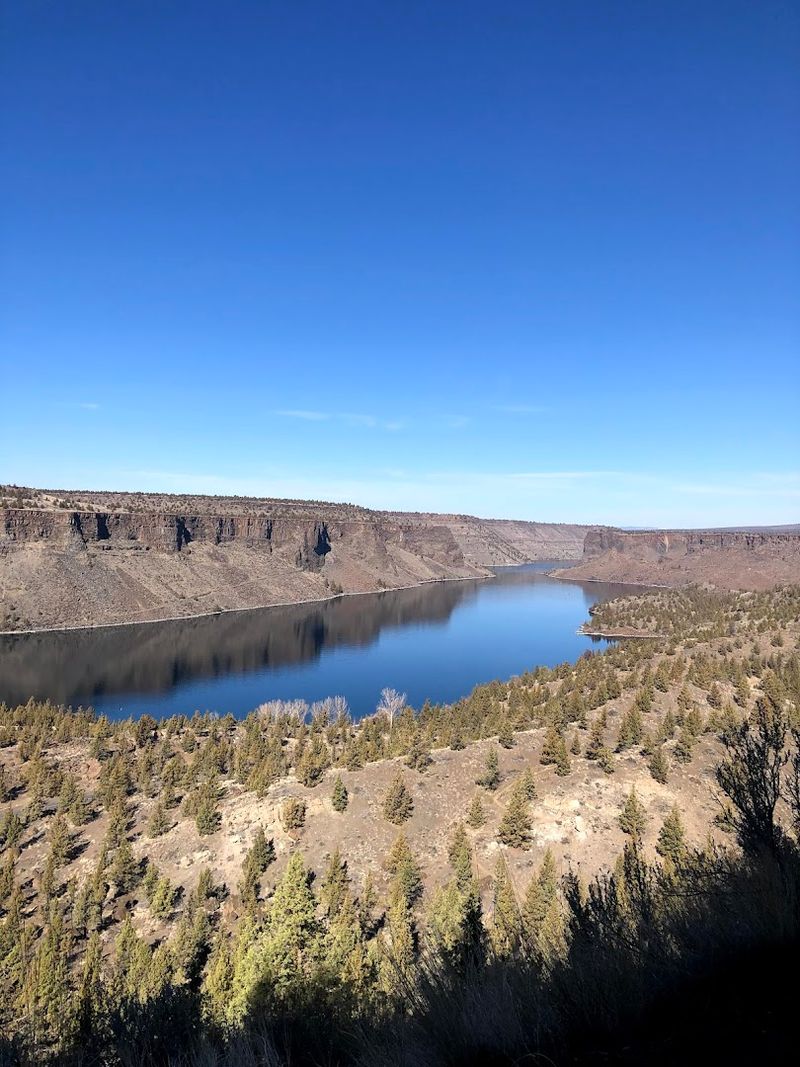
Camping up on the ridge feels like sleeping at the edge of the earth. The upper campground sits right along the canyon rim.
Sites up there have wide open sky and sweeping views that lower spots simply cannot match.
RV hookups are available throughout the park. Many sites include water and electric connections.
A dump station sits conveniently nearby for longer stays.
Showers and restrooms stay clean and well-maintained. Hot water runs reliably, which feels like a luxury after a dusty canyon hike.
Camp hosts are present throughout the grounds and genuinely helpful.
Most campsites are dirt with paved pads, so expect a more rugged desert feel underfoot. Trees are sparse up top, meaning full sun during the day.
Bring shade if you run warm. The tradeoff is that sunsets from the rim are absolutely worth it.
Firewood and ice are sold on-site at the small camp store, open during evening hours. Late arrivals can pay with card details written down at the kiosk.
Hiking the Canyon Trail to the Rim
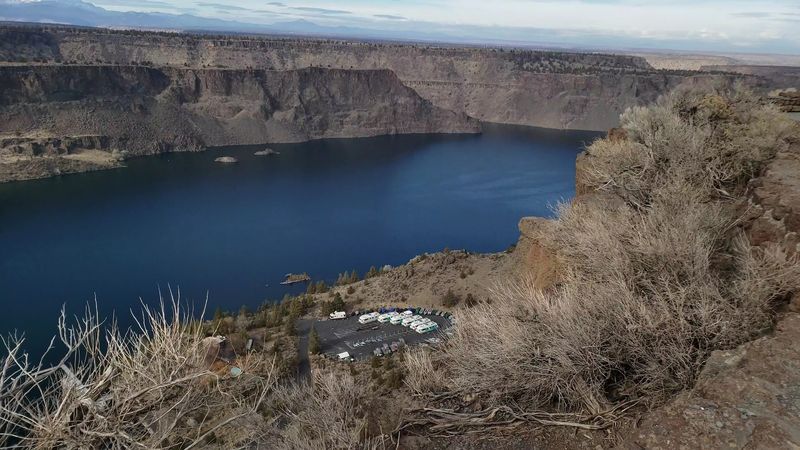
The main canyon trail starts down near the water and climbs steadily upward. The first mile is uphill and earns a solid workout.
After reaching the rim, the trail flattens out for roughly five more miles of walking along the canyon edge.
Views from the top are genuinely breathtaking. You can see the full shape of the lake below and the way the canyon arms branch outward.
On clear days, mountain peaks appear on the horizon.
The trail is tough but manageable for most fit hikers. It is not quite as demanding as Smith Rock, but it still asks for good shoes and water.
Start early to avoid midday heat in summer.
Rangers at the park entrance are a great resource. Ask them about the geological history of the Palisades and what lies beneath the lake surface.
That conversation adds a whole new layer to what you see on the hike. The trail rewards patience and curiosity in equal measure.
Pack snacks and sunscreen without fail.
Boating and Water Sports on the Reservoir
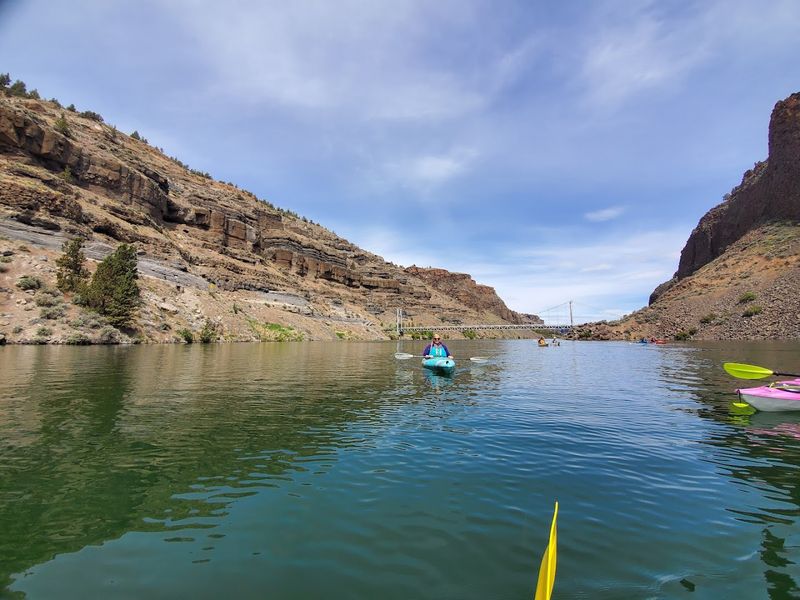
Boaters absolutely own this lake, and they know it. Motorized boats are everywhere on warm summer weekends.
The lake is wide enough to handle the traffic comfortably.
Boat ramps are well-maintained and easy to navigate. Trailer parking is ample, which matters a lot when you are towing something heavy.
Kayak launches sit alongside the main ramps for non-motorized watercraft.
Paddleboarding is a calmer option if you head toward one of the quieter coves. Away from the main channel, the water settles down.
Renting a paddleboard and drifting into a sheltered cove is a genuinely peaceful afternoon activity.
Boat speed limits are enforced on the lake. That keeps things safer and more enjoyable for everyone sharing the water.
Fishing is popular here too, with bull trout being one of the rarer and more exciting catches available. Spotting an osprey or bald eagle diving for fish is a real possibility on any given morning.
Keep your eyes on the sky as much as the water.
The Dramatic Drive Down Into the Canyon
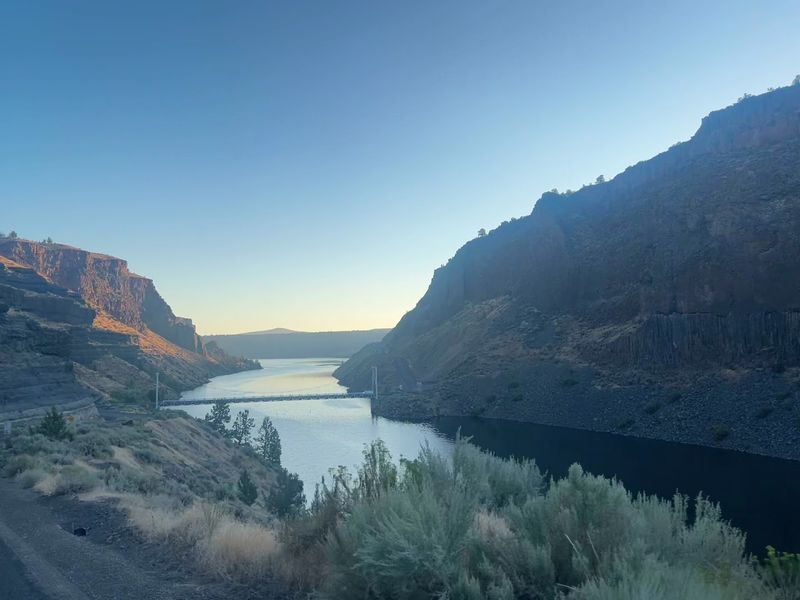
The drive down into the canyon is an experience by itself. The road winds steeply from the high desert plateau down toward the water.
That descent catches first-time visitors completely off guard.
Signs are clear and well-placed at every turn off Highway 97. Following the park signs is actually more reliable than GPS in this area.
The approach gives you a slow, dramatic reveal of the canyon below.
Even a 32-foot RV can make the descent without trouble, though it demands careful driving. The road is paved and maintained.
Just take your time and enjoy the views opening up around each curve.
The moment the canyon walls rise up on both sides is genuinely cinematic. You shift from flat sagebrush land to deep geological drama within minutes.
It feels like the land swallowed you whole in the best possible way. Pullouts along the descent let you stop safely and take photos.
Do not rush this part. The drive itself is part of the whole experience at this park.
Wildlife Watching in High Desert Country
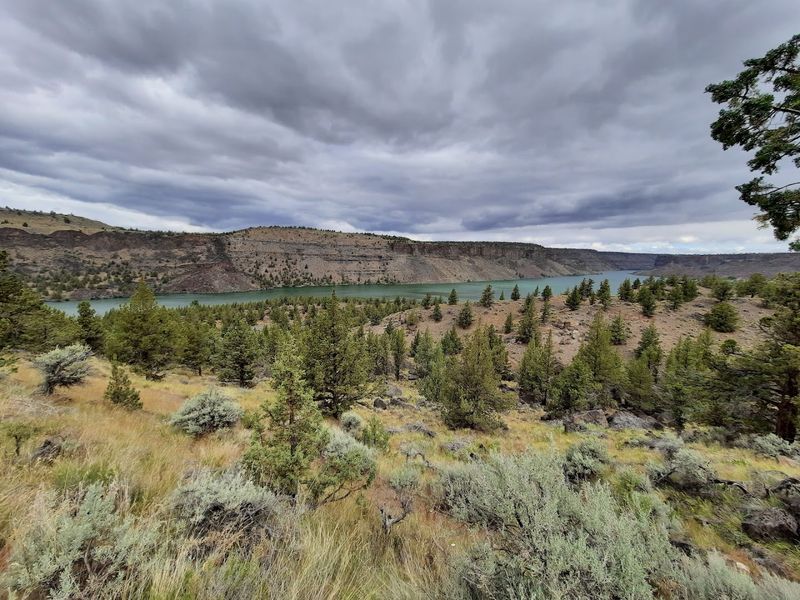
Wildlife shows up when you least expect it here. Osprey circle low over the lake arms searching for fish near the surface.
Bald eagles appear too, especially in the early morning hours.
The high desert surrounding the park supports mule deer, ground squirrels, and various lizard species. Songbirds fill the scrubby canyon brush.
Mornings at camp feel alive with bird noise before the boats start up.
Photographers find the park underutilized for wildlife shooting. The relatively low visitor numbers on weekdays mean animals behave more naturally.
Spring is particularly good for wildlife activity throughout the canyon.
Bring binoculars. Seriously, do not skip them.
Watching a bull trout roll near the surface from a kayak or spotting a raptor riding thermal currents above the rim are the kinds of moments that stick with you long after the trip ends. The park has a quiet, wild energy that feels rare in a place this accessible from central Oregon towns.
Stay patient and observant, and the canyon rewards you generously.
Cabin Rentals Right on the Water
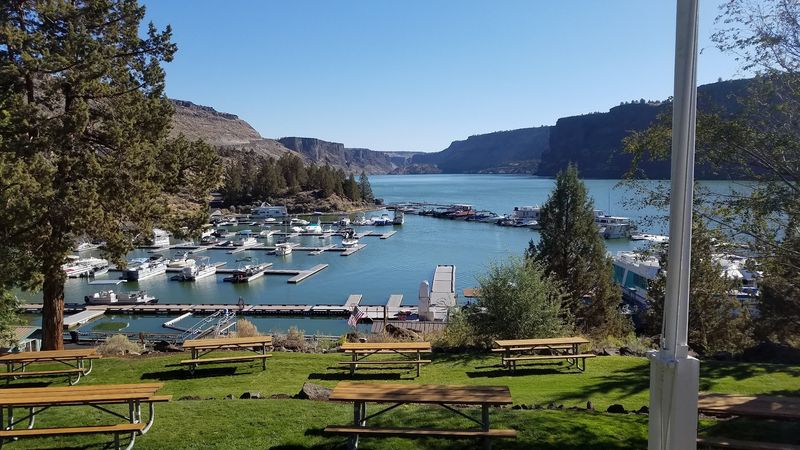
Not everyone wants to pitch a tent, and that is completely fine here. The park offers rental cabins that sit close to the lake shoreline.
Waking up with water views right outside the door is a different kind of morning entirely.
Cabins are clean and can comfortably fit small groups. They include a gas grill outside for cooking.
A microwave handles indoor cooking needs since full stove setups are not available inside.
Booking a cabin puts you right on the water in a way that the main campground cannot match. The distance from campground to beach is one of the common complaints about tent sites.
Cabin guests skip that frustration entirely.
Staff at the park are consistently praised for being friendly and going above and beyond. That warmth makes a real difference when you arrive after a long drive and need help getting oriented.
The cabin experience here feels low-key and genuine, not resort-style or overly polished. It is simply a comfortable, well-placed base for exploring everything the canyon has to offer around you.
Swimming Beaches and Day-Use Areas
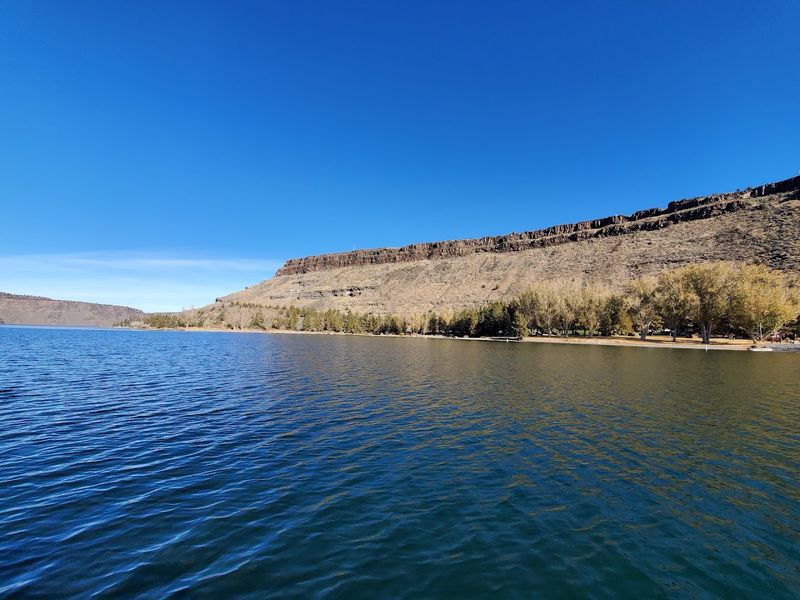
Three separate day-use areas offer swimming beaches along the lake. Each has its own parking area and picnic tables nearby.
Restrooms are available at all three locations.
The water warms up nicely through summer, making swimming genuinely refreshing rather than shocking. On weekdays the beaches stay quiet.
That calm makes the whole experience feel more like a private lake than a public park.
Some beach access points involve steep trails from the parking lots. That steepness puts certain spots out of reach for visitors with mobility challenges.
Planning ahead and checking which beach works best for your group saves frustration on arrival day.
Picnic areas near the water are lovely for a midday break between hikes. Shade is limited, so bring your own umbrella or canopy if the sun is strong.
Dogs are not allowed in the swimming areas, so plan accordingly if you are traveling with a pet. The lake is enormous, and the beaches never feel truly crowded even on popular summer holiday weekends.
Space here is generous and the scenery is hard to beat.
A Year-Round Destination Worth Revisiting
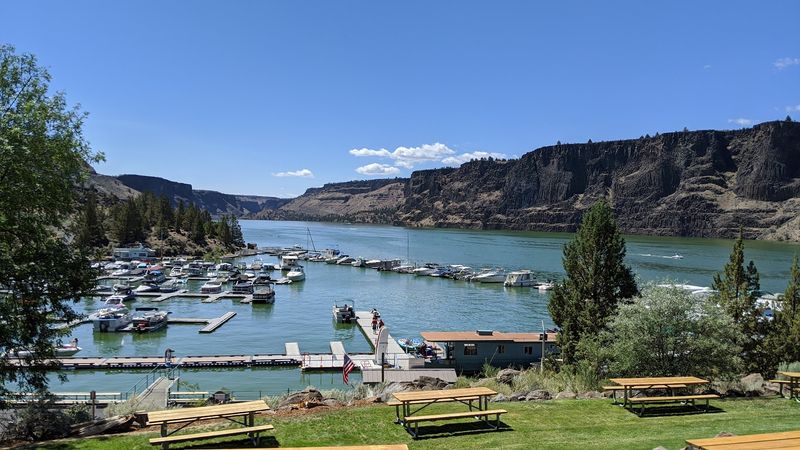
Most people think of this park as a summer destination, but December visits have their own quiet magic. The canyon looks completely different draped in winter light.
Crowds disappear and the whole place feels like your own private discovery.
Spring brings wildflowers to the high desert above the canyon. Wildlife is more active during those months.
Photographers consistently call spring the most rewarding season for capturing the park’s full character.
Fall visits offer cooler temperatures and stunning light conditions for hiking. The canyon walls glow differently in autumn sun.
Fewer boats on the water means paddlers and kayakers have more peaceful room to explore the quieter coves.
Families keep returning year after year. Some visitors have made this park a yearly tradition for a decade or more.
That kind of loyalty says something real about a place. The combination of geology, water, wildlife, and open space creates something that genuinely refreshes people.
Address: The Cove Palisades State Park, Culver, OR 97734.
Dear Reader: This page may contain affiliate links which may earn a commission if you click through and make a purchase. Our independent journalism is not influenced by any advertiser or commercial initiative unless it is clearly marked as sponsored content. As travel products change, please be sure to reconfirm all details and stay up to date with current events to ensure a safe and successful trip.
