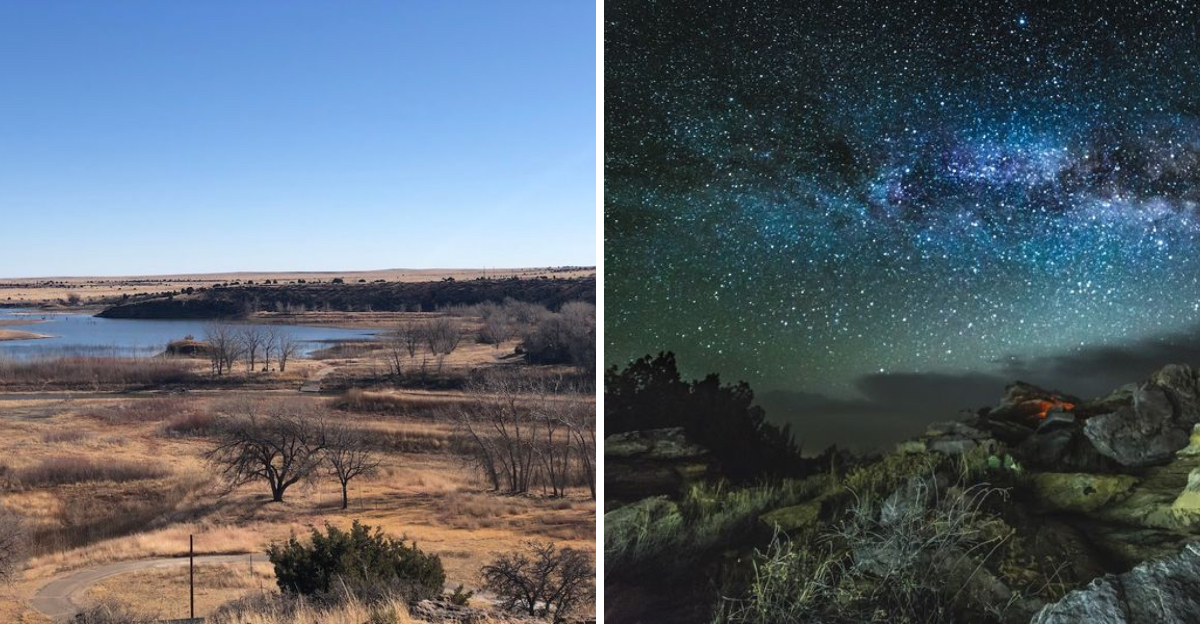
Think of the last place you would expect to stumble across a glittering lake in Oklahoma. You’re probably thinking flat plains, red dirt, and tumbleweeds rolling past a gas station.
But head all the way to the far western tip of the panhandle, climb to over 4,300 feet above sea level, and suddenly the landscape shifts into something almost otherworldly.
Rugged mesas rise out of the earth, the sky turns impossibly wide, and there it sits: the highest-elevation lake in the entire state, calm and quietly stunning.
Spring is when this place truly comes alive. The air is crisp but not cold, the light is golden and long, and the crowds haven’t arrived yet.
This corner of Oklahoma feels like a secret that the rest of the state forgot to tell you about. If you love the outdoors but you’re tired of fighting for a campsite or a fishing spot, this is the kind of place that restores your faith in road trips.
Keep reading, because this destination deserves a lot more than a quick scroll past.
Oklahoma’s Highest Lake Sits Where You’d Least Expect It
Most people draw a mental map of Oklahoma and forget the panhandle exists. That skinny strip of land pressed between Kansas, Colorado, New Mexico, and Texas holds some of the most surprising scenery in the entire state.
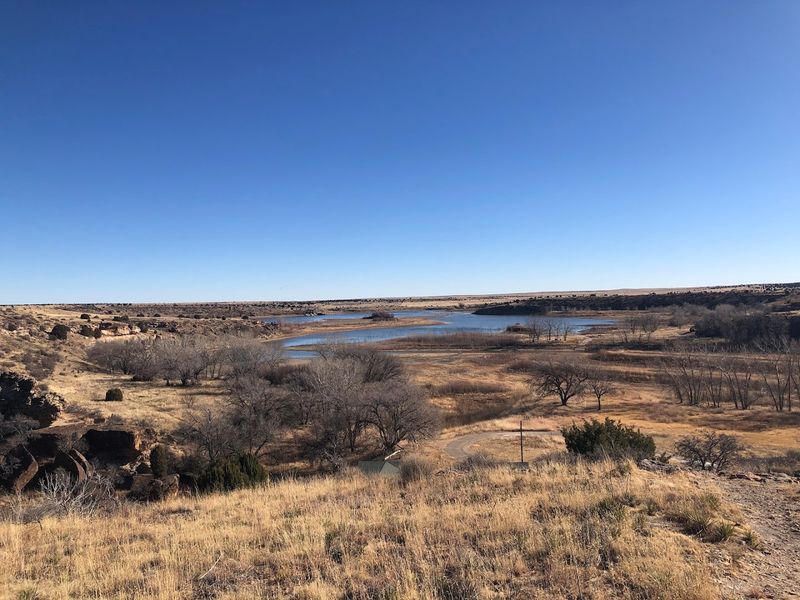
And right there, perched at an elevation of roughly 4,300 feet, is Lake Carl Etling.
The lake covers 159 acres and stretches along roughly 5 miles of shoreline. It was built in 1958 and named after Carl G.
Etling, a former Oklahoma state representative who helped make the park a reality. The history feels fitting for a place this quietly remarkable.
What makes the elevation so special isn’t just the number. At over 4,300 feet, the air genuinely feels different.
It’s cooler, cleaner, and somehow more spacious. The surrounding mesa landscape looks nothing like the rest of Oklahoma.
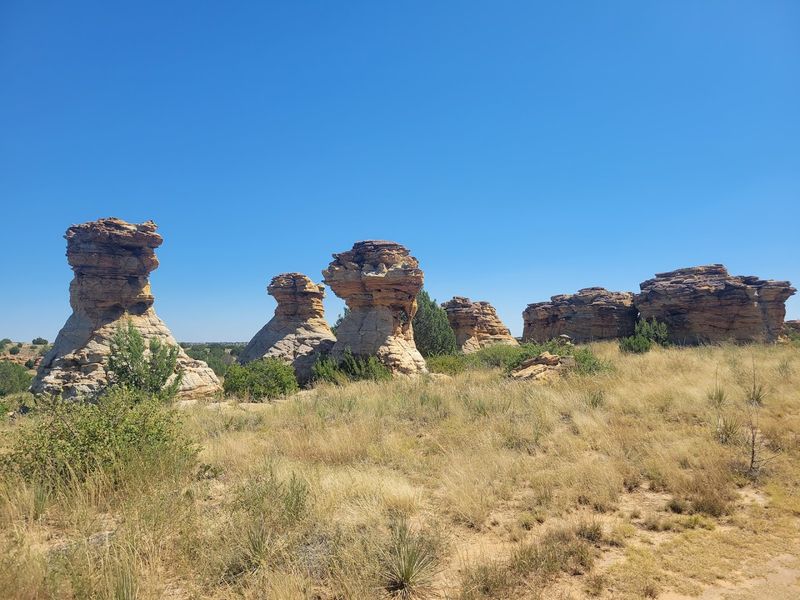
Flat-topped rock formations frame the water on every side. The whole scene feels more like the Southwest than the Southern Plains.
Springtime amplifies all of it. Wildflowers push up through the dry soil, temperatures hover in that perfect outdoor sweet spot, and the lake reflects a sky so blue it almost looks painted.
Coming here in spring means you get the best version of this place before the summer heat rolls in and changes everything.
Fishing Here Feels Like a Reward You Actually Earned
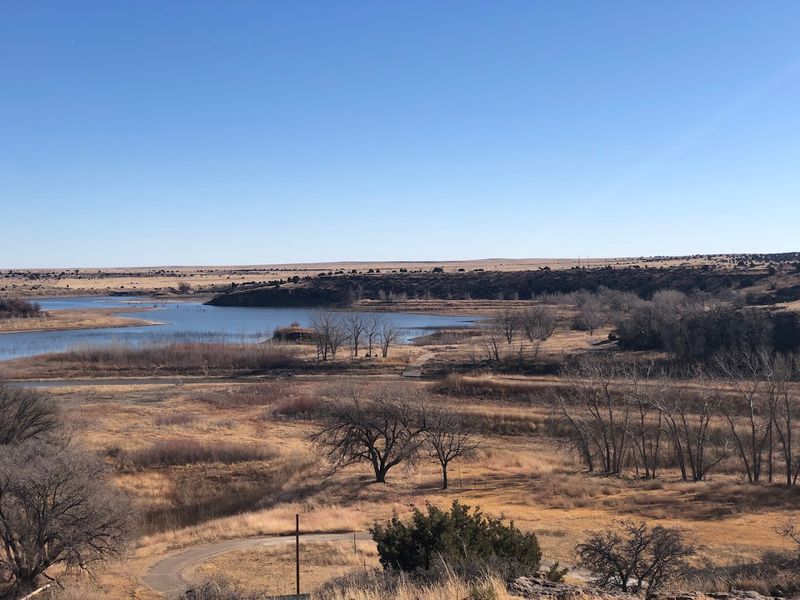
Getting to Lake Carl Etling requires effort. You drive through miles of open panhandle highway, past wind turbines and cattle fences, and you start wondering if the GPS has lost its mind.
Then the lake appears and suddenly every mile feels worth it.
The fishing is a big reason people make that drive. The lake is stocked with largemouth bass, smallmouth bass, walleye, catfish, and occasionally stocked trout.
That’s a solid lineup for any angler. The regulations allow up to two rods and reels per person, and bowfishing is permitted as well.
Cast nets are allowed for collecting bait for personal use, which is a nice practical detail for serious fishers. The variety of species means different techniques work depending on what you’re chasing.
Walleye in particular are a fun target in spring when they’re more active in cooler water temperatures.
The shoreline offers plenty of accessible spots to set up without needing a boat. That said, multiple boat ramps provide access around the lake.
One important heads-up: swimming is not designated or recommended on the lake. This is a fishing and boating destination, not a beach day.
Know that going in and you won’t be disappointed. Plan around it and you’ll have a great time.
Boating on a High-Elevation Lake Hits Different
There’s something almost surreal about launching a boat at over 4,300 feet in Oklahoma. The state doesn’t exactly have a reputation for mountain lakes, so the whole experience carries a small jolt of surprise.
The water is calm, the surrounding landscape is dramatic, and the boat ramps are functional and accessible.
Ramps are located on both the east and south sides of the lake, which gives boaters flexibility depending on where they want to start their day. The 159-acre surface area isn’t massive, but it’s more than enough to feel free on the water.
There’s no fighting for space with jet skis or speedboats because water sports aren’t permitted here.
That restriction actually works in the lake’s favor. The atmosphere stays quiet and unhurried.
You’re not dodging wakes or competing with noise. It’s just open water, big sky, and the sound of your motor or oars cutting through the surface.
For fishing from a boat, the calm conditions are ideal.
Spring mornings on the lake are particularly striking. The mist sometimes hangs low over the water just after sunrise, and the mesa walls catch the early light in shades of amber and rust.
Bring a camera or just sit with it for a moment. Not everything needs to be captured to be remembered.
Sometimes you just float and let the scenery do its thing.
Camping Here Is the Kind of Simple That Resets Your Brain
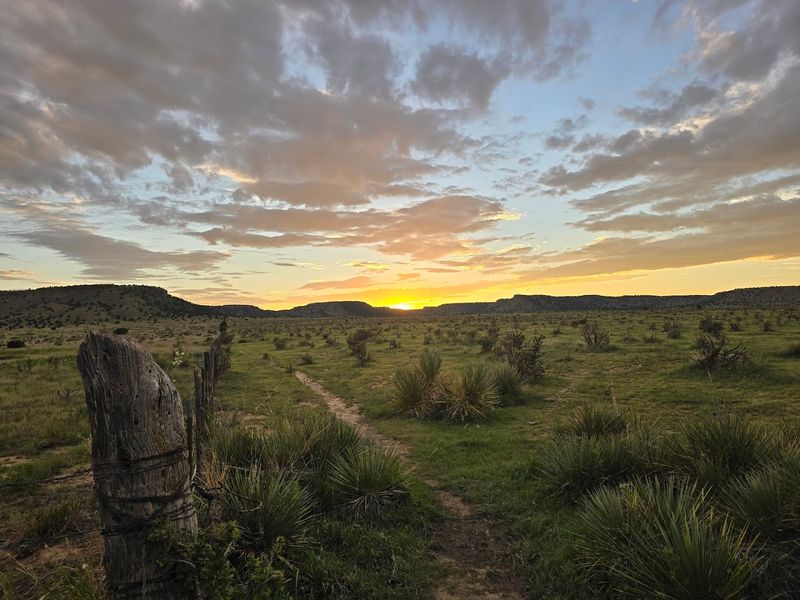
Some campgrounds feel like parking lots with trees. Black Mesa State Park is not one of those.
The camping here has a raw, wide-open quality that reminds you why people started sleeping outside in the first place. The park offers RV hookups, tent sites, picnic areas, and state park cabins for those who want a roof without leaving the landscape.
Setting up a tent near the lake in spring is a genuinely peaceful experience. The evenings cool down quickly at this elevation, which means sleeping is comfortable even if the afternoon felt warm.
Bring layers regardless of what the forecast says. Panhandle weather has a personality of its own.
The picnic areas are well-positioned for enjoying views of the lake without doing much work. Grab a camp chair, make something simple on a camp stove, and watch the light change over the mesas.
It sounds basic but it’s deeply satisfying in a way that a resort dinner rarely is.
Mornings at the campsite are something else entirely. The air is cool and still, birds start making noise before the sun fully rises, and the whole park feels like it belongs only to you.
If you’re the kind of person who checks their phone constantly, this place will cure that habit fast. The signal is weak.
The silence is strong. Both are exactly what you need.
The Night Sky Above This Lake Will Make Your Jaw Drop
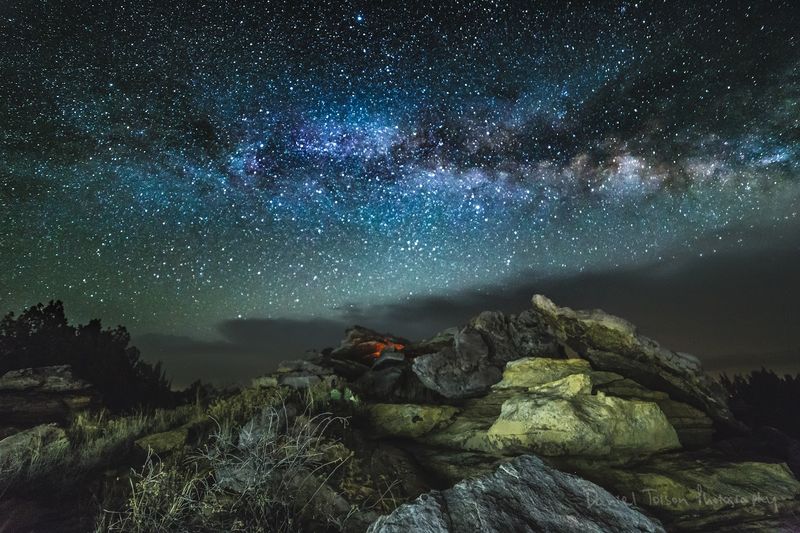
Light pollution is one of those things you don’t fully appreciate until you escape it. Most of us live under a permanent orange glow that washes out the sky.
Head out to the Oklahoma panhandle on a clear night and you’ll remember what the sky is actually supposed to look like.
Black Mesa State Park sits in one of the darkest regions in the entire country. On a clear night, the Milky Way is visible with the naked eye.
Stars appear in layers, depth you didn’t know existed in the sky. It’s the kind of view that makes you feel very small and very lucky at the same time.
Stargazing from the lakeshore adds another dimension to the experience. The water reflects the stars, doubling the effect in a way that feels almost theatrical.
Bring a blanket, lie on your back, and give your eyes about 20 minutes to adjust to the darkness. What happens next is hard to describe in practical terms.
The annual Perseid meteor shower in August draws visitors specifically for the sky here. But spring nights are equally spectacular and far less crowded.
A basic star chart app helps identify constellations, though honestly the view is so overwhelming that labeling things can wait. Sometimes the best response to something beautiful is just to stop trying to explain it and let it land.
The Landscape Around the Lake Is Straight-Up Cinematic
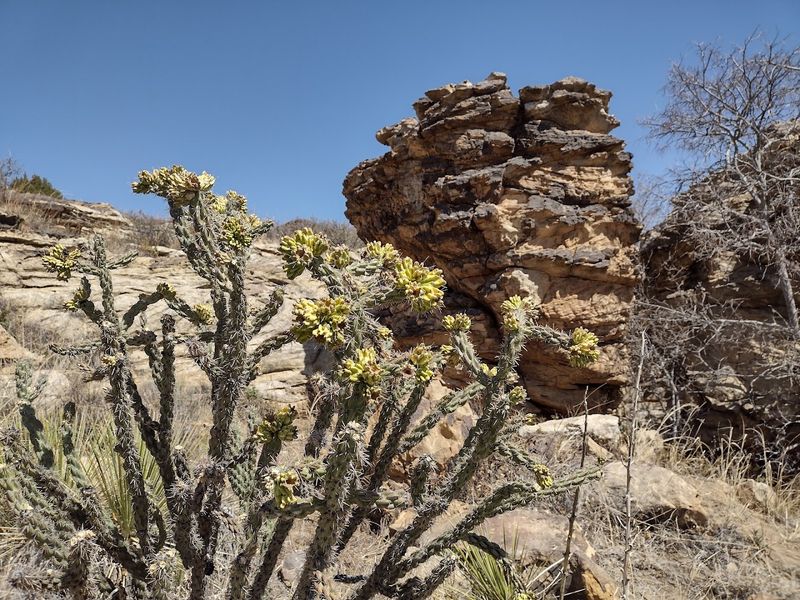
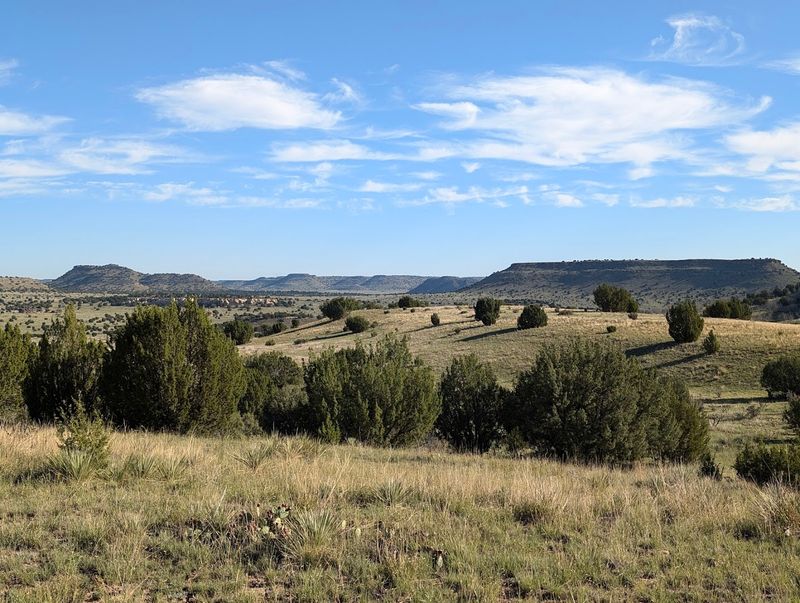
Oklahoma’s panhandle looks like it was designed by a film director who wanted maximum visual drama on a tight budget. The flat-topped mesas rise abruptly from the plains, casting long shadows across the dry earth.
The lake sits in the middle of all this geological theater like it was placed there deliberately.
The rock formations surrounding the park are part of the same geological story that created Black Mesa itself. The landscape is technically part of the Raton-Clayton volcanic field, which explains the unusual terrain.
You’re not just looking at pretty rocks. You’re looking at ancient volcanic activity frozen in time.
Spring brings a softness to this otherwise austere scenery. Patches of wildflowers appear between the rocks.
The grasses that line the lakeshore turn a vivid green before the summer sun bleaches them back to straw. The contrast between the green edges of the water and the rust-colored mesa walls is genuinely striking.
Walking along the shoreline gives you constantly changing angles on the surrounding landscape. Each turn reveals a new composition of water, rock, and sky.
You don’t need to be a photographer to appreciate it, though it certainly helps to have a camera handy. Even a phone camera captures something memorable here.
The landscape does most of the work for you.
Hiking Near the Lake Opens Up a Whole New World
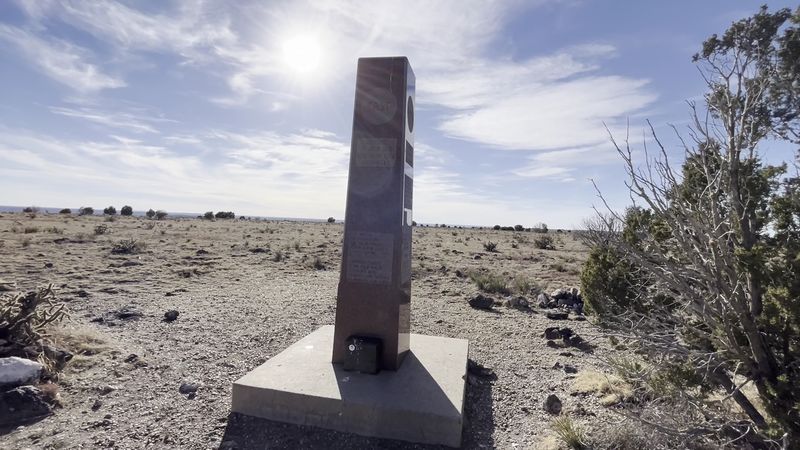
The lake is the centerpiece, but the surrounding area rewards anyone willing to lace up their boots and move. About 15 miles from the state park sits the Black Mesa Nature Preserve, which features a trail leading to Oklahoma’s highest point at 4,973 feet above sea level.
The hike is approximately 8 miles round-trip. It’s not technical climbing, but it does require stamina and proper footwear.
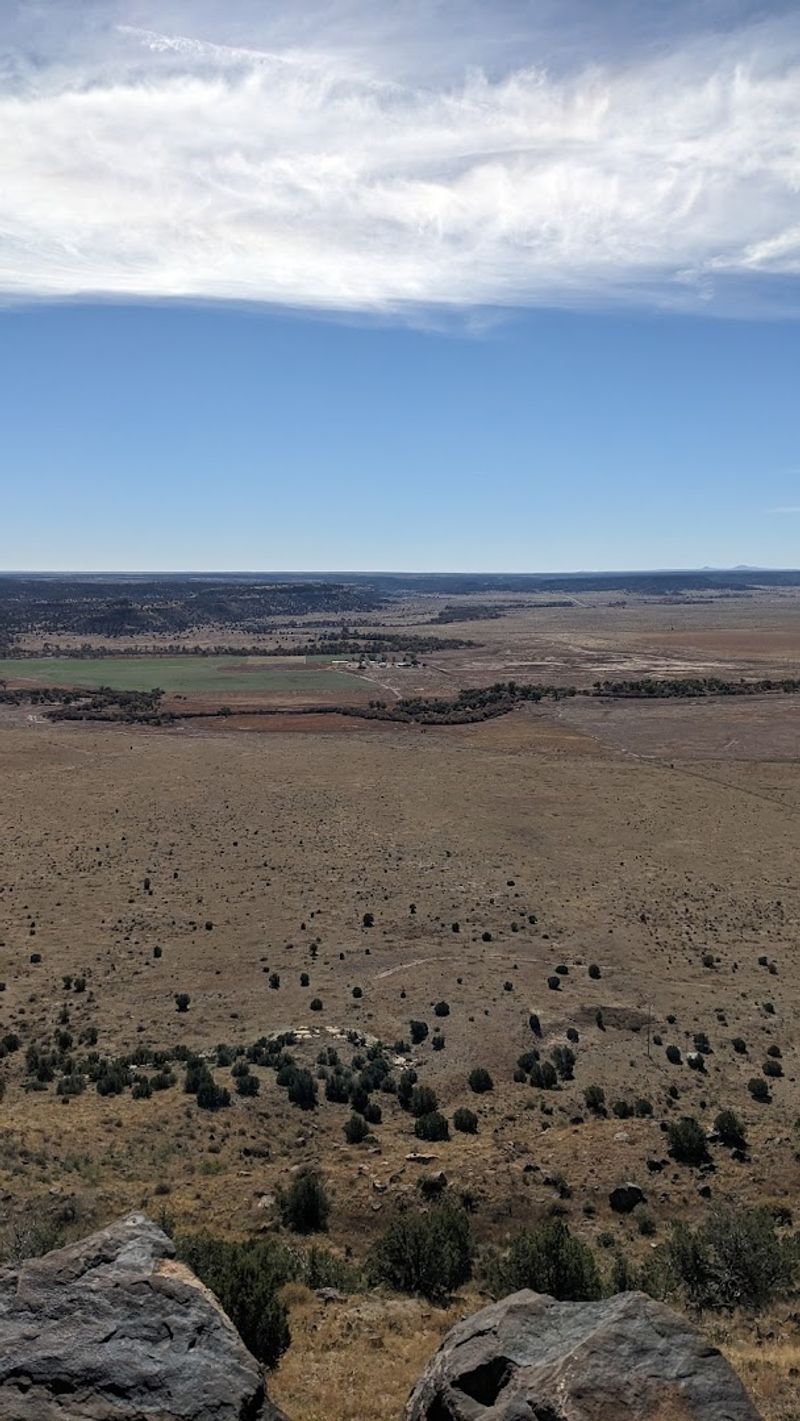
The trail crosses open rangeland, follows dry creek beds, and eventually climbs the mesa to the summit marker. The views from the top are expansive in every direction.
Spring is an ideal time for this hike. Temperatures are manageable, the wildflowers are out, and the trail isn’t baked dry the way it gets in July.
Bring plenty of water regardless of the season. The panhandle air is dry and the sun is intense even when it doesn’t feel hot.
The trail offers a completely different perspective on the landscape compared to sitting by the lake. From the mesa top, you can see into four states on a clear day.
The sense of space is almost disorienting in the best possible way. After the hike, returning to the campsite by the lake feels like coming home.
The contrast between effort and rest is part of what makes this place so satisfying. You earn the view, then you earn the rest.
Spring Is the Secret Season Nobody Talks About Here
Summer gets all the attention when it comes to lake trips. But spring is when Lake Carl Etling is at its most generous.
The crowds are thin, the temperatures are cooperative, and the landscape is in the middle of its annual transformation from dormant to alive.
April and May bring the best combination of conditions. Daytime temperatures in the panhandle during spring typically sit in the 60s and low 70s Fahrenheit.
That’s ideal weather for fishing, hiking, or just sitting outside without sweating through your shirt by 10 in the morning.
The wildflowers are a real highlight. Across the mesa slopes and along the lake edges, small bursts of color appear in the dry soil.
Prickly pear cactus blooms in vivid yellow. Prairie wildflowers fill in the gaps between rocks.
The whole landscape feels like it’s shaking off a long winter nap.
Birdwatching also picks up in spring. The panhandle sits along migration routes, so you might spot species passing through on their way north.
Early mornings by the lake are especially active. The combination of bird sounds, cool air, and morning light over the water creates an atmosphere that feels far removed from everyday life.
That distance is precisely the point. Spring here is quiet in the best possible way, and it belongs to whoever shows up to claim it.
Practical Things Worth Knowing Before You Make the Drive
Getting to Lake Carl Etling is part of the adventure, but a little preparation goes a long way. The park is located in the far western Oklahoma panhandle near the town of Kenton.
The nearest major services are limited, so stock up on food, water, and fuel before you head into the final stretch of highway.
Cell service in this area is unreliable at best. Download offline maps before you leave, and don’t count on being able to look things up once you’re deep into the panhandle.
This isn’t a complaint, it’s just the reality of a remote destination. Embrace the disconnection as part of the experience.
The park has both RV and tent camping options, along with state park cabins. Reservations are smart, especially for spring weekends when the park sees more visitors.
Showing up without a plan on a busy weekend is a gamble in a place with limited accommodations.
Boat ramps are available on the east and south sides of the lake. Fishing regulations require no more than two rods and reels per angler.
Swimming is not permitted on the lake, so plan activities accordingly. For the hike to Oklahoma’s highest point, start early to avoid midday heat and wind.
The full address for Black Mesa State Park is HC 1 Box 8, Kenton, OK 73946, USA. It’s remote, real, and completely worth the effort.
Dear Reader: This page may contain affiliate links which may earn a commission if you click through and make a purchase. Our independent journalism is not influenced by any advertiser or commercial initiative unless it is clearly marked as sponsored content. As travel products change, please be sure to reconfirm all details and stay up to date with current events to ensure a safe and successful trip.
