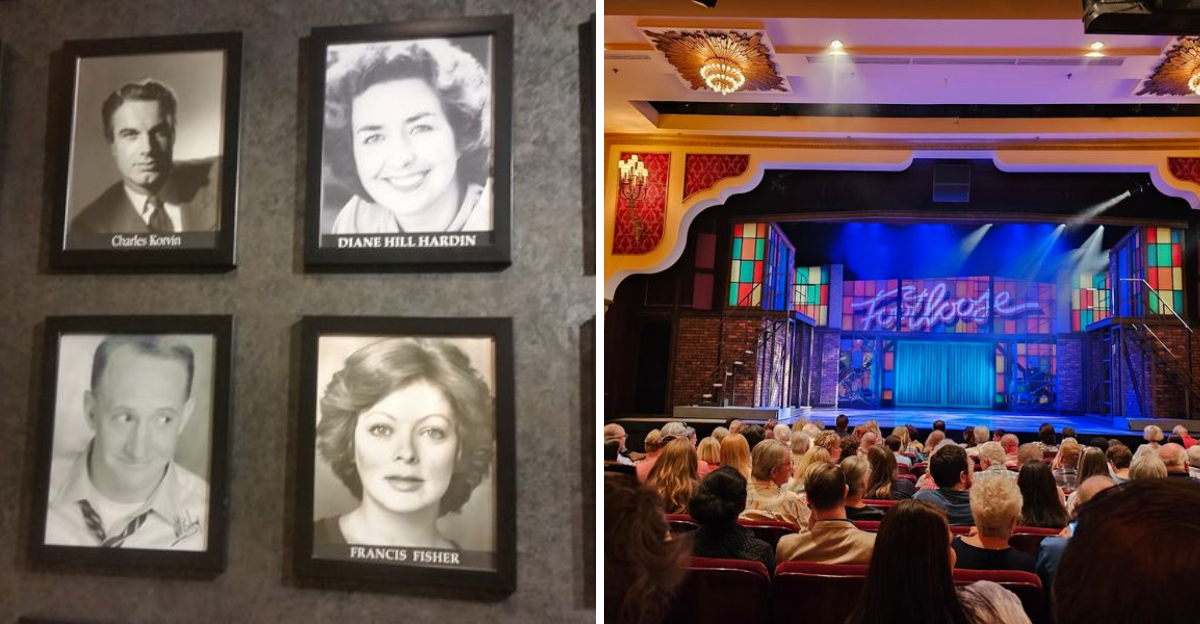
During the Great Depression, this Virginia mountain theatre found a way to survive. When audiences could not pay for tickets, they traded food instead.
Ham, eggs, produce, whatever they had. The theatre became known as the place where you could trade ham for Shakespeare.
The tradition stuck, and the theatre has been a cultural staple ever since. I walked through the doors and felt the history in the walls, the creaky floors, the old seats that have held generations of theatergoers.
The stage has seen everything, from classics to comedies, and the energy in the room is electric. Virginia has plenty of historic theatres, but this one has a story that sets it apart.
Go for the show, stay for the legacy.
The Wildest Origin Story in American Theatre History
Picture this: the Great Depression is raging, Broadway has gone dark for countless actors, and one determined Virginia native decides the show must absolutely go on.
Robert Porterfield packed up his dreams, rounded up twenty-two fellow unemployed actors from New York City, and headed back to his Southwest Virginia roots with a plan that was equal parts brilliant and completely bonkers.
The idea was simple but revolutionary. Local farmers and families who couldn’t spare cash could pay for their theatre tickets with whatever they had, including vegetables, dairy products, and live animals.
Corn, ham, eggs, butter, and even live chickens became perfectly valid currency at the box office.
Remarkably, it worked. Four out of five audience members paid their way with farm goods rather than money.
The motto that emerged was pure poetry: “With vegetables you cannot sell, you can buy a good laugh.” That scrappy, resourceful spirit launched an institution that Virginia would eventually claim as its very own State Theatre.
The whole origin story feels like something a playwright would dream up, and honestly, no playwright could have done it better.
Trading Ham for Hamlet, Literally
The phrase “trading ham for Hamlet” is not just a clever slogan. It actually happened.
When Barter Theatre needed to pay royalties to playwrights whose works were being performed, they did so in the most Virginia way imaginable: with cured ham.
Tennessee Williams and Thornton Wilder both received Virginia hams as payment for their scripts. The story gets even better when you factor in George Bernard Shaw, the famously vegetarian Irish playwright.
Shaw, ever the wit, reportedly requested his royalty payment in spinach instead, which the theatre happily arranged.
This barter economy extended in every direction, creating a genuinely self-sustaining community arts ecosystem during one of America’s hardest economic chapters.
Actors ate well thanks to the farm goods pouring in, local families got world-class entertainment, and playwrights got paid in smoky, salty Virginia pork.
It’s the kind of arrangement that makes you wish modern Broadway operated with even half this much creativity and community spirit. The whole setup remains one of the most charming footnotes in American cultural history.
A Church That Became a Cultural Landmark
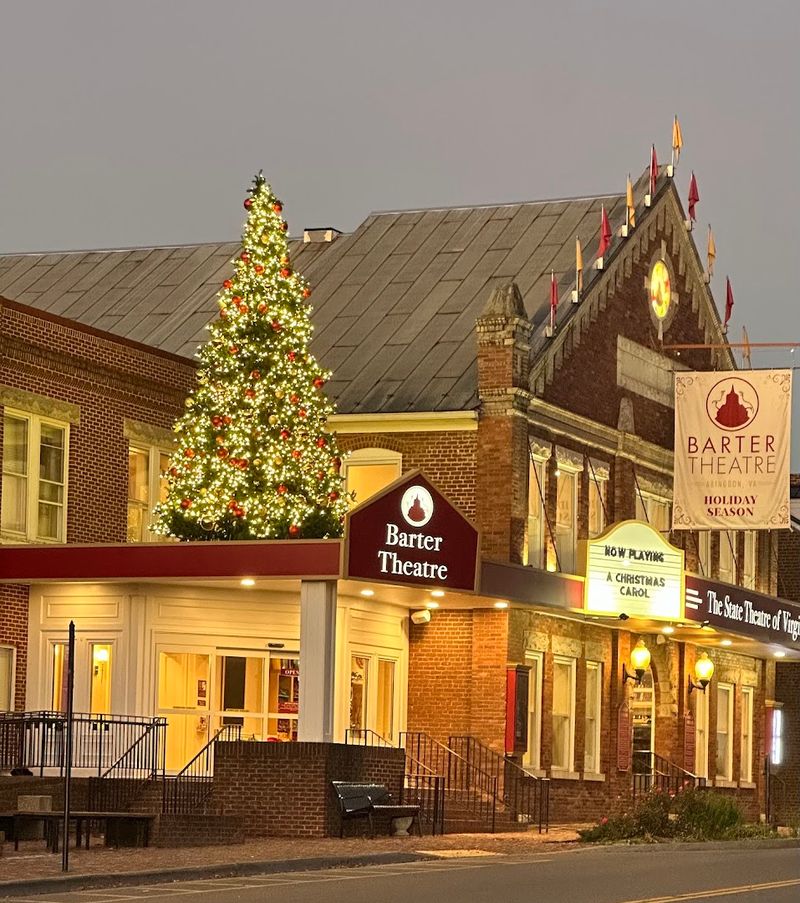
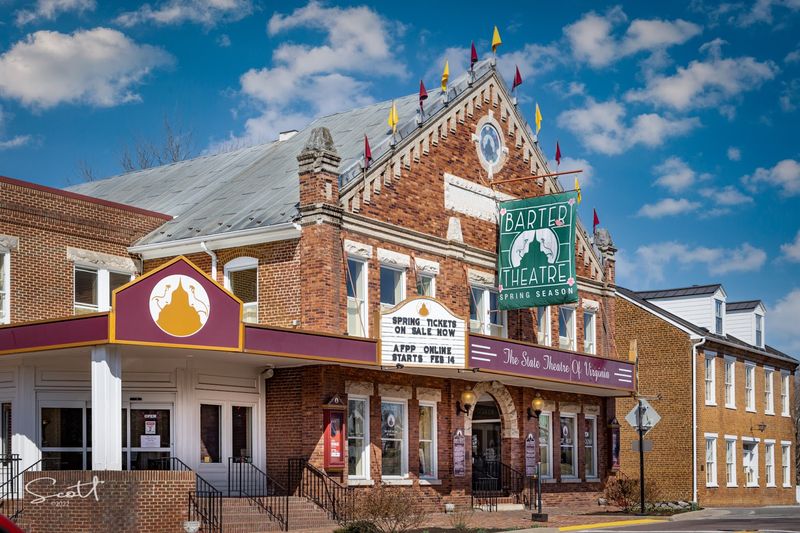
Long before the first curtain rose on a Barter production, the building itself had already lived a full life. The structure at 127 W Main St was originally constructed as the Sinking Spring Presbyterian Church back in the early nineteenth century.
This is making its bones genuinely historic even before theatre entered the picture.
Over the decades, the building wore many hats. It served as a town hall, housed the local fire department, and eventually found its true calling as a performance space.
Walking through the lobby today, you can feel the weight of all those accumulated years. The architectural details are stunning, with ornate touches that remind you this space was built to inspire awe from day one.
The main auditorium retains that warm, intimate quality that only old buildings possess. Comfortable seats, excellent sightlines, and acoustics that carry every whispered line clearly to the back row all contribute to an experience that modern purpose-built theatres often struggle to replicate.
Barter Theatre turned a nineteenth-century church into a living, breathing arts institution, and the bones of that original structure make every single performance feel just a little more sacred.
Virginia’s Official State Theatre and a Tony Award to Boot
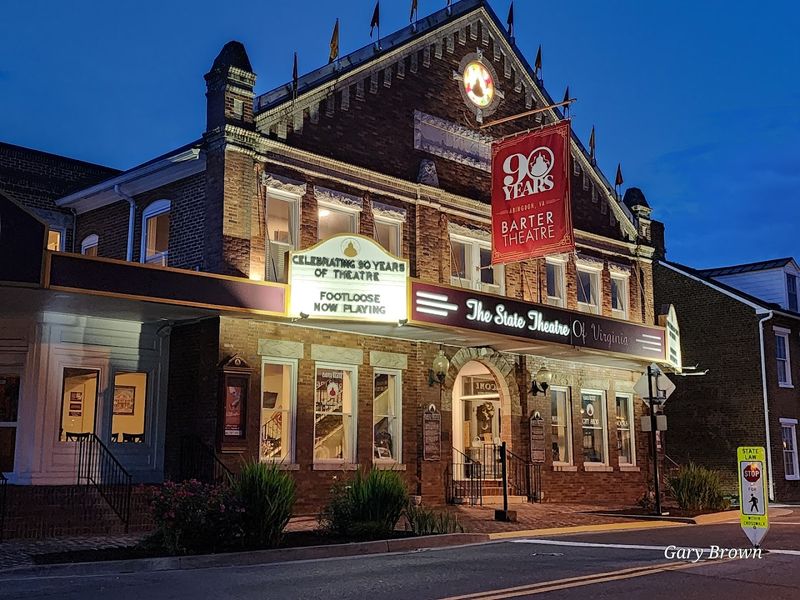
Not every scrappy Depression-era experiment ends up with a Tony Award and an official state designation, but Barter Theatre is not every experiment.
Virginia made history by becoming the first state in the nation to officially designate a State Theatre, and the honour went to Barter in the mid-twentieth century.
That recognition was well earned and long overdue.
The Tony Award followed, cementing Barter’s reputation not just as a regional curiosity but as a genuinely significant force in American performing arts.
For a theatre nestled in the mountains of Southwest Virginia, far from the bright lights of Broadway or the cultural hubs of the East Coast, these achievements represent something extraordinary.
What makes these accolades even more meaningful is that they arrived without compromising the theatre’s original community-first mission. Barter Theatre never chased prestige at the expense of accessibility.
It kept its doors open to the surrounding community, maintained its repertory format, and continued producing work of remarkable quality year after year. Virginia claiming this theatre as its own is one of the state’s smartest cultural decisions, full stop.
The Famous Faces Who Got Their Start Here
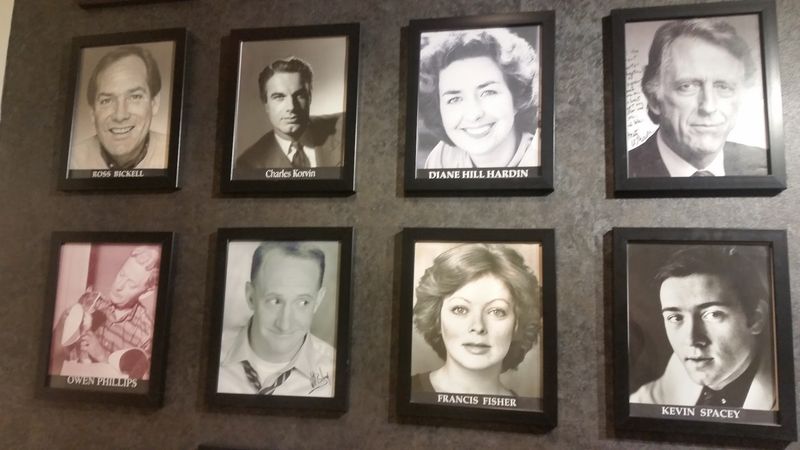
Before Gregory Peck became Atticus Finch, before Patricia Neal won her Academy Award, before Ernest Borgnine and Hume Cronyn became household names, they all shared something in common: early seasons on the Barter Theatre stage in Abingdon, Virginia.
The list of prominent alumni who launched their professional careers here reads like a golden-age Hollywood dream roster. For young actors during the mid-twentieth century, Barter represented a genuine pathway from obscurity to excellence.
The repertory format meant performers tackled multiple roles across a season, building the kind of versatile, rigorous craft that would later serve them brilliantly in major productions.
That tradition of nurturing talent has never stopped. The company continues attracting serious performers who understand that working in a high-quality repertory environment builds skills no acting class can fully replicate.
Watching a Barter production today, knowing that the actor commanding the stage might be the next great American performer, adds a thrilling layer to every performance. The theatre has always been a launching pad, and it shows no signs of stopping anytime soon.
Barter Days, Where Canned Goods Still Buy Culture
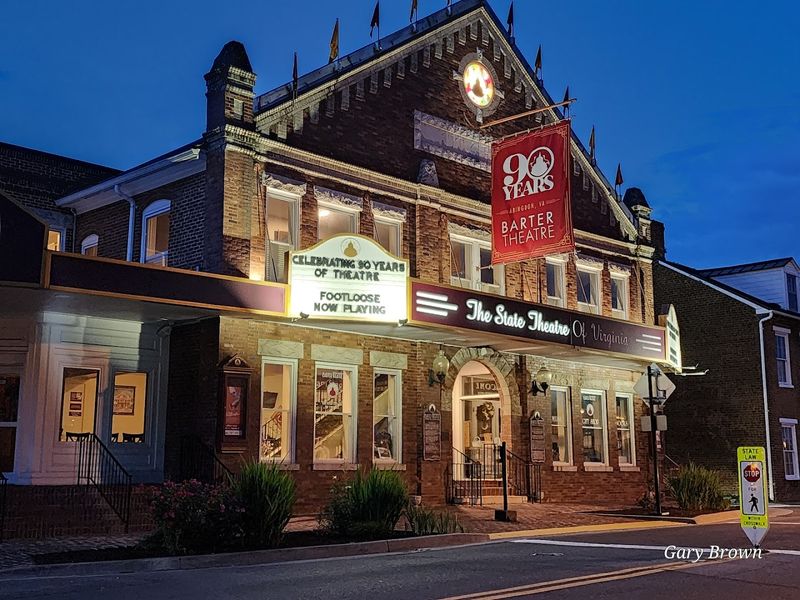
The original barter tradition never truly died. Barter Theatre keeps its founding spirit gloriously alive through special “Barter Days” events, during which audience members can exchange canned goods for admission.
It’s the most wholesome box office transaction imaginable, and it still works beautifully.
Unlike the original Depression-era arrangement where produce went directly to feed the actors, today’s donated goods head straight to a local food bank, making each performance a genuine act of community generosity.
Bringing a can of soup to a Shakespeare play feels surprisingly right, like something the founding company would absolutely approve of.
The continuation of this tradition says everything about what Barter Theatre prioritises. Plenty of regional theatres talk about community engagement as a marketing strategy.
Barter actually built community engagement into its founding DNA and has never let it go. Attending a Barter Day event means participating in a living piece of American cultural history while also helping feed your neighbours.
That combination of artistic excellence and genuine civic purpose is rare, precious, and exactly why this Virginia institution keeps drawing audiences back season after season.
The Repertory Format That Keeps Every Visit Fresh
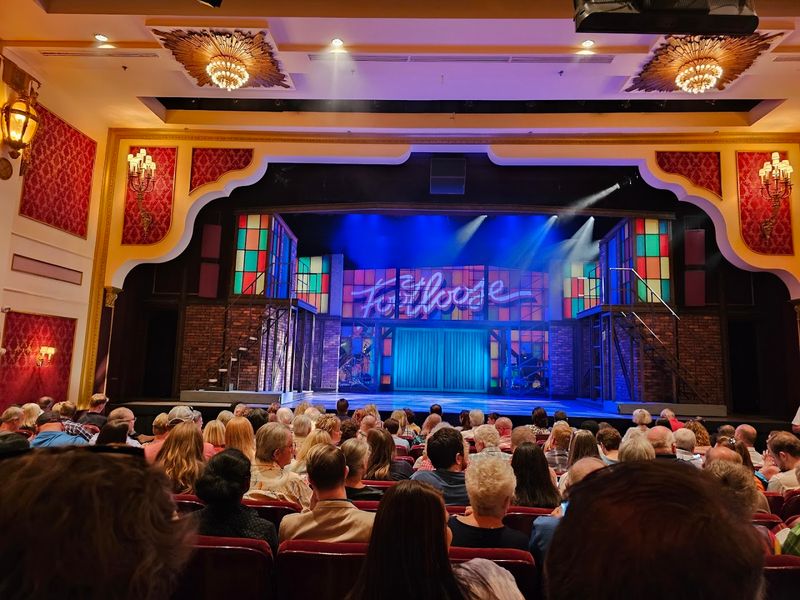
One of the smartest things about Barter Theatre is its commitment to the repertory model, which means the company rotates multiple productions throughout a season rather than running a single show indefinitely. For audiences, this creates an almost irresistible reason to return again and again.
A single trip to Abingdon might offer three or four completely different shows to choose from across a long weekend.
Classics sit alongside contemporary works, musicals share the calendar with straight plays, and holiday productions bring in entirely new audiences who might never have considered themselves theatre people before walking through those doors.
The repertory format also does something wonderful for the performers.
Playing different roles across a season keeps the work sharp, spontaneous, and genuinely alive in a way that running the same show eight times a week for months simply cannot match.
My own experience watching a Barter production confirmed this immediately. The energy in that room felt electric, not routine.
Every actor on that stage seemed fully invested, fully present, and completely committed to making that specific performance count. That’s the repertory difference.
Abingdon Itself Is Half the Adventure
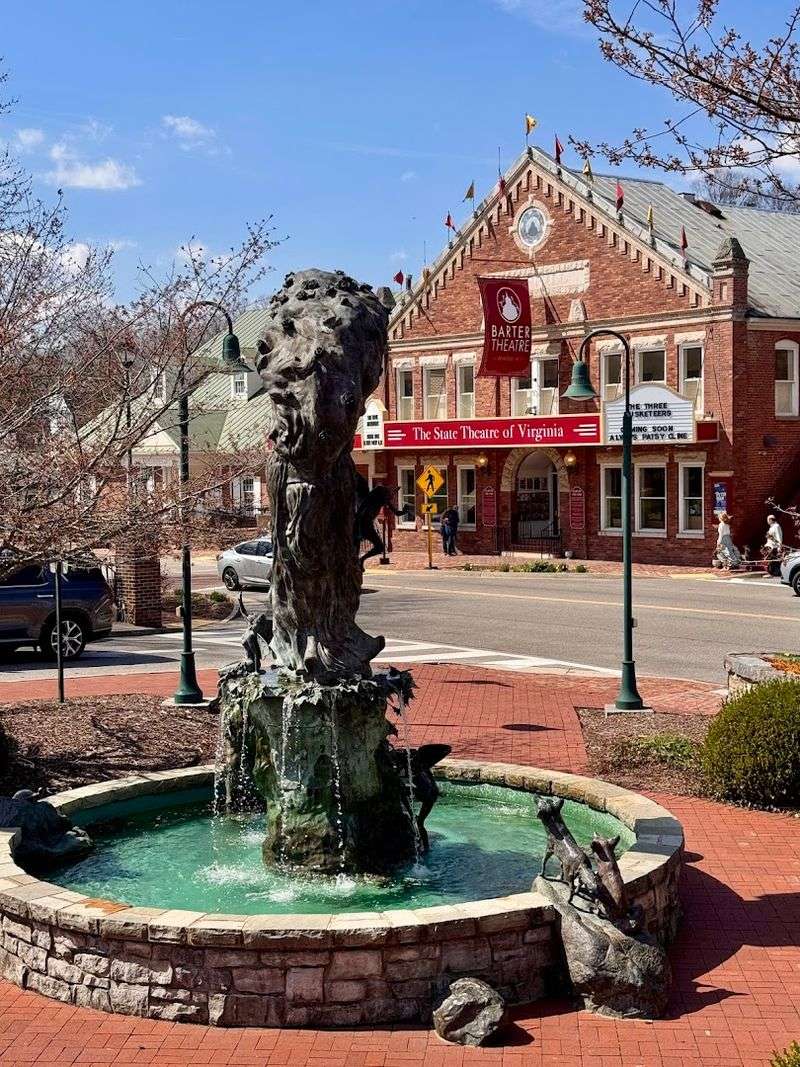
Arriving in Abingdon for the first time feels like stepping into a town that time decided to treat very kindly. The historic Main Street corridor is genuinely lovely, with well-preserved architecture, independent shops, and a pace of life that immediately slows your heartbeat in the best possible way.
Southwest Virginia has a particular magic that’s hard to articulate but impossible to miss. The surrounding mountains frame the town beautifully, and the overall atmosphere rewards slow, unhurried exploration.
Abingdon’s walkable downtown means you can spend a full day simply wandering between galleries, boutiques, and historic sites before even thinking about showtime.
The Virginia Creeper Trail, one of the region’s most celebrated outdoor attractions, begins right in town, offering a completely different way to experience the natural beauty surrounding this remarkable community.
Pairing a Barter Theatre performance with a morning on the trail creates one of those perfect travel days that you keep describing to friends for years afterward.
Abingdon punches well above its weight as a destination, and discovering it through the lens of Barter Theatre is genuinely one of Virginia’s great travel experiences.
What a Night at Barter Actually Feels Like
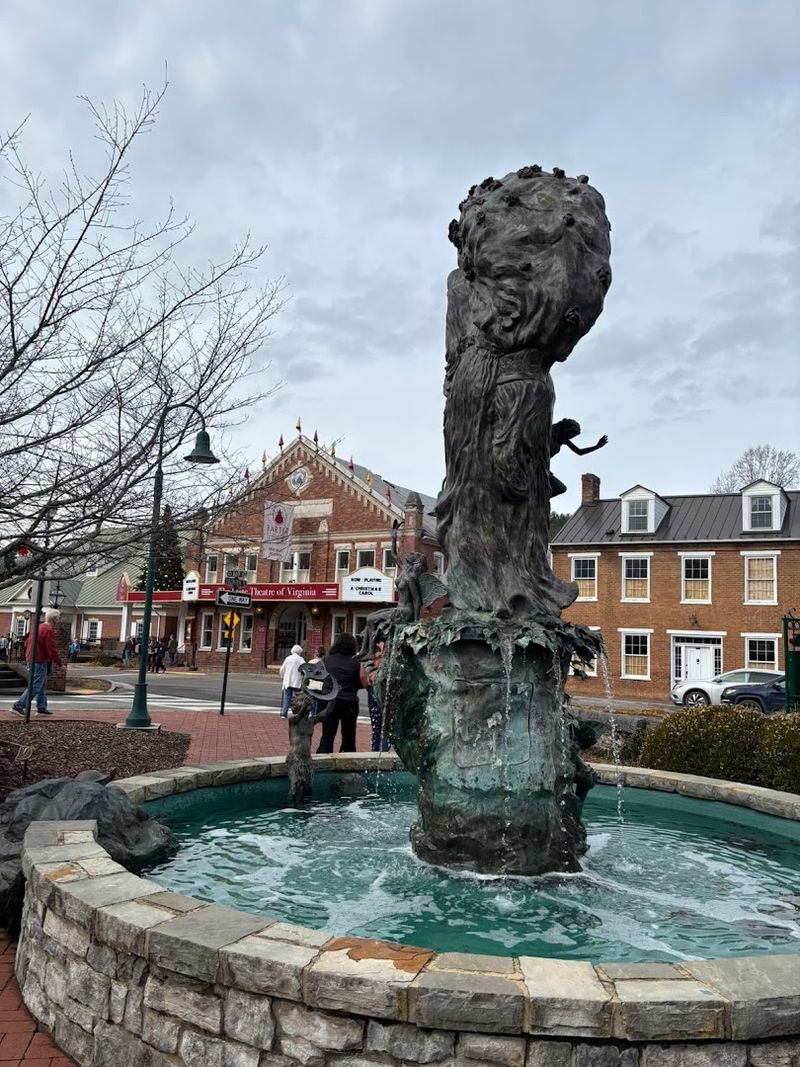
Arriving at the theatre on a performance night, the energy on West Main Street shifts noticeably. People are dressed up just enough to signal that something special is happening, but the atmosphere stays relaxed and genuinely welcoming rather than intimidating or stiff.
The lobby itself rewards a slow pre-show wander. Historic details catch your eye at every turn, and the overall feeling is one of stepping into a space that has absorbed decades of extraordinary performances.
Staff members are consistently warm and helpful, the kind of genuinely friendly that Southwest Virginia seems to produce naturally.
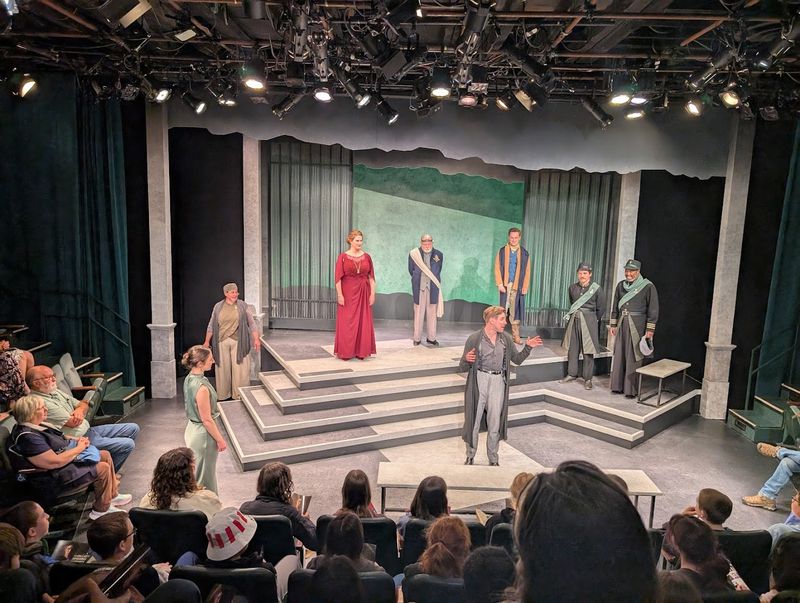
Once the lights go down and the production begins, the intimacy of the space becomes its greatest asset. No seat feels far from the action.
The acoustics carry every line cleanly, and the production values consistently exceed what you might expect from a regional theatre operating outside a major metropolitan area. Productions I’ve seen here have ranged from riotously funny to genuinely moving, sometimes within the same evening.
Barter Theatre delivers the full emotional range of live performance at its very best, and leaving the building afterward, you carry that particular glow that only great theatre provides.
Plan Your Visit to 127 W Main St, Abingdon, Virginia
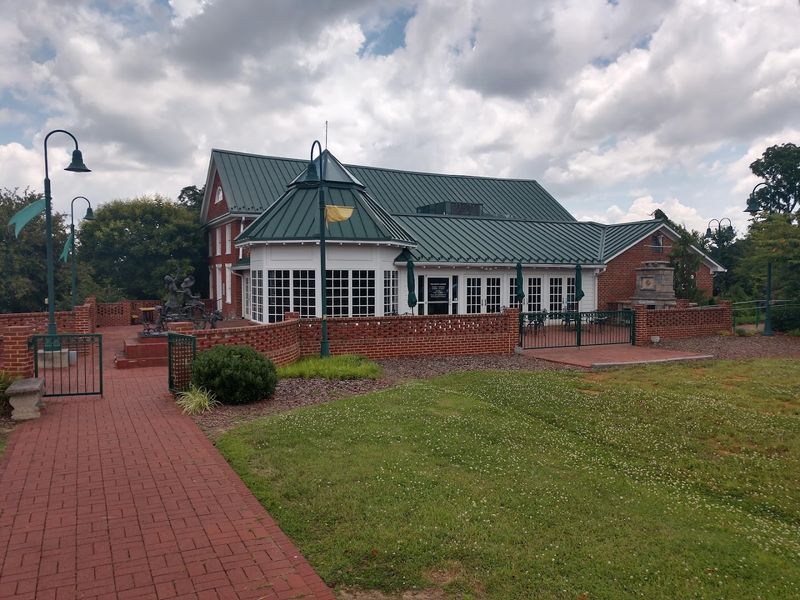
Getting yourself to Barter Theatre is straightforward, and the address, 127 W Main St, Abingdon, VA 24210, puts you right in the heart of one of Virginia’s most appealing small towns. The theatre operates year-round as a professional repertory company, so there’s genuinely no bad time to visit.
Booking tickets in advance is strongly recommended, particularly for holiday productions and weekend performances, which fill up quickly and with good reason.
The theatre’s website at bartertheatre.com keeps the current season calendar updated, and checking it before your trip lets you plan around whichever productions appeal most.
The phone number is 276-628-3991 if you prefer talking to an actual human being about your booking.
Consider building a full weekend around your visit. Abingdon has enough to offer that rushing in and out for a single show feels like leaving money on the table, experience-wise.
Stay a night or two, explore the town properly, and let Virginia’s mountain hospitality work its magic on you. Barter Theatre is the kind of place you visit once and spend years recommending to everyone you know.
Go ahead and pack that bag. This corner of Virginia is absolutely worth the journey.
