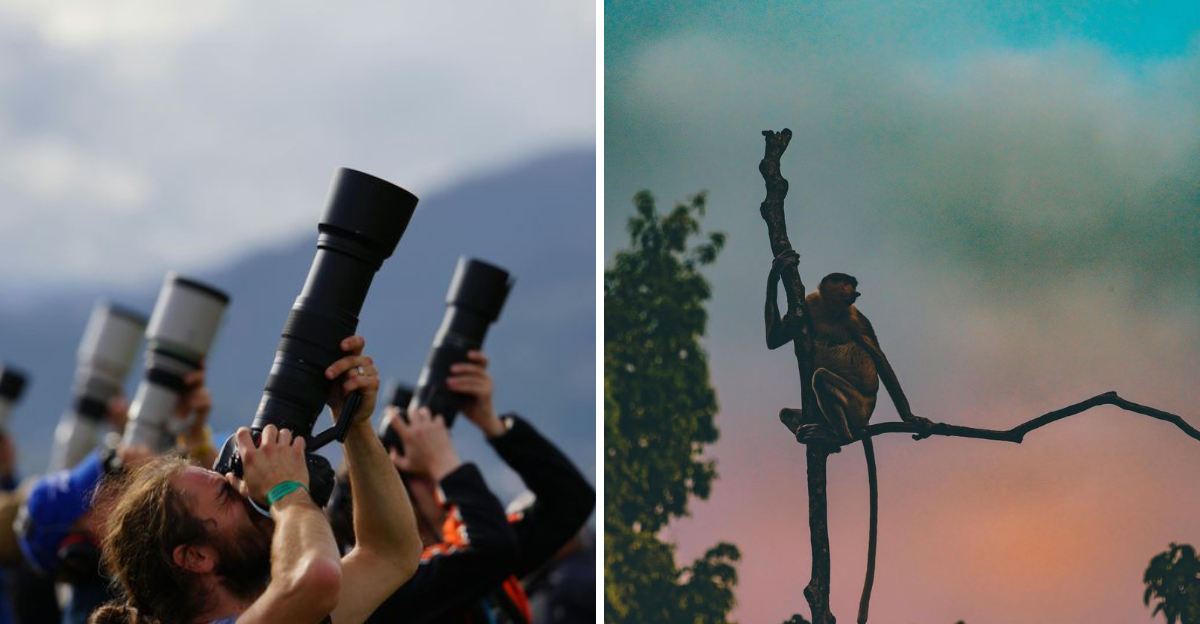
Wyoming’s wild frontier has always captured the imagination of adventurers and photographers alike.
But did you know that for a time, the state had a curious law that actually restricted wildlife photography during the snowy winter months?
This unusual regulation might sound strange today, but it was born from genuine concerns about protecting animals during their most vulnerable season.
The law sparked debates between conservationists and photographers, creating a unique chapter in Wyoming’s legal history.
While the restriction is no longer in effect, understanding why it existed in the first place reveals fascinating insights about wildlife protection, winter survival challenges, and how human activities can impact nature.
The story behind this law involves everything from struggling elk herds to determined nature photographers who braved freezing temperatures for the perfect shot.
Today, we can look back and learn valuable lessons about balancing our passion for capturing nature’s beauty with the responsibility to protect it.
The Law Was Born From Real Wildlife Stress Concerns
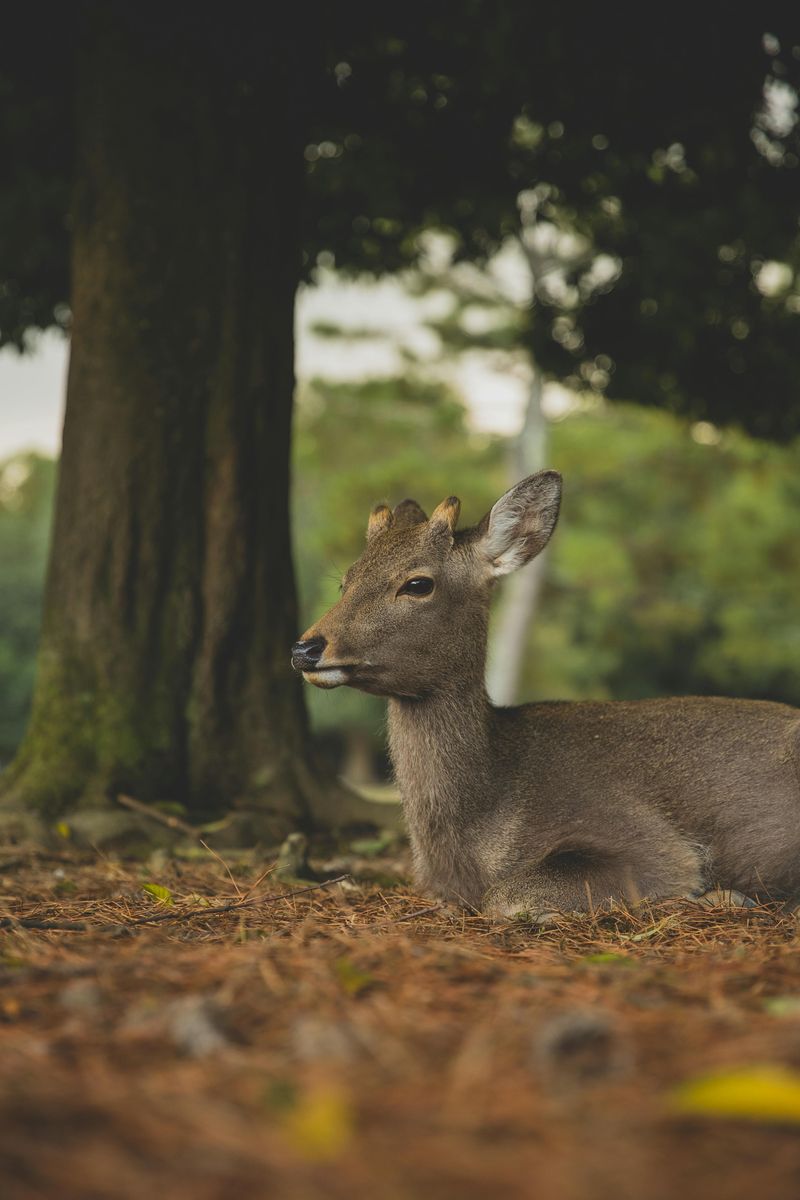
Back in the mid-20th century, Wyoming wildlife officials noticed something troubling happening across their winter ranges.
Elk, deer, and other large mammals were showing signs of extreme stress during the coldest months, and biologists began investigating the causes.
What they discovered was that human disturbances, including photographers getting too close for dramatic shots, were forcing animals to flee and waste precious energy reserves.
Winter is an incredibly demanding time for Wyoming’s wildlife populations.
Animals enter a survival mode where they conserve every calorie possible, reducing movement and lowering their metabolic rates to make it through months of scarce food and brutal cold.
When a photographer approaches too closely, even with the best intentions, the animal’s flight response kicks in automatically.
This sudden burst of running through deep snow can burn calories equivalent to several days’ worth of carefully conserved energy.
State officials documented cases where repeated disturbances contributed to winter die-offs in certain herds.
The connection between human activity and animal mortality became impossible to ignore, especially in popular areas where photographers congregated.
Something needed to change to protect these vulnerable populations during their toughest season.
The proposed solution was a regulation that would limit how close photographers could approach wildlife during winter months, with special restrictions in designated winter range areas.
This wasn’t about punishing nature lovers but rather about creating boundaries that would allow both humans and animals to coexist more successfully.
The law represented one of the earliest attempts to recognize that even seemingly harmless activities like photography could have unintended ecological consequences.
Wyoming was pioneering territory in acknowledging that wildlife observation itself needed management and regulation to prevent harm.
Photographers Initially Resisted The Restrictions
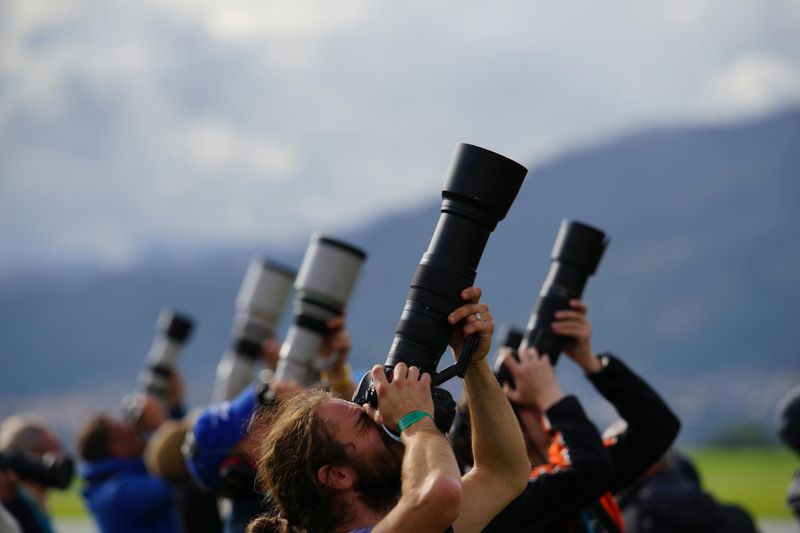
When Wyoming first proposed limitations on winter wildlife photography, the reaction from the photography community was swift and passionate.
Many professional and amateur photographers felt the regulations unfairly targeted their craft while ignoring other forms of winter recreation.
Some argued that responsible photographers already maintained respectful distances and that the law painted everyone with the same broad brush.
Photography organizations submitted formal complaints to state wildlife agencies, arguing that education rather than restriction should be the primary approach.
They pointed out that skiers, snowmobilers, and other winter recreationists also disturbed wildlife but weren’t facing similar limitations.
The debate became heated at public hearings, with photographers bringing portfolios of their work to demonstrate how valuable wildlife photography was for conservation awareness.
Many felt their contributions to environmental education were being overlooked in favor of blanket restrictions.
Some photographers shared stories of spending years building trust with specific animal populations, learning their patterns and behaviors to capture images without causing stress.
These dedicated individuals felt the regulations failed to distinguish between respectful practitioners and those who prioritized the shot above animal welfare.
The controversy revealed a fundamental tension between access and protection that continues in various forms today.
Despite the initial resistance, some photographers eventually came around after seeing the scientific data behind the regulations.
Wildlife biologists held workshops showing thermal imaging of stressed animals and explaining the physiological costs of winter disturbance.
These educational efforts helped bridge the gap between enforcement and understanding, though tensions remained.
The resistance phase became an important part of the law’s history, demonstrating how conservation measures often face pushback before gaining acceptance.
The Law Applied Specifically To Winter Range Areas
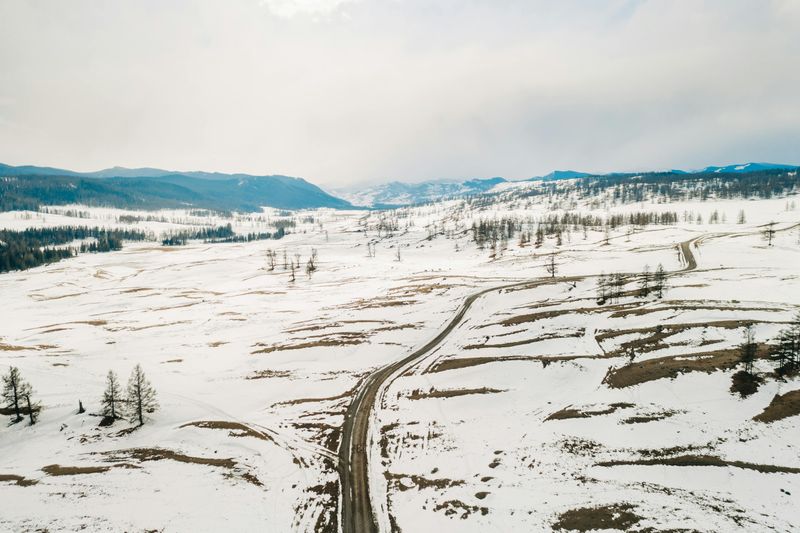
Wyoming’s winter photography restrictions weren’t a blanket ban across the entire state but rather targeted specific geographic areas known as critical winter ranges.
These designated zones represented the places where wildlife congregated during the harshest months, seeking lower elevations with less snow and slightly warmer temperatures.
Understanding these winter ranges was key to understanding why the law existed and how it was enforced.
Winter range areas typically feature south-facing slopes where snow melts faster and windswept ridges where animals can access dried grasses beneath the snow.
These natural refuges become crowded during severe winters, with multiple species competing for limited resources.
The concentration of animals in relatively small areas made them particularly vulnerable to human disturbance, as there were fewer options for fleeing to undisturbed habitat.
Wildlife managers identified and mapped these critical areas through decades of observation and radio collar tracking studies.
The law established buffer zones around these winter ranges, with varying levels of restriction depending on severity of conditions and wildlife population health.
During particularly harsh winters, some areas became completely off-limits to recreational access, not just photography.
In less severe conditions, the regulations might only require maintaining minimum distances from animals or staying on designated routes.
This flexible approach allowed managers to adjust restrictions based on real-time conditions rather than rigid year-round rules.
Enforcement officers patrolled these winter ranges, educating visitors about the regulations and issuing citations when necessary.
Signage at trailheads and access points informed the public about the special restrictions in effect.
The geographic specificity of the law meant that photographers could still pursue their passion in other areas while critical habitats received enhanced protection during the most vulnerable season.
Technology Eventually Made The Law Less Necessary

One of the most interesting reasons the law eventually became obsolete was the remarkable advancement in camera and lens technology.
When the restrictions were first implemented, photographers needed to get relatively close to wildlife to capture quality images.
Telephoto lenses existed but were expensive, heavy, and often produced images that lacked the sharpness needed for publication or exhibition.
Getting a frame-filling shot of an elk or bighorn sheep often meant approaching within distances that could trigger flight responses.
As decades passed, optical technology improved dramatically and became more accessible to average consumers.
Modern telephoto lenses can capture stunning detail from hundreds of yards away, allowing photographers to work from distances that don’t disturb their subjects.
Digital cameras with high megapixel counts enable significant cropping while maintaining image quality, effectively extending the reach of any lens.
Image stabilization technology compensates for the natural shake that comes with using powerful telephoto lenses, producing sharp images that would have been impossible with earlier equipment.
Professional wildlife photographers began adopting practices that emphasized minimal disturbance, partly enabled by their improved equipment.
Blind photography, where photographers conceal themselves in camouflaged shelters, became more popular and effective.
Remote camera traps with motion sensors allowed capturing intimate wildlife moments without any human presence at all.
These technological solutions addressed many of the concerns that had originally prompted the law.
Wildlife officials recognized that the photography community had evolved significantly from the early days of the restrictions.
Better equipment combined with improved education meant photographers could pursue their craft without the negative impacts that had once been common.
The law had served its purpose during an era when getting close was necessary, but technology had essentially solved the problem it was designed to address.
The Law Created Unexpected Benefits For Wildlife Research
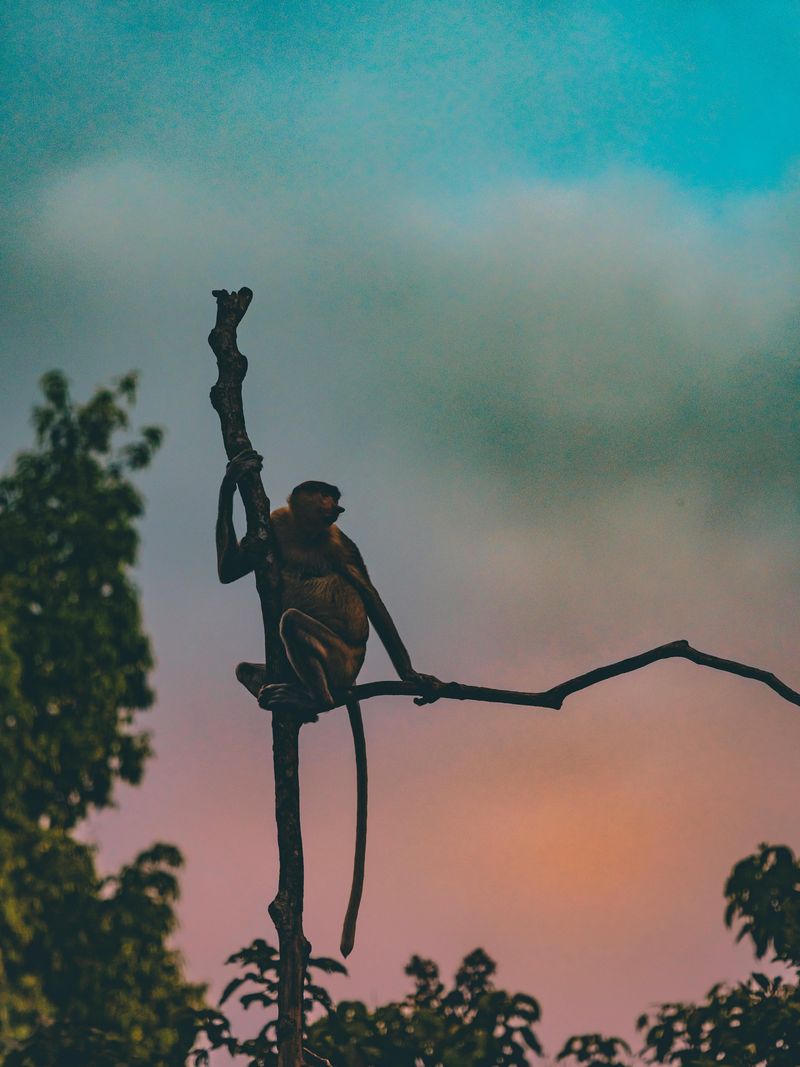
While the primary goal of Wyoming’s winter photography restrictions was protecting stressed wildlife, an unexpected benefit emerged for the scientific community.
The reduced human presence in winter range areas created natural laboratories where researchers could study animal behavior with minimal disturbance from recreational activities.
Biologists gained unprecedented access to observe how wildlife populations naturally responded to winter conditions without the confounding variable of constant human interaction.
Research teams established long-term monitoring stations in areas that were now protected from general public access during critical months.
They documented feeding patterns, social hierarchies, and energy conservation behaviors that had been difficult to observe when human activity was unrestricted.
The data collected during these protected periods contributed to scientific papers that advanced understanding of ungulate ecology and winter survival strategies.
Some of the most cited research on elk winter physiology came from studies conducted in areas where the photography restrictions were most strictly enforced.
The protected status also allowed researchers to conduct experiments that would have been impossible with regular disturbance.
They could measure how animals responded to controlled stimuli without worrying about random encounters with photographers or other recreationists affecting their results.
Radio collar studies became more reliable when researchers knew that tagged animals weren’t being inadvertently pushed out of study areas by human activity.
The scientific community came to appreciate the law as more than just a protective measure but as a valuable research opportunity.
These research benefits provided additional justification for the restrictions beyond just preventing harassment.
Wildlife agencies could point to concrete scientific advances that resulted from the protected winter ranges.
Even after the law was eventually relaxed, many research areas maintained access restrictions to preserve their value as study sites, showing how the original regulation had lasting impacts beyond its initial intent.
Public Education Programs Replaced Enforcement Over Time
As Wyoming wildlife officials gained experience managing winter recreation and photography, they discovered that education proved more effective than strict enforcement in achieving conservation goals.
The transition from a regulation-heavy approach to an education-focused strategy represented a significant shift in wildlife management philosophy.
Ranger programs, interpretive signs, and outreach campaigns began emphasizing why winter disturbance mattered rather than simply telling people what they couldn’t do.
The Wyoming Game and Fish Department developed comprehensive materials explaining winter wildlife stress in accessible language.
Brochures featured illustrations showing how deep snow forces animals to expend energy and why even a single disturbance could have cascading effects.
Visitor centers near winter ranges installed interactive exhibits where people could experience simulated winter conditions and understand the challenges wildlife faced.
These educational efforts helped transform public perception from viewing the restrictions as arbitrary rules to understanding them as science-based conservation measures.
Photography workshops led by both wildlife officials and professional photographers demonstrated techniques for capturing stunning images without approaching too closely.
Participants learned about animal behavior cues that indicated stress, helping them recognize when they were too close even before an animal fled.
The workshops also covered ethical practices like avoiding nesting sites and understanding which species were most vulnerable to disturbance.
Many photographers who attended these programs became advocates for responsible practices, spreading the message within their communities.
As public understanding improved, compliance increased even without heavy enforcement presence.
People began self-regulating their behavior and even politely educating others they encountered violating distance guidelines.
This cultural shift demonstrated that when people understand the reasons behind conservation rules, they’re more likely to follow them voluntarily.
The success of education programs eventually made the formal restrictions less necessary, as voluntary compliance achieved what regulations had once required.
Modern Wildlife Management Focuses On Adaptive Strategies Rather Than Blanket Rules
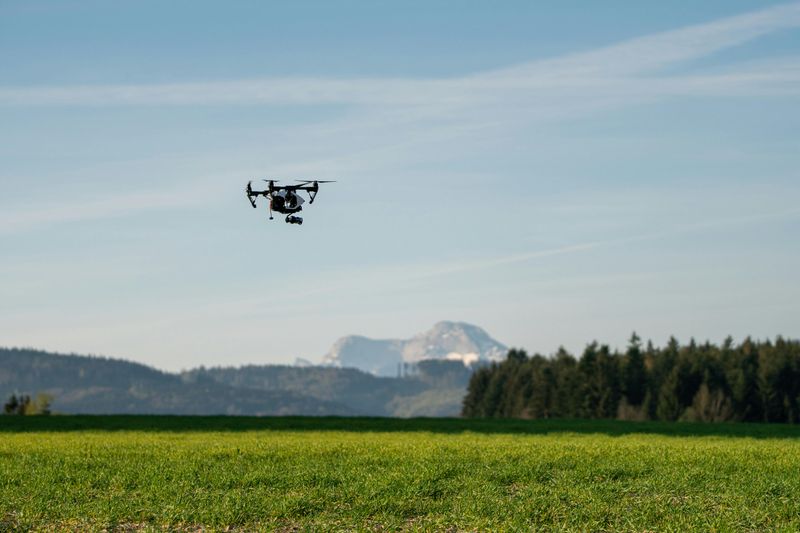
The eventual retirement of Wyoming’s winter photography restrictions reflects a broader evolution in how wildlife agencies approach management challenges.
Contemporary wildlife management embraces adaptive strategies that respond to changing conditions rather than maintaining fixed regulations regardless of circumstances.
This flexible approach recognizes that wildlife populations, human activities, and environmental conditions are constantly changing, requiring management that can adjust accordingly.
Today’s wildlife managers use real-time data from GPS collars, trail cameras, and citizen science observations to assess when and where restrictions might be needed.
If a particular winter proves exceptionally harsh with deep snow and cold temperatures, temporary closures or enhanced restrictions can be implemented in specific areas.
Conversely, during mild winters when wildlife populations are healthy and stress levels are low, managers can allow more access without concern.
This dynamic approach prevents the rigidity that characterized earlier management eras.
Social media and smartphone apps now enable wildlife agencies to communicate changing conditions and recommendations instantly to the public.
Photographers planning winter trips can check current status updates before heading out, knowing whether specific areas are experiencing stress conditions that warrant extra caution.
This immediate communication wasn’t possible when the original restrictions were created, forcing managers to rely on seasonal blanket rules.
Modern technology enables the nuanced, responsive management that makes rigid year-round restrictions unnecessary.
The shift toward adaptive management also acknowledges that different wildlife populations have varying tolerance levels for human activity.
Some herds that regularly encounter people show less stress response than those in more remote areas.
Managers can now tailor their approach to specific populations rather than applying one-size-fits-all rules.
Wyoming’s experience with the winter photography law contributed valuable lessons to this evolving management philosophy, demonstrating both the value of protection and the importance of flexibility.
The law may no longer exist in its original form, but its legacy continues influencing how we balance human recreation with wildlife conservation.
Dear Reader: This page may contain affiliate links which may earn a commission if you click through and make a purchase. Our independent journalism is not influenced by any advertiser or commercial initiative unless it is clearly marked as sponsored content. As travel products change, please be sure to reconfirm all details and stay up to date with current events to ensure a safe and successful trip.
