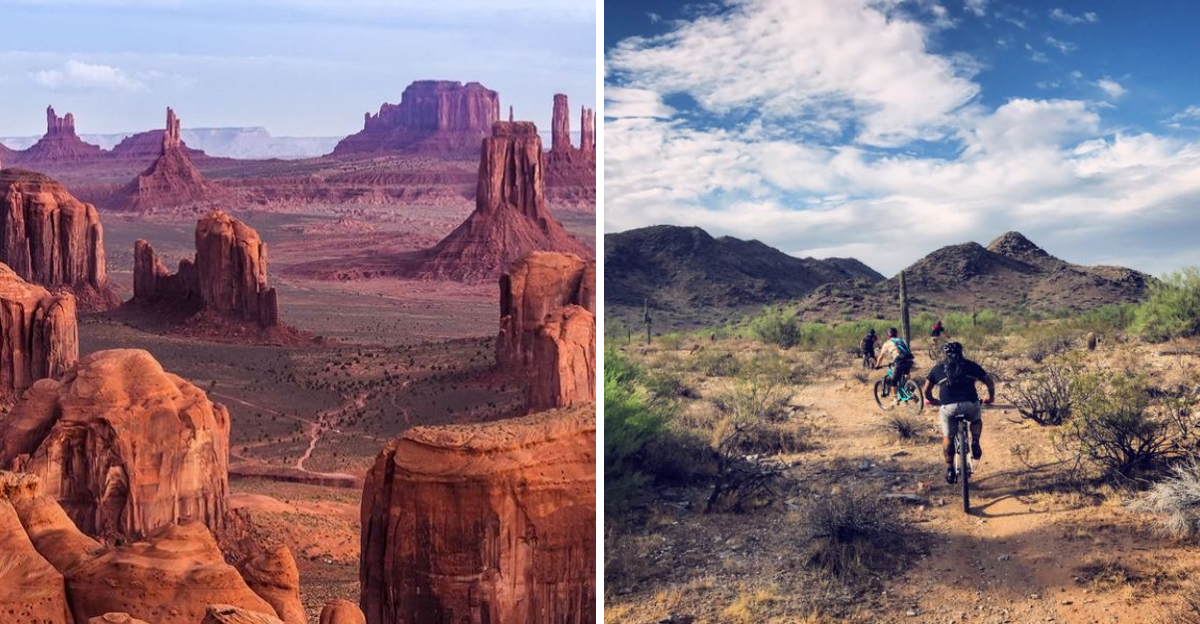
Arizona looks stunning in every season, and that beauty keeps postcards and travel reels humming year round.
Yet the people who live here are feeling the strain, from fragile trails to tight housing and nonstop traffic.
Locals are not against visitors, they are asking for respect, balance, and smarter choices.
If you love Arizona, these stories show how to enjoy it without wearing it down.
Overcrowded trails are damaging fragile land
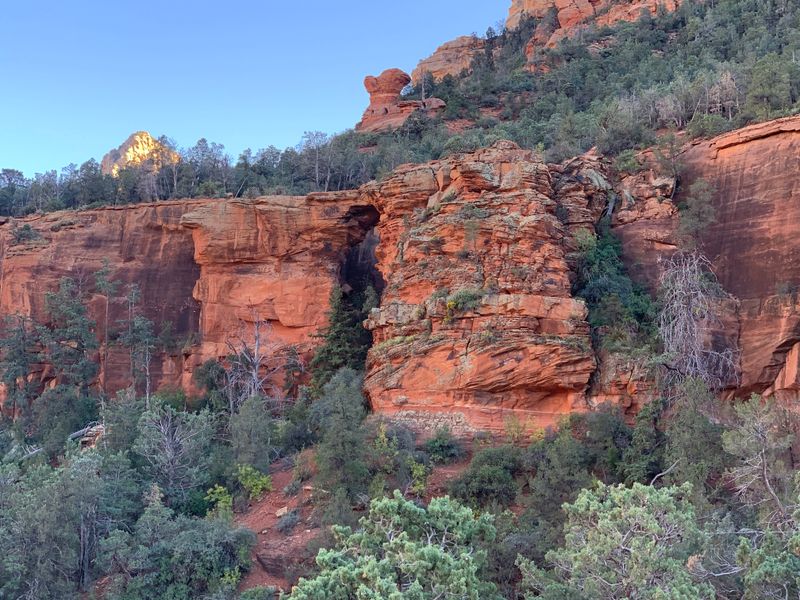
Arizona’s landscapes draw millions every year, towering canyons, saguaro forests, red rock valleys, and desert sunsets that seem made for postcards.
But behind the welcome signs, many locals quietly admit they’d like a break from the crowds.
The frustration isn’t personal, it’s practical.
Here’s what people who live here say is wearing them down.
In places like Sedona at 401 Jordan Rd, Sedona, AZ, Page at 691 Scenic View Dr, Page, AZ, and Grand Canyon National Park at 20 South Entrance Rd, Grand Canyon Village, AZ, visitor numbers have soared.
I see once quiet trails turn into single file lines.
Desert plants crushed underfoot take years to recover.
Locals worry that the scenery drawing tourists is slowly being trampled.
Trail counters report sharp spikes on weekends, and parking lots spill into roadside shoulders.
Rangers post signs about cryptobiotic soil, yet footprints still cut across delicate crust.
It takes a long time for those living communities to rebuild, if they do at all.
I’ve watched social trails slice down slopes after a few busy holidays.
Arizona depends on its natural assets, so this trend feels risky.
Short closures help, but they shift pressure to nearby routes.
Shuttle systems reduce car loads, though demand keeps rising.
I follow Leave No Trace and stick to durable surfaces, even when a viewpoint tempts a shortcut.
Local groups run trail days and ask for patience at bottlenecks.
I plan hikes at dawn or midweek and use established pullouts.
The request from residents stays simple.
Respect the land that drew you here and step only where the trail already exists.
Rising costs are pushing locals out
Popular towns such as Flagstaff at 211 W Aspen Ave, Flagstaff, AZ and Sedona at 102 Roadrunner Dr, Sedona, AZ now see home prices and rent climbing beyond reach for many residents.
Vacation rentals outnumber long term housing in some neighborhoods.
Locals say it’s hard to stay rooted when every nearby house becomes a weekend rental.
I talk to shop workers with long commutes from outlying areas.
Teachers and nurses juggle schedules because housing near schools and clinics rarely opens.
Some cities discuss caps and permit systems to balance supply.
Others track data to understand how rentals shape neighborhoods over time.
Arizona grows fast, and tourism adds another layer of pressure.
I avoid booking a whole home in areas already strained and choose lodgings that follow local rules.
That choice supports the community that keeps trailheads clean and roads plowed after storms.
It also helps preserve the year round life that gives each town heart.
When you visit, check neighborhood guidelines, quiet hours, and parking limits.
A little planning can ease friction for the folks next door.
The message I hear is clear.
Enjoy the trip, but leave space for the people who call this place home.
Look for licensed stays and confirm parking details before arriving.
Respect trash days and storage rules listed by hosts.
Consider lodgings within walking distance of services to cut traffic.
Your choices ripple through a street faster than you think.
They help Arizona keep both its visitors and its neighbors.
Water is a constant concern
Tourism adds stress to an already strained water supply across Arizona.
Golf courses, resorts, and seasonal visitors drive up demand in desert cities.
Locals who live with drought restrictions see waste daily, sprinklers running in midafternoon or pools refilled for short stays.
Arizona faces long term supply challenges tied to the Colorado River and groundwater.
Cities promote xeriscaping and smart meters to cut usage at properties like 201 N Central Ave, Phoenix, AZ.
Many hotels now use low flow fixtures and towel reuse, yet conservation only works when everyone joins in.
I carry a reusable bottle and refill at signed stations to skip extra plastic and waste.
Guides remind hikers to pack more water than they think they need.
That protects visitors and reduces strain on rescue teams based at 1298 E University Blvd, Tucson, AZ.
I avoid midday lawn watering at rentals and report broken irrigation if I spot it.
Small actions add up during a hot, dry season.
When you check in, ask how the property manages water.
Choose desert appropriate landscaping and avoid washing cars or gear unnecessarily.
Locals appreciate that care because it honors the limits of the place.
Respecting water keeps Arizona resilient and keeps the welcome warm.
Skip daily sheet changes if the hotel offers an opt out.
Shower quickly and turn off taps while brushing.
Refill at public stations like 33 N Central Ave, Phoenix, AZ when available.
Share conservation tips with your group so habits stick.
Arizona thrives when every visitor treats water like the desert treasure it is.
Traffic turns small towns into bottlenecks
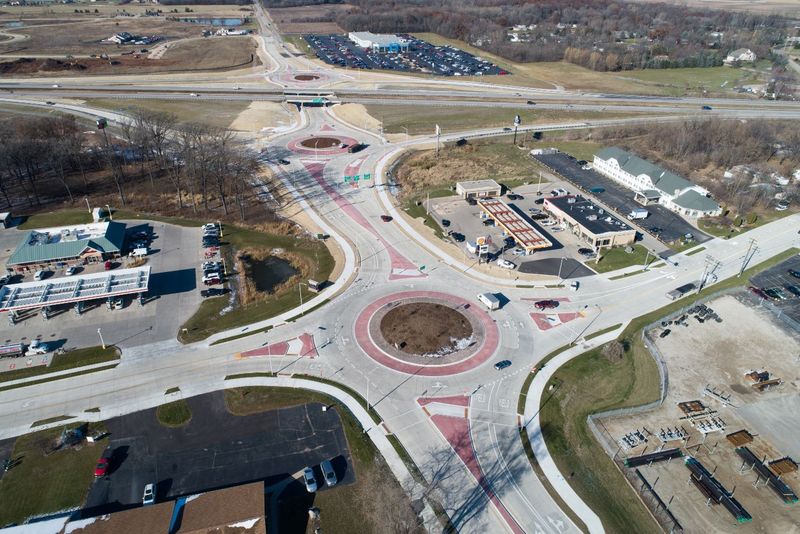
During spring and fall, highways near Sedona, Tucson, and the Grand Canyon slow to a crawl.
Grocery runs that once took minutes now take hours for residents along AZ 89A and SR 179.
Locals say they plan errands around tourist schedules just to get around town.
Road projects and roundabouts help, but visitor volumes still swell on weekends and holidays.
Shuttle services in parks move people faster, though lots still fill early at 101 N State Rte 89A, Sedona, AZ.
I park once and walk, bike, or ride local transit when possible.
That choice cuts stress and emissions while giving me more time outside.
Arizona continues to coordinate traffic controls during peak bloom and festival seasons.
Apps show closures, parking availability, and shuttle times for Grand Canyon Village at 20 South Entrance Rd, Grand Canyon, AZ.
I check them before leaving and avoid left turns across busy highways at rush hour.
Patience goes a long way when a single scenic road serves everyone.
If you must drive, share rides and skip scenic pulloffs that lack safe shoulders.
Follow posted no parking zones that protect emergency access.
Residents want roads to work for school buses and ambulances too.
We all reach the overlooks faster when lanes stay clear and predictable.
Consider timing your arrival for very early mornings.
Use satellite lots and hop shuttles where offered.
Plan a walking loop that hits multiple viewpoints from one spot.
Your plan helps Arizona’s small towns breathe during busy days.
It also makes your day smoother and less stressful.
Cultural and spiritual sites get treated like props
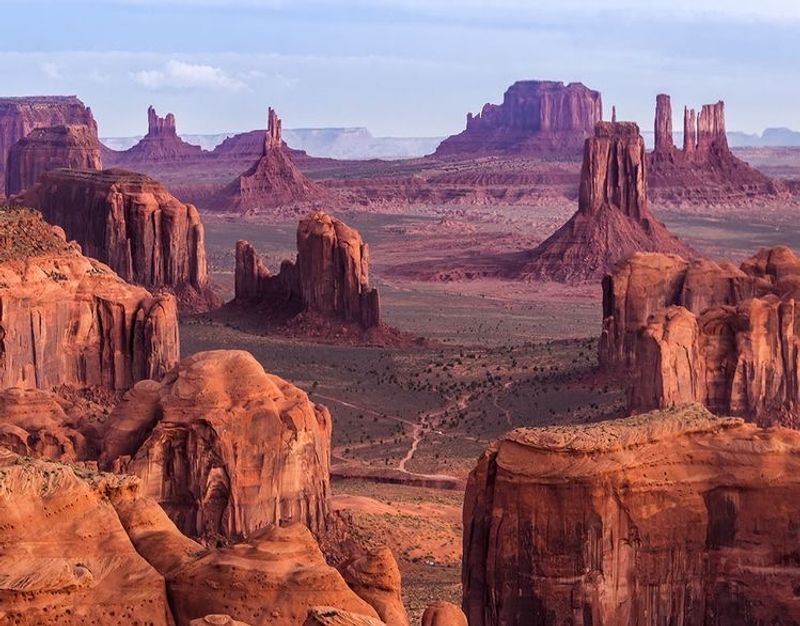
Arizona’s Indigenous communities and sacred landmarks often attract visitors looking for photos rather than understanding.
Residents from nearby reservations ask travelers to learn before they pose or climb at sensitive places.
The frustration comes from seeing respect replaced by hashtags.
I start by reading tribal websites and land manager guidance before I go.
Some areas close seasonally or require permits to protect ceremonies or fragile places, including 505 E Fort Lowell Rd, Tucson, AZ.
Grand Falls on the Navajo Nation saw closures to address damage and crowding near Leupp Rd, Leupp, AZ.
That decision reflects stewardship and safety, not secrecy.
Many cultural centers, museums, and tours welcome visitors who come to listen.
I leave drones grounded near sensitive sites and skip geotagging locations that cannot handle more traffic.
If a sign asks for no photography, I put the camera away without debate.
Stories deserve care, not shortcuts.
Ask guides how to support local artisans and community programs at 2301 N Central Ave, Phoenix, AZ.
Learn place names and share them correctly when posting after your visit.
That small step honors people who maintain traditions through tough times.
Respect builds trust and makes future visits better for everyone.
Buy crafts directly from authorized vendors.
Keep voices low and follow marked paths at heritage sites.
Give space when ceremonies or ranger talks are underway.
Arizona’s diverse cultures enrich every trip when treated with care.
Your choices help keep doors open and relationships strong.
“Secret” spots are not secret anymore
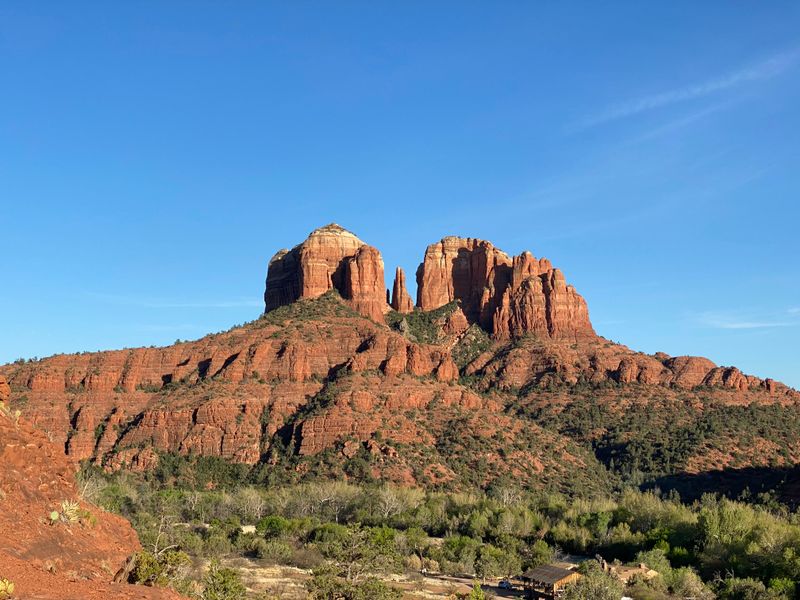
Social media has turned quiet canyons and hidden swimming holes into viral destinations across Arizona.
Locals see fences go up and parking lots overflow in areas that once held a handful of hikers.
What used to feel wild now feels staged and strained.
Search data and geotags can send waves of people to places with no toilets or signage.
Erosion cuts switchbacks and graffiti scars rock faces where access was never designed.
Managers respond with permits and timed entries to spread impact across the day.
I share wide area tags instead of exact coordinates for fragile spots.
Arizona has plenty of established trails that handle foot traffic better.
I choose those during peak seasons and save lesser known areas for low demand times.
That approach respects capacity and keeps rescues from stretching thin in remote counties.
It also preserves the quiet that drew me in the first place.
If you explore, pack out trash and stick to marked routes from signed trailheads like 1630 Brewer Rd, Sedona, AZ.
Skip cliff jumps or dam swims that rangers warn against near 6140 E State Rte 69, Prescott Valley, AZ.
Your choices help keep emergencies down and areas open.
Let the land stay mysterious where it needs breathing room.
Look for ranger updates before heading out.
Bring a paper map in case coverage drops in canyons.
Turn around when parking is full rather than creating unsafe shoulders.
Arizona stays wilder when crowds spread out and tread lightly.
That gives the next visitor a fair chance at solitude.
Wildlife pays the price
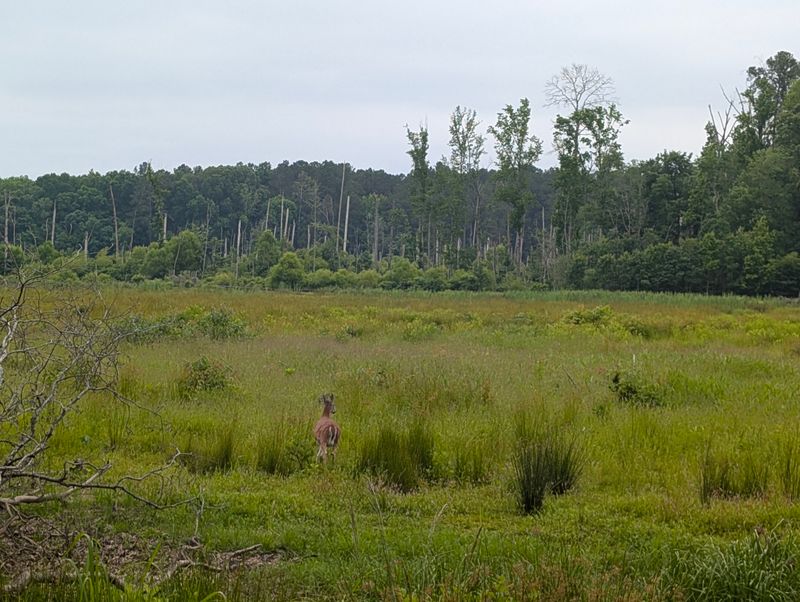
Feeding chipmunks, chasing lizards for photos, or crowding elk for selfies, locals see it all in Arizona’s busiest corridors.
Animals get stressed, roads become unsafe, and rescues increase every year according to park reports.
Residents say it’s hard to watch visitors forget they’re guests in a living desert.
Wildlife agencies post distance rules for elk, bighorn, and raptors along Highway 180 and park roads.
Handouts change behavior and can lead to bites or vehicle collisions near 20 S Entrance Rd, Grand Canyon, AZ.
I keep food sealed, store trash securely, and use zoom instead of walking closer when I spot animals.
That keeps both animals and people out of trouble.
Arizona’s parks and refuges offer ranger talks on safe viewing at 234 N Central Ave, Phoenix, AZ.
I check seasonal closures for nesting and calving to plan routes without surprise detours.
If I find an animal on the trail, I give it the right of way and wait from a calm distance.
Quick choices like that prevent stress and keep paths open.
Report feeding or harassment when you see it by contacting local offices.
Explain why a distance matters if someone asks near overlooks or picnic areas.
Most visitors want to do the right thing when they understand the stakes.
Clear guidance and patience can turn a tense moment into a learning win.
Carry binoculars so you are not tempted to creep closer.
Secure packs and coolers to avoid accidental feeding.
Learn species seasons before choosing routes.
Arizona wildlife stays wild when people act like respectful guests.
That is how memories last without harm.
Litter and trail damage add up fast
Even a few left behind bottles or snack wrappers matter in an arid climate like Arizona.
Locals and volunteers now spend weekends cleaning trails, knowing they’ll need to do it again the next week.
It’s the repetition that wears people down more than any single mess.
I carry a small trash bag and pick up what I can on every outing.
Microtrash harms birds and washes into washes during storms that follow dusty heat.
Boot prints off trail break soil crust and invite others to follow without thinking.
Simple steps like staying center path and yielding prevent erosion on steep slopes.
Arizona trail groups share maintenance calendars and welcome visitors at 1702 E Highland Ave, Phoenix, AZ.
I join a session when timing works, or I donate to tool funds if I can’t make it.
Those crews repair water bars, trim brush, and report vandalism for rangers to address.
Their work keeps access possible during busy months.
Pack out orange peels, tissues, and dog waste every time without fail.
Secure hats and wrappers on windy ridges before they blow away across valleys.
Leave sites cleaner than you found them, even if the mess is not yours.
That habit protects the desert and lightens the load on neighbors living nearby.
Bring a lightweight grabber if you have room.
Share cleanup events with your group and split tasks.
Photograph trailheads and scenery, not litter, to avoid normalizing it.
Arizona looks better when everyone pitches in quietly.
The difference shows by the next sunrise.
The desert is not a theme park
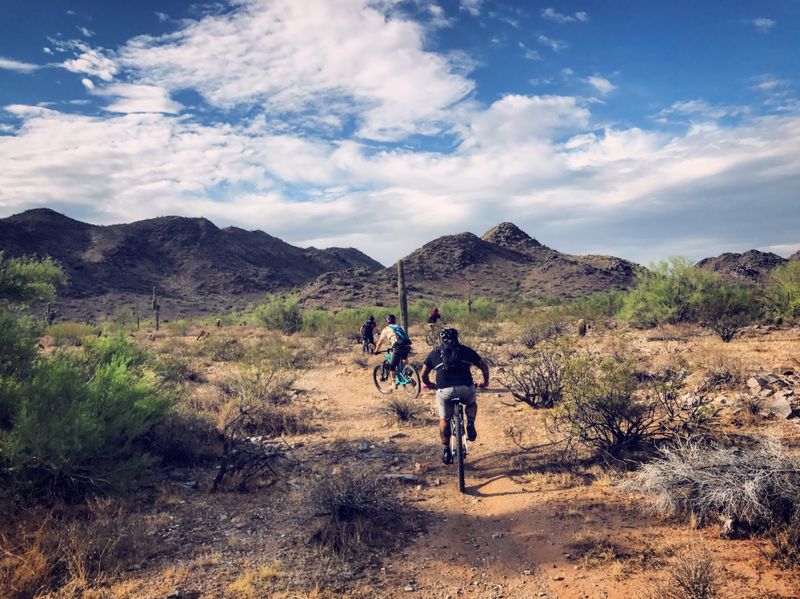
Many visitors underestimate how extreme the environment can be across Arizona’s deserts and plateaus.
Every summer, search and rescue teams pull hikers off trails who underestimated the heat or water needs on exposed paths.
Locals respect the desert as something to coexist with, not conquer for bragging rights.
Forecasts change quickly, and shaded stretches remain rare on exposed ridgelines above Phoenix at 2701 E Squaw Peak Dr, Phoenix, AZ.
I start early, hydrate well, and know the route before I go to avoid trouble.
Dark rocks radiate heat that surprises newcomers who arrive at midday.
Turning around early counts as smart, not weak, especially during heat advisories.
Arizona agencies post heat warnings and seasonal closures on official pages for Phoenix, Tucson, and park districts.
Trailhead boards list distances and elevation gain to guide choices at 24250 N Alma School Pkwy, Scottsdale, AZ.
I choose shorter loops during the hottest months and rest often when the sun spikes.
If I see someone wavering, I check in and point them to shade near ramadas.
Carry electrolytes, a sun hat, and a map that works offline before entering canyons.
Tell someone your plan and avoid solo hikes at peak heat when possible.
That preparation keeps small issues from becoming emergencies that strain teams.
The desert rewards respect with safe and memorable days that last.
Watch for cactus spines on windy ridgelines.
Step aside for faster hikers to keep flow steady.
Leave pets home when temperatures soar for safety.
Arizona stays welcoming when visitors treat risk with humility.
Safety choices protect both you and the rescuers.
They miss the peace that made Arizona special
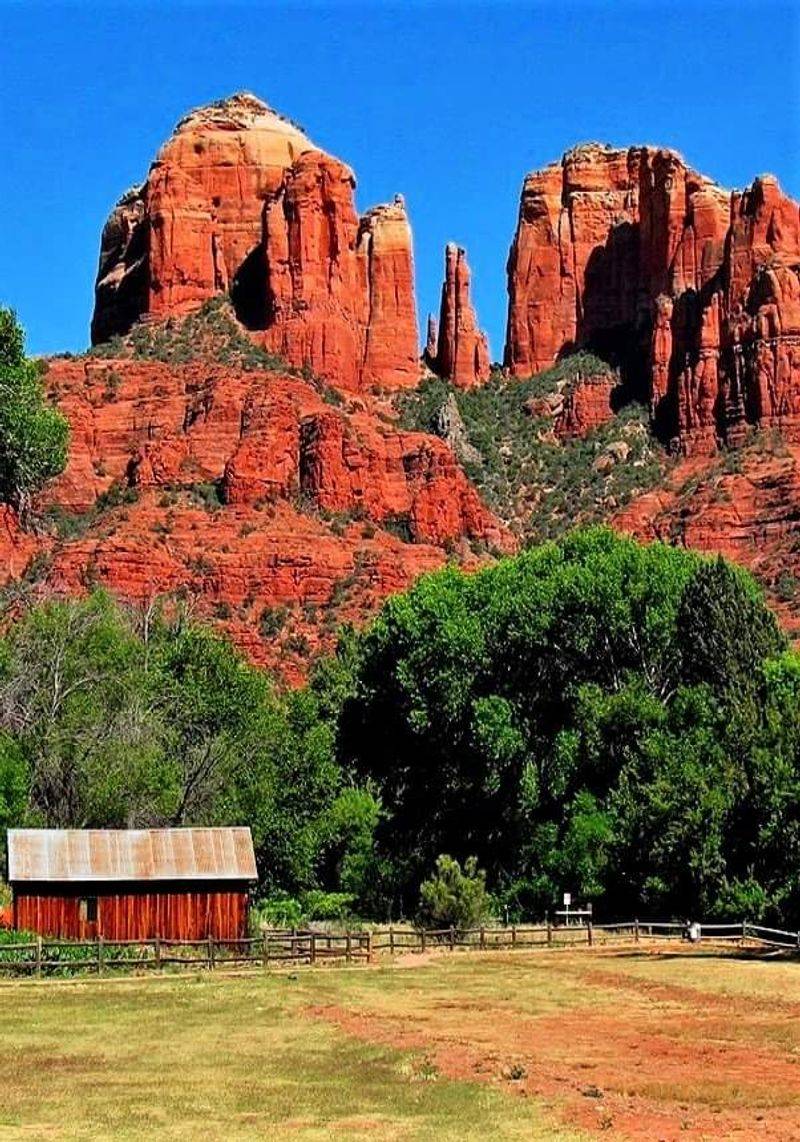
Longtime residents remember when stargazing did not mean driving far from town and when desert silence actually felt silent.
The wish to keep tourists away really means wanting to preserve that stillness, the balance that made people fall in love with Arizona in the first place.
Peace is part of the landscape, not a luxury add on for brochures.
Flagstaff holds dark sky status that sets a high bar for lighting at 211 W Aspen Ave, Flagstaff, AZ.
Yet more car lights and late night noise creep into once quiet pockets near trailheads.
I seek designated night sky parks and follow light rules at camps without cutting corners.
Closing car doors gently can make a surprising difference for neighbors who value quiet.
Arizona supports outdoor recreation, but calm spaces need care across popular corridors.
I lower my voice at overlooks and avoid blasting media in camp areas off Lake Mary Rd, Flagstaff, AZ.
Shared quiet lets wildlife move and gives everyone room to breathe under big skies.
It turns a crowded weekend into a thoughtful retreat with simple choices.
If you want a deeper connection, watch for sunrise, listen to the wind, and leave no echo behind.
Locals notice when visitors choose silence over spectacle at scenic pullouts.
That respect helps bring back the mood they cherish and hope to keep.
It keeps the night sky and hush intact for the next person who stops.
Dim headlamps and shield lights at camp.
Keep music in headphones where rules allow.
Park away from residential edges when possible.
Arizona’s magic grows when nights stay dark and calm.
Quiet is a gift worth protecting.
Dear Reader: This page may contain affiliate links which may earn a commission if you click through and make a purchase. Our independent journalism is not influenced by any advertiser or commercial initiative unless it is clearly marked as sponsored content. As travel products change, please be sure to reconfirm all details and stay up to date with current events to ensure a safe and successful trip.
