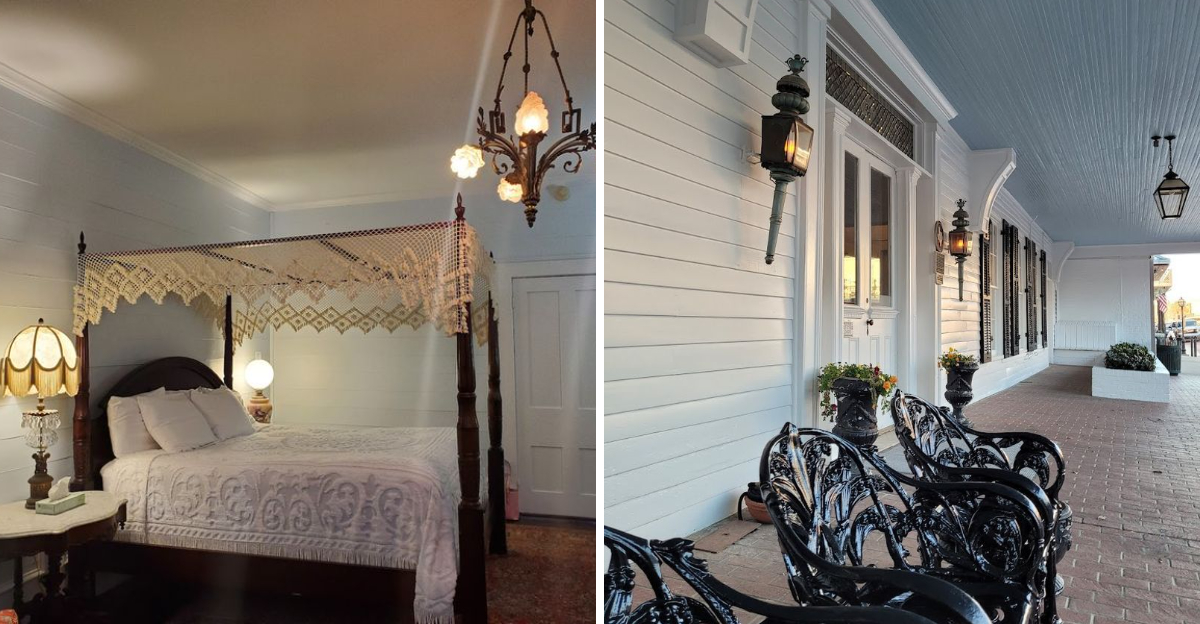
A hotel so creepy it inspired one of the most famous horror movies ever made. That is not a marketing gimmick, that is real history.
Steven Spielberg spent the night here, and what he experienced stuck with him long enough to shape the ghost story that became “Poltergeist.”
You do not have to believe in the supernatural to feel a little chill when you walk through the lobby. The old floors creak, the rooms hold onto their secrets, and the whole place has a vibe that movies cannot fake.
You can stay overnight if you are brave, or just visit during daylight like a sensible person. Either way, you will look at the television a little differently when you go home.
The Night Spielberg Checked Out Early
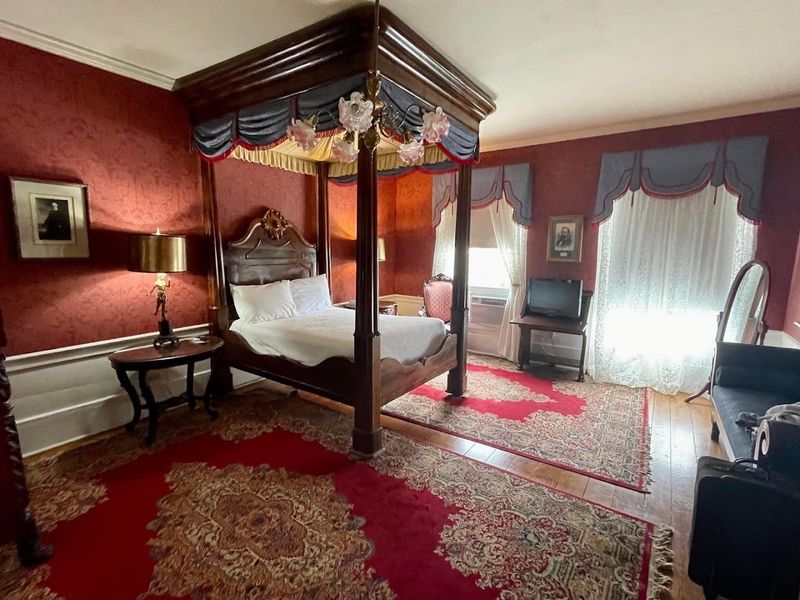
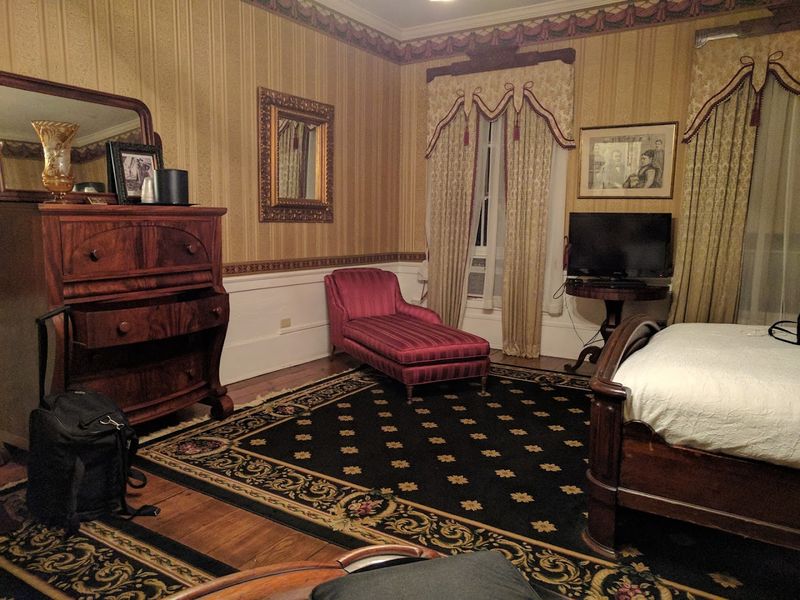
Not many hotels can claim they spooked one of the greatest filmmakers in history right out the door. During the early 1970s, while working on The Sugarland Express, Spielberg stayed in the Jay Gould Room at the Excelsior House Hotel.
That night, he tossed his briefcase onto a chair, and moments later it reportedly flew back at him.
Later, he was awakened by what seemed to be a small child asking if he was ready for breakfast. No child was found.
Rattled and unwilling to spend another minute in that room, Spielberg woke his entire crew and drove 20 miles to the nearest Holiday Inn in the middle of the night.
That decision said everything. This was not a man who scared easily.
He had already shown a sharp instinct for tension and suspense, and yet something in that room pushed him past his comfort zone entirely. The experience stayed with him long after the trip ended.
It planted a seed that would eventually grow into Poltergeist, a film about a family terrorized by unseen forces inside their own home. The hotel, without trying, had made cinematic history.
How the Jay Gould Room Became Famous
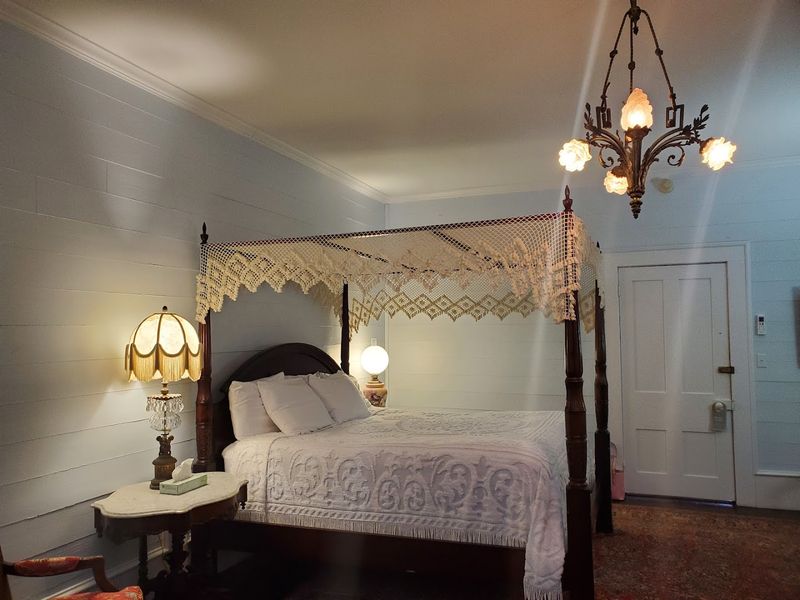
Jay Gould was a railroad tycoon, and one of the most powerful men in 19th-century America. He stayed in this room during his visits to Jefferson, and the hotel honored that history by preserving the space with period-appropriate furnishings and details that feel genuinely old, not staged.
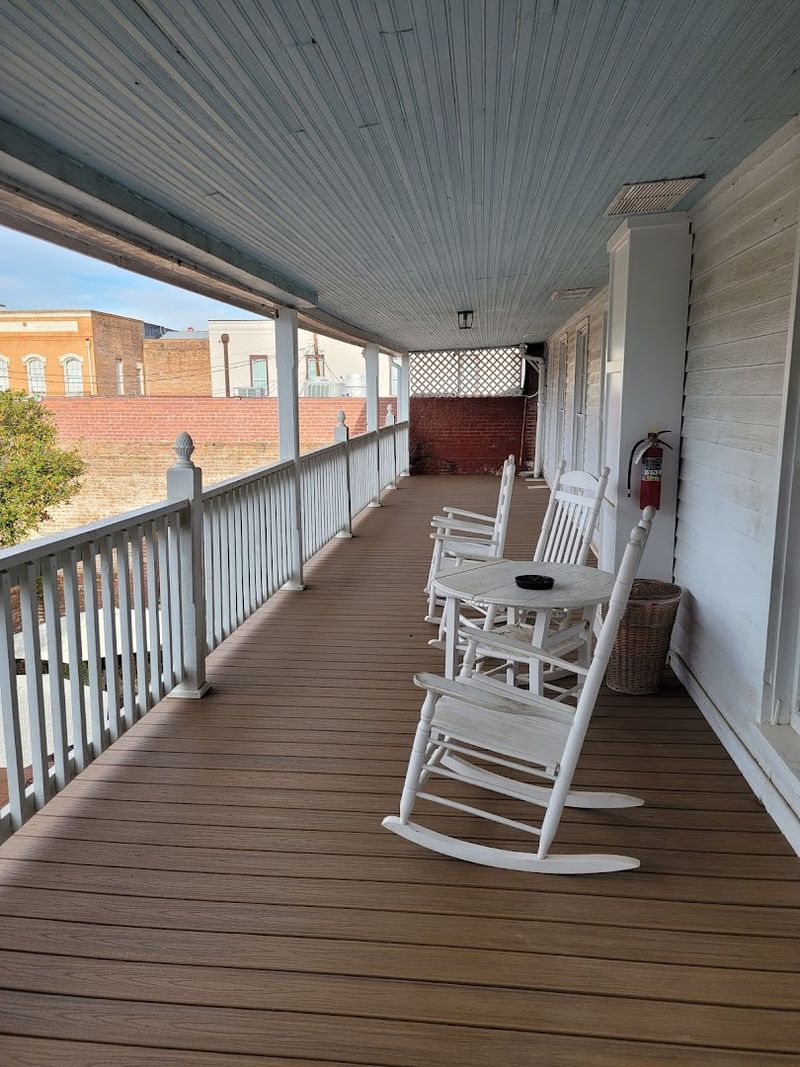
The room has a heaviness to it that even skeptics notice. Guests have reported rocking chairs moving on their own, a feeling of being watched from corners of the room, and doors that slam without any wind or draft to explain it.
Some visitors ask specifically to stay there, curious to test their nerve.
What makes the Jay Gould Room so fascinating is that it carries two layers of history at once. There is the documented story of a wealthy railroad baron who shaped the town’s economy, and then there is the more unsettling story of what guests experience long after the lights go out.
Both stories feel real and neither one fully explains the other. Sleeping there feels like an experiment you signed up for willingly, knowing full well the results might surprise you.
Poltergeist and Its Roots in a Real Hotel Room

Poltergeist came out in 1982 and terrified an entire generation of moviegoers. Spielberg wrote and produced the film, and its central idea, a family haunted by a supernatural presence inside a place that should feel safe, lines up remarkably well with what he reportedly experienced in Jefferson.
The concept of an invisible force moving objects, strange voices in the night, and a child at the center of the paranormal activity all echo the details from his stay at the Excelsior House.
Whether or not Spielberg ever confirmed the direct connection publicly, the parallels are hard to dismiss once you know the backstory.
Horror fans who visit the hotel often feel a strange kind of full-circle moment standing in the Jay Gould Room. You are not just visiting a historic building.
You are standing inside what might be the actual origin point of a film that changed how people thought about haunted houses and family horror. That is a rare thing to experience in person.
The hotel does not oversell this connection, which somehow makes it feel even more credible and worth seeking out.
The Excelsior House Hotel’s Place in Texas History
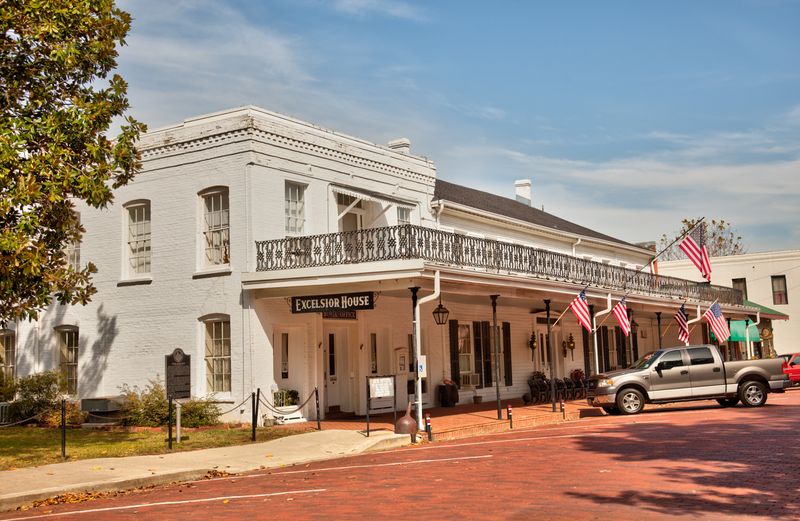
The Excelsior House Hotel has been welcoming guests since the 1850s, making it the oldest continuously operating hotel in East Texas. That is not a title handed out lightly.
To stay open through the Civil War, Reconstruction, two World Wars, and every economic shift in between takes a certain kind of staying power.
Jefferson itself was once one of the most important inland ports in Texas, thriving on steamboat trade before the railroads changed everything. The hotel stood at the heart of that golden era, hosting politicians, businessmen, and travelers passing through a town that punched well above its weight.
Today, Jefferson is a quieter place, known more for antique shops and weekend tourism than commerce. But the Excelsior House remains a living piece of that original story.
The architecture, the furniture, and even the layout of the rooms reflect a time when this corner of East Texas was genuinely influential. Staying here feels less like checking into a hotel and more like being admitted into a very old and very particular club.
The history is not something you read on a plaque. You feel it in the floorboards.
Ghost Stories That Guests Keep Telling
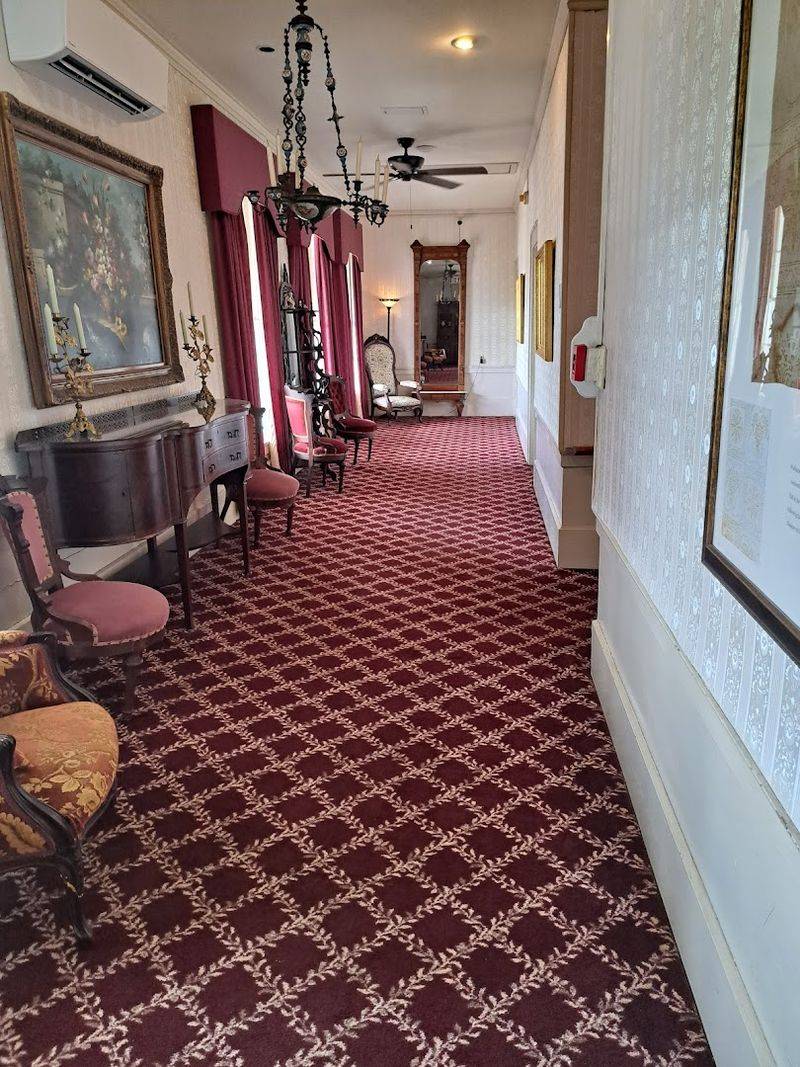
Every old hotel has ghost stories, but the ones attached to the Excelsior House feel unusually specific. Guests do not just report vague feelings or creaky floorboards.
They describe rocking chairs moving on their own, doors slamming in rooms with no windows open, and the persistent sense that someone is standing just out of sight.
The Jay Gould Room draws the most attention, but reports come from other parts of the hotel too. Some guests have mentioned hearing footsteps in empty hallways.
Others describe waking up to find items rearranged in their room by morning.
What keeps these stories interesting is their consistency across different guests who had no contact with each other. Nobody is coordinating their accounts.
People simply stay the night, experience something unusual, and then share it afterward. The hotel management tends to focus on the historical significance of the building rather than leaning hard into the haunted angle, which gives the whole thing a more grounded credibility.
You are not being sold a spooky experience. You are just staying somewhere that happens to have a long and restless history, and sometimes that history makes itself known.
Jefferson, Texas: The Town That Time Slowed Down
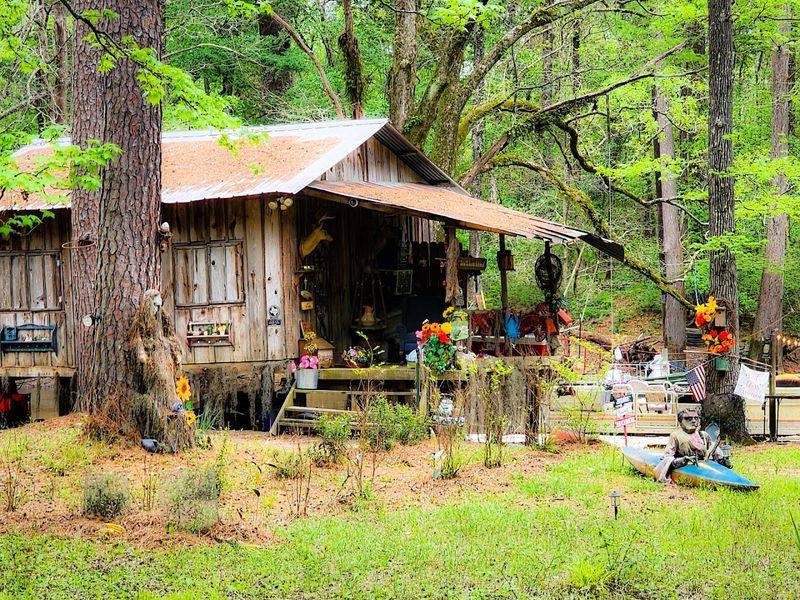
Jefferson is the kind of town that rewards slow travel. It sits in the piney woods of East Texas, about 180 miles east of Dallas, and it operates at a pace that feels genuinely different from anywhere else in the state.
The streets are quiet, the buildings are old, and the whole place seems pleasantly unbothered by the modern world.
The town’s history is rich and a little melancholy. Jefferson was once poised to become one of the great cities of Texas, but a series of economic shifts, including the decline of the steamboat trade, redirected that destiny.
What remained was a beautifully preserved town that never had the money or the reason to tear itself down and rebuild.
Antique hunters love it here. History enthusiasts find it endlessly interesting.
And travelers who just want to unplug for a weekend tend to leave feeling genuinely restored. The Excelsior House sits right at the center of town, which means you can walk to most of what Jefferson has to offer.
Cypress Bayou winds along the edge of town, and the surrounding landscape has a moody, atmospheric quality that fits perfectly with the hotel’s character.
What It Actually Feels Like to Stay There
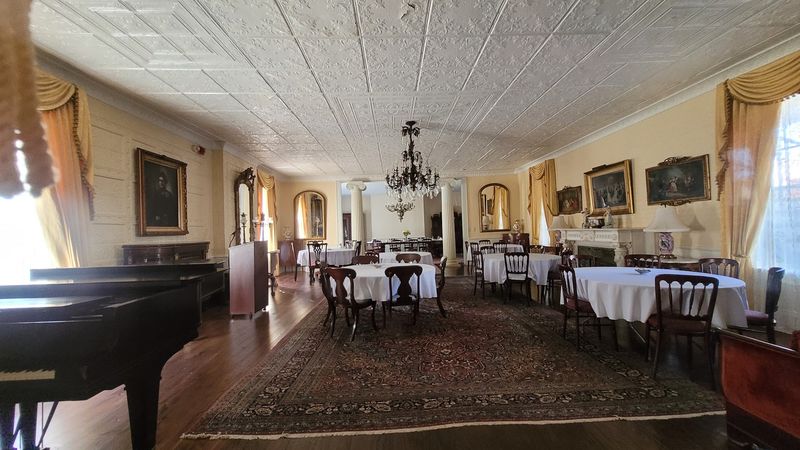
Checking in at the Excelsior House feels a little like being welcomed into someone’s very old home. The staff are warm and unhurried.
The rooms are furnished with antiques that actually belong there, not pieces chosen for aesthetic effect but items with their own histories embedded in the wood and fabric.
The building has no elevator. The hallways are narrow by modern standards.
Nothing about the place has been aggressively updated, and that restraint is exactly what makes it special. You hear the building settle at night, which is either charming or unsettling depending on your temperament.
Breakfast is served in the morning, and there is something almost ceremonial about sitting down in that dining room surrounded by history.
The courtyard garden is a quiet spot that most guests seem to discover by accident, hidden behind the main building with a stillness that feels earned rather than designed.
Sleeping here is genuinely different from any chain hotel experience. The comfort is real, but so is the sense that the walls around you have absorbed a hundred and seventy years of stories.
You are just the newest chapter, and the hotel is paying close attention.
The Architecture That Has Survived Everything
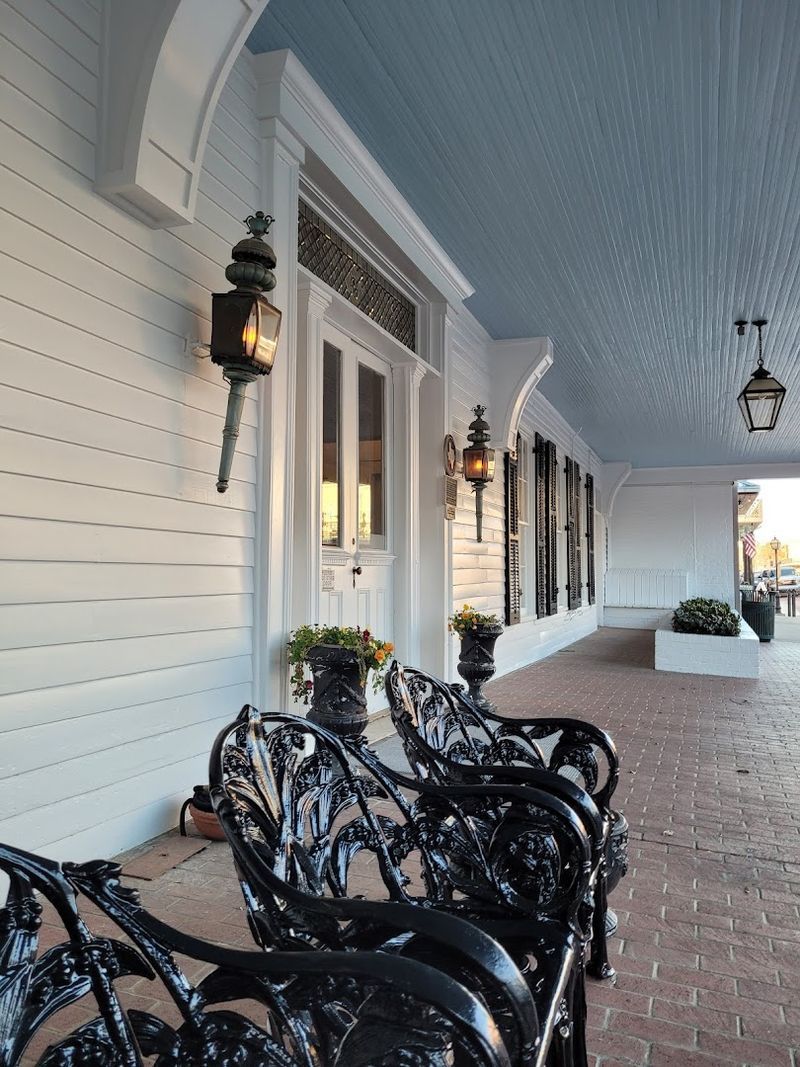
The building itself is a quiet marvel. Constructed in the 1850s using materials and techniques that were meant to last, the Excelsior House has weathered wars, floods, economic collapses, and the general wear of over 170 years without losing its essential character.
That kind of architectural survival is rare.
The style reflects the antebellum South, with covered porches, tall ceilings, and proportions that feel generous even by today’s standards.
The interior millwork, the original doors, and the plaster details in the common areas all speak to a level of craftsmanship that simply is not replicated in modern construction.
What strikes me most about the building is how unapologetically itself it remains. There is no attempt to modernize the exterior or soften the age of the place.
The patina on the wood, the slight unevenness of the floors, the way the light moves through old glass windows, all of it contributes to an atmosphere that cannot be manufactured. Preservation efforts have kept the structure sound without stripping away the character.
The result is a building that feels genuinely alive, as if the architecture itself has opinions about the people passing through it.
Famous Guests Beyond Spielberg
Spielberg is the most famous name associated with the Excelsior House today, but he is far from the only notable guest in the hotel’s long history.
During its heyday in the 19th century, the hotel attracted some of the most prominent figures in American public life, drawn to Jefferson by commerce, politics, and the social scene that formed around both.
Ulysses S. Grant reportedly stayed at the hotel, as did other figures whose names carried significant weight in post-Civil War America.
The guest book from those years reads like a survey of who mattered in that particular moment of history.
Each famous guest added another layer to the hotel’s identity, and over time those layers compacted into something genuinely rare: a building with a documented human story that spans generations. Most historic hotels have to work hard to connect their past to anything meaningful.
The Excelsior House barely has to try. The stories are already there, waiting for curious guests to pull at the threads.
And the more you pull, the more interesting the picture becomes, whether you are a history buff, a film enthusiast, or just someone who appreciates a good story told by an old building.
Why This Hotel Deserves a Place on Your Travel List
There are hotels you stay in for convenience and hotels you stay in because the experience itself is the point. The Excelsior House falls firmly in the second category.
It asks you to slow down, pay attention, and be comfortable with a little mystery. Not everyone is ready for that, but the ones who are tend to leave with something they did not expect.
The connection to Poltergeist gives the hotel a pop culture hook that draws a certain kind of visitor. But the deeper appeal is the history, the architecture, and the genuinely unusual atmosphere that has nothing to do with marketing.
This place earned its reputation one restless night at a time.
Jefferson itself makes the trip even more worthwhile. The town has enough character to fill a long weekend, and the hotel serves as an ideal base for exploring the surrounding area.
If you appreciate places that carry real weight, where the past feels close enough to touch and the stories are not invented for tourist brochures, the Excelsior House delivers something hard to find elsewhere.
Address: 211 W Austin St, Jefferson, TX 75657.
