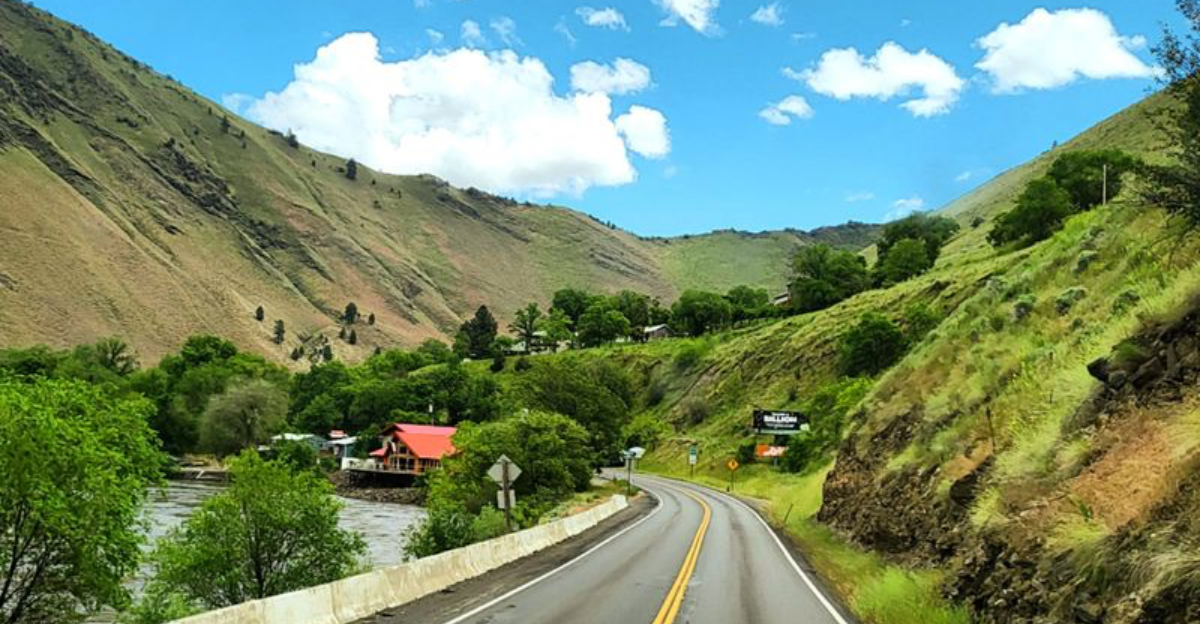
You hear the Salmon River before you ever see it, a steady rush that drowns out the last bits of city noise.
Around a bend in the canyon, a cliffside town appears, quiet and unassuming, as if it preferred to stay tucked away.
This is Riggins, Idaho, where the walls of rock hold tight to a way of life shaped by water, weather, and grit.
If you listen closely, the place will tell you how to move, and why you should tread lightly.
The Canyon’s Embrace: Finding Idaho’s Most Hidden Gem
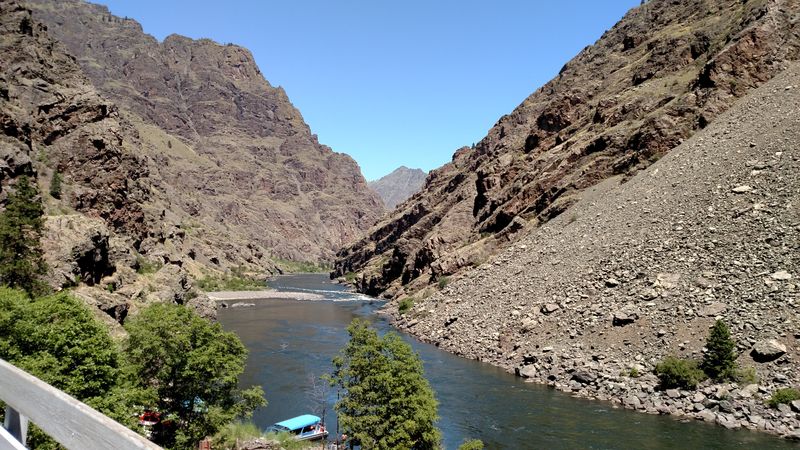
The first hint that you have arrived comes from the canyon closing in, then the river widens just enough for a town to breathe, offering a dramatic visual confirmation of the challenging topography.
The rooftops sit tight against the slope, and the streets run narrow along the water, illustrating a necessary design choice dictated by the limited space between the highway and the steep canyon walls.
You feel Idaho’s scale in every cliff and bend, a constant reminder of the state’s rugged, untamed geology and the sheer power of the forces that carved this gorge.
Riggins rests at the confluence of the Salmon and Little Salmon rivers, and the meeting of currents sets the rhythm, defining the town’s identity and serving as its primary economic engine.
The town clings to ledge and terrace, claiming every inch the rock will allow, reflecting a stubborn, practical determination to inhabit the remote, challenging environment.
The canyon keeps secrets, and it prefers guests who can keep them too, asking for a quiet respect that honors the seclusion and protects the unhurried local atmosphere.
A City Built on a Ledge: The Cliffside Cabin Lifestyle
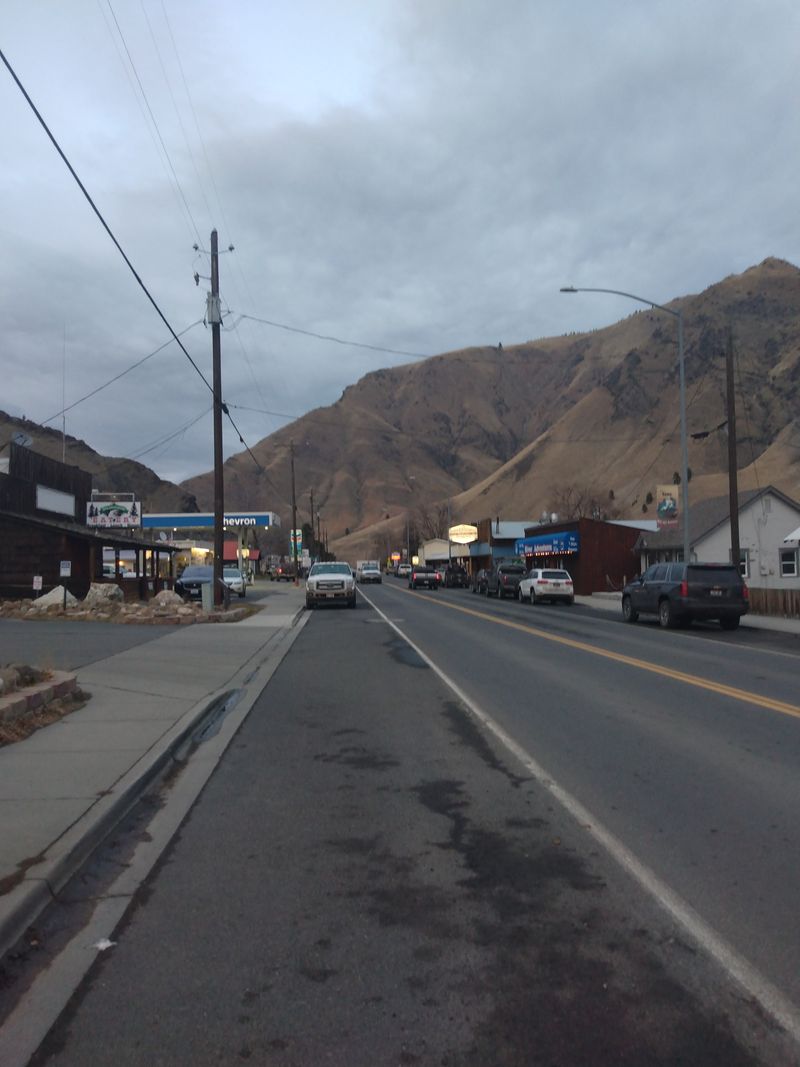
US Highway 95 traces the river like a careful line, and the town follows it, demonstrating the necessity of the road as the primary lifeline connecting Riggins to the wider world.
Homes and cabins perch above the bank, shouldered by rock and pine, built using sturdy materials and engineering meant to withstand the mountain’s harsh, shifting environment.
The view is the prize, and the price is living with the slope, requiring residents to tolerate the logistical challenges of steep driveways and restricted building space.
Cabins lean into the hillside with decks that feel like lookout posts, offering residents and visitors unparalleled, dramatic perspectives of the river’s continuous flow far below.
River mist rises at dawn, softening the edges of the canyon, creating a brief, ethereal moment that makes the rugged landscape feel magical and mysterious.
At night, stars crowd the sky and swallow the last city thought, with the deep canyon walls framing an immense, light-pollution-free dome of brilliant celestial bodies.
The lifestyle favors simple gear and reliable boots, a practical necessity for navigating the steep, often uneven terrain and the demands of river life.
The Whitewater Capital: What Tourists and Locals Come For
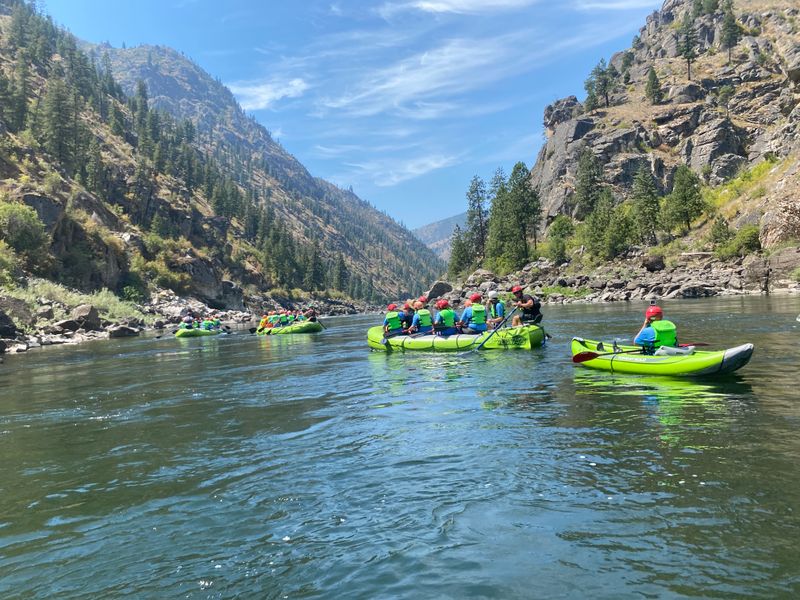
Riggins wears the Whitewater Capital title with quiet confidence, a designation earned by the quality and sustained intensity of the challenging Salmon River currents.
Outfitters line up along the riverbank, and the current does the convincing, clearly displaying the powerful, turbulent water that attracts enthusiasts from around the globe.
You can feel the pull even from town sidewalks, a primal energy emanating from the massive volume of water constantly moving through the narrow chasm.
The Salmon River runs free through this stretch, and its gradient builds clean, rolling waves, creating optimal conditions for thrilling rafting and kayaking experiences.
Trips launch for day runs and deeper wilderness itineraries, offering options from short, adrenaline-filled excursions to multi-day, self-supported journeys into the wild.
Downstream, gorges tighten and the water speaks louder, as the terrain compresses the river, increasing its speed and the intensity of the rapids.
Hells Canyon lies within a striking day’s reach by road, where the landscape drops away into vast basalt walls, establishing Riggins as a crucial gateway to North America’s deepest gorge.
The access makes Riggins a base camp with grit, a non-negotiable staging area for serious adventurers tackling world-class geological and hydrological challenges.
You choose the pace, but the terrain sets the rules, reminding all travelers that the wilderness here commands respect and dictates the limits of human activity.
The Real Reason Locals Keep the Map Closed: Protecting the Vibe
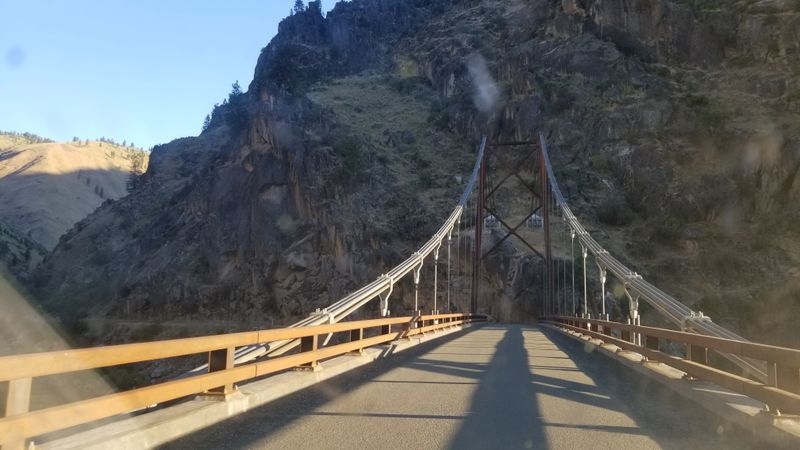
The secret everyone guards here is not a pin on a map, but the deeply preserved sense of tranquility and genuine, small-town isolation the canyon provides.
It is a feeling that the canyon shelters, creating a buffer against the pervasive noise and fast pace of modern life that many residents deliberately sought to escape.
Too much noise would break it, as the delicate balance of the environment and community cannot withstand the persistent stress of over-tourism or careless crowds.
Seclusion is the town’s true currency, and it spends carefully, managing its infrastructure and resources with a protective eye toward maintaining its unique remoteness.
Days are measured by weather, water level, and chores, a cyclical rhythm of practical tasks that contrasts sharply with the frantic schedule of urban environments.
That rhythm is delicate when crowds press in, easily disrupted by visitors who fail to appreciate the quiet, functional tempo of the town’s daily existence.
Infrastructure runs lean because it must, with limited space for parking, solid waste, and water treatment, making any rapid surge in visitors a strain on essential services.
Beyond the Rapids: Hidden Winter Wonders
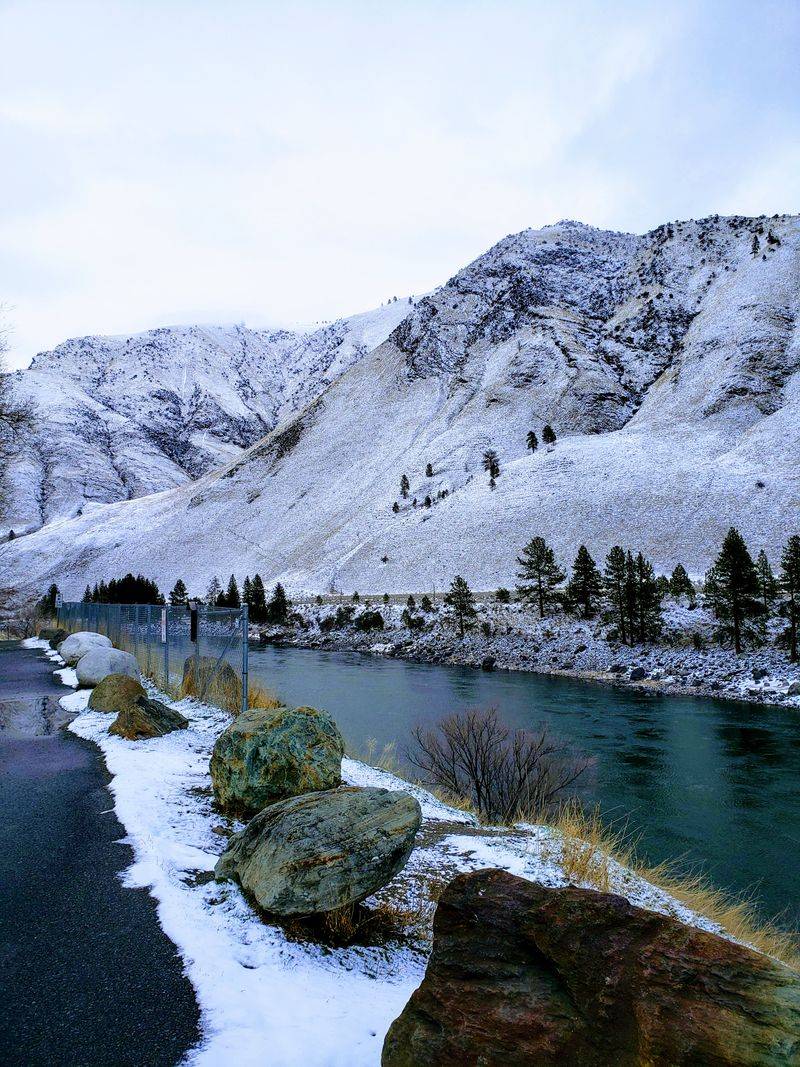
When summer fades, the river quiets and the town breathes deeper, transitioning from the high-energy demands of the rafting season to a more reflective, slower pace.
Snow creeps down the ridges and softens the angles, transforming the harsh, angular cliffs into a landscape of quiet, white, and rounded contours.
The canyon trades adrenaline for calm, offering visitors a serene environment where the primary focus shifts from high-speed action to patient observation.
Steelhead season brings a different focus to the banks, with dedicated anglers pursuing the powerful, migratory trout in the crisp, cold waters of the Salmon River.
Anglers spread out along gravel bars and watch the current with patience, adopting a quiet, solitary pursuit that matches the subdued atmosphere of the winter landscape.
The river rewards those who read it well, demanding technical skill and deep knowledge of water behavior rather than just brute strength or speed.
Snowmobile routes open across high country near the Seven Devils and forest roads, providing extensive access to the stunning, deep snowpacks of the high wilderness.
Trailheads sit within a practical drive from town, establishing Riggins as a convenient staging area for snow-based recreation in the surrounding Nez Perce-Clearwater National Forests.
The Historic Name: From Gouge Eye to Riggins

History here reads like a frontier ledger with rough edges, documenting a time when lawlessness and hard living were common elements of life in the remote Salmon River Canyon.
The town once carried the name Gouge Eye, a relic of a violent dispute, referencing a particularly brutal fight that occurred during the area’s early, often volatile, settlement period.
It tells you that this canyon has always tested people, demanding resilience and sometimes leading to desperate, harsh actions reflective of the isolation and difficulty of the era.
The modern name honors John Riggins, who carried mail through harsh country, recognizing his tireless dedication to connecting the scattered residents via a difficult, essential route.
That route tied remote pockets together when roads were dreams, highlighting the critical role the mail carrier played in establishing a sense of community and providing vital communication.
The mail line stitched a community before pavement arrived, symbolizing the early efforts to civilize and organize a region that was naturally inclined toward isolation.
Stories live in trailheads, plaques, and old photographs around town, preserved in public spaces that serve as informal archives of Riggins’s rugged past.
How to Visit Riggins Without Being That Tourist
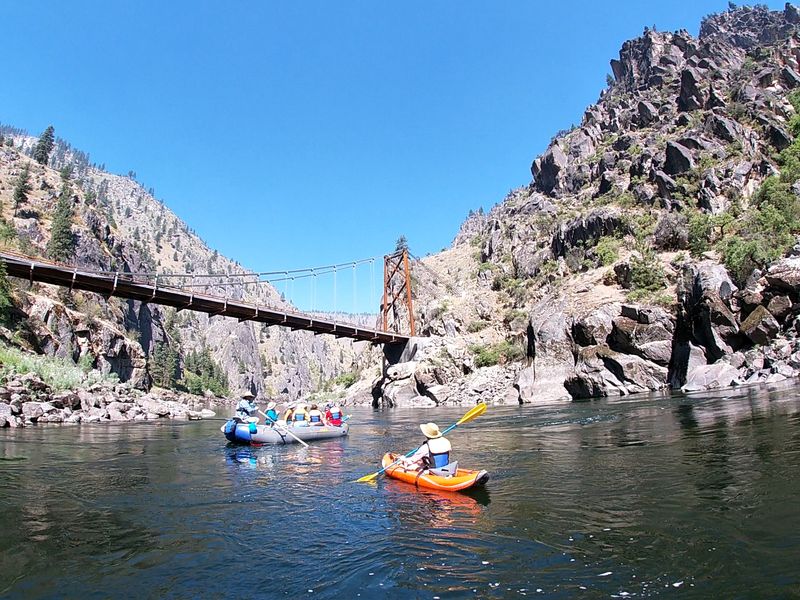
Start by planning ahead so small places are not overwhelmed, coordinating your visit outside of peak times or ensuring your lodging is secured well in advance.
Book lodging with care and leave space for those who live here, perhaps choosing smaller, locally owned accommodations over larger, transient rental properties.
Staying longer reduces churn and calms the impact, allowing you to settle into the local rhythm and reducing the constant influx of short-term, high-impact visitors.
Spend money where it matters most to the town, directing your expenditures to independent local shops, restaurants, and gas stations rather than national chains.
Shop at local stores and tune gear with the people who know the river, leveraging the expertise of local outfitters who understand the specific demands of the Salmon River.
Your receipt becomes support for the community, a tangible contribution that helps fund the essential services and infrastructure of the small, remote town.
Pack out every scrap, even if you found it there, adopting an active stewardship mentality that ensures the environment remains cleaner than when you arrived.
Keep distance from wildlife and read the water before stepping in, observing the natural rules of the river to minimize disturbance and ensure personal safety.
The Drive is the First Gatekeeper
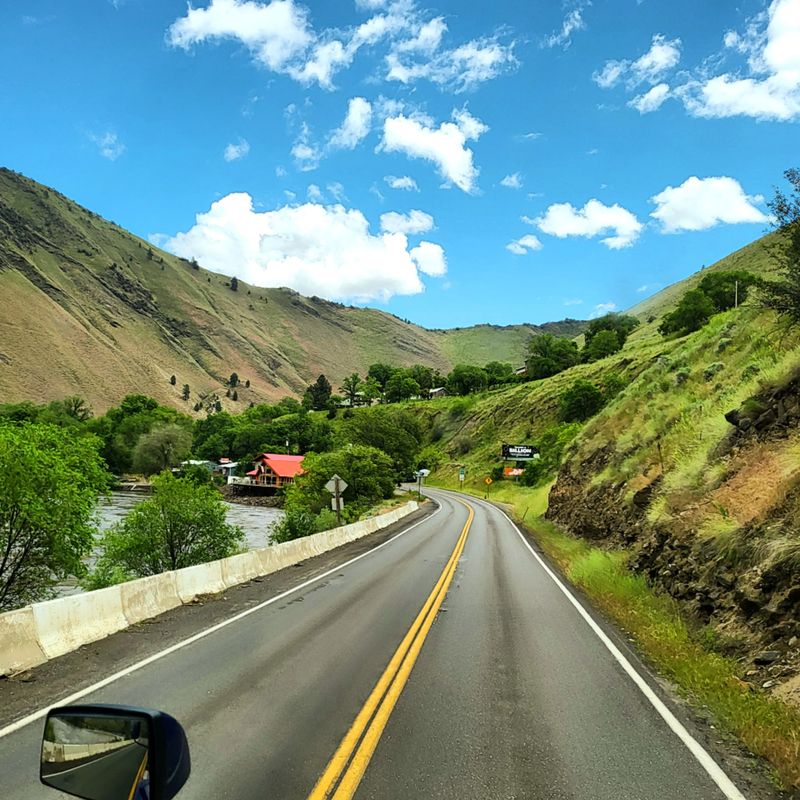
The road into town threads a tight corridor between rock and river, creating a dramatic, immersive approach that immediately sets the tone for the Riggins experience.
Curves stack one after another and demand attention, requiring drivers to maintain focus and respect the posted speed limits in this challenging mountain terrain.
The scenery rewards every careful mile, unfolding panoramic views that serve as a visual payoff for the necessary vigilance behind the wheel.
Pullouts give you safe places to breathe and look, offering designated areas to stop and fully appreciate the canyon’s grandeur without obstructing traffic flow.
Canyon walls change color with light and season, presenting a dynamic display of geology that shifts from the muted greens of summer to the intense reds of late afternoon sun.
The river keeps pace like a companion, its constant presence beside the highway reinforcing the centrality of water to the entire canyon experience.
Weather can shift quickly in shoulder months, demanding that drivers be prepared for sudden changes in road conditions, from clear pavement to icy patches or snow.
Shadows fall early where the walls are steep, significantly reducing visibility and creating a need for extra caution, especially during late afternoon drives.
Prepared drivers arrive calm and grateful, having successfully navigated the challenges of the road and appreciating the scenic journey as part of the total experience.
By the time you roll onto Main Street, you have earned it, having passed the physical and mental test of the canyon drive that filters out the hurried or unprepared.
The first gate has already tested your patience and focus, proving that the Salmon River Canyon requires deliberate, thoughtful engagement from the moment you enter.
Idaho rewards those who take their time, offering the deeper experience of Riggins only to those who approach it without haste or entitlement.
The Cabin: Your Sanctuary in the Canyon

Look for cabins perched on high benches with river views, securing a vantage point that offers both a visual connection to the water and a sense of protective distance from the highway.
Decks face the current and hold simple chairs for long sits, encouraging slow, contemplative moments spent watching the river flow by.
The sound below fills the silence just right, acting as a natural, soothing presence that keeps the remote environment from ever feeling truly empty.
Connectivity can be spotty and that becomes a gift, freeing the mind from the constant demands of digital life and allowing for true disconnection.
Messages wait while you watch osprey trace the water, prioritizing the observation of the canyon’s natural residents over the urgency of the outside world.
The clock changes to river time without effort, allowing your internal rhythms to adjust to the sun and the natural cycles of the river environment.
Comfort feels different here, and it suits the landscape, emphasizing utility and warmth over unnecessary luxury or excessive decoration.
Dry gear, warm lights, and a short walk to the bank are luxury, redefining essential needs in a way that aligns with the rugged, practical character of the area.
The rest is noise you left behind, confirming that the most valuable thing the canyon offers is the removal of urban distractions and stress.
Mornings begin with chill air and the hiss of the river, a bracing combination that encourages an early start to the day’s adventure.
Evenings close with cool shadows and bright stars, creating a dramatic and peaceful conclusion to a day spent engaging with the natural world.
Idaho cabins teach you how to listen again, reminding you to pay attention to the subtle sounds of the wilderness that are often overlooked elsewhere.
Go Slow, Listen Closely: The Riggins Philosophy
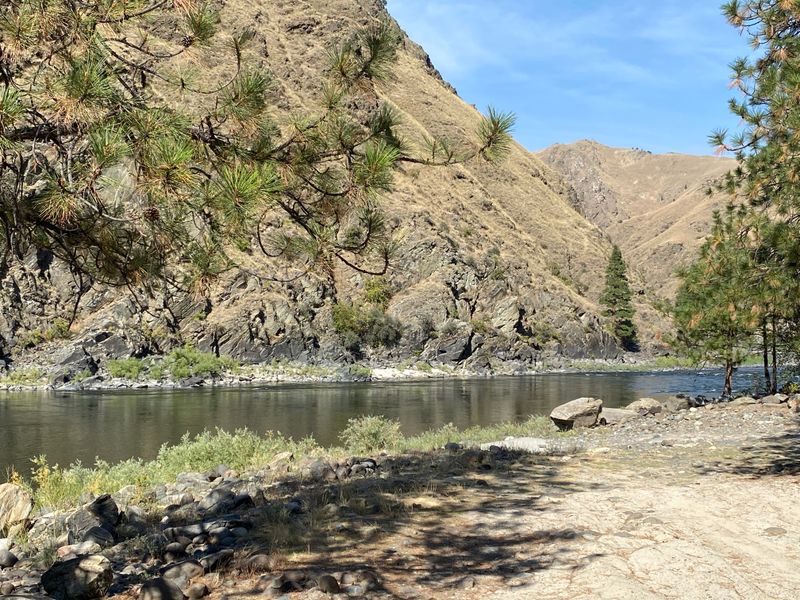
Riggins is not a secret so much as a trust, placing the responsibility of its preservation squarely on the shoulders of every person who chooses to visit.
The canyon decides who it lets in, with its challenging geography and remote location acting as a natural filter against casual, disrespectful tourism.
You earn that by moving gently, demonstrating a quiet, appreciative presence that shows respect for the community and the environment simultaneously.
Local life runs on simple respect and steady work, built upon a foundation of mutual aid and a strong communal work ethic necessary for survival in the area.
Visitors fit best when they match that tempo, adapting their pace to the town’s natural rhythm and avoiding behaviors that disrupt its functional peace.
It shows in small choices and careful steps, such as driving slowly, parking thoughtfully, and minimizing noise during the evening hours.
Ask questions, keep voices low, and watch the river for cues, employing patience and genuine curiosity as your primary modes of engagement.
The landscape teaches if you give it time, revealing its secrets and providing profound experiences only to those willing to sit and observe without interruption.
Patience becomes the key to everything, unlocking the deeper understanding of the river, the community, and the unique, enduring spirit of the canyon.
Leave the place as if you live here and care about tomorrow, adopting a level of stewardship that prioritizes the long-term well-being of the Salmon River Canyon.
Carry that habit to the next Idaho valley you find, making responsible, respectful travel a permanent part of your personal exploration ethic.
The town will remember that you listened, ensuring that the legacy of your visit is positive and contributes to the welcoming nature of the Riggins community.
Dear Reader: This page may contain affiliate links which may earn a commission if you click through and make a purchase. Our independent journalism is not influenced by any advertiser or commercial initiative unless it is clearly marked as sponsored content. As travel products change, please be sure to reconfirm all details and stay up to date with current events to ensure a safe and successful trip.
