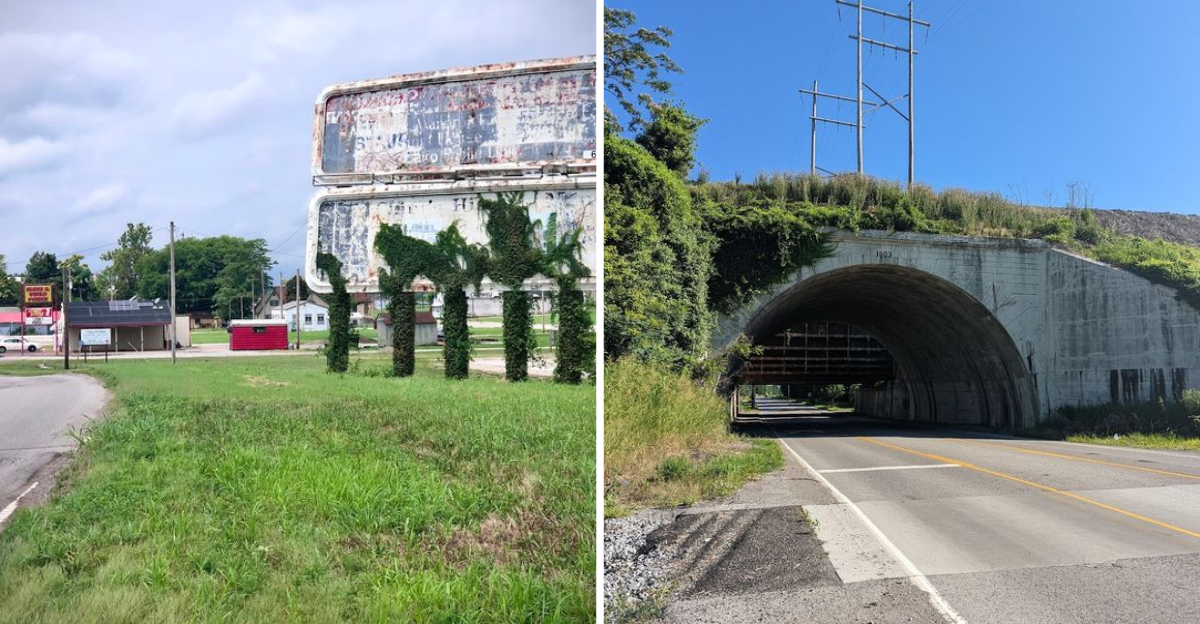
That place at the very tip of Illinois where two of America’s greatest rivers meet feels like the edge of the world. This town sits right at the confluence, and the first time you see it, you feel the weight of everything it used to be. The streets are wide and quiet, the old buildings stand like tired sentinels, and the silence is the kind that has a story behind it.
Once a booming river city with a large population, this town has watched nearly all its residents slip away over the decades. What remains is something rare and strange, a place not quite abandoned but not quite alive in the way most towns are. I came here curious and left genuinely moved by what this town still carries in its bones.
Where Two Rivers Meet and History Runs Deep
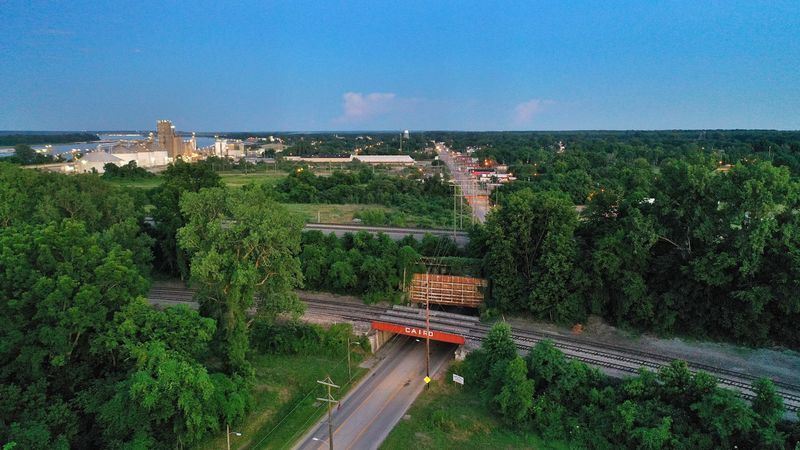
Few places in America carry the kind of geographic drama that Cairo does. Perched at the very southern tip of Illinois, the town sits where the Ohio River flows into the Mississippi, creating a powerful meeting point that shaped its entire destiny.
The land here is the lowest elevation in all of Illinois, and the rivers that once made Cairo rich are the same ones that have threatened to swallow it whole.
Before the Civil War, Cairo was a serious contender for one of the Midwest’s great cities. River trade moved through here constantly, and merchants, travelers, and laborers flooded its streets.
Union General Ulysses S. Grant used Cairo as a critical naval base and supply camp during the Civil War, cementing its place in American military history.
The town is entirely surrounded by levees, a fact that feels almost surreal when you stand on top of one and look out at the water stretching wide in every direction. That engineering feat has kept Cairo above water for decades, though the 2011 flooding still forced a major evacuation.
The rivers gave Cairo its heartbeat, and in many ways, they also slowly took it away.
A Population That Vanished Almost Completely
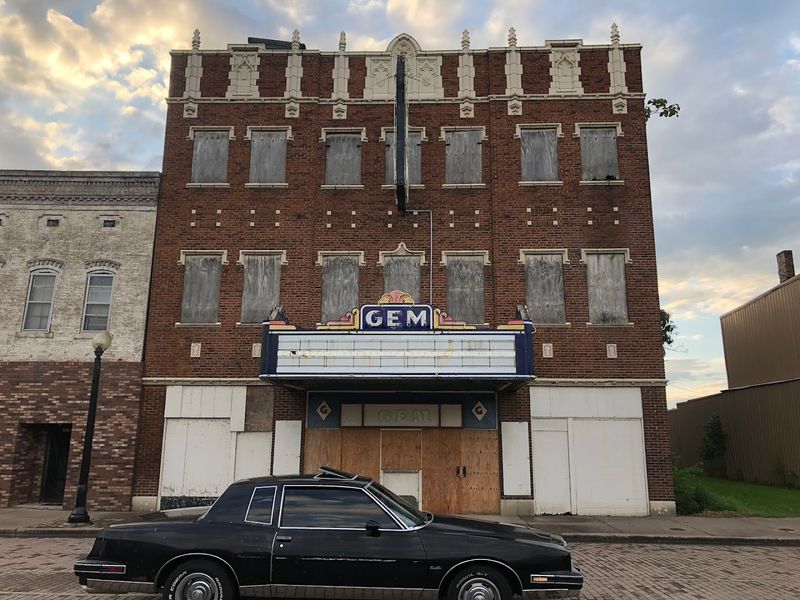
In 1920, Cairo had 15,203 residents. By 2020, only 1,733 people remained.
That is not just a population decline, that is a near-total erasure of a community that once buzzed with ambition and commerce. Eight consecutive U.S. census reports from 1950 to 2020 recorded nothing but loss, year after year, decade after decade.
By 2024, the population had fallen to around 1,506, and estimates from 2026 put it closer to 1,467, with an annual decline rate hovering near 3.17%. Those numbers sound clinical, but walk through Cairo’s neighborhoods and the reality hits differently.
Houses sit open to the weather. Yards have become forests.
Entire blocks look like they exhaled and never breathed back in.
What pushed people out was never just one thing. Railroad lines bypassed the town, interstate highways ignored it, river trade dried up, and industrial jobs disappeared.
Racial tensions that had simmered since Reconstruction boiled over in the mid-1960s with protests and unrest that fractured the community further. The people who could leave, left.
The ones who stayed are holding onto something most outsiders struggle to understand, a loyalty to a place that the rest of the country seems to have forgotten entirely.
The Haunted Downtown That Refuses to Fall Quietly
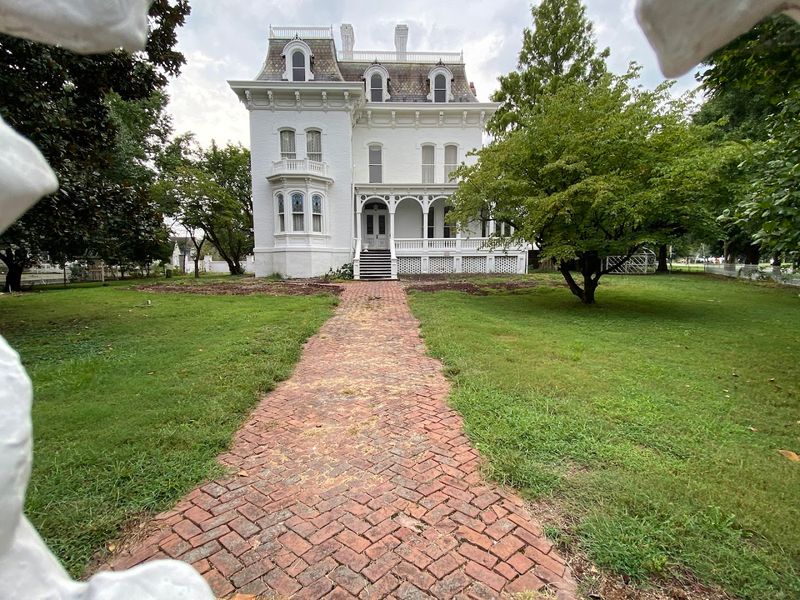
Cairo’s downtown is the kind of place that stops you mid-step. The architecture here is genuinely stunning, or at least the bones of it are.
Grand brick buildings with ornate details line the streets, their facades slowly crumbling, their windows dark or boarded shut. You can see what this place was meant to be, and that gap between intention and reality is what makes it so striking.
The old Gem Theatre stands as one of the most haunting landmarks, a building that once filled with laughter and light and now sits hollow and silent. The former Southern Medical Center is another relic, its scale suggesting a city that once served an entire region.
Several blocks of the historic core are listed on the National Register of Historic Places as the Cairo Historic District, which offers some protection but no guarantee of survival.
Demolitions have taken out a number of structures in recent years, and each one that falls removes another piece of the story. Local preservationists and historians have fought hard to document what remains, knowing that photographs may soon be all that is left.
There is a particular sadness to beautiful things disappearing slowly, and Cairo’s downtown captures that feeling better than almost anywhere I have ever visited.
The Underground Railroad Secrets Beneath the Streets
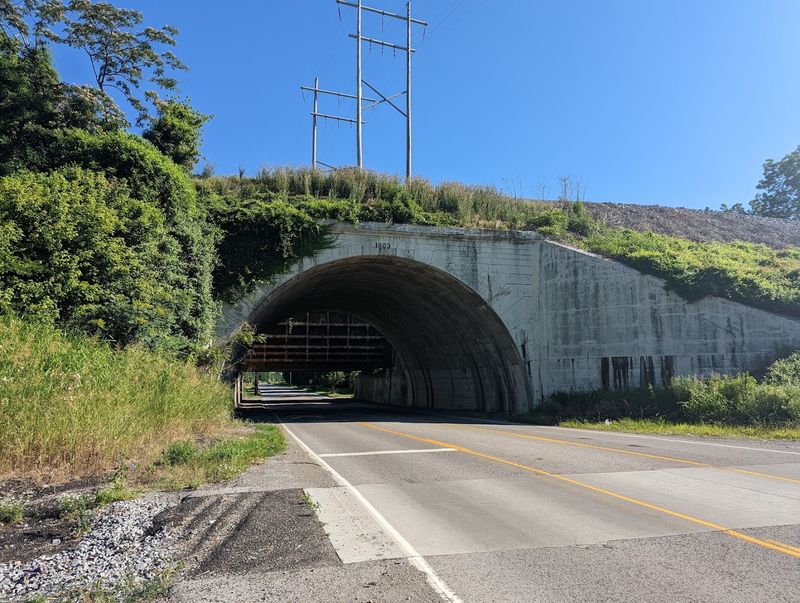
In the late 1990s, workers made a discovery beneath Cairo’s streets that reframed the town’s history in a profound way. Tunnels were uncovered that historians believe were part of the Underground Railroad, the network of secret routes and safe houses that helped enslaved people escape to freedom before the Civil War.
Finding that beneath a city already steeped in history added an entirely new layer to Cairo’s story.
The significance of this discovery is hard to overstate. Cairo’s location right on the border of free and slave states made it a natural crossing point for freedom seekers.
The Ohio River, which forms the boundary between Illinois and Kentucky, was one of the most important thresholds a person could cross on the path north. Those tunnels represent real courage and real desperation in equal measure.
Cairo’s relationship with race has always been complicated and often painful. The same town that may have sheltered freedom seekers also experienced brutal racial violence during Reconstruction and again during the civil rights era.
Understanding Cairo means holding both of those truths at the same time. The tunnels are a reminder that history is rarely simple, and that the ground beneath your feet often holds more than you expect it to.
Flooding, Levees, and the Constant Battle With Water
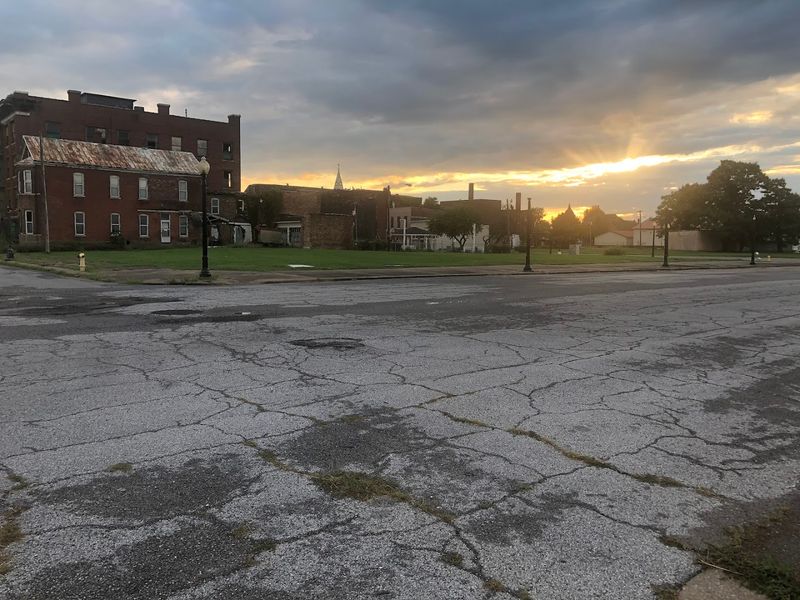
Living in Cairo has always meant living in negotiation with water. The town sits at the lowest elevation in Illinois, surrounded entirely by levees that hold back two of the continent’s most powerful rivers.
That engineering reality shapes everything about daily life here, from property values to emergency planning to the psychological weight of knowing the rivers are always right there, just beyond the wall.
The 2011 flood was the most dramatic recent example of what Cairo faces. Water levels rose so severely that authorities ordered a mandatory evacuation of the city.
The U.S. Army Corps of Engineers made the difficult decision to deliberately breach a levee upstream in Missouri to relieve pressure, flooding farmland to protect Cairo and other downstream communities.
It worked, but the event reminded everyone how fragile the town’s situation truly is.
Flooding has been part of Cairo’s story for as long as the town has existed. Early city planners knew the risks and built the levee system anyway, betting that the river trade would make it worthwhile.
For a while, they were right. Now the levees stand as monuments to that original gamble, protecting a city that has shrunk dramatically but still holds its ground against the water every single season without fail.
Poverty, Persistence, and the People Still Here

The people who remain in Cairo are not here by accident. They are here because this is home, and home is not something you abandon just because things get hard.
The town’s remaining residents face genuine hardship, including high unemployment rates, significant poverty levels, and a shrinking tax base that has made it difficult to maintain basic services. The closure of the local grocery store left residents without easy access to fresh food, a problem that hits hardest for those without reliable transportation.
Preschool programs have closed. Essential services have been reduced or eliminated entirely.
The kind of infrastructure that most Americans take for granted has become unreliable or unavailable in Cairo. And yet people stay, tend their yards, watch out for their neighbors, and keep a version of community alive that outsiders might not immediately recognize as such.
There is something genuinely moving about that persistence. It is not romantic suffering or noble poverty, it is just people who love a specific place and refuse to let it disappear entirely on their watch.
Community organizations have worked to fill gaps left by departing businesses and services. The story of Cairo is not just about what was lost, it is also about what a small group of determined people continue to build from what remains, quietly and without much outside attention.
Why Cairo Is Worth Visiting Right Now
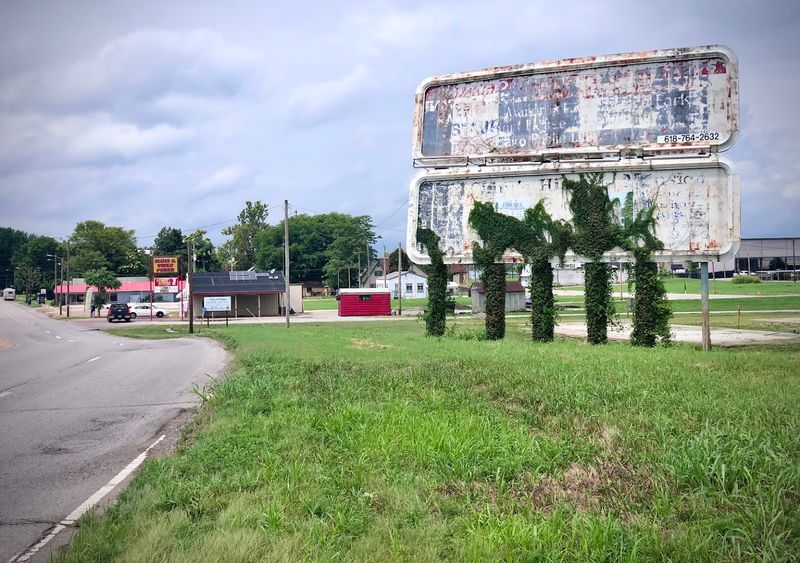
Cairo is not a typical tourist destination, and that is exactly what makes it worth your time. There are no gift shops, no polished visitor centers, no curated experience waiting for you.
What you get instead is something much rarer: a place that is completely, unself-consciously itself. The Cairo Historic District gives architecture enthusiasts and history lovers plenty to absorb, and the riverfront views at the confluence are genuinely spectacular in a way that no amount of development could improve.
History travelers will find layers here that few American towns can match. Civil War significance, Underground Railroad connections, Reconstruction-era racial history, and the story of industrial decline all overlap in this one small place.
Fort Defiance State Park sits at the very tip of the land where the two rivers meet, offering one of the most dramatic natural viewpoints in the entire state of Illinois.
Visiting Cairo feels like reading a chapter of American history that most textbooks skip over. It is uncomfortable in places, beautiful in others, and quietly unforgettable throughout.
Go with an open mind and some patience, and the town will show you things that a hundred more polished destinations never could. Cairo rewards the kind of traveler who is genuinely curious rather than just looking for a pleasant afternoon out.
Address: Cairo Precinct, IL 62914
