Honestly, I almost skipped this one. A mining museum in a small New Jersey town didn’t exactly sound like the kind of place that would leave me wide-eyed and genuinely speechless, but I couldn’t have been more wrong.
The moment I pulled into the parking lot at Sterling Hill Mining Museum in Ogdensburg, something felt different, like the ground itself had a secret it was dying to share.
I had read a few things about glowing rocks and underground tunnels, but reading about it and standing inside it are two completely different experiences.
The air gets cooler as you walk toward the mine entrance, and there’s this quiet anticipation that settles over the whole group.
I remember thinking, how is this real and why doesn’t everyone know about this place?
Sterling Hill is one of those rare spots that earns every single one of its nearly perfect five-star reviews.
The Underground Mine Tour That Changes Everything
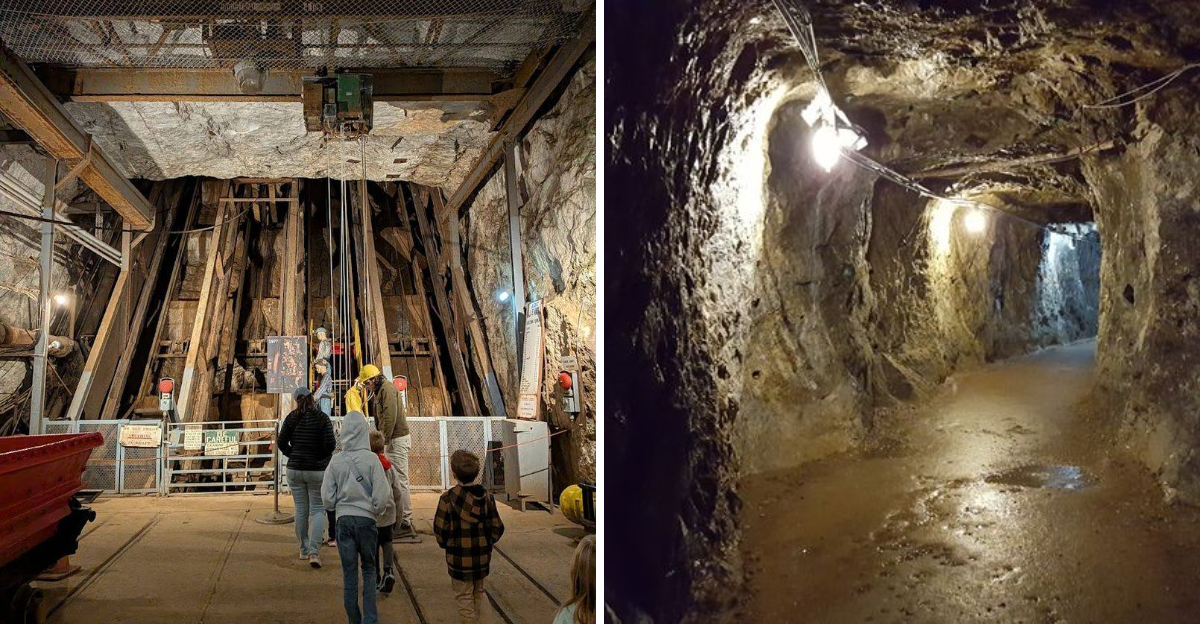
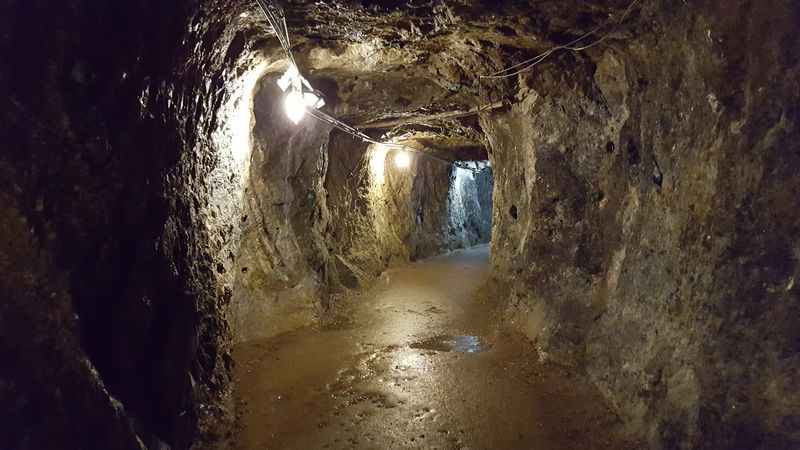
Walking into the actual mine at Sterling Hill feels like stepping into another world entirely. The temperature drops noticeably, the sounds of the outside world fade away, and all that’s left is the cool, earthy smell of rock and history.
It’s the kind of sensory shift that immediately tells your brain something extraordinary is about to happen.
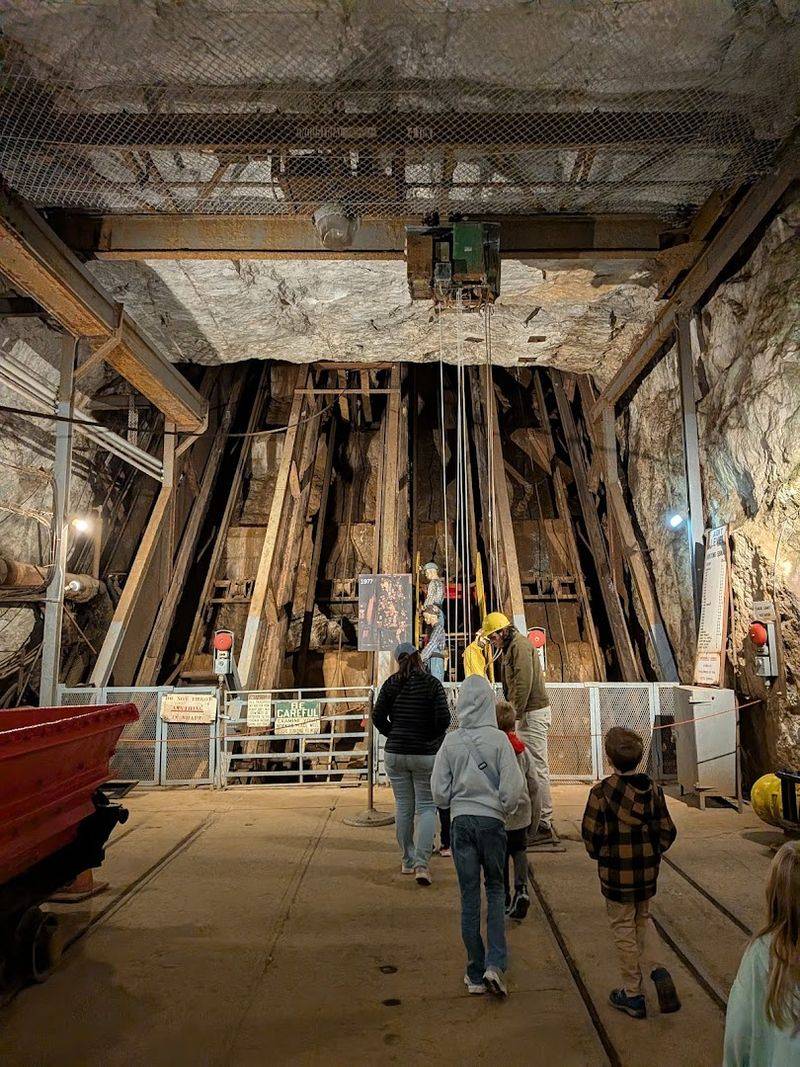
The guided underground tour lasts close to two hours, and it never drags. Guides walk visitors through the same tunnels that real zinc miners navigated for decades, explaining how the mine operated, what the daily lives of those workers looked like, and why this site became so geologically significant.
The explanations are clear and engaging, making the information accessible for both kids and adults without ever feeling dumbed down.
One of the most striking moments comes when the guide points out that the mine actually extends over 2,500 feet below the surface. The lower sections have since flooded because the water pumps stopped after the mine closed in 1986.
That detail alone adds a layer of mystery that sticks with you long after the tour ends. The tour covers fossils, mining techniques, equipment history, and geology in a way that feels cohesive rather than scattered.
It’s a genuinely well-crafted experience from start to finish, and visitors consistently leave impressed by how much they learned without realizing they were being educated the whole time.
The Rainbow Room and Its Jaw-Dropping Glow
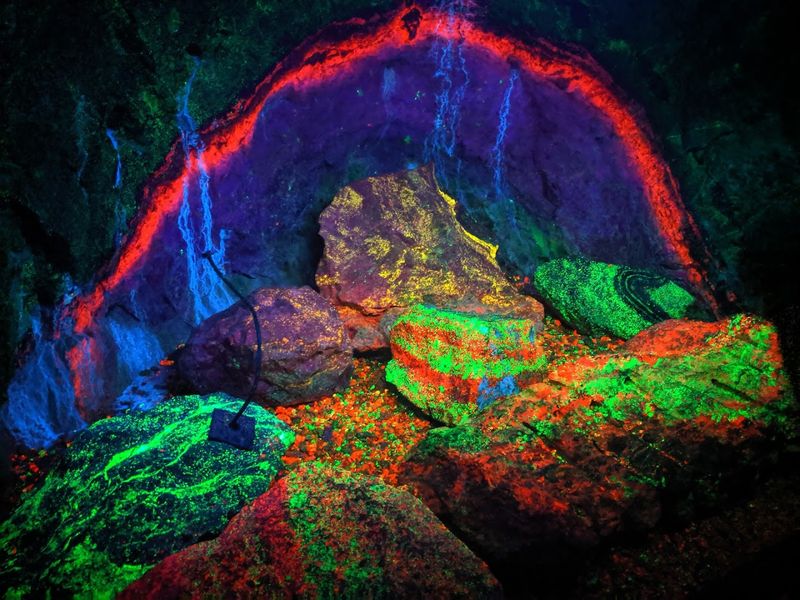
Nothing quite prepares you for the Rainbow Room. You’re walking through a tunnel that looks like any other mine passage, and then the UV lights come on and suddenly the walls are radiating electric greens, brilliant oranges, and deep magentas.
It genuinely looks like something out of a science fiction film rather than a real geological formation.
Sterling Hill sits on one of the most remarkable deposits of fluorescent minerals ever discovered. The rocks here, particularly willemite and calcite, react to ultraviolet light in ways that produce colors so vivid they almost seem artificial.
Seeing it in person is a completely different experience from looking at photographs, because the glow has a depth and intensity that a camera simply can’t capture.
What makes the Rainbow Room especially memorable is how it reframes everything you thought you knew about rocks. These aren’t just pretty stones sitting in a display case.
They’re part of the actual mine walls, glowing in their natural context, which makes the whole thing feel raw and authentic rather than staged. Kids in particular tend to go completely silent the moment the lights switch on, and then immediately start asking a hundred questions.
That reaction says everything. The Rainbow Room alone is worth the price of admission, and it’s the kind of moment that stays lodged in your memory for years after the visit.
The Fluorescent Mineral Collection Indoors
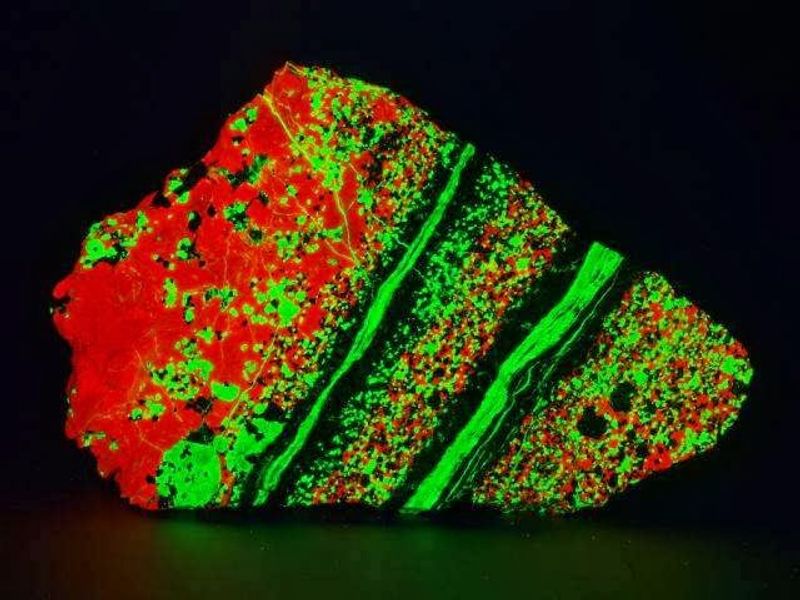
After the mine portion of the tour wraps up, visitors move into a series of indoor rooms housing one of the most extensive fluorescent mineral collections in the world. Three separate rooms are dedicated to specimens that glow under UV light, and the sheer variety on display is genuinely staggering.
Some pieces look like abstract paintings, others like alien landscapes.
Part of this collection came from a remarkable donation by the owner of Oreck vacuum cleaners, who spent years assembling an extraordinary array of minerals before giving the entire collection to the museum. That kind of generosity is what elevates Sterling Hill from a local curiosity to a world-class destination.
The curation is thoughtful, with labels that explain what each mineral is and why it behaves the way it does under ultraviolet light.
Spending time in these rooms feels almost meditative. The lights are low, the colors are extraordinary, and there’s a sense of standing in front of something genuinely rare.
Most visitors linger here much longer than they expect to, circling back to certain pieces for a second or third look. It’s the kind of collection that rewards curiosity.
Adults who came primarily for the mine tour often find themselves saying the indoor mineral rooms were their favorite part of the whole experience, which is saying something given how spectacular the underground section already is.
Knowledgeable and Passionate Tour Guides
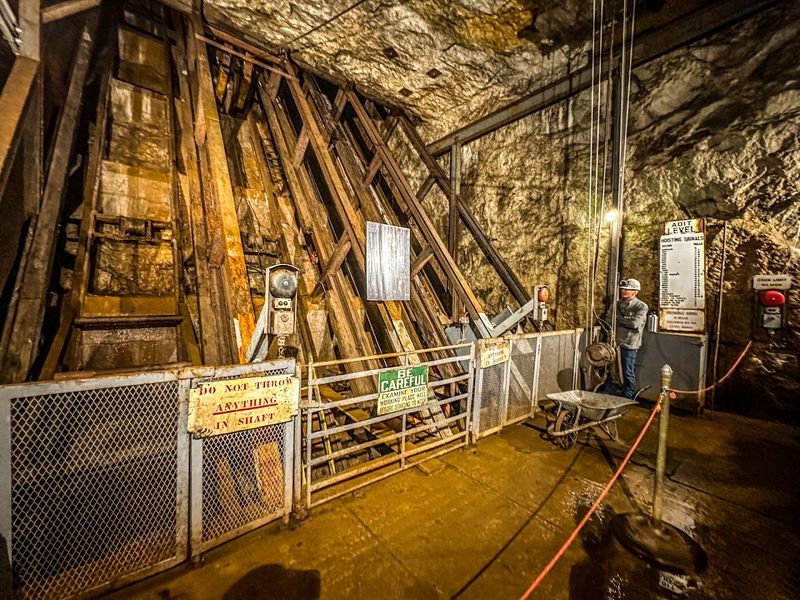
A great tour lives or dies by the person leading it, and Sterling Hill seems to have figured that out completely. The guides here are consistently praised, not just for knowing their material but for delivering it in a way that feels genuinely enthusiastic rather than rehearsed.
You can tell these are people who actually love this place.
They bring the history of the miners to life, explaining not just the geology but the human story behind the mine, the community it supported, and what it meant for the region. That dual focus on science and humanity makes the tour feel well-rounded and emotionally resonant.
They also handle groups of mixed ages with real skill. On busy days, guides split large crowds into smaller groups so no one feels lost in the shuffle or unable to hear.
They answer questions patiently, encourage curiosity, and never make anyone feel like they’re holding up the tour. For families with school-age kids, this is especially valuable because the guides pitch their explanations at a level that works for everyone without ever talking down to the adults.
That balance is harder to achieve than it looks, and Sterling Hill’s team pulls it off consistently.
The Museum Buildings and Historical Exhibits
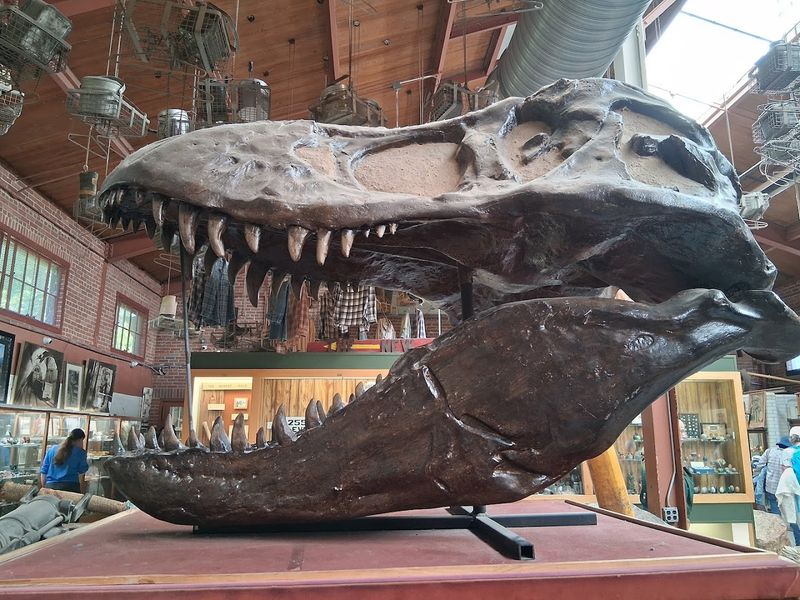
Above ground, the museum buildings hold their own surprises. Walking through the exhibit halls feels like flipping through a very well-organized history book, except the artifacts are real, three-dimensional, and often enormous.
Old mining equipment sits alongside geological specimens, historical photographs, and artifacts that span centuries of human activity in this region.
The collection also includes some genuinely unexpected items. There are dinosaur footprints, Native American artifacts, a meteorite that crashed into a New Jersey home, and even a steel beam from the World Trade Center.
The breadth of the collection is remarkable, and it’s curated in a way that makes each item feel relevant rather than randomly thrown together. Visitors who consider themselves history buffs in particular tend to spend the most time in these rooms, reading every label and examining every artifact.
It’s the kind of museum that rewards slow, attentive exploration rather than a quick walk-through.
Rock and Mineral Collecting for Visitors
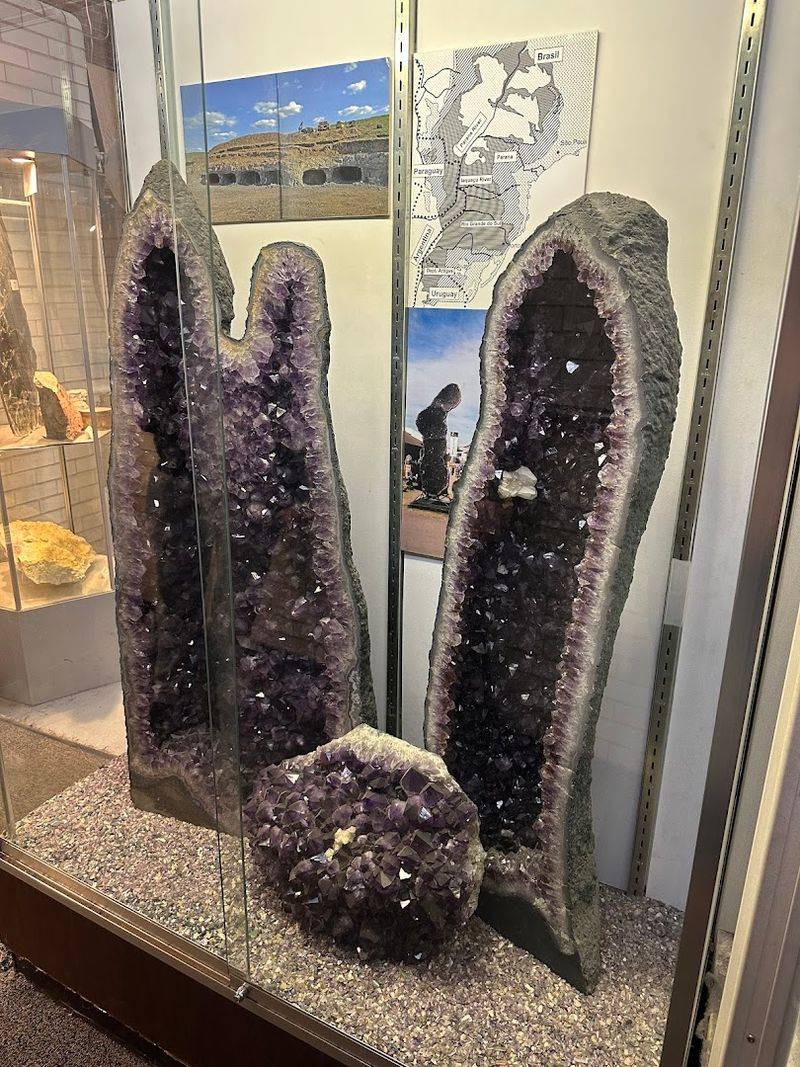
For visitors who want to take a piece of Sterling Hill home with them, the rock and mineral collecting activities are a wonderful addition to the tour experience. Sluicing is particularly popular, especially with younger visitors.
You buy a bag of sand that comes with a mineral identification card, and then you sift through it at the sluice station to discover what’s hiding inside.
It’s a simple activity, but it works beautifully because it makes geology feel participatory rather than passive. Kids who might have been flagging in energy toward the end of the tour suddenly come alive again when they get to handle their own finds and figure out what they’ve discovered.
The mineral identification cards add an educational layer that keeps the activity from feeling like just a novelty.
One practical note worth passing along: the rock collecting activities close around the same time the tour ends, so arriving early in the morning gives you a better chance of fitting everything in. The museum opens at 10 AM, and getting there with some buffer time before the tour starts means you can browse the grounds, check out the outdoor equipment displays, and still have energy left for collecting afterward.
Planning your visit with that timing in mind makes the whole day flow much more smoothly and ensures you don’t miss anything worth seeing.
The Outdoor Equipment and Grounds
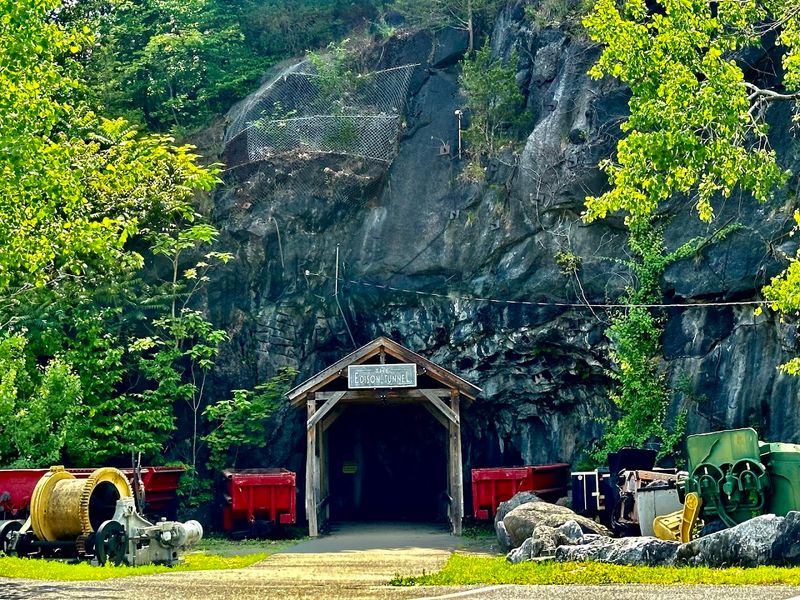
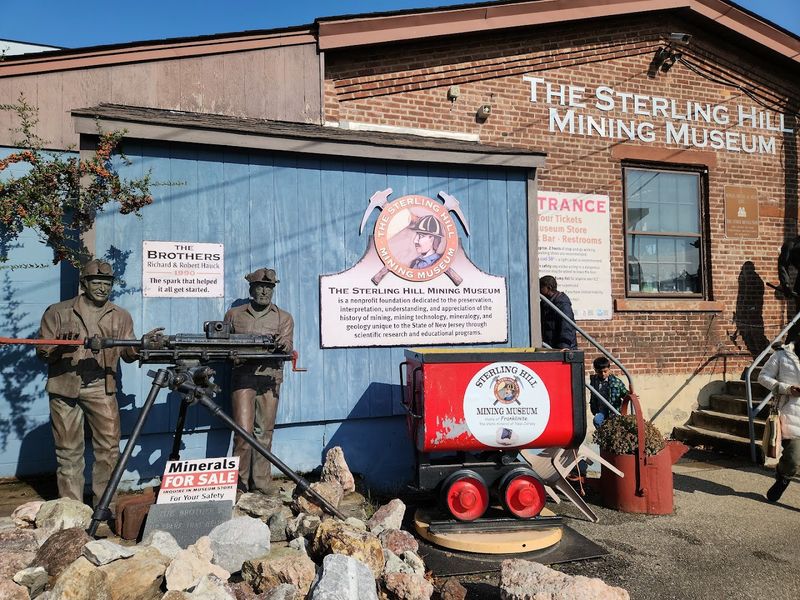
The grounds around the museum are worth exploring before or after the tour. Original mining equipment has been preserved and displayed outside, giving visitors a sense of the industrial scale that once defined this site.
Some of the machinery is painted in bright colors, which gives the outdoor area a surprisingly vivid, almost festive quality that contrasts nicely with the rugged history it represents.
Walking among the equipment feels different from looking at it behind glass. You can get close, read the signage, and really appreciate the engineering that went into these machines.
For anyone with an interest in industrial history or mechanical design, this section of the visit offers a satisfying amount of detail. The scale of some pieces is genuinely impressive, the kind of thing you can only fully appreciate when standing next to it.
There’s also a glass-enclosed lunch space on the grounds, which makes Sterling Hill a practical destination for family groups who want to bring food and make a full day of it. The snack shack near the gift shop handles visitors who didn’t pack anything, so no one ends up hungry midway through a long tour.
Having those practical amenities available on-site makes the whole experience feel well thought out and visitor-friendly, which is a detail that matters more than people usually expect when planning a day trip like this one.
Perfect for Families, Students, and Curious Adults
Sterling Hill has a rare quality that not many attractions manage to pull off: it genuinely works for everyone. Fourth graders on field trips, grandparents looking for something interesting to do on a weekend, teenagers who came reluctantly and left genuinely impressed, all of them seem to find something that clicks.
The tour is structured in a way that layers information, so younger visitors absorb the exciting visual elements while adults pick up the deeper historical and geological context.
School groups in particular seem to thrive here. Teachers and chaperones who visited with classes have noted how much the kids retained afterward, which speaks to the quality of the guides and the hands-on nature of the experience.
Learning tends to stick better when it’s tied to something memorable, and a tunnel full of glowing rocks is about as memorable as it gets.
The museum does suggest that children younger than six might find the tour a bit long, and that’s a fair heads-up rather than a deterrent. The walk covers a good amount of ground and can tire out very small kids toward the end.
Planning Your Visit to Sterling Hill Mining Museum
Getting the most out of a visit to Sterling Hill takes just a little bit of advance planning, and it’s well worth the effort. The museum is open Thursday through Monday from 10 AM to 3 PM, and tours typically run once a day around 1 PM.
Showing up by 12:30 PM gives you time to purchase tickets, get oriented, and explore the grounds before the tour begins. Tickets are purchased in person at the gift shop since online booking isn’t currently available.
Wearing comfortable shoes is strongly recommended. The mine is damp in places, and the ground can be uneven, so anything you wouldn’t mind getting a little dirty is the right call.
A light jacket or hoodie is also a smart addition, since the temperature inside the mine is noticeably cooler than outside, even on warm summer days.
Sterling Hill has earned a 4.7-star rating, which puts it firmly in the category of places that consistently deliver on their promise. Whether you’re a geology enthusiast, a history lover, or just someone looking for a genuinely different kind of day trip in New Jersey, this museum delivers something real and lasting.
Address: 30 Plant St, Ogdensburg, New Jersey.
Dear Reader: This page may contain affiliate links which may earn a commission if you click through and make a purchase. Our independent journalism is not influenced by any advertiser or commercial initiative unless it is clearly marked as sponsored content. As travel products change, please be sure to reconfirm all details and stay up to date with current events to ensure a safe and successful trip.
